Clara Fransiska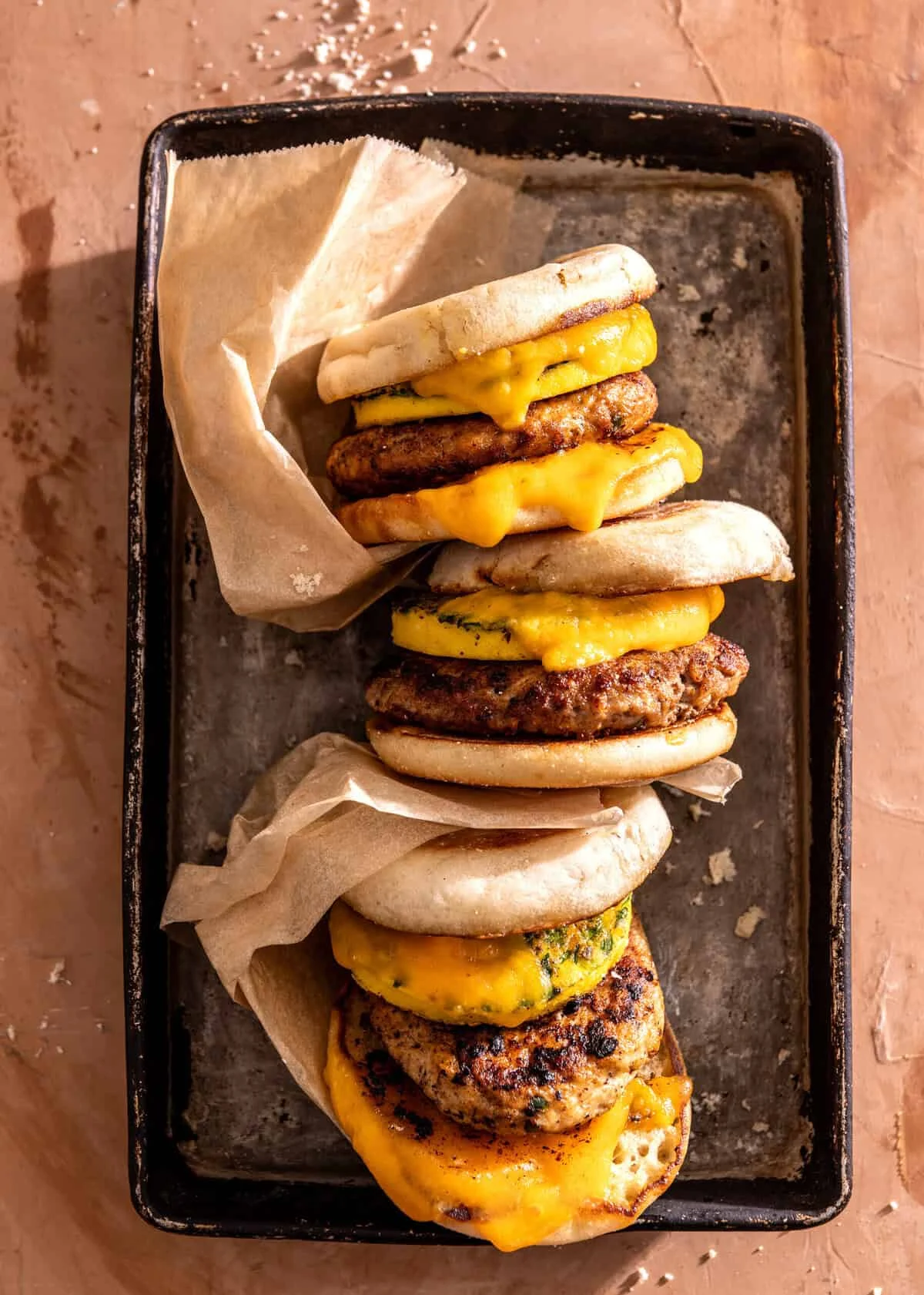
The quest for efficient and satisfying morning meals has led many to explore make-ahead options. Among these, freezer-friendly breakfast sandwiches have emerged as a popular and practical solution, particularly those featuring a combination of homemade chicken patties and baked eggs. These sandwiches are designed to provide a substantial and filling start to the day, keeping individuals satiated until lunchtime, and are easily stored in the freezer for quick access. The appeal lies in their ability to transform busy mornings into a more streamlined experience, offering a nutritious alternative to rushed breakfasts or less wholesome convenience foods.
Background and Evolution of Breakfast Habits
Historically, breakfast routines have varied significantly across demographics and time periods. For many, childhood breakfasts were characterized by simple, often carb-heavy options like frozen waffles, bagels with cream cheese, or cinnamon toast, with occasional indulgences in pancakes. Eggs, while a staple in many diets, were not always a central component of the morning meal for some families, with a preference leaning towards butter-rich, carbohydrate-based dishes. This personal history often shapes an individual’s culinary perspective and their approach to meal preparation later in life.
The introduction of the breakfast sandwich, particularly the egg and sausage variety, gained traction in more recent decades, becoming a common offering in diners, cafes, and the frozen food sections of supermarkets. The convenience of a pre-assembled, portable breakfast item, coupled with its protein content, fueled its popularity. This trend prompted culinary enthusiasts and home cooks to investigate the viability and taste of homemade versions, seeking to replicate the convenience while potentially enhancing the flavor and nutritional profile. The desire to create a breakfast that not only tasted good but also offered sustained energy led to experimentation with various ingredients and preparation methods.
Development of the Freezer-Friendly Chicken and Egg Breakfast Sandwich
The development of this specific freezer-friendly breakfast sandwich represents a culinary evolution driven by the need for practical meal solutions. The creator, recognizing the growing demand for convenient yet wholesome breakfast options, focused on creating a recipe that could be prepared in batches and stored for future consumption. This approach addresses the challenges faced by individuals with demanding schedules who struggle to find time for proper meal preparation during the week.
The core components of this sandwich—homemade chicken patties and baked eggs—were chosen for their reheating qualities and their ability to contribute to a sense of fullness. Unlike some breakfast items that can become unappetizing after freezing and reheating, these elements are reported to maintain their texture and flavor remarkably well. The process involves meticulously crafting each component to ensure optimal results, from the seasoning of the chicken patties to the precise baking time of the eggs.

Timeline of Development and Sharing
While the exact timeline of the recipe’s development is not fully detailed, the article indicates that the creator began making these sandwiches regularly in January, suggesting a period of refinement and testing. The decision to share the recipe with the public was made with the onset of summer in mind, a season often associated with less time spent indoors and a greater emphasis on quick, on-the-go meals. This timing highlights the sandwich’s utility as a way to maximize time outdoors and minimize kitchen duties during warmer months. The original publication date of April 8, 2026, further situates this culinary innovation within a contemporary context of food trends and lifestyle demands.
Recipe Breakdown: Components and Preparation
The creation of these breakfast sandwiches involves a multi-step process, focusing on quality ingredients and efficient techniques.
Chicken Patties:
The chicken patties are a key element, providing a savory and protein-rich foundation for the sandwich. The recipe emphasizes a hands-on approach to mixing the ingredients, ensuring an even distribution of spices and binders. The patties are then shaped and cooked until golden brown and thoroughly cooked through, aiming for a satisfying crust.
Baked Eggs:
Eggs are prepared by whisking them with seasonings and, in some variations, spinach, before being baked in a prepared dish. The baking process is carefully timed to achieve set eggs without overcooking, as they will be reheated later. The eggs are then cut into rounds, often using a cookie cutter, although squares are also deemed acceptable, highlighting a pragmatic approach to preparation.
Assembly and Freezing:
Once the patties and eggs are ready, the sandwiches are assembled on lightly buttered English muffins. Each sandwich typically includes an egg round, a chicken patty, and cheese, topped with the other half of the muffin. For storage, the assembled sandwiches are individually wrapped, making them ready for immediate freezing or refrigeration.
Tools and Equipment:
The preparation of these sandwiches utilizes common kitchen tools. A Pyrex pan is recommended for baking the eggs, while a skillet is used for cooking the chicken patties. Essential items like a sheet pan, chef’s knife, and cutting board are also noted. A round cookie cutter is suggested for shaping the eggs, though not strictly necessary.

Reheating and Consumption:
For optimal results, the sandwiches can be thawed before reheating in an oven at 350°F until heated through. Alternatively, a quicker method involves microwaving for 1-2 minutes, followed by a crisping step in a skillet or toaster oven to revive the muffin’s texture.
Analysis of Implications and Broader Impact
The popularity of freezer-friendly breakfast sandwiches like this one reflects several broader trends in modern food consumption:
- Demand for Convenience: As lifestyles become increasingly demanding, consumers are actively seeking out meal solutions that save time without compromising quality. Make-ahead meals and grab-and-go options are therefore in high demand.
- Focus on Nutrition: There is a growing awareness of the importance of balanced nutrition, particularly at the start of the day. Homemade options allow for greater control over ingredients, enabling individuals to opt for healthier alternatives to highly processed convenience foods. The inclusion of protein from chicken and eggs addresses the need for sustained energy and satiety.
- Home Cooking Revival: Despite the prevalence of convenience foods, there remains a significant segment of the population that values and engages in home cooking. Recipes that offer practical benefits, such as batch cooking and freezing, appeal to this demographic, allowing them to enjoy homemade meals even with limited time.
- Meal Prepping Culture: The rise of meal prepping as a lifestyle choice has further amplified the demand for recipes that can be prepared in advance. These breakfast sandwiches align perfectly with the principles of meal prepping, enabling individuals to create a week’s worth of breakfasts in a single session.
The success and widespread adoption of such recipes indicate a shift towards more intentional and strategic meal planning. By offering a delicious, satisfying, and practical solution to the perennial challenge of busy mornings, these freezer-friendly breakfast sandwiches are more than just a recipe; they represent a culinary adaptation to the demands of contemporary life. The ability to enjoy a homemade, wholesome breakfast with minimal effort on a daily basis provides a tangible benefit, contributing to overall well-being and productivity.
Further Considerations and Variations
While the core recipe focuses on chicken and egg, the inherent adaptability of the breakfast sandwich format allows for numerous variations. The inclusion of different cheeses, the addition of sautéed vegetables like onions or peppers to the chicken mixture, or the use of alternative breads or English muffin varieties can cater to a wider range of palates and dietary preferences. The egg scraps, often discarded, are highlighted as a valuable resource, suggesting their use in other dishes like breakfast tacos or as a standalone snack, further emphasizing a zero-waste approach to food preparation.
The emphasis on flexibility in the preparation and reheating stages underscores the practical nature of this recipe. Whether one has a dedicated round cutter or prefers a more rustic square shape, the ultimate goal is a satisfying meal. Similarly, the option to reheat directly from frozen or after thawing caters to varying schedules and levels of planning. This pragmatic approach makes the recipe accessible and appealing to a broad audience.
In conclusion, the Chicken and Egg Freezer Breakfast Sandwich stands as a testament to innovative home cooking, addressing a common need with a delicious and practical solution. Its ability to be prepared in advance, stored conveniently, and reheated efficiently makes it an invaluable asset for anyone seeking to optimize their mornings without sacrificing taste or nutritional value. The recipe’s success lies in its thoughtful construction, combining familiar flavors with a forward-thinking approach to meal preparation.