
 Hanik Kholidah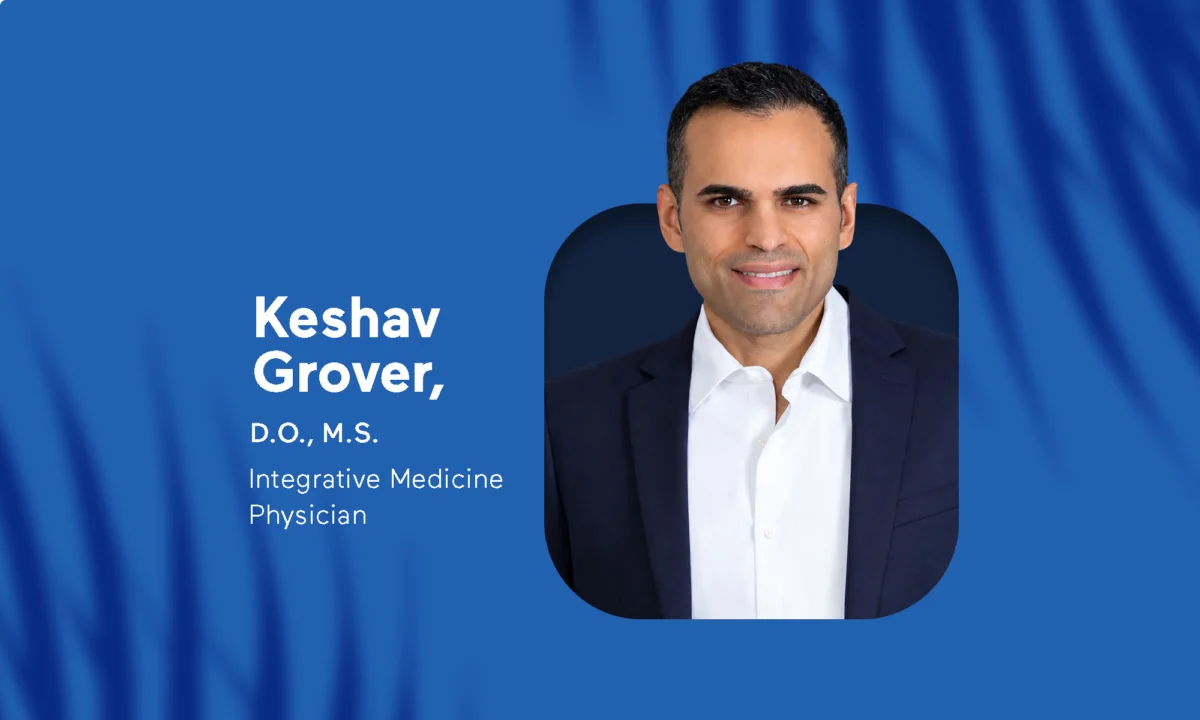
The modern landscape of human health and longevity has transformed into an overwhelming ecosystem of hyper-optimization, expensive biohacking protocols, and relentless social media trends. In an era dominated by high-tech interventions—ranging from complex peptide stacks and continuous blood glucose monitors to full-body MRI scans and aggressive supplement regimens—the average consumer often feels paralyzed by the sheer volume of choices. This modern phenomenon, frequently termed "health maxxing," pushes the narrative that achieving peak vitality requires a 24-hour lifestyle commitment involving thousands of dollars in preventative technology and laboratory testing. However, a growing faction of mainstream and integrative medical professionals are pushing back against this exhausting paradigm.
Dr. Keshav Grover, a prominent integrative medicine physician and author of the publication Wellness Bridge, advocates for a fundamental shift in how society approaches personal health. Rather than encouraging patients to chase every emerging clinical trend or emulate the extreme, highly personalized routines of Silicon Valley entrepreneurs, Dr. Grover emphasizes a return to foundational medicine. His clinical philosophy hinges on a simple, minimalist tenet: medical interventions, whether pharmaceutical or supplemental, should only be introduced when a specific, identifiable clinical problem requires resolution. This evidence-based, patient-centric approach offers a refreshing counterbalance to a wellness culture that increasingly profits from manufactured anxiety and consumer fatigue.
The Evolution of Wellness Culture and the Rise of "Health Maxxing"
To understand the current state of consumer health, it is necessary to examine how the wellness industry has evolved over the past decade. Historically, mainstream health advice focused on broad, accessible pillars: maintaining a balanced diet, engaging in regular cardiovascular and resistance exercise, managing stress, and getting adequate sleep. While these foundational elements remain scientifically validated, the democratization of medical information—accelerated by social media platforms, podcasts, and direct-to-consumer health tech companies—has radically decentralized medical discourse.
In recent years, this shift gave rise to extreme biohacking culture. High-profile figures, most notably tech entrepreneur Bryan Johnson, popularized exhaustive, multimillion-dollar daily regimens designed to reverse biological aging. While medical professionals generally acknowledge the impressive discipline required for such protocols, integrative physicians like Dr. Grover caution against viewing these extreme case studies as a baseline for the general population. Johnson’s regimen is an outlier, tailored to a specific individual under constant, highly specialized medical supervision. When average consumers attempt to replicate these complex frameworks without clinical guidance, the result is often financial strain, decision fatigue, and unnecessary psychological stress—ironically counteracting the physiological benefits of pursuing health in the first place.
Demystifying Peptides: Hype Versus Clinical Utility
One of the most prominent flashpoints in contemporary biohacking is the explosion of interest surrounding peptides. Short chains of amino acids, peptides have gained immense popularity across wellness forums and specialized longevity clinics. While some peptides have established a long, successful history in conventional medicine—such as insulin for diabetes management, collagen for structural support, and GLP-1 receptor agonists like semaglutide and tirzepatide for metabolic health—the modern consumer market has embraced far more experimental compounds.
Online communities frequently discuss complex combinations known colloquially as "stacks." For instance, the popular "Wolverine stack" pairs BPC-157 and TB-500, compounds frequently cited in anecdotal reports for tissue repair and inflammation reduction. Similarly, the "Glo stack" often incorporates GHK-Cu, a copper peptide, sometimes combined with KPV.

Despite their widespread appeal, Dr. Grover stresses that peptides are powerful signaling molecules that demand rigorous clinical justification and safety oversight. Every intervention must be strictly matched to an individual’s specific physiological needs. Furthermore, safety considerations must remain paramount. For example, Dr. Grover highlights that individuals with precancerous lesions or active oncological histories must exercise extreme caution with peptides that increase Vascular Endothelial Growth Factor (VEGF), a protein that stimulates the formation of blood vessels. Stimulating angiogenesis in a patient with undiagnosed or developing malignancies can inadvertently support tumor growth. Consequently, integrative physicians emphasize that peptides should never be acquired through unverified online vendors; they require certified compounding pharmacies, stringent purity testing via certificates of analysis, and domestic U.S. manufacturing standards.
Prioritizing Free and Low-Cost Diagnostics Before Advanced Testing
When patients first seek out integrative medical care, they often anticipate an immediate recommendation for expensive, highly specialized laboratory panels, such as comprehensive stool microbiomes, organic acids tests, or advanced Dutch hormone panels. However, Dr. Grover’s clinical protocol begins with the most accessible, foundational metric available: standard vital signs.
Cardiovascular disease remains the leading cause of mortality in the United States. Despite this staggering statistic, many individuals pursuing expensive biohacking interventions overlook routine blood pressure monitoring. Dr. Grover notes that checking blood pressure is entirely free and can be performed conveniently at local pharmacies. Establishing a stable cardiovascular baseline prevents overlooking the most critical, actionable risk factor for stroke and heart disease.
Once basic vitals are established, a rational clinical evaluation proceeds to foundational blood work rather than obscure specialty testing. A standard integrative baseline typically incorporates:
- A comprehensive metabolic panel (CMP) to evaluate kidney and liver function alongside electrolyte balance.
- A complete blood count (CBC) to assess overall cellular health and screen for conditions like anemia or infection.
- Thyroid panels to evaluate metabolic regulation.
- Sex and adrenal hormones to assess endocrine health.
- Lipid panels and advanced cardiac markers to gauge long-term cardiovascular risk.
- Inflammatory markers, such as high-sensitivity C-reactive protein (hs-CRP).
- Micronutrient testing to identify potential nutritional deficiencies.
For patients managing specific metabolic concerns, such as blood sugar dysregulation, Dr. Grover monitors hemoglobin A1c—which provides a reliable 90-day average of blood glucose levels—alongside fasting insulin. It is only after thoroughly reviewing these foundational metrics that a physician should logically consider deeper diagnostic dives, such as advanced gastrointestinal microbiome analysis, small intestine bacterial overgrowth (SIBO) breath tests, or environmental toxin panels.
Skepticism Surrounding Full-Body Scans
The philosophy of "more is better" has also driven a massive commercial market for elective, full-body MRI scans marketed as preventative health lifesavers. While these high-tech imaging modalities promise early detection for a myriad of conditions, medical professionals frequently urge caution.
Dr. Grover points out a significant drawback to indiscriminate screening: the discovery of incidentalomas. These are benign, harmless anatomical anomalies that frequently appear on advanced scans. While medically insignificant, discovering an incidental finding often triggers a cascade of anxiety for the patient, followed by invasive, costly follow-up procedures to investigate a condition with an exceptionally low probability of causing harm. Integrative medicine prioritizes diagnostic interventions that possess a high clinical yield, ensuring that testing directly informs actionable, beneficial treatments rather than simply generating anxiety.

The Self-Administered Gut Health Assessment
While laboratory diagnostics play a crucial role in modern medicine, Dr. Grover demonstrates that valuable clinical insights often begin with a simple, introspective conversation rather than an expensive test kit. When evaluating gastrointestinal health—a cornerstone of integrative medicine—physicians can gather substantial diagnostic clues by asking patients targeted, straightforward questions regarding their daily bodily functions.
Instead of immediately prescribing a costly $500 stool microbiome analysis, a comprehensive clinical intake often explores fundamental patterns: frequency and consistency of bowel movements, post-meal bloating or discomfort, systemic skin issues, fatigue levels, and dietary tolerances. While advanced stool testing remains valuable for pinpointing specific dysbiosis, parasitic infections, or inflammatory markers, a detailed clinical history provides an immediate, zero-cost framework for understanding digestive efficiency. This conversational diagnostic approach empowers patients to actively participate in understanding their bodies without relying exclusively on consumer health products.
Shifting Away From Dogmatic Rigidity: The Psychology of Aging Well
Beyond physical interventions, the modern wellness movement frequently exerts intense psychological pressure through dietary dogmatism and lifestyle policing. Dr. Grover reflects on his own personal evolution within the field, noting that he previously functioned as the self-appointed "wellness police" within his own household, scrutinizing every food label and challenging his family members’ dietary choices.
Over time, clinical observation reshaped this rigid perspective. By working with resilient older adults who successfully age into their seventies, eighties, and nineties while maintaining high cognitive function and social engagement, Dr. Grover recognized the profound physiological value of psychological flexibility and community connection. This shift in perspective extends to controversial lifestyle factors, such as moderate alcohol consumption. While public health messaging has increasingly trended toward establishing zero as the only acceptable threshold for alcohol intake, integrative practitioners emphasize the broader psychosocial context. The shared human experience of gathering around a table, sharing a meal, and fostering deep social bonds contributes immeasurably to emotional well-being and longevity—factors that cannot be easily isolated in a laboratory setting.
The Broader Implications for Modern Healthcare
The core message emerging from forward-thinking integrative physicians is one of empowerment through simplicity. As the wellness industry continues to expand with novel products, continuous monitoring devices, and complex protocols, consumers are invited to reclaim their autonomy by focusing on the fundamentals.
Achieving sustainable health does not require individuals to adopt exhaustive, full-time biohacking routines or bankrupt themselves on experimental interventions. Meaningful physiological improvement often begins with modest, consistent adjustments: monitoring vital blood pressure, ensuring adequate sleep, eating whole, nutrient-dense foods, and maintaining strong social connections. By prioritizing targeted, evidence-based care over sweeping wellness trends, patients can navigate the modern health landscape with confidence, clarity, and peace of mind.