Hanik Kholidah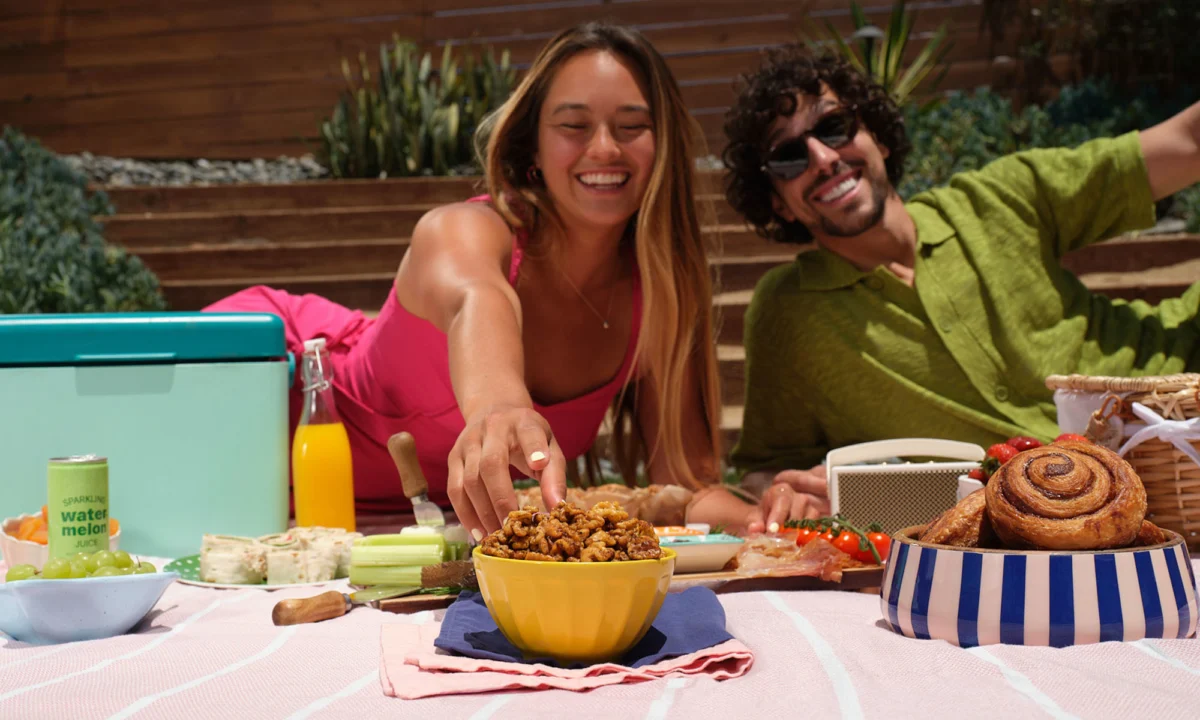
As the summer season reaches its peak, culinary experts and nutritionists are highlighting the versatility of California walnuts as a fundamental component of seasonal meal planning. Often associated with holiday baking and autumnal salads, walnuts have emerged as a year-round nutritional powerhouse, particularly suited for the lighter, fresher fare typical of warm-weather gatherings. Beyond their culinary adaptability, these tree nuts provide a dense profile of essential nutrients, including plant-based omega-3 alpha-linolenic acid (ALA), protein, and fiber, making them a strategic addition to a balanced summer diet.
The Role of California Walnuts in Modern Summer Cuisine
California’s Central Valley serves as the global epicenter for walnut production, accounting for approximately 99% of the United States’ commercial supply and nearly three-quarters of the world’s walnut trade. The industry, governed by organizations such as the California Walnut Board, emphasizes the nut’s transition from a pantry staple to a primary ingredient in plant-forward cooking. During the summer months, the focus shifts toward utilizing the walnut’s mild, buttery flavor and distinctive texture to enhance grilled proteins, fresh produce, and dairy-free alternatives.
The nutritional significance of walnuts is well-documented in clinical research. They are the only tree nut to offer an excellent source of ALA, a plant-based omega-3 fatty acid that is essential for heart health. A single one-ounce serving contains 2.5 grams of ALA, 4 grams of plant-based protein, and 2 grams of fiber. Furthermore, walnuts are rich in antioxidants, specifically polyphenols and gamma-tocopherol, which play a role in mitigating oxidative stress. These factors have led to the walnut being a frequent inclusion in the Mediterranean diet, which is widely regarded as one of the healthiest eating patterns for longevity and cardiovascular wellness.
Chronology of the California Walnut: From Harvest to Summer Table
Understanding the availability of walnuts requires a look at their agricultural cycle. The California walnut harvest typically begins in late August and continues through November. During this period, farmers use mechanical shakers to remove the nuts from the trees, followed by a meticulous process of hulling, drying, and shelling.

To maintain the "fresh-picked" quality throughout the following summer, proper storage is critical. Industry standards recommend storing walnuts in the refrigerator for short-term use or the freezer for long-term preservation. This prevents the natural oils in the nuts from oxidizing, ensuring that the buttery flavor remains intact for summer recipes. The following three culinary applications demonstrate how this stored bounty can be integrated into diverse summer menus.
Culinary Application I: The Walnut Ricotta Tart with Roasted Vegetables
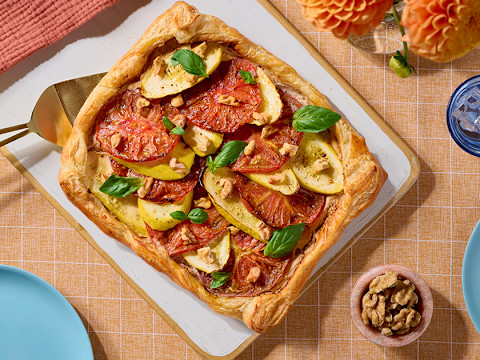
Designed for communal dining and informal gatherings, the Walnut Ricotta Tart with Roasted Vegetables leverages the abundance of summer produce. This recipe emphasizes the use of heirloom tomatoes and seasonal peppers, which are at their peak nutritional value during July and August.
Nutritional Profile per Serving:
- Calories: 560
- Protein: 12 grams
- Carbohydrates: 36 grams
- Fat: 40 grams
The preparation involves a flaky pastry base topped with a seasoned ricotta spread. The integration of California walnuts provides a structural contrast to the creamy cheese and softened vegetables. From a culinary perspective, the walnuts act as a bridge between the acidity of the tomatoes and the richness of the dairy.
Ingredients and Assembly:
The tart requires a standard pastry crust, whole-milk or part-skim ricotta, and a selection of garden vegetables such as zucchini, bell peppers, and cherry tomatoes. The vegetables are roasted with olive oil and herbs until caramelized. The ricotta is whipped with lemon zest and garlic before being spread over the baked crust. The final assembly includes the roasted vegetables and a generous topping of toasted walnuts, which adds a necessary crunch and a boost of healthy fats.

Culinary Application II: Grilled Mahi Mahi with Walnut Peach Relish
As outdoor grilling becomes a primary method of food preparation during the summer, the use of lean proteins like Mahi Mahi is frequently recommended by dietitians. This dish highlights the synergy between stone fruits and walnuts, a combination that provides a complex flavor profile without the need for heavy sauces.
Nutritional Profile per Serving:
- Calories: 204
- Protein: 7 grams
- Carbohydrates: 7 grams
- Fat: 17 grams
Mahi Mahi is a firm-fleshed fish that maintains its integrity on the grill. It serves as an excellent source of high-quality protein and selenium. The accompanying Walnut Peach Relish is the defining element of the dish, utilizing the natural sweetness of summer peaches and the earthy richness of walnuts.
Preparation Strategy:
The fish is seasoned simply with salt, pepper, and lime juice before being grilled over medium-high heat. The relish is constructed by dicing fresh peaches and mixing them with finely chopped California walnuts, red onion, cilantro, and a splash of rice vinegar. This relish provides a vibrant, textural topping that introduces omega-3s into a traditionally lean meal, enhancing both the satiety and the nutritional density of the dish.
Culinary Application III: Walnut Oat and Fruit Crisp with Walnut Cream
Dessert options in the summer often lean toward fruit-based dishes that celebrate the harvest of berries, stone fruits, and pomes. The Walnut Oat and Fruit Crisp offers a sophisticated alternative to traditional pies, featuring a nutrient-dense topping and a specialized dairy-free cream.
Nutritional Profile per Serving:
- Calories: 470
- Protein: 7 grams
- Carbohydrates: 50 grams
- Fat: 28 grams
The "crisp" element of the dessert is composed of oats and California walnuts, which provide a more substantial nutritional profile than flour-heavy crumbles. The use of walnuts in the topping increases the intake of polyunsaturated fats, which are considered "healthy fats" essential for cellular function.
Innovative Dairy-Free Walnut Cream:
A notable feature of this recipe is the Walnut Cream. By soaking walnuts and blending them with water and a sweetener (such as maple syrup or honey), a thick, decadent cream is produced. This serves as an ideal plant-based substitute for whipped cream or ice cream, catering to the growing consumer demand for dairy-free alternatives that do not sacrifice flavor or texture.
Industry Perspectives and Economic Impact
The promotion of walnuts as a summer staple is part of a broader strategic initiative by the California Walnut Commission to expand the domestic market. Industry analysts note that as consumer awareness of plant-based nutrition increases, there is a significant shift toward whole-food ingredients that offer multiple health benefits.
"Walnuts are no longer just a baking ingredient," states an industry representative. "They are being repositioned as a ‘hero ingredient’ in the American kitchen. Whether used as a meat substitute in tacos, a base for pesto, or a crunch factor in summer tarts, the versatility of the California walnut is its greatest market asset."

The economic impact of the walnut industry is substantial, supporting thousands of jobs in California’s agricultural sector. By encouraging summer consumption, the industry ensures a steadier demand throughout the year, which stabilizes prices for both growers and consumers.
Analysis of Health Implications and Sustainability
The inclusion of walnuts in a summer diet aligns with the latest dietary guidelines issued by the USDA and the American Heart Association. The high concentration of ALA in walnuts is particularly beneficial for reducing inflammation, which can be exacerbated by the heat and increased physical activity associated with the summer season.
From a sustainability standpoint, walnut trees are a long-term investment in the land. Once established, walnut orchards can remain productive for several decades. Modern irrigation techniques and integrated pest management (IPM) strategies used by California growers have significantly reduced the environmental footprint of walnut production. As consumers become more environmentally conscious, the "local" and "sustainable" nature of California-grown walnuts adds to their appeal as a staple food item.
Conclusion: A Strategic Staple for the Season
In summary, California walnuts offer a unique combination of culinary flexibility and dense nutrition that is particularly well-suited for the summer months. By integrating walnuts into tarts, grilled dishes, and fruit-based desserts, consumers can elevate the flavor profiles of their meals while adhering to health-conscious dietary patterns. As the industry continues to innovate and provide data-backed evidence of the walnut’s benefits, it is expected that this "produce item grown on a tree" will remain a central fixture of the modern American table, regardless of the season.