Hanik Kholidah
The physiological landscape for women undergoing the aging process involves a complex interplay of hormonal shifts, metabolic changes, and a progressive decline in musculoskeletal integrity. Clinical data indicates that beginning as early as the third decade of life, the female body initiates a process known as sarcopenia, characterized by the involuntary loss of skeletal muscle mass and strength. Research published by health authorities, including the Office on Women’s Health, suggests that women typically lose between 3% and 5% of their muscle mass every decade after age 30. This phenomenon is driven largely by a gradual deceleration in muscle protein synthesis, the biological process responsible for repairing and building new muscle tissue. As this process slows, the body finds it increasingly difficult to maintain the "toned" appearance often associated with metabolic health and physical fitness.
The challenges of maintaining body composition are further exacerbated as women transition into perimenopause and menopause, typically occurring in the late 30s to early 50s. During this period, the systemic decline in estrogen levels plays a pivotal role in altering how the body distributes fat and maintains lean tissue. Estrogen is known to have a protective effect on muscle; its reduction is frequently linked to a decrease in muscle quality and an increase in visceral adiposity. Concurrently, age-related elevations in cortisol—the body’s primary stress hormone—can promote fat storage, particularly in the abdominal region. To counter these shifts, medical professionals and nutritionists increasingly emphasize a multi-faceted approach involving high-protein dietary intake, antioxidant-rich nutrition, and consistent resistance training. However, emerging clinical evidence suggests that targeted supplementation, specifically with creatine monohydrate, may provide a significant physiological advantage in managing these age-related transitions.
The Biological Timeline of Female Musculoskeletal Aging
To understand the necessity of intervention, it is essential to examine the chronology of female biological aging. In the 20s and early 30s, peak bone mass and muscle density are generally achieved. However, once a woman enters her mid-30s, the hormonal environment begins to shift subtly. The "anabolic window"—the efficiency with which the body utilizes protein to build muscle—begins to narrow.
By the age of 40, many women experience the onset of perimenopause. This stage is marked by fluctuations in progesterone and estrogen, which can lead to a decrease in insulin sensitivity and a shift in metabolic rate. The loss of muscle mass during this decade is not merely an aesthetic concern but a functional one, as muscle tissue is a primary driver of basal metabolic rate (BMR). A reduction in muscle leads to fewer calories burned at rest, creating a feedback loop that facilitates weight gain.
Upon reaching age 50 and beyond, the transition into post-menopause often results in a more rapid decline in lean mass. Without intervention, the cumulative loss of muscle over several decades can lead to frailty, reduced mobility, and an increased risk of falls and fractures. It is within this chronological context that the scientific community has revisited the efficacy of creatine, a compound once relegated to the world of professional bodybuilding, as a vital tool for female longevity.
The Science of Creatine: Beyond Athletic Performance
Creatine is a naturally occurring nitrogenous organic acid found in red meat and seafood, and it is also synthesized in small amounts by the human liver, kidneys, and pancreas. Its primary function is to facilitate the recycling of adenosine triphosphate (ATP), the fundamental energy currency of the cell, particularly in muscle and brain tissue. While it has been utilized for decades by elite athletes to enhance explosive power and high-intensity performance, recent research has shifted focus toward its therapeutic benefits for the general population, particularly women.
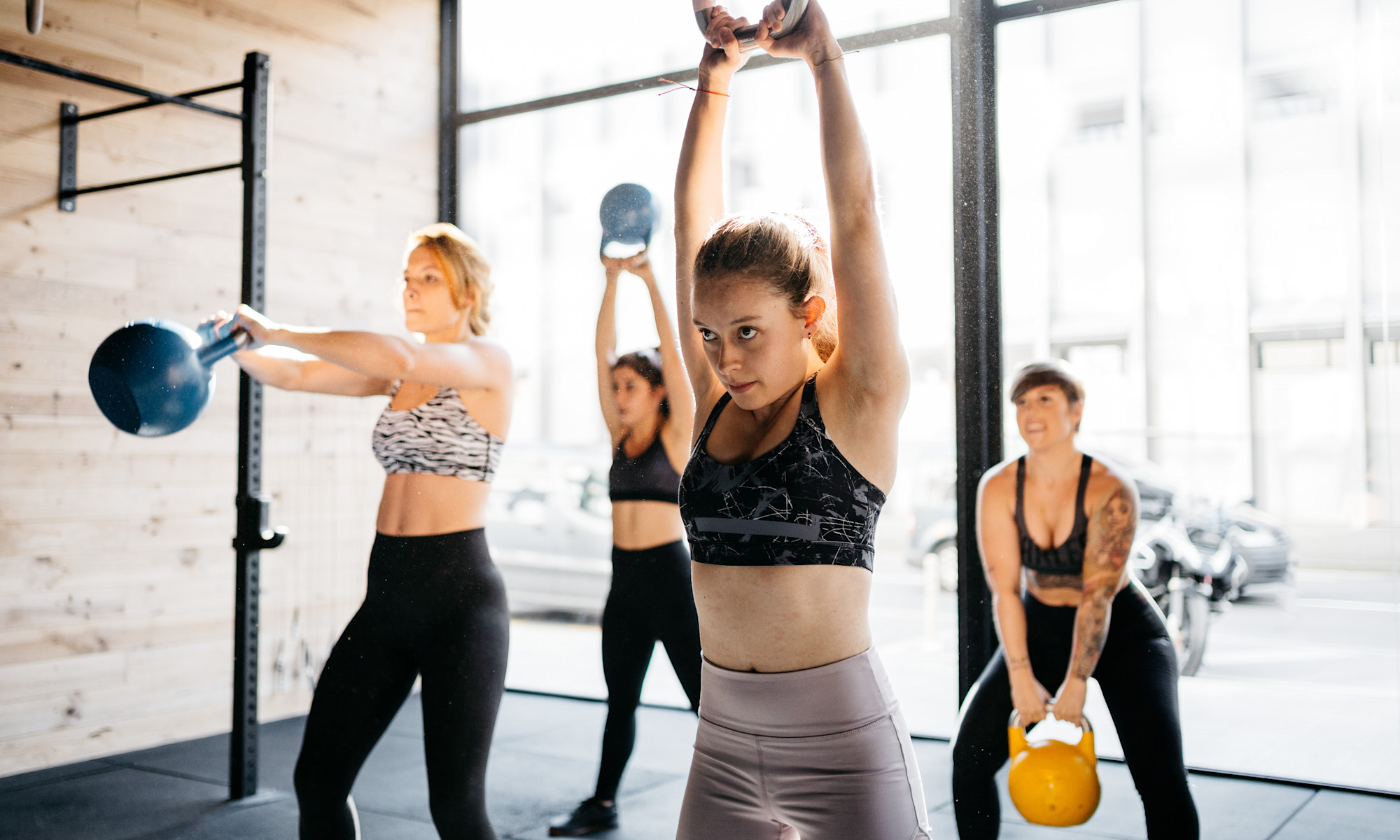
A comprehensive review of creatine supplementation and women’s health published in 2021 highlights that women may have lower endogenous creatine stores than men, making exogenous supplementation particularly effective. The review concluded that creatine is beneficial at every life stage, from reproductive years through post-menopause. Unlike many performance enhancers, creatine monohydrate has been extensively studied and is considered to have an excellent safety profile with minimal risk of adverse effects.
Further evidence was provided in a 2024 meta-analysis focusing on body composition changes in adults under the age of 50. The study compared individuals who engaged in resistance training alone against those who combined resistance training with creatine supplementation. The findings were significant: those utilizing creatine gained an average of 2.5 pounds more muscle mass than the control group. Perhaps more importantly for those concerned with body composition, the creatine group also lost an average of 1.6 pounds more fat mass. This "body recomposition" effect—simultaneously building muscle while reducing fat—is the primary goal of many modern fitness interventions.
Synergistic Formulations: The Role of Taurine
As the supplement industry evolves, formulations are becoming more sophisticated, moving beyond single-ingredient powders to synergistic blends. One such combination gaining traction is the pairing of creatine monohydrate with taurine. Taurine is an amino acid derivative that plays a crucial role in various physiological functions, including hydration, electrolyte balance, and the modulation of intracellular calcium levels, which is vital for muscle contraction.
When combined with creatine, taurine may assist in mitigating muscle cramps and enhancing recovery times after strenuous exercise. Clinical observations suggest that while creatine provides the raw energy (ATP) needed for muscle output, taurine supports the cellular environment, allowing for more efficient work and reduced oxidative stress. For women in perimenopause, who may experience increased systemic inflammation and slower recovery rates, this combination is particularly relevant.
Professional Observations and User Experiences
The shift toward creatine use among women is reflected in both clinical settings and consumer feedback. Health professionals, particularly those specializing in female physiology, have noted a marked improvement in patient outcomes when creatine is introduced alongside resistance training.
Melanie B., a Vice President at a nutritional supply company and a certified Group Fitness Instructor (GFI) in her late 40s, notes that the demands of a high-level career combined with an intensive fitness regimen require optimal nutritional support. "I need all the energy and strength I can get," she stated, emphasizing that creatine helps meet daily requirements for muscle health and cognitive clarity. She frequently recommends the supplement to female clients navigating the complexities of peri- and post-menopause.
Other users have reported rapid functional improvements. Melissa K. noted that within one month of incorporating a creatine and taurine blend, she observed a significant reduction in her walking pace and found yoga poses, which require significant isometric strength, became easier to execute. These reports align with the scientific understanding of creatine’s role in enhancing "functional strength"—the ability to perform daily tasks with greater ease and less fatigue.

Furthermore, consumers like Diane M. and Nikki D. have highlighted the psychological benefits of supplementation. Nikki D. remarked that after researching various brands and clinical effects, she found her gym sessions became "freakishly enjoyable," likely due to the increased stamina and reduced perceived exertion that creatine provides. For many women, the transition from viewing exercise as a chore to viewing it as a high-performance activity is a critical factor in long-term adherence to a healthy lifestyle.
Broader Impact and Public Health Implications
The implications of widespread creatine adoption among women extend beyond individual fitness goals to broader public health. As the global population ages, the burden of sarcopenia and osteopenia (low bone density) on healthcare systems is expected to rise. Muscle mass is not merely a matter of aesthetics; it is a metabolic organ that regulates glucose and supports skeletal health.
- Metabolic Health: By increasing lean muscle mass, creatine supplementation helps maintain a higher BMR, which can be a protective factor against type 2 diabetes and metabolic syndrome, conditions that often see an uptick in prevalence post-menopause.
- Cognitive Function: Emerging research suggests that creatine may also have neuroprotective properties. Since the brain is a high-energy-demanding organ, increasing the availability of ATP may support cognitive processing and reduce mental fatigue, a common complaint during the hormonal fluctuations of perimenopause.
- Bone Density: While resistance training is the primary driver of bone density, the increased force production enabled by creatine supplementation can lead to greater mechanical loading on the bones, potentially slowing the progression of osteoporosis.
Conclusion and Recommendations
The current body of scientific literature suggests a paradigm shift in how creatine is perceived. No longer viewed strictly as a tool for the "gym bro," it is increasingly recognized as a foundational supplement for women’s longevity and metabolic health. The data from 2021 and 2024 clinical reviews provide a clear mandate: when combined with strength training, creatine is an effective intervention for countering the 3-5% decadal loss of muscle mass that begins in a woman’s 30s.
For women considering this intervention, experts recommend a daily dose of approximately 5 grams of creatine monohydrate. Formulations that include taurine may offer additional benefits for muscle recovery and cellular hydration. However, as with any supplement routine, medical professionals advise that individuals who are pregnant, breastfeeding, or managing chronic medical conditions should consult with a healthcare provider before initiation.
As the understanding of female-specific aging continues to grow, the integration of science-backed supplementation like creatine represents a proactive step toward maintaining physical autonomy, metabolic vigor, and overall quality of life well into the later decades.