Cintya Tara Annisa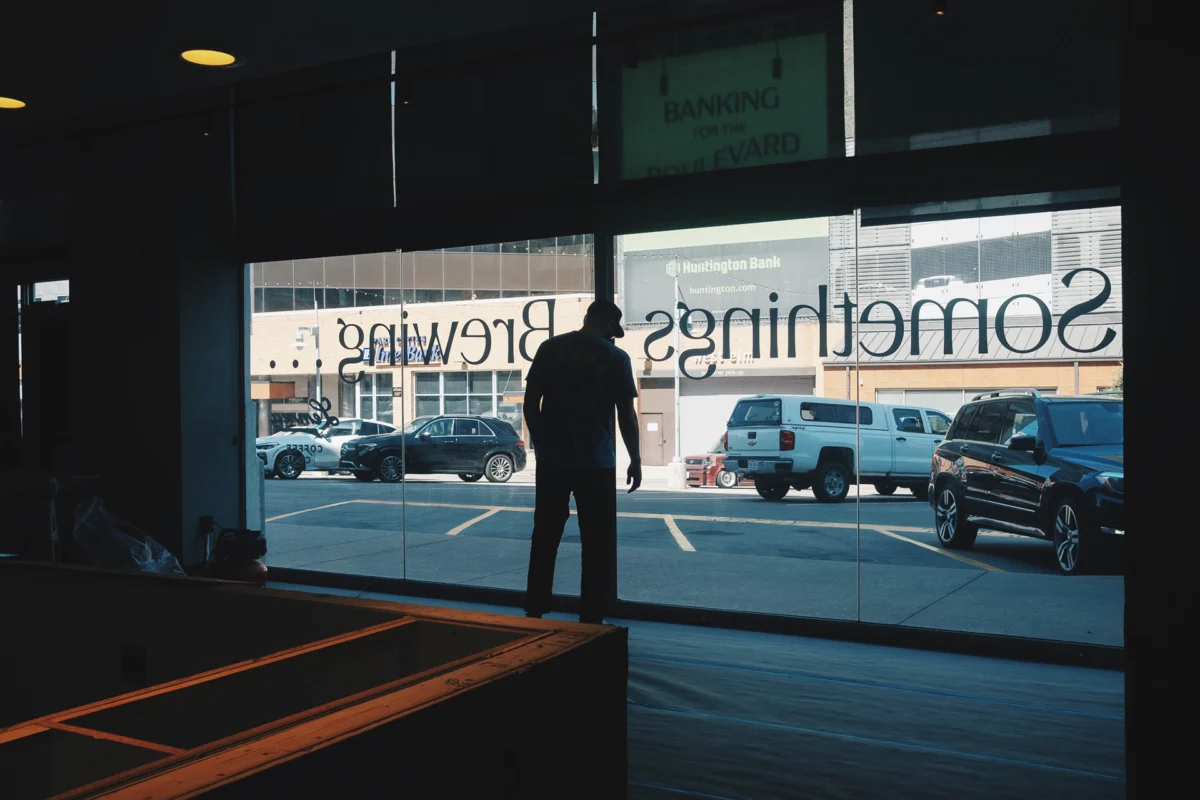
The Evolution of the Build-outs of Coffee Series
For over a decade, the Build-outs of Coffee has documented the physical and conceptual development of independent coffee bars worldwide. The 2026 iteration of the series has provided a longitudinal look at how post-pandemic cafe design favors efficiency, natural light, and the integration of high-performance equipment. By showcasing a diverse array of spaces—from hyper-minimalist kiosks to sprawling multi-purpose roasteries—the series has mapped the shift in consumer expectations toward more transparent, approachable coffee environments.
This year’s series, which featured dozens of international entries, concludes in Dallas, Texas. The inclusion of Lemma Coffee Co serves as a representative example of the "mature growth" model, where established roaster-retailers expand their footprint within existing urban corridors rather than seeking experimental new markets.
The Lemma Coffee Co Expansion Strategy
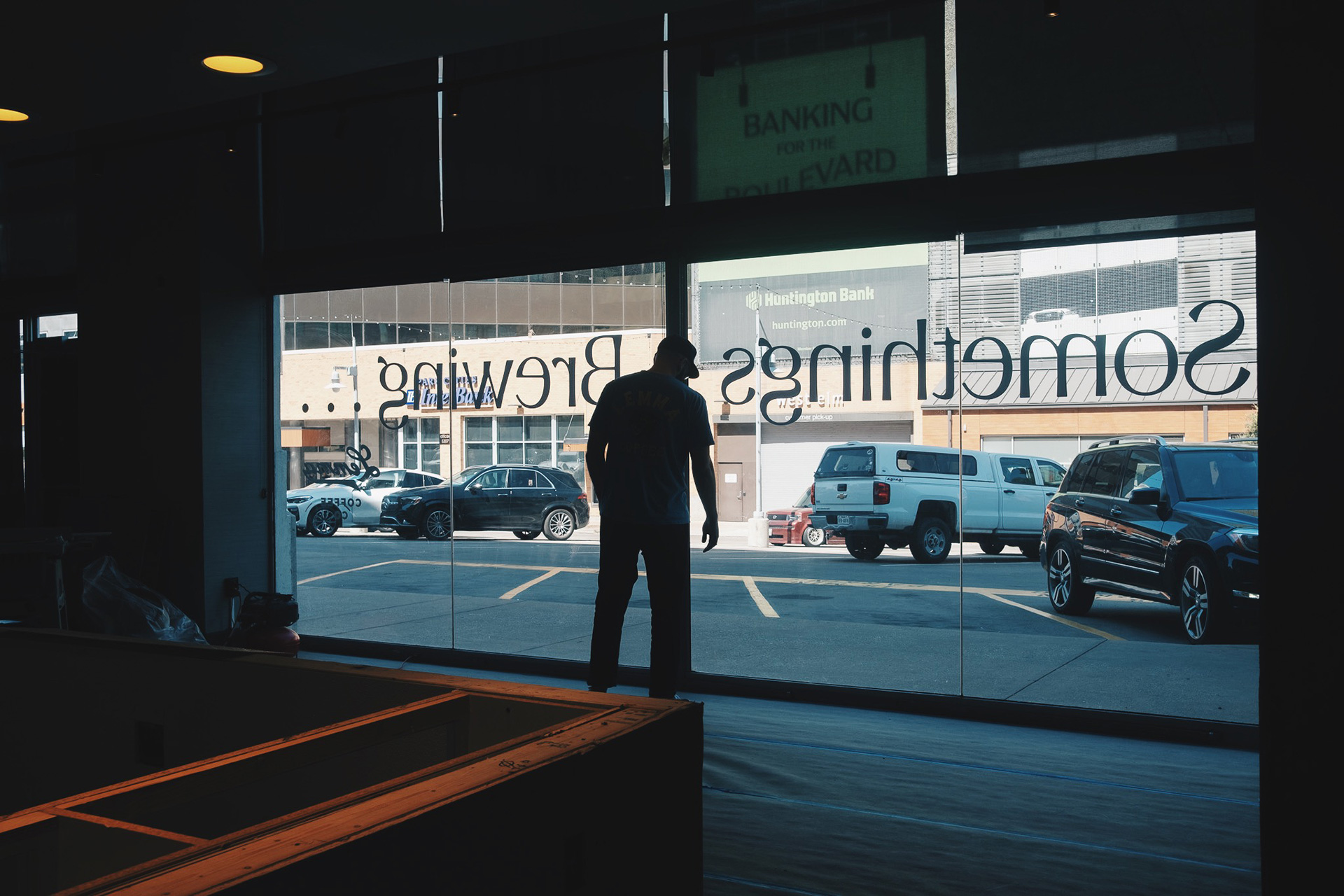
Lemma Coffee Co, a cornerstone of the Dallas coffee scene, has spent the last nine years refining a business model that balances vertical integration with a focus on retail accessibility. With the Mockingbird Station location, the company reaches a milestone of four total cafes.
The Mockingbird Station development is a high-traffic, mixed-use retail and residential hub. By situating a 1,300-square-foot facility within this transit-oriented development, Lemma Coffee Co is positioning itself at the nexus of the city’s commuter and lifestyle traffic. This strategic placement reflects a broader trend in the coffee industry: the move toward "lifestyle hubs" where coffee service is supported by adjacent retail, entertainment, and residential density.
Technical Specifications and Operational Philosophy
The operational design of the new cafe is built upon a philosophy of consistency and technical reliability. Daniel Baum, representing the leadership at Lemma Coffee Co, emphasizes that the company’s internal capacity to service its own equipment drives the selection of machinery.

The centerpiece of the bar is the three-group Slayer LP (Low Pressure) espresso machine. This will be the fifth unit of its kind integrated into the company’s fleet. The choice of the Slayer LP is significant within the industry for its programmable flow-rate control, which allows baristas to manipulate extraction profiles with precision. By standardizing this technology across all locations, the company minimizes the learning curve for staff and ensures a uniform flavor profile across its network.
Supporting the espresso program are Ceado grinders, selected for their reliability and ease of calibration. For filter coffee, the shop utilizes the industry-standard Mahlkönig EK43, favored for its particle size distribution, alongside a Twin G4 Curtis brewer to handle high-volume demands during peak hours. This combination of high-end manual extraction tools and high-efficiency batch brewing reflects the dual-market approach necessary for a cafe operating in a high-density urban environment.
Sustainability and Infrastructure Optimization
In the context of the 2026 series, sustainability has been a primary metric of success for new builds. Lemma Coffee Co’s approach to this expansion is rooted in "adaptive reuse." By selecting a site with pre-existing electrical and plumbing infrastructure, the company has significantly reduced the carbon footprint and material waste typically associated with a "from-scratch" build-out.
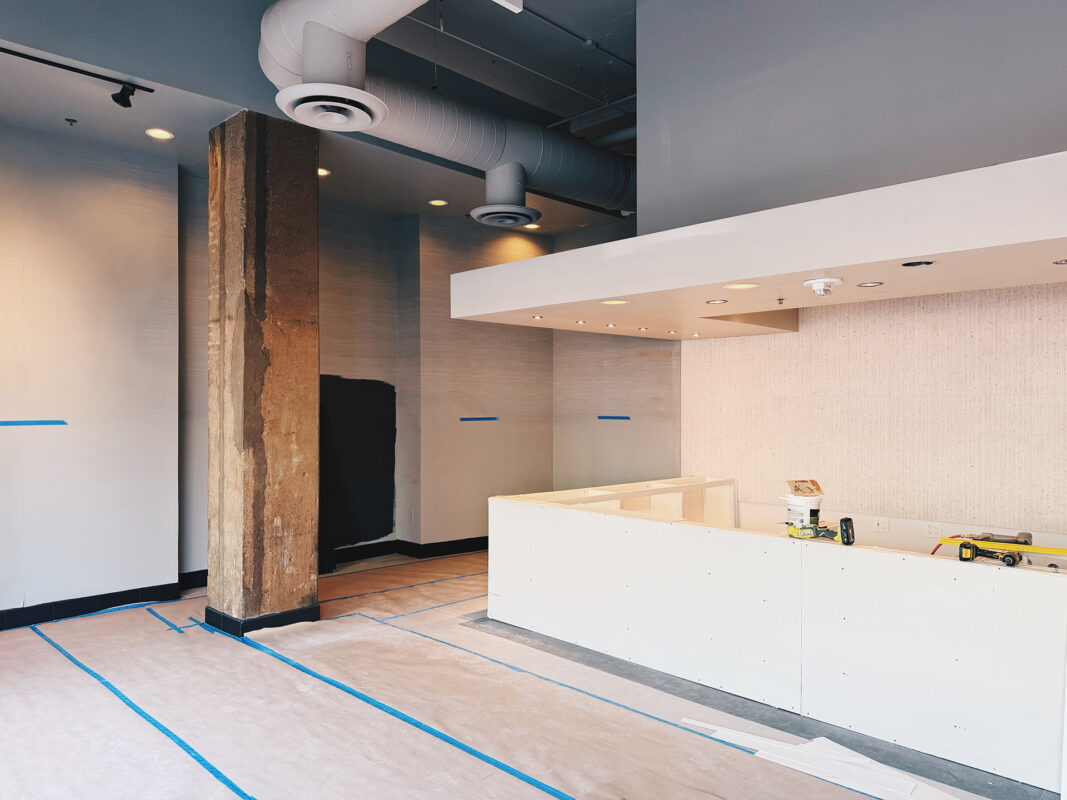
This "low-impact" expansion model is increasingly favored by specialty roasters who are balancing the high capital costs of construction with the environmental imperative to minimize waste. By prioritizing existing spaces, Lemma aligns its operational growth with broader industry goals regarding resource management and fiscal prudence.
The Supply Chain and Producer Relations
A critical component of Lemma Coffee Co’s identity is its commitment to transparent sourcing. Over the last nine years, the company has pivoted away from anonymous procurement, opting instead to build direct, multi-year relationships with exporters and coffee producers.
This practice, common among modern specialty roasters, serves two functions: it secures a reliable supply of high-quality green coffee and provides a narrative layer for the consumer. By prominently featuring the names of producers on their retail packaging and in-cafe materials, the company attempts to bridge the gap between the producer in the country of origin and the consumer in Dallas. This relational approach to commerce is intended to create a sustainable cycle where farmers receive consistent feedback and premiums, while the roaster maintains a distinct product identity.
Broader Implications for the Dallas Coffee Market
The Dallas coffee market has undergone significant maturation over the past five years. Once dominated by a handful of regional players, the city now boasts a competitive landscape that includes both national chains and high-caliber, local multi-site operators. Lemma Coffee Co’s expansion into Mockingbird Station suggests that the market has reached a point where consumers are not only looking for caffeine but for a curated experience that integrates into their daily commute and social habits.
The success of such expansions relies heavily on the ability of the operator to maintain quality control across multiple sites. As Lemma scales to four locations, the burden of training and quality assurance increases. The company’s decision to keep its design and construction process "simple"—eschewing elaborate architectural firms in favor of functional, focused spaces—indicates a preference for operational robustness over aesthetic vanity.
Chronology of the 2026 Build-out Season
The 2026 Build-outs of Coffee series has served as a barometer for the specialty coffee industry’s health. Early in the year, the series highlighted the resurgence of community-centric cafes in secondary cities. By mid-year, the focus shifted to the integration of advanced automation technologies in high-volume metropolitan cafes.
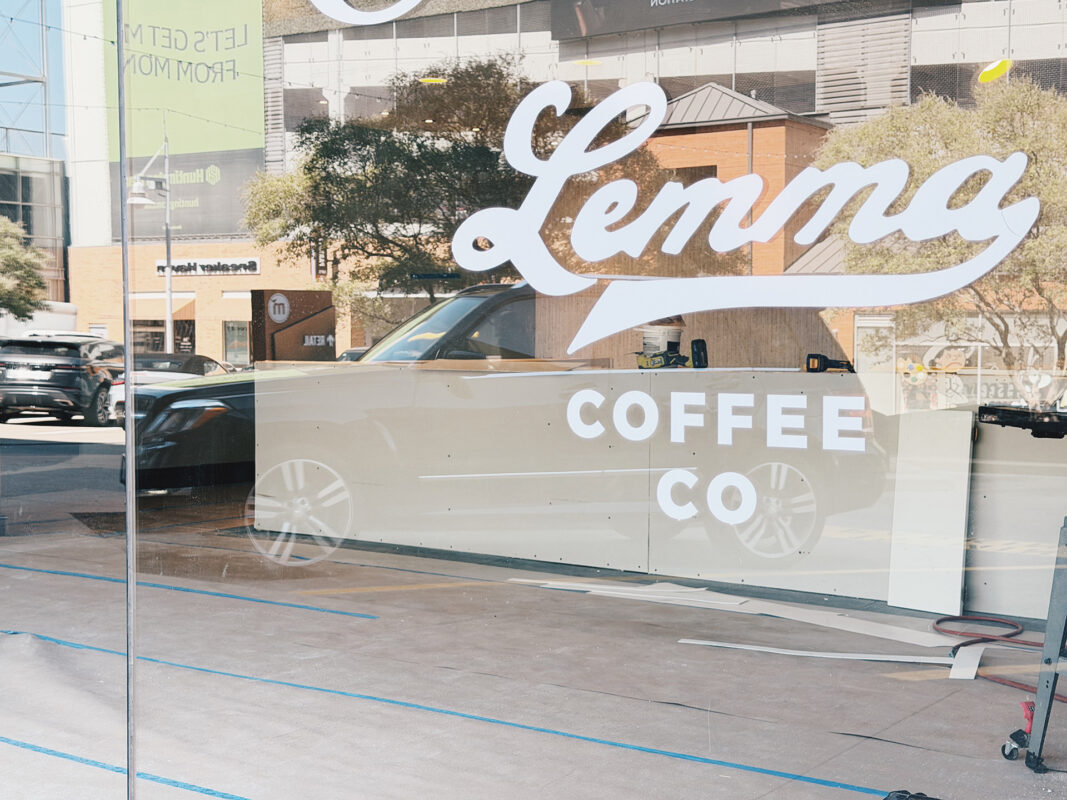
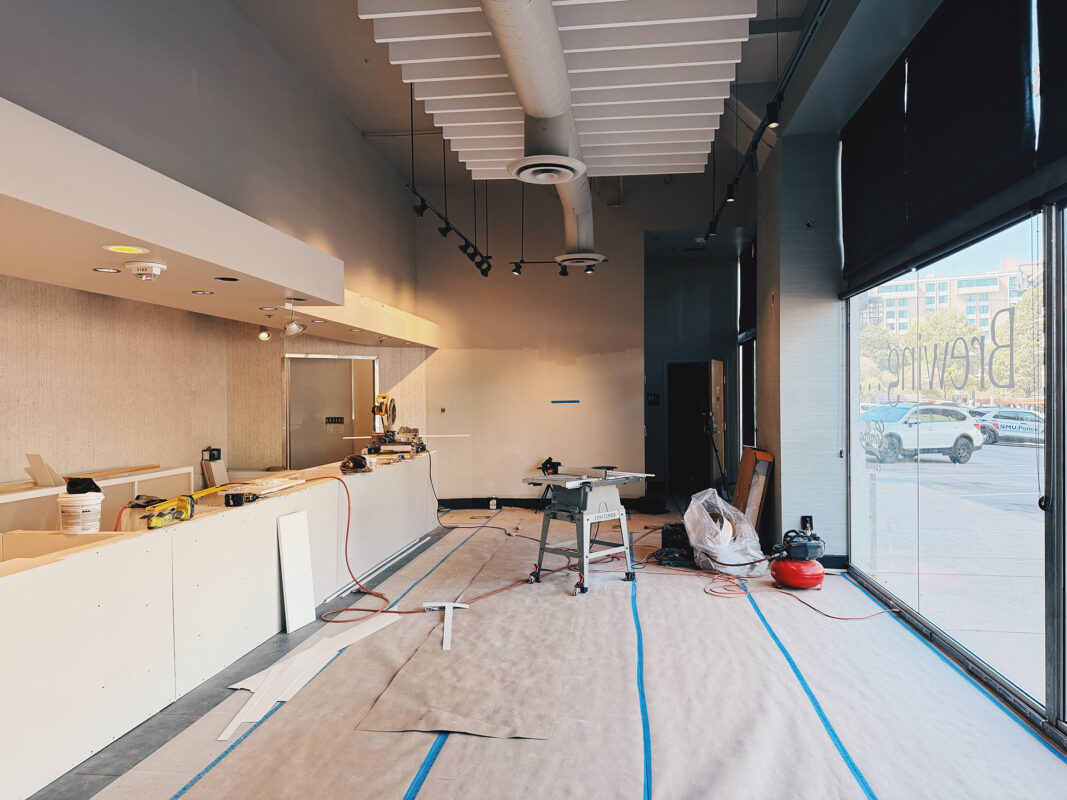
The final quarter of the series, marked by the inclusion of Lemma Coffee Co, underscores a focus on operational stability and sustainable growth. The timeline for the Mockingbird Station project—a rapid build-out made possible by the existing infrastructure—concludes with a targeted opening date of late September 2026. This timeline is consistent with the broader industry trend of accelerating "time-to-market" for new retail locations.
Conclusion and Future Outlook
As the 2026 Build-outs of Coffee series draws to a close, the industry is left with a comprehensive snapshot of how specialty coffee is evolving in a post-peak growth era. The focus has shifted from mere expansion to the optimization of existing networks. Lemma Coffee Co, with its emphasis on proven technology, direct producer relationships, and infrastructure-conscious design, serves as a poignant example of the current industry standard.
The "Analytics of Autumn" report, which will follow this final build-out feature, will provide the quantitative data necessary to interpret these trends on a macro scale. Until then, the Mockingbird Station location stands as the definitive final word on a year characterized by thoughtful, deliberate, and high-quality growth. The specialty coffee sector continues to adapt, proving that even as the industry becomes more complex, the core principles of quality, consistency, and community remain the primary drivers of success for operators like Lemma Coffee Co.