
 Indra Kusuma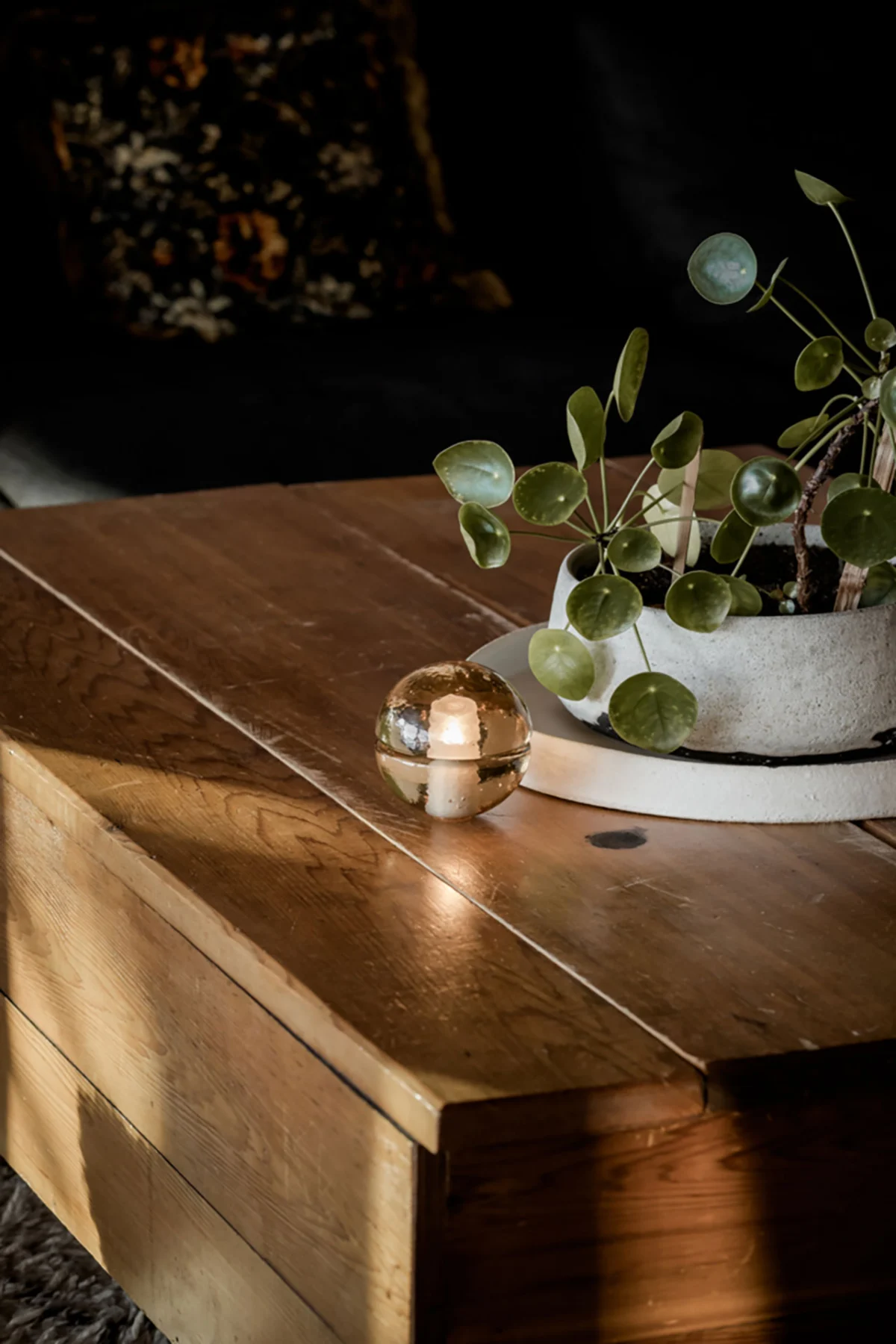
Glass, a material often perceived as solid and static, holds a fascinating secret: it is technically an amorphous solid, exhibiting properties that evoke a slow, viscous flow over centuries, a phenomenon sometimes observed in the thickened bases of antique pane glass windows. This inherent tension between apparent solidity and subtle fluidity serves as a profound metaphor for the philosophical underpinnings of Bocci’s latest innovation, the 14p portable light. Far from merely illuminating a space, the 14p collapses the perceived distance between modernity and antiquity, crafting an object that is simultaneously a mystic’s orb and a meticulously resolved industrial creation. It toes the delicate line between the magical and the practical, an approach that has not only positioned it as a standout in the increasingly competitive portable lighting sector but also signifies a strategic evolution for the Vancouver-based design house.
The Enduring Allure of Glass: A Material with Deep Roots
The material narrative of the 14p begins with glass itself. While the popular notion of glass flowing like a liquid in old windows is largely attributed to uneven manufacturing processes rather than actual sag over time, the perception of glass as a material with a dynamic, almost living quality persists. Historically, glass has been revered for its transformative properties, born from intense heat and cooling into a state that captures and manipulates light in unique ways. From ancient Egyptian beads to Roman stained glass, the manipulation of molten silica has always bordered on alchemy. Bocci, under the visionary leadership of creative director Omer Arbel, taps into this profound material heritage. The choice of generously thick, hand-cast glass for the 14p is not accidental; it’s a deliberate embrace of glass’s inherent ability to refract, distort, and beautify the surrounding environment. This material richness offers a tactile and visual depth that synthetic alternatives simply cannot replicate, grounding the modern portable light in a lineage of craft that spans millennia.

Bocci’s Legacy and Vision: From Vancouver to Global Acclaim
Bocci, founded in 2005 by Omer Arbel and Martha Sturdy, swiftly established itself as a beacon of experimental design and exceptional craftsmanship from its Vancouver and Berlin studios. The brand’s inaugural release, the now-iconic 14 Series, immediately captivated the design world. The original 14 Series, characterized by its cast glass spheres, each housing a low-voltage lamp, celebrated the subtle irregularities inherent in the glass-casting process. These fixtures, often clustered in dramatic installations, created breathtaking constellations of light, earning Bocci a reputation for sculptural, experiential lighting that transcended mere functionality. Arbel’s design philosophy consistently emphasizes the interplay between industrial processes and organic forms, often allowing the unique properties of materials—be it glass, copper, or concrete—to dictate the final aesthetic. This approach, prioritizing material integrity and an almost meditative engagement with form, has been central to Bocci’s enduring appeal and its ability to carve a niche in the high-end design market. The 14p, therefore, is not a departure but a thoughtful extension of this foundational ethos, adapting the beloved 14 Series vocabulary for a contemporary context without sacrificing its essence.

Strategic Shift: Redefining Accessibility in Luxury Design
The introduction of the 14p comes at a pivotal moment for the design industry. Global production costs have been steadily climbing, driven by factors such as raw material prices, labor costs, and supply chain complexities. This economic reality has increasingly narrowed the audience for high-end, meticulously crafted design objects. Bocci has openly acknowledged this challenge, recognizing the imperative to adapt without compromising its core values. The 14p is a deliberate and strategic counterpoint to this trend, conceived as a more accessible entry point into the brand’s distinguished universe. It targets younger collectors and first-time buyers who aspire to Bocci’s aesthetic and quality but might find its larger, hardwired installations prohibitive.

However, Bocci’s definition of "accessibility" extends beyond a mere adjustment of price point. Rather than simplifying the object’s complexity or diluting its experimental ethos, Bocci reframes accessibility through the lens of portability itself. A portable light, by its very nature, can move fluidly through daily life, adapting to various spaces and moods without the need for fixed installation. This inherent versatility democratizes the experience of high design, allowing individuals to carry a piece of Bocci’s material richness and conceptual depth with them, from a bedside table to an outdoor patio. In a portable lighting market often saturated with mass-produced, lightweight, and sometimes ephemeral products, the 14p presents a compelling alternative, offering both practical utility and profound artistic value. Industry analysts suggest that this strategy could prove highly effective, allowing luxury brands to tap into new demographics while maintaining brand integrity in an evolving economic landscape.
Anatomy of an Orb: The 14p’s Meticulous Design and Craftsmanship

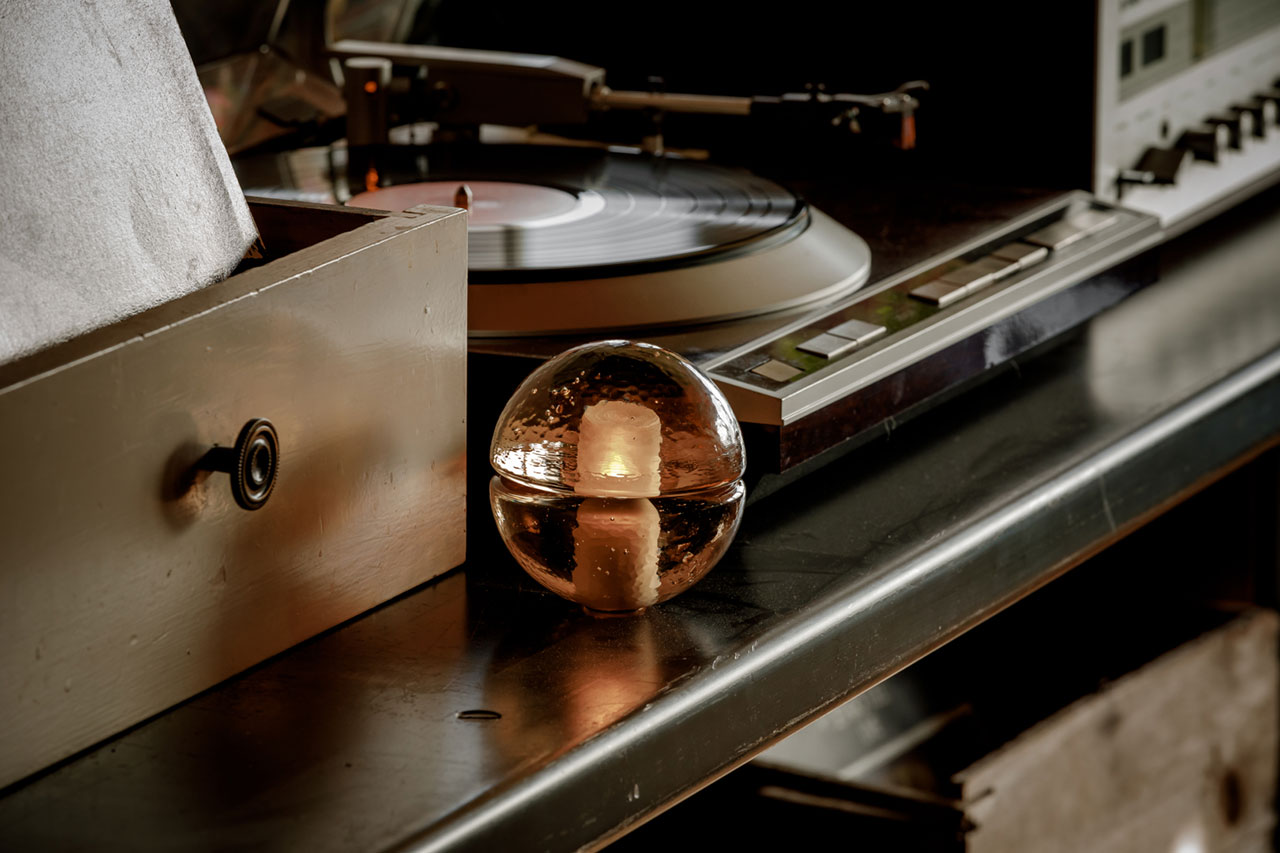
At the heart of the 14p’s appeal lies its extraordinary design and the meticulous craftsmanship that brings it to life. The spherical form, a signature of the 14 Series, is rendered in generously thick, hand-cast glass. This substantial material choice is crucial, creating unique refractions that blend and subtly warp the surrounding environment, turning ambient reality into an ever-changing visual tapestry within the glass. From within, a warm, inviting glow emanates, with the upper hemisphere appearing almost like a delicate tea light suspended on a liquid edge.
A distinctive feature is the fusion of two glass halves at the center, forming a precise, almost imperceptible plane. It is on this central plane that the internal light source rests, producing a captivating double refraction. This optical effect lends the 14p an unusual visual depth, making the light feel both atmospheric and exacting, as if the object is quietly editing and enhancing the space around it. Each semicircle, a result of the hand-casting process, retains subtle irregularities—tiny bubbles, slight variations in texture—that ensure every 14p is unique. These imperfections are not flaws but rather hallmarks of its artisanal creation, imbuing each piece with individual character and a narrative of its making. When rendered in color, the glass deepens the warmth of the emitted light, further enriching the visual and emotional experience. This blend of precision and organic variation is a testament to Bocci’s mastery of glass artistry.

Challenging Convention: The Philosophy of Weight and Permanence
In a category typically defined by lightness, convenience, and often, disposability, the 14p takes a quietly radical stance by embracing weight. The substantial material weight of its solid glass body is presented not as a liability but as a fundamental design asset. This deliberate choice directly counters the ephemeral nature often associated with portable electronics and lighting, which are frequently designed for rapid obsolescence. Instead, the 14p offers a profound sense of permanence, durability, and physical presence.

This object insists on being felt as much as it is seen. Its heft communicates quality and resilience, suggesting a longevity that transcends fleeting trends. Omer Arbel has often articulated a philosophy of creating objects that possess intrinsic value and resist the pressures of consumer culture’s acceleration. The 14p embodies this by transforming from a mere accessory into what can be described as a "small, movable architecture." It redefines portability not as an exercise in minimal mass, but as the ability to move a significant, enduring presence through one’s environment. This commitment to tactile experience and lasting material quality positions the 14p as a beacon of thoughtful, sustainable design in an increasingly transient world.
Seamless Integration of Technology and Craft

Beyond its aesthetic and material depth, the 14p demonstrates a sophisticated integration of contemporary technology with traditional craft. The light rests securely on a small, unobtrusive stand, allowing for directional placement and ensuring stability. At the base of the unit, a discreet brass detail serves as the charging point, featuring a modern USB-C port. This thoughtful design choice exemplifies Bocci’s ability to weave essential modern functionality seamlessly into an object that otherwise feels timeless. The brass element, itself a refined material, complements the glass and reinforces the object’s premium feel.
While specific battery life figures are not detailed, the design implies a robust internal power source, allowing the 14p to function independently for extended periods, characteristic of high-quality portable lighting solutions. This understated intersection of craft and technology ensures that the 14p is not only a beautiful object but also a highly practical and user-friendly one, ready to provide illumination wherever and whenever desired, without the visual clutter of exposed wires or complex interfaces.

Broader Implications for the Design Landscape
The introduction of the 14p carries significant implications for both Bocci and the broader design landscape. For Bocci, it represents a successful expansion of its core design vocabulary into a new typology—portable lighting—without diluting the distinctive qualities of its iconic 14 Series. It demonstrates the brand’s capacity for innovation and adaptation, reinforcing its position as a leader in experimental yet commercially viable design. By addressing market accessibility and changing consumer habits, Bocci ensures its continued relevance and attracts a new generation of design enthusiasts.

For the portable lighting market, the 14p serves as a powerful statement, challenging prevailing norms. It champions durability, material richness, and a contemplative aesthetic over mere convenience and disposability. It suggests a future where portable objects are not necessarily lightweight or fleeting, but rather substantial, artful, and built to last. This could inspire other manufacturers to explore more sustainable and enduring approaches to portable design, elevating the entire category. Ultimately, for consumers, the 14p offers an opportunity to acquire a piece of functional art that transcends trends, providing a unique blend of heritage, innovation, and practical elegance.
Conclusion: A Luminous Testament to Enduring Design

Bocci’s 14p portable light is more than just an object; it is a philosophy rendered in glass and light. It is a tangible manifestation of the brand’s commitment to a measured, human-centered approach in an era often defined by acceleration and planned obsolescence. Each piece, handmade, wired, and forged with exacting care, embodies a level of quality and individuality that staunchly resists standardization. With the 14p, that ethos expands outward, taking a familiar, cherished form and making it newly mobile. It extends Bocci’s reach and influence, bringing its unique blend of the magical and the practical to a wider audience, all while maintaining the quiet rigor and profound material reverence that have defined it from its inception. The 14p stands as a luminous testament to enduring design, a beacon of light that moves with us, reflecting the world in its own extraordinary way.







