
 Indra Kusuma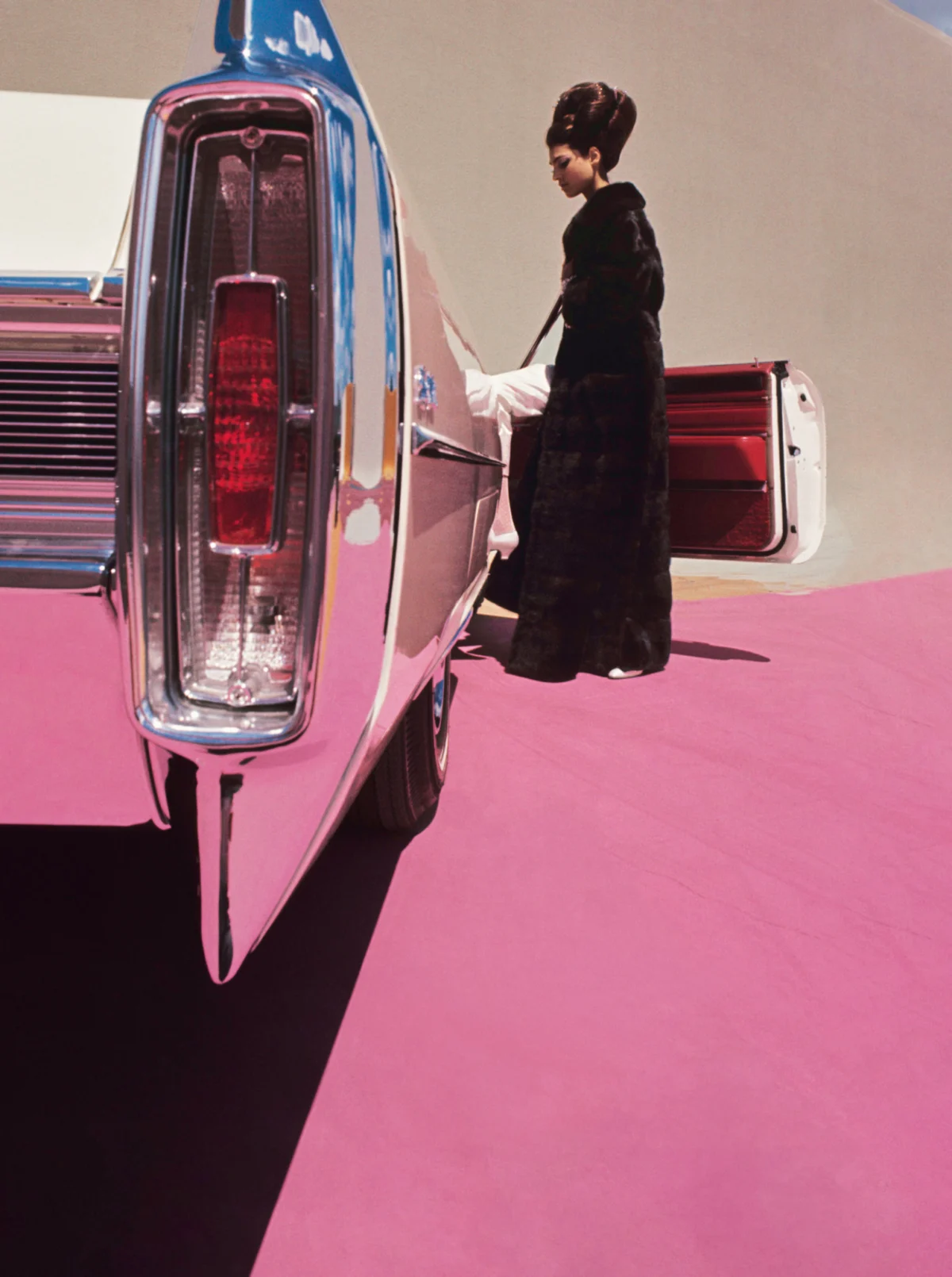
Assouline, the renowned luxury publisher, has unveiled its latest ambitious endeavor, America: The Imagination of a Nation, an oversized coffee table book designed to encapsulate the vast and multifaceted spirit of the United States. This significant volume, timed to coincide with the nation’s semiquincentennial – the 250th anniversary of its founding in 2026 – aims to offer a compelling visual and narrative meditation on the ideas, people, and cultural milestones that have indelibly shaped the country over two and a half centuries. Rather than a conventional chronological history, the book presents a curated constellation of moments, figures, and creative expressions, inviting readers to explore the evolving identity of America through the lenses of innovation, reinvention, and enduring creativity.
The Semiquincentennial: A Moment for Reflection and Redefinition
The impending 250th anniversary of the United States in 2026 marks a pivotal moment for national introspection and celebration. Officially known as America250, the nationwide initiative is designed to commemorate the birth of the nation and explore what it means to be an American. This milestone comes at a time of complex national discourse, where historical narratives are continually re-evaluated, and calls for a more inclusive and comprehensive understanding of the past resonate deeply across society. The semiquincentennial is not merely a historical observance; it is an opportunity for collective reflection on the country’s foundational principles, its journey through triumphs and challenges, and its future trajectory.
In this context, America: The Imagination of a Nation emerges as a timely cultural artifact. It contributes to the broader national conversation by offering a non-linear, visually driven exploration of American identity. While government commissions and educational institutions are preparing exhibitions, digital archives, and public programs to mark the anniversary, Assouline’s publication provides a distinct, aesthetically rich perspective. It suggests that understanding America requires more than just historical facts; it demands an engagement with its collective imagination, its cultural output, and the diverse tapestry of its people. The book implicitly acknowledges the complexity of distilling a nation’s essence into a single volume, opting instead for a panoramic yet deeply personal journey through its cultural landscape.

Assouline’s Legacy: Crafting Cultural Narratives Through Design
Assouline has carved a distinct niche in the publishing world, celebrated for its exquisite, large-format books that transcend mere documentation to become works of art themselves. Founded by Prosper and Martine Assouline in 1994, the publishing house has built its reputation on an unwavering commitment to luxury, craftsmanship, and profound cultural storytelling. From high fashion and art to travel and gastronomy, Assouline’s titles are instantly recognizable for their lavish production values, rich photography, and sophisticated design. They are not merely books; they are cultural statements, often serving as decorative elements in discerning homes while offering substantive engagement with their subjects.
This project, America: The Imagination of a Nation, represents a significant undertaking even for Assouline, moving from specific cultural figures or brands to the sprawling concept of an entire nation. The choice of Assouline for such a venture underscores a belief that America’s story, particularly its imaginative and cultural dimensions, can be best conveyed through a medium that prioritizes aesthetic experience and visual impact. Their expertise in curating compelling visual narratives, combined with their global reach, positions the book to resonate with both domestic and international audiences seeking a refined, visually rich interpretation of American identity. The "coffee table book" genre, often dismissed as superficial, is elevated by Assouline to a platform for serious cultural inquiry, demonstrating that beauty and substance are not mutually exclusive. Their previous successes in distilling complex subjects into visually accessible and engaging formats lend credibility to their ambition to capture the American spirit.
Joel Stein’s Vision: A Non-Chronological Constellation of Icons
The narrative backbone of America: The Imagination of a Nation is crafted by journalist and author Joel Stein. Known for his incisive, often humorous commentary on American popular culture and social trends during his tenure at TIME magazine and other publications, Stein brings a unique sensibility to this historical and cultural synthesis. His background in observing and dissecting the contemporary American landscape likely informed the book’s distinctive approach: rather than a strict, linear historical account, it offers a "constellation of images and stories." This method allows for thematic connections and serendipitous juxtapositions, fostering a dynamic understanding of how different elements of American culture have influenced and reflected one another over time.

Stein’s challenge was immense: to distill 250 years of a nation’s evolution into a 200-page volume featuring 150 illustrations. This required a highly selective and interpretive process, moving beyond canonical figures to embrace a broader spectrum of influence. The decision to include figures ranging from the Founding Fathers and the Constitution to Marilyn Monroe, James Dean, Martin Luther King Jr., Michael Jordan, and the Williams sisters speaks to a deliberate effort to showcase the diverse pillars of American identity. These individuals represent political foundationalism, Hollywood glamour, civil rights activism, and unparalleled athletic achievement, illustrating the multifaceted nature of the American dream and its ongoing redefinition. Stein’s curatorial hand is evident in this intentional breadth, which aims to present a more holistic, albeit curated, view of the American experience, one that acknowledges both its institutional bedrock and its vibrant popular culture.
A Tapestry of Imagery: From Historical Documents to Contemporary Art
The visual narrative of America: The Imagination of a Nation is as expansive and thoughtfully curated as its textual component. The book deliberately eschews a singular aesthetic, instead weaving together a rich tapestry of historic photographs, seminal fashion imagery, groundbreaking contemporary art, iconic architectural marvels, and indelible pop culture moments. This eclectic mix is central to the book’s mission of creating "unexpected connections across generations." For instance, a stark black-and-white photograph from a pivotal civil rights march might be juxtaposed with a vibrant piece of modern protest art, highlighting both continuity and evolution in American struggles for justice. An image of a classic American automobile, a symbol of freedom and prosperity, might appear alongside a modernist architectural design, reflecting shifting ideals of progress and aesthetics.
Specific examples within the book underscore this curatorial philosophy. Randy Polumbo’s "Lodestar," a 50-foot-tall art installation partly crafted from a 1940 military jet and featured at Burning Man in 2018, is a prime example. Its inclusion speaks volumes about the American spirit of innovation, repurposing, and counter-cultural expression. "Lodestar" embodies a blend of industrial heritage and avant-garde creativity, symbolizing how elements of the past can be reimagined for new artistic and cultural statements. Its presence at Burning Man further connects it to a distinctly American phenomenon of temporary communities, radical self-expression, and large-scale artistic endeavors in the vast, open landscapes of the West.
Similarly, a 1964 Vogue US fashion shoot, featuring a model alongside a 1965 Cadillac DeVille, captures another facet of the American imagination: post-war prosperity, consumerism, and an aspirational lifestyle defined by design and luxury. This image not only reflects an era’s aesthetic but also the cultural significance of the automobile in shaping American identity, mobility, and the pursuit of individual freedom. The Cadillac, an icon of American automotive engineering and style, becomes a character in a larger narrative about affluence, modernity, and the pursuit of the ‘good life’ in mid-20th century America. By placing such diverse images side-by-side, the book invites readers to draw their own conclusions, fostering a more interactive and personal engagement with the nation’s cultural history. It’s a visual conversation that encourages exploration rather than passive consumption.

Broader Implications and Cultural Resonance
America: The Imagination of a Nation is more than just a commemorative book; it is a significant cultural statement that invites a deeper contemplation of national identity. Its publication ahead of the semiquincentennial positions it as a key artifact in the ongoing re-evaluation of what America means. In a period often characterized by historical revisionism and debates over national narratives, this book offers an alternative—a visual and thematic exploration that prioritizes the imaginative and cultural threads binding the nation. It subtly argues that America’s strength lies not in a monolithic history but in its capacity for reinvention, its embrace of diverse expressions, and its continuous struggle to define itself.
The book’s format as a luxury coffee table volume also has implications for its reception and impact. While its price point might limit its mass accessibility, its presence in homes, cultural institutions, and design spaces positions it as a prestigious representation of American culture. It serves as a visual ambassador, both domestically and internationally, showcasing a curated, sophisticated view of the nation. For a global audience, it offers a glimpse beyond political headlines and into the creative heart of America, highlighting its contributions to art, design, fashion, and social movements.
Furthermore, in an increasingly digital age, the tactile experience of a large-format hardcover book like this holds particular value. It encourages a slower, more deliberate engagement, allowing readers to linger over images and connect with stories at their own pace. This emphasis on browsing and visual immersion fosters a different kind of understanding—one that is intuitive and sensory, complementing the analytical approach of traditional historical texts. Ultimately, America: The Imagination of a Nation is a testament to the enduring power of visual culture in shaping collective memory and identity. By embracing the many stories, icons, and moments that have shaped the United States, Assouline and Joel Stein have created a volume that not only celebrates the country’s past but also encourages a dynamic and imaginative understanding of its future.







