Pranda Michaela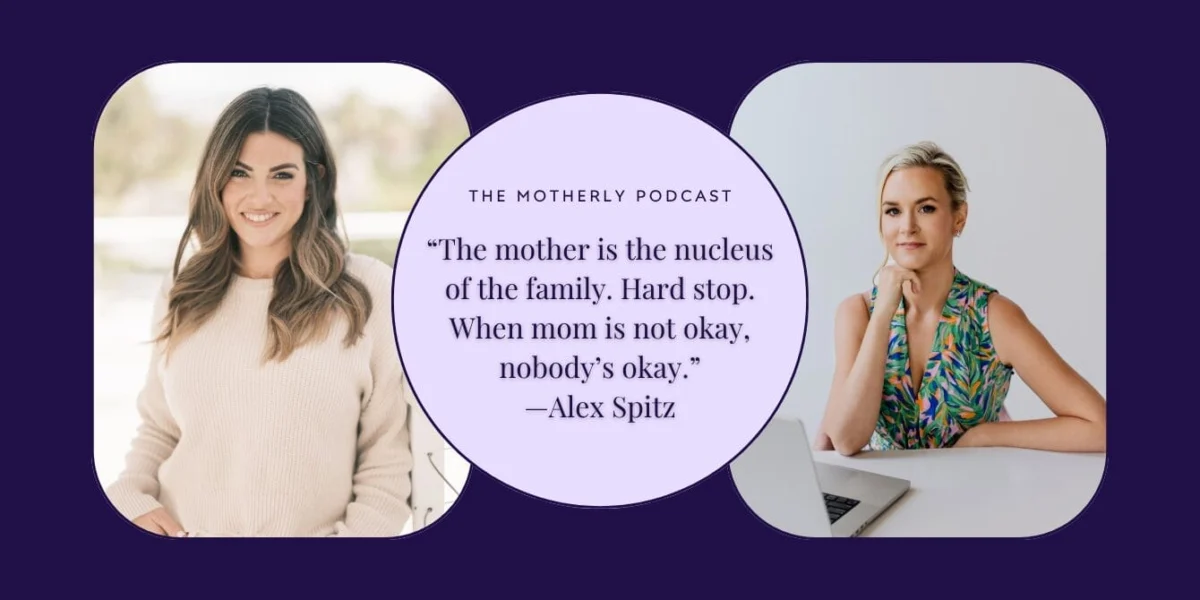
When Alex Spitz embarked on her journey into motherhood 15 years ago, she was met with a profound sense of unpreparedness. Her vision of new motherhood was one of idyllic moments, a picturesque accessory to her life, filled with outings and a leisurely maternity leave. Instead, she found herself grappling with isolation, frustration, and an overwhelming emotional upheaval that left her feeling utterly blindsided. This deeply personal experience, however, became the catalyst for a significant movement aimed at supporting postpartum mothers.

Spitz’s own search for solace led her to a local mom group, where she discovered the transformative power of community. This experience illuminated a critical deficiency in the support systems available to new mothers, sparking a vision for something more structured and comprehensive. In 2012, this vision materialized into New Mom School in Orange County, California. This innovative program offered a unique blend of structured, research-backed, in-person support for mothers navigating the postpartum period. Thirteen years later, what began as a local initiative has blossomed into a nationwide franchise with 37 locations across the country, with 21 currently operational. The core philosophy remains unwavering: no new mother should face this profound life transition alone.

In a recent episode of The Motherly Podcast, Spitz sat down with host Liz Tenety to delve into the multifaceted challenges of new motherhood and the systemic issues that contribute to the "care gap" for American mothers. Their conversation explored the irreplaceable value of in-person community in an increasingly digital world and offered insights into how embracing the inherent chaos of early parenthood can, paradoxically, lead to greater joy.

The Unforeseen Realities of New Motherhood
Spitz recounted her initial naivete during her first pregnancy, admitting, "I imagined my newborn son would be my little accessory—baby Nikes, lunches with friends, 12 blissful weeks of maternity leave." This romanticized notion quickly dissolved upon her son’s arrival. The reality was a stark contrast, marked by isolation and a bewildering emotional landscape. "Instead, I found myself isolated, angry, and completely unprepared for the emotional earthquake of new motherhood," she shared.

The shock and difficulty of her own postpartum experience fueled her determination to create a better path for others. She observed a significant gap in postpartum care, noting that the extensive research available on the physiological and psychological changes new mothers undergo was not being adequately translated into accessible support. This lack of preparation, she believes, contributes to the widespread feelings of failure and inadequacy experienced by many new mothers.

Building a Village: The Genesis of New Mom School
The idea for New Mom School was born from Spitz’s own struggle and her subsequent discovery of the vital role a supportive community played in her recovery. "My mom said to me, you need a mom group," she recalled. Despite initial reservations, born from past negative social experiences, Spitz found herself at a crossroads where a mom group felt like a last resort. Her attempts to find solace through therapy and conversations with friends and family who were already mothers had fallen short.

The mom group proved to be a turning point, leading to friendships that became a lifeline. However, Spitz soon identified another crucial element missing: evidence-based information delivered by experts. While the group offered camaraderie, it lacked the structured guidance she felt was essential. "What I realized is that our instructor, who was so sweet, couldn’t really answer our big questions," she explained. This realization led her to explore the wealth of research on postpartum changes, from the impact on women’s health to the shifts within relationships and the family unit. The absence of this information for new parents highlighted a significant "care gap" that Spitz was determined to address.

The Philosophy and Growth of New Mom School
Spitz’s entrepreneurial spirit, coupled with her empathetic nature, drove her to create a solution. "One of my greatest strengths is that when I identify a gap in something, I’m able to identify the solution and fill that hole," she stated. She recognized the inherent value of the traditional mom group format—a practice deeply ingrained in human history—but lamented its erosion in modern society.

New Mom School was designed to revitalize this communal support, infusing it with evidence-based knowledge and expert guidance. "So I saw a big opportunity: take the original mom group format but bring in research-backed information and actual experts to present on their areas of expertise," Spitz explained. The program was meticulously crafted to provide the support she wished she had received as a new mother.

Launched in 2012 in Orange County, the concept resonated deeply, growing "like wildfire." What began in a borrowed therapy office, with mothers gathering on the floor, soon expanded. In 2023, Spitz made the strategic decision to franchise New Mom School, recognizing the widespread need for this type of support across the country. As of January 2026, the network boasts 37 locations, with 21 actively serving communities and others in various stages of development.

Addressing the "Care Gap" and the Power of In-Person Connection
The "care gap" Spitz refers to is a critical issue in maternal healthcare. In many developed nations, comprehensive postpartum support is integrated into standard care. However, in the United States, this period often sees a sharp decline in medical and social support, leaving new mothers vulnerable. Data from organizations like the Centers for Disease Control and Prevention (CDC) highlight the prevalence of postpartum depression and anxiety, conditions often exacerbated by isolation and lack of support.

Spitz’s conviction about the necessity of in-person interaction stems from her own failed attempt at an online program. "I actually launched an online program and it flopped," she admitted. "I was devastated. I put so much work and money into creating the online experience, and it failed. Because that’s not what moms need." She emphasizes that while online communities can offer some support, they cannot replicate the depth and impact of face-to-face interaction. "We’re hardwired to be in community. We’re tribal as humans," she asserted, underscoring the fundamental human need for physical connection.

A unique aspect of New Mom School’s structure is its organization by baby’s birth date. This ensures that mothers in the program are experiencing similar developmental stages with their infants, fostering a stronger sense of shared experience and mutual understanding. "When you have friends whose babies are even six months older and you have a newborn, it may as well be a six-year-old. The difference between a newborn and a six-month-old mother—she’s a whole new person," Spitz explained, highlighting the importance of peer support from those in identical life stages.

Redefining "School" and Rebuilding the Village
The term "school" in New Mom School’s name is deliberate. It challenges the notion that motherhood should come intuitively and that seeking guidance is a sign of failure. "New Mom School is the reinvented village, because the village actually was the New Mom School when we were raising children amongst multigenerational families and we lived close to our families," Spitz explained. In an era where geographic mobility often separates families from their traditional support networks, New Mom School aims to recreate that essential village structure.

The program’s curriculum is intentionally structured, focusing on specific topics each week rather than being a free-for-all support group. This approach allows for focused discussions on vulnerability, guilt, and shame – common but often unspoken emotions of new motherhood. "It’s not a free-for-all support group. I wanted to create spaces where we talk about the real things—the vulnerable things, the things that keep us up at night feeling guilty and ashamed," Spitz elaborated. The program’s effectiveness is evident in its impact on maternal anxiety. Spitz noted, "By week four, it’s come down to maybe a five. By week eight, when they’ve concluded their series, their anxiety is down to about a one. They feel more confident, their insecurities have melted away, and now they have friends for life going through the exact same thing at the exact same time."

The Broader Impact: Policy Change and Maternal Well-being
The ambition of New Mom School extends beyond individual support. Spitz expressed a fervent hope for systemic change. "My dream would be that we create policy change—that every woman gets to have some kind of community and village across this country," she stated. This vision aligns with growing advocacy for improved maternal healthcare policies, including extended and paid parental leave, and greater integration of mental health support throughout the postpartum period.

The impact of strong maternal support on child development is well-documented. Studies consistently show that mothers experiencing less stress and isolation are better equipped to bond with and nurture their infants, leading to positive developmental outcomes. "It changes the outcome for our babies. The mother is the nucleus of the family. Hard stop. When mom is not okay, nobody’s okay," Spitz emphasized.

Navigating the Care Gap: Advice for All Mothers
For mothers living in areas without a New Mom School location, Spitz offers practical advice: "Find moms wherever you can." She encourages seeking out online groups, local meetups, or even informal gatherings at parks. "Even though it feels unfair that there isn’t support in your community, you have to go find it, because you’re only hurting yourself if you’re not finding community," she advised. Simple actions like striking up conversations at the park, exchanging numbers, or joining local parent groups can lay the foundation for a supportive network.

Embracing Joy in Motherhood
A core tenet of Spitz’s philosophy is moving beyond mere survival in motherhood to a place of joy and thriving. Her primary advice for mothers feeling overwhelmed is to "surrender." She explains, "You have to surrender to the new normal. If you’re fighting the new normal and feeling like you can change it or that it’s unfair, you’ll stay in that headspace." Lowering expectations and embracing the unpredictability of life with a baby is crucial.

The key to unlocking joy, according to Spitz, is community. "That is the key to unlocking joy in motherhood," she stated. She reframes the often-dreaded adage, "enjoy every minute," suggesting that the sentiment originates from the profound fulfillment that a supportive village can bring. "It’s like any job. If you don’t have the right tools and resources to do your job well, you’re not going to knock it out of the park. New motherhood needs support, resources, community, and other people who have walked the path," she concluded.

The Future of Maternal Support
A significant hurdle in expanding postpartum support services is insurance coverage. Tragically, New Mom School is not currently covered by insurance as an in-network provider. Spitz is a vocal advocate for this to change, believing that such support should be a standard part of healthcare. "I would love for that to change. I think it should absolutely be covered by some kind of insurance, HSA, or FSA," she expressed. She sees this support as a critical investment in maternal and family well-being, far more valuable than material possessions.

OBs and pediatricians, she notes, often endorse New Mom School, recognizing it as a trusted resource for evidence-based information and support for their patients. The program’s strength lies in its ability to create a non-judgmental space where mothers from diverse backgrounds can connect over their shared experiences. "In a country that is so divided right now, it’s the most beautiful thing," Spitz remarked. Her ultimate goal is for this type of community-based postpartum care to become a standard component of healthcare for all new mothers.

Spitz’s Personal Superpower
When asked about her superpower, Spitz identified her sensitivity. Once a source of childhood teasing, she now recognizes it as her greatest asset. "As a little girl, I was teased for it. I was told I cried too much, that I was too sensitive, and I was made to believe that my sensitivity was a weakness," she shared. "I’m an empath—I feel other people’s feelings, I know what they’re needing." This profound empathy, rooted in her own difficult postpartum experience, allowed her to connect with the unmet needs of other mothers and conceptualize a solution that has resonated widely.

The journey of Alex Spitz and the growth of New Mom School underscore a critical truth: the transition to motherhood, while beautiful, is immensely challenging. Providing comprehensive, community-based support is not a luxury, but a necessity for the well-being of mothers, families, and society as a whole. Her work serves as a powerful reminder that no mother should ever have to navigate this profound life change in isolation.