Cintya Tara Annisa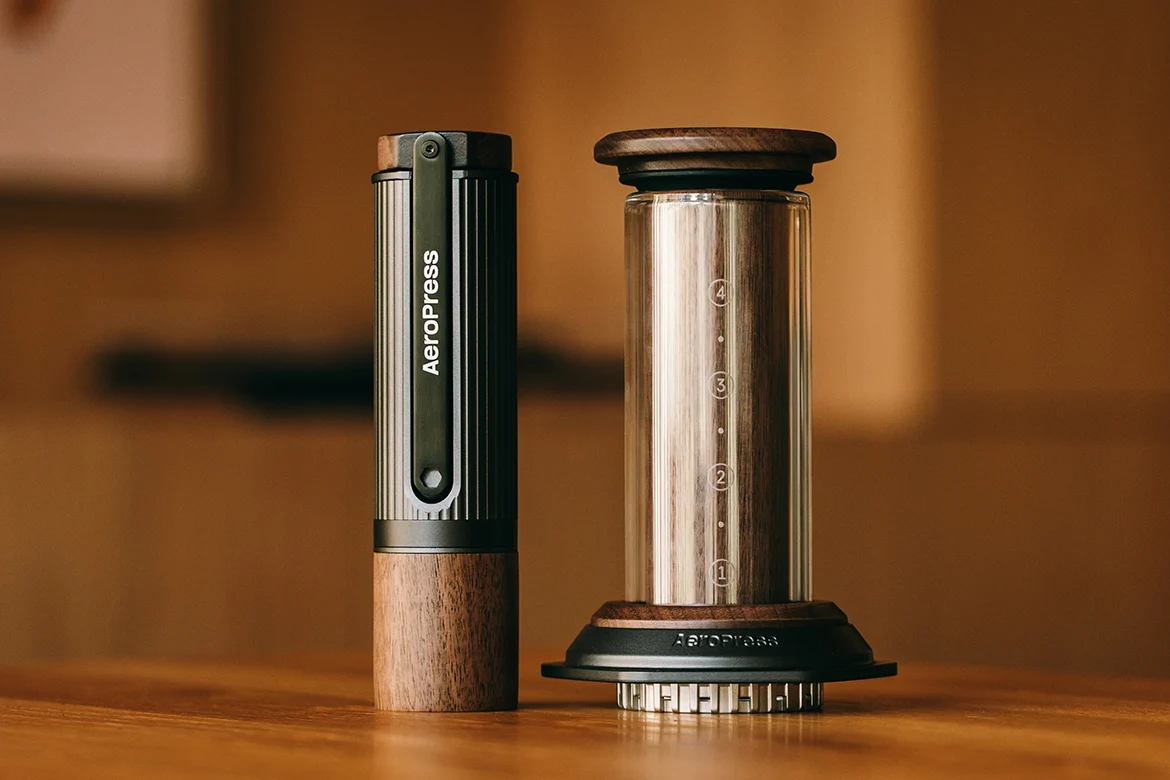
The landscape of home brewing has undergone a significant transformation over the past two decades, and perhaps no single device exemplifies this shift better than the AeroPress. Since its inception in 2005, the coffee maker—invented by Alan Adler—has been celebrated for its utilitarian design, portability, and efficacy. However, a recent strategic pivot by AeroPress, Inc. signals a transition from pure functionality toward the high-end design market. On September 28, the company officially launched its latest iteration: the AeroPress Premium Walnut, a luxury-grade brewer that incorporates high-end materials like borosilicate glass, stainless steel, and solid walnut to reposition the device as a centerpiece for the modern kitchen.
A Chronology of the AeroPress Evolution
To understand the magnitude of this release, one must look back at the origins of the AeroPress. When Alan Adler, a retired Stanford University instructor and toy inventor, introduced the device at the Specialty Coffee Association of America (SCAA) symposium in 2005, it was marketed as a lightweight, indestructible tool for travelers and campers. Its construction was simple: a polypropylene chamber and plunger. It was an immediate success among coffee professionals, eventually spawning a global subculture of competitive brewing championships.
For years, the product line remained stagnant, relying on the singular, iconic design. However, as the specialty coffee market expanded, so did the consumer’s demand for variety. The brand began a steady diversification strategy:
- 2019: The launch of the "AeroPress Go," a compact iteration designed specifically for portability, addressed the needs of commuters and outdoor enthusiasts.
- 2023: The company introduced the "AeroPress XL," catering to those who desired a larger capacity for batch brewing or shared coffee experiences.
- 2024–2025: The brand expanded into specialized material science, releasing stainless steel models and various colorways, effectively transitioning the device from a purely functional object into a customizable accessory.
The introduction of the Premium Walnut collection marks the final stage of this transition—the move into the luxury appliance segment. By replacing standard plastics with premium glass and wood, the company is targeting a demographic that views coffee brewing as an aesthetic experience as much as a caffeine-delivery method.
Material Science and Design Specifications
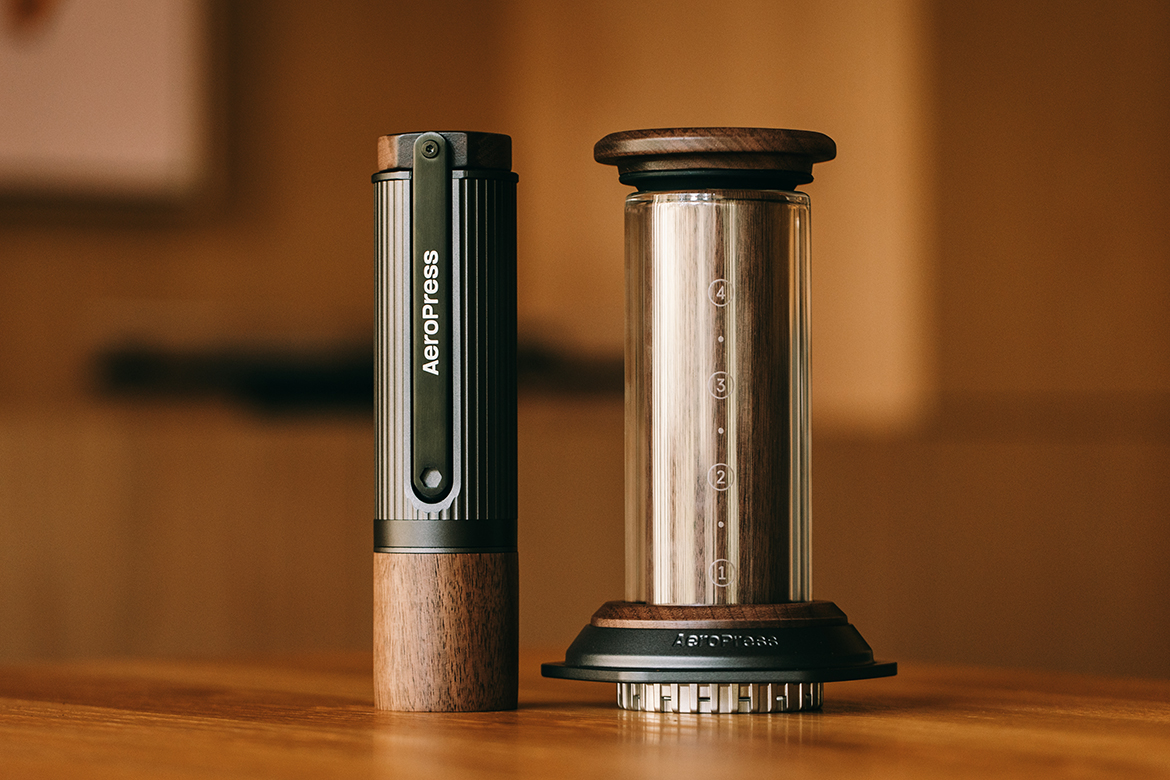
The AeroPress Premium Walnut represents a departure from the brand’s previous manufacturing focus. The device utilizes a high-clarity, double-walled borosilicate glass chamber, which provides superior thermal retention compared to its plastic predecessors. The structural integrity is reinforced by 304 stainless steel components, ensuring longevity and a premium tactile experience.
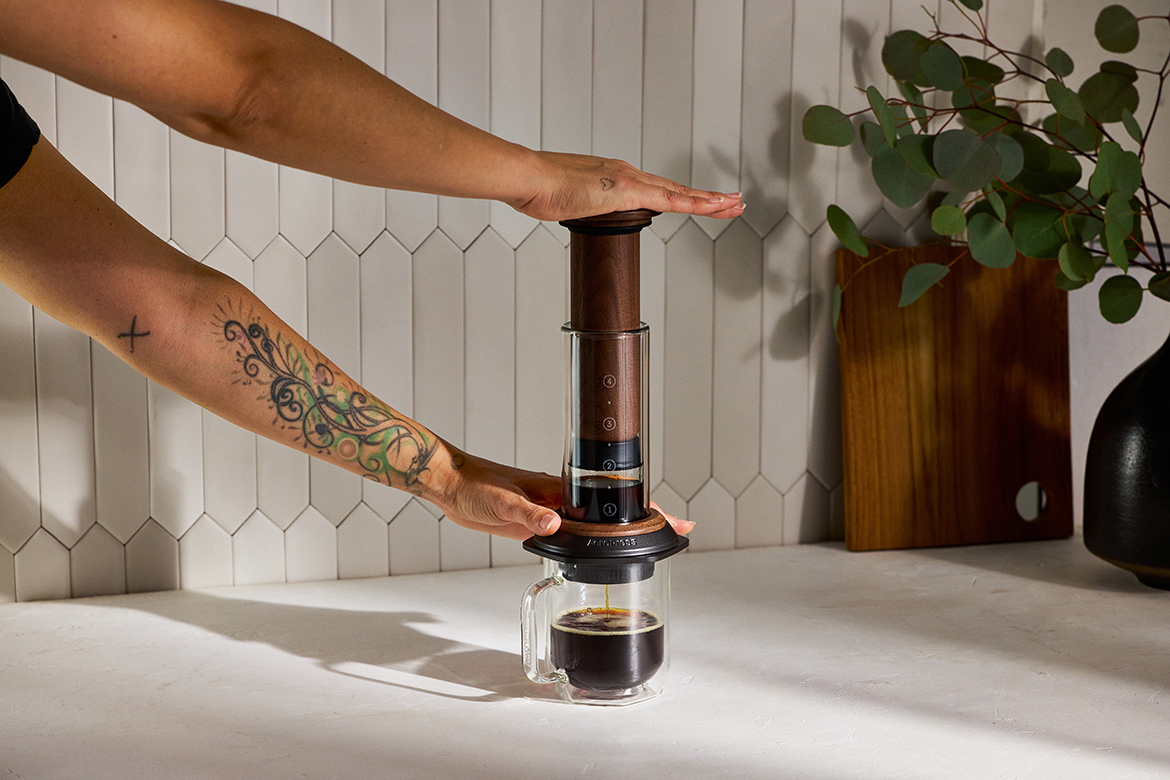
The most notable design shift, however, is the integration of solid walnut for the plunger handle, the collar ring, the coffee scoop, and the stirrer. This use of natural, organic materials serves a dual purpose: it offers a tactile warmth that contrasts with the clinical nature of stainless steel, and it aligns with current interior design trends that favor natural textures in kitchen spaces.
Alongside the brewer, AeroPress has updated its manual coffee grinder. The new Walnut Manual Grinder replaces the previous aluminum handle and grinds catcher with matching wood components. This creates a cohesive "set" for the consumer, moving the product away from the "tuck-away" nature of traditional coffee gadgets and toward the "countertop-display" category of high-end espresso machines and pour-over kettles.
Market Positioning and Strategic Intent
The decision to price the AeroPress Premium Walnut at $249.95 is a calculated move to distance the brand from its entry-level roots. Historically, the AeroPress was marketed as an affordable, high-value alternative to expensive espresso machines. By moving into the $250 price point, AeroPress, Inc. is positioning itself against high-end manual brewers such as the Fellow Stagg EKG or high-end manual grinders like those produced by Comandante or 1Zpresso.
Gerard Meyer, CEO of AeroPress, has been vocal about this shift in philosophy. According to statements provided by the company, the strategic intent is to align the device with the evolving nature of the home kitchen. "The kitchen has become a place where function and personal style come together," Meyer noted. "We believe your coffee setup should be a part of that. Instead of something you tuck away in the cabinet, the AeroPress Premium Walnut and Walnut Manual Grinder are designed to be proudly displayed on one’s countertop."
This sentiment suggests that AeroPress is no longer competing solely on the basis of "cost-per-cup" efficiency. Instead, it is competing on the basis of "lifestyle integration." By providing a product that functions as a piece of interior decor, the company is attempting to capture the growing market of home-coffee enthusiasts who are willing to pay a premium for design-forward hardware.
Economic and Industry Implications
The entry of a legacy brand like AeroPress into the luxury market carries several implications for the coffee equipment industry:
- Brand Premiumization: Companies often diversify into premium lines to increase profit margins. While the standard AeroPress remains a high-volume, low-margin product, the Premium line allows for higher margins and a elevated brand perception, which can have a halo effect on the company’s lower-cost offerings.
- The "Displayable" Trend: There is a growing consumer trend toward "aesthetic brewing." As platforms like Instagram and TikTok have become hubs for coffee content, the physical appearance of brewing equipment has become a significant factor in purchasing decisions. AeroPress is effectively optimizing for the "social-ready" kitchen.
- Market Saturation: With the market for entry-level brewers becoming increasingly saturated with clones and variations, legacy companies must find ways to add value beyond basic functionality. Moving into luxury materials is a common strategy to maintain relevance in a competitive market.
Analytical Outlook: The Sustainability of the Luxury Shift
While the move to luxury materials provides a clear path for growth, it also introduces new challenges. The original AeroPress gained its reputation for being nearly indestructible and highly portable. Introducing glass and fine wood makes the device inherently more fragile and less suited for the rugged, "toss it in your backpack" use case that defined the brand for nearly two decades.
Furthermore, the price increase from the standard sub-$50 model to the $250 premium model represents a significant hurdle for the average consumer. The success of this product will likely depend on whether the existing, loyal user base views the new materials as a genuine upgrade to their brewing experience or as a decorative shift that compromises the core identity of the brand.
Industry analysts suggest that the brand’s ability to maintain its "cult" status while pivoting to a luxury demographic will be a key test of its long-term brand equity. If the company can successfully market the Premium Walnut as a "legacy piece"—a tool that can be passed down or kept for a lifetime—it may secure its place in the high-end market.
Conclusion
The AeroPress Premium Walnut is more than just a new product; it is a manifestation of the brand’s maturity. After years of being the "everyman’s" coffee maker, AeroPress is now making a definitive statement about its place in the modern home. By balancing its heritage of functional design with a new commitment to craftsmanship and luxury materials, the company is attempting to bridge the gap between a simple utility and a premium lifestyle accessory. As the product hits the market, the coffee industry will be watching to see if the consumers who once championed the plastic, no-frills brewer will embrace this new, more sophisticated era of the AeroPress.