Clara Fransiska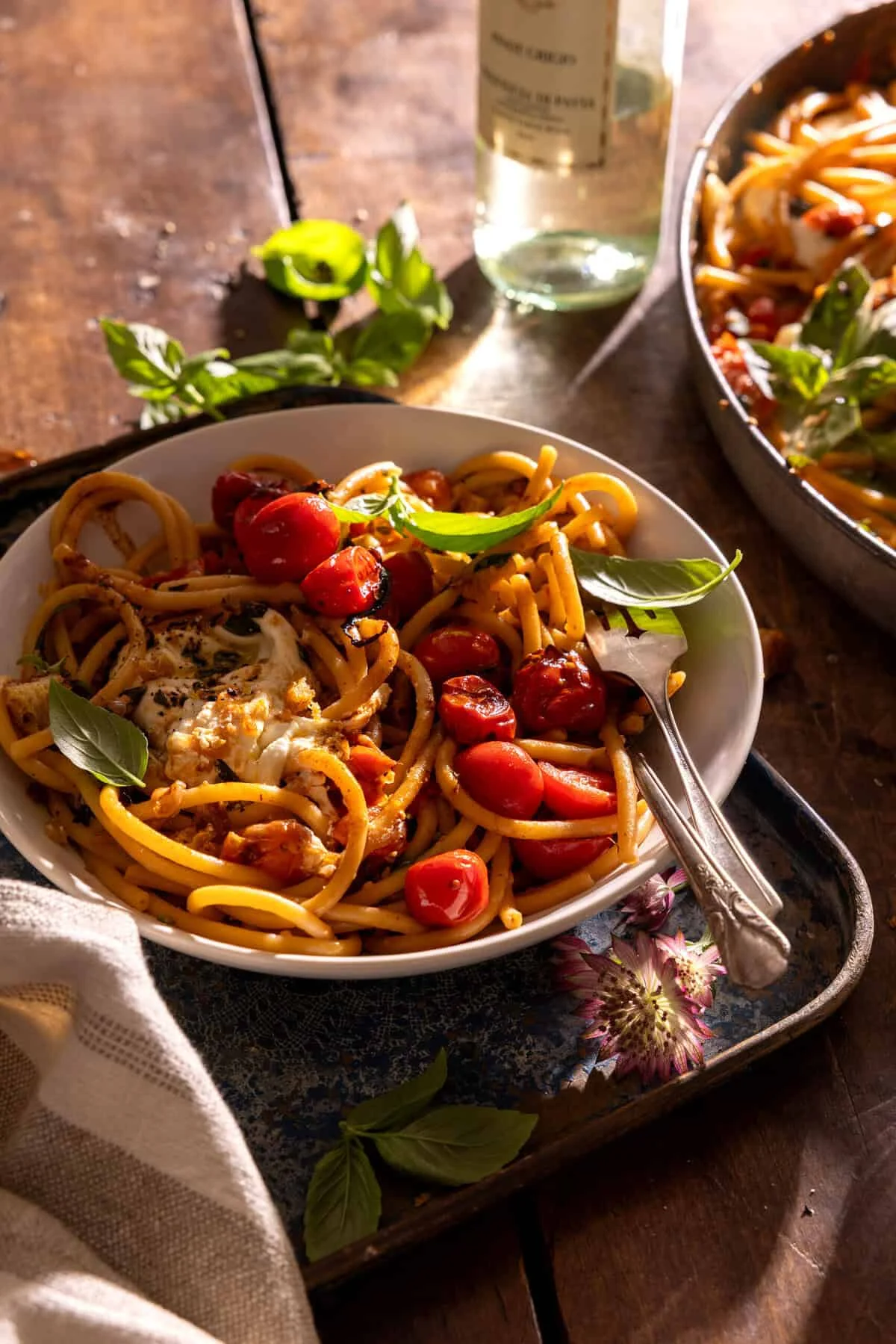
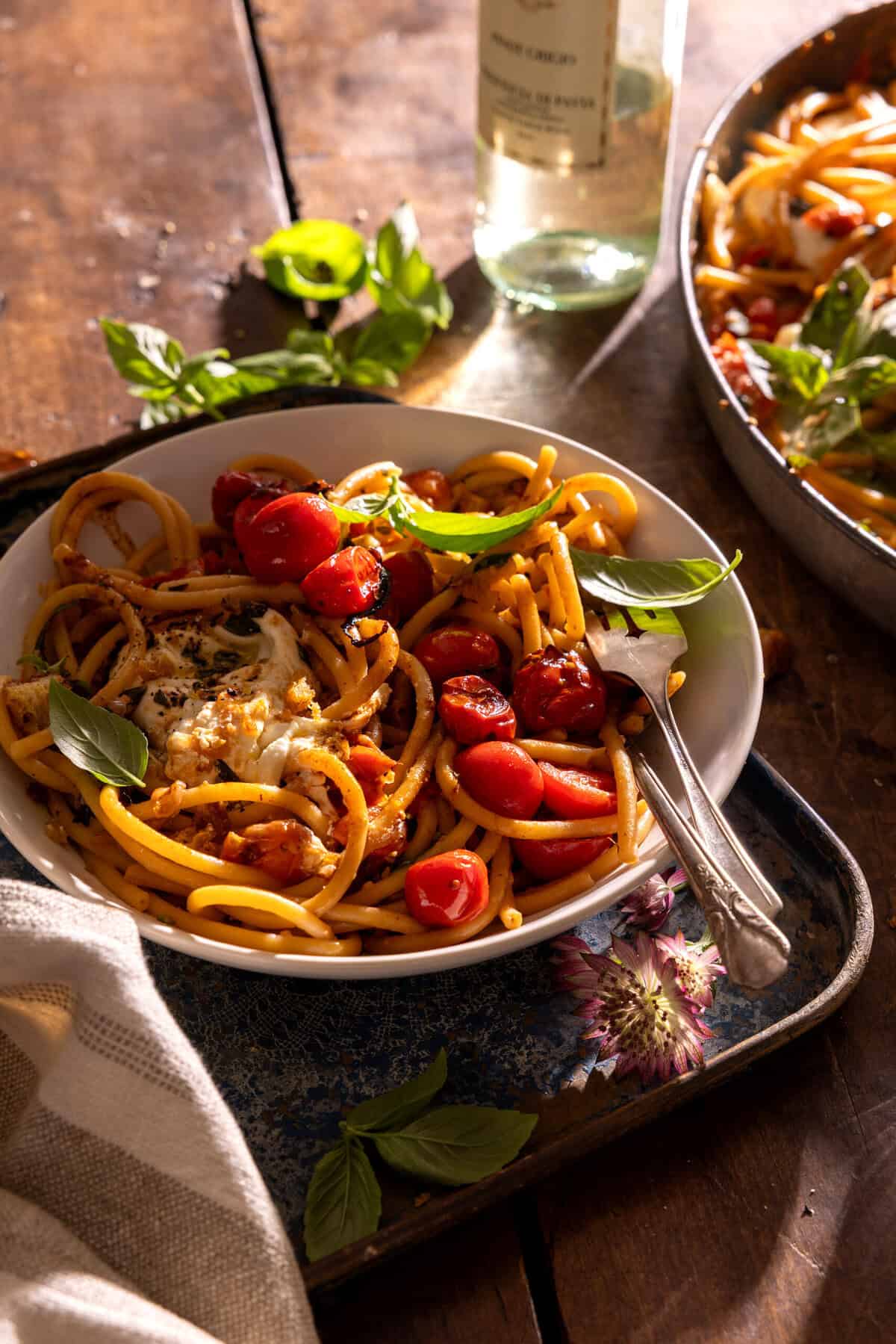
This summer, the culinary world is abuzz with a dish that perfectly captures the essence of the season: Skillet Burst Cherry Tomato White Wine Garlic Pasta. This vibrant and flavorful pasta creation, originating from the popular food blog Half Baked Harvest, has quickly become a go-to for home cooks seeking simple yet sophisticated Italian-inspired meals. Leveraging the peak ripeness of summer produce, particularly sweet cherry tomatoes, the recipe offers a delightful fusion of fresh ingredients, aromatic herbs, and the luxurious creaminess of burrata, all brought together with the satisfying texture of bucatini.
The genesis of this recipe lies in a desire for uncomplicated, ingredient-driven cooking, a philosophy deeply rooted in the author’s childhood memories. Growing up in Ohio, pasta was a weekly staple, frequently elevated by the bounty of her father’s summer garden. These memories of simple, quick stovetop pastas, infused with an abundance of garlic, fresh basil, and a generous hand with cheese and chili flakes, serve as the inspiration. This nostalgic approach emphasizes using what’s readily available, transforming humble ingredients into a celebratory meal. The author’s recent experience, returning from a work trip with limited groceries, further solidified the appeal of this "pantry-friendly" approach, proving that a delicious and impressive meal can be conjured with minimal effort and readily accessible ingredients, including staples like ciabatta bread stored in the freezer.
The dish’s construction is a testament to efficient, one-skillet cooking, minimizing cleanup and maximizing flavor. The process begins with the creation of a flavorful lemon garlic breadcrumb topping. Torn ciabatta bread is toasted to a golden crispness in olive oil, then enhanced with lemon zest, sea salt, black pepper, and a hint of chili flakes. This textural element adds a sophisticated crunch and bright citrus note that elevates the entire dish. A notable "Tieghan’s Tip" suggests incorporating a clove of fresh garlic and a handful of grated Parmesan into the warm breadcrumbs immediately after cooking. This technique allows the residual heat to gently soften the garlic, releasing its aromatic essence, while the Parmesan creates an even more irresistible, savory topping.
The main event, the pasta sauce, is prepared in the same skillet, a strategic move that imbues the dish with layers of flavor. Cherry tomatoes are blistered in the skillet with garlic and shallots until they begin to burst, releasing their sweet juices. This natural release of moisture forms the base of the sauce, a process enhanced by the addition of butter, fresh thyme, and oregano. A splash of white wine is then introduced, simmering briefly to meld the flavors and add a touch of acidity. The recipe explicitly notes that if wine is unavailable or not preferred, water or broth can be substituted, with a squeeze of lemon juice or a teaspoon of apple cider vinegar offering a suitable alternative for brightness and depth. This adaptability underscores the recipe’s user-friendly nature.
The author’s father’s cooking style, characterized by a liberal use of olive oil, cheese, and chili flakes, directly informs the recipe’s flavor profile. His belief that "almost everything tastes better with a little heat" is reflected in the subtle warmth provided by the chili flakes, making the pasta both comforting and exciting. The emphasis on a "saucy pasta" is also evident, with the bucatini cooked just shy of al dente to ensure it perfectly absorbs the developed flavors in the skillet.
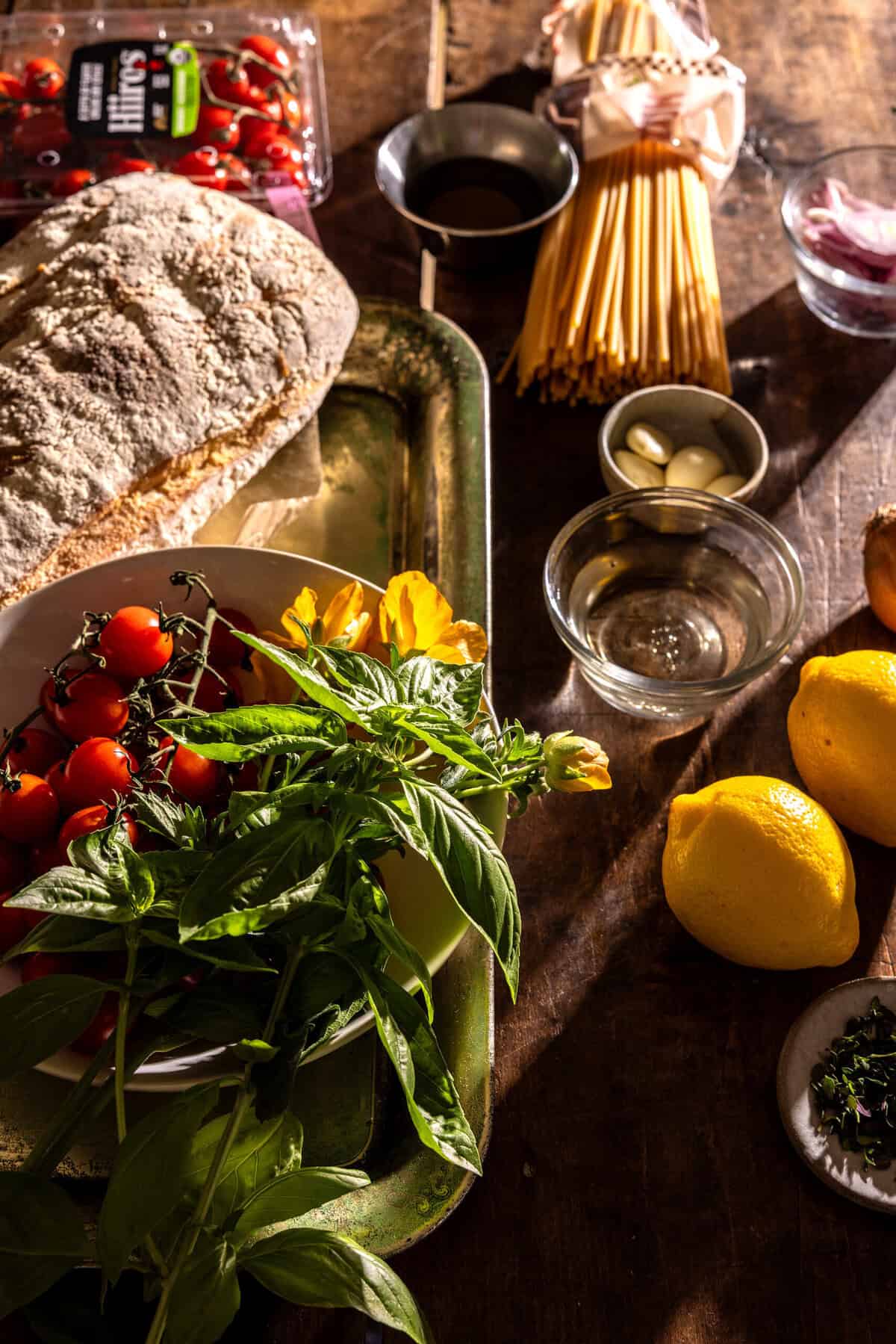
The pasta itself, bucatini, is cooked in generously salted boiling water until al dente. A crucial step, highlighted by the author, is reserving approximately one cup of the starchy pasta water. This liquid gold is the secret to achieving a silky, emulsified sauce that coats each strand of pasta beautifully. The author advises pulling the pasta slightly before it’s fully cooked, allowing it to finish cooking directly in the skillet. This technique ensures the pasta absorbs the maximum amount of flavor from the tomato and wine sauce, creating a cohesive and deeply satisfying dish.
Once the pasta is cooked and the sauce is formed, the two are brought together in the skillet. A splash of the reserved pasta water is added, and the mixture is tossed vigorously. This tossing action is not merely about combining ingredients; it’s about creating a harmonious blend where the starchy water helps to bind the sauce to the pasta, resulting in a glossy, restaurant-quality finish. Fresh basil is stirred in at the end, preserving its vibrant color and aromatic freshness.
The final flourish involves the addition of creamy burrata. The burrata is torn directly into the bottom of a large serving bowl, and the hot pasta is spooned over it. As the heat from the pasta gently melts the burrata, it creates a luxuriously creamy texture that permeates the entire dish. This element transforms the simple pasta into something truly decadent and special. The dish is then finished with the prepared lemon garlic breadcrumbs and served immediately.
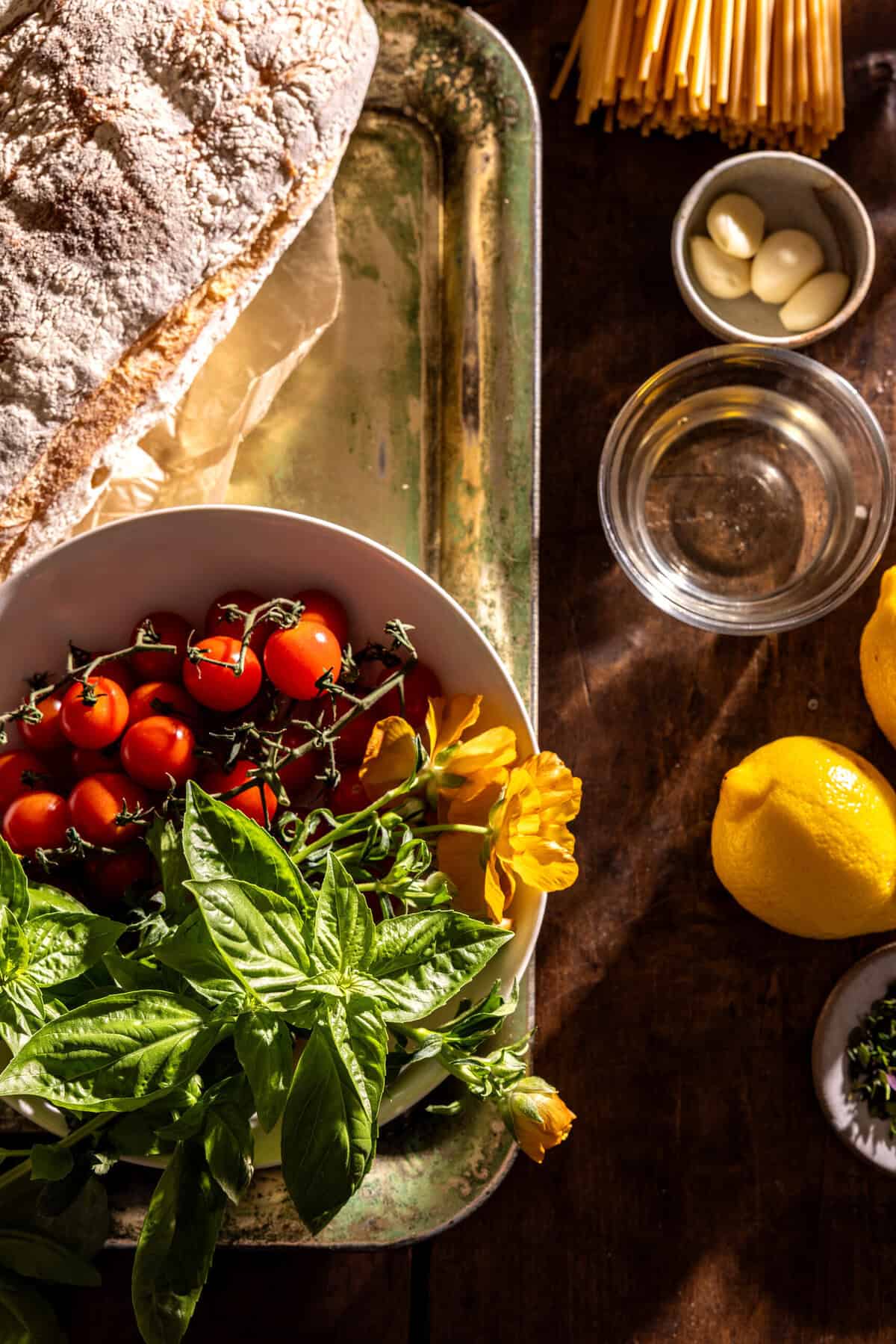
The recipe is presented as an ideal dish for both casual weeknight dinners and more elaborate entertaining. Its quick preparation time, typically around 30 minutes from start to finish, makes it a practical choice for busy evenings. For entertaining, the author suggests pairing the pasta with a simple cheese board, olives, crackers, and a chilled bottle of wine. The pasta itself can be the centerpiece of a relaxed gathering, encouraging lingering conversations around the table.
The author also offers specific wine pairing recommendations, consulting with a sommelier to enhance the dining experience. Three distinct wine choices are presented:
- Rotondo Pinot Grigio DOC Venezie, Italy 2024: Described as a classic and fitting choice, this Pinot Grigio is lauded for its crispness, refreshing quality, and balanced profile, making it an excellent complement to the fresh tomatoes, basil, and creamy burrata.
- Lanark Lane Sauvignon Blanc, Marlborough, New Zealand 2024: This Sauvignon Blanc, another favorite of the author, offers bright citrus notes and herbaceous characteristics that harmoniously echo the basil, thyme, oregano, and lemon zest in the dish. Its acidity is noted to balance the richness of the burrata.
- La Calice Rosé IGP Pays d’Oc, France 2024: For those who prefer rosé, this dry and refreshing option is recommended. Its bright fruit notes are said to pair beautifully with the burst cherry tomatoes, embodying the spirit of a relaxed summer evening.
The nutritional information provided estimates approximately 560 calories per serving, underscoring the dish’s satisfying yet balanced nature. The recipe is designed to serve six people, making it suitable for family meals or gatherings. The author’s emphasis on using peak-season ingredients is a recurring theme, highlighting the inherent flavor and freshness that summer produce brings to the table.
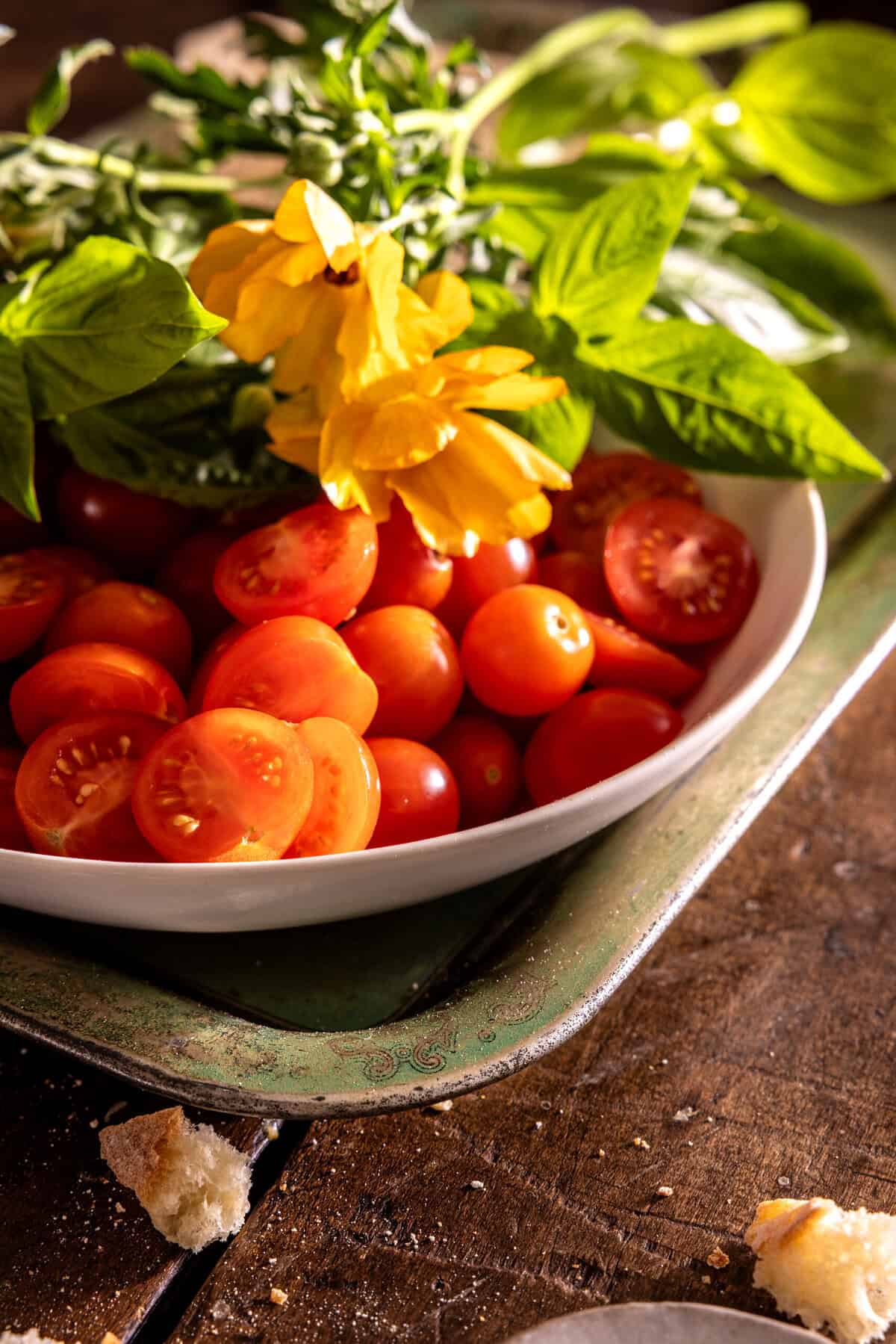
This Skillet Burst Cherry Tomato White Wine Garlic Pasta exemplifies a culinary trend that values simplicity, freshness, and nostalgic comfort. It’s a dish that proves that even the most elegant flavors can be achieved with straightforward techniques and readily available ingredients, embodying the joyful spirit of summer dining. The recipe’s adaptability and reliance on seasonal produce ensure its enduring appeal, making it a valuable addition to any home cook’s repertoire.