Reynand Holland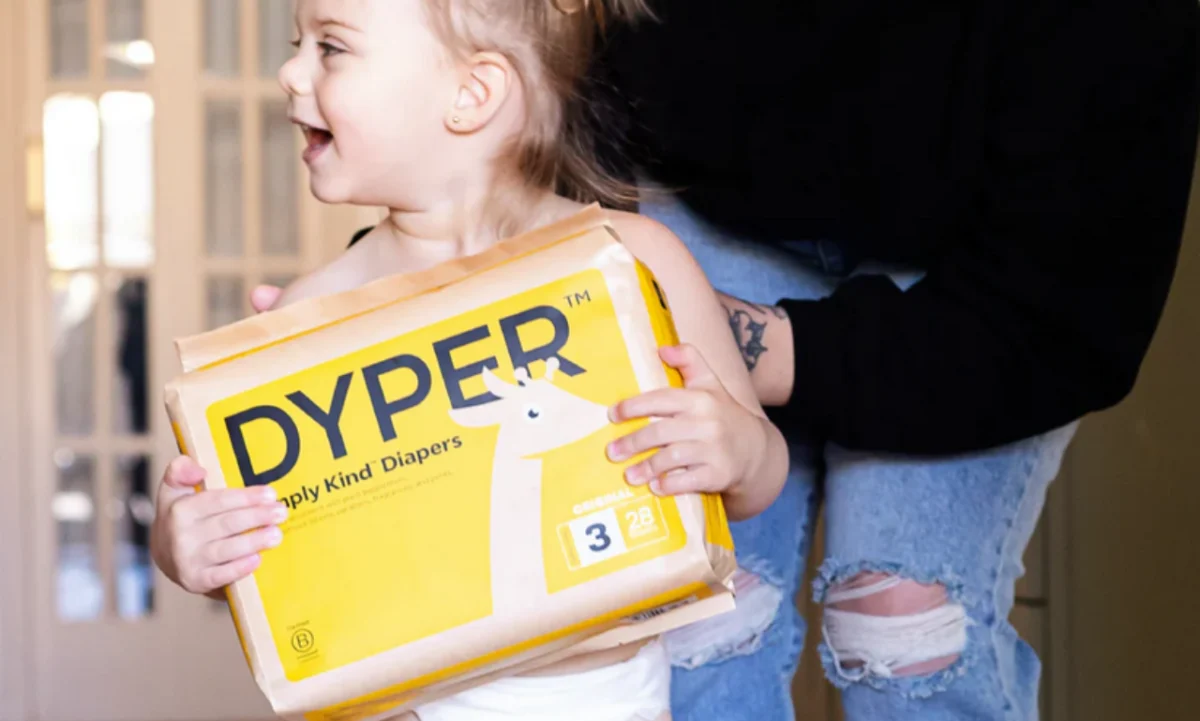
The journey of parenthood, while profoundly rewarding, is intrinsically linked to a significant and often overlooked environmental challenge: the sheer volume of waste generated by infants. For the first two years of a child’s life, parents typically navigate the use of approximately 6,000 diapers. This staggering number, predominantly comprised of traditional single-use disposable diapers, presents a dual concern for modern families: environmental burden and potential health risks. While reusable cloth diapers offer an alternative, their practicality is often a hurdle for busy households seeking convenience amidst the demands of childcare.
The conventional disposable diaper, a staple in nurseries for decades, is not merely a volume issue in landfills. A growing body of research and parental concern highlights the inherent health implications associated with the materials and manufacturing processes of these products. From the petroleum-based plastics forming the outer layers to the chemical additives used for absorbency and fragrance, every component warrants scrutiny. The presence of phthalates, parabens, and synthetic fragrances, often undisclosed due to lax regulatory oversight, has been linked to a range of health issues in infants and children.
Unpacking the Health Concerns: Chemicals in Diapers
Scientific studies have drawn connections between chemicals commonly found in disposable diapers and adverse health outcomes. These include potential endocrine and reproductive disorders, a consequence of exposure to endocrine-disrupting chemicals (EDCs) that can interfere with the body’s hormonal system. Furthermore, the absorbent gels, while effective at managing moisture, can be a source of skin irritation and allergic reactions, leading to acute diaper rashes. Disturbingly, some research has even suggested a potential, albeit complex, link between certain chemicals present in diaper manufacturing and an increased risk of testicular cancer later in life.
The regulatory landscape surrounding diaper safety further exacerbates these concerns. Unlike menstrual products, for instance, baby diapers are not subject to comprehensive ingredient disclosure requirements. The Consumer Product Safety Commission (CPSC) primarily mandates testing for lead content, leaving a significant gap in oversight for a multitude of other potentially harmful chemicals, including carcinogens and EDCs. This lack of transparency and stringent regulation leaves parents in a position of relying on manufacturer claims rather than robust, independent safety certifications.
The Genesis of REDYPER and Dyper: A Response to the Waste Crisis
The impetus for developing innovative diaper solutions often stems from personal observation and a desire for tangible change. For Tony Patron, founder of REDYPER and a key figure behind the Dyper brand, the tipping point arrived with the weekly ritual of taking out overflowing trash bins. The sight of plastic diapers dominating the refuse sparked a realization that a fundamental shift was necessary. This personal awakening, coupled with his engineering background, provided the foundation for a venture aimed at tackling the diaper waste problem head-on.
Patron’s initial efforts involved exploring partnerships with existing manufacturers of compostable diapers. However, these discussions ultimately coalesced into the formation of Dyper, a company explicitly dedicated to producing diapers that are not only safe and high-performing but also environmentally responsible. The core mission of Dyper is to provide parents with a viable alternative to traditional disposables, one that minimizes both household waste and the broader environmental footprint.

A Timeline of Innovation and Commitment
The evolution of Dyper can be understood as a response to a growing awareness of environmental and health issues surrounding conventional diapers. While specific launch dates for individual product iterations are not detailed in the provided information, the company’s trajectory reflects a progressive approach to sustainable product development.
- Founding Vision: The initial spark for Dyper arose from the founders’ direct experience with the overwhelming volume of diaper waste, leading to a commitment to engineer a better solution.
- Product Development: Intensive research and development focused on identifying and integrating plant-based materials that could match or exceed the performance of conventional diapers in terms of absorbency, fit, and comfort. This phase likely involved extensive testing and refinement of material compositions.
- Transparency and Certification: A key aspect of Dyper’s strategy has been a commitment to transparency. The company’s emphasis on labeling each layer of its diapers with specific components, and pursuing certifications like USDA BioPreferred and Oeko-Tex, signifies a proactive approach to building consumer trust and validating product claims.
- REDYPER Program Launch: Recognizing that biodegradability is only part of the solution, the introduction of the REDYPER program represented a significant step towards addressing the end-of-life management of diapers, offering a practical composting service in applicable regions.
- Continuous Improvement: The ongoing pursuit of certifications like DermaTest 5-Star highlights Dyper’s dedication to ensuring product safety and minimizing skin irritancy, a testament to their commitment to infant well-being.
The Dyper Difference: Materials and Performance
At the heart of Dyper’s innovation lies a deliberate shift from petroleum-based plastics to sustainable, plant-based materials. The company prioritizes the use of US-grown, Forest Stewardship Council (FSC)-certified bamboo and eucalyptus fibers. These natural materials offer several advantages:
- Biodegradability: The primary components of Dyper diapers are designed to be biodegradable, significantly reducing their persistence in landfills.
- Softness and Breathability: Bamboo and eucalyptus fibers are known for their natural softness and breathability, contributing to a more comfortable experience for the baby and reducing the likelihood of skin irritation.
- Absorbency: Through advanced engineering, Dyper has developed absorbent cores that effectively manage moisture, preventing leaks and keeping babies dry, a critical performance metric for any diaper.
- Reduced Chemical Exposure: By opting for natural fibers and avoiding synthetic fragrances and harsh chemicals, Dyper significantly reduces a baby’s exposure to potentially harmful substances.
The company’s commitment to transparency is further demonstrated by its detailed labeling of diaper components and its pursuit of certifications. Dyper products meet Oeko-Tex standards, a globally recognized benchmark for textile safety. Additionally, their diaper products are Certified USDA BioPreferred at 55%, and their wipes achieve a remarkable 95% Certified USDA BioPreferred status, indicating a substantial reliance on renewable biological resources. The recent acquisition of the DermaTest 5-Star Certification underscores the brand’s dedication to hypoallergenic and skin-friendly formulations, assuring parents that their diapers are unlikely to cause adverse skin reactions.
"Plants Over Plastic": A Philosophy Driving Innovation
The guiding principle of "plants over plastic for happy babies" encapsulates Dyper’s holistic approach to diaper design. This philosophy translates into a product free from phthalates, latex, parabens, and other common irritants found in conventional diapers. The emphasis on natural fibers not only benefits the baby’s delicate skin but also assures parents of the responsible sourcing of materials.
Beyond the immediate benefits to the baby and the environment, Dyper diapers are engineered with parental convenience in mind. The high-performance design aims to prevent leaks and rashes, contributing to a more comfortable and less stressful experience for both parent and child.
A significant advancement offered by Dyper is the optional REDYPER program. This service, available in select regions, addresses the end-of-life disposal of used diapers and wipes. Through partnerships with regional composting facilities, the REDYPER program facilitates the breakdown of compostable materials within a 14-to-16-week timeframe. Any non-compostable elements are then removed and disposed of appropriately. As of the latest available data, this program has successfully diverted over 14 million pounds of waste from landfills, demonstrating a tangible impact on waste reduction.
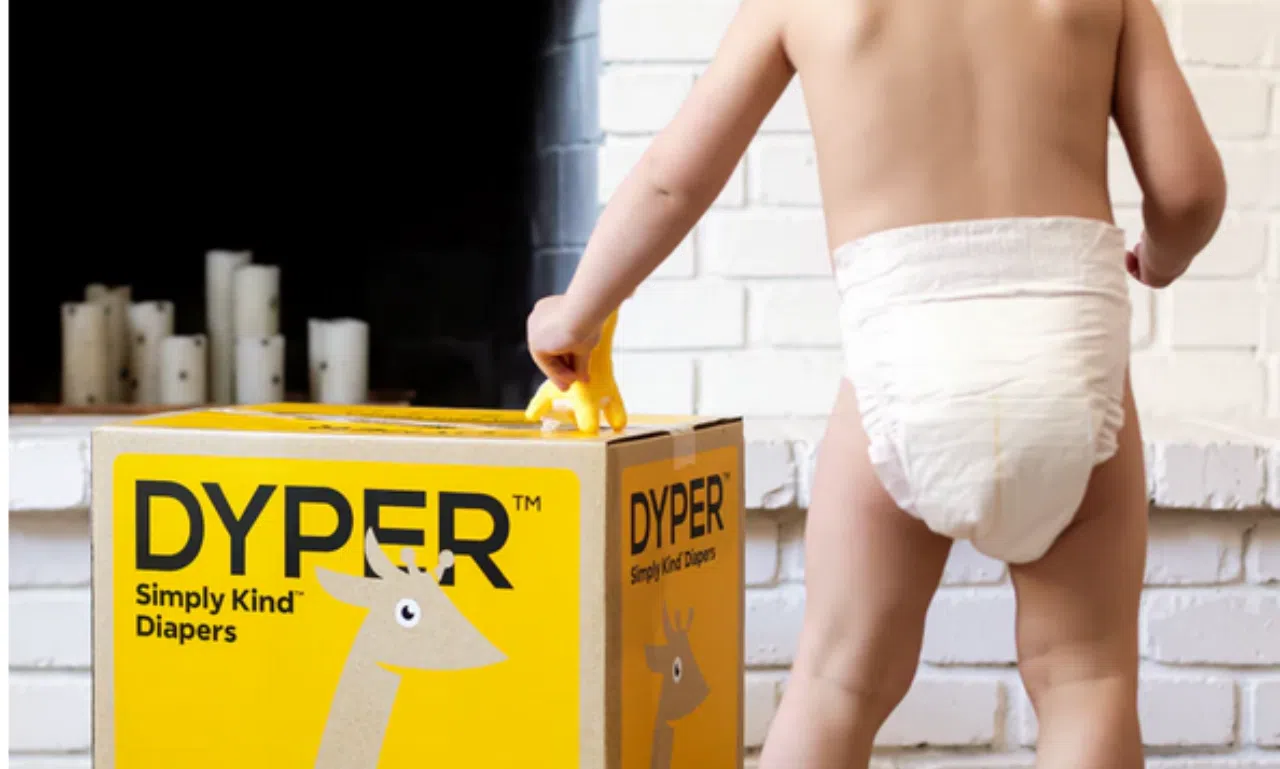
The company’s commitment to sustainability extends to its packaging. Dyper endeavors to utilize sustainable materials wherever feasible, further minimizing its environmental footprint throughout the product lifecycle. This comprehensive approach ensures that parents do not have to compromise between functional diapering needs and their desire for sustainable choices.
The Broader Impact: A Shift Towards Sustainable Parenting
The emergence and growth of companies like Dyper signify a broader shift in consumer consciousness and market demand for more sustainable and health-conscious baby products. As parents become increasingly informed about the environmental and health implications of everyday choices, the demand for alternatives to conventional disposable diapers is set to rise.
The implications of this trend are multifaceted:
- Environmental Stewardship: A widespread adoption of sustainable diapering solutions, including plant-based disposables and robust composting programs, could significantly reduce the volume of plastic waste entering landfills and oceans.
- Public Health: Increased availability of non-toxic, chemical-free diapers can contribute to improved infant health outcomes by minimizing exposure to potentially harmful substances.
- Industry Innovation: The success of companies like Dyper incentivizes traditional diaper manufacturers to invest in research and development for more sustainable materials and processes, fostering innovation across the industry.
- Consumer Empowerment: Greater transparency in product ingredients and certifications empowers parents to make informed choices that align with their values regarding health and environmental responsibility.
- Circular Economy Principles: Programs like REDYPER, which aim to divert waste from landfills and create valuable compost, embody principles of a circular economy, transforming waste into a resource.
Making Sustainable Diapering Accessible
Dyper aims to make the transition to sustainable diapering as seamless as possible for parents. The company offers flexible purchasing options, including subscriptions and one-time purchases, available in a comprehensive range of sizes. For those within service areas, the convenience of a weekly or bi-weekly pickup service for used diapers and wipes through the REDYPER program further simplifies the process.
By choosing Dyper, parents are not merely selecting a diaper; they are opting for a brand that champions sustainability, prioritizes transparency in its product composition, and is committed to providing superior care for their babies. This commitment extends beyond the product itself, fostering a partnership with parents in creating a healthier future for their children and the planet. The company’s impact, measured in pounds of waste diverted and the growing number of conscious parents it serves, underscores the potential for market-driven solutions to address significant environmental and health challenges.