Muhammad Hendra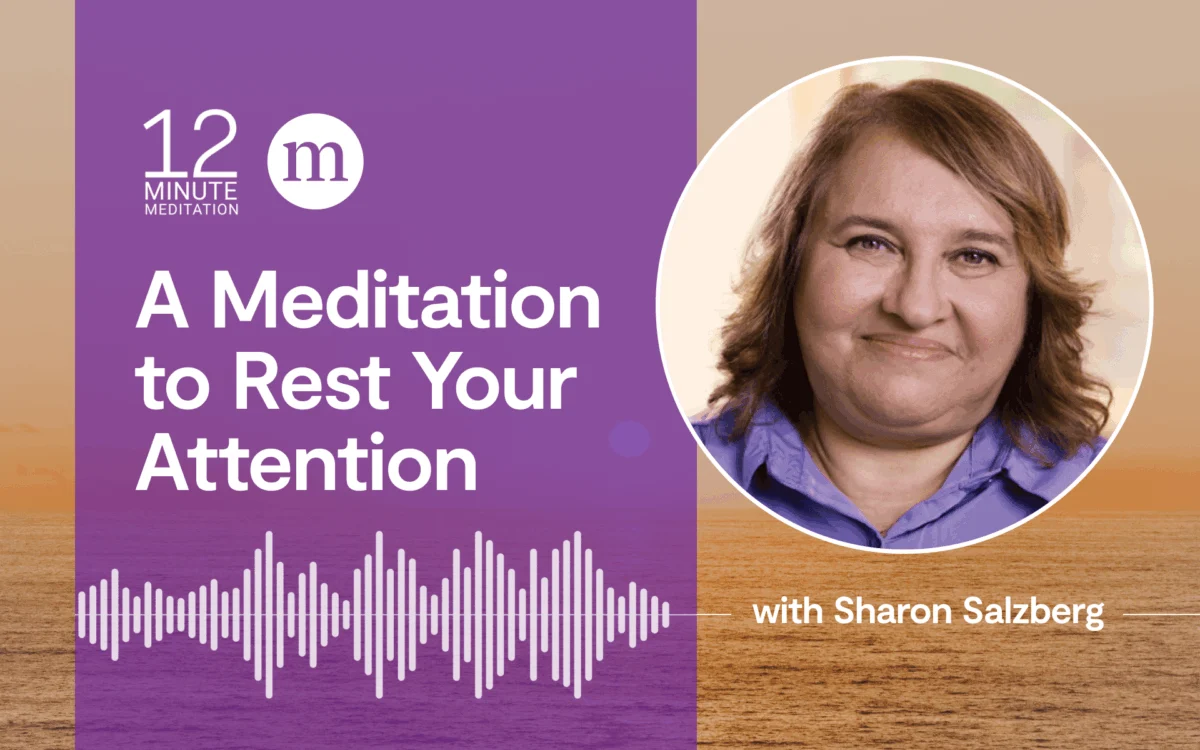
In an era defined by relentless digital notifications and a constant barrage of information, the concept of attention has increasingly become a contested commodity. Renowned meditation teacher and New York Times best-selling author, Sharon Salzberg, is offering a timely and profoundly restorative perspective through a newly introduced guided meditation practice centered on the idea of "resting attention." This innovative approach challenges conventional notions of attention as a resource to be actively exploited, reframing it instead as a delicate gift requiring nurturing and restoration to unleash its full potency.
The modern world, with its pervasive connectivity and hyper-stimulation, relentlessly vies for our cognitive focus. From the incessant pings of smartphones to the demands of multitasking in professional environments, individuals often find themselves caught in a perpetual state of cognitive strain. This environment fosters a vocabulary around attention that is inherently active and extractive: we are encouraged to "pay attention," "give attention," "court attention," or "leverage attention." These verbs imply a transactional relationship, suggesting that attention is a finite currency to be spent or a tool to be utilized for maximum output. However, Salzberg’s teaching posits a radical departure from this paradigm, proposing that true attentional strength emerges not from constant exertion, but from intentional periods of gentle repose and restoration.
The Modern Predicament of Attention: A Scarcity Mindset
The pervasive "always-on" culture has undeniably reshaped human cognition and well-being. Studies have increasingly highlighted the detrimental effects of sustained digital distraction on cognitive functions, including memory, critical thinking, and emotional regulation. Research by institutions such as Microsoft Corp. has suggested a significant decline in average human attention spans over the past two decades, with some reports indicating a drop from 12 seconds to just 8 seconds – now shorter than that of a goldfish. This shrinking capacity is often attributed to the fragmented nature of digital consumption and the continuous switching between tasks. The consequence is a widespread sense of mental fatigue, burnout, and a diminished ability to engage deeply with tasks, relationships, or even one’s own inner experience.
The economic and social pressures to maintain high levels of productivity further exacerbate this issue. In many professional settings, the ability to juggle multiple tasks simultaneously is often lauded, leading to a culture where taking breaks or allowing the mind to wander is perceived as unproductive. This scarcity mindset around attention fuels anxiety and a constant drive for efficiency, often at the expense of mental clarity and sustained focus. Salzberg’s work directly addresses this contemporary crisis by offering a counter-narrative rooted in ancient wisdom traditions, suggesting that the path to a more potent and resilient attention lies not in aggressive pursuit, but in gentle cultivation.
Sharon Salzberg: A Pioneer in Western Mindfulness
Sharon Salzberg stands as one of the most influential figures in the global mindfulness movement, having played a pivotal role in introducing Asian meditation practices to the Western world. Her journey began in 1971, immersing herself in intensive meditation studies in India. Upon her return, she co-founded the Insight Meditation Society (IMS) in Barre, Massachusetts, in 1976, alongside fellow luminaries Joseph Goldstein and Jack Kornfield. IMS quickly became a foundational institution, offering retreats and training that made Vipassana (insight) and Metta (lovingkindness) meditation accessible to a broad audience.
For over five decades, Salzberg has guided retreats worldwide, establishing herself as a compassionate and articulate teacher. Her extensive bibliography includes seminal works such as "Lovingkindness: The Revolutionary Art of Happiness" (1995), which popularized the Metta practice, and "Real Happiness: The Power of Meditation" (2010), a New York Times bestseller that provided an accessible introduction to mindfulness. Her more recent publications, like "Real Change: Mindfulness to Heal Ourselves and the World" (2020), continue to explore the profound personal and societal implications of mindful living. Through her writings, teachings, and media contributions (including columns for "On Being" and "The Huffington Post"), Salzberg has consistently advocated for a practical, down-to-earth approach to meditation, demystifying complex spiritual concepts and making them relevant to contemporary challenges.
Unpacking "Resting Attention": A Gentle Paradigm Shift
The core of Salzberg’s current offering lies in the novel concept of "resting attention." This isn’t about disengagement or zoning out; rather, it’s about consciously releasing the grip of striving and allowing awareness to settle gently. In a world that demands constant vigilance, the idea of "resting" one’s attention can seem counterintuitive. However, Salzberg illustrates that like any muscle, our attentional capacity benefits immensely from periods of non-striving. When we relentlessly "pay" attention, we risk depletion, much like overworking a physical muscle.
To "rest" attention, according to Salzberg, involves cultivating a "lightest touch possible" with our awareness. Instead of forcing concentration or intensely scrutinizing an object of focus, one allows the mind to simply be present, without judgment or excessive effort. This practice encourages a shift from an active, effortful mode of attention to a receptive, open one. It’s about creating space for the mind to restore itself, much like sleep allows the body to rejuvenate. The intention is not to achieve a perfect state of unwavering focus, but to develop a gentle, forgiving relationship with our own minds, acknowledging their natural tendency to wander and gently guiding them back without self-reproach. This gentle approach fosters resilience, allowing attention to return with renewed vigor and clarity after periods of restorative ease.
The Science Behind Restoration: How Mindfulness Reshapes the Brain
The principles underpinning "resting attention" are increasingly validated by contemporary neuroscience. Extensive research into mindfulness meditation has revealed its profound impact on brain structure and function, particularly in areas associated with attention, emotion regulation, and self-awareness.
Studies using fMRI (functional magnetic resonance imaging) have shown that regular meditation practice can lead to measurable changes in the brain. The prefrontal cortex, responsible for executive functions like planning, decision-making, and sustained attention, often shows increased activity and connectivity. Conversely, the amygdala, the brain’s "fear center," which is highly active during stress responses, tends to show reduced activity in experienced meditators. This neurological re-calibration supports a greater capacity for calm, improved emotional regulation, and a more stable attentional focus.
Furthermore, mindfulness practices have been linked to an increase in cortical thickness in regions associated with attention and sensory processing, such as the insula and anterior cingulate cortex. These changes suggest that meditation doesn’t just momentarily alter brain activity but can lead to long-term structural adaptations that enhance cognitive resilience. By practicing "resting attention," individuals are not merely relaxing; they are actively engaging in a process that re-patterns neural pathways, fostering a more sustainable and less effortful state of focused awareness. The gentle, non-striving aspect of Salzberg’s method is particularly effective in reducing the "default mode network" activity, which is associated with mind-wandering and self-referential thought, thereby creating space for a more present and restorative state.
Data on Digital Distraction and Mental Well-being
The imperative for practices like "resting attention" is underscored by alarming statistics on mental well-being in the digital age. Surveys consistently indicate rising levels of stress, anxiety, and depression across various demographics. The American Psychological Association’s annual "Stress in America" report frequently highlights technology and media overload as significant sources of stress. A 2023 study found that individuals check their phones, on average, over 100 times a day, with a significant portion of this interaction being habitual rather than intentional. This constant engagement, coupled with the fear of missing out (FOMO) and the pressure to maintain online personas, contributes to chronic low-level stress and fragmented attention.
The economic cost of this attentional crisis is also substantial. Absenteeism, presenteeism (being physically present but mentally disengaged), and reduced productivity due to stress and burnout cost global economies billions annually. Implementing strategies that promote mental restoration and attentional resilience, such as Salzberg’s guided meditation, offers a proactive approach to mitigating these widespread societal and individual challenges.
The Practical Application: Salzberg’s Guided Meditation
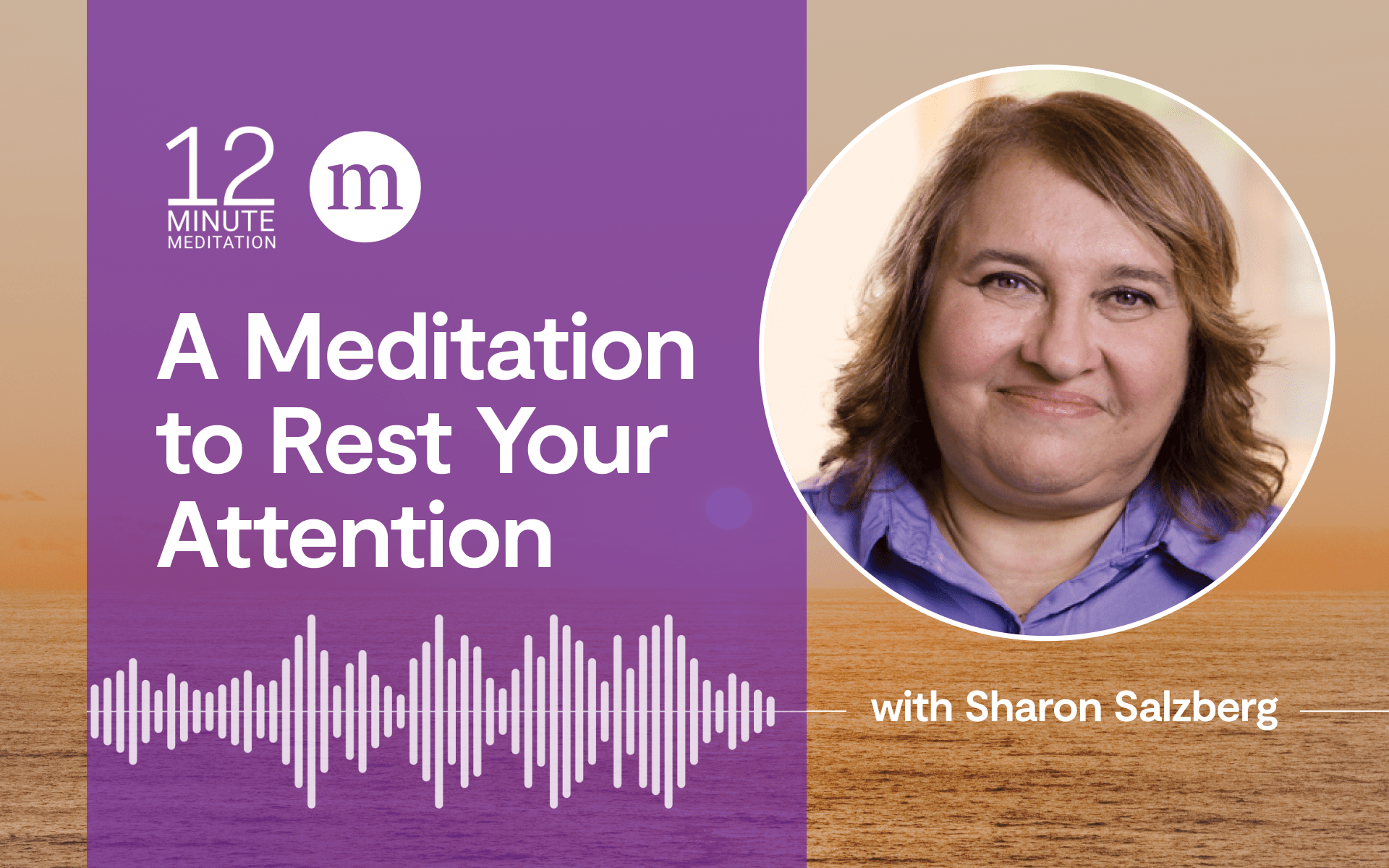
Sharon Salzberg’s new offering takes the form of a guided meditation specifically designed to facilitate this practice of "resting attention." Available as a script for self-practice or an audio recording, the meditation is characterized by its accessible, down-to-earth language and its deeply restorative quality. It gently guides practitioners through a process of observing their awareness with a "lightest touch," encouraging them to release the habitual striving for control or intense focus.
The meditation invites individuals to notice the natural ebb and flow of their attention without judgment, offering a compassionate space for the mind to settle. Rather than commanding attention to stay fixed, it subtly encourages a soft, receptive presence. This subtle distinction is crucial: it moves away from the disciplinary aspect often associated with traditional concentration practices and embraces a more nurturing, self-compassionate approach. The practical application of this meditation is particularly valuable for those who find traditional concentration exercises challenging or even anxiety-inducing, providing an alternative pathway to clarity and calm.
Broader Implications: Reclaiming Inner Peace in a Connected World
The implications of cultivating "resting attention" extend far beyond individual well-being. At a societal level, a collective shift towards more restorative and mindful approaches to attention could foster greater empathy, reduce reactivity, and improve the quality of interpersonal communication. When individuals are less mentally fatigued and more attuned to their inner states, they are better equipped to engage thoughtfully and compassionately with others.
In workplaces, embracing periods of restorative attention could lead to more sustainable productivity, enhanced creativity, and reduced rates of burnout. Companies are increasingly recognizing the value of mindfulness programs, not just as a perk, but as a strategic investment in employee well-being and cognitive performance. Similarly, in educational settings, teaching children and young adults how to gently manage their attention could equip them with crucial life skills for navigating an increasingly complex world, improving academic focus, and fostering emotional intelligence.
Sharon Salzberg’s continued work, exemplified by this new guided meditation, serves as a vital reminder that our attention is not merely a tool for consumption or production. It is a fundamental aspect of our consciousness, a pathway to deeper connection with ourselves and the world. By treating it as a gift to be nurtured and restored, rather than a commodity to be exploited, individuals can unlock profound levels of clarity, compassion, and inner peace, even amidst the clamor of modern life. Her teachings offer a powerful antidote to the pervasive culture of distraction, inviting us to cultivate a more humane and sustainable relationship with our most precious resource: our awareness.
Expert Perspectives on Mindful Living
Experts in fields ranging from cognitive psychology to public health largely concur with the benefits of mindfulness and restorative practices. Dr. Daniel Goleman, a renowned psychologist and author on emotional intelligence, has consistently highlighted the role of mindfulness in enhancing focus and reducing emotional reactivity. Neuroscientists like Dr. Richard Davidson from the Center for Healthy Minds at the University of Wisconsin-Madison have provided extensive evidence on how mindfulness training can cultivate positive neural changes, leading to greater well-being. While specific statements on "resting attention" as a distinct concept are still emerging, the underlying principles of non-striving, gentle awareness, and mental restoration are core tenets widely supported by the scientific community researching contemplative practices. The overarching consensus is that such practices are crucial for navigating the cognitive and emotional demands of contemporary existence, offering practical tools for fostering resilience and cultivating a more balanced life.