
 Indra Kusuma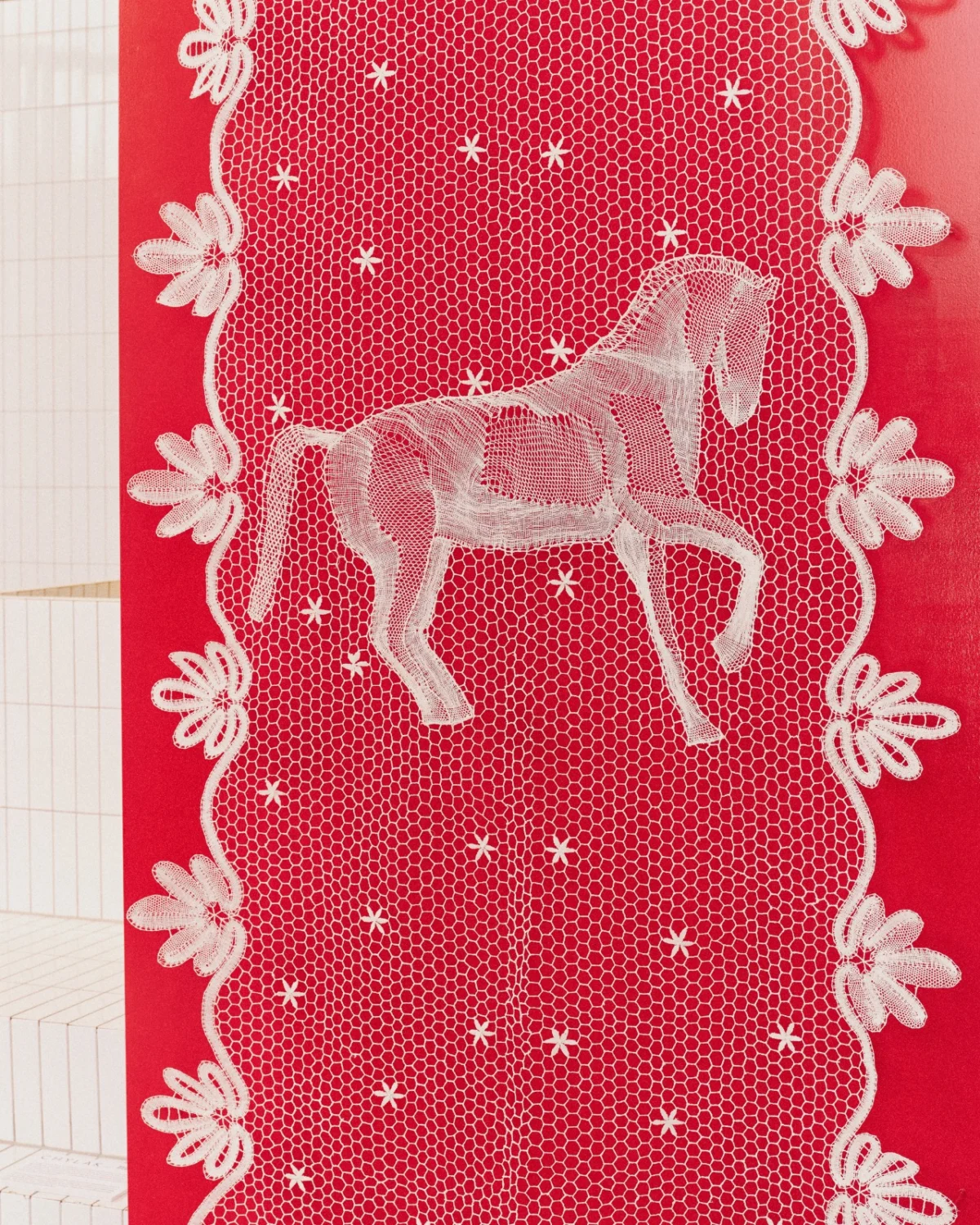
During a period marked by an escalating global appetite for immersive design experiences, Copenhagen’s recent 3daysofdesign festival once again asserted its position as a pivotal platform for innovation and cultural discourse. Following the grand spectacles of Milan Design Week 2026, which featured colossal inflatable structures and unprecedented collaborations between luxury fashion houses and legacy design brands, the Danish capital offered its own distinctive array of site-specific interventions. Amidst this vibrant tapestry of creativity, Polish artist, designer, and founder of the acclaimed eponymous modern accessories brand, Zofia Chylak, unveiled a profound installation within the Baum und Pferdgarten flagship store. Her oversized lace artwork not only embraced the prevailing trend of large-format design but also meticulously delved into the shared cultural and historical threads between Denmark and Poland through its unique materiality and symbolism, presenting a nuanced counterpoint to the more overtly commercial or purely aesthetic displays prevalent at such events.
The Evolving Landscape of Global Design Festivals
Design festivals, by their very nature, serve as vital crucibles for emerging trends, established masterpieces, and experimental concepts. The landscape of these global events has seen significant evolution, transitioning from mere trade shows to elaborate, experiential showcases designed to captivate and educate. Milan Design Week, or Salone del Mobile, consistently stands as the titan of this calendar, drawing hundreds of thousands with its vast exhibitions, often pushing the boundaries of scale and material. Milan Design Week 2026, for instance, witnessed an unprecedented proliferation of giant inflatable structures that transformed urban spaces, alongside high-profile luxury fashion houses extending their creative reach by hosting esteemed legacy design brands. These exclusive collaborations, bridging disparate industries, underscored a broader movement towards interdisciplinary dialogue and brand storytelling through immersive environments. The sheer volume of installations, often numbering in the thousands across the city, creates a dynamic, albeit sometimes overwhelming, sensory experience, driving significant economic impact and setting global trends for the coming year.
Copenhagen’s 3daysofdesign, held annually in June, offers a distinctly Nordic perspective, characterized by its emphasis on functionality, craftsmanship, and a deep appreciation for material integrity, often set against the backdrop of the city’s historic charm. While perhaps less overtly grand than its Italian counterpart, 3daysofdesign has steadily grown in international stature, attracting a discerning audience of designers, architects, buyers, and enthusiasts from across the globe. Its intimate, city-wide format encourages exploration, with exhibitions and installations thoughtfully integrated into galleries, showrooms, public spaces, and even private homes. This localized, yet globally resonant, approach cultivates a unique atmosphere where visitors can engage directly with creators and their work. Past editions have consistently demonstrated a commitment to highlighting both established Danish design icons and fostering new talent, making it a crucial barometer for trends in contemporary design, particularly within the realms of sustainable practice and innovative material use. The festival’s success lies in its ability to combine accessibility with intellectual rigor, offering a platform for critical engagement with design’s evolving role in society, often drawing over 30,000 visitors and hundreds of exhibitors annually, contributing significantly to Denmark’s creative economy.
The streets of the Danish capital during 3daysofdesign were, as always, replete with innovative, site-specific activities. From a monumental, larger-than-life interpretation of the iconic Alvar Aalto vase—a tribute to Finnish design heritage within a Danish context—to a hair salon ingeniously repurposed as a gallery showcasing intricate textile and ceramic collections, the city itself became a sprawling exhibition space. These diverse manifestations underscored a prevailing theme: the reimagining of familiar objects and spaces through an artistic lens, encouraging interaction and fresh perspectives. It was within this vibrant, experimental environment that Zofia Chylak’s installation found its compelling niche.
"Bridging Threads": A Delicate Yet Dynamic Installation
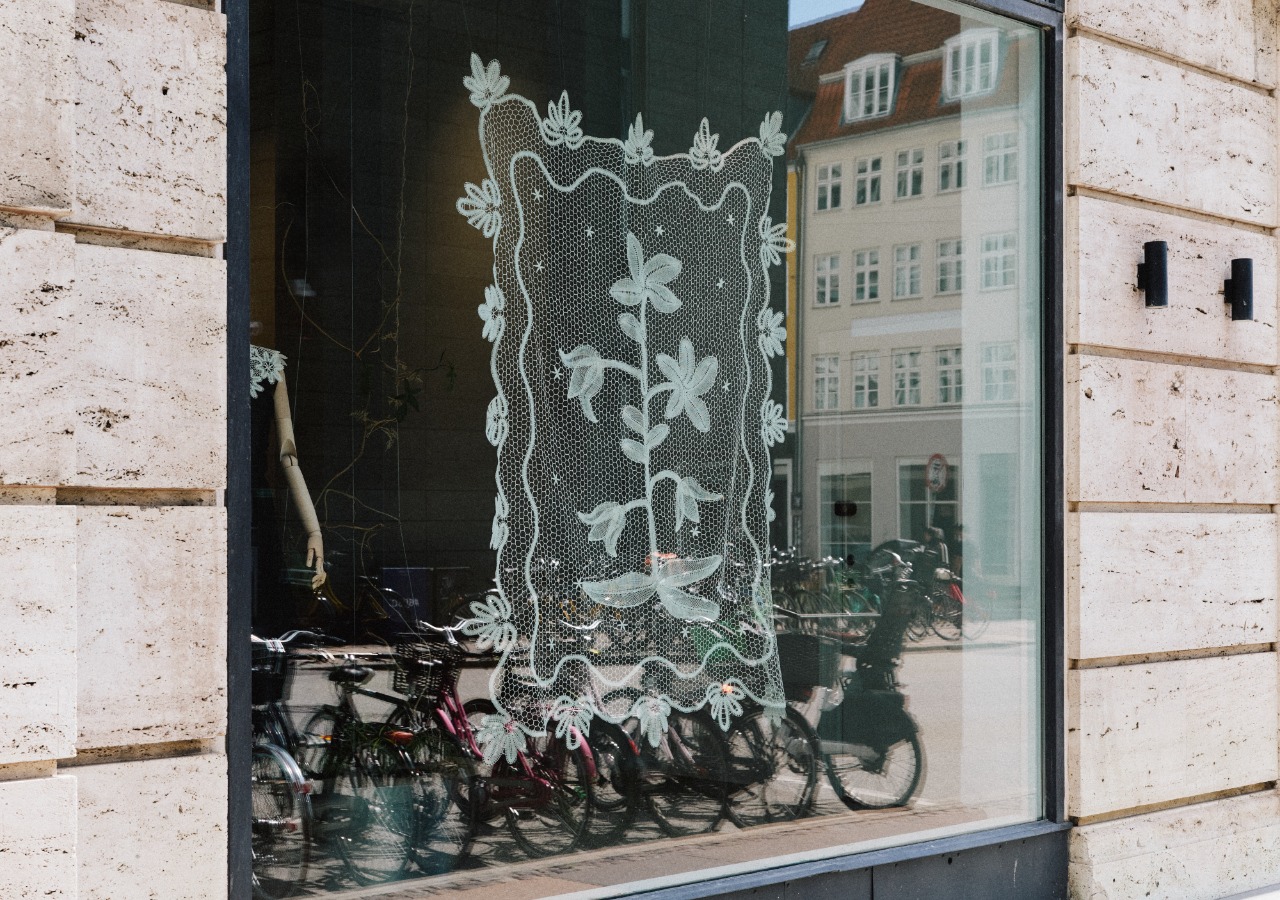
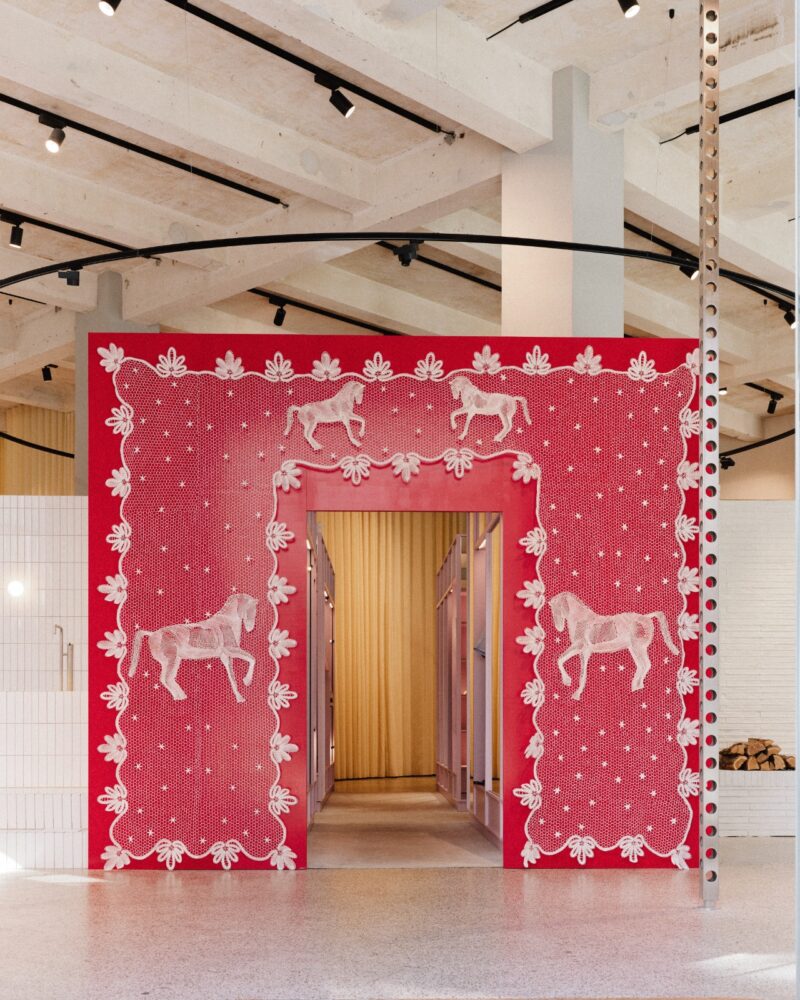
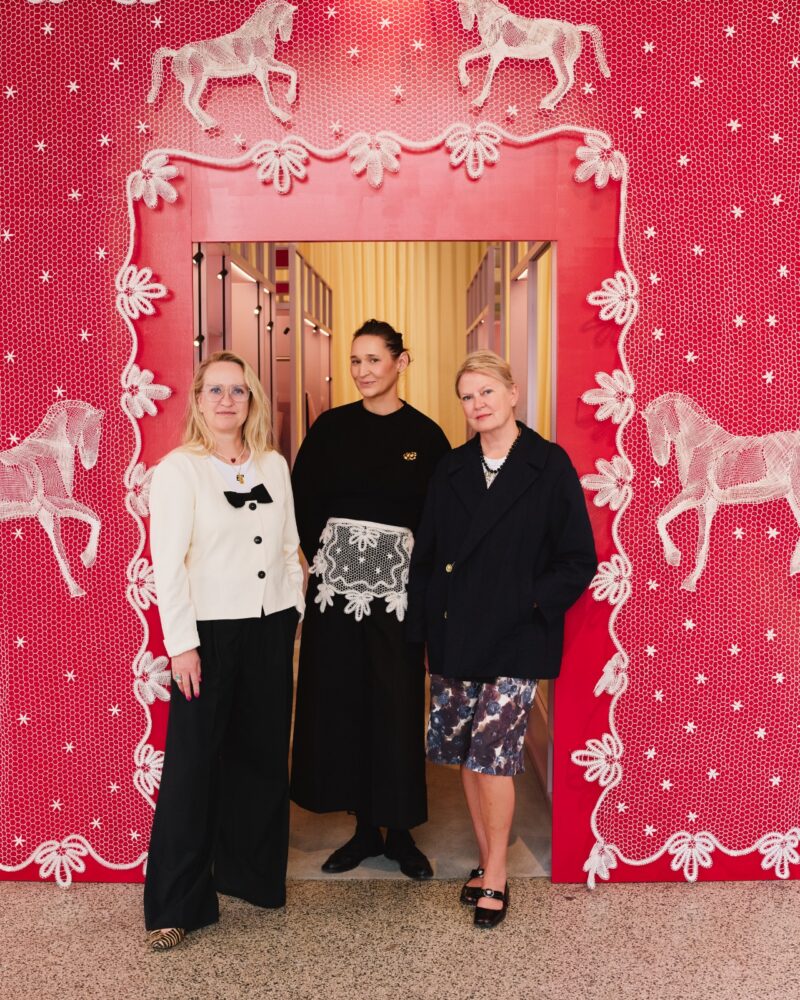
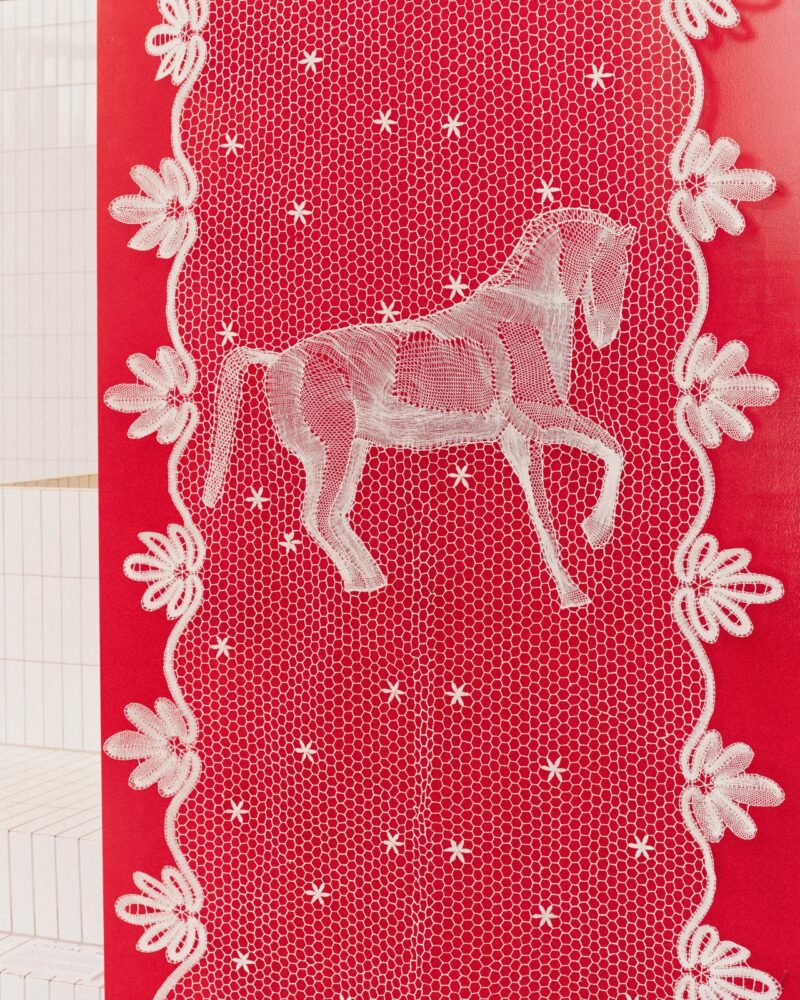
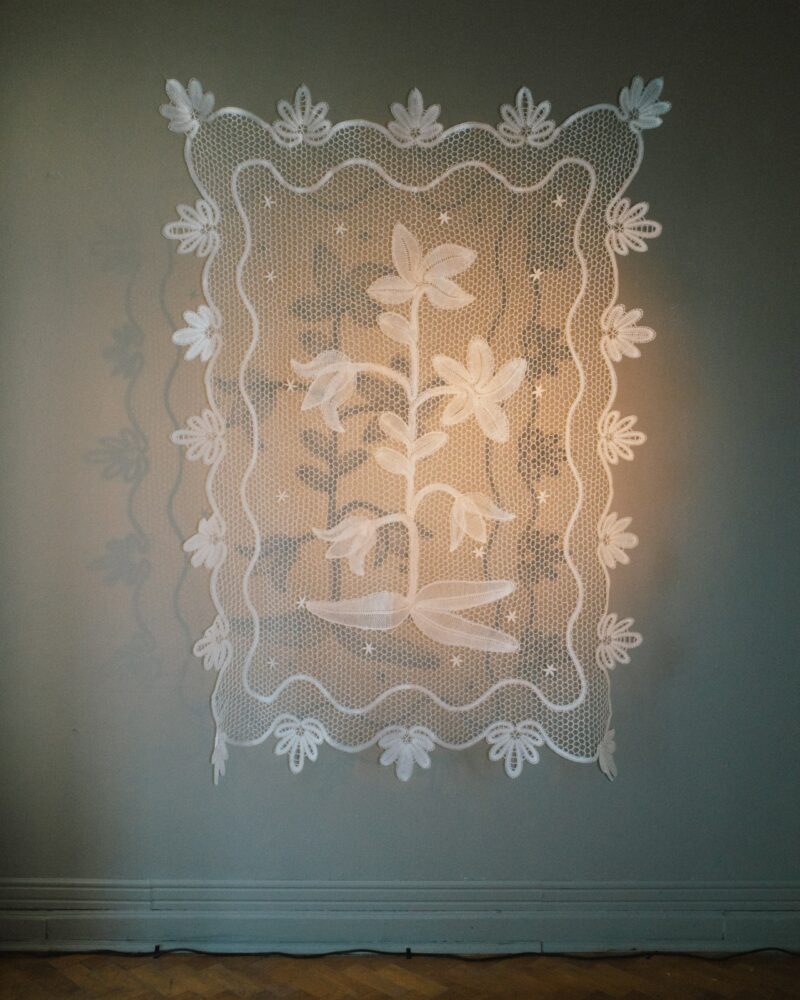
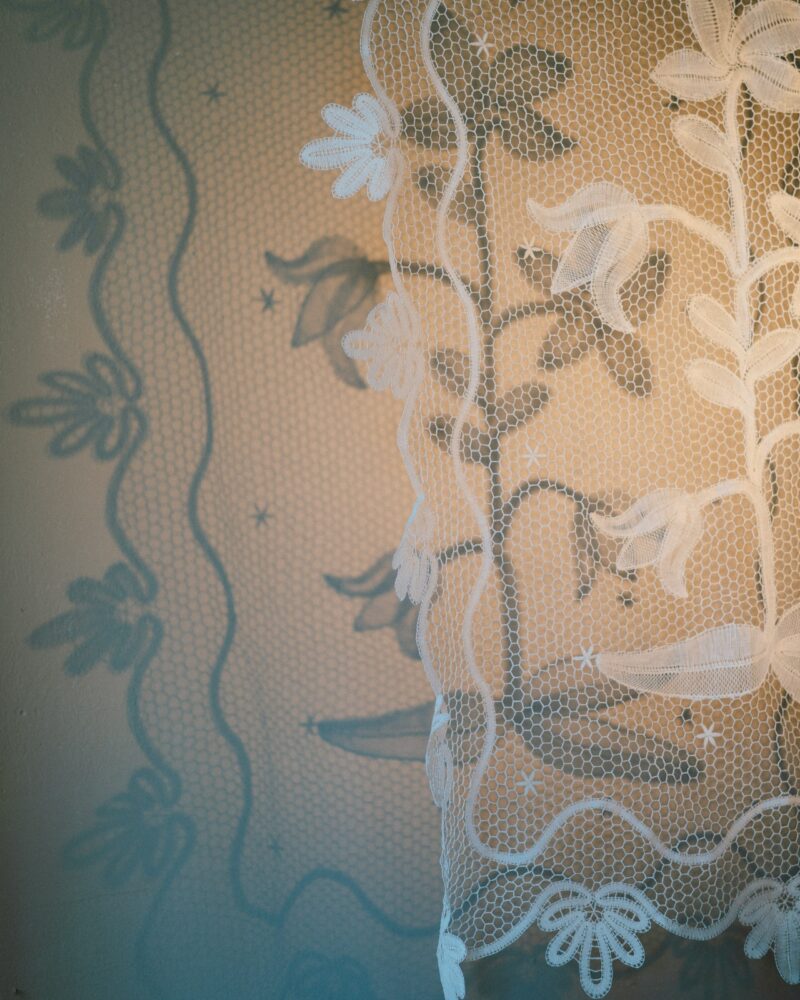
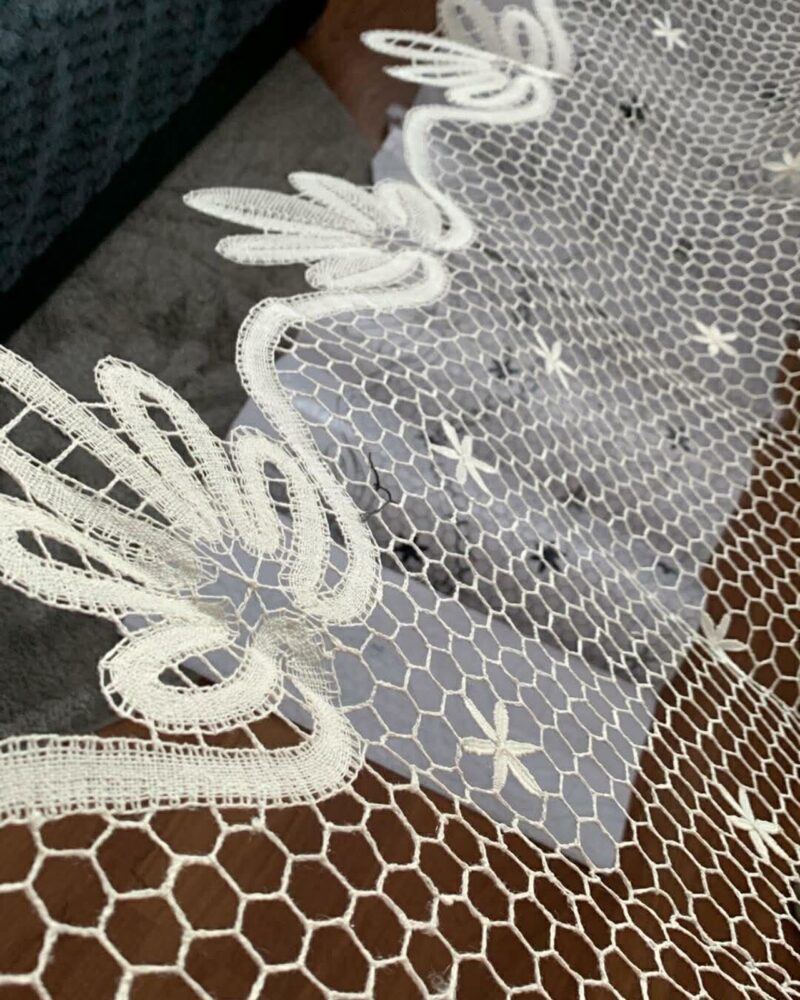
Tucked away within the minimalist elegance of the Baum und Pferdgarten flagship store, Zofia Chylak’s installation emerged as a powerful example of how art and design can transcend mere aesthetics to convey profound cultural narratives. The piece, an oversize lace work, was strategically positioned as a delicate yet dynamically impactful entryway into the store’s interior. It masterfully reinterpreted traditional bobbin lace techniques through a decidedly modern lens, resulting in an airy, net-like fabric that formed a striking contrast against the vibrant cherry red doorframe behind it. This juxtaposition of delicate white lace against a bold, solid color immediately captured attention, inviting visitors to pause and appreciate the intricate craftsmanship and the immediate visual impact of the installation.
The sculptural doorframe, meticulously crafted from lace, felt distinctly chic, embodying a sophisticated blend of heritage craft and contemporary design sensibilities. A playful horse motif, intricately woven into the lace, served as a direct and elegant nod to the host brand’s name, Baum und Pferdgarten, which translates literally to "Tree and Horse Garden." This seemingly whimsical detail, however, was imbued with a deeper symbolic resonance, acting as the primary visual cue for the installation’s underlying historical narrative. The choice of lace itself was significant; traditionally associated with intricate handcraft, fragility, and domesticity, Chylak’s large-format application elevated it to a monumental, public statement, challenging conventional perceptions of its use and scale. The meticulous detail and sheer volume of the lace demonstrated a profound respect for artisanal processes, while its contemporary setting within a fashion retail space underscored its relevance in modern design discourse. The installation invited viewers to consider the tension and harmony between traditional handwork and modern commercial spaces, creating a dialogue that was both visually arresting and intellectually stimulating.
The Equine Motif: A Tapestry of Danish-Polish History
The equine theme, central to Chylak’s installation, extended far beyond a clever play on a brand name, delving into a rich and enduring political and cultural history shared by Denmark and Poland. Chylak’s inspiration for this motif stemmed from her visits to Copenhagen’s Thorvaldsens Museum, where she encountered a plaster model of the iconic sculpture depicting Polish royal Prince Józef Poniatowski riding a horse. This specific sculpture holds immense historical weight for both nations, symbolizing resilience, national pride, and cross-cultural artistic exchange.
The journey of the Poniatowski sculpture is a poignant testament to the complex and often resilient relationship between the two countries. The original Danish-designed equestrian statue, created by the renowned neoclassical sculptor Bertel Thorvaldsen, was commissioned to honor Prince Józef Poniatowski, a Polish national hero who died in the Napoleonic Wars. Thorvaldsen, celebrated for his classical works, completed the plaster model in 1829, and the bronze casting was eventually completed in 1832. The statue, an emblem of Polish independence, ultimately found its permanent home in front of the Presidential Palace in Warsaw, Poland.
However, its history was not without significant interruption. During the devastating Warsaw Uprising in World War II (1944), a crucial moment in Poland’s fight for freedom against Nazi occupation, the statue suffered extensive damage, effectively destroyed. In a profound act of international solidarity and cultural diplomacy, the Danish government facilitated the recasting of the sculpture. In 1951, Denmark officially gifted the newly recast monument back to Poland, a gesture that solidified the deep cultural and political ties between the nations. This act of restoration and repatriation underscored a shared European heritage and a mutual respect that transcended wartime devastation, serving as a powerful symbol of rebirth and enduring friendship.
By referencing this specific historical artifact, Chylak’s lace horses transcended simple decorative elements. They became powerful metaphors for resilience, shared memory, and the intricate, often overlooked, connections that bind different cultures. The delicacy of the lace, in this context, contrasted beautifully with the strength and endurance represented by the equestrian monument, symbolizing how fragile cultural threads can, in fact, carry immense historical weight and foster enduring bonds. The installation effectively transformed a contemporary fashion space into a forum for historical reflection, subtly educating its audience about a lesser-known, yet significant, cross-cultural exchange and the enduring legacy of art as a bridge between nations.
Zofia Chylak’s Artistic Vision: Connecting Heritage and Modernity through "Chylak Heritage"
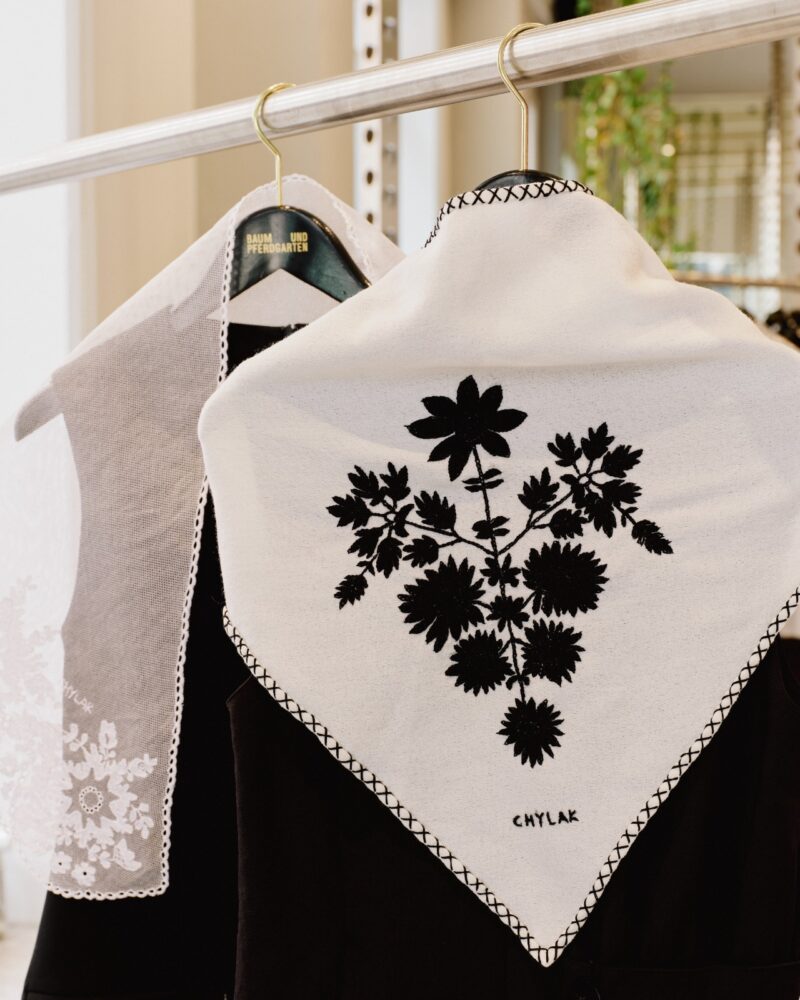
Zofia Chylak, a multi-talented artist and designer, has carved a distinctive niche for herself with her eponymous modern accessories brand, renowned for its minimalist aesthetic and exceptional craftsmanship. Her installation at 3daysofdesign is not an isolated creative endeavor but rather a significant extension of her broader artistic philosophy, particularly evident in her recent "Chylak Heritage" collection. This collection represents a dedicated exploration and celebration of traditional Polish crafts, reinterpreted for a contemporary audience.
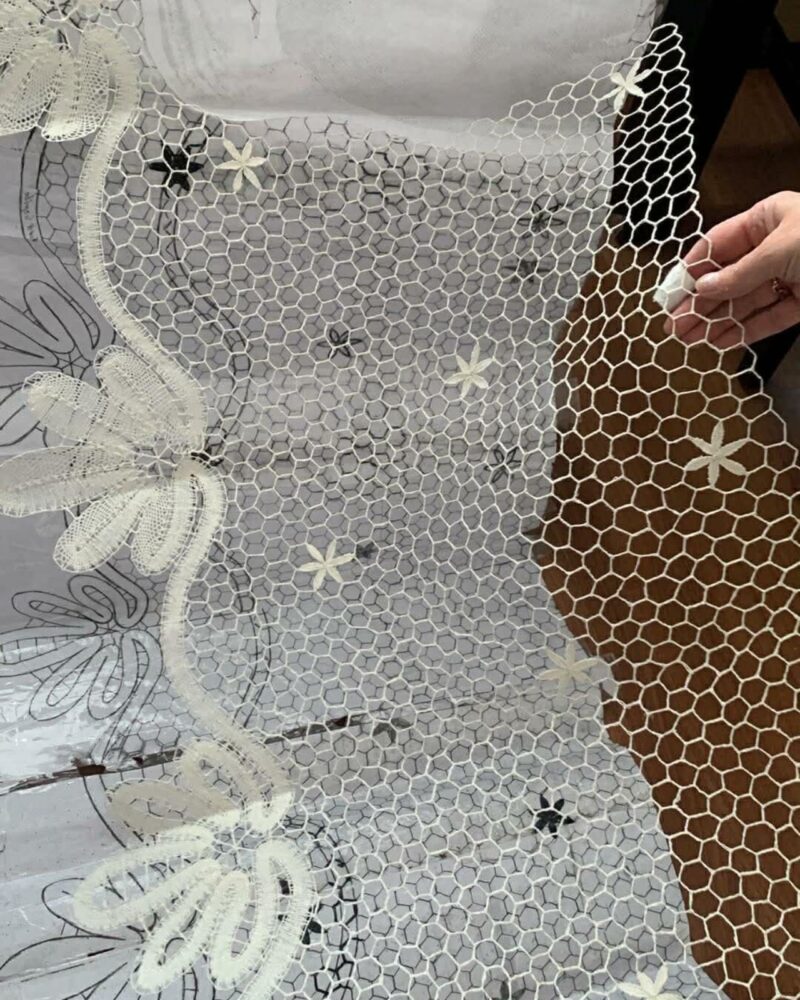
The "Chylak Heritage" project is a meticulously curated line of hand-made jewelry, bags, and accessories that draw deeply from Poland’s rich artisanal legacy. It features elements inspired by various historical techniques, such as the warm glow of amber beading, a craft with ancient roots in the Baltic region and significant cultural importance in Poland, and the intricate artistry of Wilanów-style embroidery, known for its opulent floral motifs and historical association with Polish royalty and nobility, particularly evident in the decorative arts of Wilanów Palace. A cornerstone of this collection, and directly relevant to the Copenhagen installation, is the Bobowa Lace Collection. This particular series pays homage to the centuries-old tradition of bobbin-lacemaking, a highly skilled craft deeply rooted in the picturesque town of Bobowa, located in southern Poland. Bobowa lace, recognized for its delicate patterns, intricate techniques, and often geometric designs, is a tangible link to Poland’s cultural past and a testament to the enduring skill of its artisans.
Through "Chylak Heritage" and now this installation, Chylak demonstrates a consistent commitment to preserving and modernizing these traditional crafts. She elevates artisanal techniques from mere historical curiosities to relevant, desirable contemporary art and design forms. This approach not only ensures the continuity of valuable cultural practices but also introduces them to new audiences, fostering an appreciation for the labor, skill, and history embedded in each piece. The installation at Baum und Pferdgarten, therefore, functions as a large-scale, public manifesto for her brand’s ethos: that heritage is not static, but a dynamic source of inspiration for future innovation. It underlines her role not just as a designer, but as a cultural custodian, using her platform to bridge past and present, local and global, thereby enriching the contemporary design narrative with profound historical depth.
Official Responses and Critical Reception
While specific official statements regarding the installation were not immediately available in public records, the nature of such a thoughtfully curated exhibition allows for logical inferences regarding the perspectives of those involved and the likely critical reception.
Zofia Chylak, reflecting on the installation, would undoubtedly articulate her deep fascination with the historical interplay between Denmark and Poland. It is reasonable to infer that she views her work as a dialogue, stating, "My work often seeks to find universal narratives within specific cultural contexts. The story of the Poniatowski sculpture, a Danish creation honoring a Polish hero, then restored by Denmark after a period of immense devastation, is incredibly powerful. It speaks to resilience, shared European values, and the enduring power of art to connect nations. Translating this historical weight into the delicate medium of lace, and presenting it within a contemporary fashion space like Baum und Pferdgarten, allowed me to explore these profound themes in an accessible and engaging way. It’s about revealing the hidden threads that bind us." She would undoubtedly emphasize her commitment to traditional Polish crafts, stating, "The ‘Chylak Heritage’ project is born from a desire to preserve and re-imagine the incredible artistry of our ancestors. Bobowa lace, Wilanów embroidery – these are not just techniques, but living stories, and it’s a privilege to give them new life in a modern context, ensuring their legacy continues."
From the perspective of Baum und Pferdgarten, co-founders Rikke Baumgarten and Helle Hestehave would likely express their enthusiasm for hosting an installation that so eloquently aligned with their brand’s philosophy. "At Baum und Pferdgarten, we’ve always celebrated a playful elegance that often intertwines with a sense of history and narrative," they might comment. "Zofia’s installation, with its beautiful lace and the subtle horse motif, resonated deeply with our brand’s identity and name. More importantly, it brought a profound cultural dialogue into our space, inviting our customers to engage with design on a deeper, more meaningful level. Collaborations like these enrich the festival experience and demonstrate how fashion and art can converge to tell compelling stories." They would likely underscore the importance of supporting artists who champion craftsmanship and cultural heritage, reinforcing their brand’s commitment to quality and thoughtful design that transcends fleeting trends.
Attendees and design critics, judging by the overall trend at 3daysofdesign, would likely have lauded the installation for its intellectual depth and visual charm. Critics might have highlighted its ability to stand out amidst the bustling festival, offering a moment of quiet contemplation and cultural learning. "In a festival often dominated by bold statements and commercial showcases, Chylak’s lace installation offered a refreshing blend of delicate artistry and profound historical narrative," one might observe. "It masterfully used a traditional craft to bridge seemingly disparate cultures, reminding us of the often-unseen connections that shape our collective histories." The piece would be recognized for its intelligent design, marrying form and function with significant cultural content, thereby enriching the overall festival experience and providing a thought-provoking counterpoint to the more purely aesthetic displays.
Broader Impact and Implications: Design as a Cultural Catalyst
Zofia Chylak’s installation at 3daysofdesign transcends the immediate context of a festival exhibit, offering significant insights into the broader implications of contemporary design practice. Firstly, it underscores the escalating role of design festivals as crucial platforms for fostering cross-cultural dialogue. In an increasingly globalized yet often fragmented world, art and design provide unique avenues for understanding and appreciating diverse national identities and shared histories. Installations like Chylak’s serve as tangible bridges, inviting audiences to explore historical narratives that might otherwise remain confined to academic texts or national museums. This cultural exchange enriches the design community by promoting a more nuanced, interconnected understanding of global creativity and fostering international collaborations.
Secondly, the project exemplifies a powerful trend in contemporary design: the integration of historical narratives and traditional crafts into modern aesthetics. As consumers become more conscious of the provenance and production methods of the goods they acquire, there is a growing demand for authenticity, craftsmanship, and sustainability. Chylak’s "Chylak Heritage" collection, and this installation, directly address this by showcasing the enduring value of artisanal skills. By recontextualizing bobbin lace and historical motifs, she demonstrates that traditional crafts are not relics of the past but vibrant, adaptable forms capable of inspiring cutting-edge design. This approach contributes to the preservation of endangered crafts, supports artisan communities, and promotes ethical, sustainable production practices, offering a compelling counter-narrative to mass production.
Furthermore, the installation highlights the transformative power of site-specific art within retail environments. In an era where physical retail spaces must offer more than just products to compete with e-commerce, experiential marketing has become paramount. Baum und Pferdgarten’s decision to host such a culturally rich piece transformed their flagship store from a mere shopping destination into a cultural touchpoint. This creates a memorable experience for visitors, strengthens brand identity, and fosters a deeper, more meaningful connection with the consumer, driving engagement beyond transactional interactions. It demonstrates how collaborations between fashion houses and artists can mutually enrich both fields, elevating the retail experience to an art form that offers both commercial and cultural value.
Finally, the success of such an intellectually engaging piece at a major design event signals a maturation of audience expectations. While spectacle and innovation remain important, there is a growing appetite for design that is not only visually compelling but also rich in narrative, history, and cultural significance. This suggests a future where design festivals will increasingly serve as arenas for profound cultural commentary and interdisciplinary exploration, moving beyond purely commercial showcases to become vital forums for intellectual and artistic discourse. Chylak’s "Bridging Threads" stands as a powerful testament to design’s capacity to weave together history, culture, and contemporary aesthetics, creating resonant experiences that linger long after the festival lights dim, leaving a lasting impression on both the design world and the broader cultural landscape.







