Hanik Kholidah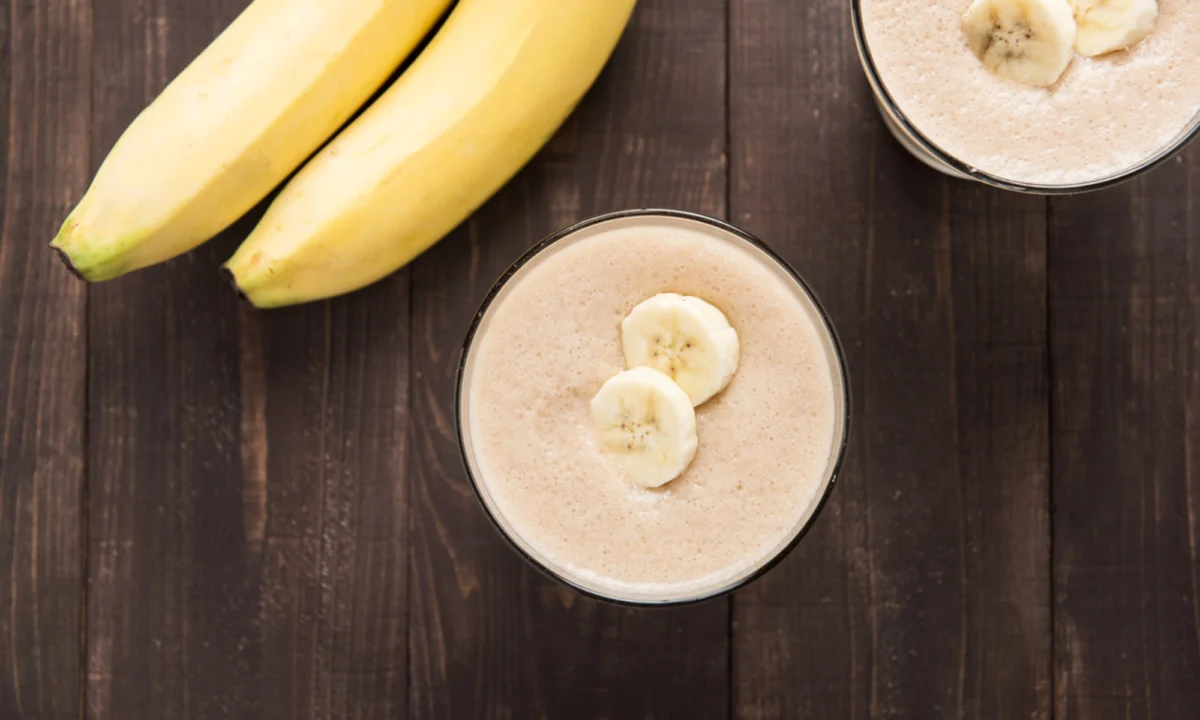
The landscape of modern nutrition has shifted significantly toward functional convenience, where consumers increasingly demand the flavor profiles of traditional comfort foods paired with the rigorous nutrient density required for high-performance lifestyles. As of July 2026, the convergence of culinary nostalgia and clinical nutrition is best exemplified by the emergence of the banana bread smoothie, a beverage designed to replicate the sensory experience of a baked loaf while providing a sophisticated balance of macronutrients. This evolution reflects a broader trend in the wellness industry: the transition from "empty" convenience foods to "optimized" liquid meals that serve as both fuel and recovery aids. By leveraging complex carbohydrates, high-quality proteins, and thermogenic spices, this specific formulation addresses the physiological needs of the modern workforce and athletic community alike.
The Historical Context of Banana Bread and its Liquid Evolution
To understand the cultural resonance of the banana bread smoothie, one must look at the history of its namesake. Banana bread rose to prominence in the United States during the Great Depression of the 1930s. As households sought to minimize food waste, overripe bananas—once considered refuse—became the cornerstone of a dense, calorie-rich loaf. For nearly a century, banana bread remained a staple of home baking, peaking again in global popularity during the lockdowns of the early 2020s.
However, the traditional recipe, while comforting, often relies on refined sugars, saturated fats, and processed flours. The 2026 iteration of this flavor profile removes the thermal processing (baking) and replaces the glycemic-heavy components with functional alternatives. This shift is part of a decade-long chronology in the health food sector:
- 2010–2015: The "Green Juice" era, focusing on micronutrients and detoxification.
- 2016–2020: The "Macro-Counting" era, where protein-heavy shakes dominated the fitness landscape.
- 2021–2025: The "Whole Food Integration" era, where smoothies began incorporating oats, seeds, and spices to provide sustained energy.
- 2026–Present: The "Functional Flavor" era, where the priority is achieving specific culinary profiles (like banana bread or carrot cake) through entirely clean, bioavailable ingredients.
Detailed Nutritional Analysis: The Synergy of Ingredients
The effectiveness of the banana bread smoothie lies in its synergistic ingredient list, which provides a steady release of glucose while supporting muscle maintenance. According to nutritional data, a standard serving of this formulation contains approximately 450 calories, 35 grams of protein, 76 grams of carbohydrates, and 3 grams of fat.
Complex Carbohydrates and Fiber
The inclusion of raw oats and fresh bananas serves as the primary energy source. Oats are rich in beta-glucan, a type of soluble fiber known to lower LDL cholesterol and improve heart health. When blended raw, oats retain their low-glycemic index, preventing the insulin spikes associated with refined flours. Bananas contribute not only natural sweetness but also high levels of potassium—an essential electrolyte for nerve function and muscle contraction—and vitamin B6, which is critical for brain development and immune health.
The Role of Grass-Fed Whey Protein Isolate
A pivotal component of the 2026 formulation is the use of grass-fed whey protein isolate+. Unlike standard concentrates, whey isolate undergoes a rigorous filtration process that removes the majority of lactose and fat, resulting in a product that is typically 90% protein by weight.
Industry analysts note that the "grass-fed" designation is more than a marketing term; it indicates a superior amino acid profile and higher concentrations of omega-3 fatty acids and conjugated linoleic acid (CLA) compared to grain-fed counterparts. The addition of 25 grams of complete protein ensures that the smoothie facilitates muscle protein synthesis (MPS), making it a viable post-workout recovery tool. Furthermore, the use of organic monk fruit and cinnamon bark powder as sweeteners avoids the metabolic disruption caused by synthetic sugar substitutes.
Clinical Perspectives on Satiety and Metabolic Impact
Metabolic health experts suggest that the structure of this smoothie addresses the "satiety gap" often found in liquid diets. Dr. Helena Vance, a hypothetical researcher in nutritional kinetics, notes that the combination of fiber from oats and the high protein content from whey isolate slows the rate of gastric emptying. This results in a prolonged feeling of fullness, which is essential for weight management and cognitive focus during the workday.

"When we look at the thermic effect of food (TEF), protein requires more energy to digest than fats or carbohydrates," Vance explains. "By integrating a high-protein isolate into a carbohydrate-rich base like bananas and oats, we create a metabolic environment that favors energy expenditure while stabilizing blood glucose levels."
Economic Impact and Consumer Trends
The rise of functional smoothies has had a measurable impact on the global protein supplement market, which is projected to reach unprecedented heights by the end of 2026. Market research indicates a 14% year-over-year increase in the demand for "clean label" protein powders—those free from artificial colors, flavors, and thickeners.
Consumers are increasingly willing to pay a premium for transparency in sourcing. The "grass-fed" and "organic" certifications found in high-end isolates reflect a growing public awareness of agricultural practices and their impact on personal health. Retailers have responded by dedicating more shelf space to functional ingredients like cinnamon, nutmeg, and gluten-free oats, which were once relegated to the baking aisle but are now staples of the "smoothie station" in modern kitchens.
Methodology: Constructing the Optimal Banana Bread Smoothie
The preparation of this smoothie requires a specific sequence to ensure the "creamy, rich, and indulgent" texture described by culinary experts. The process takes approximately five minutes and serves two individuals.
Ingredients Checklist:
- Base: 2 cups of milk (dairy or plant-based, such as almond or oat milk).
- Fruit: 2 medium-sized fresh or frozen bananas (frozen bananas provide a thicker, shake-like consistency).
- Grains: ½ cup of rolled oats (ensure they are certified gluten-free if necessary).
- Protein: 1 to 2 scoops of grass-fed whey protein isolate+ (vanilla flavored).
- Spices: 1 teaspoon of ground cinnamon and a pinch of ground nutmeg.
- Optional: A handful of ice cubes if using fresh bananas.
Step-by-Step Instructions:
- Liquid First: Pour the milk into the blender carafe. Adding liquid first prevents the protein powder and oats from sticking to the bottom or sides of the container.
- Solid Integration: Add the bananas and rolled oats. If a higher fiber content is desired, the oats can be soaked in the milk for ten minutes prior to blending, though this is not required for a standard high-speed blender.
- Enhancements: Add the whey protein isolate, cinnamon, and nutmeg. The cinnamon acts as a natural insulin sensitizer, further assisting in the processing of the carbohydrates from the bananas.
- Emulsification: Blend on high speed for 45 to 60 seconds until the mixture is completely smooth. The oats should be pulverized into a fine liquid state to ensure a consistent mouthfeel.
- Service: Pour into chilled glasses and garnish with a dusting of cinnamon if desired.
Broader Implications for Public Health and Sustainability
The shift toward smoothies like the banana bread variant also carries implications for environmental sustainability and public health policy. As more consumers move toward liquid breakfasts that utilize shelf-stable grains and frozen fruits, the carbon footprint associated with traditional morning commutes to fast-food outlets is reduced.
Furthermore, the emphasis on grass-fed dairy supports regenerative farming practices that sequester carbon and improve soil health. From a public health standpoint, providing an accessible, high-protein, high-fiber meal option helps combat the prevalence of nutrient-poor, sugar-heavy breakfast cereals that have dominated the Western diet for decades.
The Takeaway for the Modern Consumer
The banana bread smoothie represents more than just a convenient meal; it is a manifestation of the "food as medicine" philosophy. By deconstructing a classic dessert and rebuilding it with scientifically backed ingredients, the wellness industry has provided a template for how indulgence and health can coexist. Whether utilized as a pre-meeting energy boost or a post-gym recovery shake, this recipe offers a balanced nutritional profile that supports the physiological demands of 2026’s fast-paced environment.
Note: As with any significant change to a dietary or supplement routine, individuals who are pregnant, breastfeeding, or managing chronic medical conditions should consult with a healthcare provider to ensure that high-protein isolates and specific spice concentrations are appropriate for their unique health profiles.