Reynand Holland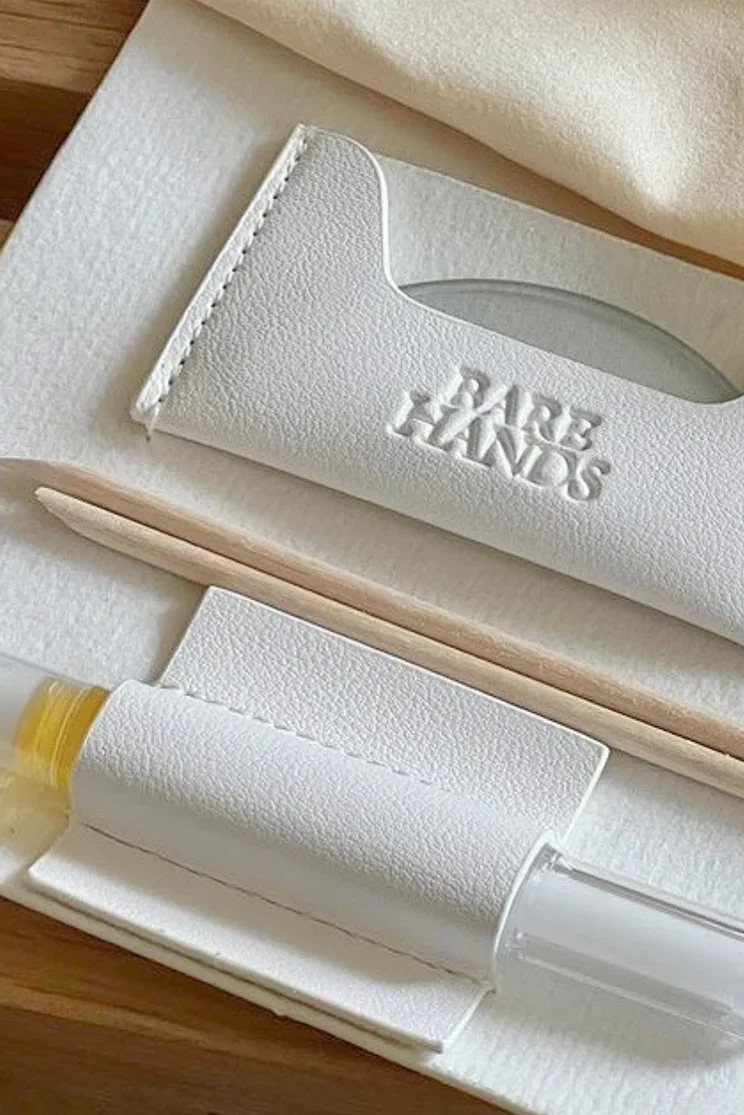
As economic pressures intersect with seasonal temperature drops, consumers across the country are increasingly seeking cost-effective ways to maintain personal well-being without compromising their financial stability or ecological values. The combination of inflationary economic strains and harsh winter weather has driven a surge in demand for at-home wellness solutions. Industry analysts note that the modern self-care movement has evolved beyond simple indulgence, transforming into a deliberate market shift toward non-toxic, sustainable, and economically accessible routines. While luxury spa treatments often command prohibitive prices, market data indicates a growing consumer preference for domestic self-care regimes that prioritize long-term health, environmental sustainability, and budget-conscious living.
The foundational philosophy of modern sustainable wellness emphasizes that personal care begins with fundamental lifestyle choices rather than expensive commercial formulations. Health professionals consistently highlight that adequate sleep schedules, nutrient-dense diets, and active stress management remain the primary pillars of overall vitality. Beyond these foundational elements, households are increasingly turning to kitchen staples and inexpensive raw materials to replicate high-end spa experiences. Budget-friendly alternatives—such as magnesium-rich Epsom salt baths, mineral-dense Aztec clay facial treatments, unrefined coconut oil moisturizers, and natural culinary-grade colorants for hair—offer viable, low-cost pathways to personal maintenance. Market researchers attribute this trend to a broader cultural reassessment of consumer spending, where individuals demand greater transparency and utility from their wellness expenditures.
For those in a position to invest in commercial products or seeking to support independent, eco-conscious enterprises, the market offers a diverse array of specialized brands. These companies operate under strict sustainability mandates, utilizing ethically sourced ingredients, transparent supply chains, and minimal, recyclable packaging to mitigate their environmental footprint.
Facial and Body Care Innovations
The face and body care sector has experienced significant innovation, with brands moving away from synthetic formulations in favor of bioactive, plant-based alternatives. Grown Alchemist has established a prominent market presence by offering comprehensive skincare, hand care, and body care kits. The brand subjects its supply chain partners to rigorous evaluations to guarantee ecological and ethical compliance, supported by a packaging model that relies heavily on recycled and refillable materials.
Similarly, OSEA Malibu has captured market share through its commitment to vegan, non-toxic formulations. The brand’s signature at-home spa sets prominently feature sustainably harvested seaweed, a marine botanical rich in essential minerals and vitamins. OSEA maintains a strict exclusion list of harmful synthetic compounds, ensuring that its product lines remain entirely free of parabens, phthalates, and synthetic fragrances.
For consumers navigating sensitive skin or seeking targeted exfoliation, MyChelle offers a clinically validated range of vegetarian, cruelty-free masks, scrubs, and peels. Formulated without artificial colors or GMOs, these products provide accessible entry points into advanced at-home skincare. Concurrently, 100% Pure has gained industry recognition for its strictly organic, vegan, and biodegradable inventory. Operating from an eight-acre corporate headquarters powered entirely by solar energy, the company exemplifies zero-waste manufacturing principles, maintaining one of the lowest municipal landfill contributions in San Jose, California.
Holistic Facial Tools and Specialized Treatments
Facial massage and targeted skin rejuvenation techniques have likewise seen a surge in popularity, driven by ancient practices adapted for contemporary use. The Wildling Gua Sha Empress Collection has emerged as a market leader in facial tension release and lymphatic drainage. By utilizing sustainably wild-foraged plants harvested at peak potency from global fair-trade communities, the brand integrates traditional wellness rituals with modern dermatological science.
For intensive home treatments, Tata Harper provides a comprehensive suite of tools ranging from facial cupping sets to medical-grade recovery kits. Sourcing over 300 ingredients from more than 68 countries, the brand enforces strict protocols against synthetic fillers, artificial colorants, and genetically modified organisms.
In the realm of advanced clinical aesthetics, Surreal Skincare—a trans-owned enterprise—utilizes natural tree resin extracts to deliver powerful cellular renewal. Products such as the Advanced Guide to Cheating Death leverage bioactive compounds to achieve professional-level skin resurfacing at home. Specialized foot care has also gained traction through brands like Naturally London, which addresses chronic fatigue and skin degradation through botanical-infused starter kits and targeted relief treatments.
Sustainable Hair Care and Color Restoration

The hair care industry has undergone a radical transformation away from aggressive chemical dyes and treatments, which have historically been associated with scalp irritation and environmental toxicity. Hairprint has disrupted the traditional hair coloring market by introducing a patented color restorer rather than a conventional dye. Operating on a biochemical level, the treatment replenishes natural eumelanin pigments in graying brown and black hair while functioning as a structural protein treatment that enhances tensile strength, reduces frizz, and restores natural sheen within a 90-minute application window.
Complementing this technological approach, brands like Desert Shadow offer certified organic, palm-oil-free, and vegan hair dye kits priced accessibly under twenty dollars. Their formulations utilize pure botanical powders to deliver a diverse spectrum of natural shades while supporting community-level sustainability initiatives. Surya Brasil has similarly captured consumer trust through its henna-based hair color creams. By incorporating ingredients such as organic hemp and vegetable extracts, these products provide gray coverage and scalp protection without the systemic toxicity associated with conventional oxidative hair dyes.
Advanced Nail Care and Cuticle Health
The traditional manicure industry has faced mounting consumer scrutiny due to the long-term nail degradation associated with acrylic applications and ultraviolet-cured gel polishes. In response, the market for chemical-free nail restoration has expanded rapidly. Bare Hands introduced the Dry Gloss Manicure Kit, a chemical-free system designed to buff and seal natural nails using mineral-infused pastes and glass files, thereby eliminating the need for synthetic polishes and chemical removers.
To address brittle, damaged, or slow-growing nails, Lauren B. Beauty developed specialized formulations combining amino acids, antioxidant vitamins C and E, peptides, and biotin. These water-permeable, non-toxic serums penetrate the nail plate instantly, promoting structural integrity and natural cellular growth without exposing the user to formaldehyde, toluene, or dibutyl phthalate.
Holistic Tranquility and Mental Well-Being
Recognizing the inextricable link between physical self-care and mental health, the modern wellness market increasingly incorporates products designed to reduce cortisol levels and induce relaxation. BLK + GRN, a marketplace dedicated to elevating Black artisans and wellness practitioners, offers curated collections such as the Total Tranquility Set. Featuring chakra-aligned soy candles, ethically harvested sage, herbal teas, and pure essential oils, these holistic kits aim to create domestic sanctuaries that alleviate chronic stress and anxiety.
The therapeutic use of cannabinoids has also become a cornerstone of contemporary stress management. Prima formulates certified organic, whole-hemp extract supplements designed to optimize bioavailability through the integration of complementary botanicals such as clove bud, black pepper, and curcumin oils. Clinical studies suggest that these targeted formulations assist in regulating the endocannabinoid system, supporting sustained focus during waking hours and facilitating restorative sleep cycles.
Hydrotherapy and Mineral Bath Immersions
Hydrotherapy remains a vital component of the domestic spa experience, with brands formulating therapeutic bath salts designed to accelerate dermal mineral absorption and muscular recovery. Herbivore Botanicals curates food-grade marine salts and botanical blends specifically chosen for their anti-inflammatory and skin-softening properties. Similarly, 100% Pure offers targeted therapeutic bath soaks infused with seaweed extracts, lavender, and eucalyptus to promote aromatherapy and dermal detoxification.
For advanced muscular recovery, Unplugged Essentials has introduced hemp-infused mineral soaks inspired by clinical flotation therapy. Combining pharmaceutical-grade Epsom salt, activated charcoal, and broad-spectrum hemp extracts, these formulations are engineered to draw out systemic impurities while nourishing the integumentary system.
Broader Economic and Industry Implications
The sustained growth of the at-home wellness and sustainable beauty sectors reflects a permanent structural shift in consumer behavior. Industry analysts project that as macroeconomic uncertainties persist, consumer preference will continue to favor multi-functional, ethically produced, and transparently sourced personal care goods over traditional luxury services. By decentralizing the spa experience, consumers are not only achieving immediate financial relief but are also contributing to a broader economic ecosystem that prioritizes ecological responsibility, ethical labor practices, and holistic personal health.