Cintya Tara Annisa
The global specialty coffee industry is currently undergoing a period of rapid evolution, characterized by a heightened focus on experimental processing, direct-trade transparency, and the elevation of rare botanical varieties. This shift is reflected in the latest curated selections from a diverse group of international roasting partners, who are increasingly prioritizing both the technical precision of the roast and the socio-economic impact of the supply chain. From the highlands of Peru to the volcanic soils of West Java, the current market offerings showcase a sophisticated intersection of agricultural science and culinary artistry. As consumer demand for "third-wave" and "fourth-wave" coffee experiences grows, these roasters are serving as critical intermediaries, translating complex origin stories into accessible, high-quality products for a global audience.
The Evolution of the Specialty Coffee Supply Chain
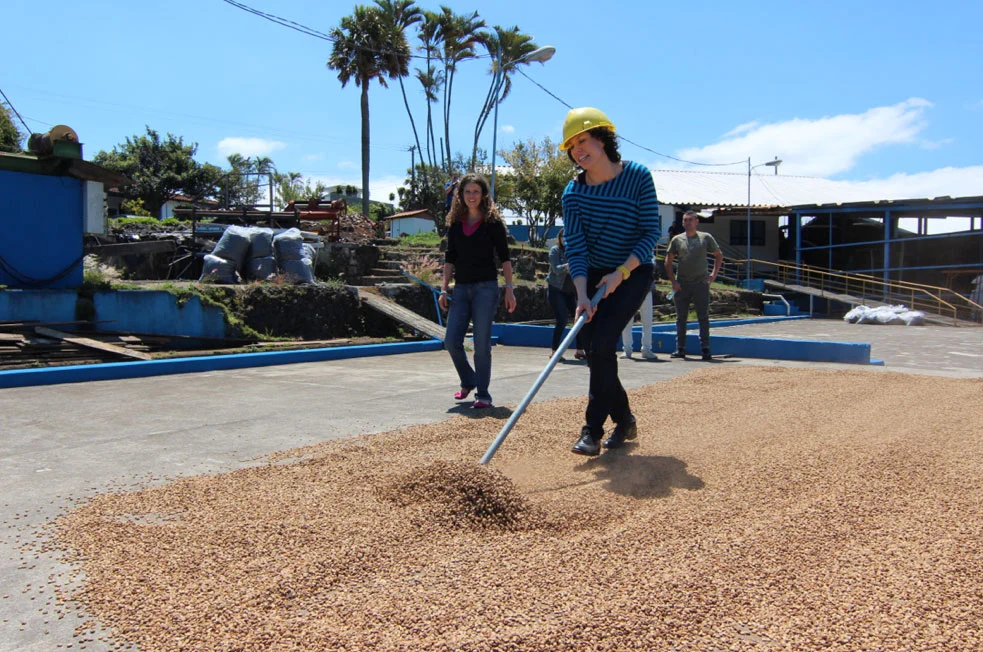
The trajectory of the specialty coffee movement has moved beyond simple geographical identification toward a deeper understanding of processing and varietal nuance. Historically, coffee was traded as a commodity with little regard for the specific farm or the unique characteristics of the plant. However, over the last decade, a structural shift has occurred. Roasters now engage in what is frequently termed "relationship coffee," where long-term contracts and direct communication with producers ensure better price stability for farmers and higher quality control for the end consumer.
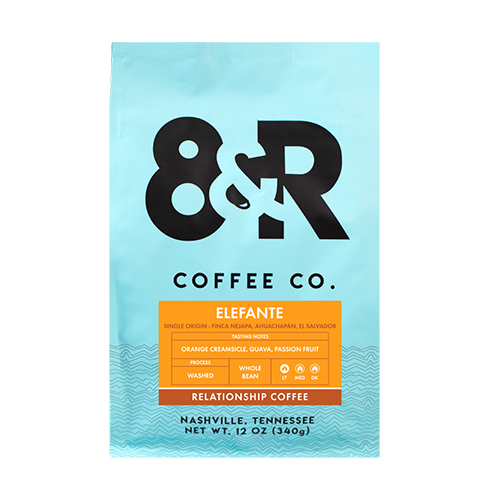
A primary example of this trend is seen in the work of 8th & Roast, which has cultivated a long-term partnership with the Rodriguez family at Finca Nejapa in Apaneca, El Salvador. Their "Elefante" offering is a testament to this collaborative model. By maintaining consistent purchasing patterns, roasters provide the financial security necessary for farms to invest in washed-process infrastructure, which ultimately results in the tropical fruit profiles that modern consumers prize. This model of sourcing is no longer an outlier but has become the gold standard for the industry’s leading participants.
Technical Innovations in Processing and Fermentation
One of the most significant developments in the 2025 coffee landscape is the rise of controlled fermentation and experimental processing methods. Traditionally, coffee was either "washed" (the fruit removed before drying) or "natural" (the fruit dried on the bean). Today, the industry is seeing a surge in yeast-inoculated fermentations and anaerobic environments.
Verve Coffee Roasters’ "Wilder Blend" exemplifies this technical frontier. By combining yeast-inoculated Colombian coffees with washed Ethiopian heirloom varieties, the roaster is able to amplify aromatics and sweetness without sacrificing the structural clarity of the cup. Similarly, Partners Coffee has introduced a Gesha from Edin Geovany Lopez in Honduras that utilizes sealed-tank fermentation. This process limits oxygen exposure, resulting in a "clean, round, and syrupy" profile that mimics the characteristics of a washed coffee while retaining the intense fruit notes associated with experimental fermentation.
In the Pacific, Mr. Espresso is challenging regional norms with its "Java Garut" offering. While Indonesia is traditionally known for the "wet-hulled" process, this natural-processed lot from West Java highlights flavors of passion fruit and kiwi—notes rarely associated with the region. This diversification of processing methods allows roasters to offer a broader spectrum of flavors, effectively expanding the "flavor map" available to consumers.
The Ascendancy of the Gesha Varietal
The Gesha (or Geisha) variety continues to hold its position as the most prestigious botanical variety in the specialty sector. Known for its elegant floral aromatics and tea-like body, Gesha beans often command the highest prices at international auctions. This week’s collections feature several notable Gesha offerings that highlight the variety’s adaptability to different terroirs.
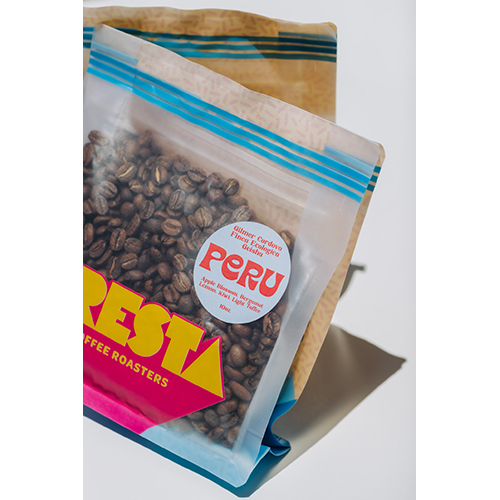
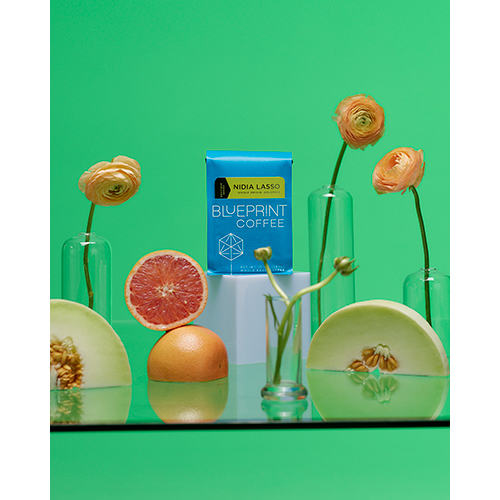
Presta Coffee Roasters has released a Gesha from Finca Ecológica Agua Colorada in Cajamarca, Peru, grown by Gilmer Mejia Cordova. The farm’s high elevation and organic practices contribute to a refined sweetness that previously earned it a 6th-place finish in the Peru Cup of Excellence. Meanwhile, Blueprint Coffee’s "Boutique Series" features a Colombian Gesha from Nidia Lasso, which balances the variety’s characteristic jasmine and honeysuckle notes with the deeper, "sticky toffee" sweetness of the Cauca region. The prevalence of Gesha in these curated lists suggests that despite its high cost of production and delicate nature, it remains the benchmark for quality in the specialty market.

Social Responsibility and Gender Equity Initiatives
The specialty coffee industry is increasingly being used as a platform for social and political advocacy. Roasters are recognizing that the sustainability of the industry depends on addressing systemic inequities within the supply chain, particularly regarding gender and economic opportunity.
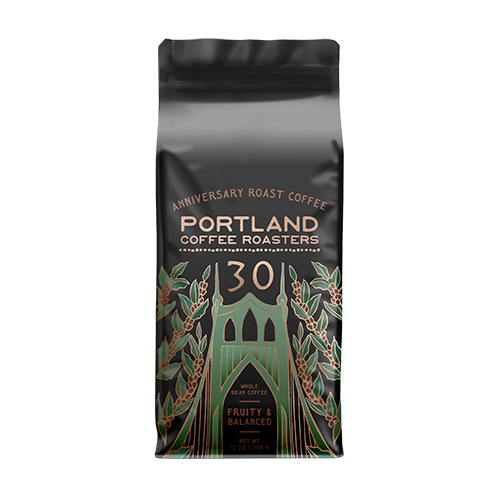
Joe Coffee Company’s "Café Feminista" program is a prominent example of this movement. By specifically highlighting coffees from women producers who identify with feminist principles, the company aims to reduce barriers and challenge oppression within the industry. This is mirrored by Portland Coffee Roasters’ "OPBEANS" collaboration with Oregon Public Broadcasting. This 100% women-produced coffee from Honduras provides a direct link between consumer purchasing power and the economic empowerment of female farmers. These initiatives indicate a move toward a more "just" coffee future, where the quality of the bean is inseparable from the ethics of its production.
Market Trends: Convenience Meets Quality
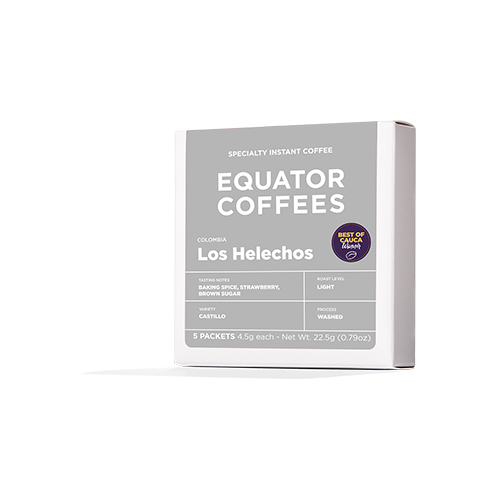
A notable trend in the current market is the rehabilitation of instant coffee. Long dismissed by specialty enthusiasts as a low-quality commodity, "specialty instant" is now a growing segment. Equator Coffees has released its "Colombia Los Helechos"—a Best of Cauca-winning coffee—in instant form. This product targets a demographic that demands high-quality flavor profiles (baking spice, strawberry, brown sugar) without the time-consuming ritual of traditional brewing. The success of such products suggests that the technology used to dehydrate and preserve coffee has reached a point where it can satisfy even discerning palates.

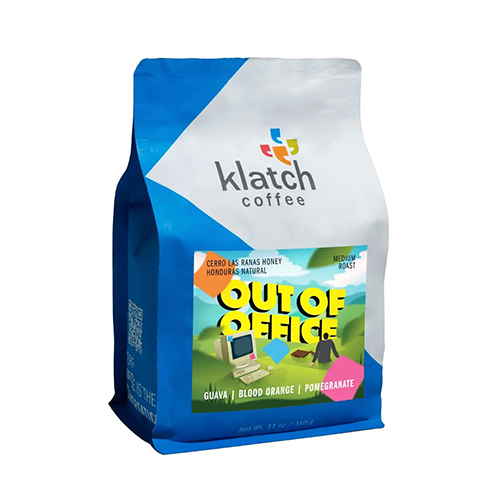
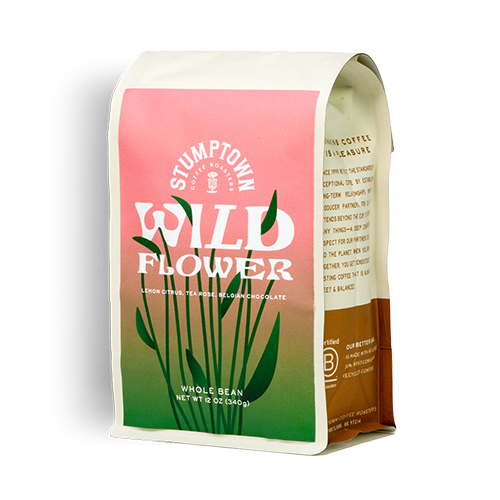
Furthermore, roasters are leaning into seasonal branding to drive consumer engagement. Klatch Coffee’s "Out of Office" blend and Stumptown Coffee Roasters’ "Wilder Flower" are marketed not just as beverages, but as lifestyle accompaniments. These blends often combine beans from disparate regions—such as Stumptown’s mix of Papua New Guinea and Rwanda—to create a specific "vibe" or sensory experience tailored to the time of year.
Broader Implications for the Global Economy
The data derived from these roaster offerings points to a broader economic trend: the premiumization of the beverage sector. As coffee prices on the "C-market" (the global commodity exchange) fluctuate due to climate change and political instability, the specialty sector offers a more stable, albeit more expensive, alternative. By focusing on quality and story, roasters can justify the higher price points necessary to sustain the supply chain.
Moreover, the geographical diversity represented—spanning El Salvador, Honduras, Peru, Colombia, Ethiopia, Rwanda, Uganda, and Indonesia—highlights the global nature of the coffee trade. Each of these regions faces unique challenges, from the volcanic loam of Java to the high-altitude challenges of the Andes. The ability of roasters like Olympia Coffee (with its "Big Truck" blend) or PERC Coffee (with the experimental "Super Power Plum") to navigate these complexities is a testament to the sophistication of modern logistics and international trade relations.
Conclusion and Future Outlook
The current collection of offerings from these global roasting partners reflects an industry at the peak of its creative powers. The integration of advanced agricultural techniques, experimental processing, and a steadfast commitment to social equity has created a marketplace that is more diverse and high-quality than ever before. As we move further into 2025, the focus is likely to remain on climate-resilient varietals and the continued exploration of fermentation’s role in flavor development.
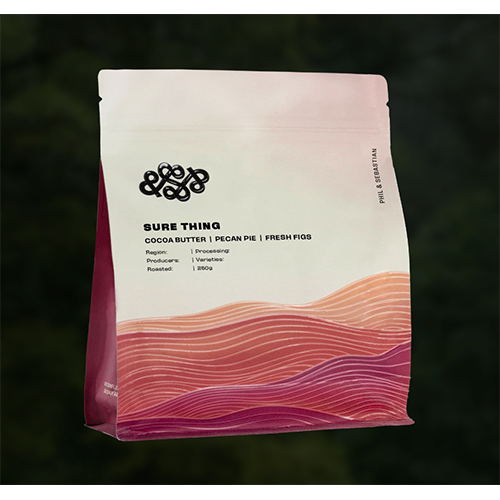
For the consumer, this era of specialty coffee offers an unprecedented opportunity to explore the world through a cup. Whether it is the "comfort" profile of Phil & Sebastian’s Honduran "Sure Thing" or the "plum madness" of Diego Bermudez’s experimental lots at PERC, the range of available flavors is expanding. The success of these roasting partners suggests that as long as there is a commitment to transparency and quality, the specialty coffee market will continue to thrive as a vital component of the global culinary and economic landscape.