Angie Faith
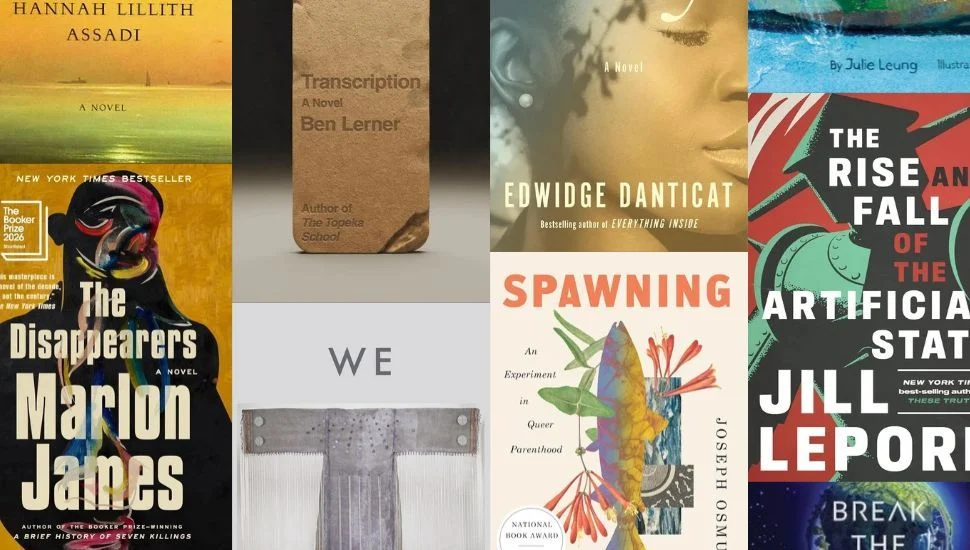
The literary landscape is constantly evolving, with new voices emerging and established narratives being reinterpreted. As the United States approaches its 250th anniversary, a crucial question arises: which contemporary works possess the enduring power to be recognized as American classics in another two and a half centuries? To explore this, USA Today convened a discussion with a diverse group of authors and literary figures, soliciting their predictions and insights into the books poised to withstand the test of time. The conversation also touched upon the evolving nature of popular genres, the significance of representation in literature, and the vital role of charitable literary initiatives.
Defining the Enduring American Narrative
The exercise of predicting future classics is inherently speculative, yet it offers a valuable lens through which to examine the current state and trajectory of American literature. Authors were asked to identify books, both recent and those already possessing a degree of critical acclaim, that they believe will resonate with American readers in 2276.
Among the contemporary selections, Bryan Washington’s novel Palaver garnered specific praise for its "soulful and sincere" writing and "restrained and attentive prose," qualities that suggest a depth capable of sustained reader engagement. This selection points to a contemporary trend favoring introspective and character-driven narratives, even within broader social contexts. Similarly, the inclusion of Louise Fitzhugh’s beloved children’s classic, Harriet the Spy, highlights the enduring appeal of stories that explore themes of identity, observation, and the complexities of childhood from a unique perspective. The longevity of Harriet the Spy, first published in 1964, serves as a benchmark for narratives that capture universal human experiences.
While the original report noted the author’s Canadian perspective, a broader analysis of the USA Today discussion reveals a common thread: the search for literary works that not only reflect the American experience but also offer profound insights into universal human conditions. Toni Morrison’s monumental novel, Beloved, frequently cited as a prime candidate for a future American classic, exemplifies this. Published in 1987, Beloved grapples with the traumatic legacy of slavery, exploring themes of memory, trauma, identity, and the enduring struggle for freedom. Its continued critical acclaim and inclusion in academic curricula underscore its profound and lasting impact on the American literary canon.
Adding another contemporary prediction, Malinda Lo’s Last Night at the Telegraph Club was highlighted for its potential to become a future classic. This historical fiction novel, set in 1950s San Francisco, delves into the lives of Chinese American women and the burgeoning LGBTQ+ community during a period of intense social and political upheaval. The selection suggests that historical fiction, particularly when it illuminates often-overlooked narratives and confronts historical injustices, possesses a strong capacity for enduring relevance. Its potential to be taught in schools centuries from now speaks to its power to educate and foster empathy across generations.
The Evolving Landscape of Science Fiction and Fantasy
Beyond the realm of traditional literary fiction, the Science Fiction and Fantasy (SFF) genres are experiencing a significant surge in popularity and critical attention. Goodreads, a prominent online platform for book discovery and reviews, has compiled a list of the most popular SFF books published between June 2023 and June 2026, requiring an average star rating of over 3.5. This compilation offers a snapshot of current trends and the emerging voices within these dynamic genres.
The Goodreads list reflects a growing diversity and complexity within SFF. Notably, the presence of numerous queer-themed SFF titles indicates a significant breakthrough for LGBTQ+ narratives into the mainstream. Books such as V.E. Schwab’s Bury Our Bones in the Midnight Soil and Travis Baldree’s Bookshops & Bonedust (part of the Legends & Lattes series) are examples of this trend, showcasing how these genres are increasingly providing platforms for diverse characters and experiences. The inclusion of Amal El-Mohtar’s The River Has Roots, described as a "queer fae murder ballad novella," further emphasizes the genre’s willingness to experiment with form and theme, attracting readers with its potent blend of folklore and speculative elements.
The SFF list also features established authors like Matt Dinniman and Martha Wells, whose consistent output and dedicated fan bases solidify their positions within the genre. However, the list also highlights a growing interest in more experimental and literary approaches to SFF. Nnedi Okorafor’s Death of the Author, described as an "Africanfuturist exploration," exemplifies this trend, pushing the boundaries of traditional SFF with its unique cultural perspective and thematic depth. Similarly, Cebo Campbell’s Sky Full of Elephants and Laila Lalami’s The Dream Hotel suggest a continued exploration of speculative fiction as a vehicle for social commentary and nuanced storytelling. The emergence of these titles indicates that SFF is evolving beyond escapism, engaging with complex contemporary issues and offering profound reflections on humanity’s future.
Charitable Initiatives: Literature for a Cause
Beyond literary discussions, the article highlights the significant role of charitable endeavors within the book community. The "Romancing the Vote" auction, now in its third iteration, exemplifies how authors and readers can unite for civic engagement. Organized by romance authors Courtney Milan and Kit Rocha, this initiative aims to raise funds for organizations dedicated to protecting voting rights. This year’s beneficiaries, Vote Riders and The Southern Coalition for Social Justice, underscore the critical importance of ensuring equitable access to the ballot box.
The auction, open from July 1st to July 5th, offers a diverse array of items, including annotated books, handcrafted goods, and writing consultations. This demonstrates the multifaceted ways in which the literary community can leverage its resources and influence for social good. The recurring nature of the "Romancing the Vote" auction, and its consistent success in raising funds, speaks to a growing awareness among authors and readers of their collective power to effect change. The expansion of such initiatives suggests a trend towards greater civic participation within the publishing industry and its readership.
The Significance of Community and Representation
The article also touches upon the personal impact of reading and the importance of community engagement. The author’s reflection on their June reading list, which focused on queer books, illustrates the deeply personal connection many readers have with literature that reflects their identities and experiences. This emphasis on queer narratives within the broader SFF discussion underscores a vital trend: the increasing demand for diverse and inclusive storytelling. As more readers seek out books that resonate with their lived realities, authors and publishers are responding by amplifying marginalized voices and exploring a wider spectrum of human experiences.
This focus on representation is not merely a matter of social justice; it is also a testament to the power of literature to foster empathy, understanding, and a sense of belonging. The success of queer SFF, and the anticipation of novels like Last Night at the Telegraph Club, suggests that stories that challenge traditional norms and celebrate diversity are not only finding audiences but are also poised to become enduring parts of the cultural conversation.
A Farewell to "Today in Books" and a Look Ahead
The original article concluded with an announcement regarding the cessation of the "Today in Books" newsletter, directing readers to the broader "Book Riot Newsletter" for continued coverage of book news. This transition signals an ongoing evolution in how literary content is disseminated and consumed. While this specific newsletter is concluding, the underlying need for curated, insightful book news remains. The expansion of the Book Riot Newsletter suggests a strategic effort to consolidate resources and offer a more comprehensive platform for readers seeking to stay informed about the literary world. This shift, while marking the end of one publication, also represents an adaptation to the evolving digital media landscape, aiming to serve a broader audience with expanded content and a consistent presence. The commitment to delivering the same high-quality book news curation, by the same dedicated writers, ensures that the core mission of informing and engaging the book-loving community will continue.