Cintya Tara Annisa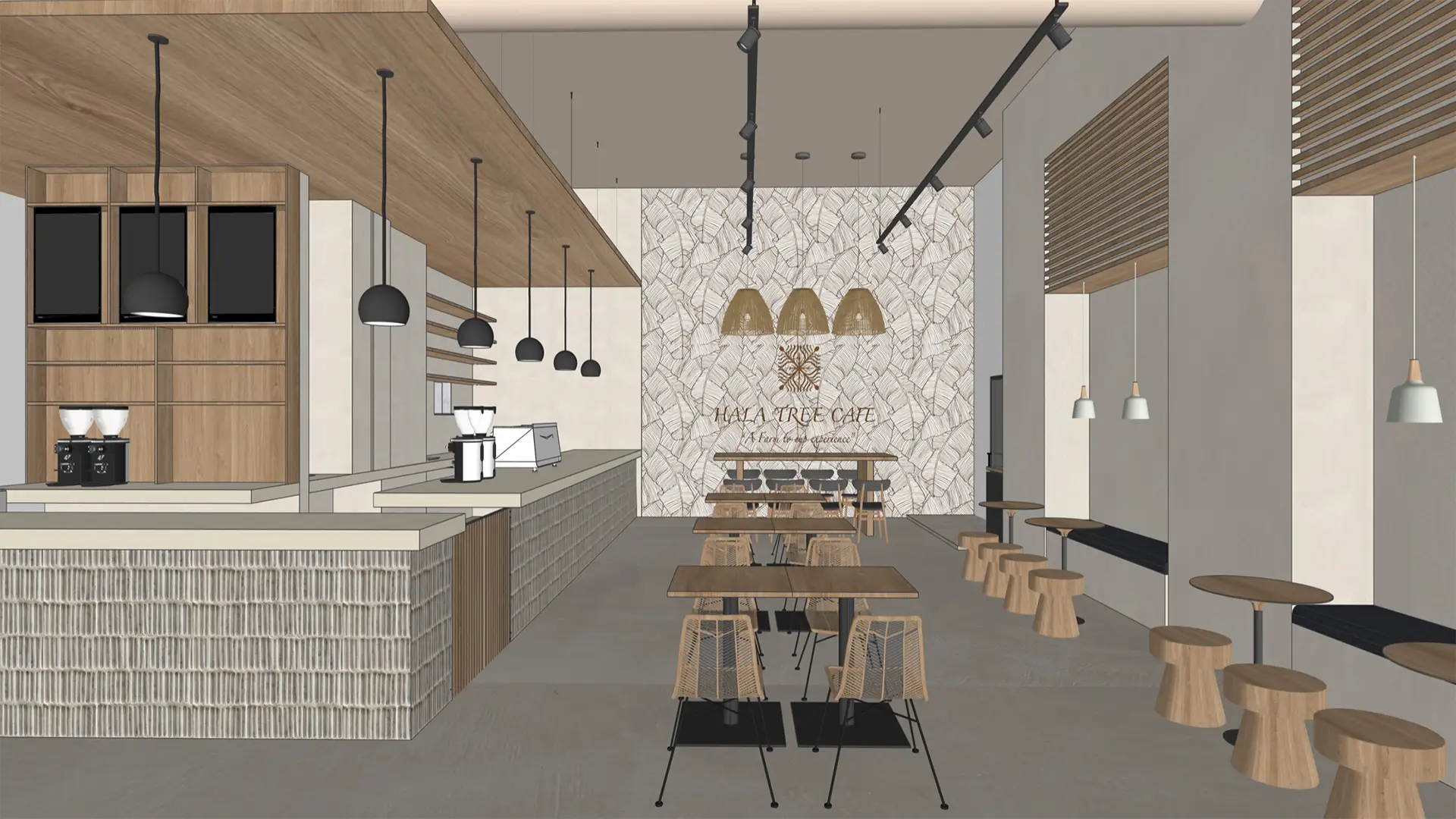
Hala Tree, a prominent family-owned coffee producer based on the Big Island of Hawaii, has officially announced the upcoming launch of its new flagship location in the heart of Honolulu. Scheduled to open on July 1, 2026, the new venue will be situated within the Lilia Waikīkī development, marking a significant expansion for the vertically integrated company. The project represents a sophisticated fusion of high-end specialty coffee service and on-site artisan baking, aiming to provide a direct link between the agricultural traditions of Captain Cook and the urban landscape of Oahu. By managing the entire production process from soil management to the final pour, Hala Tree seeks to redefine the standards of transparency and quality within the Hawaiian coffee industry.
The Concept of Vertical Integration in Specialty Coffee
The defining characteristic of Hala Tree’s business model is its complete vertical integration. Unlike traditional coffee shops that source roasted or green beans from third-party importers and wholesalers, Hala Tree maintains an unbroken chain of custody over its product. The company’s operations begin at its estate in Captain Cook, located on the Big Island, where the family manages every aspect of the coffee’s lifecycle. This includes soil health monitoring, tree husbandry, and the hand-picking of coffee cherries at peak ripeness.
This "farm-to-cup" approach allows the company to control baseline variables that are typically lost in the global supply chain. By overseeing the processing, drying, and roasting stages, the company ensures that the unique characteristics of the Kona micro-climates are preserved. According to Ellie Schwartz, a representative for the company, the flagship location is designed to be a "minimalist, industrial-modern sanctuary" where the complexities of Hawaiian agricultural heritage are translated into a refined consumer experience.
Architectural Design and the Urban Sanctuary
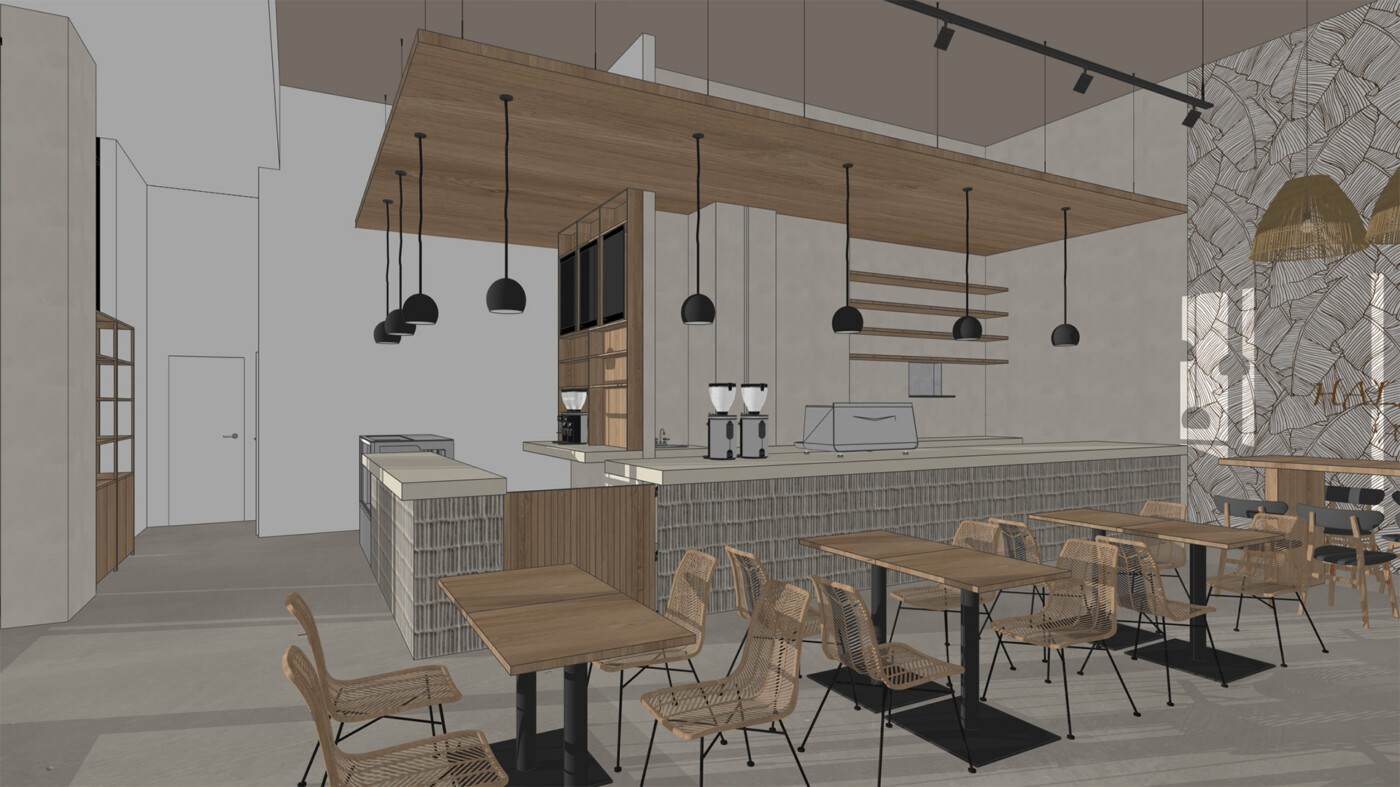
The design of the Waikīkī flagship was led by co-founder Danielle Orlowski, a professional interior designer with previous experience practicing in France. The aesthetic direction of the space intentionally avoids the rustic tropes often associated with farm-owned businesses, opting instead for a European-influenced minimalist and industrial-modern style. The goal was to create an "intentional retreat" within the high-energy environment of Honolulu’s primary tourist and commercial district.
The layout of the cafe is dictated by both ergonomics and transparency. The espresso bar is positioned to allow for maximum interaction between baristas and guests, while the on-site bakery is integrated into the floor plan to showcase the "scratch-made" nature of the culinary program. The use of industrial materials, balanced by clean lines and functional design, reflects the transition of the coffee from a raw agricultural product to a high-end specialty beverage. Every detail, from the acoustics of the space to the choreography of the service line, was developed in-house to ensure the brand’s identity remained uncompromised by outside agencies.
Technical Specifications and Precision Equipment
To maintain the integrity of their 100% Kona coffee offerings, Hala Tree has invested in state-of-the-art brewing technology. The centerpiece of the espresso program is a three-group Nuova Simonelli Black Eagle Maverick Gravimetric espresso machine. This equipment is specifically chosen for its ability to provide precise control over water temperature and flow rates, which is essential for highlighting the delicate nuances of single-origin estate beans.
The espresso service will be supported by twin Mahlkönig E80T grinders, which utilize "Grind-by-Sync" technology to ensure consistency across every shot. For manual brewing, the cafe will utilize two distinct methods:

- Kalita Wave 185: Used primarily for the core medium roast coffees, a method that previously helped the company reach the national finals in the US Brewers Cup.
- V60: Reserved for the "Catalyst" lineup, which features lighter roasts and experimental processing methods.
The culinary side of the operation is equally specialized. The on-site bakery is outfitted with commercial-grade convection and deck ovens capable of handling high-volume production of laminated doughs and artisan breads. This infrastructure allows the resident pastry chef to prepare all items from scratch daily, utilizing locally sourced Hawaiian ingredients to complement the coffee profiles.
The Coffee Program: Purity and Radical Transparency
Hala Tree’s coffee philosophy is centered on the exclusive use of 100% Kona coffee. The company rejects the common industry practice of creating "Kona Blends," which often contain as little as 10% authentic Kona beans. By serving only estate-grown coffee, Hala Tree aims to educate consumers on the true flavor profile of the region.
The standard offering at the Waikīkī location will be a Medium Roast Washed Typica, which is considered the classic expression of the Kona region. However, the second grinder will feature a rotating selection of experimental lots, including:
- SL34 and Gesha Varieties: Rare cultivars grown on the Captain Cook estate.
- The Catalyst Lineup: Hyper-limited nano-lots that represent the pinnacle of the company’s agricultural experimentation.
- Anaerobic Processing: Specific offerings such as a three-day anaerobic natural Maragogype, which showcases modern fermentation techniques.
A unique feature of the retail program is the inclusion of a QR code on every bag. This digital tracking system allows customers to view the exact harvest window, processing milestones, and roast profile of their specific purchase. This level of data transparency is intended to bridge the gap between the consumer and the producer, providing a verifiable record of the coffee’s journey.
Sustainability and Regenerative Agriculture
Sustainability is integrated into the core of Hala Tree’s agricultural and retail operations. At the farm level, the company employs regenerative agriculture practices designed to improve soil health and biodiversity. Water conservation is a primary focus during the wet-fermentation stage of processing, where recycled water systems are utilized to minimize environmental impact.
The company also emphasizes ethical labor standards, providing transparent and fair wages for its farm teams on the Big Island. By operating as a direct-to-consumer entity, Hala Tree significantly reduces the carbon footprint associated with traditional coffee logistics, which often involve multiple international shipping legs between the farm, the importer, the roaster, and the retailer.
In the Honolulu flagship, the commitment to sustainability extends to the sourcing of culinary ingredients and a focus on reducing single-use waste. The company has stated its intention to partner with eco-conscious neighbors within the Lilia Waikīkī development to create a localized circular economy.
Chronology of Development and Future Outlook
The journey toward the 2026 flagship opening began with the establishment of the Hala Tree estate in Captain Cook. Over the years, the company transitioned from a raw cherry producer to a fully integrated roastery and retail brand. The decision to expand into the Honolulu market was driven by a desire to bring 100% Kona coffee to a broader audience of both local residents and international visitors.
Key Milestones:
- Estate Founding: Establishment of the family-owned farm in Captain Cook, Big Island.
- National Recognition: Finalist placement in the US Brewers Cup, validating the company’s focus on brewing excellence.
- Design Phase: Conceptualization of the Waikīkī flagship by Danielle Orlowski.
- Construction and Fit-out: Ongoing development at the Lilia Waikīkī site throughout 2025 and early 2026.
- Projected Opening: July 1, 2026.
The opening of this flagship is expected to have a ripple effect on the Honolulu specialty coffee market. By setting a high bar for transparency and quality, Hala Tree may influence other regional players to move away from blended products in favor of pure single-origin offerings.
Broader Impact and Market Implications
The launch of Hala Tree’s flagship comes at a time when the global specialty coffee market is increasingly focused on the "Fourth Wave" of coffee—a movement characterized by direct trade, scientific precision, and deep agricultural knowledge. In Hawaii, where the "Kona" name carries significant brand equity but is often diluted by lower-quality blends, Hala Tree’s model serves as a case study in brand protection and value-added agriculture.
Industry analysts suggest that vertically integrated models like Hala Tree’s are better positioned to weather supply chain volatility and climate change. By controlling the farm, the company can adapt its agricultural practices in real-time to shifting weather patterns, while its direct retail presence ensures that a higher percentage of the final sale price remains with the producer.
Furthermore, the integration of a high-end bakery reflects a growing trend in the specialty coffee industry toward "all-day" hospitality models. By offering a curated culinary experience alongside its coffee, Hala Tree is positioned to capture a wider demographic, from morning commuters to afternoon enthusiasts seeking a "craft cocktail" style beverage experience. The inclusion of non-sugar-based flavor delivery systems, such as hydrosols and atomized aromatics, indicates a move toward a more sophisticated, culinary-centric approach to coffee mixology.
As the July 2026 opening approaches, the local community and the broader coffee industry will be watching to see how this ambitious "farm-to-Waikīkī" experiment reshapes the perception of Hawaiian coffee on the world stage. Through its combination of European design sensibility, technical precision, and traditional Hawaiian stewardship, Hala Tree is poised to become a landmark destination in the Pacific specialty coffee landscape.