Cintya Tara Annisa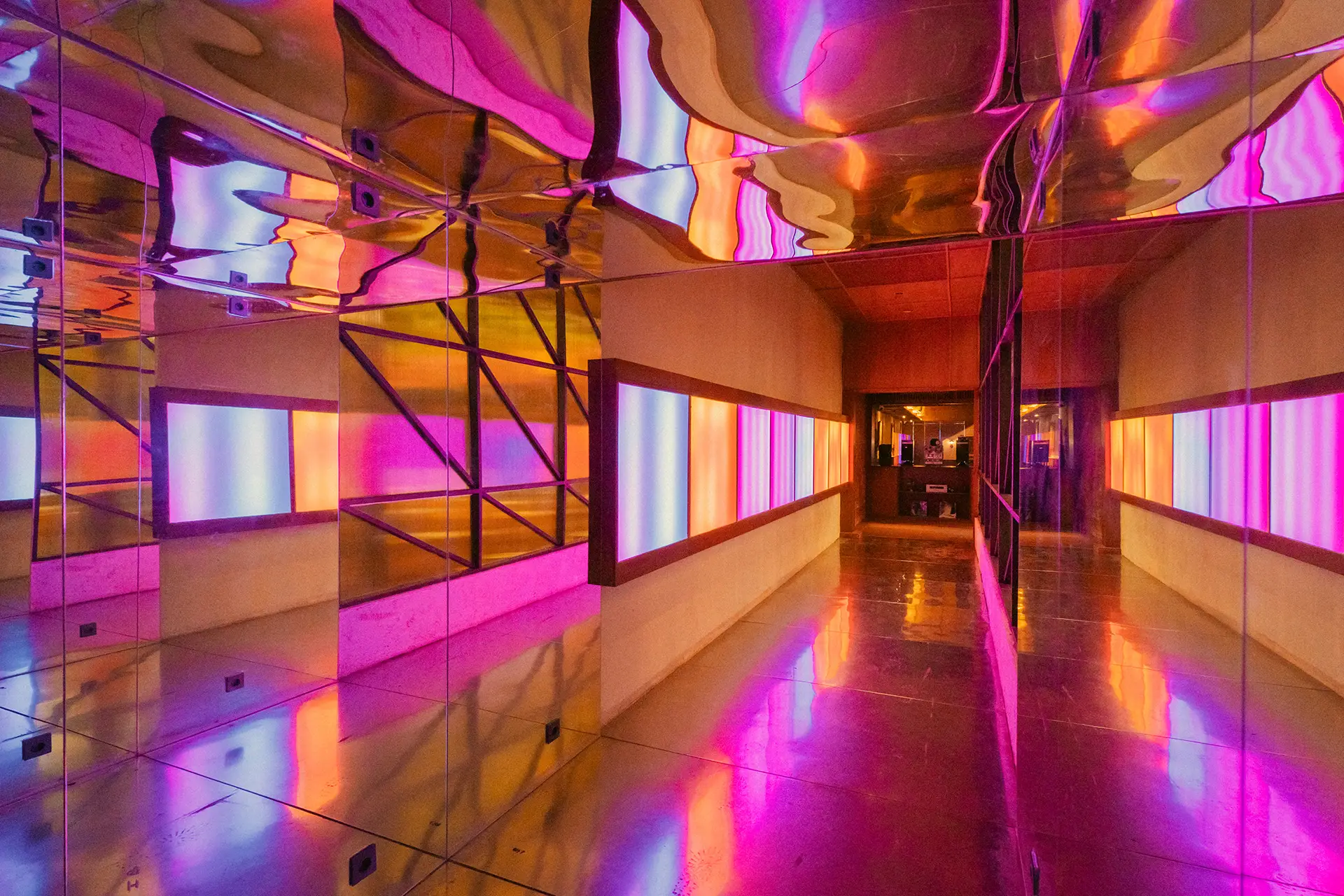
The Evolution of the Build-Outs Series and Industry Context
Since its inception in the early era of digital coffee media, the Build-Outs of Coffee has served as a primary archive for the evolution of retail coffee design. What began as a modest attempt to track local shop openings has expanded into a global census of the industry’s aesthetic and functional trends. The 2026 season arrives at a pivotal moment for the hospitality sector, as cafe owners increasingly prioritize experiential design, sustainable materials, and advanced brewing technology to differentiate themselves in a competitive market.
The series is not merely a gallery of interior design; it is a study of the economic health and geographical expansion of specialty coffee. By highlighting shops from major hubs like Brooklyn and Portland alongside emerging markets in the American Midwest and Southeast Asia, the series illustrates the democratization of high-end coffee culture. This year’s launch emphasizes a shift toward more complex beverage programs, including a notable focus on high-quality decaffeinated offerings and sophisticated flavor infusions, signaling a departure from the purist constraints of the previous decade.
Innovations in Coffee Processing: A Focus on the Featured Roasts
To celebrate the launch of the 2026 season, the Sprudge editorial team highlighted several coffees that exemplify the current state of agricultural and processing innovation. The selection underscores a growing industry trend: the intersection of rare varieties and experimental fermentation techniques.
Partners Coffee: Edin Lopez Gesha (Honduras)
A centerpiece of the season’s opening is the Edin Lopez Gesha, sourced from the Santa Bárbara region of Honduras. Produced by Edin Geovany Lopez on a small-scale farm overlooking Lake Yojoa, this lot represents the pinnacle of Honduran specialty production. The Gesha variety, known for its floral and complex profile, was processed using a modified washed method.
The cherries were sealed in barrels to limit oxygen exposure during the fermentation stage—a technique known as anaerobic fermentation. This process, supported by the technical expertise of the Beneficio San Vicente dry mill, results in a cup characterized by high clarity and a syrupy body. The flavor profile includes notes of melon, strawberry, blackberry, peach, lime, and jasmine, concluding with a caramel finish. The success of this lot highlights the importance of quality feedback loops between smallholder farmers and centralized processing facilities in producing world-class coffee.
Presta Coffee: Candy Blast Decaf (Colombia)
In a move that reflects the "Decaf Renaissance," the 2026 Build-Outs launch features the Candy Blast Decaf from Presta Coffee. This Colombian offering, a blend of Caturra and Colombia varieties, challenges traditional perceptions of decaffeinated coffee through extreme processing.
The coffee undergoes a 48-hour anaerobic pre-fermentation in plastic bags, followed by a five-day co-fermentation with yeast and watermelon flavors after depulping. The caffeine is removed using the Swiss Water Process, a chemical-free method that preserves the integrity of the bean’s flavor. The result is a distinctive, refreshing sweetness that mirrors the complexity of caffeinated specialty lots. This focus on decaf highlights a significant market shift; as consumer demand for low-caffeine options grows, roasters are applying the same level of technical rigor to decaf as they do to their most expensive Geshas.
The Integration of Craft Syrups and Plant-Based Alternatives
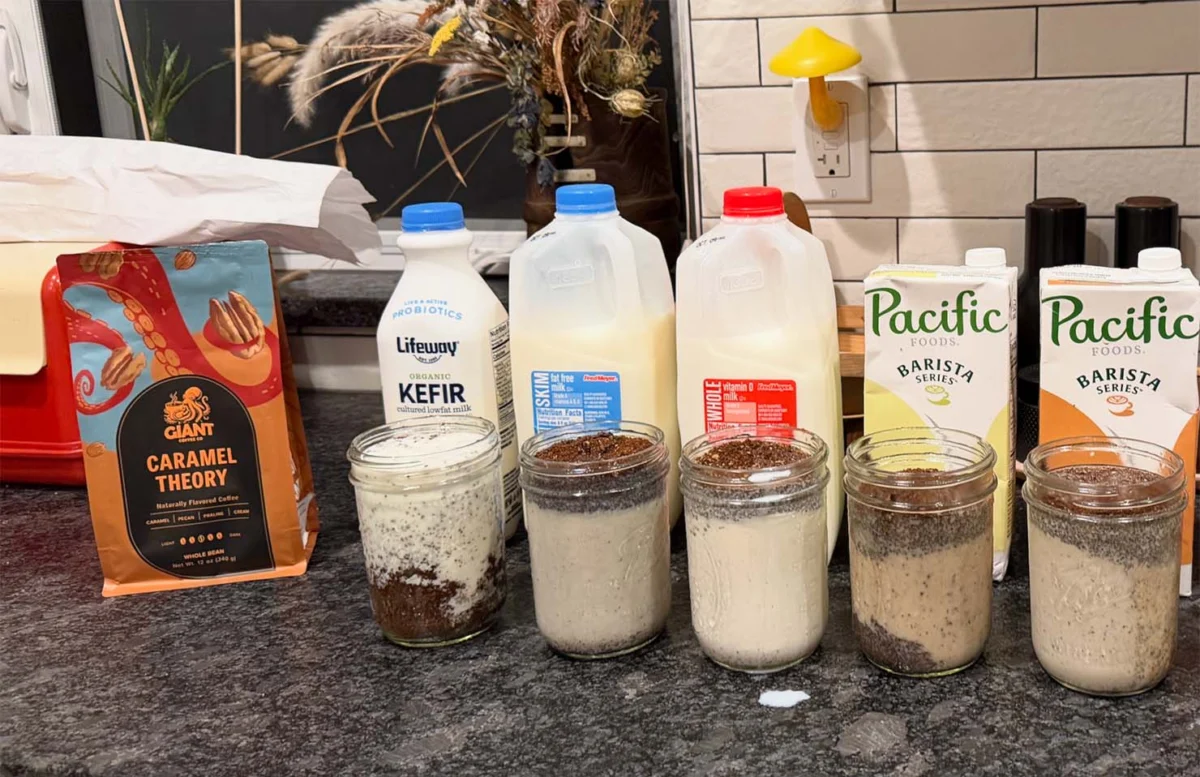
The 2026 season also notes a softening of the industry’s historical stance against flavored lattes. Jordan Michelman, co-founder of Sprudge, noted a growing "syrup curiosity" within the professional community. This is exemplified by the use of small-batch Goldvine Syrups in the creation of a Lavender Vanilla Latte at the Sprudge headquarters.
The beverage utilized a decaf espresso base from Verve Coffee’s Vancouver Blend, paired with Pacific Barista Series coconut milk. This combination reflects broader consumer trends toward plant-based diets and the "premiumization" of flavored coffee drinks. By utilizing high-end ingredients—ranging from specialized barista-grade plant milks to artisanal syrups—modern cafes are reclaiming the flavored latte as a craft product rather than a commodity.
Spotlight on Global Cafe Architecture: The 2026 Featured Builds
The first installment of the 2026 series highlights four distinct cafes that represent the global reach of the specialty movement. Each location provides a unique perspective on how coffee culture adapts to its local environment.
1. Partners Coffee (Brooklyn, NY)
As a mainstay of the New York coffee scene, Partners Coffee continues to innovate within the urban landscape. Their Brooklyn presence serves as a benchmark for high-volume, high-quality service, blending industrial aesthetics with modern hospitality standards.
2. Hypnos Coffee (Portland, OR)
In a city often considered the spiritual home of American specialty coffee, Hypnos Coffee represents the next generation of Portland roasting. Their build-out focuses on creating an immersive sensory experience, emphasizing the quiet, contemplative nature of coffee consumption.
3. Zen Coffee Company (Omaha, NE)
The inclusion of Zen Coffee Company highlights the robust growth of specialty coffee in the American Midwest. This build-out demonstrates how second and third-tier cities are becoming hubs for sophisticated cafe design, often serving as community anchors that drive local economic development.
4. Kopikina Heulang (Bogor City, Indonesia)
Representing the massive growth of coffee culture in Southeast Asia, Kopikina Heulang in Bogor City showcases the integration of traditional Indonesian hospitality with modern specialty standards. As a major coffee-producing nation, Indonesia’s domestic consumption market is evolving rapidly, with new cafes focusing on highlighting local beans through world-class brewing technology.
Technical Specifications and Professional Infrastructure
The 2026 Build-Outs feature also serves as a showcase for the latest in brewing hardware. The editorial team utilized a La Marzocco Linea Mini for espresso applications, a machine that has become the industry standard for both high-end home enthusiasts and professional "pop-up" environments. For manual brewing, the Hario v60 remains the preferred dripper, supported by the precision of Bookoo scales.

These tools are more than just equipment; they represent the infrastructure required to execute the complex flavor profiles found in modern specialty coffee. The reliance on precise measurement and temperature control is a recurring theme in the featured builds, as cafe owners invest heavily in "under-the-counter" brewing systems and modular espresso stations to improve workflow and customer interaction.
Industry Partnerships and Economic Ecosystem
The 2026 Build-Outs of Coffee is supported by a coalition of industry leaders, including DONA, Pacific Barista Series, La Marzocco, and noissue. This partnership ecosystem is vital to the specialty coffee economy. Companies like DONA (concentrates and teas) and Pacific Barista Series (plant-based milks) provide the necessary components for diverse menu structures, while La Marzocco provides the mechanical foundation.
The inclusion of noissue, a company specializing in sustainable packaging, points toward the industry’s increasing focus on environmental responsibility. As cafes face pressure to reduce their carbon footprint, the "build-out" process now includes a deep analysis of supply chain ethics and waste management, from compostable cups to energy-efficient roasting equipment.
Broader Implications and Future Outlook
The launch of the 2026 Build-Outs of Coffee season suggests that the industry is entering a phase of "maximalist quality." The focus is no longer just on the bean, but on the totality of the environment—the acoustics of the room, the sustainability of the packaging, the inclusivity of the menu (including decaf and syrups), and the transparency of the architectural process.
Furthermore, the mention of broader cultural events, such as the 2026 FIFA World Cup, hints at the intersection of coffee and global tourism. As international travelers move through hubs like Brooklyn, Portland, and Bogor, specialty cafes act as cultural ambassadors. The ongoing evolution of trade policies, such as the IEEPA Tariff Credits and the return of duties to importers, also looms in the background, reminding the industry that while the "build-out" is a local endeavor, it is inextricably linked to the complexities of global trade.
As the 2026 season progresses, the Build-Outs of Coffee will continue to provide a vital record of how the industry adapts to a changing world, one cafe at a time. The transition from the "minimalist" shops of the 2010s to the tech-forward, inclusive, and experimentally-driven spaces of today marks a new chapter in the history of the world’s most popular beverage.