Cintya Tara Annisa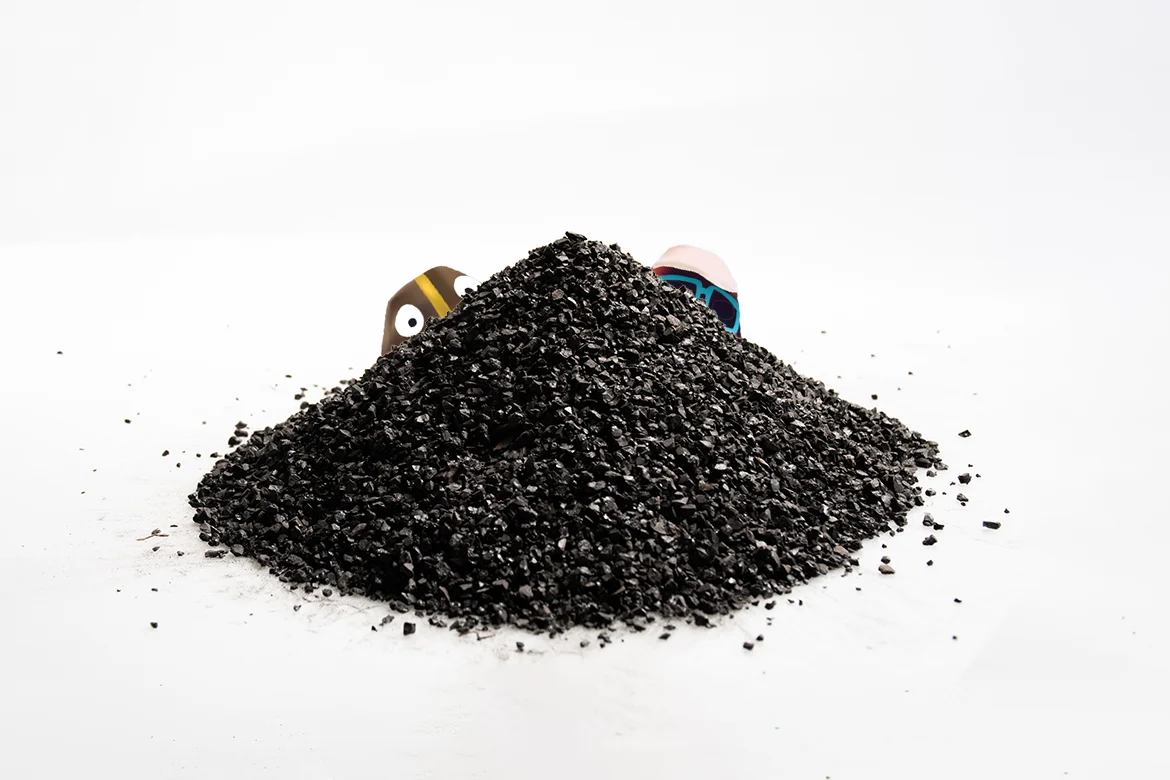
Researchers at the Korea Institute of Geoscience and Mineral Resources (KIGAM) have announced a breakthrough in waste-to-energy technology, successfully developing a process that converts spent coffee grounds (SCG) into high-quality biochar in less than two minutes. This new method, utilizing flame plasma pyrolysis, bypasses the traditional, energy-intensive requirements of pre-drying and long-duration heating, potentially revolutionizing how urban organic waste is managed. By subjecting coffee waste to extreme temperatures and pressure, the team has produced a material with an energy density comparable to anthracite coal, the highest grade of coal known for its carbon purity and clean-burning properties.
The Challenge of Spent Coffee Grounds and Urban Waste
As global coffee consumption continues to rise, the management of spent coffee grounds has become a significant environmental concern. According to data from the International Coffee Organization, global coffee production exceeds 10 million tons annually. A substantial portion of this ends up as waste in the form of spent grounds. When disposed of in landfills, these grounds decompose anaerobically, releasing methane—a greenhouse gas significantly more potent than carbon dioxide in its short-term warming potential.
The upcycling of coffee grounds into biochar has long been identified as a viable solution to this problem. Biochar is a carbon-rich, porous material produced through the thermal decomposition of organic matter. Its applications are diverse, ranging from soil amendment and water filtration to its use as a structural additive in concrete and insulation. However, the primary barrier to the widespread industrial adoption of coffee-derived biochar has been the moisture content of the raw material. Freshly brewed coffee grounds typically contain a high percentage of water, often exceeding 60% by weight. In traditional processing, this moisture must be removed through an energy-intensive pre-drying phase before the material can undergo pyrolysis, making the process costly and time-consuming.
Advancing Beyond Traditional Pyrolysis
Traditional pyrolysis is a thermochemical process that involves heating biomass in an oxygen-deprived environment. Depending on the desired output, this process can take anywhere from 30 minutes to several hours at temperatures ranging from 300°C to 700°C. The necessity of maintaining a stable, low-oxygen environment for extended periods requires significant infrastructure and energy input. Furthermore, if the feedstock is not sufficiently dried, the energy required to evaporate the water during the early stages of pyrolysis can lead to uneven carbonization and a lower-quality end product.
The KIGAM research team, led by Dr. Lee Kyung-ran, sought to overcome these limitations by experimenting with plasma technology. Their findings, recently published in the Chemical Engineering Journal, detail the transition from slow-cook methods to "flame plasma pyrolysis." This technique involves the use of a plasma torch to create an environment of intense heat and ionized gas. By injecting spent coffee grounds directly into a plasma flame, the researchers were able to achieve temperatures as high as 900°C (1,652°F) almost instantaneously.
The Mechanics of Flame Plasma Pyrolysis
The core innovation of the KIGAM process lies in how it handles the internal moisture of the coffee grounds. In the flame plasma environment, the extreme heat causes the water trapped within the microscopic pores of the grounds to vaporize with such speed that it triggers what the researchers describe as "microscopic explosions."
These micro-explosions serve a dual purpose. First, they eliminate the need for a separate pre-drying stage, as the moisture is utilized as a kinetic force within the reaction chamber. Second, the rapid expulsion of steam creates a highly porous and lightweight structure in the resulting biochar. This porosity is a critical metric for biochar quality, as it increases the surface area available for chemical reactions, making it more effective for applications such as heavy metal adsorption in water treatment or as a lightweight filler in green construction materials.
The entire transformation from wet waste to dry, carbonized biochar is completed in approximately 90 seconds. This represents a reduction in processing time of over 95% compared to conventional methods. The efficiency of the plasma system also allows for a continuous flow process, which is more conducive to industrial scaling than the batch processing often required by traditional kilns.
Comparative Energy Analysis: Coffee vs. Anthracite
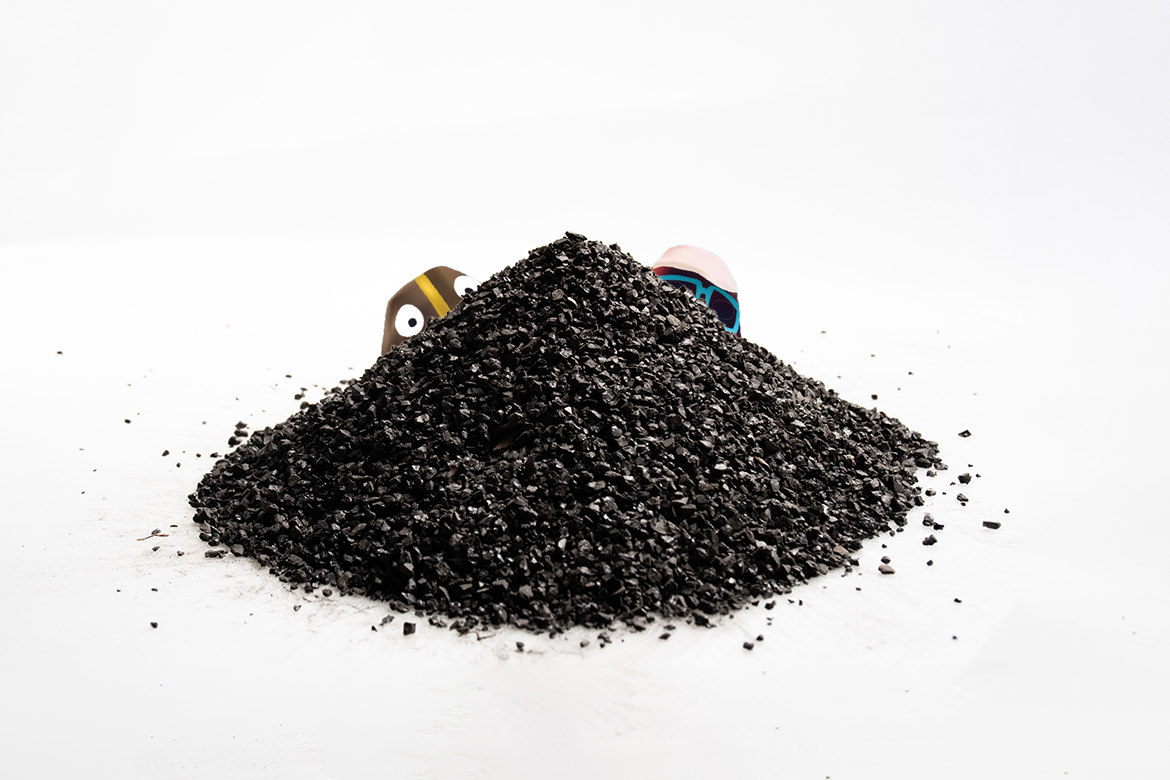
One of the most significant findings of the KIGAM study is the energy density of the resulting biochar. The researchers performed a comparative analysis of the coffee-derived biochar against various grades of fossil fuels. They concluded that the energy value of the biochar is comparable to anthracite coal.
Anthracite is the most mature of all coal types, characterized by a carbon content of 86% to 98%. It is prized for its high heating value and its ability to burn with little smoke or flame, making it a premium fuel for metallurgical processes and high-efficiency heating. The fact that a waste product like coffee grounds can be converted into a fuel source of similar caliber has profound implications for the energy sector. Unlike coal, which releases "new" carbon into the atmosphere that has been sequestered underground for millions of years, coffee biochar is part of a short-term carbon cycle. Utilizing it as a fuel source can be considered carbon-neutral or even carbon-negative if the carbon is sequestered in soil or construction materials rather than burned.
Diversifying the Applications of Coffee Biochar
While the energy potential of the KIGAM biochar is a highlight of the research, the material’s utility extends far beyond combustion. The study reinforces previous findings regarding the versatility of coffee-based carbon products:
- Construction Materials: Recent studies have shown that replacing a portion of the sand in concrete with coffee biochar can increase the compressive strength of the concrete by up to 30%. The porous nature of the biochar helps maintain moisture during the curing process, leading to a more robust structural matrix.
- Environmental Remediation: The high surface area of plasma-produced biochar makes it an excellent candidate for decontaminating water. It can effectively adsorb heavy metals, such as lead and arsenic, and organic pollutants from industrial runoff.
- Thermal Insulation: Due to its lightweight and porous structure, the biochar can be integrated into eco-friendly insulation panels, providing a sustainable alternative to petroleum-based foam products.
- Agriculture: As a soil amendment, biochar helps retain water and nutrients, improving crop yields and reducing the need for chemical fertilizers.
Economic and Industrial Implications
The removal of the pre-drying barrier is the most critical factor for the economic viability of the KIGAM process. In industrial waste management, the cost of energy is the primary determinant of whether a recycling process is adopted. By integrating the drying and carbonization phases into a single, 90-second plasma reaction, the KIGAM team has significantly lowered the operational cost of upcycling SCG.
Industry analysts suggest that this technology could be deployed in decentralized "micro-hubs" within major metropolitan areas. Given the high concentration of cafes in cities like Seoul, London, and New York, local processing of coffee waste could reduce the carbon footprint associated with transporting heavy, wet waste to distant landfills. A plasma-based unit could theoretically be installed at a waste transfer station, converting daily coffee waste into energy or industrial raw materials on-site.
Chronology of Development and Future Outlook
The development of flame plasma pyrolysis for coffee waste is the result of several years of interdisciplinary research at KIGAM. The institute has a long history of exploring plasma applications for mineral processing and waste recovery. The shift toward organic biomass like coffee reflects a broader strategic pivot toward "Green Chemistry" and circular economy initiatives in South Korea.
Following the publication of their results in the Chemical Engineering Journal, the KIGAM team is expected to move toward pilot-scale testing. This phase will involve refining the plasma torch efficiency and exploring the longevity of the equipment when subjected to continuous high-temperature operations.
While the researchers have not yet announced a timeline for commercial availability, the reaction from the scientific and environmental communities has been overwhelmingly positive. The ability to turn a ubiquitous waste product into a high-grade energy source in under two minutes is a significant milestone in the quest for sustainable urban living. As the technology matures, it may serve as a blueprint for the rapid pyrolysis of other types of organic waste, further reducing our reliance on fossil fuels and traditional carbon-intensive waste management practices.
The circle of life for a coffee bean may soon involve a high-tech transformation, where the remnants of a morning beverage are used to power the very machines that roast the next batch, creating a closed-loop system that is as efficient as it is environmentally responsible.