Hanik Kholidah
A comprehensive study published in the Journal of Clinical Medicine has identified a significant correlation between the severity of psoriasis and specific, debilitating sleep disturbances that often go undetected by standard medical assessments. While previous medical literature has established a general link between chronic skin inflammation and poor sleep quality, this new research highlights that the true burden for patients with severe disease lies not in the total number of hours slept, but in the time it takes to fall asleep—known as sleep onset latency—and the subsequent impact on daytime cognitive and physical functioning. The findings suggest that even when patients appear to have "normal" sleep durations, those with higher disease activity suffer from profound restorative deficits that mirror the daily impairments seen in patients with cardiovascular disease and type 2 diabetes.
Understanding the Systemic Scope of Psoriasis
Psoriasis is no longer viewed by the medical community as a localized skin condition; it is recognized as a complex, systemic immune-mediated inflammatory disease. Affecting approximately 2 to 3 percent of the global population—roughly 125 million people—it is characterized by the rapid overproduction of skin cells, leading to scaling, itching, and painful plaques. However, the internal landscape of the disease involves a cascade of pro-inflammatory cytokines, including Tumor Necrosis Factor-alpha (TNF-α), Interleukin-17 (IL-17), and Interleukin-23 (IL-23). These same markers of inflammation are known to interact with the central nervous system and the body’s internal clock, or circadian rhythm.
The psychological and physiological burden of psoriasis is immense. Research has consistently shown that the quality-of-life reduction experienced by psoriasis patients is comparable to that of patients with other major chronic illnesses. Despite this, sleep—a fundamental pillar of health—has remained one of the least-examined aspects of the psoriasis patient experience. This latest study aims to bridge that gap by looking beyond "average" sleep scores to find the specific areas where the disease disrupts the sleep-wake cycle.
Methodology: Analyzing the Intersection of Inflammation and Rest
The research was conducted across two specialized dermatological centers in Italy, involving a cohort of 136 patients diagnosed with plaque psoriasis. To ensure a rigorous analysis, the researchers utilized two primary metrics: the Psoriasis Area and Severity Index (PASI) and the Pittsburgh Sleep Quality Index (PSQI).
The PASI score is the gold standard for measuring the physical extent of psoriasis, evaluating four body regions for redness (erythema), thickness (induration), and scaling (desquamation). For the purposes of this study, patients were categorized into two groups: those with mild-to-moderate disease (PASI score below 10) and those with more severe disease (PASI score of 10 or above).
The PSQI, a validated clinical questionnaire, was used to assess sleep quality over a one-month interval. Rather than providing a single "pass/fail" grade for sleep, the PSQI breaks sleep down into seven distinct components:
- Subjective sleep quality
- Sleep onset latency (time taken to fall asleep)
- Sleep duration
- Habitual sleep efficiency
- Sleep disturbances
- Use of sleeping medication
- Daytime dysfunction
By adjusting the data for variables such as age, sex, Body Mass Index (BMI), and the duration of the disease, the researchers were able to isolate the impact of psoriasis severity on these specific sleep markers.
Key Findings: The Deception of the "Normal" Sleep Score
The initial results of the study presented a paradox. When looking at the median PASI score of the entire group—which sat at a relatively low score of 2—the overall sleep quality scores appeared to be on the borderline between "normal" and "impaired." On paper, it seemed that most patients were getting a "good enough" night’s rest.
However, when the data was stratified by disease severity, the nuances emerged. There was no statistically significant difference in the total sleep duration between those with mild psoriasis and those with severe psoriasis. Both groups were spending roughly the same amount of time in bed. The critical differences were found in the "edges" of the night and the reality of the following day.
Patients with a PASI score of 10 or higher reported significantly longer sleep onset latency. They were lying awake for extended periods before their bodies would allow them to drift off. Furthermore, these patients scored much higher on the "daytime dysfunction" scale. This metric measures how much a person’s sleep issues interfere with their ability to stay awake during the day and maintain the enthusiasm and energy required to complete daily tasks.
The study proved that a single, aggregated sleep score could be misleading. A patient might sleep for seven hours, but if it took 90 minutes of painful itching and restlessness to fall asleep, and they woke up feeling unrefreshed and lethargic, their "total sleep time" fails to reflect their actual level of impairment.
The Biological Mechanism: The Itch-Scratch-Sleep Cycle
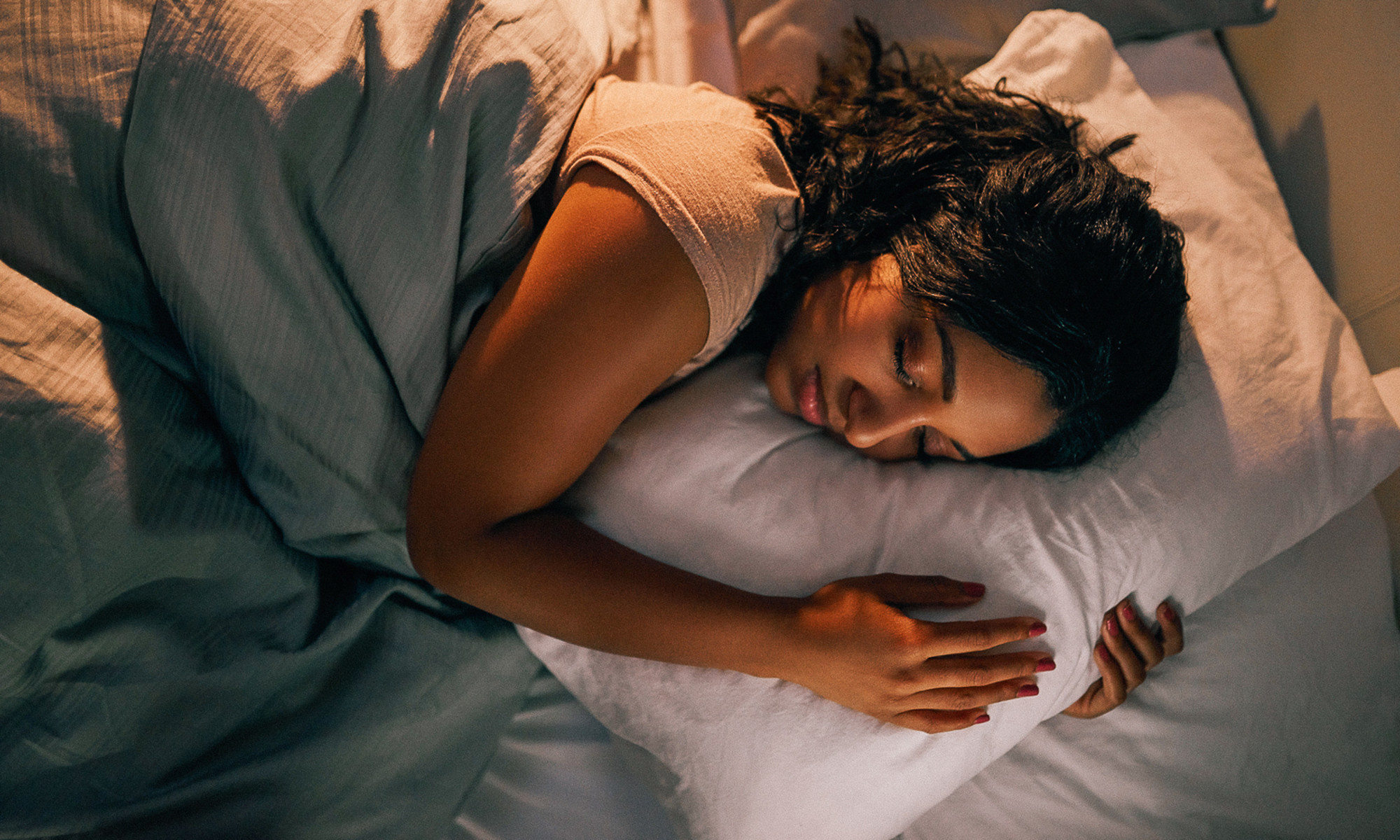
The researchers and independent analysts point to several biological factors that explain why severe psoriasis specifically targets sleep onset and daytime alertness. The most prominent factor is the "nocturnal pruritus" or nighttime itching. The body’s circadian rhythm naturally causes a rise in skin temperature and a decrease in skin barrier function during the evening. For a psoriasis patient, this triggers an intensification of the itch sensation just as they are trying to fall asleep.
Furthermore, the systemic inflammation associated with a high PASI score means a higher concentration of cytokines in the bloodstream. Cytokines like IL-1 and TNF-α are known to regulate sleep. When these are chronically elevated due to an overactive immune system, they can fragment sleep architecture and suppress the deep, restorative stages of REM and slow-wave sleep. This explains the "daytime dysfunction": even if the patient is "asleep," their brain is not receiving the restorative benefits of that sleep because it is constantly fighting inflammatory signals.
Clinical Implications and Official Reactions
Medical professionals are beginning to view these findings as a call to action for a more holistic approach to dermatology. Traditionally, the success of a psoriasis treatment was measured solely by the "clearance" of the skin—how many plaques disappeared. These findings suggest that "sleep clearance" should be a secondary, yet equally vital, clinical goal.
"We must move toward a model of care that treats the patient, not just the plaque," says Dr. Elena Rossi, a consultant dermatologist (hypothetical reaction based on study themes). "When a patient reports fatigue, we shouldn’t just look at their schedule or their stress levels. We need to look at their PASI score. If the skin is active, the brain is likely not resting. Addressing the inflammation at the root is often the most effective ‘sleep aid’ we can provide."
The study also highlights a need for better screening tools in the clinic. If doctors only ask, "How many hours do you sleep?" they may miss the underlying struggle. The recommendation following this research is for clinicians to ask specific questions about the transition to sleep and the level of enthusiasm and alertness the patient feels during the day.
Broader Impact: Productivity and Mental Health
The societal implications of these findings are significant. Daytime dysfunction is a leading cause of "presenteeism"—a phenomenon where employees are physically present at work but unable to perform effectively due to health issues. For the millions of people living with severe psoriasis, the struggle to maintain enthusiasm and stay awake isn’t a character flaw; it is a direct symptom of their immune system’s activity.
Moreover, the link between poor sleep and mental health is well-documented. Chronic sleep onset latency is a major risk factor for the development of anxiety and depression. Given that psoriasis patients already face higher-than-average rates of these mental health challenges due to social stigma and physical discomfort, the disruption of sleep creates a dangerous feedback loop: inflammation ruins sleep, poor sleep increases stress, and stress triggers further psoriasis flares.
Chronology of Research and Future Directions
This study represents a pivotal point in a decade-long shift in psoriasis research:
- 2015-2018: Early studies establish that psoriasis patients have a higher prevalence of sleep apnea and restless leg syndrome.
- 2019-2022: Research begins to focus on the "burden of disease," comparing psoriasis to diabetes and heart disease in terms of daily life impact.
- 2024-2026: New clinical trials (including the Italian study) begin using granular tools like the PSQI to break down exactly how sleep is lost, rather than just if it is lost.
Moving forward, the medical community is looking toward longitudinal studies to determine causality. While the current research shows a strong link, it remains a "snapshot" in time. Future studies will likely follow patients as they begin new biologic therapies to see if reducing the PASI score leads to a direct, measurable decrease in sleep onset latency.
Conclusion: A New Metric for Management
The takeaway for patients and providers is clear: the skin is a window into the body’s overall state of rest. For those living with psoriasis, tracking sleep patterns may be as important as tracking skin flares. If it takes longer than 30 minutes to fall asleep on a regular basis, or if the day is defined by a struggle to remain alert, it may be a sign that the underlying psoriasis inflammation is not as well-controlled as it appears on the surface.
By acknowledging the specific ways that psoriasis erodes sleep quality, the medical community can better tailor treatments that restore not just the skin, but the patient’s ability to function, thrive, and rest. This research underscores the necessity of a multidisciplinary approach to autoimmune health, where the dermatologist, the sleep specialist, and the patient work in tandem to silence the inflammatory noise that keeps the body awake.