
 Indra Kusuma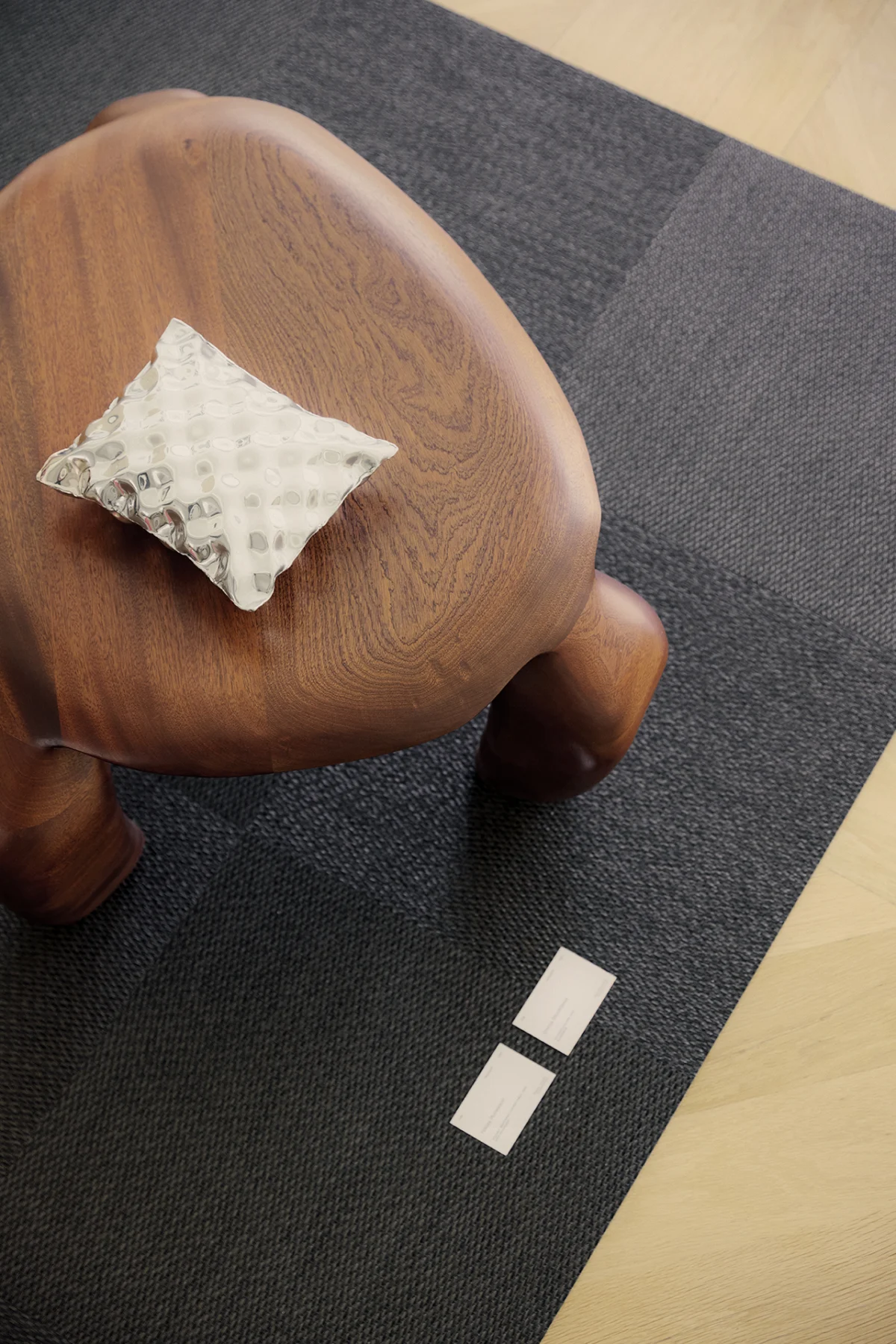
Most visitors arriving at 3daysofdesign, Copenhagen’s increasingly impactful contribution to the international design-fair and events calendar, traditionally anticipate encountering the hallmarks of clean-lined Danish modernism—or at least subtle contemporary interpretations of this rich, albeit at times extensively revisited, legacy. However, as this citywide happening continues its exponential growth, a more expansive and nuanced understanding of the creative output emerging from Copenhagen and the broader Scandinavian countries is progressively coming to the forefront. This evolving perspective signals a significant shift, moving beyond entrenched aesthetic paradigms to embrace a more dynamic and interdisciplinary definition of Nordic design.
The Evolution of 3daysofdesign: A Global Platform
Copenhagen has long been revered as a global epicenter for design, celebrated for its functionalist principles, ergonomic considerations, and minimalist aesthetics that have profoundly influenced interior design worldwide. The annual 3daysofdesign festival serves as a critical nexus for this vibrant ecosystem, transforming the Danish capital into an immersive showcase for innovation. Since its inception, the event has steadily gained prominence, attracting an escalating number of international attendees, exhibitors, and media professionals. What began as a local initiative to highlight Danish design prowess has blossomed into an indispensable fixture on the global design calendar, comparable in influence to events in Milan, London, and New York. Its growth reflects not only the enduring appeal of Scandinavian design but also a strategic effort to foster dialogue and collaboration across borders. Each year, the festival expands its footprint, encompassing a wider array of showrooms, galleries, and pop-up installations across the city, providing a multifaceted platform for both established brands and emerging talents. This expansion has naturally led to a greater diversity in the design narratives presented, slowly chipping away at monolithic perceptions.
Redgert Comms’ Curatorial Debut: The Redgert Edit
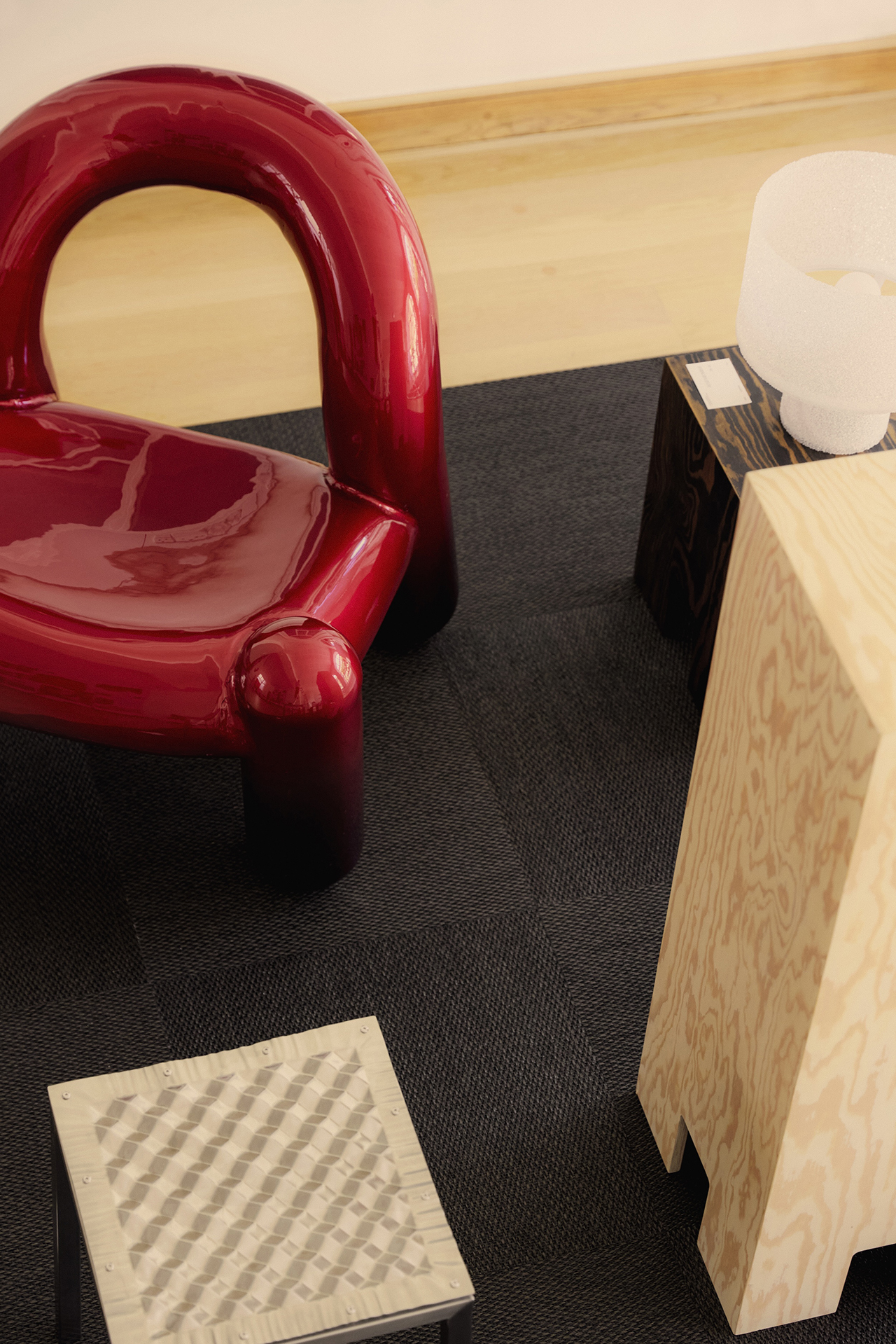
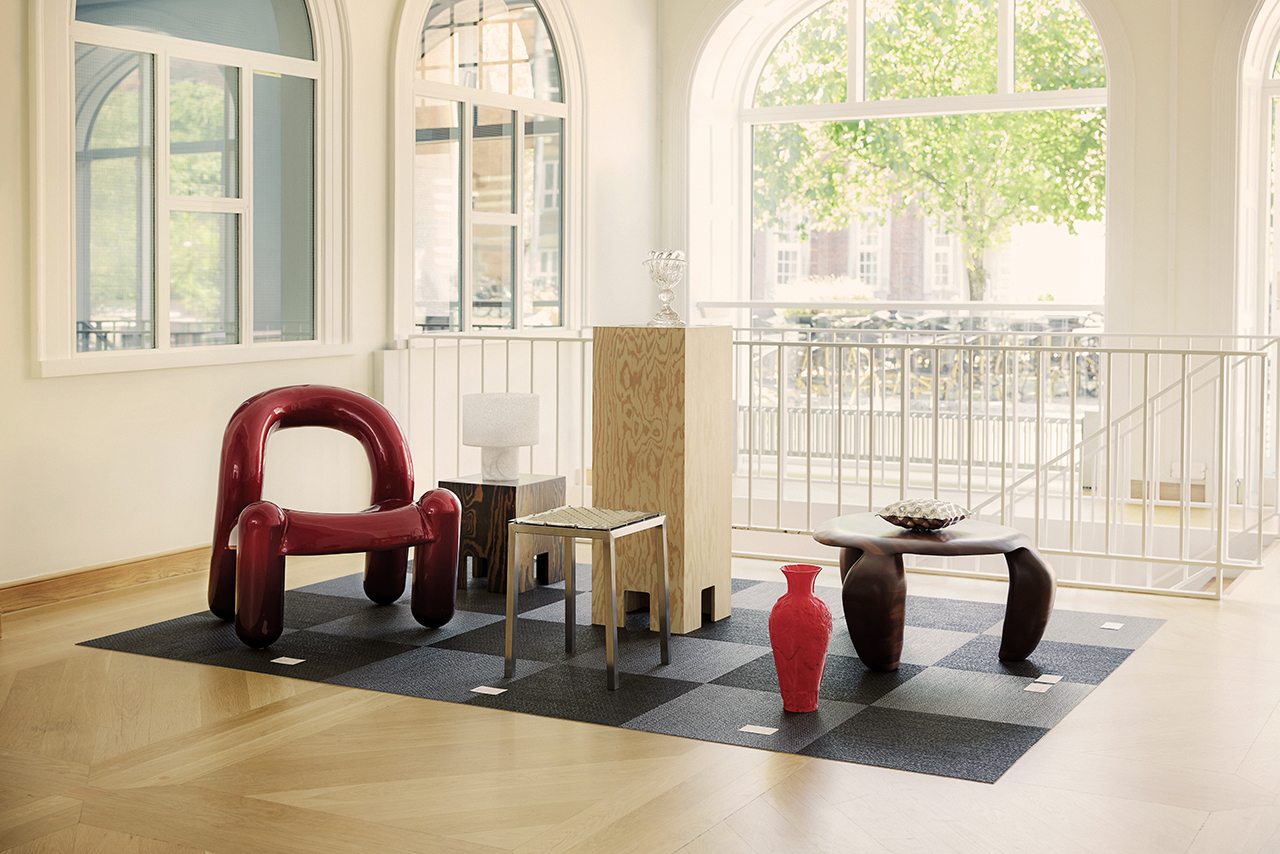
Amplifying this more well-rounded and inclusive understanding of contemporary Scandinavian design is Redgert Comms, a multinational, full-service creative agency known for its strategic communications and brand development. In a notable foray into new territory, the holistically minded company mounted "The Redgert Edit," its inaugural venture into exhibition curation and design. This ambitious project, housed within Redgert Comms’ own two-floor showroom in central Copenhagen, consisted of a series of cleverly cohered vignettes. These thoughtfully arranged displays were designed to showcase a diverse raft of contemporary talents working across various creative sectors, many of whom are represented by the agency’s platform. This strategic move by Redgert Comms underscored a growing trend in the creative industry: agencies leveraging their expertise not just in promotion but in actively shaping and presenting cultural narratives. By curating an exhibition, Redgert Comms positioned itself as a tastemaker and a facilitator of direct engagement between designers and their audiences.
Deconstructing Scandinavian Design Stereotypes
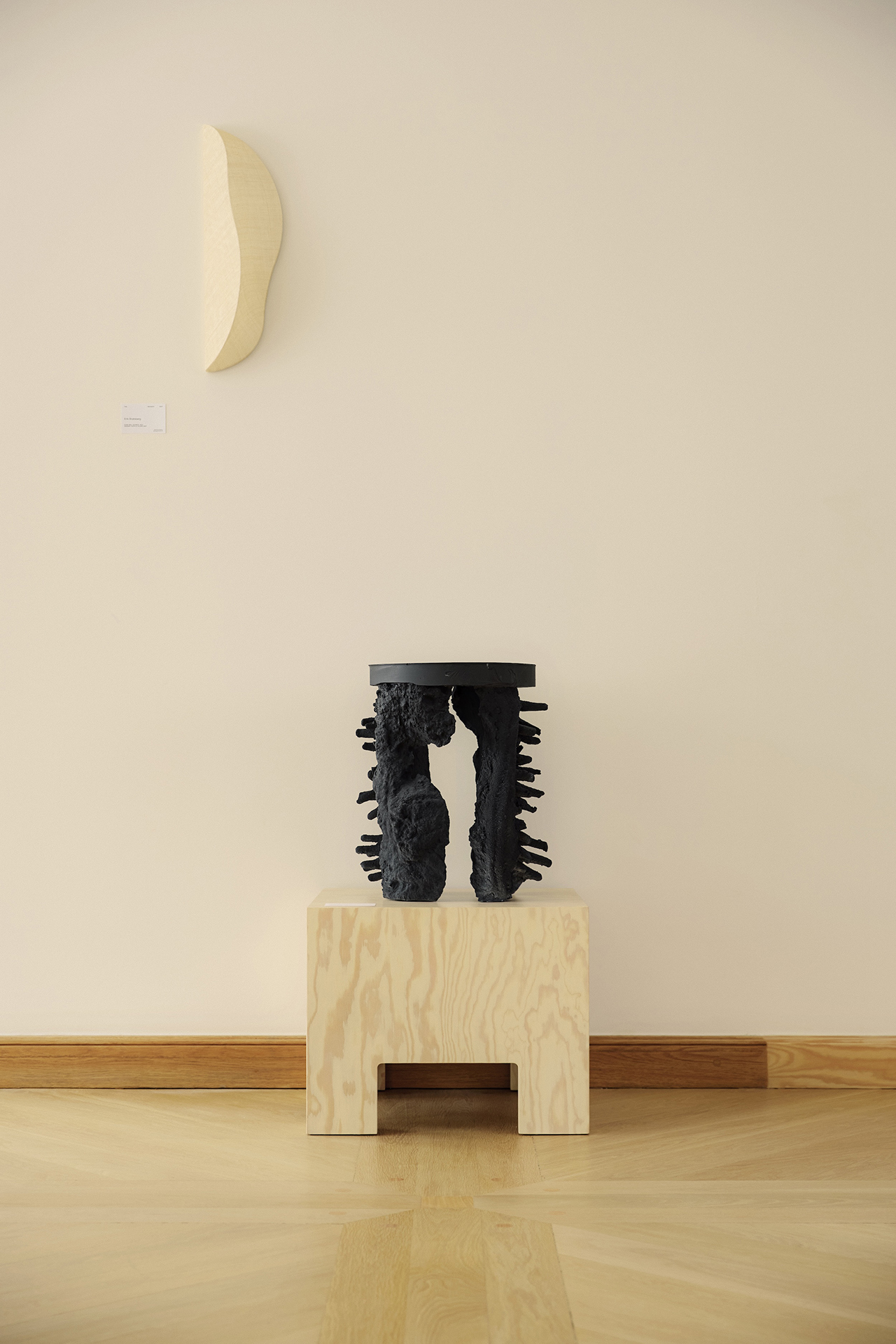
"The Redgert Edit" served as a powerful declaration, revealing that contemporary Scandinavian design extends far beyond the familiar tropes of austere wood assemblies, rationalized forms, and muted color palettes. Throughout the exhibition, there was compelling evidence of bold experimentation across every facet of the design process: material selection, innovative fabrication techniques, and adventurous use of color. Furthermore, the showcased works demonstrated a significant typological divergence, pushing past conventional limitations of what constitutes furniture, fashion, fragrance, and even fine art. This deliberate challenge to established norms highlighted a vibrant undercurrent of creativity that embraces risk-taking and conceptual exploration, moving away from a purely functionalist dogma towards a more expressive and artistic approach. The exhibition consciously highlighted designers who are less concerned with fitting into a predefined "Scandinavian aesthetic" and more focused on pushing their individual artistic boundaries.
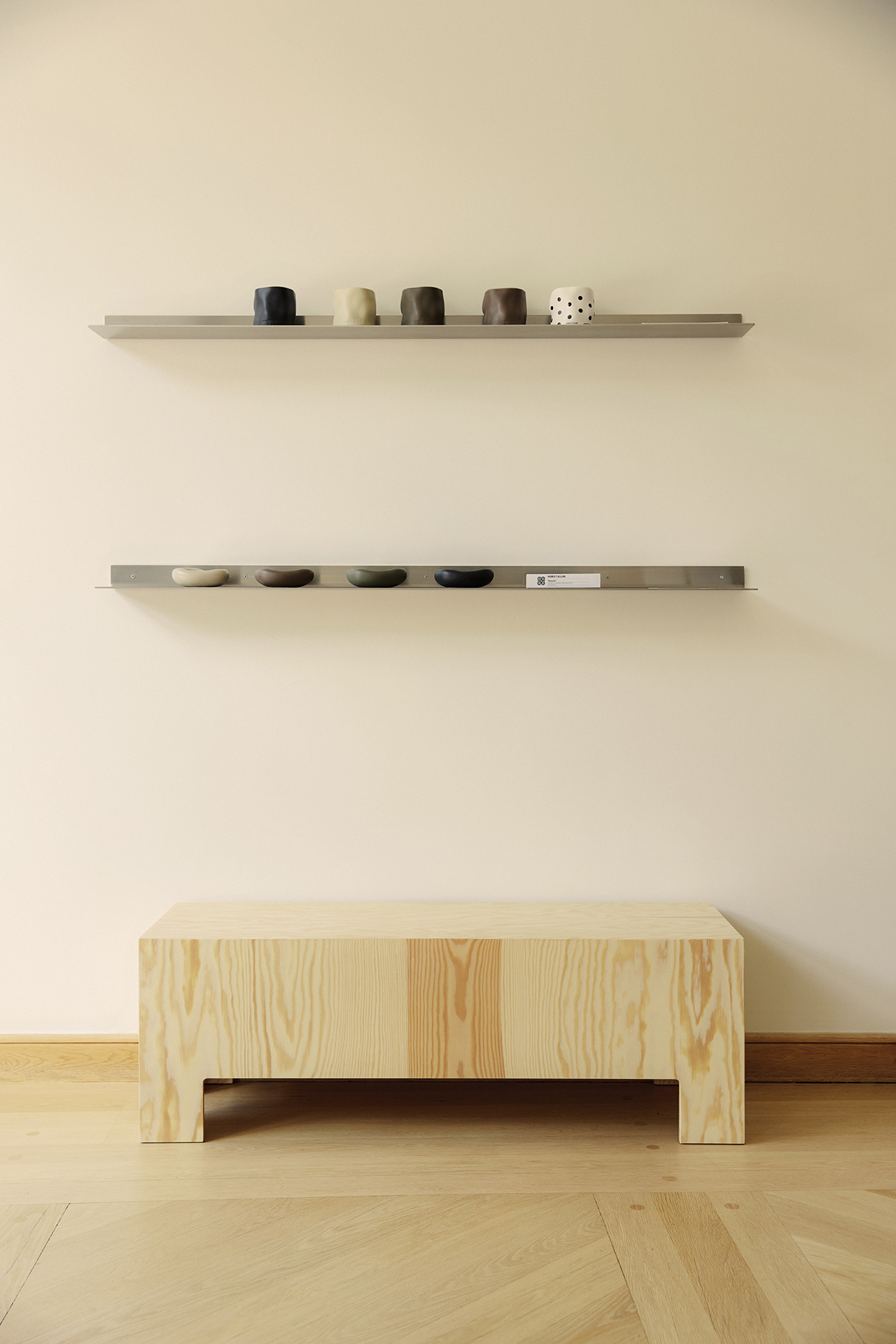
Liam Möller, Senior PR Account Executive at Redgert Comms, articulated this paradigm shift concisely: "The creative industry is going through a very interesting shift right now, where the lines between design, fashion, art, and culture are becoming increasingly blurred. We’re seeing a new generation of independent designers building strong visual languages and direct relationships with their audiences, far beyond traditional structures." This observation points to a broader cultural movement, where traditional disciplinary silos are collapsing, fostering an environment where cross-pollination and hybrid forms of expression flourish. Designers are no longer confined to producing objects that solely serve a practical purpose; instead, they are creating pieces that provoke thought, evoke emotion, and blur the boundaries between utility and pure artistic expression.
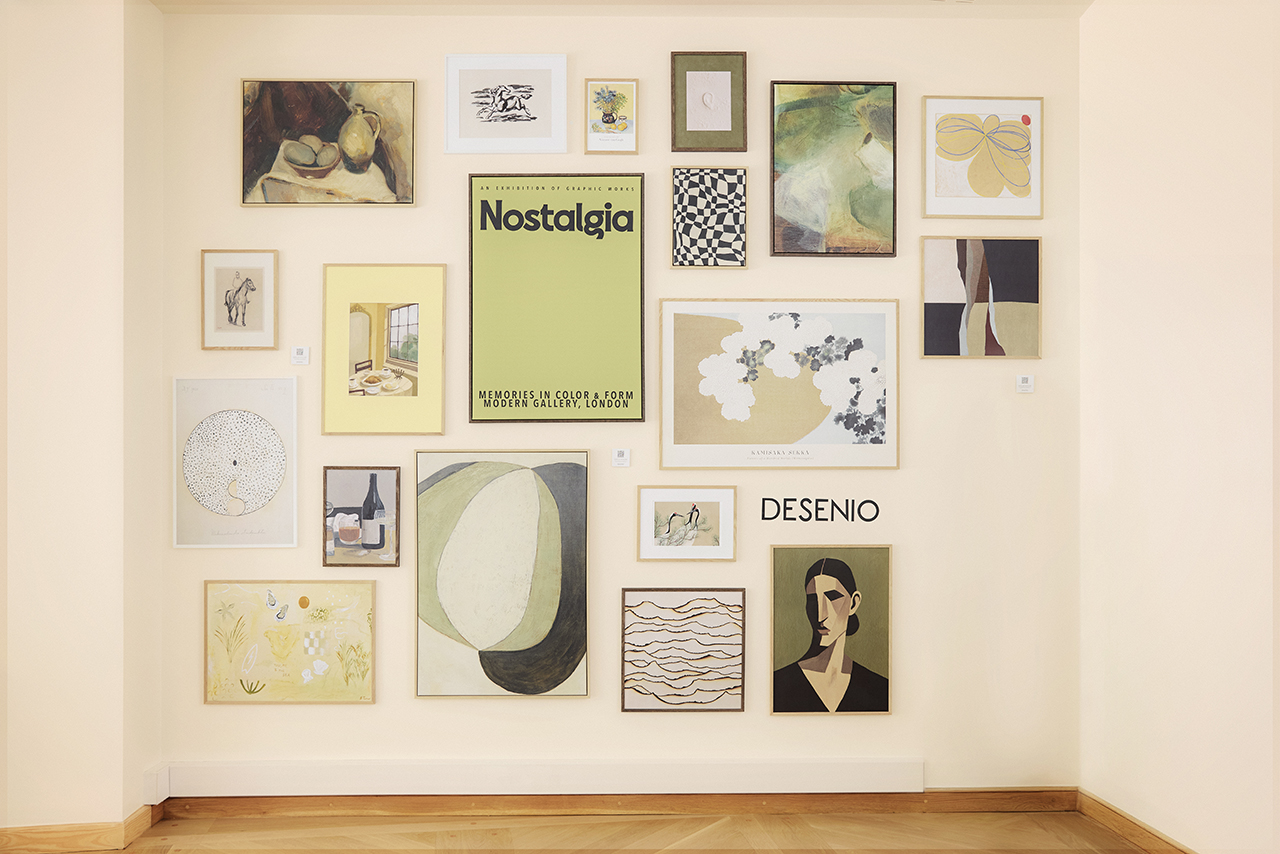
A Curated Experience: The Redgert Edit as a Meeting Point
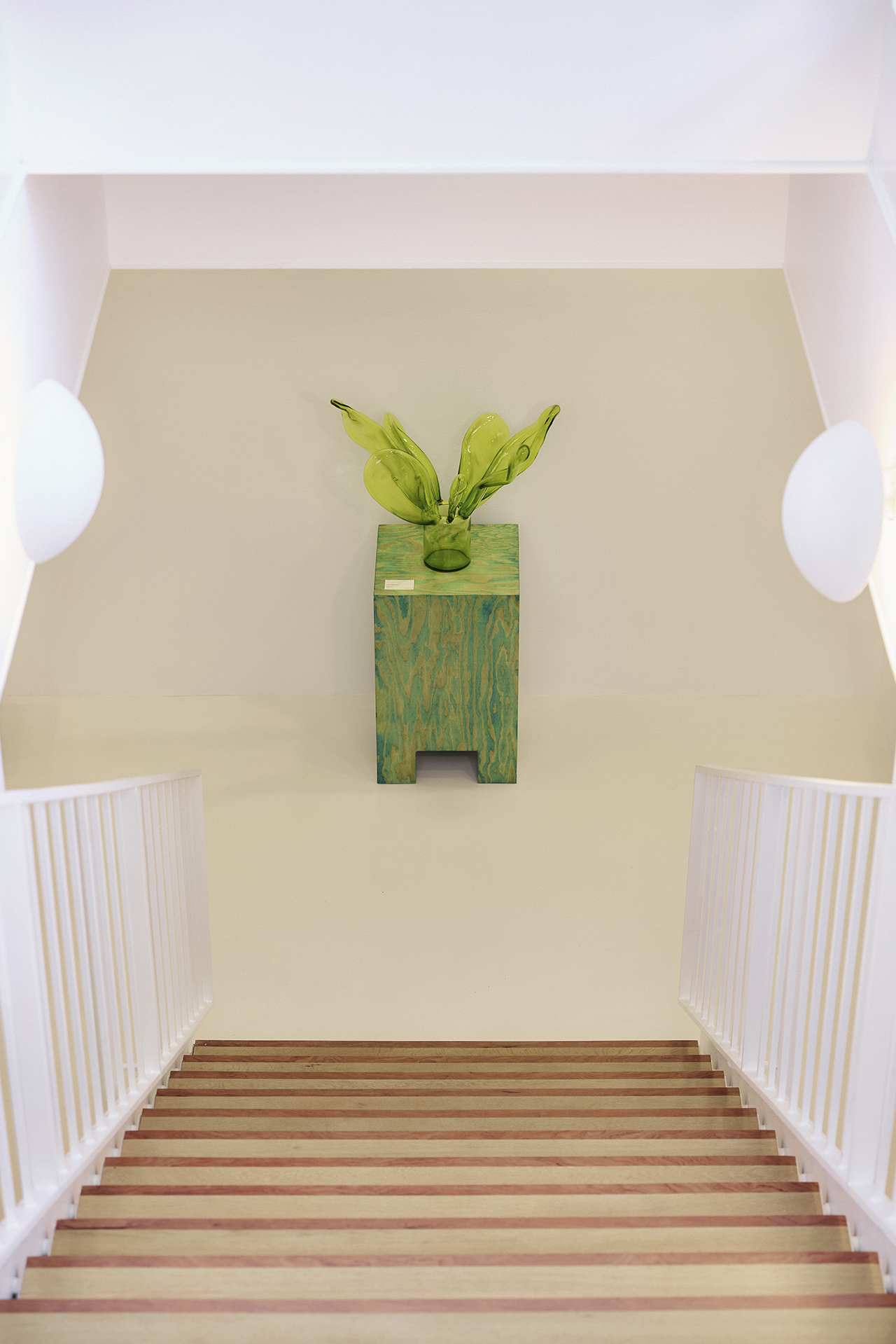
With "The Redgert Edit," Möller and his team aimed to create a platform that felt inherently contemporary, authentically reflecting this shift in the cultural zeitgeist. Crucially, their vision emphasized inclusivity and cultural relevance, ensuring the exhibition resonated with the dynamic ways design is actually experienced and consumed in today’s interconnected world. This meant moving beyond the static gallery model to create an interactive and engaging environment.
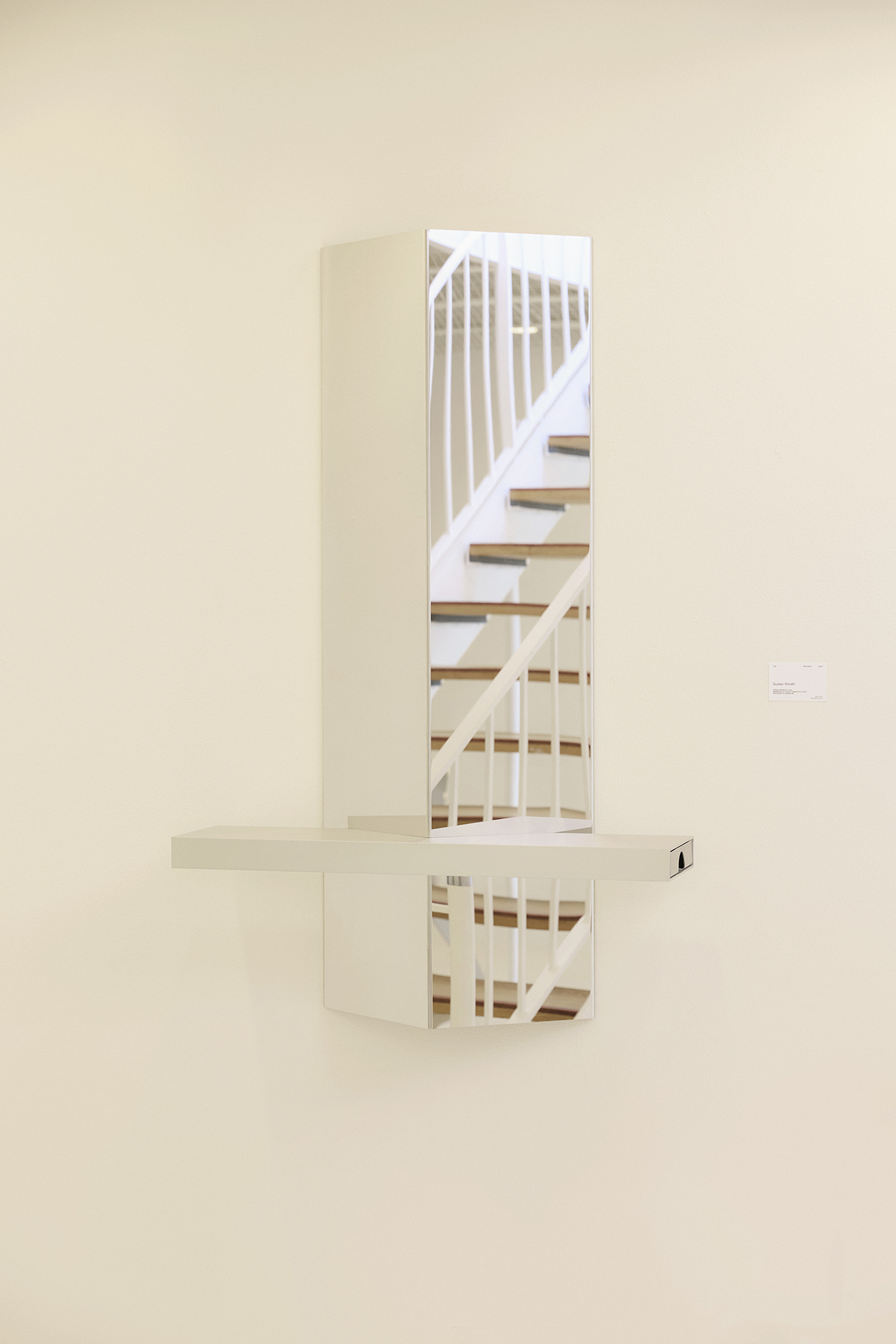
Julia Haugland, Country Manager Denmark for Redgert Comms, elaborated on the strategic importance of their physical space: "Our two-floor showroom in central Copenhagen is an intrinsic aspect of Redgert’s local presence. During 3daysofdesign, it becomes a natural meeting point where we invite creatives, media, and industry professionals to experience the designers in a more intimate and curated setting." This approach transformed the showroom from a mere display area into a vibrant hub for networking, discussion, and direct engagement with the creative process. The intimate setting allowed for deeper appreciation of the individual pieces and the stories behind them, fostering a stronger connection between creators and their audience.

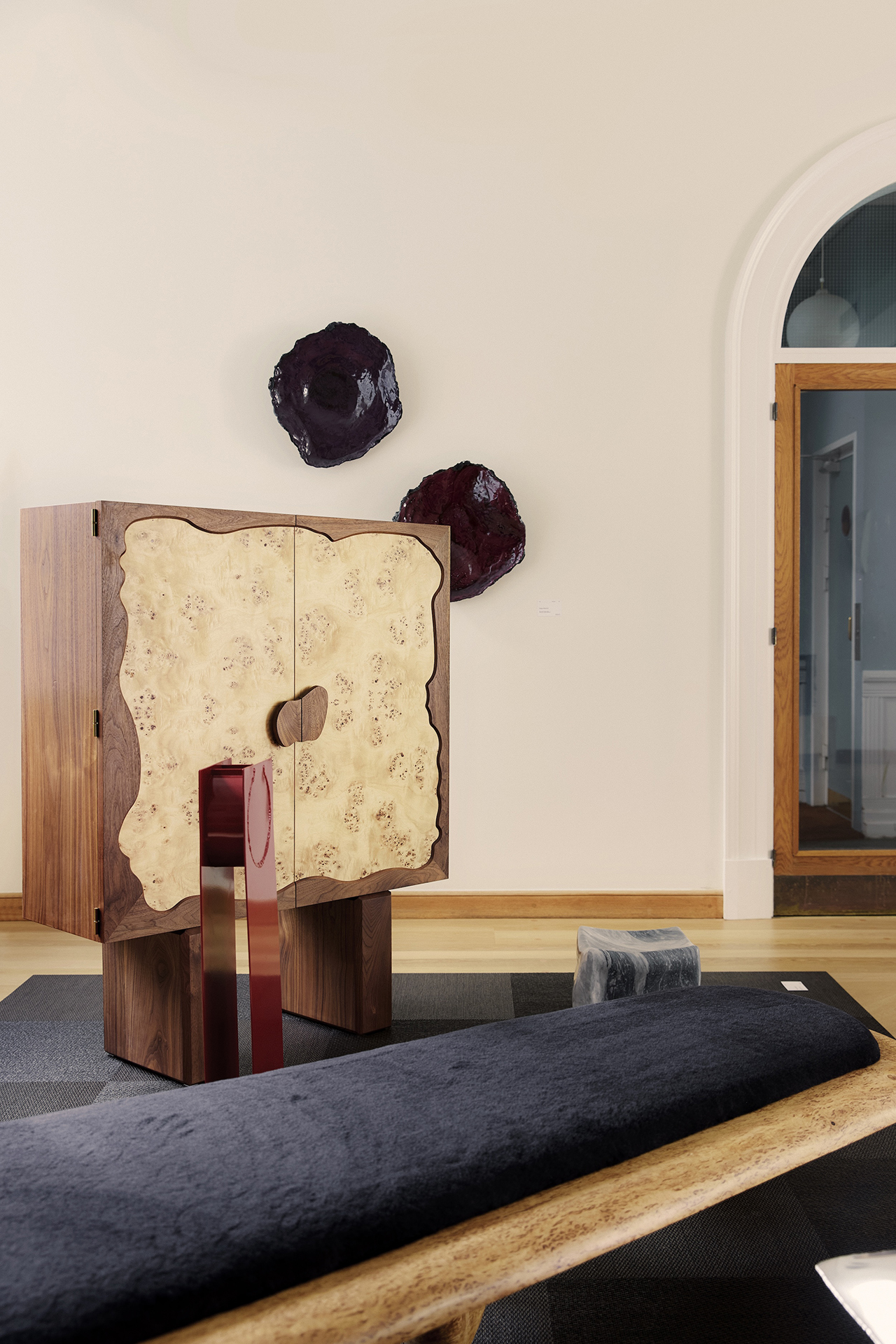
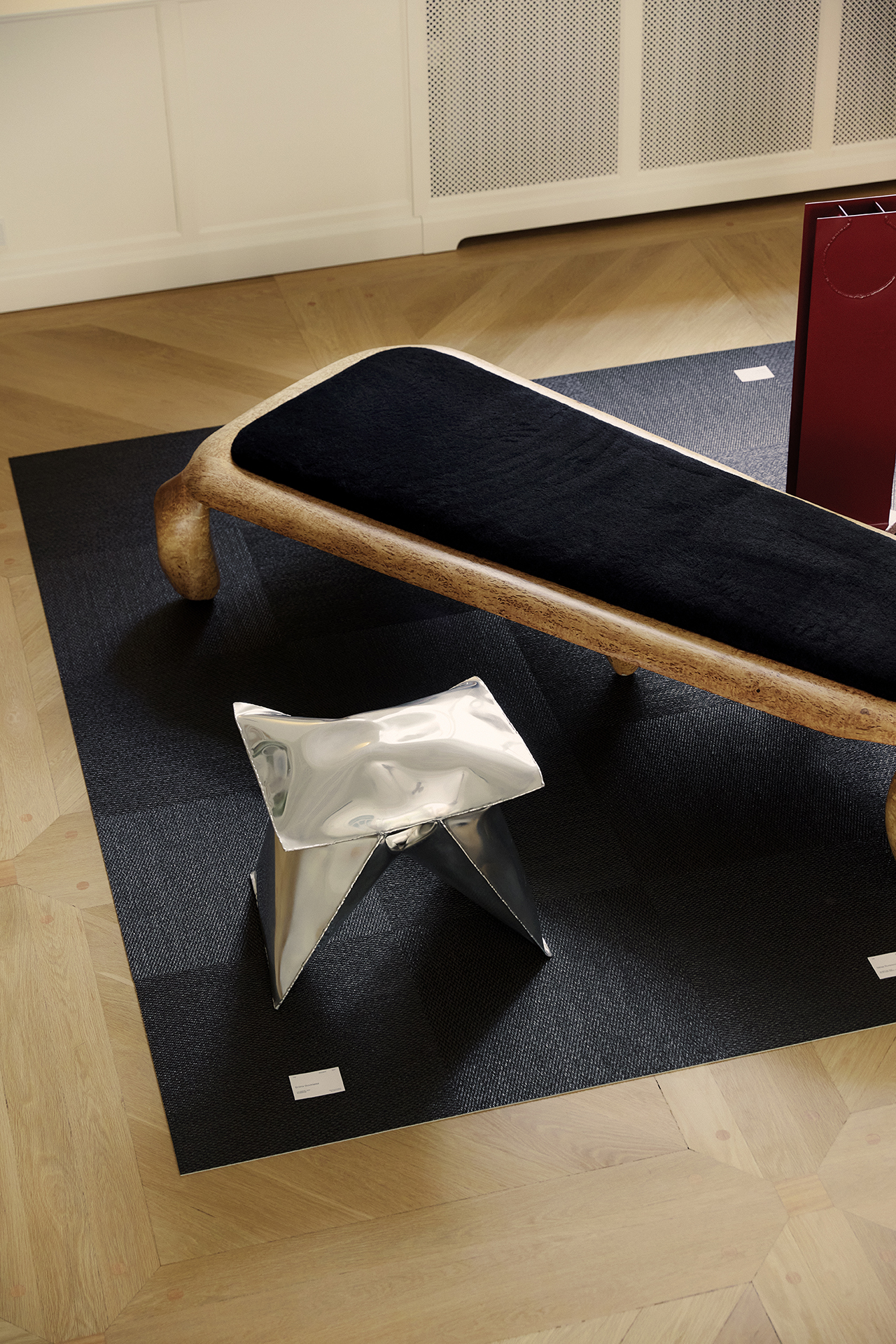
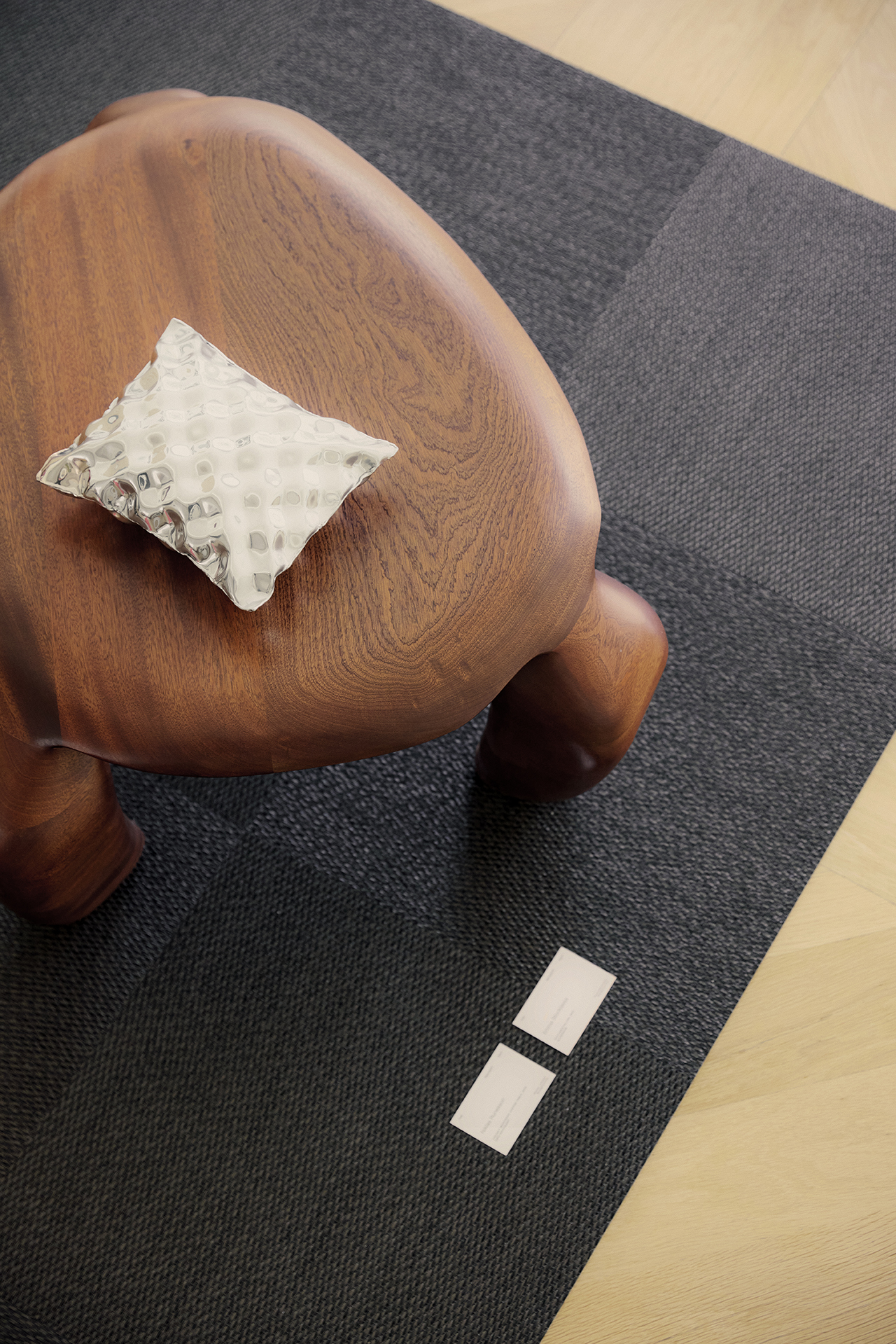
The physical arrangement of "The Redgert Edit" played a significant role in its narrative. Each vignette was meticulously placed on carpet tiles produced by the innovative Swedish brand Bolon, known for its sustainable and design-forward woven vinyl flooring. This choice of foundation itself subtly reinforced the exhibition’s theme of material intelligence and contemporary aesthetics. Within these carefully defined spaces, visitors encountered a diverse array of one-off furniture pieces, lighting, and accessories, each telling a part of the larger story of Scandinavian design’s evolution.

Spotlight on Innovation: Featured Designers and Their Works

The exhibition featured a stellar lineup of designers, each contributing to the multifaceted portrayal of modern Nordic creativity:

- Gustav Winsth, Alexander Lervik, and Niklas Runesson: These multivalent independent talents exemplified the evolving landscape where designers operate at the intersection of traditional brand collaboration and self-initiated collectible design. Their works showcased a blend of commercial viability with artistic freedom, pushing the boundaries of mass production and bespoke craftsmanship.
- Kajsa Melchior: Melchior’s work deliberately bypassed the constraints of traditional function, blurring the boundaries between object and sculpture. Her interpretations of geological formations, often rendered in unexpected materials and forms, invited viewers to consider design as a form of natural art, connecting human creation with elemental forces. Her pieces challenged the viewer to question an object’s utility versus its inherent aesthetic value.
- Erik Bratsberg: An equally multidisciplinary talent, Bratsberg contributed both experimental furnishings and layered wall sculptures. His ability to seamlessly transition between three-dimensional functional objects and two-dimensional artistic installations highlighted the fluid nature of contemporary creative practice. His work often incorporated complex textures and unconventional compositions, adding depth and visual intrigue.
- Emma Stocklassa: Stocklassa’s inflated aluminum pillows were a standout, demonstrating remarkable versatility. Extending beyond their initial appearance, these pieces served multiple uses—from smaller catch-all containers to striking wall-mounted mirrors and functional stools. Her work playfully engaged with concepts of softness and rigidity, transforming industrial materials into objects of unexpected comfort and utility.
- 91-92: This Copenhagen-based 3D-printing practice riffed on the visual perception of soft form, utilizing cutting-edge technology to create objects that defied material expectations. Their innovative use of 3D printing allowed for complex geometries and textures that would be difficult or impossible to achieve through traditional manufacturing, further emphasizing the experimental spirit of the exhibition.
- Fredrik Nielsen: A revered artist, Nielsen is known for his unique approach to southern Sweden’s rich glassblowing tradition. He infused this heritage craft with a playful and often ironic sensibility, producing vessels and other object typologies that challenged conventional notions of beauty and functionality in glass art. His work often featured vibrant colors and exaggerated forms, making a strong visual statement.
- Harriet Allure: Representing a broader cultural dialogue, Harriet Allure presented a fragrance brand that ingeniously combined diverse cultural influences. The brand blended the perceived warmth and richness of Ghana, the precision and meticulousness of Germany, and the minimalism of Sweden. This cross-cultural synthesis demonstrated how design, even in intangible forms like fragrance, can tell complex stories and bridge geographical divides, challenging the notion of a singular "Scandinavian" identity.
Broader Implications and the Future of Design

Taken together, the diverse collection presented at "The Redgert Edit" made a persuasive case for Scandinavian design as a living, unruly ecosystem rather than the easily categorized minimalism many audiences have come to expect. While material intelligence and restrained form undeniably retained their place, they were enthusiastically joined by elements of irreverence, cross-disciplinary thinking, and a willingness to let objects operate with provocation. This exhibition underscored a critical evolution: designers are no longer content with merely refining existing archetypes; they are actively seeking to redefine the very parameters of design.

For Redgert Comms, the exhibition also marked a confident and strategic expansion of its own role within this evolving ecosystem. By leveraging its extensive communications expertise to not just promote but also to conceive and construct a physical, thoughtfully layered environment, the agency transcended its traditional remit. It created a tangible setting where both emerging and established voices could be encountered as part of a wider, ongoing cultural conversation. This move positions Redgert Comms as an active participant in shaping the discourse around contemporary design, demonstrating a commitment to fostering innovation and supporting creative talent directly. The success of "The Redgert Edit" at 3daysofdesign serves as a compelling example of how communication agencies can become integral curators and facilitators in the arts, blurring the lines not only between design disciplines but also between industry roles. It signifies a future where design exhibitions are less about passive viewing and more about immersive, thought-provoking experiences that challenge perceptions and drive the global creative dialogue forward.







