
 Ali Ikhwan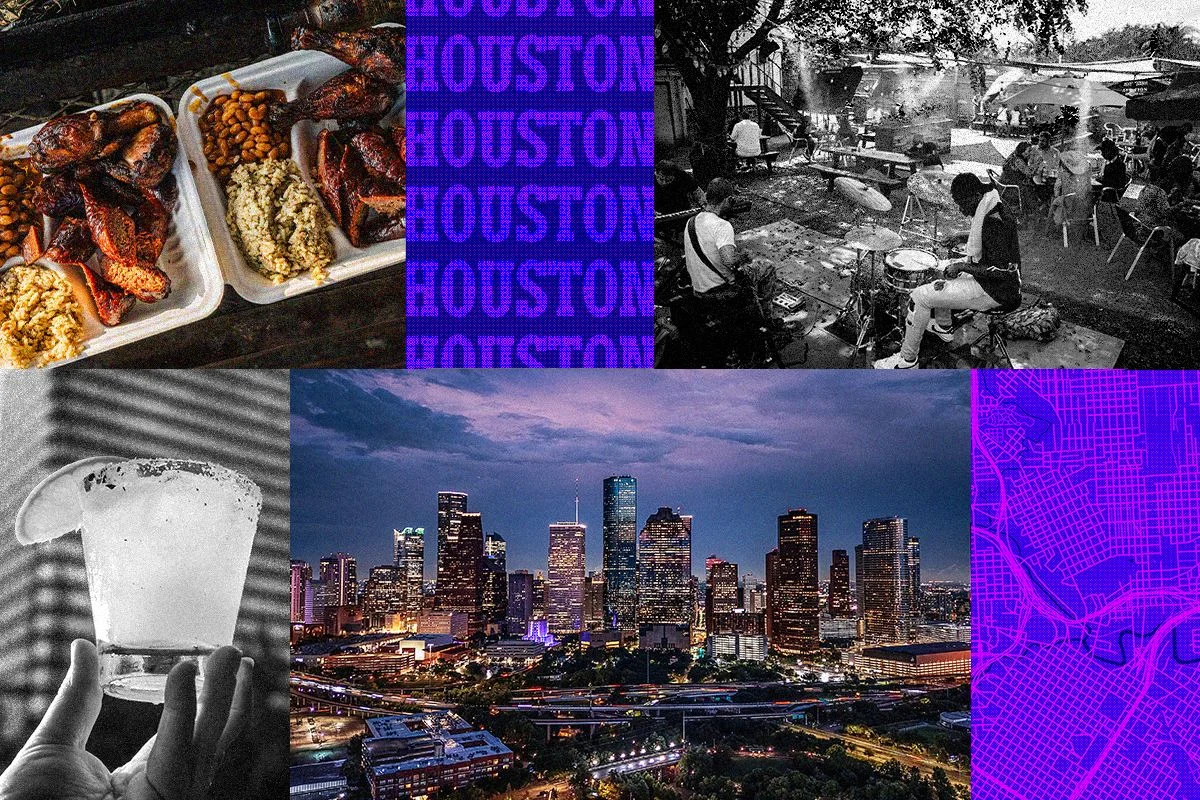
Houston, Texas, has long maintained a global reputation as the preeminent energy capital of the world, but a significant shift in its economic and cultural identity is currently underway. While the petroleum industry remains the bedrock of the local economy, the technology sector has steadily ascended to a position of prominence. Recent data from the Greater Houston Partnership indicates that more than 230,000 residents in the Houston metro area—which boasts a total population of approximately 7.9 million—are now employed in tech-related roles. This evolution is not merely an isolated trend but a strategic integration, as "techies" increasingly relocate to the city to provide specialized services to the region’s sprawling oil and gas, healthcare, and logistics sectors. As the fourth-most populous city in the United States and the largest in Texas, Houston serves as a critical node for international business, anchored by the George Bush Intercontinental Airport (IAH), a vital transit point for travel to Central and South America, and the George R. Brown Convention Center, one of the nation’s largest trade show venues.

The Chronology of Houstons Industrial and Technological Growth
The trajectory of Houston’s development is marked by several pivotal eras that have shaped its current status as a multifaceted megalopolis. Founded in 1836 on the banks of Buffalo Bayou, the city initially served as a regional commercial hub. The discovery of oil at Spindletop in 1901 transformed the region almost overnight, cementing its future as an energy titan. Throughout the mid-20th century, Houston diversified its portfolio with the establishment of the Texas Medical Center (TMC) in 1945—now the world’s largest medical complex—and the arrival of the NASA Manned Spacecraft Center in 1961.
In the 21st century, the city has entered what economists call the "Energy 2.0" era. This phase is characterized by a transition toward sustainable energy and a massive influx of venture capital into the local tech ecosystem. In 2021, the opening of the Ion District, a 16-acre innovation hub in Midtown, signaled a new chapter in Houstons history. This project, spearheaded by Rice University, was designed specifically to accelerate the growth of the city’s tech and energy startups, bridging the gap between traditional industry and modern digital innovation.

Geographic Sprawl and the Logistics of a Megalopolis
Understanding Houston requires an acknowledgment of its immense geographic footprint. The city is often defined by its "sweaty, geographic sprawl," a result of a historically lackadaisical approach to zoning laws. This lack of centralized planning has led to a unique urban layout where skyscrapers can rise adjacent to residential neighborhoods. For the business traveler, this sprawl necessitates careful planning. With limited public transportation infrastructure, a cross-town commute can frequently exceed an hour due to heavy traffic and high humidity.
Local urban planners and city officials have frequently addressed these challenges. The Greater Houston Partnership has emphasized that while the city’s size presents logistical hurdles, it also offers unparalleled opportunities for expansion and land use that are unavailable in more densely packed coastal cities. This availability of space has been a primary driver for the development of massive corporate campuses and decentralized business districts, such as the Energy Corridor and the Galleria area.

Strategic Lodging for the Global Business Traveler
In a city where proximity is the ultimate luxury, the choice of accommodation is a strategic business decision. Houston’s hotel inventory has evolved to cater to high-level executives and convention attendees, with a focus on integrated business amenities.
The Luxury Independence of Post Oak and The Houstonian
For those seeking seclusion and high-end service, The Post Oak Hotel at Uptown Houston remains a premier choice. Owned by billionaire Tilman J. Fertitta, the property blends luxury with utility, featuring an on-site spa, salon, and extensive meeting spaces. Notably, it is located near the Galleria, which continues to be a central hub for international retail and finance.

Conversely, The Houstonian Hotel, Club & Spa offers a different type of prestige. Situated on 27 acres in the West Oaks district, it provided a quiet sanctuary for former President George H.W. Bush for decades. Its 125,000-square-foot spa—the largest in Texas—serves as a testament to the city’s "bigger is better" philosophy.
Downtown Hubs and Boutique Innovations
The Marriott Marquis Houston, located adjacent to the George R. Brown Convention Center, represents the quintessential business hotel. It features over 100,000 square feet of meeting space and Houstons largest ballroom. It is perhaps most famous for its rooftop pool shaped like the state of Texas, an architectural feature that reflects the local pride often encountered in Houston business circles.

For a more subdued experience, the recently opened Hotel Saint Augustine in the Montrose neighborhood offers a boutique alternative. With only 71 rooms, it is designed to integrate seamlessly into the surrounding residential and museum district, providing a quiet retreat from the more "raucous" downtown core.
The Innovation Ecosystem: Where the Modern Workforce Convenes
As the nature of work shifts toward hybrid models, Houston has seen a proliferation of sophisticated coworking spaces that serve as the connective tissue for the city’s 230,000 tech workers.

POST Houston and the Ion District
POST Houston, located in the former Barbara Jordan Post Office, is a prime example of urban adaptive reuse. Redeveloped in 2019, it functions as a cultural and workspace hub, offering everything from single desks to full offices. Its rooftop garden and food hall make it a central gathering point for the city’s creative and technical classes.
The Ion District remains the crown jewel of Houston’s tech ambitions. As a technology park and innovation center, it houses the country’s largest climate and sustainable energy incubator. According to local economic reports, the Ion is instrumental in attracting talent from Silicon Valley and New York, offering networking events and resources specifically tailored to the energy transition.

A Culinary Powerhouse Driven by Global Diversity
If the energy sector is Houstons heart, its dining scene is its soul. Houston is frequently cited as one of the most diverse cities in the United States, a fact reflected in its 13,000 restaurants representing over 70 countries and regions. For the business traveler, the culinary landscape offers an essential tool for networking and client entertainment.
Essential Dining for Business and Leisure
- Uchiko: An extension of the Uchi empire, this Japanese concept is considered a pinnacle of Houstons high-end dining, offering a fusion of traditional sushi and innovative smokehouse techniques.
- Xochi: Located in the Marriott Marquis, this James Beard-winning establishment focuses on Oaxacan cuisine. Its mole tasting menu provides a deep dive into indigenous Mexican flavors, moving far beyond standard Tex-Mex fare.
- Brennan’s of Houston: A fixture for nearly 60 years, Brennan’s serves as the sister restaurant to New Orleans’ Commander’s Palace. It remains a "white tablecloth" essential for Cajun and Creole cuisine, famous for its turtle soup and lunchtime martinis.
- Bludorn: Chef Aaron Bludorn’s arrival from New York in 2020 marked a shift in the city’s culinary prestige. His Montrose restaurant serves "Texified" French cuisine, reflecting the city’s ability to attract and integrate global talent.
The Rise of Indigenous and Niche Concepts
Ishtia, located in the nearby town of Kemah, represents the vanguard of Houstons culinary exploration. With only 18 seats, it focuses on indigenous Choctaw cuisine, utilizing Native American ingredients and techniques. This level of specialization highlights the depth of the local food scene, which continues to evolve beyond traditional expectations.

Cultural Assets and the Museum District
Beyond business, Houston offers significant cultural depth, primarily concentrated in the Museum District. This area houses more than 20 venues, including the Menil Collection and the Museum of Fine Arts, Houston (MFAH). The MFAH is notable for its underground tunnels that connect various buildings, featuring immersive light-based art installations that have become a signature of the city’s aesthetic.
For those interested in the city’s historical contributions to science, Space Center Houston remains a "mecca" for aerospace enthusiasts. As the official visitor center for NASA Johnson Space Center, it allows visitors to view the Saturn V rocket and the historic Mission Control center, bridging the gap between the 1960s space race and modern commercial space flight.

Broader Economic Impact and Future Implications
The continued growth of Houston’s tech and energy sectors has profound implications for the broader U.S. economy. As the city transitions toward "Energy 2.0," it is positioning itself as a leader in carbon capture, hydrogen energy, and sustainable logistics. Analysts suggest that Houstons ability to leverage its existing industrial infrastructure for green technology will be a critical factor in the United States’ ability to meet global climate goals.
Furthermore, the city’s unique "SLAB" (Slow, Loud, and Bangin’) car culture and its proximity to the coastal charm of Galveston provide a distinct cultural identity that continues to attract a diverse workforce. While the challenges of traffic and humidity remain, the city’s economic vitality and culinary excellence provide a compelling argument for its continued rise as a global destination.

In conclusion, Houston is no longer just a transit point or a specialized industrial hub. It is a complex, evolving megalopolis that demands attention for its technological innovation, cultural diversity, and strategic importance in the global marketplace. Whether visiting for a trade show at the George R. Brown Convention Center or conducting high-stakes energy negotiations, travelers will find a city that is as ambitious as it is expansive.







