Cintya Tara Annisa
The specialty coffee industry continues to witness a surge in consumer demand for transparency, regional specificity, and innovative processing methods. This week, the Roaster’s Village—a collaborative platform showcasing elite roasting partners—has released its latest collection of whole-bean offerings. These selections represent a diverse cross-section of the global coffee landscape, ranging from rare botanical varieties like Gesha and Pink Bourbon to socially conscious blends and technologically advanced fermentation experiments. The current roster includes contributions from twenty distinguished roasters, highlighting the intricate relationships between producers, exporters, and roasters that define the modern specialty market.
The Rise of Rare Varieties and High-Altitude Terroir
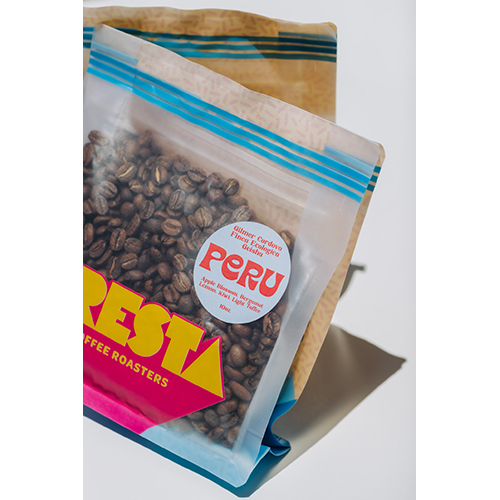
A significant portion of this week’s highlights focuses on the Gesha (or Geisha) variety, often considered the most prestigious lineage in specialty coffee due to its complex floral and tea-like characteristics. Presta Coffee Roasters has introduced a Peru-based Gesha from Gilmer Mejia Cordova’s Finca Ecológica Agua Colorada. Located in the Huabal district of Cajamarca, the farm benefits from high elevations and volcanic soil. The significance of this specific producer is underscored by historical performance; a Gesha from Cordova’s estate secured 6th place in the 2017 Peru Cup of Excellence. This washed-process lot is characterized by elegant floral aromatics and refined sweetness, reflecting the rigorous organic farming practices prevalent in the region.
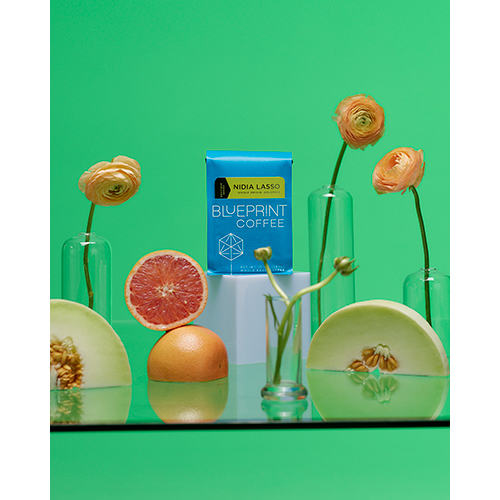
Similarly, Blueprint Coffee’s Boutique Series features a Colombian Gesha produced by Nidia Lasso. This offering emphasizes the "clean" profile sought by connoisseurs, utilizing the traditional washed method to showcase honeydew, candied citrus, and jasmine notes. The inclusion of such high-tier coffees in weekly rotations indicates a maturing market where consumers are increasingly willing to invest in premium, single-farm micro-lots.
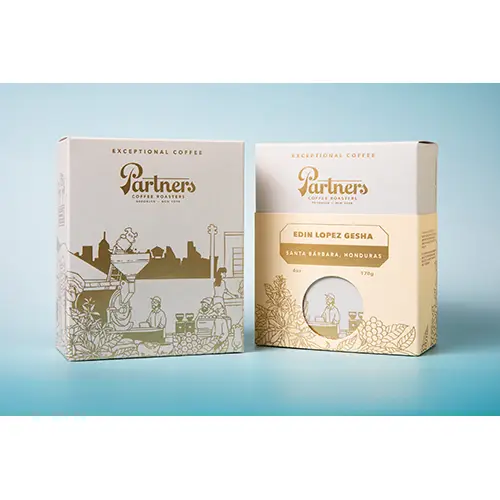
Partners Coffee Roasters further explores the potential of the Gesha variety with an offering from Edin Geovany Lopez in Santa Bárbara, Honduras. Unlike the traditional washed methods seen in the Peruvian and Colombian examples, this lot underwent fermentation in sealed tanks to limit oxygen exposure. This anaerobic environment results in a syrupy body and concentrated fruit notes, including blackberry and peach, demonstrating how controlled fermentation can alter the traditional flavor profile of a known variety.
Regional Innovation and Experimental Processing
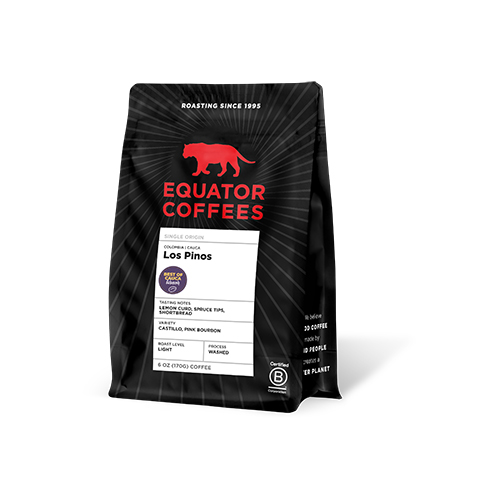
Beyond the Gesha variety, roasters are highlighting unique mutations and processing innovations. Equator Coffees has secured a lot from the 2025 Best of Cauca competition, featuring a blend of Castillo and Pink Bourbon varieties from Colombia’s Los Pinos estate. The Pink Bourbon, a hybrid known for its striking pink cherries and bright acidity, contributes notes of lemon curd and spruce tips. The success of such varieties in regional competitions often leads to higher farm-gate prices, providing economic incentives for farmers to maintain diverse botanical gardens.
In the realm of experimental processing, PERC Coffee has introduced "Super Power Plum," a selection from renowned producer Diego Bermudez. Bermudez is a pioneer in thermal shock and advanced fermentation techniques. This specific lot is noted for its intense fruit-forward profile, mimicking the flavors of red plum and raspberry through precise microbial control.
Verve Coffee Roasters is also pushing the boundaries of traditional flavor profiles with its Wilder Blend. This product utilizes yeast-inoculated Colombian coffees blended with Ethiopian heirloom varieties. Yeast inoculation allows roasters and producers to "design" a sensory goal by introducing specific strains of yeast during the fermentation phase to amplify aromatics and sweetness without compromising the coffee’s structural integrity.
Social Equity and Institutional Collaborations
The specialty coffee sector is increasingly being used as a vehicle for social change and community support. Joe Coffee Company’s "Café Feminista" program stands as a primary example. This initiative exclusively sources coffee from women producers who are actively working toward equity and liberation within the industry. By providing a platform for these leaders, the program aims to reduce systemic barriers and challenge traditional power dynamics in coffee-producing regions.
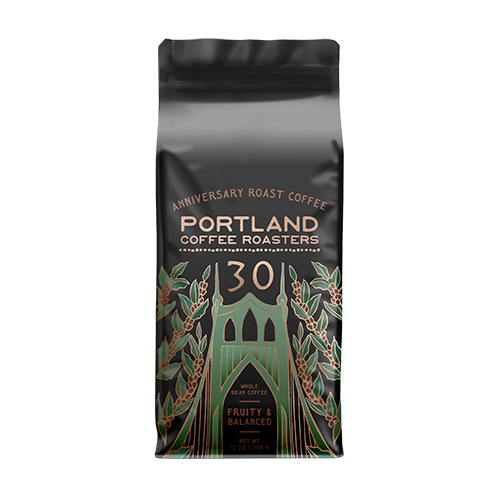
Collaborations with public institutions also provide a unique revenue stream for both roasters and community organizations. Portland Coffee Roasters has partnered with Oregon Public Broadcasting (OPB) to launch "OPBEANS." This 100% women-produced, washed organic coffee from Honduras serves as a bridge between consumer habits and public media support. Such partnerships illustrate a growing trend where coffee serves as a "mission-driven" commodity, aligning consumer purchases with broader social or civic values.
Seasonal Blends and the Evolution of the Flagship Product
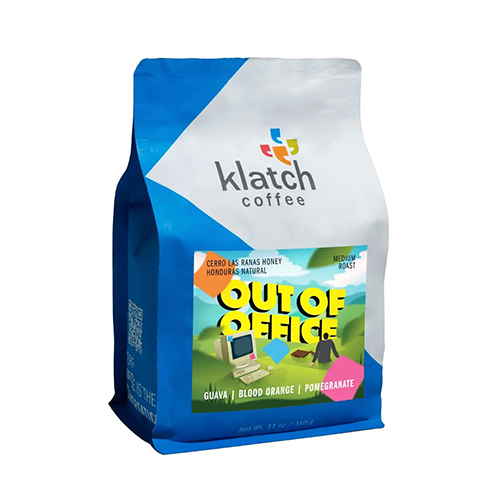
While single-origin micro-lots capture the attention of enthusiasts, roasters continue to refine their seasonal and flagship blends to maintain consistency and brand identity. Klatch Coffee has brought back its "Out of Office" blend, a summer-focused product combining honey-processed El Salvadorian beans with natural-processed Honduran beans. The use of different processing methods within a single blend allows for a complex balance of body and acidity.
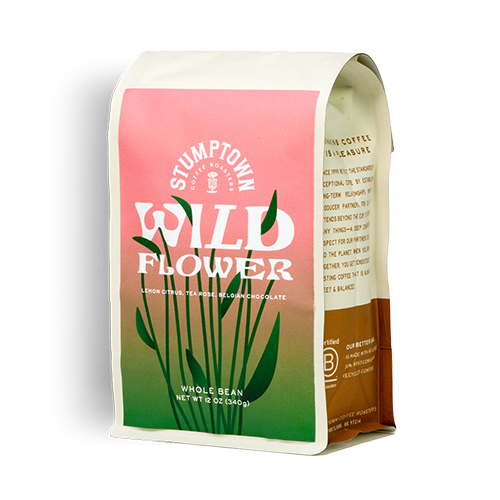
Stumptown Coffee Roasters’ "Wild Flower" blend takes a cross-continental approach, pairing beans from the Kuta Mill in Papua New Guinea with those from Huye Mountain in Rwanda. This blend is designed to capture the floral, bright characteristics associated with spring, showcasing how roasters can manipulate seasonal availability to create specific flavor narratives.

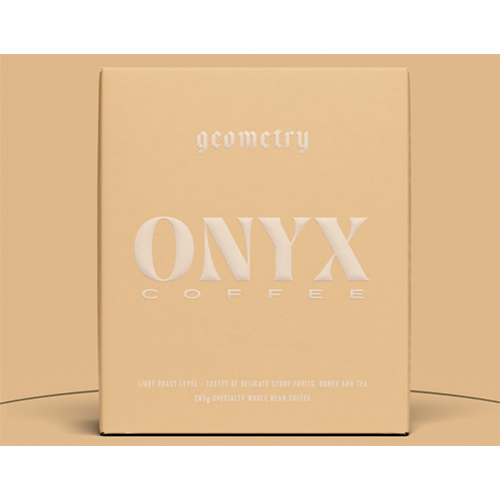
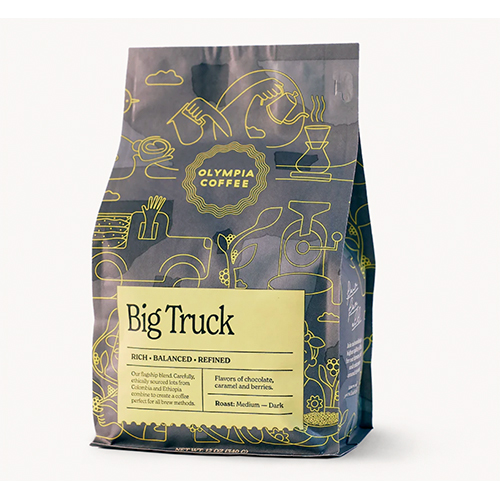
Flagship blends like Olympia Coffee’s "Big Truck" and Onyx Coffee Lab’s "Geometry" represent the "reliable" end of the specialty spectrum. "Big Truck" focuses on ethically sourced lots from Colombia and Ethiopia, designed to perform well across all brewing methods, from espresso to pour-over. Onyx’s "Geometry" blend follows a similar philosophy, utilizing washed processed Ethiopian and Colombian beans to create a versatile profile that is easy for home brewers to "dial in," a term used in the industry to describe the process of adjusting grind and temperature for optimal extraction.
Chronology of the Weekly Selection Process
The curation of the Roaster’s Village collection follows a systematic weekly cycle designed to ensure maximum freshness and relevance.
- Monday-Tuesday: Roasting partners submit their most recent and high-performing lots for consideration. These submissions include detailed data on farm altitude, variety, processing method, and cupping scores.
- Wednesday: The curation team reviews the submissions to ensure a diverse geographic and sensory representation. This prevents a market oversaturation of one specific region or profile.
- Thursday: Detailed descriptions and tasting notes are finalized, often incorporating direct quotes and historical context from the roasters’ sourcing teams.
- Friday: The list is released to early subscribers via digital newsletters, providing a first-look at limited-release micro-lots that may sell out quickly.
- Weekend: The full collection is made available to the general public, accompanied by educational content regarding the featured producers and techniques.
Market Context and Industry Implications
The diversity of this week’s offerings reflects broader shifts in the global coffee market. According to recent industry reports, the specialty coffee segment is expected to continue its growth at a CAGR (Compound Annual Growth Rate) of approximately 11% through 2030. This growth is driven by a "premiumization" trend where consumers seek higher quality and more ethical supply chains.
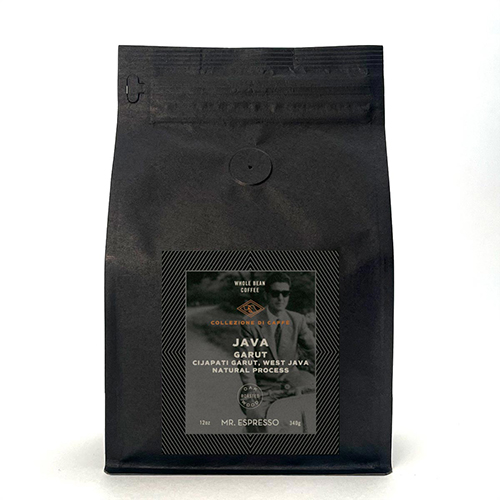
The inclusion of coffees like Mr. Espresso’s Java Garut—a natural-processed coffee from a region (West Java) typically known for washed or semi-washed processing—indicates that even traditional growing regions are diversifying their methods to meet modern tastes. Grown in volcanic loam soil at 4,000 feet, the Java Garut offers passion fruit and papaya notes, a significant departure from the earthy, spicy profiles traditionally associated with Indonesian coffee.
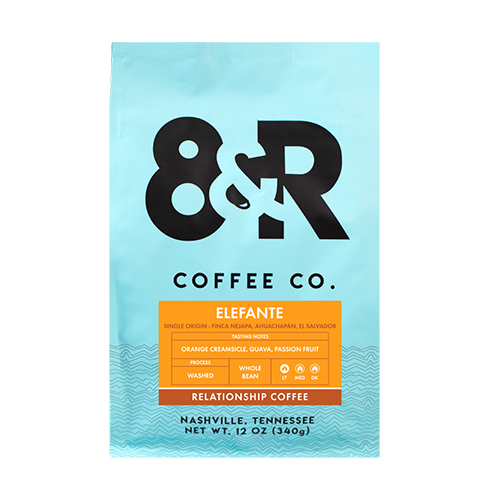
Furthermore, the emphasis on transparency and direct relationships, as seen in 8th & Roast’s "Elefante" (sourced through a long-term friendship with the Rodriguez family at Finca Nejapa), highlights the shift away from anonymous commodity trading. These direct-trade models often ensure that a higher percentage of the final retail price returns to the farm level, fostering long-term sustainability.
Impact on Consumers and Producers
For the consumer, the Roaster’s Village provides a curated entry point into a complex and often overwhelming marketplace. By vetting roasters and highlighting specific lots, the platform reduces the "choice paralysis" often associated with specialty coffee.
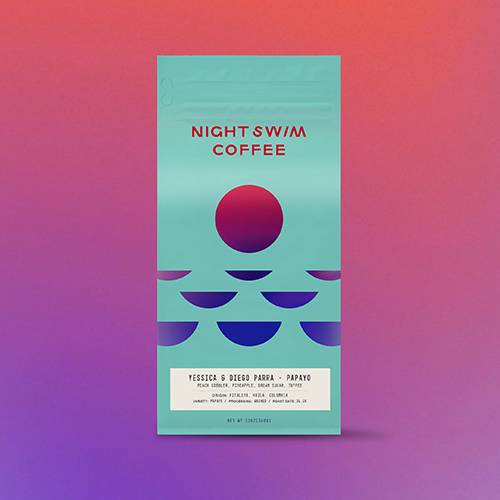
For the producers, such as Yessica and Diego Parra (featured by Night Swim Coffee), being highlighted by international roasters provides vital visibility. The Parras, young farmers in Pitalito, Colombia, represent the next generation of coffee producers. In an era where the average age of a coffee farmer is rising globally, supporting young producers who utilize modern agricultural techniques and varieties (like the Papayo variety used in their lot) is essential for the industry’s future.

As the specialty coffee landscape continues to evolve, the intersection of technology, social equity, and traditional craft will remain the primary driver of quality. The current selections from the Roaster’s Village serve as a testament to this ongoing evolution, offering a snapshot of a global industry that is increasingly interconnected, innovative, and focused on the pursuit of the perfect cup.