
 Ali Ikhwan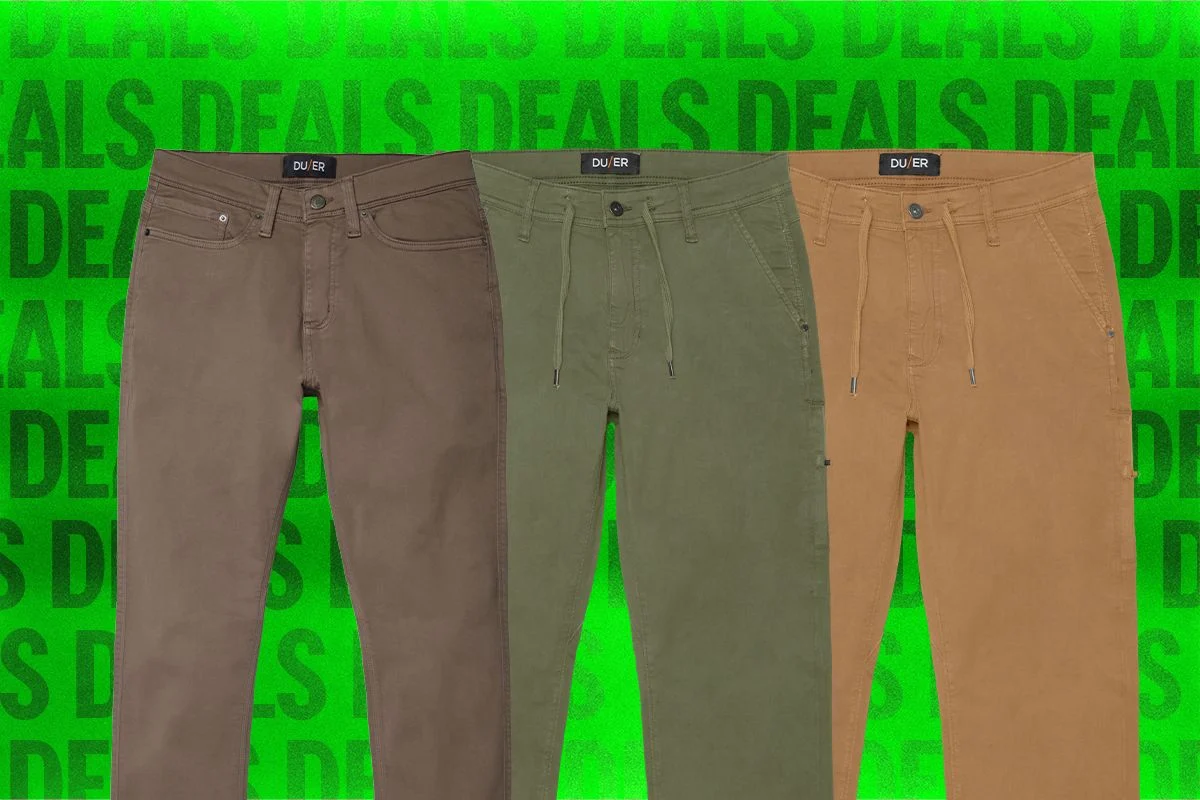
Retail markets across North America are undergoing a significant recalibration as the traditional midsummer promotional calendar shifts to accommodate the massive gravitational pull of Amazon Prime Day. Historically, the Independence Day holiday served as the primary anchor for July retail activity; however, the acceleration of Amazon’s summer sales event has forced major competitors to synchronize their discount schedules earlier in the season. Despite this shift, the 2024 July 4th sales window remains a critical period for specialized sectors, particularly in the outdoor, home improvement, and performance apparel industries. While Amazon captures the broad consumer electronics and household goods segments, retailers like REI, Backcountry, Home Depot, and Lululemon are leveraging the holiday weekend to capture market share in high-utility, enthusiast-grade categories.
The Competitive Landscape of Midsummer Retail
The retail environment in 2024 has been defined by a strategic "arms race" between e-commerce giants and brick-and-mortar incumbents. Industry data from the National Retail Federation (NRF) indicates that consumer spending during the July 4th period remains robust, driven by a combination of seasonal travel preparations and home renovation projects. To compete with the logistical dominance of Amazon, specialty retailers have focused on curated inventory and technical expertise—areas where broad-spectrum e-commerce platforms often struggle to provide deep value.
REI, for instance, has positioned its Independence Day event as a primary clearance window for spring and early summer technical gear. This move is mirrored by Backcountry, which targets the high-end enthusiast market. In the home sector, Home Depot has utilized the holiday to drive sales in outdoor living and major appliances, categories that typically require more consumer deliberation than the impulse-buy nature of Prime Day. Meanwhile, Lululemon continues to utilize its "We Made Too Much" inventory management strategy to maintain brand prestige while offering seasonal price reductions to clear warehouse space for autumn collections.
The Strategic Rise of Performance Apparel: A Duer Case Study
Among the specific brand movements this season, the Canadian performance apparel company Duer has emerged as a focal point for industry analysts and consumer advocates. Founded on the principle of bridging the gap between high-fashion aesthetics and technical outdoor functionality, Duer represents a growing "athleisure-to-office" trend that has gained significant traction in the post-pandemic labor market.
The brand is notable for its infrequent use of promotional pricing, which makes the current 20 to 35 percent discounts across its catalog a significant market event. Duer’s product philosophy centers on the integration of performance fibers—such as Tencel, a lyocell fiber derived from wood pulp—into traditional silhouettes like denim and chinos. This technical integration allows for enhanced breathability, moisture-wicking properties, and superior durability compared to standard cotton garments.
Technical Analysis of the No Sweat Series
A cornerstone of the Duer inventory currently on sale is the "No Sweat" Relaxed Taper pant. From a textile engineering perspective, these garments utilize a proprietary blend of cotton, polyester, and spandex, reinforced with triple-stitching in high-stress areas. The inclusion of a hidden gusset is a critical design feature intended to increase the range of motion, a requirement for consumers who transition directly from professional environments to outdoor activities such as hiking or cycling.
Market analysis suggests that the "No Sweat" line addresses a specific consumer pain point: the desire for professional-looking attire that does not sacrifice the comfort of athletic wear. In a retail climate where the average price point for high-end performance pants hovers around $100, Duer’s current sale prices represent a strategic entry point for new customers who might otherwise be deterred by the brand’s premium positioning.
Consumer Behavior and the "Quality-Over-Quantity" Shift
The 2024 sales data reflects a broader shift in consumer psychology. Economists note that while inflation has impacted discretionary spending, there is a measurable trend toward "investment pieces"—high-quality items that offer a lower cost-per-wear over time. This is particularly evident in the men’s apparel sector, where there is a move away from the "fast fashion" model toward durable, multi-functional wardrobes.
Duer’s "PurePima Only Tee" and "Air Flow Pique Polo" are indicative of this trend. By utilizing Pima cotton—a long-staple fiber known for its softness and durability—Duer is targeting a consumer demographic that prioritizes longevity and fit retention after multiple wash cycles. The Air Flow Pique Polo, specifically, utilizes a mesh-like knit structure that maximizes airflow, catering to the increasing demand for high-performance summer travel gear.
Timeline of the 2024 Summer Sales Cycle
The chronology of the current retail season illustrates the frantic pace of modern commerce:
- Early June: Initial "Early Bird" sales launched by outdoor retailers to capture pre-summer vacation spending.
- Mid-June: Amazon Prime Day creates a massive surge in overall e-commerce traffic, forcing competitors like Target and Walmart to launch simultaneous "Circle Week" and "Deals for Days" events.
- Late June: Specialized brands (Duer, Lululemon) begin rolling out "pre-holiday" discounts to clear seasonal inventory.
- July 1–4: The peak Independence Day sales window, characterized by deep discounts on outdoor gear, grills, and seasonal apparel.
- Post-July 4: A transition period toward "Back to School" marketing, with remaining summer inventory moving to clearance status.
Economic Implications and Industry Analysis
The aggressive discounting observed this July 4th is not merely a holiday tradition; it is a response to inventory management challenges. According to retail logistics experts, many brands are still recalibrating their supply chains following the disruptions of previous years. By offering significant discounts on popular lines—such as the Performance Denim+ and Live Lite Traveller Pant—brands are able to maintain liquid capital and make room for Q3 and Q4 product launches.
Furthermore, the "Gorpcore" trend—the adoption of technical outdoor gear as daily fashion—continues to drive sales for brands like REI and Duer. As more consumers engage in "micro-adventures" and domestic travel, the demand for clothing that can withstand various environments (the "business meeting to camping trip" pipeline) has stabilized as a permanent market segment rather than a passing fad.
Official Responses and Market Sentiment
While major retailers rarely issue public statements regarding their competitive posture against Amazon, the strategic alignment of their sales calendars speaks volumes. Industry insiders suggest that the goal is no longer to "beat" Amazon in volume, but to win in "basket quality." By focusing on high-margin, technical products like the Duer catalog or specialized camping equipment at REI, these retailers can maintain profitability even while offering 20 to 35 percent discounts.
Consumer sentiment reports indicate that while shoppers are price-conscious, they remain loyal to brands that provide a clear technological advantage. The success of Duer’s current promotional event is attributed to the brand’s reputation for durability. In an era where a $50 t-shirt is a significant investment for the average consumer, the assurance that the garment will maintain its shape and function through rigorous use is the primary driver of conversion.
Broader Impact and Future Outlook
The 2024 July 4th sales window serves as a bellwether for the remainder of the retail year. The success of performance-oriented brands suggests that the "functional fashion" market will continue to expand. We can expect to see further innovations in fabric science, with a particular focus on sustainable materials like Tencel and recycled synthetics, as brands look to differentiate themselves in a crowded marketplace.
For the consumer, the current landscape offers a unique opportunity. The "Prime Day effect" has effectively extended the summer discount season, allowing for more deliberate purchasing decisions. As retailers continue to battle for attention in the wake of Amazon’s dominance, the emphasis on quality, durability, and technical performance is likely to remain the winning strategy for specialized brands. Whether preparing for summer travel, a rugged camping excursion, or simply seeking a more versatile professional wardrobe, the current intersection of holiday sales and performance innovation provides a significant value proposition for the informed shopper.







