
 Ali Ikhwan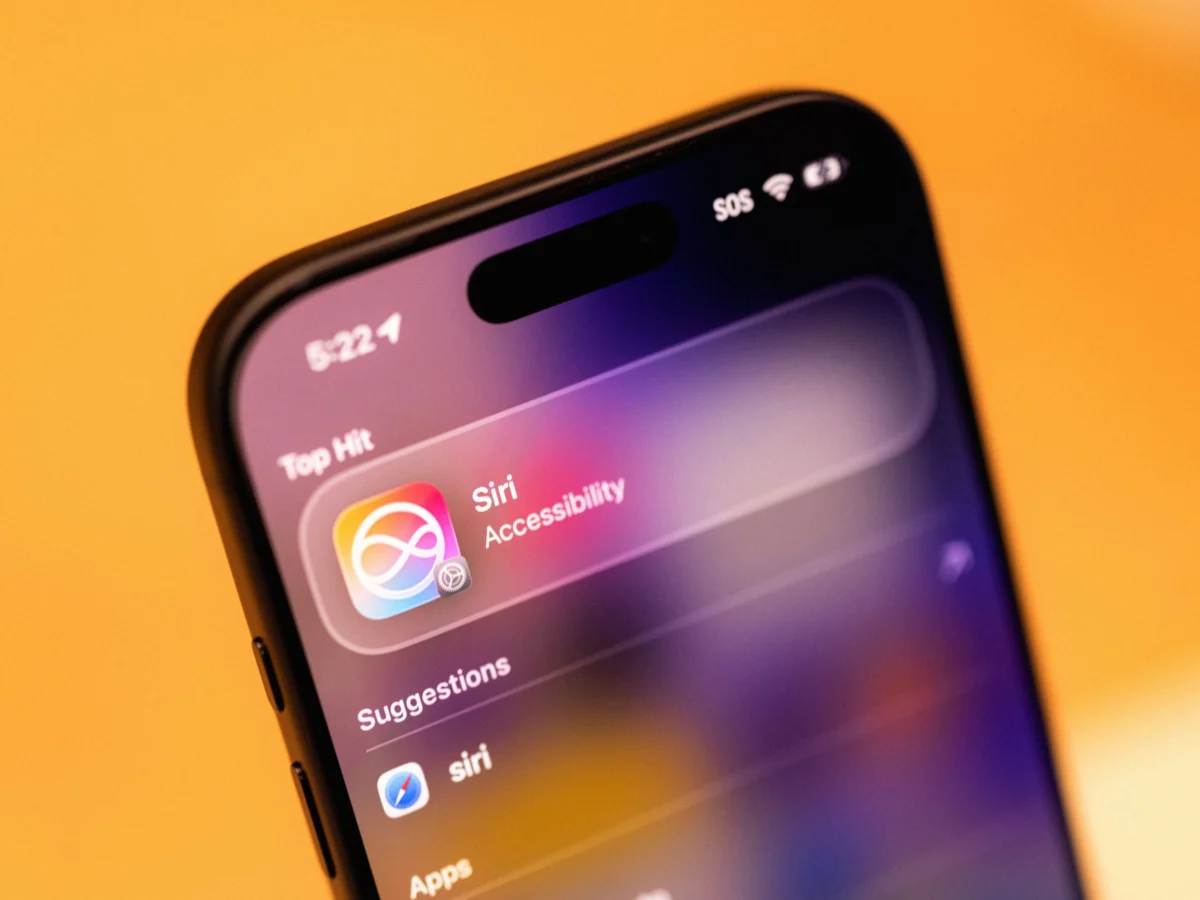
Apple has officially released the public beta of iOS 27, marking a pivotal moment in the company’s decade-long effort to modernize its virtual assistant. This release represents the first time the general public can access the significantly overhauled "Siri AI," a cornerstone of the Apple Intelligence suite first unveiled at the Worldwide Developers Conference (WWDC) in June. The update transitions Siri from a basic voice-command interface into a sophisticated, system-wide generative AI agent capable of understanding personal context, onscreen content, and complex natural language queries.
The deployment of Siri AI via the iOS 27 public beta follows several months of developer testing and reflects Apple’s strategic pivot toward on-device machine learning and large language models (LLMs). While previous iterations of Siri were often criticized for limited functionality and a lack of conversational depth, the new version is designed to act as a cohesive layer across the entire operating system, integrating deeply with native apps and third-party services to provide a more proactive user experience.
The Evolution of Siri: From Voice Command to Generative Agent
To understand the significance of iOS 27, it is necessary to look at the chronology of Apple’s assistant. Siri was first introduced as a standalone app in 2010 and integrated into the iPhone 4S in 2011. For years, it relied on a "command-and-control" architecture, where specific phrases triggered hard-coded responses. This model struggled to keep pace with the rise of generative AI, such as OpenAI’s ChatGPT and Google’s Gemini, which offer fluid, creative, and context-aware interactions.

At WWDC 2026, Apple leadership acknowledged this gap by introducing Apple Intelligence. The roadmap for Siri AI includes a multi-phase rollout:
- Phase One (Developer Beta): Initial testing of the new visual interface and basic generative text capabilities.
- Phase Two (Public Beta): Integration of personal context indexing and onscreen awareness for early adopters.
- Phase Three (General Release): Full deployment of "App Intents," allowing Siri to perform hundreds of specific actions within various applications.
This progression highlights Apple’s cautious approach to AI, prioritizing privacy and system stability over the rapid deployment of unpolished features. By the time iOS 27 reaches the public beta stage, the infrastructure for a more "human-like" assistant is firmly in place.
Technical Architecture: Personal Context and Semantic Indexing
A fundamental shift in Siri AI is its ability to understand the user’s "personal context." This is achieved through a process known as semantic indexing. Once a user installs the iOS 27 beta, the device begins a background process—labeled in settings as "Optimizing Search and Siri"—to build a searchable database of the user’s data. This includes emails, text messages, calendar appointments, photos, and even interactions within specific apps.
Josh Clark, principal at digital-design agency Big Medium and coauthor of Sentient Design, notes that this integration gives Apple a distinct advantage. Unlike third-party chatbots that operate in a vacuum, Siri is "cooked into the operating system." This allows the assistant to answer questions like, "What time does my mother’s flight land?" by cross-referencing an email confirmation with real-time flight tracking data, all without the user needing to switch apps.

The indexing process is resource-intensive. Early testers have reported that it can take anywhere from a few days to over a week to complete, depending on the volume of data stored on the device and the specific hardware being used. Apple has included a progress bar in the latest beta versions to manage user expectations during this period.
System-Wide Integration and New User Interfaces
The iOS 27 update introduces several new ways to interact with Siri, moving beyond the traditional long-press of the side button.
The Chatbot-Style Interface
One of the most visible additions is a dedicated Siri app that functions similarly to a chat log. This interface allows users to view past interactions, resume previous threads, and type queries instead of speaking them. While it lacks a persistent "memory" of user preferences in the current beta—meaning users may still need to repeat specific details like dietary restrictions in new threads—it represents a move toward the "thread-based" interaction model popularized by modern AI platforms.
Onscreen Awareness
Siri now possesses "Visual Intelligence," enabling it to perceive what is happening on the user’s screen. If a user is viewing a social media post about a specific event, they can ask, "Where is this happening?" and Siri will parse the text and images on the screen to provide an answer. This capability extends to the Camera app, which now features a dedicated Siri tab. By pointing the camera at an object or text, users can receive instant context, web links, or translations.

Writing Tools and Creative Assistance
The "Write with Siri" feature integrates generative text capabilities directly into the keyboard and text-entry fields. Users can highlight a draft of a message and ask Siri to change the tone, summarize the content, or expand on specific points. In real-world testing, this has proven effective for drafting complex emails or organizing thoughts into structured lists within the Notes app.
Hardware Requirements and Market Implications
The sophisticated nature of Siri AI necessitates significant computational power, leading to strict hardware requirements. Siri AI is only available on the iPhone 15 Pro, iPhone 15 Pro Max, and the newer iPhone 16 series. For the iPad and Mac, devices must be equipped with an M1 chip or later.
This hardware gatekeeping is a strategic move for Apple. According to Nabila Popal, a senior research director at International Data Corporation (IDC), the integration of AI is expected to drive a significant upgrade cycle. "The accessibility of Siri AI and its integration across the operating system were really well done," Popal stated, noting that while Android competitors like Google’s Pixel and Samsung’s Galaxy series have already introduced similar features via Gemini, Apple’s vast and loyal user base represents a massive market for these technologies once they are perfected.
Data from IDC suggests that AI-capable smartphones will see a 364% year-over-year growth in 2024, reaching roughly 234 million units. Apple’s entry into this space with iOS 27 is expected to solidify the "AI Phone" as the new standard for the premium smartphone segment.

Privacy and Data Security in the AI Era
Apple has positioned privacy as the primary differentiator between Siri AI and its competitors. Much of the processing for Siri AI occurs on-device, ensuring that sensitive personal data never leaves the user’s hardware. For more complex tasks that require greater computational power, Apple utilizes "Private Cloud Compute." This system uses dedicated Apple silicon servers to process requests without storing user data or making it accessible to Apple itself.
Users also maintain granular control over Siri’s access. In the iOS 27 settings menu, users can toggle "App Access" for individual applications, preventing Siri from learning from specific sources. Additionally, the "Keep Conversations" tab allows users to set an expiration date for their chat history, ranging from 30 days to one year, or to keep them indefinitely.
Industry Reactions and Competitive Landscape
The reaction from the tech industry has been a mix of praise for Apple’s integration and skepticism regarding the timing. Critics point out that Google and Samsung have had similar "Circle to Search" and generative AI features for several months. However, analysts suggest that Apple’s strength lies in the "ecosystem effect."
By deploying Siri AI across iPhone, iPad, Mac, and even the Vision Pro, Apple creates a seamless assistant that follows the user across devices. This cross-platform utility is something that competitors, who often rely on a mix of different operating systems and hardware manufacturers, have struggled to replicate with the same level of polish.

In statements regarding the beta release, Apple emphasized that this is a "multi-year journey." The company expects to iterate on Siri AI frequently throughout the iOS 27 lifecycle, adding more "world knowledge" and refining the assistant’s ability to handle multi-step tasks across different apps.
Conclusion and Future Outlook
The iOS 27 public beta is more than a simple software update; it is a fundamental reconfiguration of the iPhone’s user interface. By building Siri into the "backbone" of the device, Apple is attempting to solve the problem of information overload. Instead of users digging through a "black hole" of thousands of photos, texts, and emails, Siri AI acts as an intelligent librarian capable of surfacing the right information at the right time.
For early adopters, the beta offers a glimpse into a future where the smartphone is not just a tool for running apps, but a proactive partner in navigating daily life. While the software remains in beta and may contain bugs or incomplete features, the initial performance of Siri AI suggests that Apple has successfully laid the groundwork for a new era of personal computing. As the system continues to index more data and Apple rolls out further updates, the gap between traditional voice assistants and true personal intelligence is expected to close, permanently changing how millions of people interact with their technology.







