Cintya Tara Annisa
The independent gaming landscape has seen a significant shift toward the "cozy game" genre, a movement characterized by low-stress mechanics, atmospheric storytelling, and a focus on interpersonal connection. At the forefront of this movement is Toge Productions, whose latest release, Coffee Talk Tokyo, marks a significant geographic and thematic expansion for the franchise. Moving the setting from the rain-slicked streets of Seattle to a quiet corner of Tokyo in the year 2026, the game introduces players to a narrative built upon the foundations of Japanese hospitality, traditional folklore, and the specific aesthetic of the "Jazz Kissa." Published by Chorus Worldwide, this installment seeks to deepen the series’ established formula by integrating specific cultural nuances and a refined visual language that distinguishes it from its predecessors.
The Narrative Framework and Cultural Setting
The narrative of Coffee Talk Tokyo unfolds over 17 chapters, meticulously timed to coincide with the sweltering peak of the Japanese summer. The gameplay begins on July 31 and concludes on August 15, aligning with the final night of the Obon holiday—a traditional Japanese Buddhist custom for honoring the spirits of one’s ancestors. This temporal setting is not merely cosmetic; it informs the mood of the game, as the heat of the Tokyo summer serves as a backdrop for the "slow-burn" revelations of its characters.
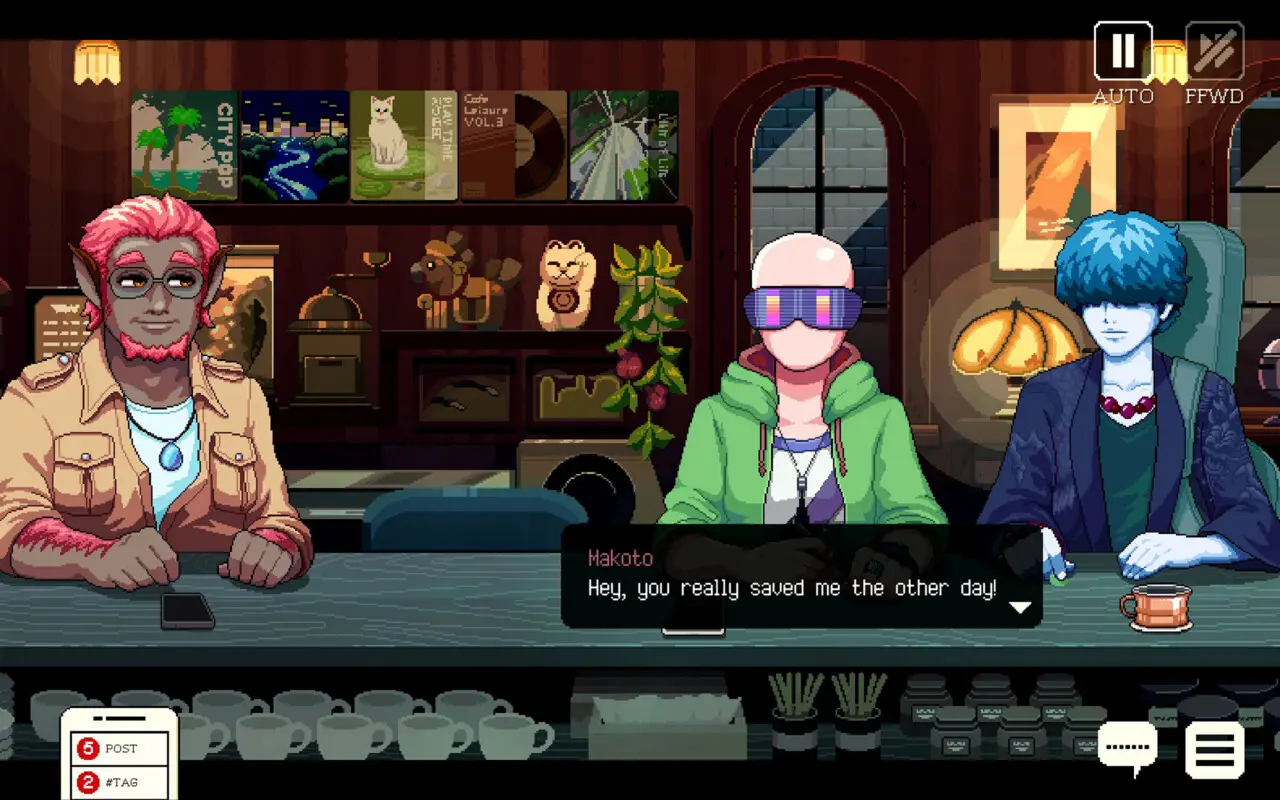
The game focuses on the concept of the Jazz Kissa, a uniquely Japanese institution. Originating in the early 20th century, these cafes were established as spaces where patrons could listen to imported jazz records that were otherwise too expensive for individual purchase. Over time, Jazz Kissas evolved into sanctuaries of focused listening and quiet contemplation. Coffee Talk Tokyo leans heavily into this history, utilizing a soundtrack inspired by City Pop—a genre of Japanese pop music that peaked in the 1980s and has seen a global resurgence in recent years—to establish its "late-night digital refuge" atmosphere.

Central to the gameplay is the philosophy of omotenashi. Often translated as "hospitality," the term encompasses a deeper meaning: to look after guests wholeheartedly and anticipate their needs before they are explicitly stated. In the context of the game, the player assumes the role of the shop owner, acting as a constant presence for a revolving door of regulars who seek more than just a caffeinated beverage.
Character Dynamics and Societal Commentary
True to the series’ roots, Coffee Talk Tokyo features a diverse cast that blends the mundane with the mythological. The world is populated by humans, yokai (supernatural entities from Japanese folklore), and even ghosts. This supernatural element serves as a metaphor for the "outsider" experience, allowing the developers to address complex societal issues within a fictional framework.
A pivotal addition to the cast is Vin, the player’s non-binary assistant. Vin serves as a sounding board during the opening hours of the shift, providing a bridge between the player and the patrons. The character is portrayed with a focus on resilience, navigating chronic pain while maintaining a warm, welcoming presence for the shop’s guests. Through Vin and the various patrons, the game explores themes of identity, the pressures of urban life, and the search for belonging in a rapidly changing society.
The inclusion of returning characters, such as Hendry from the original Seattle-based games, provides a sense of continuity for long-term fans while emphasizing the global nature of coffee culture. One notable narrative thread involves Ayami, a yurei (ghost) character whose presence draws parallels to contemporary Japanese literature, specifically the themes of memory and loss found in Toshikazu Kawaguchi’s Before the Coffee Gets Cold series.
Technical Evolution: Art and Sound
The aesthetic presentation of Coffee Talk Tokyo represents a technical step forward for Toge Productions. The game utilizes elevated pixel art, a collaboration with the artist known as cro_iz. This visual style maintains the nostalgic "lo-fi" appeal of the original titles while introducing more intricate environmental details and more fluid character animations. The use of color palettes specifically chosen to evoke the "neon-and-shadow" atmosphere of Tokyo at night further immerses the player in the setting.
The auditory experience is equally prioritized. The City Pop-inspired soundtrack is designed to mimic the curated playlists of a real-world Jazz Kissa. By blending soft jazz with the upbeat yet melancholic undertones of City Pop, the game creates a sensory experience that encourages the player to slow down. Industry analysts note that the success of the Coffee Talk series is largely attributed to this "vibes-based" gameplay, where the atmosphere is as critical to the product as the mechanics.
Gameplay Mechanics: The Art of the Pour
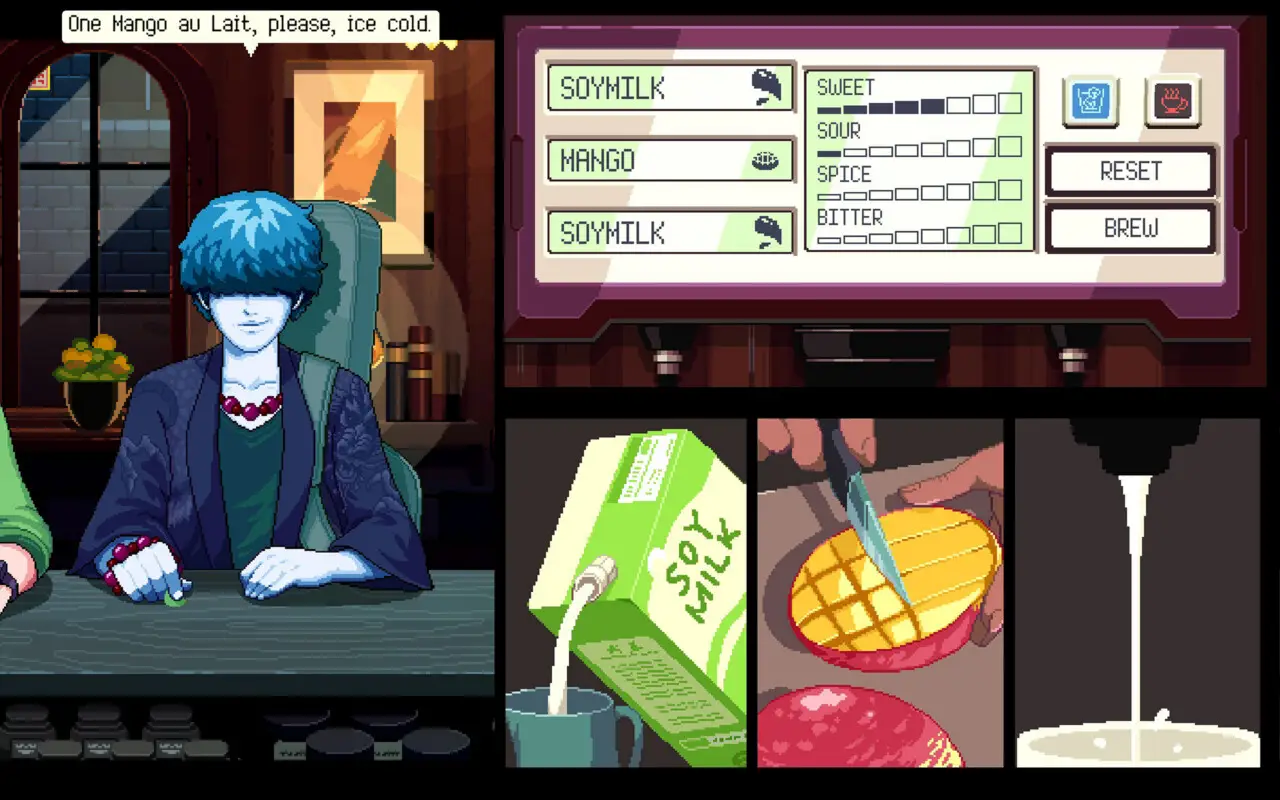
While the narrative is delivered through a visual novel format, the primary interactive mechanic involves drink preparation. Players must fulfill customer orders by selecting a base (such as coffee, tea, or milk) and adding various ingredients to create specific recipes. The game introduces regional ingredients to reflect its Tokyo setting, including yuzu, honey, and matcha.
The difficulty curve in Coffee Talk Tokyo has been noted for its subtle complexity. While basic orders like a triple espresso are straightforward, more cryptic requests—such as the "Pink Skiff" or the "Hotto Yuzu Mitsu"—require players to experiment or rely on their knowledge of Japanese ingredients. For players who struggle with the precision of the pouring mechanic, the game includes an "Endless Mode." This feature allows for practice without the pressure of narrative consequences, enabling players to perfect their latte art using various tools, including chocolate stencils featuring traditional Japanese motifs like the torii gate.
Industry Context and Market Impact
The release of Coffee Talk Tokyo comes at a time when the "cozy game" market is experiencing unprecedented growth. According to market research data, the "Wholesome Games" movement has seen a 40% increase in social media engagement over the last two years, with titles like Stardew Valley and Animal Crossing: New Horizons paving the way for more niche, narrative-driven experiences like Coffee Talk.
Toge Productions, based in Indonesia, has become a key player in the Southeast Asian game development scene. The original Coffee Talk, released in 2020, was a breakout success, praised for its representation and its ability to provide comfort during the global pandemic. The sequel, Coffee Talk Episode 2: Hibiscus & Butterfly, further solidified the brand. With Coffee Talk Tokyo, the studio demonstrates its ability to handle international themes with sensitivity and depth.
Industry experts suggest that the move to Tokyo is a strategic attempt to tap into the massive Japanese gaming market while catering to Western "Japanophiles" who are drawn to the country’s unique blend of traditionalism and futurism. By focusing on the year 2026, the game offers a "near-future" perspective that feels grounded in current reality while allowing for imaginative storytelling.
Broader Implications and Cultural Exchange
Coffee Talk Tokyo serves as more than just a sequel; it is a piece of digital cultural exchange. By centering the gameplay on omotenashi and the Jazz Kissa, the developers introduce global audiences to specific facets of Japanese life that go beyond common stereotypes. The game’s ability to highlight shared humanity through the simple act of sharing a cup of coffee resonates in an era of increasing digital isolation.
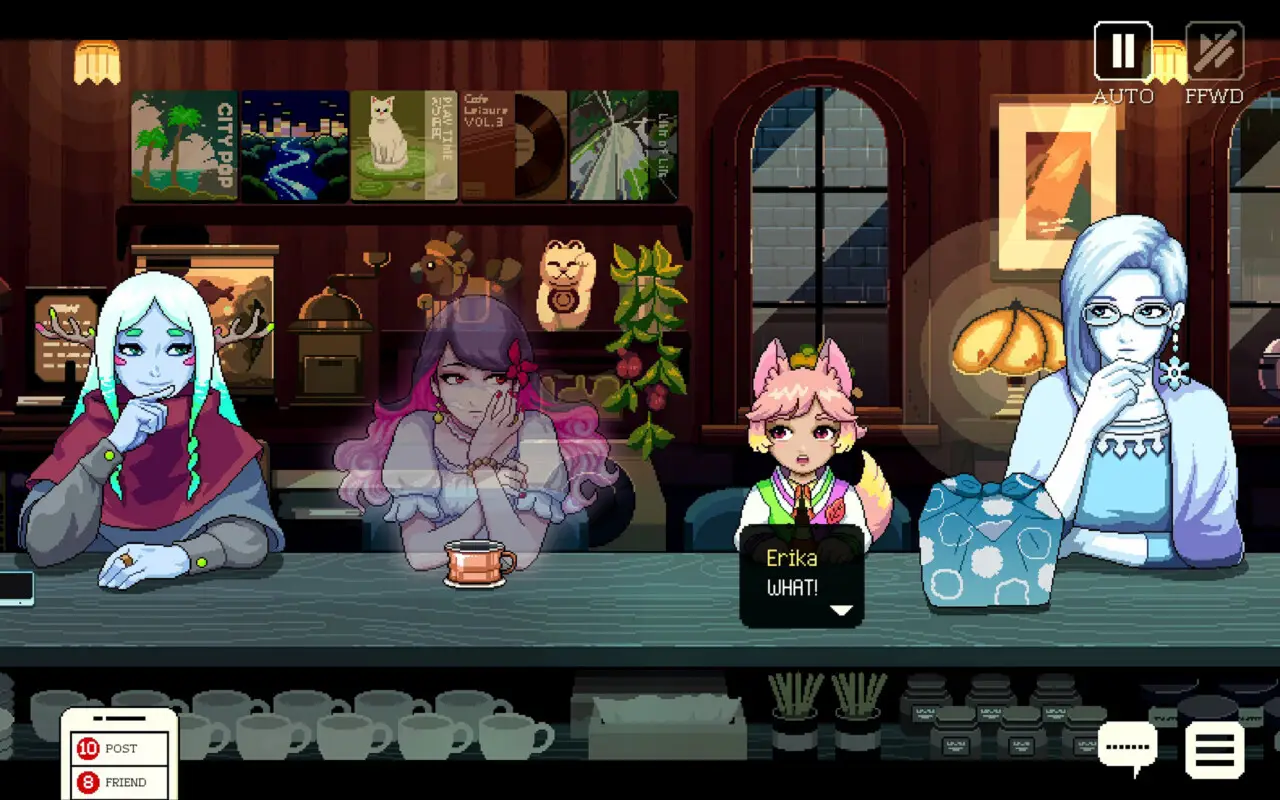
The portrayal of societal issues—ranging from workplace stress to the challenges of the LGBTQ+ community in Japan—aligns with a broader trend in indie gaming where developers use their platforms to advocate for social awareness. By framing these discussions within the safe, comfortable environment of a cafe, the game allows players to engage with difficult topics at their own pace.
Conclusion: A Refined Experience
Coffee Talk Tokyo successfully iterates on a proven formula by adding layers of cultural richness and aesthetic refinement. It functions as both a sequel and a standalone experience, offering a meditative space for players to explore the complexities of modern life. As the gaming industry continues to diversify, titles like Coffee Talk Tokyo prove that there is a significant audience for stories that prioritize empathy, atmosphere, and the quiet beauty of a well-made drink.
The game’s focus on the Obon holiday and the transition from summer to autumn provides a poignant metaphor for the cycles of life and the importance of the spaces we inhabit. Whether players are drawn to the intricate pixel art, the City Pop soundtrack, or the deep character studies, Coffee Talk Tokyo stands as a testament to the power of "slow gaming" in a fast-paced world. For the developers at Toge Productions and the publishers at Chorus Worldwide, this latest volume is a successful expansion of a beloved universe, ensuring that the "Coffee Talk" remains a vital part of the independent gaming conversation.