
 Indra Kusuma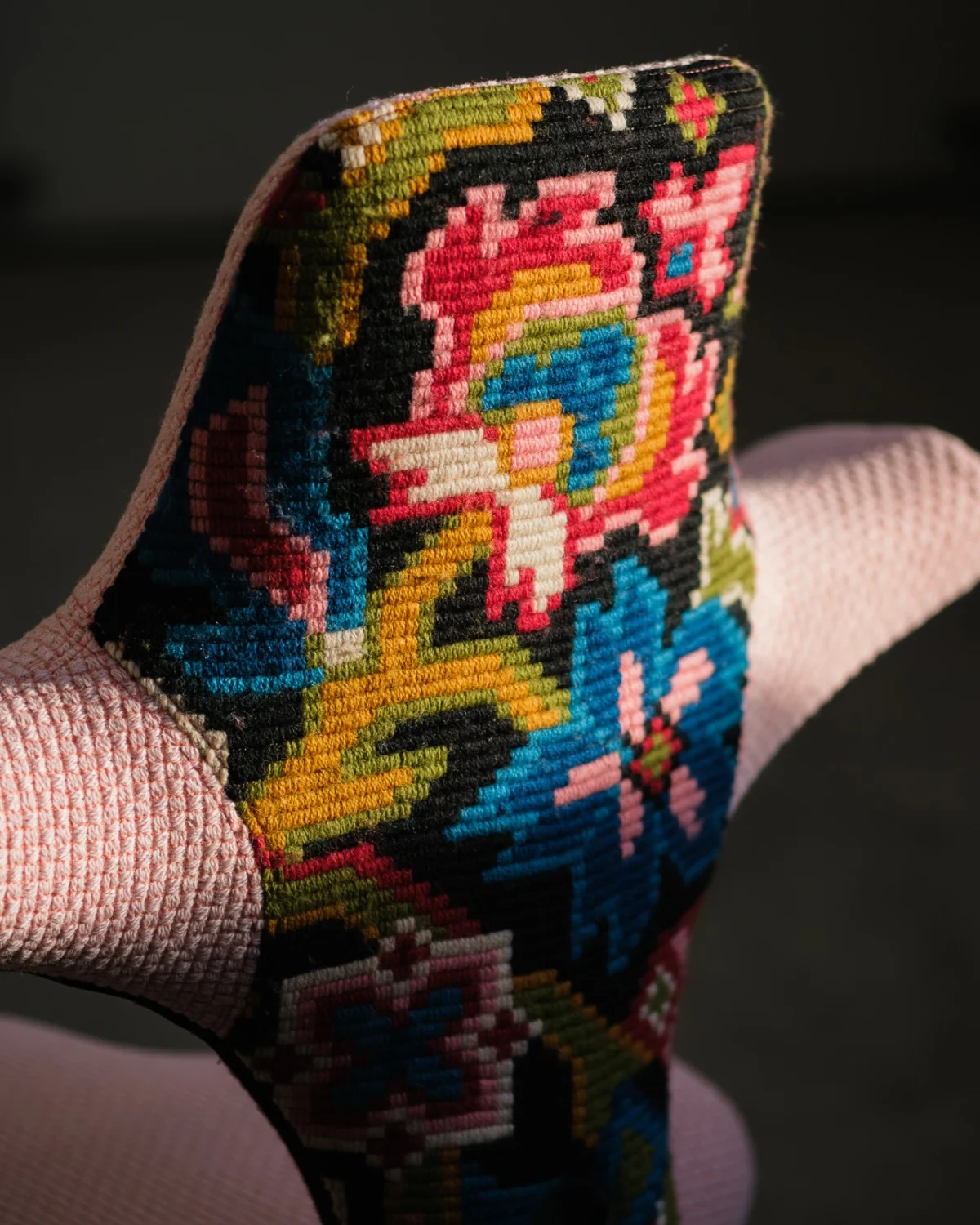
The 57th edition of NeoCon, held earlier this month, transcended the traditional boundaries of commercial interior design, transforming Chicago’s Merchandise Mart (The MART) and the adjacent Fulton Market district into vibrant epicenters of innovation, collaboration, and experiential design. Far from a mere trade show, NeoCon 2026, alongside its complementary Design Days programming, presented a multifaceted exploration of the future of commercial spaces, punctuated by unexpected activations like a brand-hosted dance party featuring American DJ Diplo, courtesy of SitOnIt Seating at the House of Blues. This year’s event underscored a significant shift in the industry, emphasizing not just aesthetics and functionality, but also well-being, sustainability, technological integration, and the creation of immersive user experiences.
NeoCon 2026: An Industry Barometer
NeoCon, established in 1969, has long served as the premier platform for the commercial interior design industry, attracting thousands of architects, designers, facility managers, and manufacturers. Its annual gathering in Chicago is critical for networking, discovering emerging trends, and showcasing groundbreaking products that will define the workplaces, healthcare facilities, educational institutions, and hospitality venues of tomorrow. The 2026 iteration, marking its 57th year, demonstrated a heightened focus on adaptability and resilience in design, reflecting global shifts in work culture and environmental consciousness. The sheer scale of the event, encompassing multiple floors of The MART’s Exhibit Hall and extending to off-site showrooms in Fulton Market, solidified its status as a comprehensive overview of the industry’s trajectory.

Beyond the showroom floors, NeoCon 2026 curated a rich calendar of programming designed to foster dialogue and provide insights. The "NeoCon Talks" by Design Milk, hosted on the 7th floor of The MART, delved into critical design-forward discussions ranging from inclusivity and accessibility to circular economy principles and material innovation. These sessions, attended by a diverse audience of professionals, highlighted the industry’s commitment to addressing broader societal challenges through design. For moments of respite amidst the bustling exhibition, attendees could seek calm in the "Designer Wellness Lounge" by Design Milk on the 11th floor, a space thoughtfully designed with mood lighting to promote relaxation and mental well-being—a subtle yet potent commentary on the growing importance of wellness in commercial environments. Even the unexpected, such as finding oneself in a playful "rave" within a yellow-padded elevator courtesy of Turf, showcased a willingness to inject unexpected joy and creativity into the professional setting, demonstrating that commercial design need not be sterile. The expansion into Fulton Market’s Design Days further enriched the experience, offering a decentralized showcase that included everything from whimsical giant gum-ball machines to innovative furniture crafted from recycled plastic containers, emphasizing a broader, more integrated approach to design across the city.
Key Trends Shaping Commercial Interiors

The innovations unveiled at NeoCon 2026 coalesced around several overarching themes: the imperative for flexible and adaptive spaces, a renewed commitment to sustainability and circular design, the integration of technology to enhance user experience, and a holistic approach to well-being in design. Manufacturers presented solutions that acknowledged the hybrid work model, the demand for versatile social spaces, and the desire for commercial interiors that are both high-performing and deeply human-centric.
Below, we explore some of the most compelling products and collaborations that defined NeoCon 2026 and Fulton Market Design Days, offering a glimpse into the future of commercial design.

1. Eames Office x Kettal: Reimagining the Modular Workplace
A standout collaboration at NeoCon 2026 was the Kettal Workplace system, a powerful testament to enduring design principles meeting contemporary demands. First previewed at the Triennale Milano during Milan Design Week, this innovative offering transforms the iconic Eames Pavilion System into a comprehensive office environment. Kettal, celebrating its 60th anniversary, masterfully integrated acoustics, lighting, furniture, and architectural elements into a singular, integrated kit of parts. This modular system serves as both a homage to the pioneering spirit of Charles and Ray Eames and a forward-thinking exploration of the modern workplace’s evolution.

The Kettal Workplace is designed for fluidity and long-term adaptability, providing a flexible office environment crucial in an era of rapidly changing work paradigms. Industry analysts noted that this system directly addresses the post-pandemic need for agile spaces that can be easily reconfigured to support diverse work styles, from focused individual tasks to dynamic team collaborations. The ability to customize and evolve the environment without extensive renovation presents significant cost and efficiency benefits for businesses. Furthermore, Kettal also showcased new collaborations, including "Area" with Foster + Partners, "U-Type," a new chair by Barber Osgerby, and a vibrant reintroduction of Verner Panton’s "Shogun" armchair, reinforcing its position at the forefront of contemporary design. These additions underscore Kettal’s commitment to combining historical reverence with cutting-edge innovation.
2. HÅG x Recouture: Sustainable Heritage in Ergonomics

The collaboration between HÅG, part of Flokk, and Norwegian fashion studio Recouture offered a compelling narrative of sustainability and cultural preservation. Unveiled at NeoCon 2026, this reimagining of the iconic HÅG Capisco chair fused ergonomic excellence with heritage craftsmanship. Each chair was meticulously upholstered in traditional handwoven Norwegian åkle tapestry textiles, drawing on Recouture’s expertise in restoring and working with this beloved vintage material.
This partnership was widely lauded for its innovative approach to circular design, giving new life to textiles that carry significant cultural and historical value. The selection of a specific metal finish to complement each unique åkle piece created one-of-a-kind chairs that transcend mere furniture, becoming sculptural objects that tell a story. This initiative speaks to a growing industry trend of valuing provenance and craftsmanship, and finding creative ways to reduce environmental impact by extending the lifecycle of materials. Designers and specifiers expressed keen interest in products that offer both high performance and a strong narrative of sustainability and cultural connection.

3. RBW: Illuminating the Future of Commercial Lighting
The inaugural "Illuminate" lighting show, a new addition to NeoCon 2026, provided a dedicated platform for advancements in lighting technology and design. RBW, the New York-based lighting design and manufacturing company, made a significant impression with three new collections: Sequencer, Triple Glazed, and Ample.

Sequencer, a Best of NeoCon Award winner designed by Toronto-based MSDS Studio, captivated with its geometric silhouette and modular compositions, offering an atmospheric glow adaptable to various commercial settings. Its inherent flexibility allows designers to create unique lighting schemes that can evolve with spatial needs. Triple Glazed introduced a compact, colorful presence, adding a playful yet sophisticated touch to interiors. Ample, combining layered silicone and glass, achieved a distinct texture and soft, diffused shine. These collections collectively demonstrated RBW’s commitment to pushing the boundaries of aesthetic and functional lighting, recognizing that illumination plays a crucial role in shaping mood, productivity, and overall user experience in commercial environments. The emphasis on modularity and distinct material palettes reflects the industry’s demand for versatile and characterful lighting solutions.
4. Softbrick by Stylex: Redefining Comfort and Flexibility

Stylex’s NeoCon 2026 showroom, artfully curated under the creative direction of Carole Baijings and framed by Erika Hock’s "Salon Tactile" gradient thread curtain, presented offerings that felt light, expressive, and inherently adaptable. The showroom was intelligently segmented into functional zones, from work lounges to social cafés and huddle areas, demonstrating practical applications of their new lines.
The undeniable centerpiece was "Softbrick," a striking new lilac modular seating system. This dual-height soft seating, available in a variety of powder-coat colors, garnered significant attention for its inviting comfort and remarkable versatility. Its modularity allows for endless configurations, catering to the dynamic needs of modern commercial spaces that require furniture to support both individual focus and collaborative interaction. The reception highlighted a growing preference for plush, residential-inspired comfort in commercial settings, seamlessly blending aesthetics with practical utility. Softbrick embodies the trend towards creating more inviting, less rigid commercial environments.

5. Limousine by Darran: Privacy on Demand in Open Offices
Addressing one of the enduring challenges of the open-concept office—the need for privacy and focus—Darran launched its "Limousine" collection at NeoCon 2026. This innovative soft seating system is designed to perform double duty, offering comfortable seating while also providing a distraction-free zone.

The collection features an integrated lift mechanism that allows the piece to seamlessly transition into high-back seating within seconds. This vertical expansion effectively obstructs sightlines and significantly reduces unwanted noise, creating a personal sanctuary within a bustling environment. By growing vertically rather than horizontally, Limousine offers enhanced privacy without compromising valuable floor space. Industry observers noted that Limousine represents a pragmatic solution for businesses seeking to maximize spatial efficiency while supporting employee well-being and productivity in increasingly dense office layouts. This intelligent design solution is poised to become a staple in future workplace planning.
6. Juniper: Powering the Future of Integrated Spaces

Making a significant debut in the "Illuminate" section, Connecticut-based lighting technology brand Juniper impressed attendees with three standout offerings that fuse design with utility. The "Multiverse System" showcased a modular architectural lighting platform constructed from elegant ribbon-like tracks, offering flexible illumination solutions for various spaces. The "Thin System," aptly named, delivered powerful lighting from an ultra-thin silhouette, demonstrating that high performance doesn’t necessitate bulky fixtures.
Perhaps most notably, Juniper introduced "Ground Control," a sophisticated power-access solution designed for both in-wall and plug-in use across hospitality and commercial spaces. This system addresses the ubiquitous demand for accessible and aesthetically pleasing power outlets, moving beyond purely functional design to integrate seamlessly into sophisticated interiors. The emphasis on discreet, adaptable power solutions reflects the increasing reliance on technology in commercial environments and the need for seamless integration that doesn’t detract from the overall design aesthetic. Ground Control offers a clean, elegant answer to a perennial problem, signifying a mature approach to technological integration.

7. CF Stinson: A Unified Vision for Commercial Textiles
CF Stinson unveiled a new showroom on the third floor of The MART, consolidating its three distinct brands—Stinson, Arc-Com, and Anzea—under a unified vision. Each brand launched a new collection at NeoCon this year, showcasing a diverse yet cohesive range of commercial textiles.

The offerings demonstrated both a shared creative sensibility and distinct brand identities, spanning blooming botanical patterns to grid-like geometries. Highlights included "Fine Line" by Stinson, "Flirtation" by Anzea, and "Perfectly Imperfect" by Arc-Com. The collections underscored the critical role textiles play in defining the character, durability, and acoustic properties of commercial interiors. The ability to source a wide array of high-quality, aesthetically varied, and technically advanced textiles from a single, trusted entity streamlines the specification process for designers, offering greater flexibility in creating dynamic and functional spaces. The new showroom itself was a testament to the power of curated display in highlighting the tactile and visual appeal of their extensive portfolio.
8. Tiago Collection by Davis Furniture: Sculptural Seating for Modern Environments

Davis Furniture, renowned for its chic chairs and sophisticated seating, continued its tradition of excellence with several new collections this year. A particular standout was "Tiago," a sculptural wood seating series designed by the German studio KASCHKASCH.
The Tiago collection, comprising stacking side chairs and barstools, is crafted from precision-milled solid oak and molded plywood, showcasing exceptional craftsmanship and a minimalist aesthetic. The elegant lines and thoughtful construction of the Tiago series exemplify the demand for furniture that is both visually striking and highly functional in diverse commercial settings, from corporate dining areas to hospitality lounges. The stackable nature further enhances its appeal for spaces requiring flexible arrangements and efficient storage, reflecting a practical response to the dynamic needs of modern commercial environments where versatility is paramount.

9. Ringo by Marset: The Illusion of Lightness in Illumination
At Marset’s "Illuminate" booth, eye-catching luminaires were abundant, from Mathias Hahn’s expressive, mushroom-like "Gambosa" to Jaume Ramírez’s delicate "Fragile table lamp," which has now expanded into chandelier and wall-sconce configurations. However, the true fan favorite was "Ringo" by Joan Gaspar, a commanding ceiling light that evokes the appearance of a melting block of ice.

What initially appears to be solid glass is, in fact, transparent polycarbonate. This innovative material choice renders the fixture distinctly mobile and light to the touch, yet it retains a solid, weightless visual presence when illuminated. Ringo’s design challenges perceptions of materiality and weight, offering a unique aesthetic that is both robust and ethereal. This sophisticated interplay of material science and lighting design exemplifies the advancements in creating fixtures that are not only sources of light but also captivating sculptural elements within a space, enhancing ambiance without imposing visual heaviness.
10. Coalesse’s Co.Lab: Fostering Collaborative Design Dialogue

Across the city at Fulton Market Design Days, Coalesse orchestrated "Co.Lab," an innovative group pop-up conceived to ignite conversations around the future of collaborative design. This interactive installation brought together an impressive consortium of brand partners—Moooi, Viccarbe, Tom Dixon, Flos, and Extremis—for a series of designer panels, networking events, and immersive displays.
Clad in a chic wood façade, the pop-up exuded a light and airy ambiance. Strategic cutouts in the walls offered passersby tantalizing glimpses of the soft lighting and bold seating within, drawing them into the curated experience. Co.Lab underscored the growing importance of cross-industry collaboration and the creation of experiential spaces that transcend traditional showrooms. It served as a vibrant hub for exchanging ideas and exploring how diverse design philosophies can converge to create more dynamic and inspiring commercial environments. The success of Co.Lab highlighted the industry’s hunger for deeper engagement and shared learning.

11. Land/Mark by Bentley Mills: Weaving Narratives into Commercial Flooring
Just steps from The MART, the Bentley Mills Chicago showroom buzzed with activity during NeoCon 2026. The highlight was a conversation between Design Milk founder Jaime Derringer and Todd van der Kruik, former Vice President of Design at Bentley Mills and founder of Neutral Haus. This event not only honored Design Milk’s 20th anniversary but also celebrated the launch of Bentley Mills’ new "Land/Mark" textile collection.

Inspired by liminal spaces—those transitional areas that bear the patina of time and memory—the Land/Mark collection’s carpet names evoke a sense of both nostalgia and optimism, with titles like “Where We Met” and “Old Haunts.” This narrative-driven approach to commercial flooring resonated strongly with designers seeking to create spaces with deeper meaning and emotional resonance. The collection also emphasized Bentley Mills’ ongoing commitment to sustainable manufacturing practices, a crucial factor for many commercial projects. Land/Mark demonstrates how flooring, often considered a utilitarian element, can become a powerful storytelling device and a foundational layer for creating evocative and memorable commercial interiors.
12. Maharam: A Fresh Perspective on Textile Display

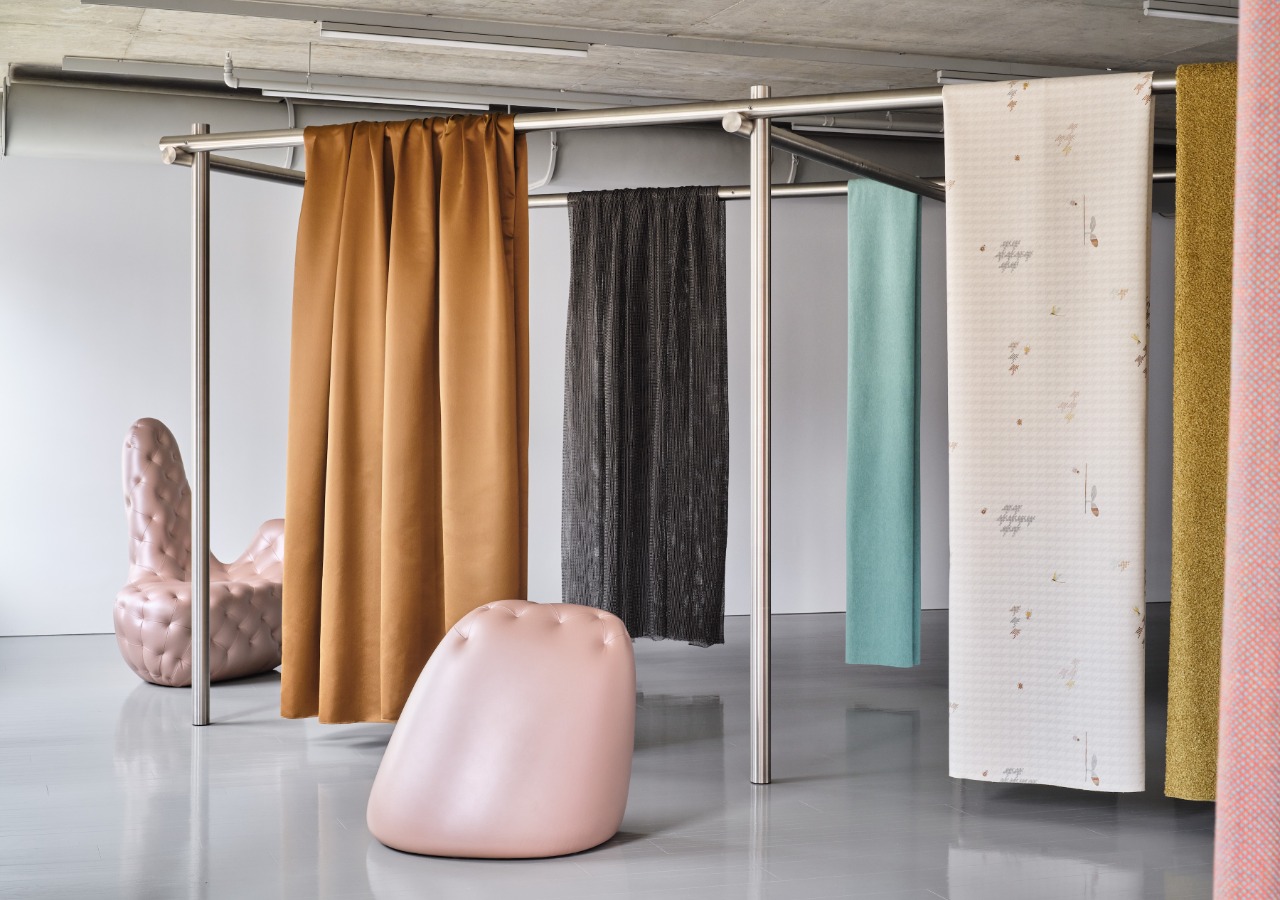
At Design Days in Fulton Market, New York-based textile brand Maharam showcased a rich array of colorful and patterned offerings from both its own line and Knoll Textiles. The display included versatile indoor-outdoor options and carefully reissued upholstery textiles, reflecting a blend of innovation and classic appeal.
The presentation itself was a masterclass in display, utilizing "Stick Frame"—a modular system constructed from stainless steel beams by American industrial designer Leon Ransmeier. This configuration provided a fresh, architectural vantage point on the collections, allowing the textiles to be appreciated as both functional materials and artistic elements. Further enhancing the visual narrative, additional textiles were upholstered onto a series of sculptural objects by designer Robert Stadler. This innovative approach to showcasing textiles moved beyond simple swatches, allowing designers to envision the materials in dynamic, three-dimensional contexts. Maharam’s display underscored the enduring power of textiles to define character, texture, and color within commercial spaces, reinforcing their role as integral components of holistic interior design.

Broader Market Implications and Future Outlook
NeoCon 2026 and Fulton Market Design Days provided a robust snapshot of an industry in dynamic evolution. The overarching trends observed—namely, flexibility, sustainability, wellness, and technology integration—are not fleeting fads but rather fundamental shifts driven by global changes in work, lifestyle, and environmental awareness.

The emphasis on modular systems, like Kettal’s Eames Pavilion adaptation, signals a future where commercial spaces are agile and responsive, capable of rapid transformation to meet evolving organizational needs. The conscious integration of heritage and sustainable practices, as seen in the HÅG x Recouture collaboration and Bentley Mills’ Land/Mark collection, highlights a growing demand for products with ethical provenance and reduced environmental footprints. Wellness, once a niche consideration, is now central to commercial design, evidenced by dedicated lounges and products like Darran’s Limousine, designed to enhance user comfort and focus. Finally, the innovations in lighting and power access from RBW and Juniper underscore the seamless integration of technology, ensuring that commercial environments are not only aesthetically pleasing but also highly functional and future-ready.
As the commercial interior design industry continues to navigate a complex global landscape, NeoCon remains an indispensable forum for envisioning and shaping spaces that are not just beautiful, but also adaptable, responsible, and profoundly human-centered. The insights and innovations from NeoCon 2026 will undoubtedly influence the design of commercial environments for years to come, setting new benchmarks for creativity, sustainability, and functionality.







