In an increasingly complex and competitive digital landscape, social media agencies serve as the vital arteries of brand communication, navigating ever-evolving platforms and client expectations. Recognizing this critical role, Buffer, a leading social media management platform, has significantly deepened its commitment to supporting agencies and freelancers, rolling out a suite of enhanced features specifically tailored to their unique operational demands. This strategic evolution is not arbitrary; it stems directly from an intensive three-month research initiative, during which product marketers engaged in unhurried conversations with over a dozen agency owners and operators globally, gleaning firsthand insights into their daily workflows, challenges, and aspirations. These dialogues, often requiring team members based in Australia to connect at unconventional hours with counterparts across the world, provided a nuanced understanding far beyond typical industry surveys or LinkedIn summaries.
Agencies and independent freelancers are unequivocally recognized as the lifeblood of Buffer’s ecosystem. These professionals are genuine experts in the dynamic realm of social media, frequently possessing a more current understanding of platform nuances than even the product developers, given their constant, client-facing engagement. Their adoption of Buffer often begins organically, through word-of-mouth recommendations—a testament to the platform’s utility, as exemplified by a conversation sparked by a Buffer sticker spotted on a laptop in a Portland café. Once integrated, Buffer typically becomes an indispensable component of an agency’s operational infrastructure, underscoring the gravity with which every required function is approached and developed by the company. This commitment to agency success is manifested in the latest iterations of Buffer’s team plan, meticulously crafted to streamline content planning, foster seamless team collaboration, provide robust analytics, bolster account security, and offer extensive integrations, with a clear roadmap for future enhancements.
Navigating the Modern Agency Landscape: The Need for Specialized Tools
The contemporary social media agency operates under immense pressure. Clients demand not only a consistent and impactful online presence but also measurable results, transparent reporting, and stringent security protocols. Agencies themselves grapple with managing multiple client accounts across diverse platforms, coordinating distributed teams, maintaining brand consistency, and fostering community engagement—all while striving for efficiency and scalability. Traditional generic tools often fall short, leading to fragmented workflows, communication silos, and increased operational overhead. This is the precise void that Buffer aims to fill with its specialized agency offerings, transforming fragmented processes into a cohesive, integrated experience designed to empower agencies to deliver exceptional value to their clients. The platform’s ongoing development is a direct response to these intricate needs, aiming to simplify complexity and enhance productivity.
Streamlined Content Planning: The Foundation of Digital Strategy

Effective content strategy is the cornerstone of any successful social media campaign. Buffer’s enhanced features for content planning address the entire lifecycle, from ideation to publication, ensuring no creative spark is lost and every piece of content is strategically aligned.
The Ideas Library serves as a centralized, shared repository for content concepts, eliminating the inefficiencies of disparate notes apps and fragmented documents. Organized with an intuitive Kanban board, it allows rough thoughts to progress through various stages—from initial concept to ready-to-publish—providing clear visibility and accountability. This feature is particularly valuable for agencies with multiple content creators, enabling smooth handovers and ensuring continuity, even across different time zones or work shifts. The structured workflow prevents ideas from falling through the cracks, a common pain point for agencies managing high volumes of content for diverse clients.
Once content is in motion, Tags provide a powerful organizational layer. Agencies can categorize content by campaigns, overarching topics, or client-specific buckets, aligning the platform’s organization with their internal operational logic. This flexibility ensures that teams can quickly locate, filter, and manage content relevant to specific objectives or clients, significantly reducing administrative burden and improving content discoverability.
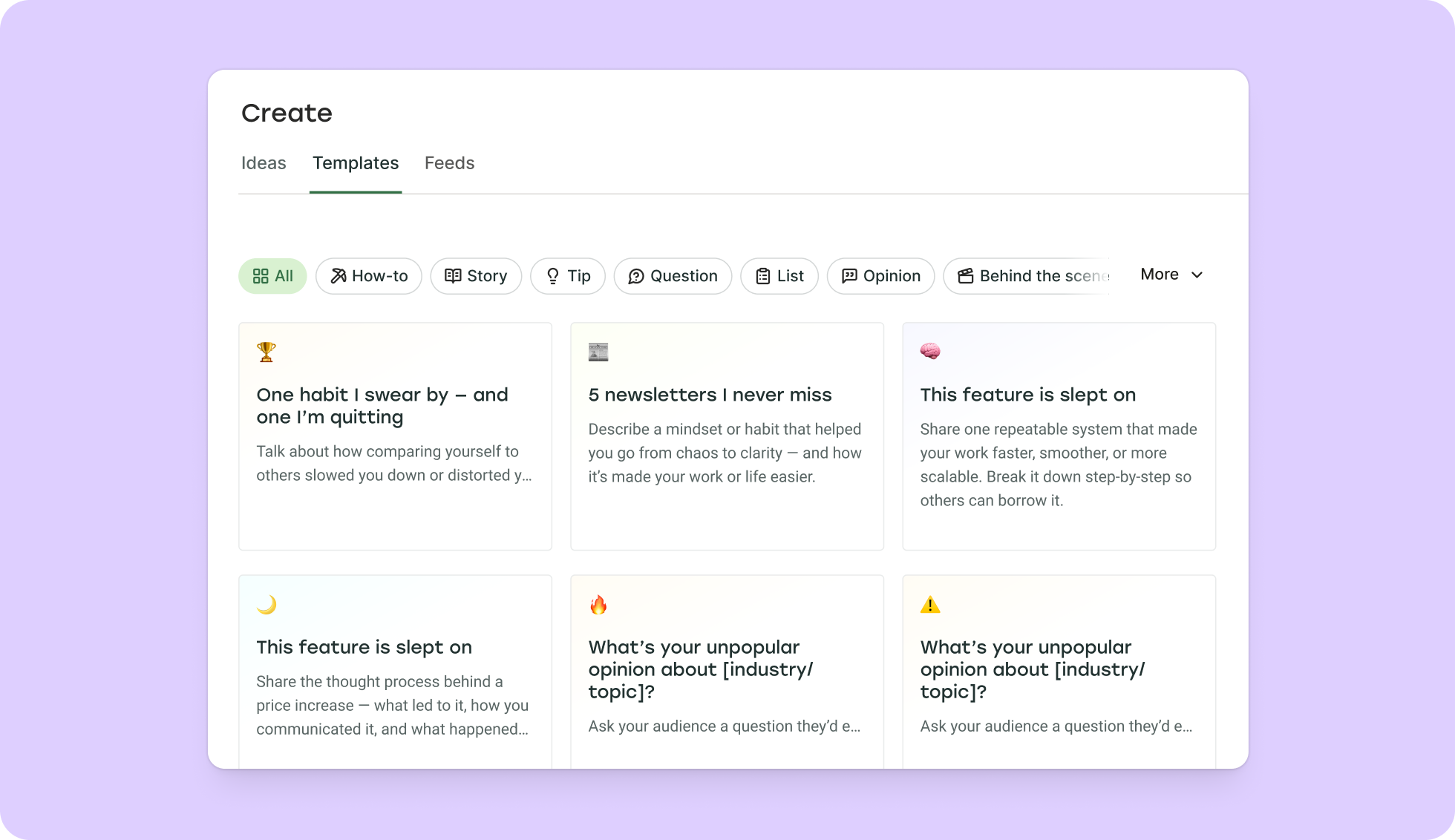
Furthermore, Templates are a game-changer for maintaining brand consistency and optimizing engagement. Buffer offers a library of proven post formats that tend to drive higher engagement, but critically, agencies can also save their own custom templates. This functionality is invaluable for recurring content series, client-specific messaging, or highly effective post structures that can be reused, saving considerable time and ensuring adherence to established brand guidelines across all client accounts.
The culmination of this planning process is the Content Calendar, which provides a holistic, single-view perspective of the entire publishing schedule. Agencies can filter this calendar by brand, client, channel, or campaign, allowing for strategic oversight of weeks or even months ahead. This comprehensive view not only helps in identifying content gaps but also in strategically scheduling posts for optimal impact, ensuring a balanced and consistent presence for each client. For an agency juggling dozens of client accounts, this centralized calendar transforms potential chaos into a well-orchestrated symphony of content.
Enhancing Team Collaboration: The Engine of Agency Operations

Collaboration is at the heart of agency work, and Buffer’s team features are designed to facilitate seamless interaction among team members, freelancers, and clients, without the typical logistical and cost barriers.
A standout feature is the unlimited user access included in every Buffer team plan. This liberates agencies from the restrictive "seat cap" models prevalent in many competitor platforms, which often force teams to resort to inefficient and insecure practices like sharing logins. As one Buffer customer managing over 70 channels for more than 60 senior living communities recounted, the previous platform’s six-user cap was a major impediment, necessitating shared credentials. Buffer’s approach ensures that every strategist, designer, copywriter, freelancer, or client can have their own secure account, promoting accountability and individual access. This model significantly reduces operational friction and enables agencies to scale their teams without incurring prohibitive per-user costs, a crucial factor in managing fluctuating workloads and project demands.
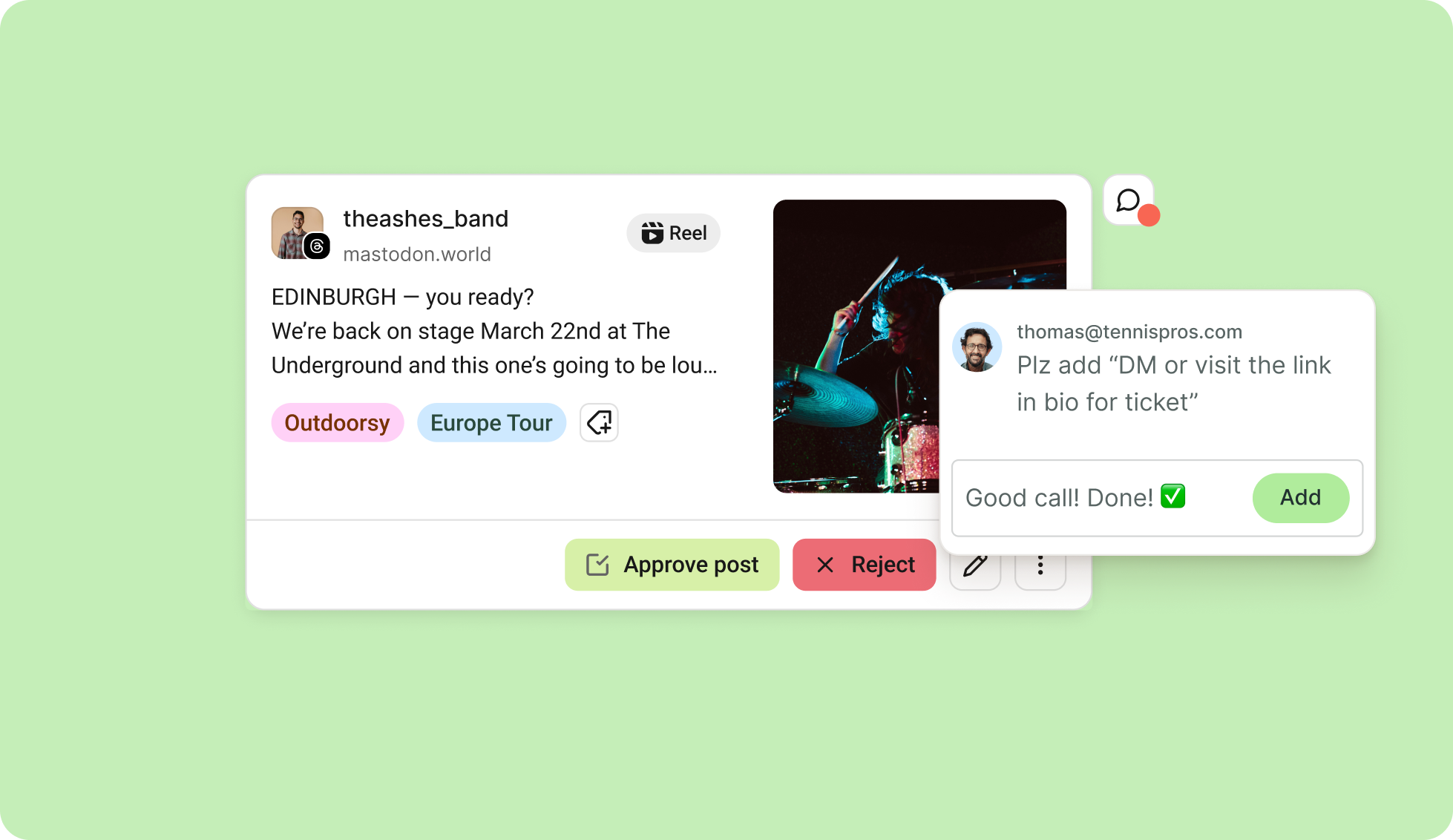
Granular Permissions are another cornerstone of Buffer’s collaborative environment. Team members can be assigned roles with specific access levels, ranging from read-only access for observers to full publishing rights for designated channels, or even approval workflows for drafts. This flexibility is particularly useful when working with junior staff who require oversight, external contractors needing limited access, or clients who need to review content without having full administrative control over the account. This system not only enhances security but also streamlines workflows by ensuring that only authorized personnel can perform specific actions, minimizing errors and maintaining brand integrity.
While many agencies still conduct final client approvals outside Buffer—relying on Google Docs, email threads, or shared boards—those who have transitioned to in-platform approvals report a significant reduction in post-publication errors. Internal commenting features allow for feedback and revisions directly on the draft, consolidating communication within Buffer rather than scattering it across disparate tools like Slack or email, where crucial feedback can easily be overlooked. The platform aims to further bridge this gap, recognizing that client reluctance to create new accounts remains a barrier, a challenge actively being addressed in the product roadmap.
Post-publication, the Community Inbox consolidates comments and replies from every connected social channel into a single, unified view. This eliminates the laborious and time-consuming process of agency teams having to switch between five or more native social media applications to monitor and respond to client communities. By centralizing engagement, agencies can ensure timely and consistent interaction with their clients’ audiences, fostering stronger online communities and improving overall client satisfaction.
Data-Driven Decisions: Analytics and Reporting for Strategic Growth
In the data-centric world of social media, proving ROI is paramount. Buffer’s analytics and reporting tools are designed to provide clear, actionable insights that agencies can use to optimize strategies and demonstrate value to clients.
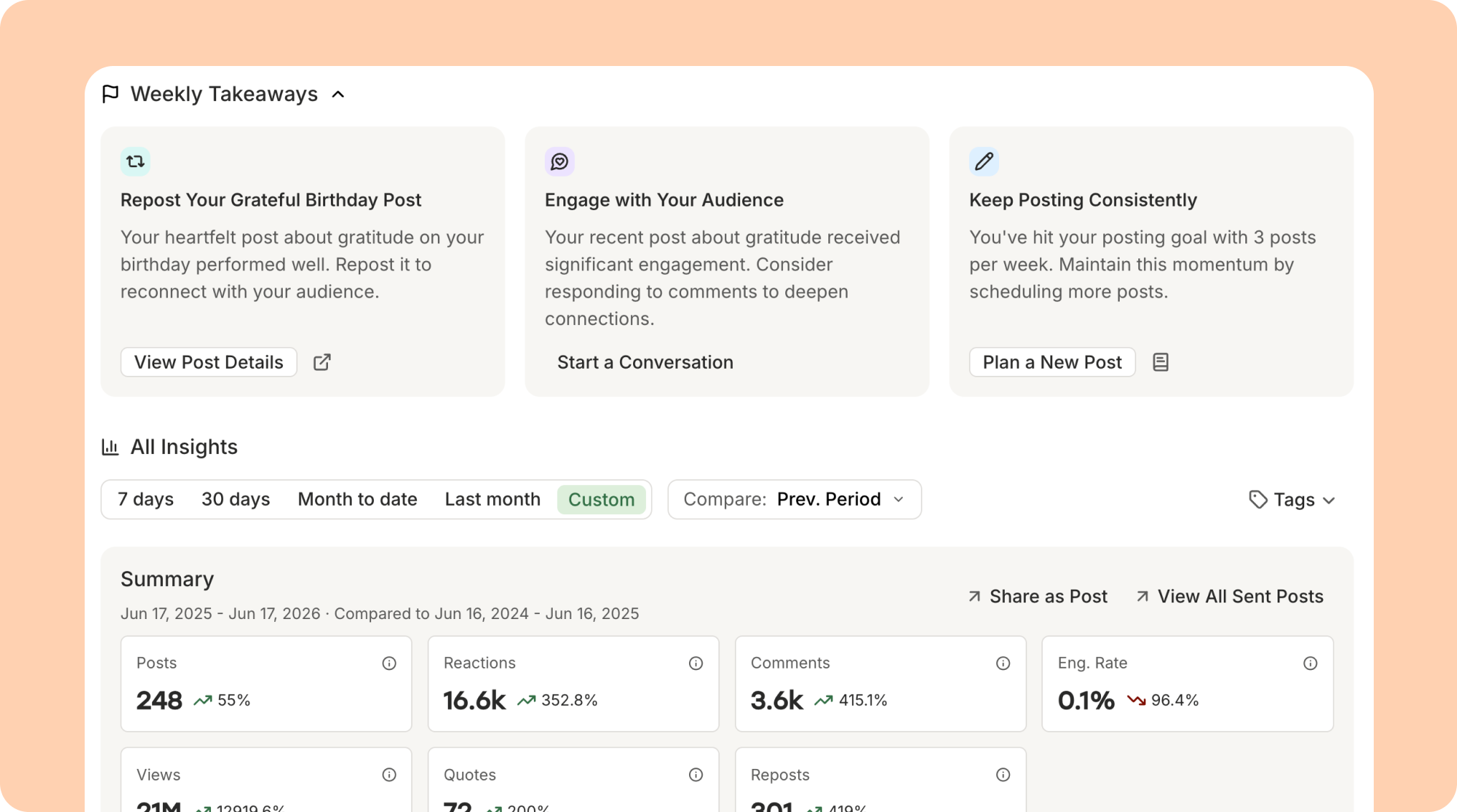
The Insights Dashboard offers a comprehensive view of performance across all connected channels, with the flexibility to zoom into specific channels for detailed analysis. Crucially, these views are designed to be client-ready, eliminating the need for agencies to manually screenshot charts and reconstruct reports in separate presentation software like Google Slides. This direct presentability saves considerable time and ensures data integrity, allowing agencies to focus on analysis rather than arduous report generation.
Reports can be flexibly exported in CSV, PDF, or Markdown format. The inclusion of Markdown is particularly innovative, allowing for clean pasting into internal knowledge management tools like Notion or Linear, which many agencies use for client updates. More significantly, Markdown is the format most reliably parsed by AI assistants. This means agencies can feed Buffer reports directly into AI tools like Claude or ChatGPT to generate written summaries, draft client emails, or receive data-driven recommendations for future content strategies, effectively turning raw data into strategic directives with minimal effort.
Further enhancing data utility are Takeaways, the newer, intelligent half of Buffer’s reporting suite. Rather than just presenting charts, Buffer analyzes each client’s performance data and surfaces personalized, actionable recommendations on what to do next. This shifts the paradigm from "here’s a chart" to "here’s what to try this week," empowering agencies with prescriptive insights that drive continuous improvement and demonstrate proactive strategy to clients.
Fortifying Trust: Account Security in an Interconnected World
Agencies are entrusted with the digital identities of their clients, making robust account security a non-negotiable requirement. A single security lapse can jeopardize multiple client brands and erode trust. Buffer has significantly bolstered its security features to address these critical concerns.

The team plan now includes enforceable two-factor authentication (2FA). Administrators can mandate 2FA for all team members on an account, with prompts appearing upon login for anyone who hasn’t yet enabled it. This proactive enforcement is vital for teams that include external collaborators or volunteers, as illustrated by one agency customer managing a 15-channel non-profit account who was on the verge of removing volunteer team members due to their consistent failure to enable 2FA. Enforcement transforms a "please enable it" struggle into a system-wide requirement, significantly mitigating security risks.
Beyond 2FA, Buffer’s SOC 2 compliance provides an additional layer of assurance. This certification covers the broader security conversation that often arises when agencies are pitching to larger, more security-conscious clients. SOC 2 compliance demonstrates Buffer’s commitment to managing customer data securely and protecting the privacy of information, an essential credential for fostering trust and securing high-value contracts.
Extending Reach: Integrations and the Future of AI-Driven Workflows
Modern agencies thrive on interconnected ecosystems of tools. Buffer understands this and has invested heavily in both native integrations and an open API to ensure seamless connectivity.
Native integrations with platforms like Canva, Zapier, Make, n8n, Google Photos, and Unsplash cover a vast array of common agency workflows, from content creation to automation. For agencies whose content planning or project management tools are not on this list, the open Buffer API provides the flexibility to build custom integrations. This allows agencies to pull posts from a Notion board, sync data to a custom client dashboard, or integrate approval workflows directly into their project management setup. Marin Nedelev’s team, for instance, manages 77 channels across nine countries on Buffer, specifically choosing the platform for its API, which enabled them to build a complex cross-country reporting setup on top of Google Sheets and n8n, without the prohibitive costs of enterprise platforms bundling unwanted features.
Buffer is also at the forefront of investing in AI-driven workflows. Its MCP server connects to leading AI agents like Claude and ChatGPT, enabling agencies to draft, schedule, and review posts conversationally, rather than through traditional UI clicks. This integration promises a future where content creation and management are even more intuitive and efficient, leveraging the power of artificial intelligence to augment human creativity and strategy.
For agencies that frequently recommend Buffer to their clients, the Buffer Partner Program offers a formal pathway to share in revenue. This program transforms organic recommendations into an additional income stream, creating a mutually beneficial relationship where agencies are rewarded for introducing their clients to a tool they already trust and utilize.
The Roadmap Ahead: Anticipating and Addressing Agency Needs
Buffer’s commitment to agencies is not static; it’s a dynamic process of continuous improvement driven by direct user feedback. The future roadmap includes several key enhancements, directly addressing the pain points identified during recent research.
One of the next major releases on the roadmap is Guest Access. This feature will allow clients to view and approve content without the friction of creating a full Buffer account, accepting an invite, or learning a new interface. This functionality is a direct response to agencies repeatedly expressing a desire to simply send a stakeholder a link—to the calendar, a draft, or a queue—without imposing additional login hurdles. This will significantly streamline the client approval process, reducing barriers to collaboration and improving efficiency.
Beyond guest access, Buffer is actively investing in further enhancements to reporting capabilities, client visibility tools, and team administration features across the coming quarters. These ongoing developments underscore Buffer’s dedication to evolving its platform in lockstep with the needs of the modern social media agency, promising even more robust and intuitive solutions in the near future.
A Partnership Approach: Built Alongside Agencies
Much of Buffer’s current feature set and its future direction are direct outcomes of ongoing dialogue with its agency users. The insights gleaned from agency owners and operators consistently shape what Buffer builds next, fostering a true partnership in product development.
This partnership philosophy is also reflected in Buffer’s pricing model: it is priced per channel, not per seat. This allows agencies unparalleled flexibility and cost-effectiveness. Agencies can add as many team members as needed without the bill fluctuating based on headcount. When a new client is onboarded, their channels are added; when an engagement concludes, those channels are removed, and the costs adjust accordingly. This ensures that agencies are never paying for dormant seats or for a busy season that has already passed, providing a scalable and financially transparent solution that grows and shrinks in direct correlation with their business activity.
Whether agencies are discovering new ways to leverage existing features or anticipating future releases, Buffer aims to be the focused tool that precisely adapts to their evolving needs. For the myriad agencies already running their operations on Buffer, their continuous feedback remains the indispensable compass guiding the platform’s innovation.
Agencies seeking a robust, flexible, and secure social media management platform designed with their unique challenges in mind are encouraged to explore Buffer’s offerings. With a clear focus on empowering agencies through intelligent features, responsive development, and a transparent pricing model, Buffer continues to solidify its position as an essential partner in the dynamic world of digital marketing.