Cintya Tara Annisa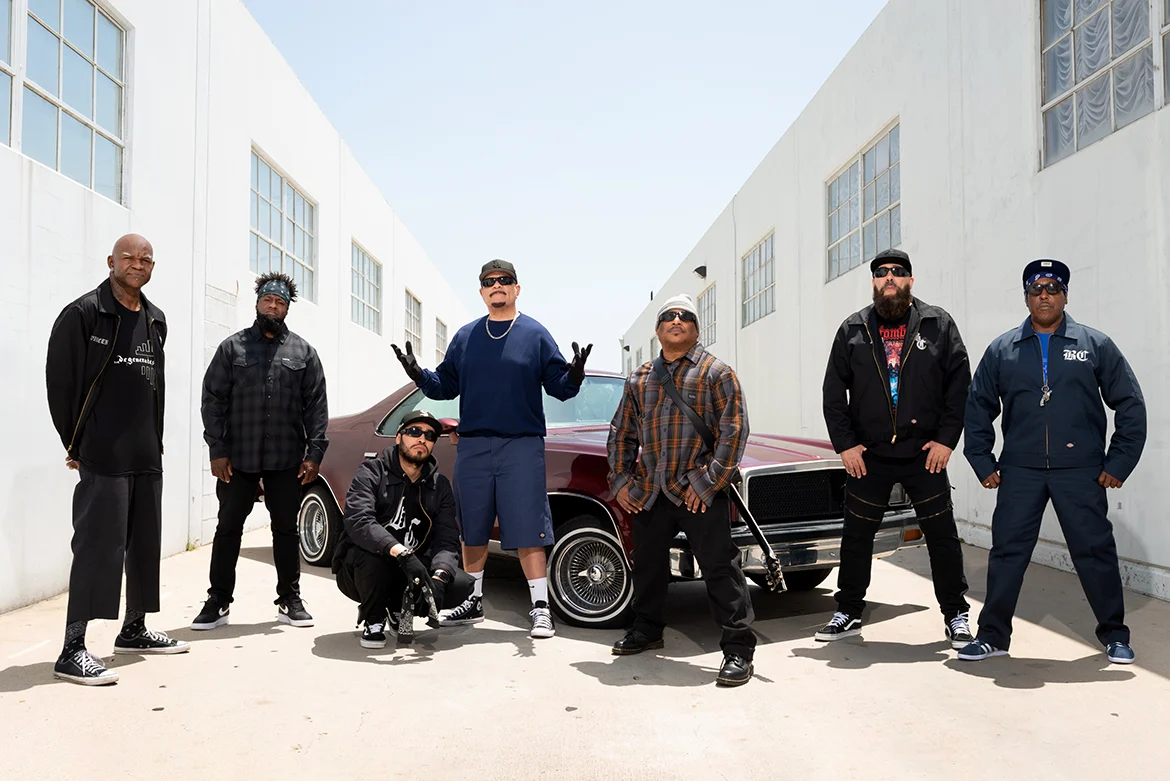
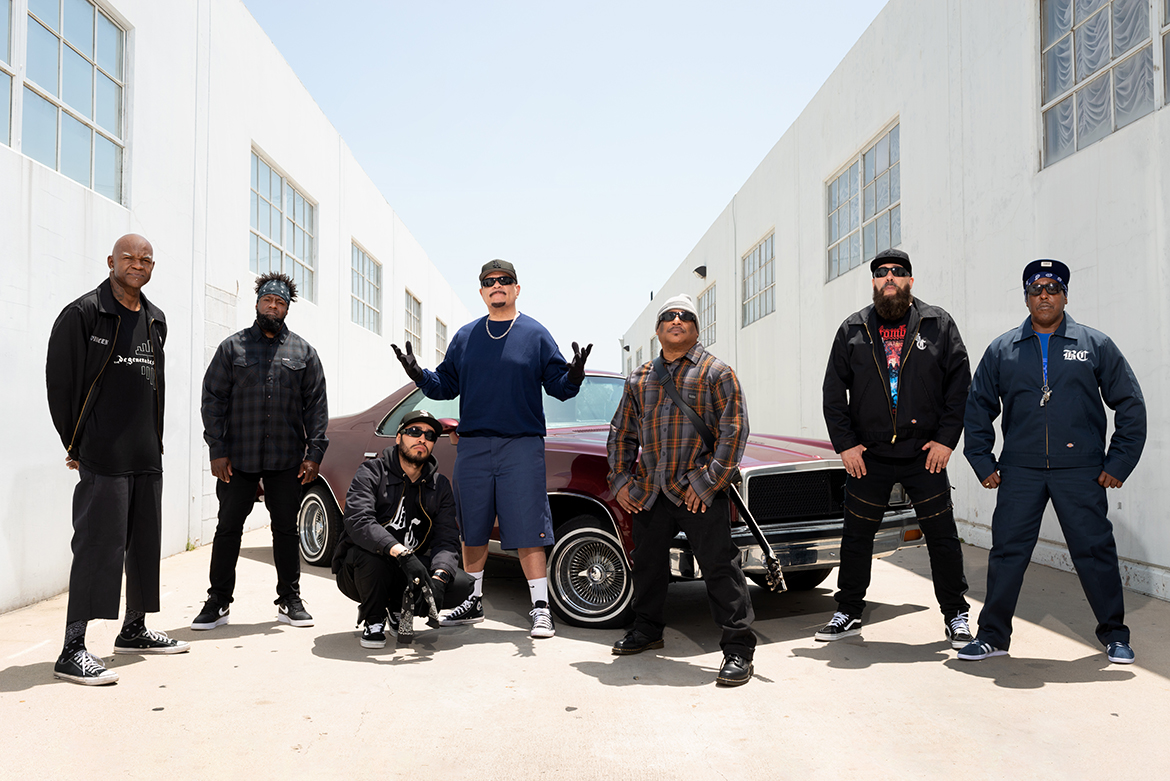
The pioneering heavy metal band Body Count, fronted by the legendary Ice-T, has officially announced its entry into the specialty coffee industry through a strategic partnership with Concept Cafes. The collaboration has resulted in the release of the "Body Bag" blend, a high-end specialty coffee that aims to bridge the gap between extreme music subcultures and the global coffee market. Beyond the product launch, the initiative is positioned as a direct challenge to the lack of diversity within the multi-billion dollar coffee industry, specifically highlighting the underrepresentation of Black and Latino entrepreneurs in the domestic roasting and retail sectors.
The Convergence of Metal Heritage and Specialty Coffee
Body Count has maintained a significant influence on music and culture since its inception in Los Angeles in 1990. As a band that successfully merged the raw energy of thrash metal and hardcore punk with the lyrical sensibilities of gangster rap, Body Count became a symbol of resistance against systemic issues such as police brutality, racism, and class warfare. Their 1992 self-titled debut album remains a landmark in the "crossover" genre, famously sparking national debate and facing censorship attempts from political figures and law enforcement organizations.
Decades after their debut, the band continues to utilize its platform to address cultural and social inequities. The "Body Bag" coffee project is the latest extension of this mission. Juan Garcia, known professionally as Juan of the Dead and a guitarist for Body Count, emphasized the personal nature of the project. Born in Cuba, Garcia noted that coffee is deeply rooted in his heritage, and the creation of the "Body Bag" blend allows for the intersection of his cultural identity and his career in heavy metal.
The product itself is a traceable, 100% Specialty Grade Mexico-Ethiopian blend. In a move to ensure authenticity and support for the local community, the coffee is roasted by a Latina roaster based in Los Angeles. This choice reflects the band’s commitment to maintaining a direct link to their roots in South Central Los Angeles and the broader Latino community.
Analyzing the Economic and Cultural Disparity in the Coffee Industry
The launch of Body Bag coffee comes at a time when the American coffee industry is facing scrutiny regarding its demographic representation. According to industry data cited by the collaborators, while approximately 80% of the world’s Arabica coffee beans originate in Latin America, the ownership of independent coffee brands in the United States does not reflect this geographic origin. Currently, only 13% of independent coffee brands in the U.S. are Latino-owned. The disparity is even more pronounced for African-American-owned brands, which account for a mere 12% of the market.
This imbalance is particularly striking given the size of the industry. The U.S. coffee market is estimated to be worth nearly $350 billion. Despite the historical and cultural ties between Black and Hispanic communities and coffee production, these groups remain marginalized in the lucrative specialty roasting and retail tiers. Body Count and Concept Cafes argue that contemporary coffee culture has become "whitewashed," often excluding the very cultures that are foundational to the product’s existence.
By introducing a product that is both high-quality and culturally grounded, Body Count seeks to claim a stake in this industry. The band aims to demonstrate that people of color can succeed in the specialty coffee space without conforming to the "basic" or "cookie-cutter" aesthetics that have dominated the third-wave coffee movement over the last two decades.
Concept Cafes and the Disruptive Business Model
The partnership was facilitated by Concept Cafes, a private label coffee company known for its "rebellious" approach to branding and its collaborations with extreme metal artists. Concept Cafes has previously worked with prominent names in the metal scene, including Cannibal Corpse, Ministry, and Max & Iggor Cavalera. Their branding strategy often leans into the visceral and provocative imagery associated with the metal and horror genres.
Mike Tonsetic, the founder of Concept Cafes, has been vocal about his dissatisfaction with mainstream coffee culture. He describes the current state of the industry as "typecast," suggesting that it often prioritizes a specific, narrow aesthetic—often associated with middle-class, suburban demographics—while ignoring the diverse fanbases of extreme music.
"Look, I love coffee, but I’ve always unabashedly stated my disdain for what coffee culture has become," Tonsetic stated. He argues that the industry often lacks respect for consumers who do not fit the traditional "hipster" mold. By partnering with Body Count, Concept Cafes intends to disrupt this system. The "Body Bag" packaging—a stark, black design devoid of traditional "corporate" aesthetics—serves as a visual "calling card" for this disruption.
Chronology of the Launch and Market Strategy
The rollout of Body Bag coffee follows a strategic timeline designed to hit both domestic and international markets. The product saw its initial debut at the Spooky Empire horror convention in Orlando, Florida, a venue that aligns with the band’s ties to horror and transgressive art. Following the domestic debut, the brand is set to expand its reach to the United Kingdom, with a high-profile appearance at the Download Festival.
The market strategy for Body Bag coffee is two-fold:
- Niche Market Penetration: By leveraging the dedicated fanbase of Body Count and the broader metal community, the brand secures an immediate, loyal consumer base that is often overlooked by mainstream coffee retailers.
- Mainstream Accessibility: Despite its aggressive branding, the band emphasizes that the product is a "specialty coffee" designed to be accessible to everyone, regardless of race or economic status. The goal is to bring a premium product to the mainstream market while maintaining the band’s uncompromising identity.
The band’s digital presence, including their official website and social media channels, serves as the primary hub for updates, special promotions, and future product expansions. This direct-to-consumer model allows the band to maintain control over their narrative and ensure that the financial benefits of the venture are shared with the artists and their chosen production partners.
Broad Impact: The Intersection of Music, Social Justice, and Consumer Goods
The entry of Body Count into the coffee market is more than a simple celebrity endorsement. It represents a broader trend of artists using consumer products as a vehicle for social commentary and economic empowerment. In the 1990s, Body Count’s primary medium for social critique was their music. In the 2020s, that critique has expanded into the realm of entrepreneurship.
The "Body Bag" blend serves as a metaphor for the band’s career: raw, intense, and unapologetic. By addressing the "financial, racial, and cultural inequality" within the coffee industry, the band is applying the same scrutiny to business that they once applied to the legal and political systems.

Industry analysts suggest that this move could inspire other artists from underrepresented backgrounds to enter the specialty beverage space. As 66% of Americans consume coffee on a daily basis, the potential for market disruption is significant. If successful, Body Count’s venture could pave the way for a more inclusive industry that honors the cultural heritage of its products while catering to a diverse range of subcultures.
Technical Specifications and Product Details
For specialty coffee enthusiasts, the "Body Bag" blend offers specific technical attributes that distinguish it from standard commercial coffee. The Mexico-Ethiopian blend is curated to provide a complex flavor profile, combining the bright, floral notes typical of Ethiopian Yirgacheffe or Sidamo beans with the nutty, chocolatey undertones often found in high-altitude Mexican Arabica.
The "Specialty Grade" designation is a crucial aspect of the product’s identity. In the coffee world, this refers to beans that have scored 80 points or higher on a 100-point scale by a certified coffee taster (Q Grader). This ensures that the product is not merely a "gimmick" or a "money-grab," as described in the band’s press release, but a legitimate entry into the high-end coffee market.
The roasting process, handled by a Latina-owned facility in Los Angeles, utilizes small-batch techniques to maintain quality control. This local production model also reduces the carbon footprint associated with long-distance shipping of roasted beans, aligning with modern consumer preferences for sustainable and locally-sourced goods.
Conclusion and Future Outlook
As Body Count continues its "war with the foundational corruptness of generational and cultural ills," the "Body Bag" coffee project stands as a testament to the band’s longevity and adaptability. By merging the aesthetic of the "body bag" with the high-end requirements of specialty coffee, the band has created a product that is as provocative as it is refined.
The collaboration between Body Count and Concept Cafes highlights a growing demand for authenticity in the marketplace. As consumers increasingly seek out brands that align with their values and cultural identities, projects like Body Bag coffee are likely to gain traction. Whether at a horror convention in Florida or a massive music festival in the UK, Body Count is proving that their message of cultural representation and systemic disruption is just as relevant—and potent—in a coffee cup as it is on a concert stage.