
 Indra Kusuma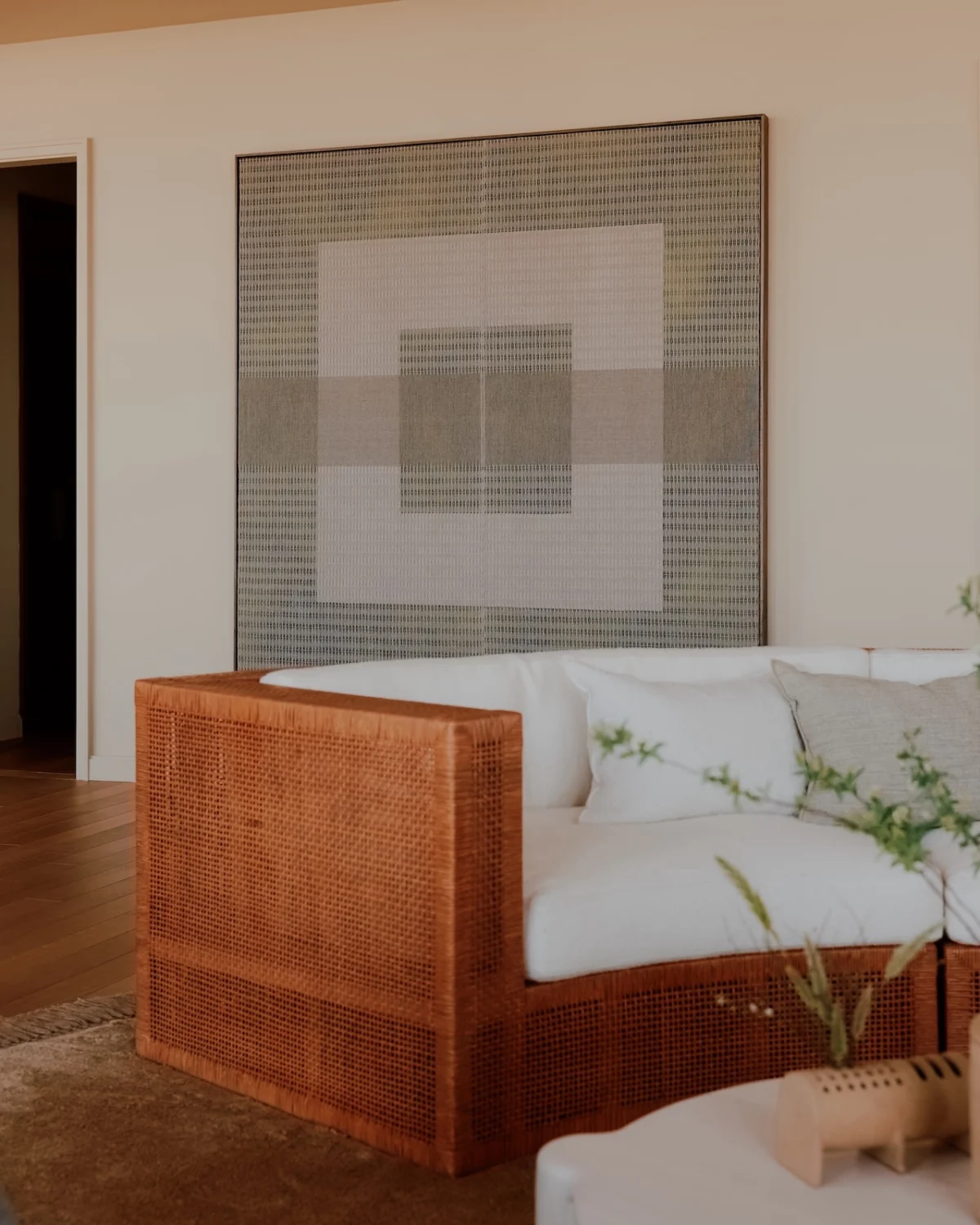
After a decade of pioneering experiential exhibitions within the intimate settings of Manhattan residences, Radnor, the esteemed collectible design studio, has announced the opening of its first permanent gallery space in Brooklyn. This significant expansion, strategically located within a penthouse at the iconic Brooklyn Tower, coincides with Radnor’s 10th anniversary, representing both a celebratory homecoming and a pivotal evolution of founder Susan Clark’s enduring vision. The move solidifies Radnor’s deep connections to the borough, where a substantial portion of its celebrated roster of designers first cultivated their careers amidst Brooklyn’s vibrant workshops and creative lofts.
A Decade of Experiential Design: Redefining the Gallery Model
Since its inception, Radnor has distinguished itself by challenging conventional gallery display methods. Rather than presenting collectible design objects as isolated art pieces, Susan Clark has consistently advocated for showcasing them within fully realized domestic environments. This approach allows prospective collectors and enthusiasts to envision how these meticulously crafted items integrate into a lived space, fostering a more profound connection and appreciation for their form, function, and material presence. This philosophy has been the cornerstone of Radnor’s operations throughout its first ten years, setting a precedent for immersive design experiences.
The chronology of Radnor’s innovative exhibitions illustrates this commitment vividly. In 2018, the studio unveiled "Material Interiors," a transformative installation within a two-bedroom residence at The Bryant, a distinguished building designed by David Chipperfield Architects. Co-curated with the acclaimed studio Workstead, the exhibition meticulously transformed the apartment into a fully functioning living space, with every object thoughtfully placed to interact with the residence’s inherent architectural features, such as its herringbone oak floors and honed-terrazzo borders. This project underscored Radnor’s ability to merge high design with the realities of daily living.
Building on this success, Clark brought her distinctive format to the Upper East Side in 2021, three years later, with an experiential showroom at 180 East 88th Street. This residence, developed by DDG and Global Holdings, became the canvas for a collaborative effort with Elizabeth Roberts Architects. The collaboration was particularly noteworthy as it showcased Radnor’s established roster alongside Roberts’ inaugural Radnor Made collection, seamlessly blending curatorial prowess with the introduction of new, proprietary designs. The event not only highlighted the synergy between architectural design and curated objects but also expanded Radnor’s footprint within Manhattan’s luxury residential market.
Most recently, Radnor captivated audiences with "Evolution in Form," an exhibition staged within a sprawling 5,000-square-foot penthouse at Sutton Tower, an astonishing 70 floors above Manhattan. Utilizing the refined architecture of Thomas Juul-Hansen as a foundational framework, this presentation adopted a more pared-back aesthetic, allowing the inherent beauty and craftsmanship of each collectible design piece to resonate within the grand scale and dramatic city views of the penthouse. Each exhibition, while distinct in its architectural context, consistently reinforced Clark’s central tenet: design is best understood and appreciated when imagined in use.
Brooklyn: The Heartbeat of Radnor’s Creative Community
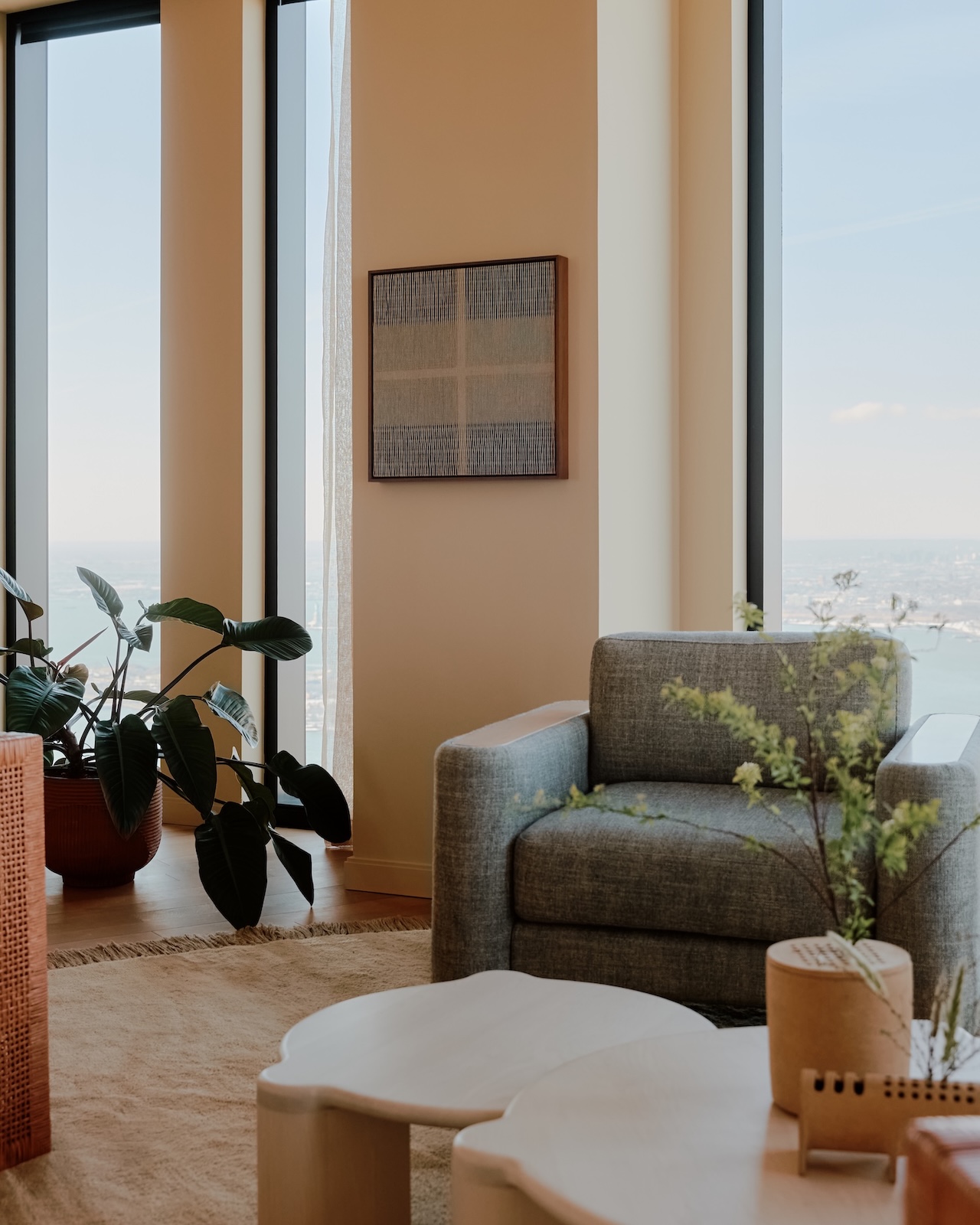
The decision to establish a permanent gallery in Brooklyn is far more than a simple geographical shift; it represents a significant "homecoming" for Radnor. The studio has maintained its operational base in Gowanus’s historic American Can Factory for many years, a testament to its deep-seated ties to the borough’s industrial and creative landscape. This area, known for its artistic community and repurposed industrial spaces, has been a fertile ground for countless designers and makers.
Crucially, Brooklyn has been the crucible for many of the talents that form the core of Radnor’s esteemed roster. Early career development for prominent studios such as Egg Collective, Workstead, and Pelle unfolded within Brooklyn’s dynamic network of workshops, studios, and lofts. This organic connection to the borough’s creative ecosystem means that Radnor is not merely moving to Brooklyn; it is returning to the very wellspring of its aesthetic and collaborative spirit. Susan Clark acknowledges this, stating, "Brooklyn has always been integral to Radnor’s story, a place where many of our designers found their voice. Establishing our permanent gallery here is a natural evolution, a way to honor our roots while looking forward to our next chapter." The move underscores Brooklyn’s enduring status as a global hub for design innovation and independent craftsmanship.
The Brooklyn Tower: A New Zenith for Collectible Design
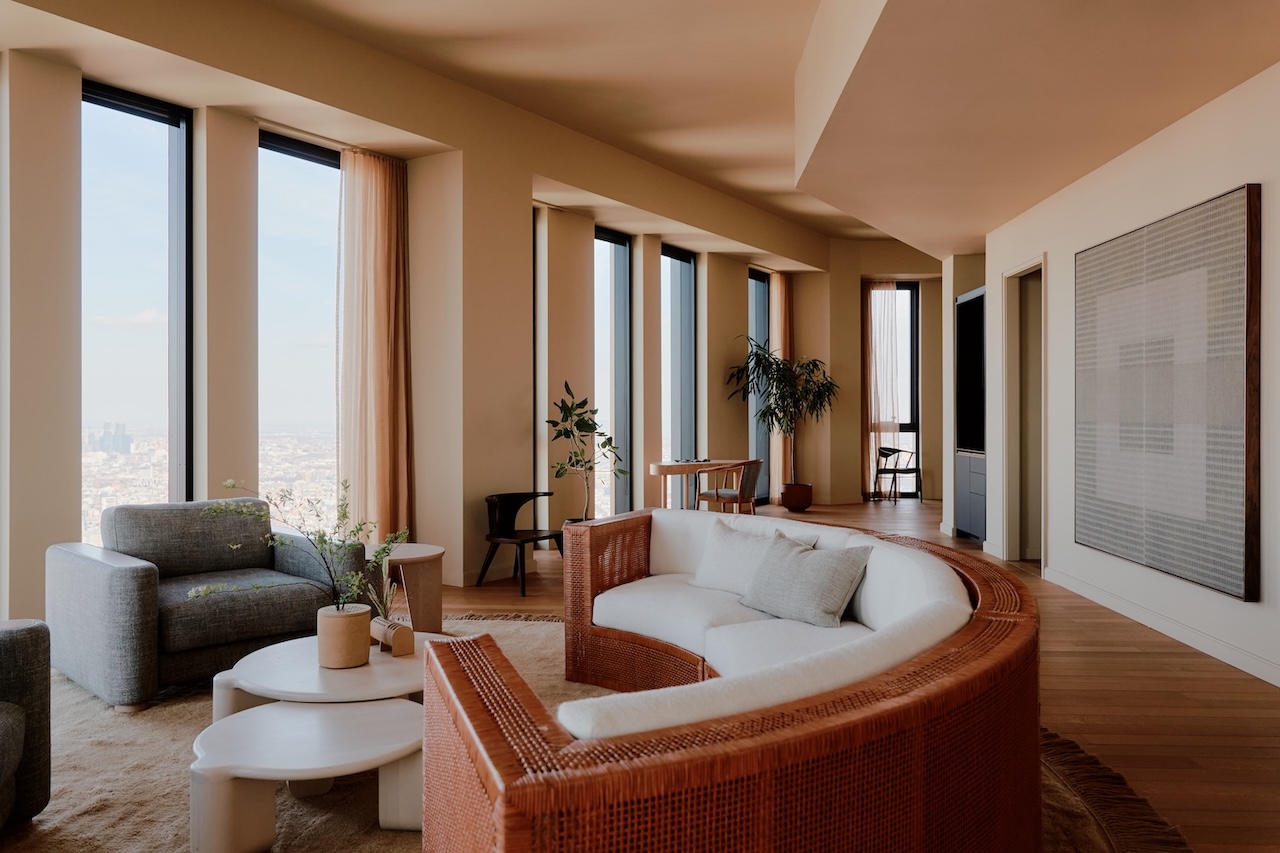
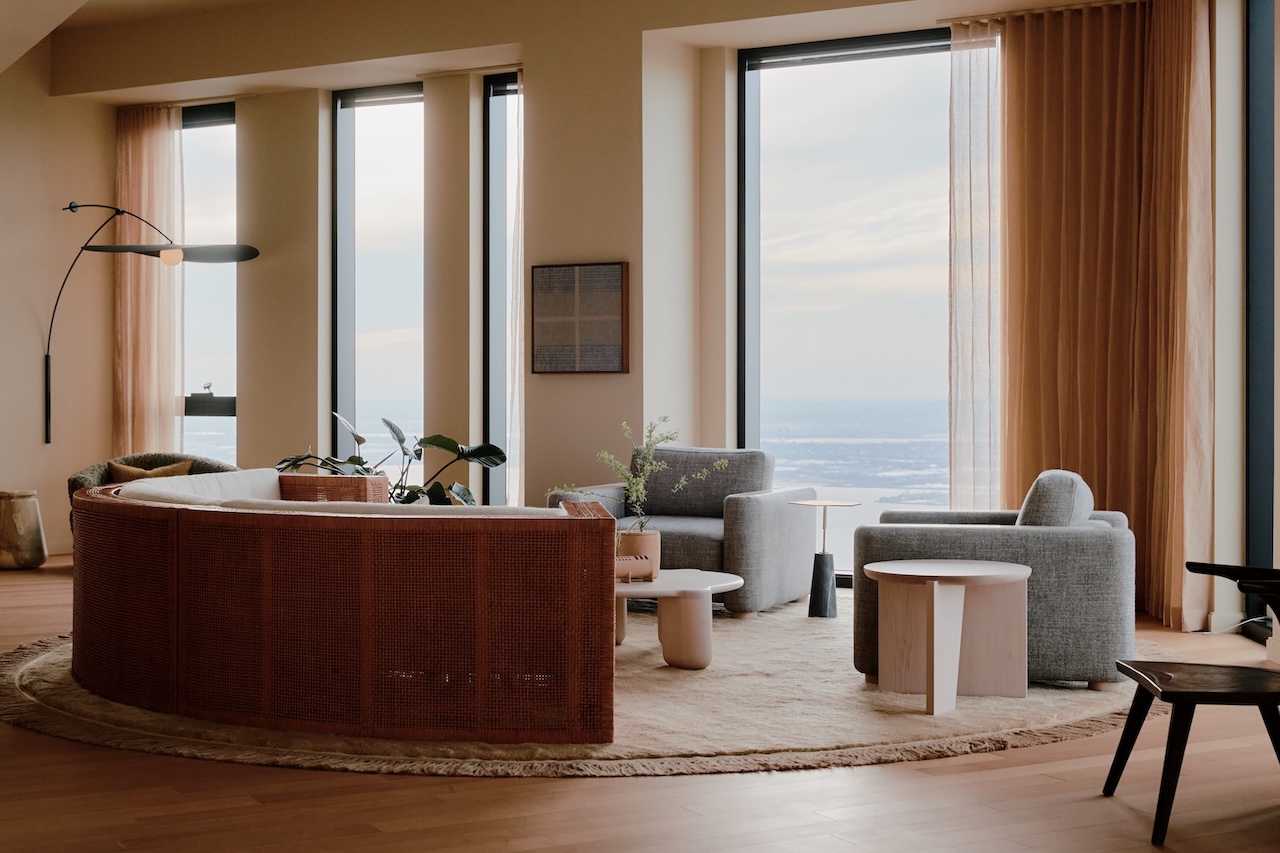
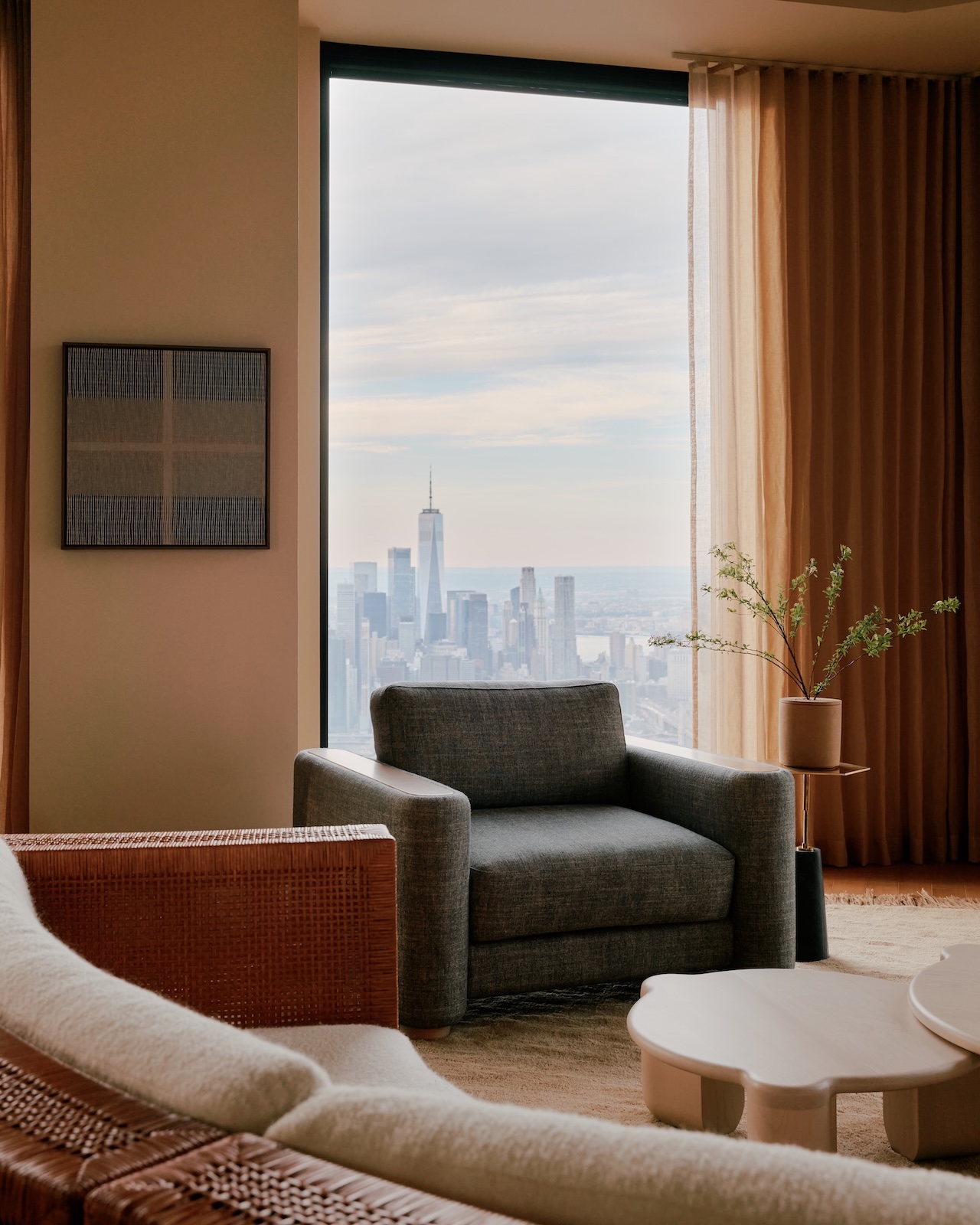
The new Radnor gallery is situated within a full-floor penthouse at Brooklyn Tower, a striking supertall skyscraper designed by SHoP Architects that has dramatically reshaped Downtown Brooklyn’s skyline. This architectural marvel, standing as a beacon of contemporary urban development, provides an unparalleled backdrop for Radnor’s latest endeavor. The nearly 6,000-square-foot space, boasting impressive 12-foot ceilings and expansive, sweeping views across both Manhattan and Brooklyn, is conceived as a hybrid—a functioning residence that simultaneously serves as a gallery.
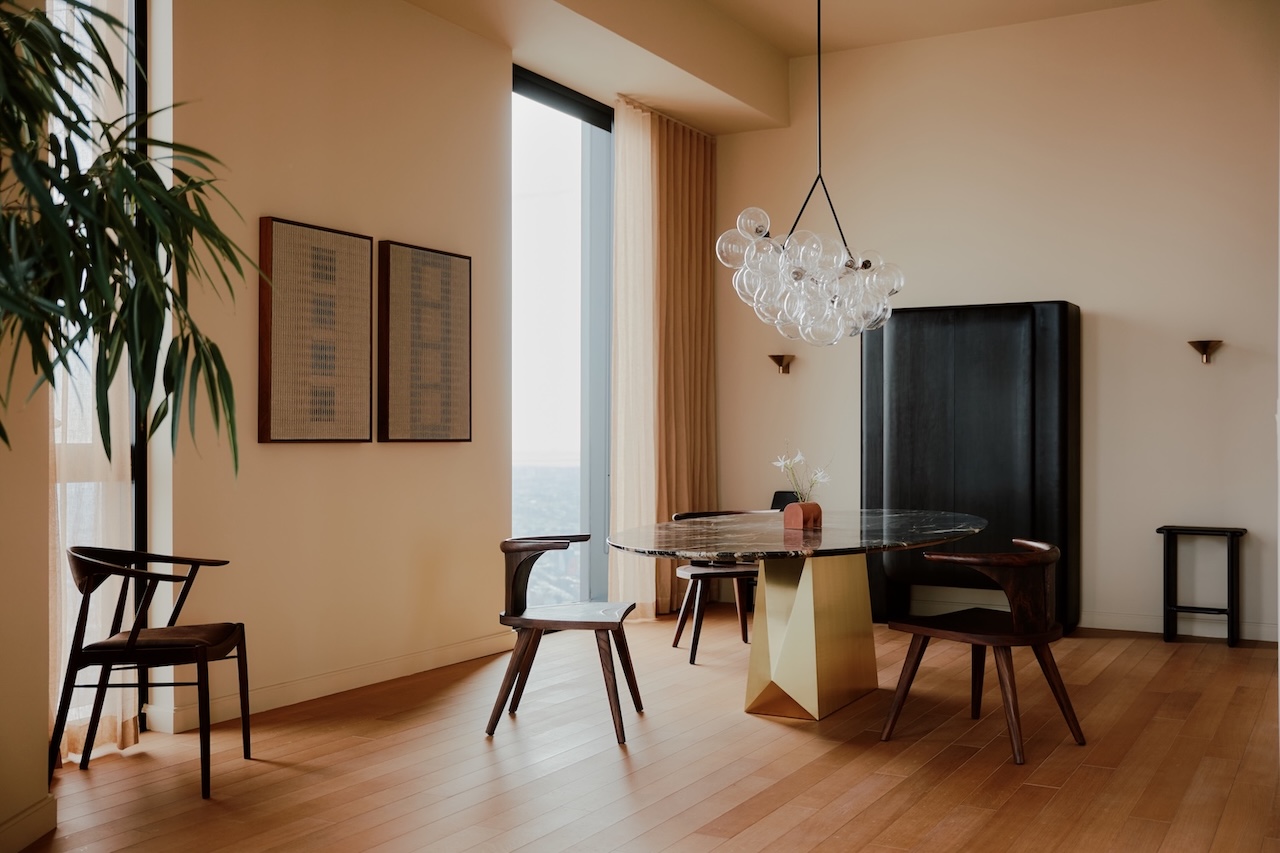
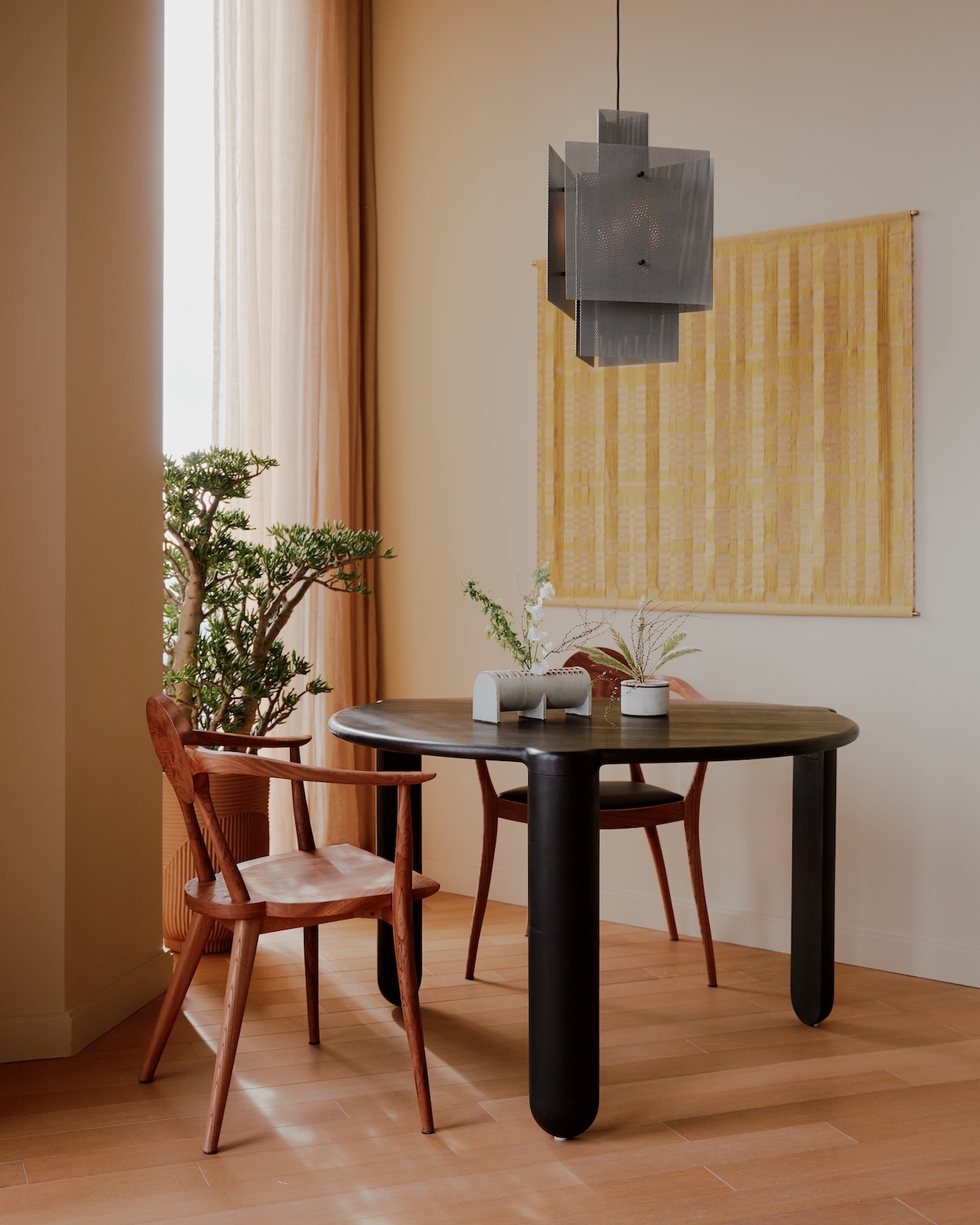
This architectural condition aligns perfectly with Clark’s long-standing curatorial vision. The grandeur of the penthouse, combined with its residential layout, allows collectible design objects to be encountered not as static exhibits behind velvet ropes, but as integral components within a sophisticated, livable environment. Visitors are invited to experience the interplay of light, form, and texture in a context that directly mimics how these pieces would exist in a collector’s home. The design of the space itself, from its layout to its finishes, becomes an unspoken partner in the curatorial narrative, providing a framework that elevates the displayed works. The building’s prominent position and architectural significance by SHoP Architects further lend a sense of gravitas and prestige to Radnor’s new home, attracting a discerning audience keen on experiencing cutting-edge design in a truly unique setting.
Inaugural Program: Rachel DuVall’s Poetic Weavings
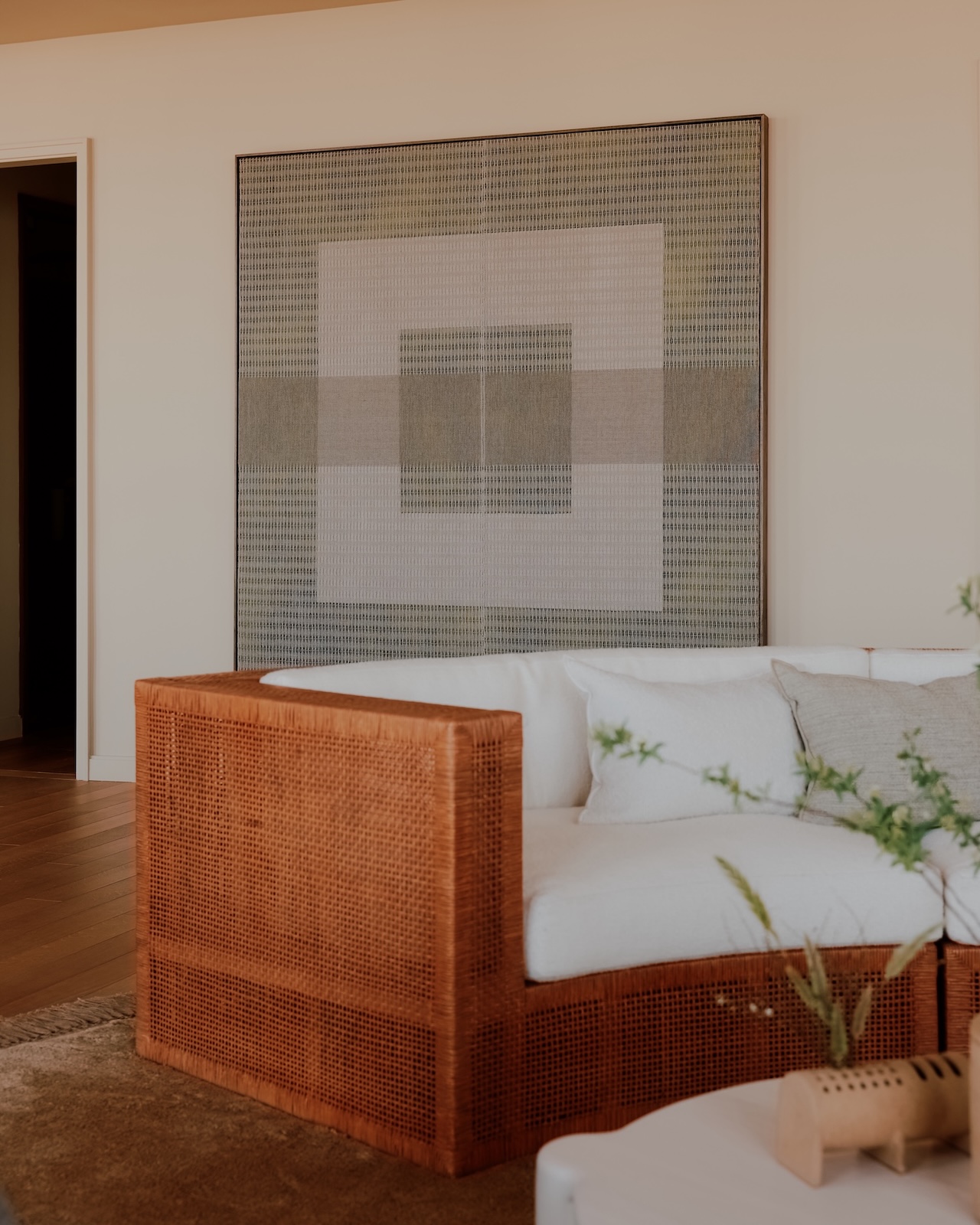
The commitment to material presence and thoughtful integration extends to the inaugural program at the Brooklyn Tower gallery: a solo presentation of new handwoven works by Los Angeles-based artist Rachel DuVall. DuVall’s artistic practice is deeply rooted in the inherent grid structure of weaving—the perpendicular meeting of warp and weft. However, she masterfully pushes against this inherent rigidity, introducing subtle irregularities through her meticulous handwork, imbuing each piece with a distinct character and narrative.
For this specific series, DuVall introduces an innovative technique: placing a painted layer beneath the woven surface. This allows naturally dyed fibers, presented in a rich palette of mossy green, deep indigo, and warm ochre, to register against a vibrant colored ground rather than a traditional blank canvas. The effect is a nuanced interplay of color, texture, and depth, where the underlying paint interacts with the woven threads to create a dynamic visual experience. Radnor has historically championed textile-based work, recognizing its unique capacity for warmth, tactility, and artistic expression. DuVall’s stretched, framed pieces blur the lines between traditional textiles and contemporary painting, presenting them as tactile artworks that engage both the visual and haptic senses.
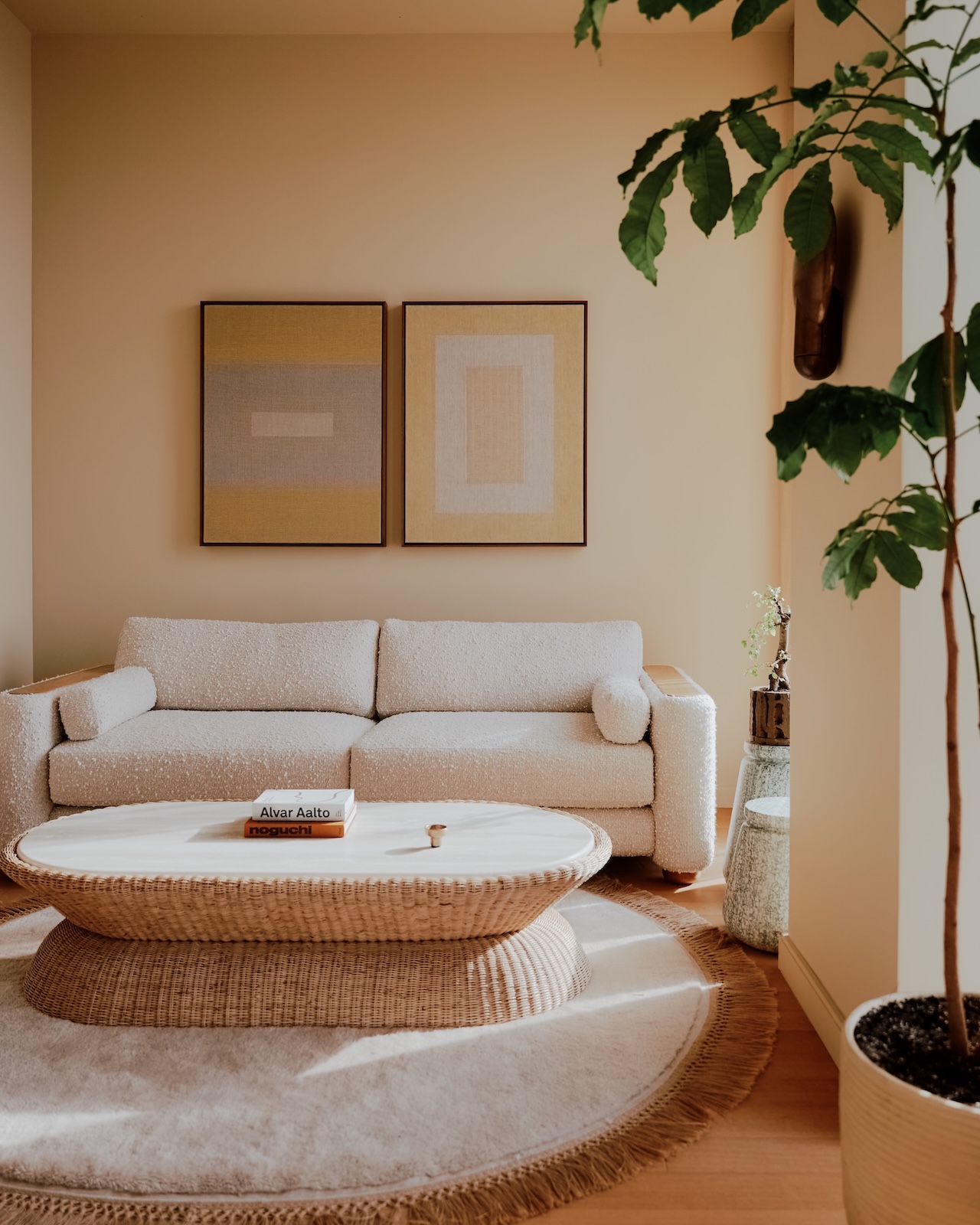
Distributed thoughtfully throughout the penthouse’s generous proportions, DuVall’s textiles establish a quiet, contemplative counterweight to the building’s soaring verticality, abundant natural light, and expansive urban vistas. The intricate, hand-crafted nature of her work offers an intimate, human-scale contrast to the monumental architecture, fostering moments of focused contemplation amidst the grandeur. This inaugural installation not only showcases DuVall’s exceptional artistry but also powerfully underscores the evolution of Clark’s curatorial model over the past decade. Each new setting provides designers with a specific architectural condition to respond to, while simultaneously offering visitors an intimate and immersive understanding of how singular, thoughtfully produced objects can profoundly shape the atmosphere and character of a home.
Radnor’s Multifaceted Role and Broader Implications
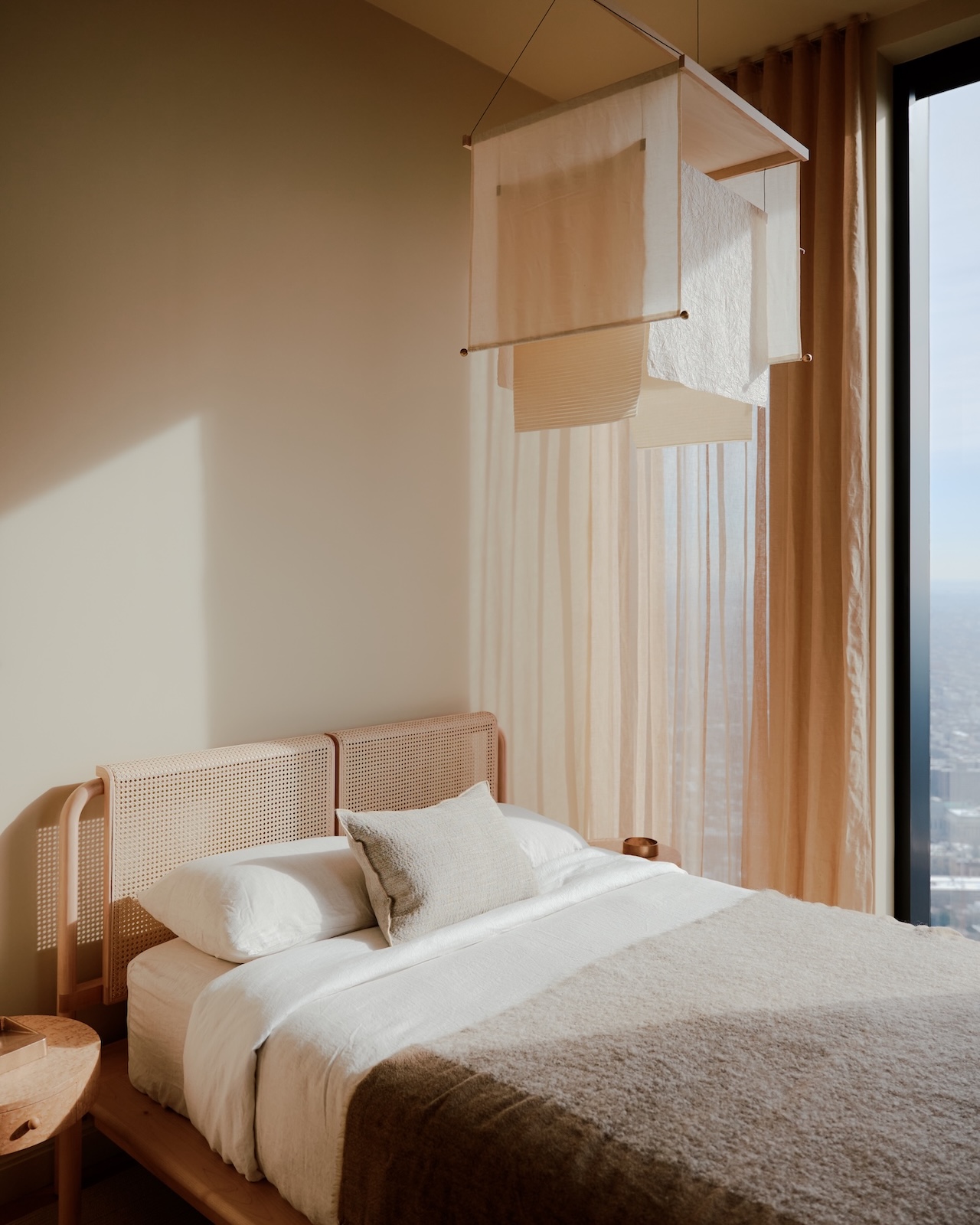
Radnor, under Susan Clark’s astute leadership, has evolved into a multifaceted entity that seamlessly unites the roles of retailer, gallery, and manufacturer. This integrated approach allows Radnor to exert a comprehensive influence over the collectible design market, from identifying emerging talent to producing its own distinctive collections. Over the past decade, Radnor has meticulously cultivated an international roster of designers, ranging from the intricate woodworking of Toshio Tokunaga and the sculptural forms of Loïc Bard to the innovative creations of homegrown Brooklyn talent. The unifying thread among these diverse artists is their shared commitment to creating singular, thoughtfully produced objects that resonate with enduring quality and artistic integrity.
The opening of a permanent gallery in Brooklyn Tower marks a significant milestone not just for Radnor, but for the broader landscape of collectible design. In an era where online consumption often dominates, Radnor’s continued investment in physical, experiential spaces highlights a growing demand for immersive engagement with design. It suggests a future where the act of acquiring collectible design is deeply rooted in personal experience, tactile interaction, and a profound understanding of how objects inhabit and enrich living spaces. This model offers a powerful antidote to fleeting trends, instead championing longevity, craftsmanship, and the emotional resonance of design.
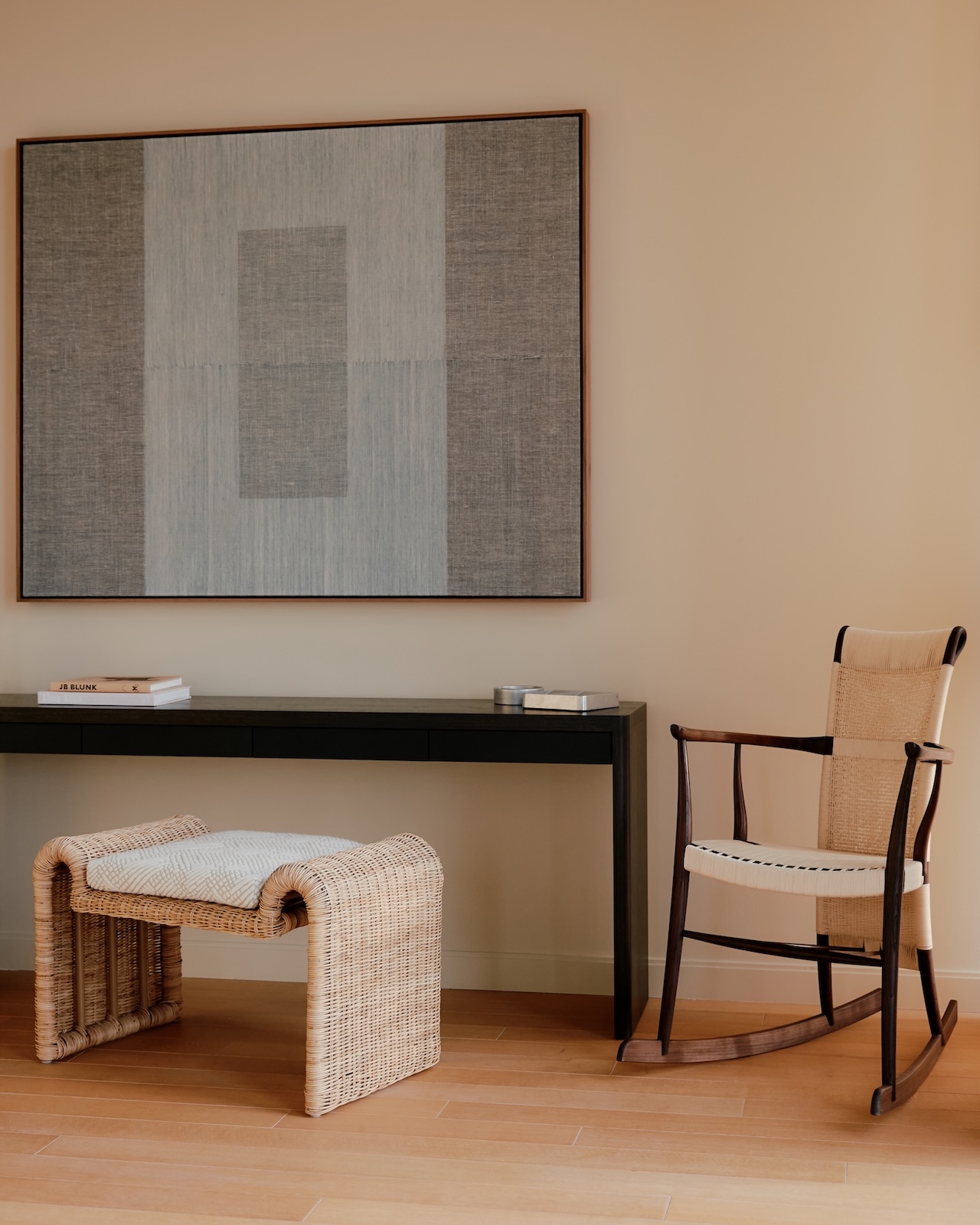
The move also reinforces Brooklyn’s ascendancy as a global epicenter for design and art. By establishing a flagship presence in one of the borough’s most iconic new structures, Radnor further legitimizes and amplifies the creative energy that has long thrived in its studios and workshops. This strategic expansion is poised to attract both local enthusiasts and international collectors, cementing Radnor’s position as a vanguard in the collectible design world and offering a compelling blueprint for the future of design curation and retail. Susan Clark’s journey, from staging intimate exhibitions in Manhattan residences to unveiling a grand gallery in Brooklyn’s skyline-defining tower, epitomizes a decade of unwavering dedication to a unique vision—a vision that continues to shape how we perceive and integrate design into our lives.
For those eager to delve deeper into the vision and creative endeavors of Susan Clark and Radnor, further information is available at radnor.co. The stunning photography that captures the essence of this new space and its inaugural exhibition is credited to William Jess Laird.







