
 Indra Kusuma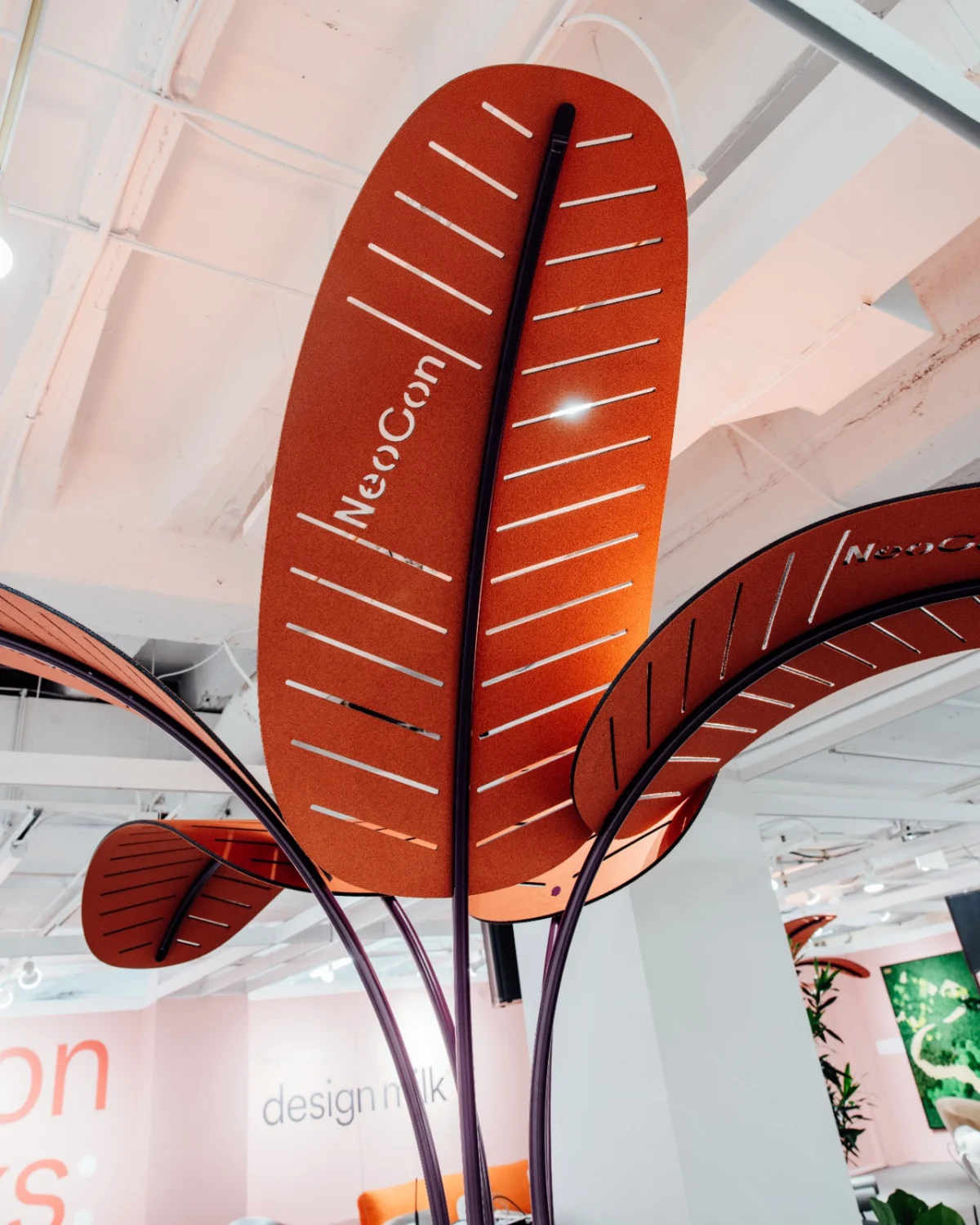
NeoCon, the undisputed global nexus for commercial interiors, concluded its 57th edition, once again demonstrating why it is not an event for the faint of heart. Hosted within the monumental edifice of The Mart in downtown Chicago—a structure so vast it once commanded its own zip code—this year’s gathering brought together an unparalleled confluence of design professionals, manufacturers, and thought leaders. Attendees, representing an impressive 88 countries, navigated appointment-filled days and accrued formidable step counts, testament to the sheer scale and intensity of the programming. With over 450 exhibitors showcasing the latest innovations across every segment of commercial design, the energy within The Mart was palpable, oscillating between focused industry discussions and celebratory showroom activations.
The 2026 event was meticulously curated with a diverse array of experiences, collectively forming Sandow’s DesignScene. This immersive initiative featured METROPOLIS’s Sustainability Lab, offering critical insights into environmentally responsible design practices; the Designer Wellness Lounge, presented by Design Milk, which provided a much-needed sanctuary for mental and physical rejuvenation amidst the bustling event; and an engaging interactive experience spearheaded by Interior Design magazine, fostering dynamic engagement among participants. Complementing these was the debut of the Illuminate lighting show, which cast a literal and metaphorical spotlight on advancements in architectural and interior illumination. The dynamic atmosphere ensured that every corner of The Mart offered discovery, with the potential to transition from a serious brand showcase to an impromptu showroom dance party with a single misstep, encapsulating the vibrant and multifaceted spirit of NeoCon.
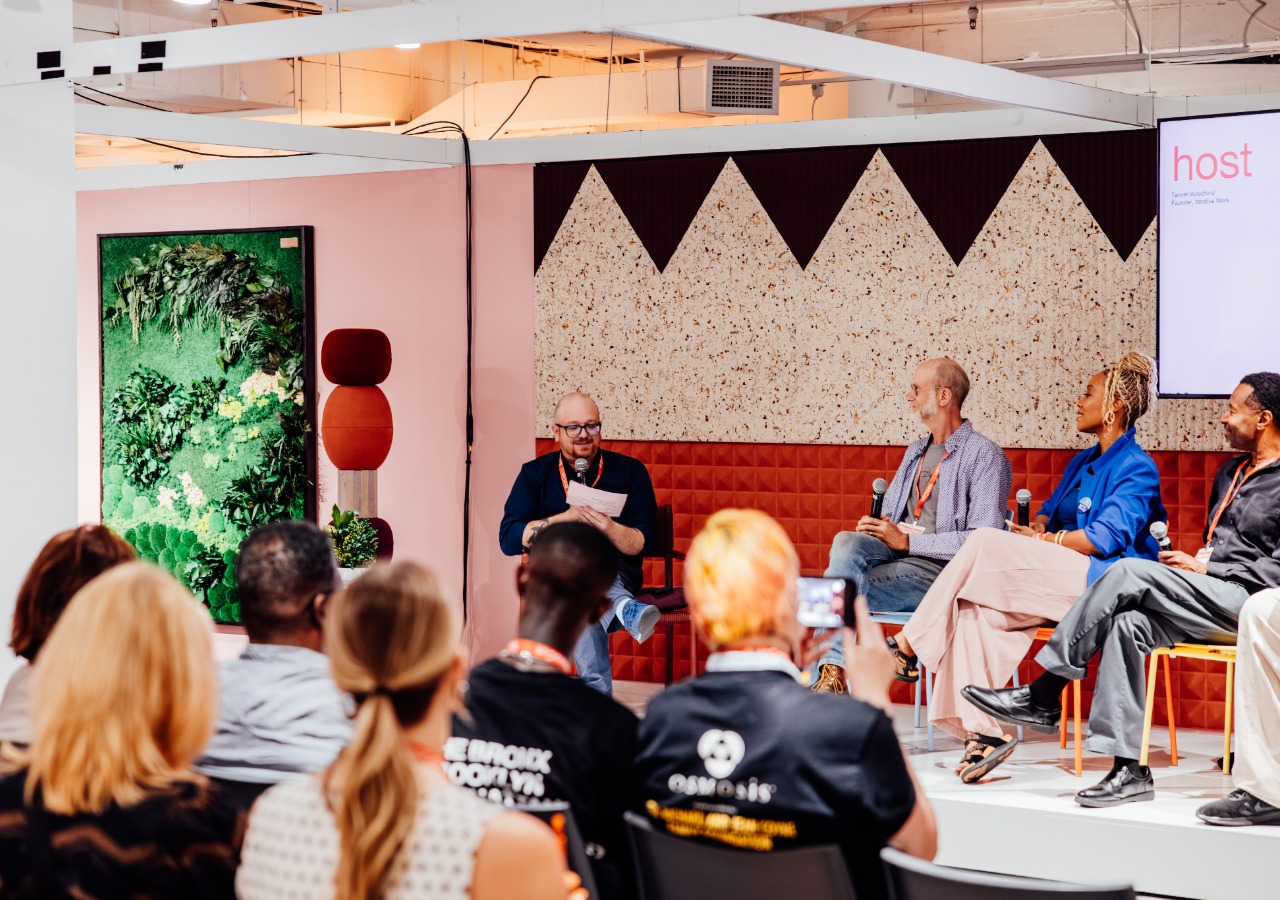
At the intellectual core of this bustling event were the 2026 NeoCon Talks, a two-day lecture series presented in strategic partnership with Design Milk. Located on The Mart’s 7th Floor Exhibit Hall, this platform served as a crucial forum for advanced discourse, drawing substantial audiences eager to engage with pioneering ideas. The series was made possible through the generous sponsorship of industry leaders including Slalom Acoustic Solutions, MOCKETT, Garden on the Wall, Andreu World, and Keilhauer, whose contributions underscored their commitment to fostering innovation and knowledge sharing. Hosted by Assistant Editor Sophie Sobol, the talks spanned a diverse range of "design-forward dialogues," delving into critical contemporary topics such as designing for neurodiversity and the principles of salutogenic interiors. With a roster of over a dozen compelling speakers, the 2026 NeoCon Talks delivered a wealth of insightful perspectives, prompting attendees to rethink conventional design paradigms and embrace more inclusive, sustainable, and human-centric approaches.
The Enduring Legacy and Evolution of NeoCon
For nearly six decades, NeoCon has stood as the definitive annual event for the commercial interiors industry, consistently setting benchmarks for innovation, thought leadership, and market trends. Established in 1969, the conference has mirrored and often driven the evolution of commercial design, from the advent of open-plan offices in the 1970s to the tech-driven workspaces of the new millennium, and now, to environments prioritizing wellness, inclusivity, and environmental stewardship. The Mart, a historic landmark in Chicago, has served as NeoCon’s unwavering home, its immense floor plate and permanent showrooms providing an unparalleled backdrop for product launches and industry networking. Over the years, NeoCon has transformed from a mere trade show into a comprehensive ecosystem of learning, networking, and inspiration, reflecting the industry’s growing complexity and societal impact. This year’s 57th edition continued this tradition, solidifying its role as a vital barometer for the future direction of commercial design. The increasing global representation, with attendees from 88 countries, underscores NeoCon’s international significance and its role in harmonizing design principles across diverse cultural and economic landscapes.

Key Insights Shaping Tomorrow’s Built Environments
The 2026 NeoCon Talks distilled complex challenges into actionable insights, offering a roadmap for designers, architects, and manufacturers. The recurring themes emphasized a paradigm shift: moving beyond purely aesthetic or functional considerations to embrace holistic, empathetic, and environmentally conscious design. These dialogues are not merely academic; they represent a fundamental re-evaluation of how spaces are conceived, built, and experienced, with profound implications for well-being, productivity, and planetary health.
1. The Imperative of Designing for the Invisibility of Disability

Kristin Cerutti, Regional Design Leader, Workplace at NELSON Worldwide, initiated her discourse with a profound reframing of disability, positing that "There are two types of people: those who are disabled and those who are temporarily abled." This statement served as a powerful reminder of the universality of design for all abilities, emphasizing that disability is not a static state but a spectrum of human experience that many will encounter at some point in their lives. Cerutti highlighted a critical, often overlooked statistic: approximately 1 in 6 people globally live with a disability, and a staggering 80 percent of these are invisible. These invisible disabilities can encompass a wide range of conditions, including chronic illnesses, neurological differences, mental health conditions, and sensory processing disorders, all of which significantly impact an individual’s interaction with their environment.
The implications for designers are immense. Traditional accessibility standards, while crucial, often fall short in addressing the nuances of invisible disabilities. Cerutti advocated for a design approach rooted in curiosity, compassion, and proactive research. She stressed that designers must move beyond compliance to genuinely understand the varied needs of users, encouraging open dialogue and continuous learning. "The more we talk about it, the more visible we become," she asserted, underscoring the role of discourse in destigmatizing and integrating diverse needs into the design process. This call to action requires designers to challenge assumptions, engage with user communities, and integrate flexible, adaptable solutions that cater to a broader spectrum of human experience. The shift from a reactive, compliance-based model to a proactive, empathetic one has far-reaching implications for creating truly inclusive workplaces, public spaces, and residential environments that support the well-being and productivity of everyone.
2. The Symbiotic Relationship of Sound and Color in Environmental Design

Elettra de Pellegrin, founder and CEO of Slalom Acoustic Solutions, presented a compelling case for the intrinsic connection between sound and color, arguing that they are not competing but rather complementary systems in shaping human experience. Her NeoCon Talk illuminated the profound psychological impact of colorful architectural acoustics, demonstrating how these elements can synergistically enhance wellness within a space. De Pellegrin elaborated on how carefully chosen color palettes and strategically integrated acoustic solutions contribute to stress reduction, improve concentration and productivity, foster emotional well-being, elevate comfort perception, and enrich the overall spatial experience.
The visual manifestation of her principles was evident around the NeoCon Talks stage, which was artfully adorned with Slalom’s acoustical trees and vibrant pink totems. These installations served not only as functional elements, effectively managing ambient sound, but also as striking design features, imbuing the space with a playful yet sophisticated sense of joy. De Pellegrin’s presentation underscored that design should engage multiple senses to create truly immersive and supportive environments. The strategic use of color can influence mood and perception, while effective acoustics are crucial for cognitive comfort and privacy, especially in busy commercial settings. The integration of these elements moves beyond mere aesthetics to create spaces that actively contribute to the psychological and physiological health of occupants. This holistic sensory approach suggests a future where commercial interiors are not just visually appealing but also acoustically optimized and emotionally resonant, leading to improved user experience and performance.
3. Embracing Whole-Body Design for Integrated Well-being

Jill Stewart, President of Office Revolution, and Kelly Colón, Coach, Educator, Author, and Founder of Eledex Consulting, introduced the concept of "Whole-Body Design," a revolutionary framework that extends inclusive design far beyond traditional considerations of physical mobility or sensory accessibility. Their talk emphasized that humans are complex, integrated organisms, and effective design must cater to the entirety of these biological systems – sensory, cognitive, and psychological. This approach acknowledges that the built environment profoundly impacts everything from circadian rhythms and neurochemical balance to emotional states and cognitive function.
Whole-Body Design advocates for a deeper understanding of human physiology and psychology, integrating scientific insights into the design process. For example, lighting design can be optimized to support natural sleep-wake cycles, material choices can affect air quality and tactile comfort, and spatial layouts can be configured to reduce cognitive load and enhance psychological safety. Stewart and Colón stressed that "The more we understand people, the better we can design environments that support the whole self." This paradigm shift encourages designers to think about how every element, from the air quality to the visual stimuli, impacts the user’s complete biological system. The implications are significant for workplaces seeking to boost employee well-being and productivity, healthcare facilities aiming to accelerate healing, and educational institutions striving to optimize learning environments. It represents a maturation of human-centric design, moving from addressing individual needs to fostering systemic well-being.
4. Redefining Neurodiversity-Inclusive Design: Beyond Mere Space

Arnold C. Levin, Principal of the strategic design firm CWI, offered a poignant and critical re-evaluation of designing for neurodiversity in the workplace, drawing profound lessons from his daughter, Zoe, and her lived experience. His central, provocative thesis challenged a pervasive assumption: "Space alone is not a solution." Levin highlighted that while open-concept offices are often championed for fostering collaboration and inclusivity, they frequently fail neurodiverse individuals, who may struggle with sensory overload, lack of privacy, and difficulty filtering distractions from sounds, visual clutter, and unpredictable layouts.
Levin’s talk questioned whether the industry has been "solving the wrong problem really well." Instead of simply providing open spaces, he advocated for a nuanced approach that recognizes the diverse needs within the neurodiverse community. This includes designing for choice and control, offering a variety of work settings from quiet, low-stimuli zones to collaborative areas, and incorporating elements that support different sensory preferences. The goal is not just to provide space, but to create environments where neurodiverse individuals feel genuinely safe, comfortable, and able to thrive. This demands a deeper empathy from designers, requiring them to move beyond superficial solutions to engage in authentic dialogue with neurodiverse individuals and integrate their feedback into the design process. The shift implies a move away from uniform design solutions towards flexible, adaptable, and personalized workspaces that acknowledge and celebrate neurological differences, ultimately leading to more equitable and productive work environments for all.
5. Overcoming Linear Thinking for a Circular Interior Design Economy

Brittany McNairy, Senior Technical Coordinator and Senior Associate at Perkins&Will, and Timothy Anscombe-Bell, Fitwel Ambassador and ASID Director at Sustainable Design Collective, delivered a powerful session on the barriers to achieving a circular interior design economy. Their core message was unequivocal: "Circularity fails when projects are still designed to be linear." They underscored that despite growing awareness of sustainability, the industry often remains trapped in a linear "take-make-dispose" model, leading to immense waste and resource depletion.
McNairy and Anscombe-Bell provided a robust analysis of the systemic challenges, from fragmented supply chains to a lack of coordinated efforts among project stakeholders. They emphasized that connectivity – fostering collaboration among designers, manufacturers, contractors, and clients – is paramount for successful circular implementation. Crucially, they offered practical, actionable steps for immediate integration:
- Start reuse efforts and align project partners early: Integrating circularity from the project’s inception.
- Inventory existing spaces before demolition: Identifying valuable materials for reuse or recycling, often referred to as ‘material passports.’
- Include reuse design intent on drawings: Making circularity an explicit part of project documentation.
- Start small with one project component: Demonstrating success and building momentum.
- Ask manufacturers about their take-back programs: Encouraging producer responsibility and facilitating material recovery.
This talk served as a clarion call for a fundamental shift in mindset and practice, urging the industry to move from aspirational sustainability goals to concrete, systemic change. The implications for reducing environmental impact, conserving resources, and creating a more resilient design industry are profound, requiring collaboration, innovation, and a commitment to long-term value over short-term expediency.

Broader Implications and the Future of Commercial Interiors
The collective insights from the 2026 NeoCon Talks paint a vivid picture of an industry at a critical juncture. The recurring emphasis on inclusivity, holistic well-being, and environmental circularity underscores a profound paradigm shift in commercial interiors. These themes are not isolated but interconnected, reflecting a growing understanding that truly exceptional design must cater to the diverse needs of humanity while respecting the planet’s finite resources. The drive for neurodiversity-inclusive spaces, multi-sensory design, and whole-body approaches signifies a move towards deeper empathy and scientific rigor in design, transcending superficial aesthetics. Concurrently, the urgent call for a circular economy in interiors highlights the industry’s responsibility to mitigate its environmental footprint and embrace sustainable practices throughout the entire lifecycle of a product or space.
NeoCon 2026, through its expansive exhibitions and particularly its insightful Talks, served as a powerful catalyst for this transformation. It provided a vital platform for the exchange of pioneering ideas, fostering collaboration and challenging conventional wisdom. The commitment of organizers, sponsors, and speakers to these progressive ideals demonstrates a collective resolve to shape built environments that are not only functional and beautiful but also profoundly human-centric, equitable, and sustainable. As the commercial interiors industry continues to evolve, the principles championed at this year’s NeoCon will undoubtedly serve as foundational pillars for future innovation, driving a more conscientious and impactful approach to design worldwide.

For those eager to delve deeper into these transformative dialogues, the full recordings of the 2026 NeoCon Talks are available for viewing at neocon.com/programming/program-library.
The 2026 NeoCon Talks were proudly sponsored by Slalom Acoustic Solutions, Garden on the Wall, MOCKETT, Andreu World, and Keilhauer. Photography was expertly provided by Kevin Serna. Sophie Sobol, Assistant Editor at Design Milk and host of the 2026 NeoCon Talks, brings her discerning eye and passion for joyful design to a global audience, constantly seeking the interplay of art, design, and fashion that shapes our everyday experiences.







