
 Indra Kusuma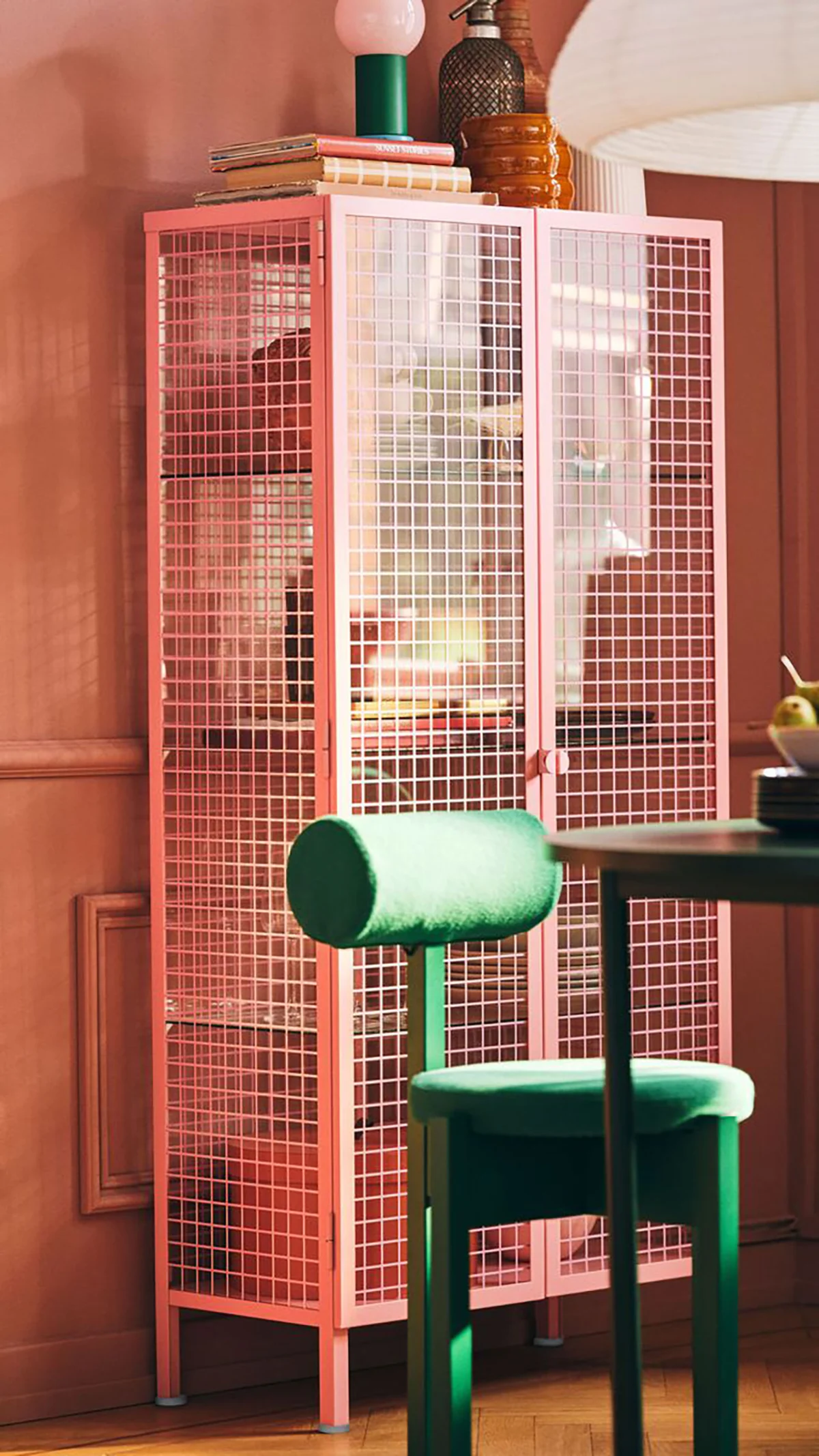
In an era increasingly defined by the relentless pursuit of efficiency and optimization, the IKEA PS 2026 collection emerges as a compelling counter-narrative, proposing that utility and delight are not mutually exclusive but rather deeply interconnected. This tenth iteration of IKEA’s renowned experimental design platform challenges conventional notions of home furnishings, inviting consumers to consider a world where functional objects possess an inherent charm, a subtle flirtation that transforms routine tasks into moments of joy. The collection posits a radical question: what if the items that populate our daily lives could actively encourage us to sit, store, fold, illuminate, or gather with a renewed sense of wonder and pleasure?
This philosophical inquiry forms the bedrock of IKEA PS 2026, a significant launch that continues the legacy of a series first introduced at the Milan Furniture Fair in 1995. Conceived alongside the formalization of IKEA’s “Democratic Design” principles – a framework emphasizing form, function, quality, sustainability, and low price – the PS collection has consistently served as a creative incubator, a "postscript" to the brand’s main offerings. It is within this unique ecosystem that IKEA designers are afforded the freedom to transcend established boundaries, rigorously test novel concepts, and reimagine the very essence of Scandinavian design. Here, simplicity is not merely an aesthetic choice but a deliberate provocation, aimed at infusing the minutiae of everyday living with an unexpected sense of magic.
The Genesis of Playful Functionality
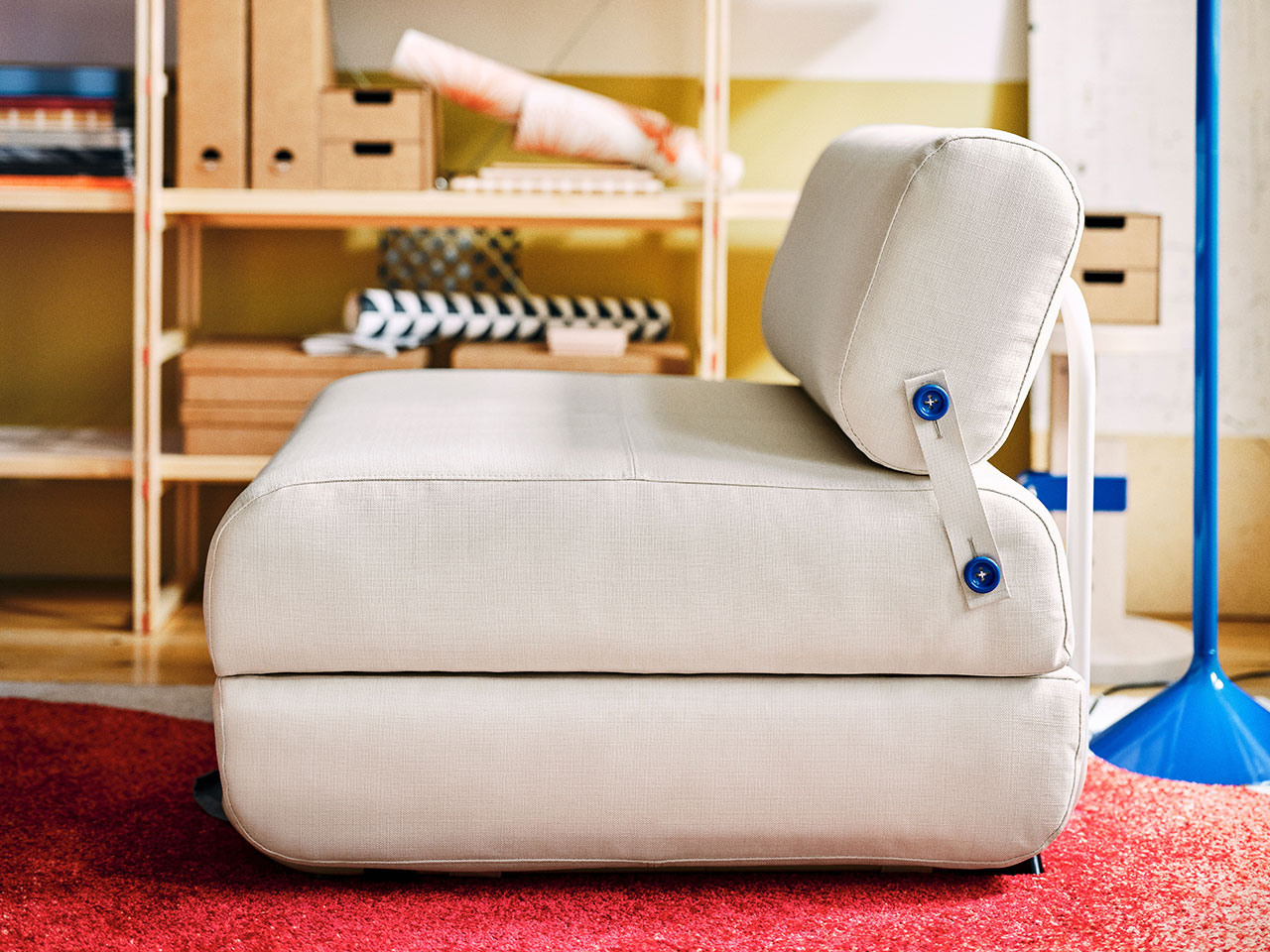
For the 2026 collection, this provocation crystallizes into the concept of "playful functionality." At first glance, the phrase might appear contradictory, juxtaposing the practical with the seemingly frivolous. However, upon deeper engagement with the collection, its profound emotional logic becomes evident. Anna Granath, Range Identity Manager at IKEA of Sweden, elucidates this distinction. Functionality, she explains, is an indispensable pillar of IKEA’s design philosophy. It is rational, inherently useful, and a primary determinant in a product’s long-term retention within a home. Playfulness, by stark contrast, operates on an emotional plane. It is often perceived as unnecessary or even trivial. Yet, for IKEA PS 2026, these two forces are not merely complementary; they are inseparable, forming a synergistic whole that enriches the user experience.
The collection’s development unfolded against a backdrop of evolving consumer expectations and broader societal shifts. Market research consistently indicates a growing desire among consumers for products that offer more than just basic utility. A 2023 industry report highlighted a 15% increase in demand for home goods that integrate elements of personalization, emotional connection, and multi-sensory engagement over the past five years. This trend underscores a broader societal yearning for tactile experiences and emotional anchors in an increasingly digitized and often impersonal world. IKEA PS 2026 directly addresses this sentiment, acknowledging that while a product must earn its place through practical utility, it solidifies its lasting bond with the user through elements of surprise, delight, and emotional resonance.
A Legacy of Innovation: The IKEA PS Series Timeline
The IKEA PS (Post Scriptum) collection has been a cornerstone of IKEA’s design strategy for nearly three decades, evolving as a dynamic platform for cutting-edge experimentation and a dialogue with contemporary design trends.
- 1995: The Inaugural Launch: The first IKEA PS collection debuted at the prestigious Milan Furniture Fair, signaling IKEA’s commitment to pushing design boundaries beyond its core offerings. This launch coincided with the formal articulation of IKEA’s "Democratic Design" philosophy, positioning PS as its experimental avant-garde. The initial collection explored lightweight materials and modular solutions, reflecting a nascent interest in flexible living.
- Late 1990s – Early 2000s: Expanding Horizons: Subsequent PS collections continued to explore new materials and manufacturing techniques, often collaborating with external designers to bring fresh perspectives. Themes frequently revolved around urban living, small spaces, and sustainable practices, anticipating future consumer needs. Pieces from these early collections, such as the PS Vågö easy chair (2001), gained cult status for their innovative use of plastic and ergonomic design.
- 2006: Focus on Modern Nomads: The PS 2006 collection specifically addressed the needs of young, mobile urban dwellers, featuring lightweight, stackable, and easily transportable furniture. This collection emphasized adaptability and resilience, anticipating the fluid lifestyles of a new generation.
- 2009: Global Design Dialogue: This edition broadened its design language, incorporating influences from various cultures while maintaining the core Scandinavian ethos. It showcased a diverse range of materials and forms, demonstrating IKEA’s ability to interpret global trends through its unique lens.
- 2012: The Art of Imperfection: The PS 2012 collection celebrated handcrafted aesthetics and the beauty of natural materials, moving away from purely industrial finishes. It explored themes of individuality and the charm of the handmade in a mass-produced context.
- 2014: Life in Motion: This collection focused on dynamic living and the challenges of small spaces, offering multi-functional furniture designed for flexibility and constant change. Products could be easily reconfigured or moved, reflecting a desire for adaptable homes.
- 2017: Living for Today: PS 2017 targeted independent individuals who value freedom and self-expression. It offered pieces that were easy to move, combine, and personalize, encouraging consumers to create unique living environments that reflected their immediate needs and tastes. This collection notably emphasized durability and materials that would age gracefully.
- 2020 (Hypothetical/Implied from context): While not explicitly detailed in the provided text, a logical progression would suggest a collection around this time, likely addressing themes pertinent to early 2020s concerns such as increased home-centric living, digital integration, or further sustainability initiatives.
- 2026: Playful Functionality: The latest iteration, IKEA PS 2026, marks a significant philosophical turn, prioritizing emotional engagement and joy alongside practical utility. It represents a mature synthesis of IKEA’s experimental ethos with a deep understanding of contemporary psychological needs, offering a counterpoint to the prevailing minimalist and purely utilitarian design trends.
Throughout its history, the PS series has consistently challenged the perception of IKEA as solely a provider of affordable, assembly-required furniture. It has cultivated a reputation for innovative design that, while accessible, is anything but disposable. Pieces from earlier PS editions have frequently become sought-after icons, commanding attention at auction houses and thriving in secondhand markets long after their initial release. This "afterlife" speaks volumes about the collection’s enduring quality and its unique position within design culture, demonstrating that experimental, democratic design can indeed achieve lasting value and emotional resonance.
The 2026 Collection: A Deeper Dive into Play
The IKEA PS 2026 collection is the culmination of a collaborative effort involving twelve distinguished designers: Mikael Axelsson, Henrik Preutz, Lukas Bazle, Ellen Hallström, Ola Wihlborg, Matilda Lindstam Nilsson, Michelle Armas, Lex Pott, Friso Wiersma, Marta Krupińska, David Wahl, and Maria Vinka. This diverse group, creatively directed by Maria O’Brian, was given an expansive, open brief: to interpret Scandinavian design through their individual lenses and, crucially, to make it anything but mundane. This approach transforms the collection into a quiet yet powerful "love letter" to designers, celebrating the value of creative freedom and rigorous experimentation within a large-scale commercial framework.
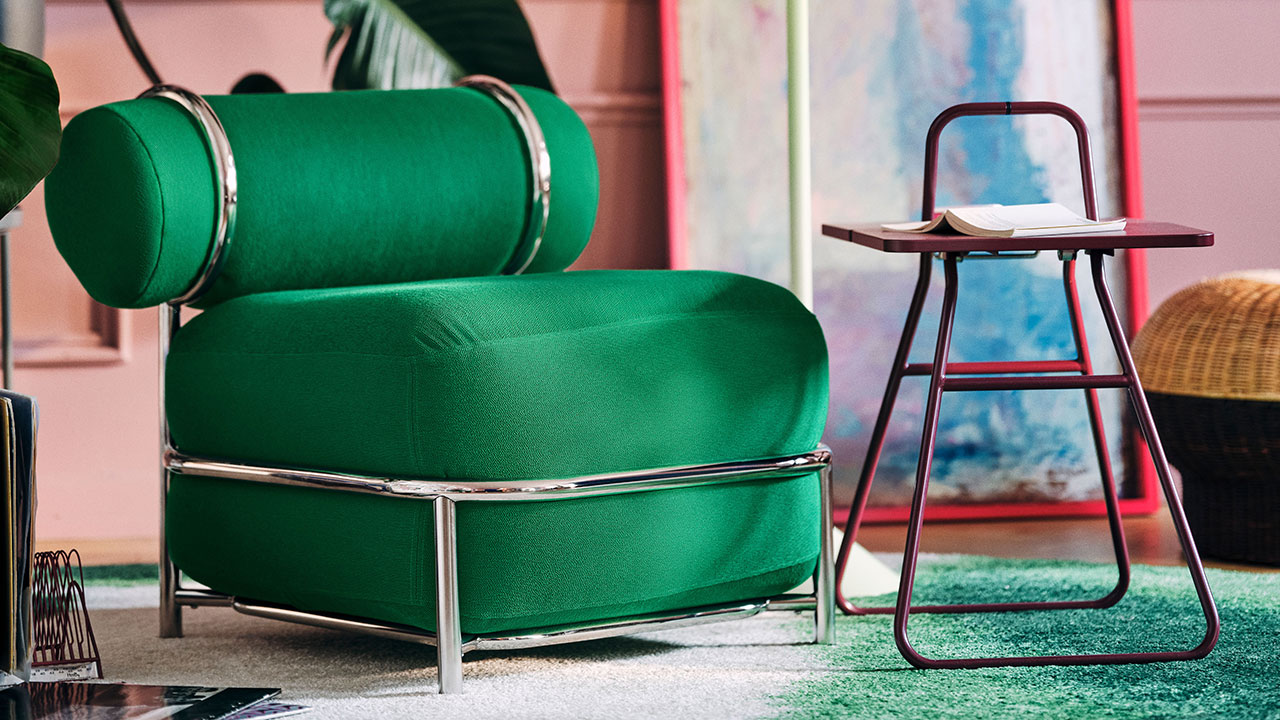
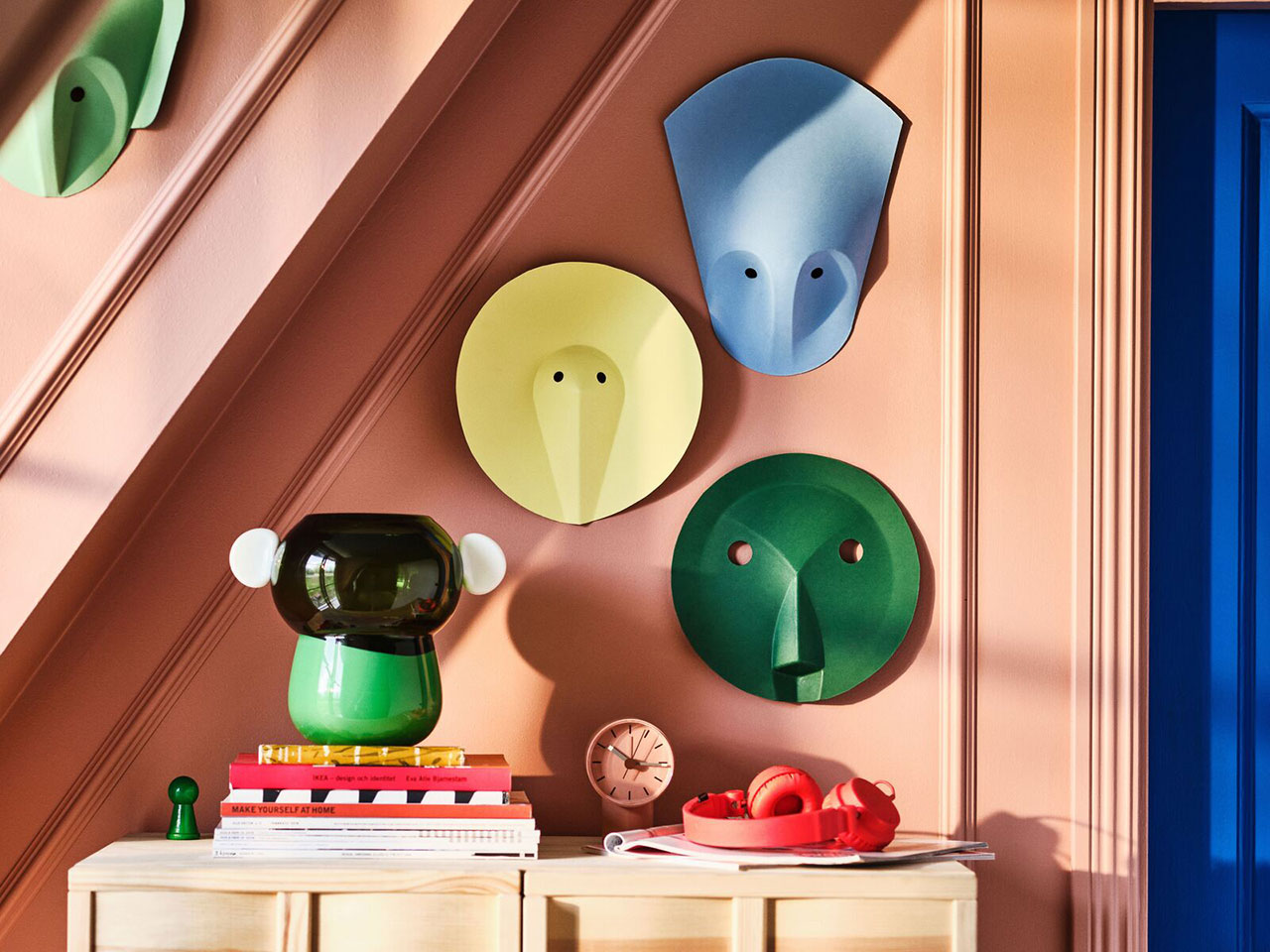
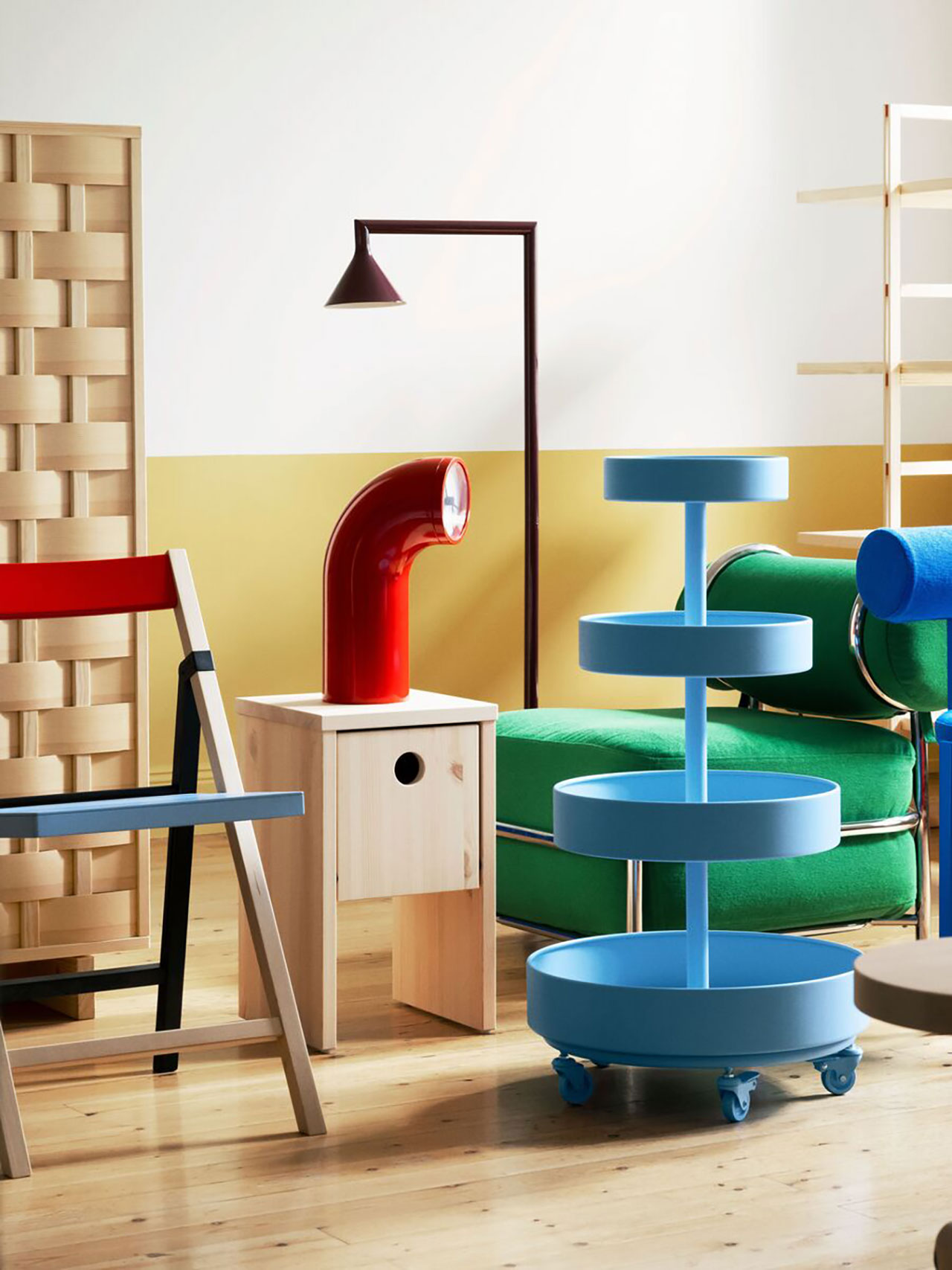
The result is an expansive 44-piece collection that spans a comprehensive range of home furnishings, including furniture, lighting, textiles, storage solutions, and decorative objects. Each item, while firmly rooted in the understated elegance and functional clarity characteristic of Scandinavian simplicity, is infused with subtle "acts of mischief" – design elements that provoke interaction, surprise, and delight.
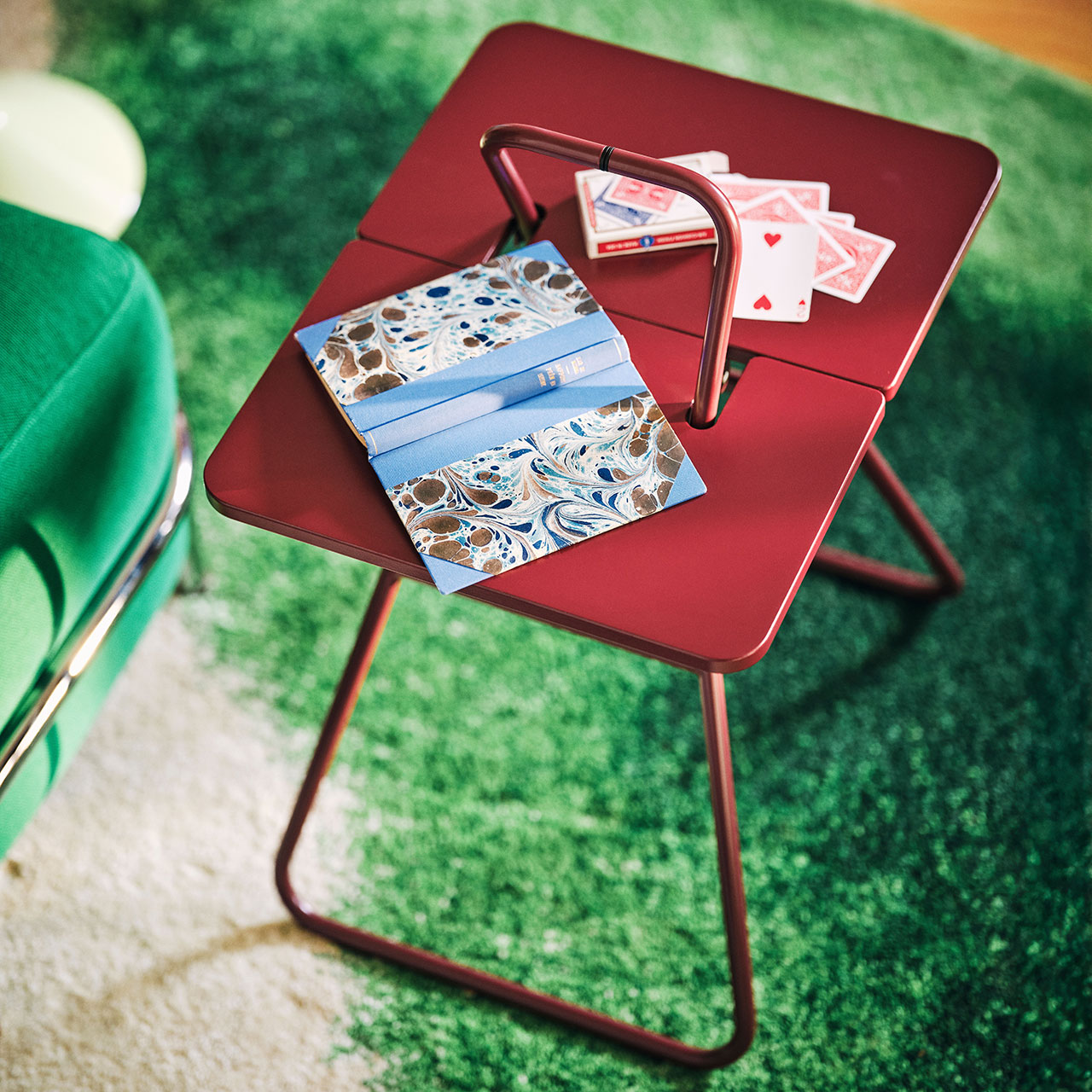
Consider the diverse ways this "playful functionality" manifests across the collection:
- Immediate Interaction: Some pieces are designed to elicit an instant physical response. A rocking bench, for instance, subtly sets the body in motion the moment someone sits down, transforming a static act into a dynamic experience. Similarly, a height-adjustable stool intentionally exposes its lever mechanism, celebrating its clever engineering rather than concealing it. This transparency invites users to engage with the object’s mechanics, fostering a deeper appreciation for its design.
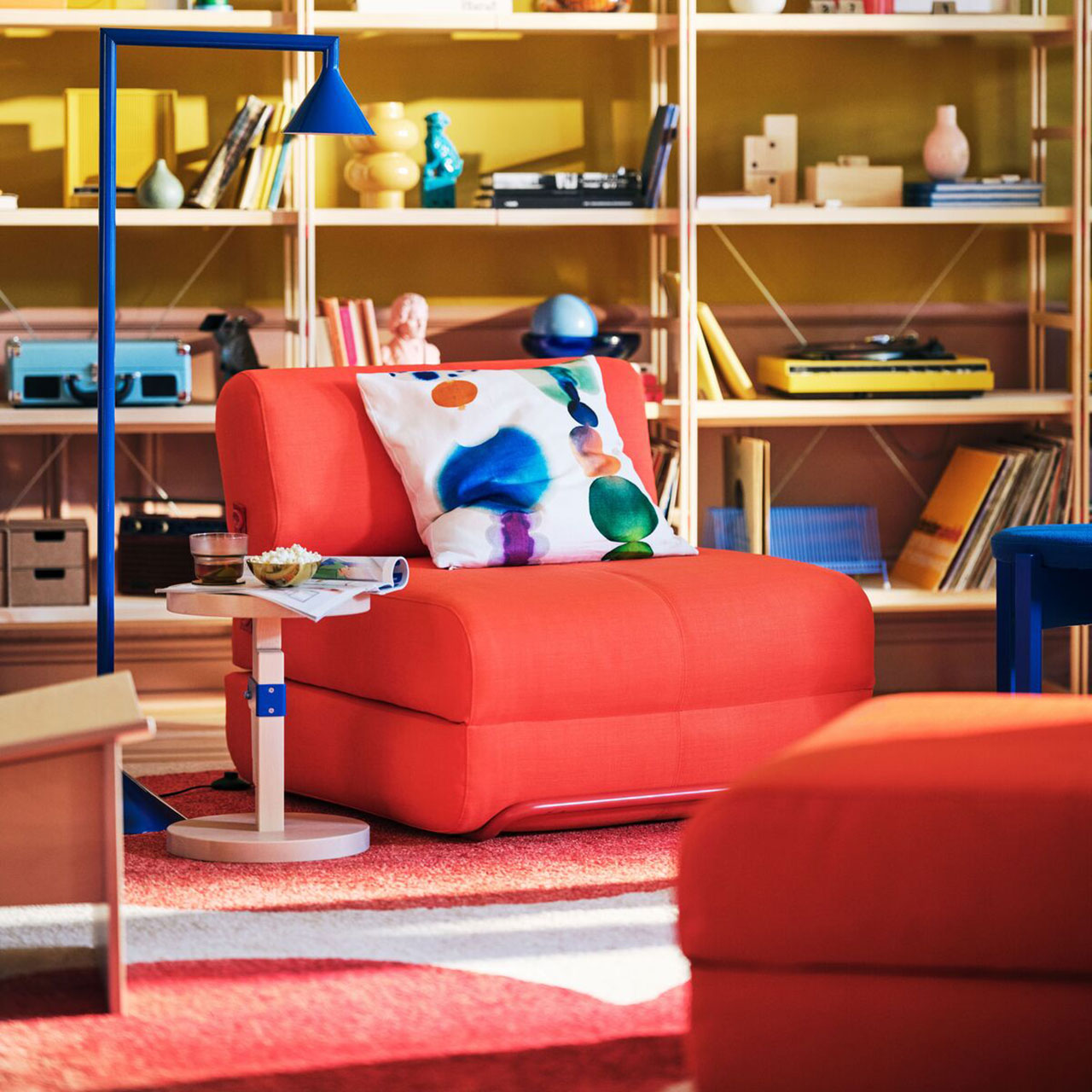
- Gradual Revelation: Other items in the collection reveal their ingenious functions more slowly, unfolding their capabilities over time. A solid wood dining table, for example, boasts the remarkable ability to fold completely flat, offering unparalleled versatility for compact living spaces or impromptu gatherings. A lounge chair ingeniously transforms into a comfortable guest bed, providing a dual-purpose solution for modern homes. A sofa, built upon a foundation of pocket springs, doubles as a proper, comfortable bed, addressing the perennial challenge of maximizing space without compromising comfort. Perhaps most striking is a chair designed to hang on the wall like a cubistic artwork when not in use, transcending its utilitarian purpose to become a decorative statement.
These innovative features are emphatically not superficial gimmicks or mere graphic flourishes. They are, instead, integral aspects of functional objects, each incorporating a "coy wink" that enhances usability while simultaneously sparking joy. IKEA PS 2026 demonstrates a profound understanding that truly good design extends beyond the mere resolution of problems; it actively grants users permission to inhabit their homes with an enriched sense of whimsy, ease, and personal expression. This philosophy resonates deeply with current consumer sentiment, which increasingly values products that contribute to mental well-being and provide an escape from the mundane. A recent survey indicated that 78% of consumers are willing to pay a premium for products that enhance their emotional state or provide a unique experience.
Addressing Contemporary Needs: Joy in an Era of Uncertainty
In an increasingly complex and often uncertain global landscape, the emphasis on "fun and joy" in design takes on particular significance. Anna Granath poignantly observes, "I think we, maybe more than ever, need more fun and joy in our lives. As we are in a time of quite a lot of uncertainty and stress, I think the relief of joy is something that resonates with people." This perspective reframes play not as an escape from seriousness, but as a vital counterweight to it. In this context, design becomes a powerful tool for softening the home environment, making daily routines feel less automatic, and fostering a crucial reconnection with the tactile world at a time when much of human attention has been absorbed by digital screens.
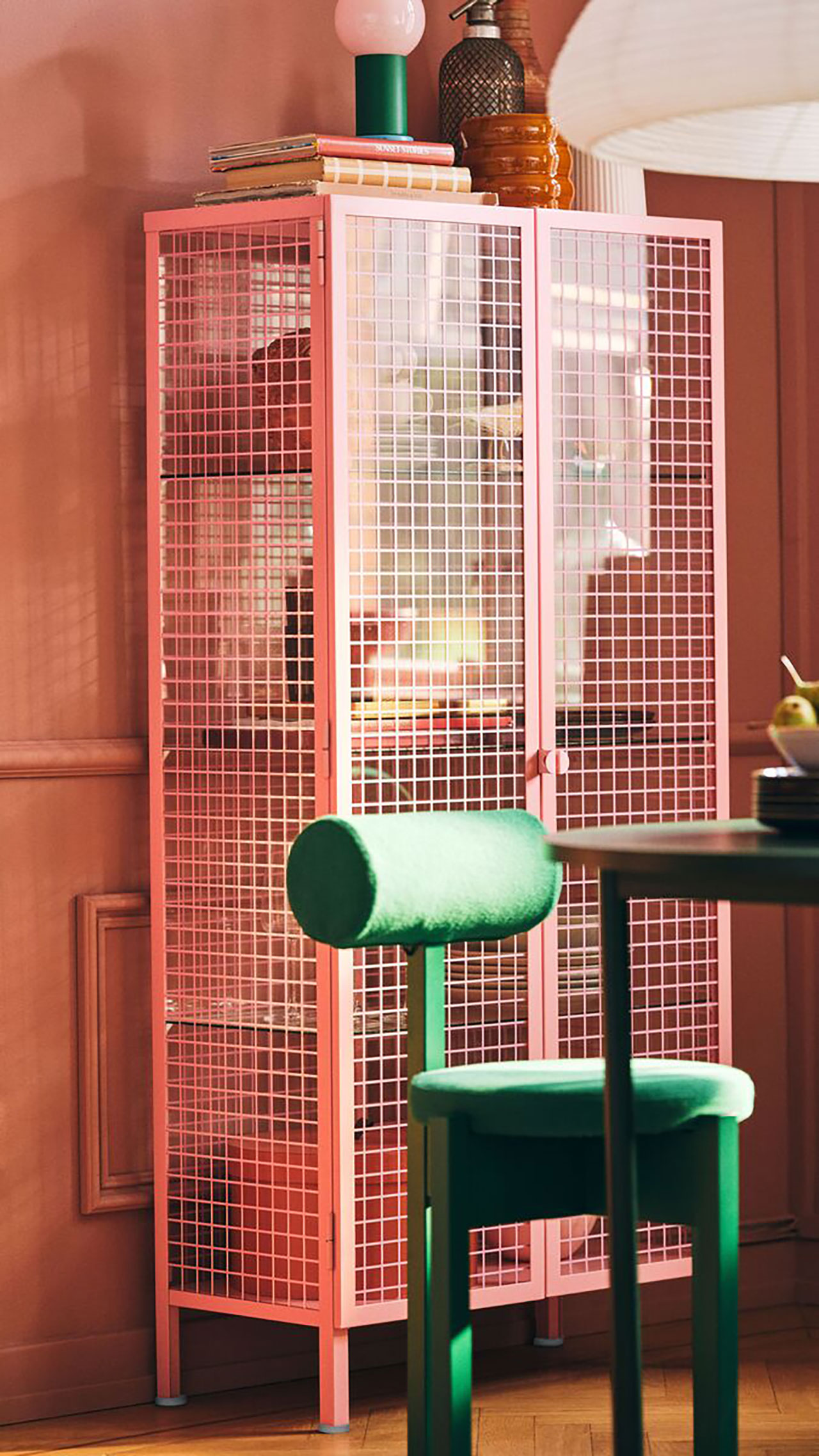
The collection implicitly addresses the burgeoning crisis of digital overload and the associated psychological fatigue. By inviting physical interaction – touching a lever, opening a drawer, rocking back and forth, or even sitting in an unconventional manner – the PS 2026 collection encourages a mindful engagement with physical objects. This deliberate activation of the senses serves as a grounding mechanism, pulling individuals away from abstract digital interfaces and back into the tangible reality of their immediate surroundings. It’s a subtle but profound intervention, transforming passive consumption into active participation and infusing ordinary moments with a renewed sense of presence and delight. This approach aligns with a growing movement in wellness and mindful living, which seeks to integrate sensory experiences and emotional well-being into everyday life.
Materiality and Sustainability: A Foundation for Longevity
Beyond its playful aesthetics and innovative functionality, IKEA PS 2026 also emphasizes a deep commitment to materiality and sustainability. The collection judiciously employs a diverse palette of materials, including hand-blown glass, durable steel, natural cotton, ethereal rice paper, robust solid birch and pine, versatile plywood, birch veneer, fiberboard, lightweight aluminum, and innovative molded paper pulp. This conscious selection is not merely about aesthetic appeal; it is a fundamental aspect of the collection’s enduring value.
Longevity, in the context of PS 2026, extends beyond a purely environmental principle to encompass a crucial emotional dimension. By utilizing high-quality, tactile materials, the collection aims to foster a deeper, more lasting relationship between the user and the object. When a product is well-made, feels good to touch, and performs its function with a playful twist, it cultivates an emotional attachment that actively discourages disposability. This principle is particularly relevant in the modern consumer landscape, where concerns about waste and the environmental impact of fast furniture are increasingly prominent. By designing for emotional longevity, IKEA PS 2026 reinforces its sustainability credentials, ensuring that these items are cherished and kept in homes for years, if not decades, thus reducing their environmental footprint. The historical performance of previous PS collections in secondary markets, where pieces consistently retain and even appreciate in value, serves as compelling empirical evidence of this enduring appeal and inherent sustainability.
Market Implications and Future Outlook
The launch of IKEA PS 2026 is poised to have significant implications across various sectors, from consumer trends to the broader design industry. For consumers, it sets a new benchmark for what can be expected from affordable home furnishings. It challenges the prevailing notion that accessible design must sacrifice emotional depth or innovative functionality. This collection could accelerate the demand for products that offer more than just basic utility, pushing manufacturers across the industry to integrate elements of surprise, delight, and emotional connection into their offerings.
For IKEA itself, the PS 2026 collection reinforces its identity as a leader in democratic design, capable of both mass production and avant-garde experimentation. It demonstrates the brand’s ongoing commitment to fostering creativity and pushing the boundaries of what is possible within its commercial model. By continuing to invest in platforms like PS, IKEA maintains its relevance and appeal to a diverse audience, from budget-conscious shoppers to design aficionados. The collection also serves as a strategic move to differentiate IKEA in an increasingly crowded market, where competitors are also vying for consumers’ attention with sustainable and stylish options.
In the broader design landscape, IKEA PS 2026 offers a compelling argument against the excesses of minimalist austerity or purely tech-driven solutions. It advocates for a more human-centric approach to design, one that acknowledges and celebrates the full spectrum of human emotions. This collection may inspire a new wave of designers to explore the intersection of utility and play, emphasizing the psychological benefits of engaging with objects that bring a smile to the face. It suggests that the future of design lies not just in solving problems, but in enriching lives through joy and imagination. This shift could lead to a more vibrant, diverse, and emotionally resonant array of products across the entire home goods market.
Conclusion: An Invitation to Re-engage
Ultimately, the IKEA PS 2026 collection is a multifaceted "love letter" addressed to several distinct audiences. To its vast customer base, it extends an offering of objects that are robustly useful enough to warrant a permanent place in the home and profoundly joyful enough to be cherished and loved. To the global community of designers, it serves as a powerful testament to the inherent value of unbridled experimentation, demonstrating that innovation can thrive and scale even within the confines of a global retail giant. And perhaps most intimately, to the individual self, it proffers a rare and precious invitation: to break free from habitual patterns, to touch the lever, to open the drawer, to rock back and forth, to sit the "wrong" way, and in doing so, to allow the ordinary objects of daily life to once again become strange, surprising, and utterly delightful. This collection is more than just furniture; it is a philosophy, a reminder that the home can be a canvas for continuous discovery and a wellspring of quiet, everyday happiness.
To explore and shop the IKEA PS 2026 collection, please visit IKEA.com.
Photography provided by IKEA.
About the Author:
With professional degrees in architecture and journalism, New York-based writer Joseph Sgambati possesses a profound desire to make living beautifully accessible to all. His work endeavors to enrich the lives of others through compelling visual communication and nuanced storytelling within the realm of design. When not engaged in writing, Joseph dedicates his time to teaching visual communication, design theory, and practical design principles.







