
 Indra Kusuma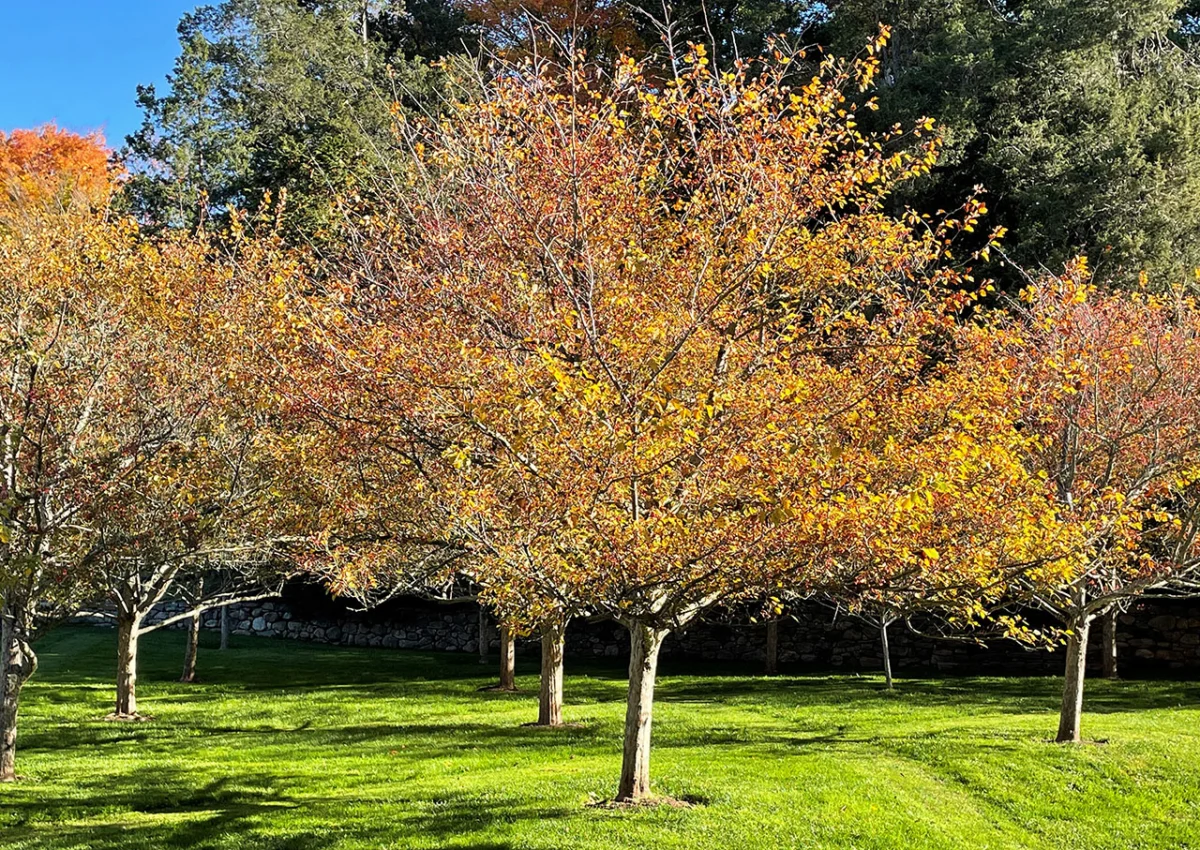
From an early age, Amanda Martocchio exhibited an innate artistic talent that would ultimately define her distinguished career in architecture. At just 11 years old, during a family visit to a museum, she found herself sketching a work by the Spanish Baroque painter Bartolomé Esteban Murillo. The act quickly drew a captivated crowd, a pivotal moment Martocchio recalls as the realization that her artistic ability was a profound source of attention and personal satisfaction. This early recognition of her unique gift set the trajectory for a life dedicated to design and built environments.
Martocchio pursued her passion academically, earning both a bachelor’s and a graduate degree in architecture. Her initial professional years were spent in the dynamic architectural landscape of New York City, where she gained invaluable experience on a diverse portfolio of projects, ranging from large-scale cultural venues to prominent commercial buildings. This period in one of the world’s architectural epicenters provided a robust foundation, exposing her to complex urban challenges and innovative design solutions that would inform her later independent practice. The rigorous demands of New York’s competitive market sharpened her skills in project management, client collaboration, and the intricate balance between aesthetic vision and structural integrity.
Establishing a Vision in Connecticut
Following her impactful tenure in New York, Martocchio made a strategic move to Connecticut, where she established her own firm, Amanda Martocchio Architecture (AMA). This transition was deeply influenced by Connecticut’s rich legacy of mid-century modern design, a movement renowned for its clean lines, functionalism, and harmonious integration with natural surroundings. The regional context offered a fertile ground for Martocchio to cultivate a design philosophy that placed sustainability at its core. AMA’s mission is to craft living environments that are not merely aesthetically pleasing but also actively promote the well-being and health of their inhabitants. This approach resonates with contemporary architectural trends emphasizing biophilic design and environmental stewardship. The firm’s commitment to creating spaces that foster a sense of wellness speaks to a growing demand for architecture that supports mental and physical health, leveraging natural light, ventilation, and connection to the outdoors.
Martocchio’s design process is notably rooted in traditional methods, a stark contrast to an increasingly digital industry. Her well-worn sketchbook, a cherished relic from her Cornell University days exploring the Greek Islands, remains a constant companion. Glancing through its pages today, she reflects on the youthful optimism embedded within those summer drawings, a testament to the enduring power of hand-drawn expression. She deliberately eschews the immediate gratification of digital capture for conceptual ideation, preferring the tactile engagement of pen on paper. This practice extends to her bedtime routine, where index cards serve as a canvas for jotting down incomplete ideas. This method, she explains, allows her to return to sleep, confident that the nascent concept will evolve overnight, often resulting in satisfying discoveries upon waking. This analog approach underscores a belief in the iterative, organic nature of design and the cognitive benefits of physically engaging with ideas.
Influences and Inspirations: The Friday Five
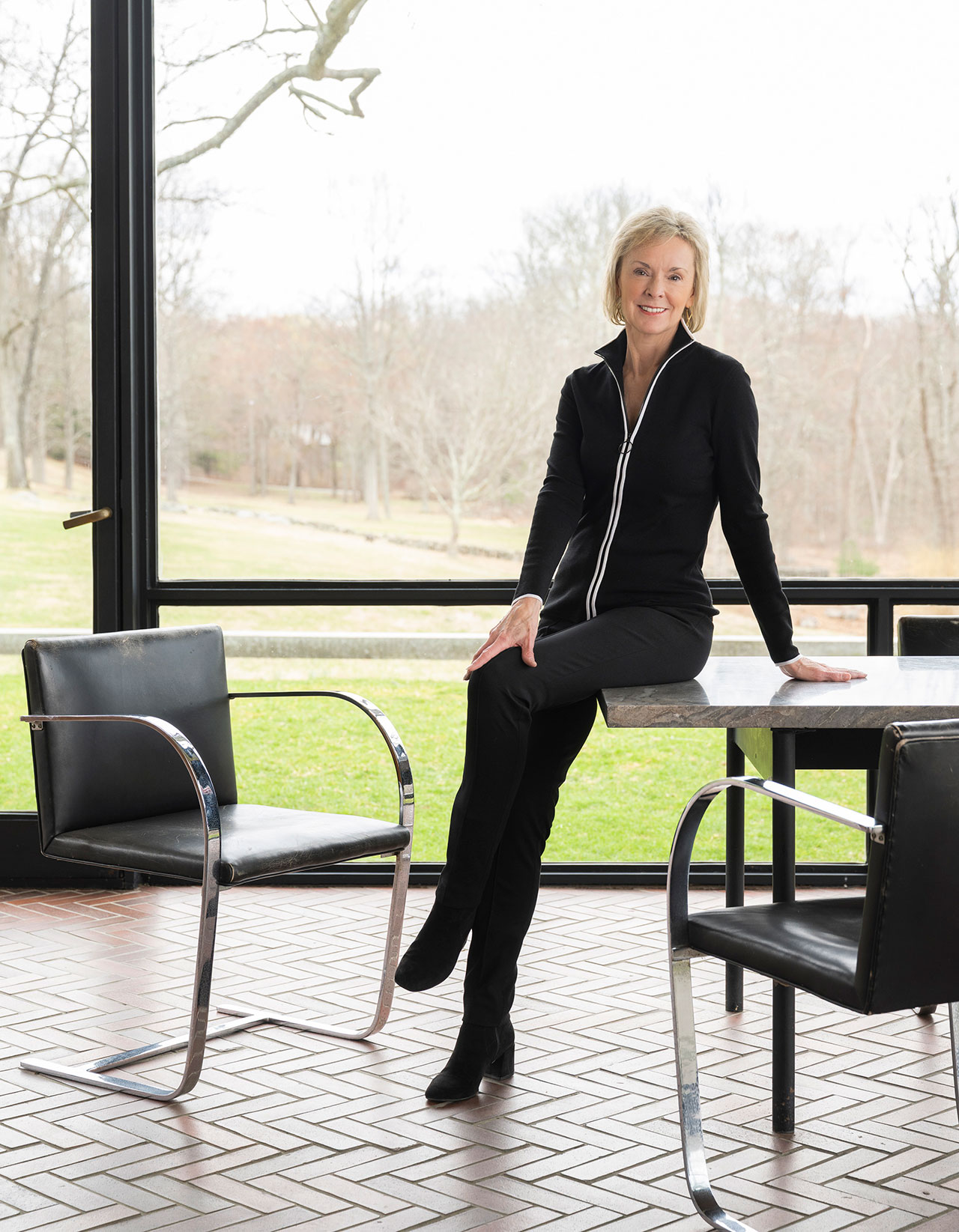
Amanda Martocchio recently shared insights into the diverse inspirations that shape her life and work in a "Friday Five" feature, revealing the personal and environmental touchstones that fuel her architectural vision.
1. The Hawthorne Orchard: A Twenty-Year Cultivation of Beauty and Resilience
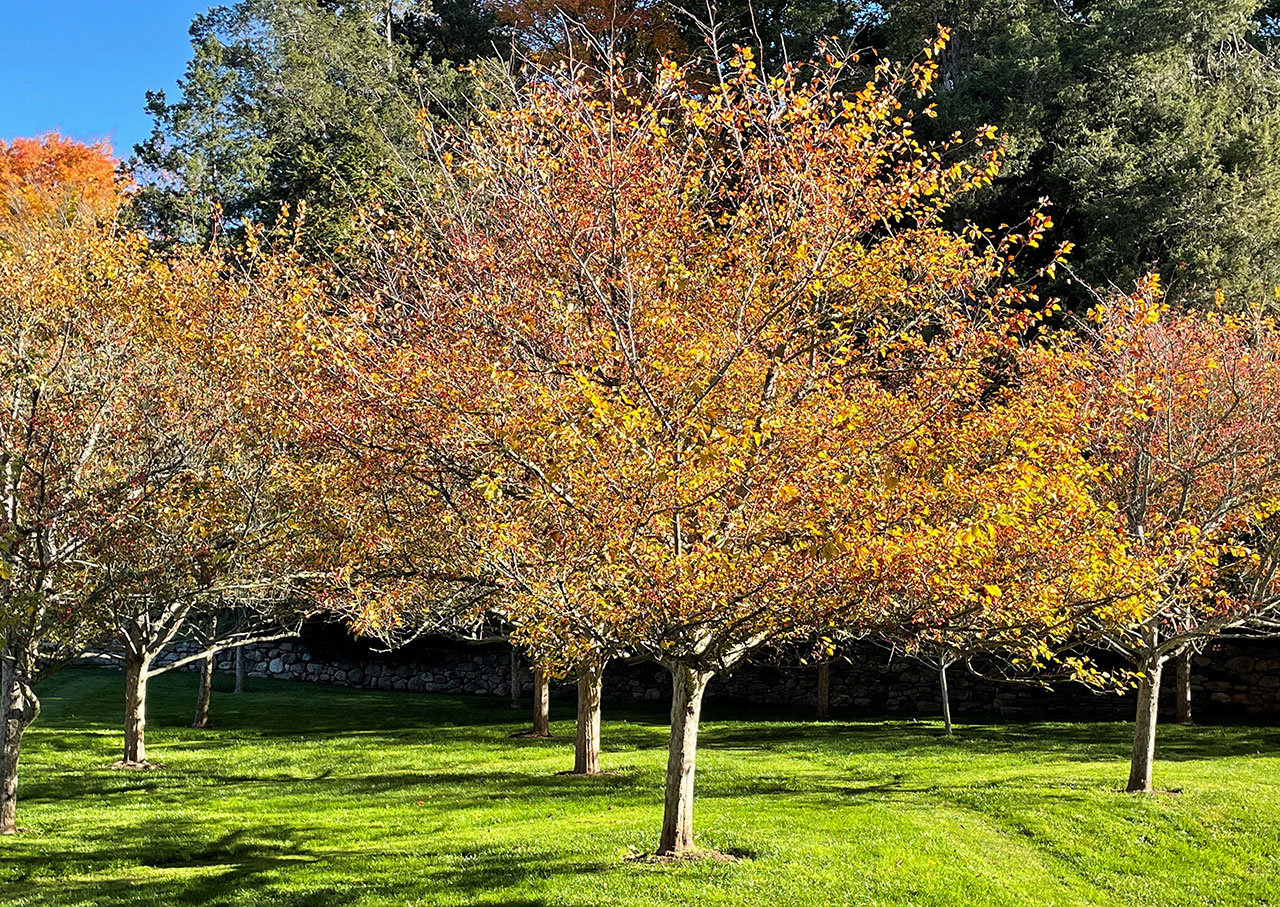
Central to Martocchio’s personal and professional ethos is her Hawthorne orchard, planted two decades ago upon her family’s relocation from New York City to Connecticut. This deliberate act of cultivating nature has yielded a profound source of inspiration. The orchard, meticulously arranged in a diagonal grid with mown paths, offers year-round delight: vibrant red berries in winter, delicate white blossoms in spring, abundant shade in summer, and fragile yellow leaves in autumn. This long-term engagement with the natural cycle of growth and renewal underscores Martocchio’s deep appreciation for nature’s generous gifts. It also serves as a poignant reminder of the enduring value of nurturing something from its nascent stage, paralleling the patient and visionary process of architectural creation. The orchard embodies principles of biophilic design, integrating natural elements into daily life to enhance well-being and a sense of connection to the environment.
2. The Jens Risom Stool: A Tangible Link to Mid-Century Modernism and Mentorship
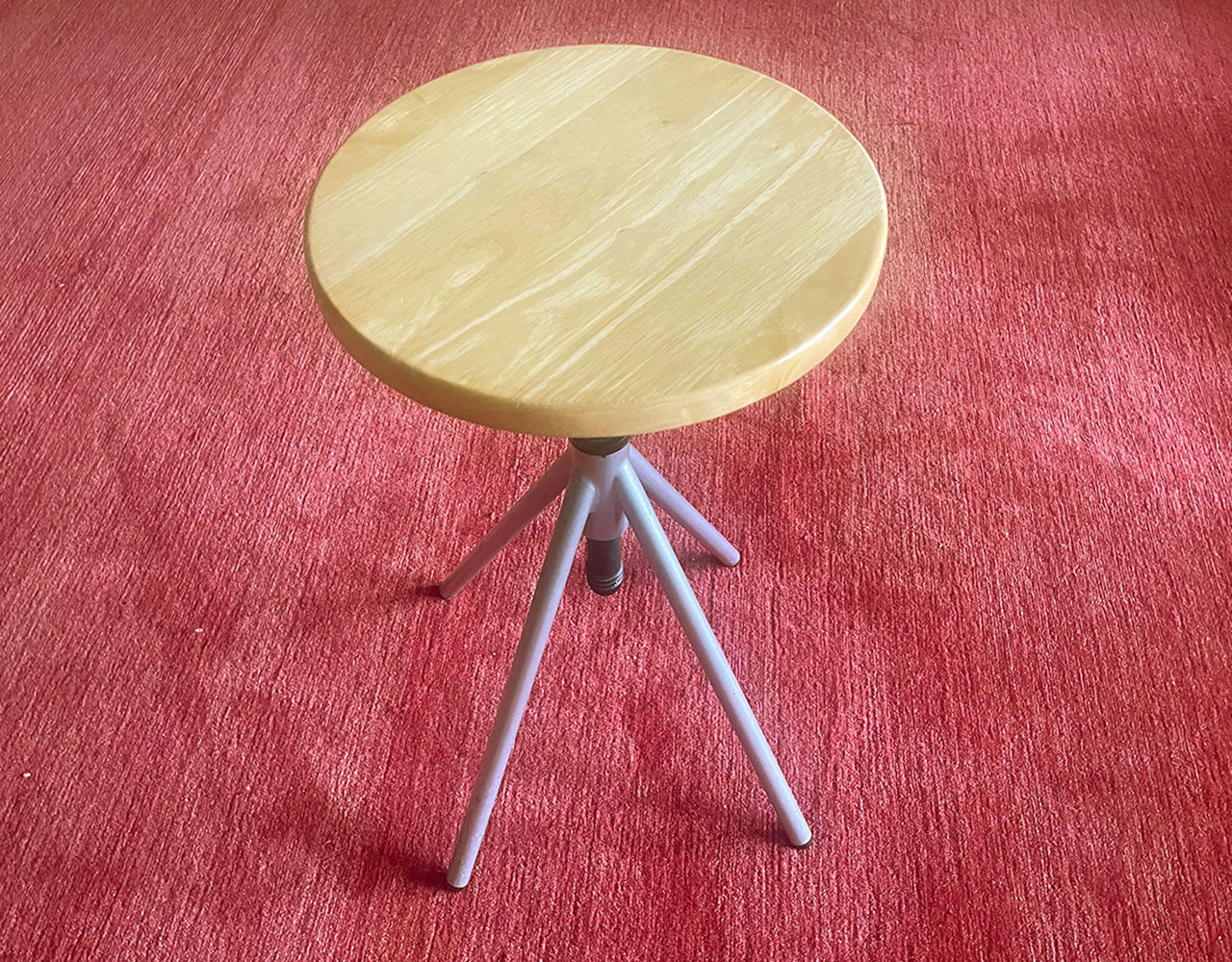
Martocchio cherishes her spinning drafting stool, a gift from the legendary Danish furniture designer Jens Risom shortly before his passing at the age of 100. This stool represents more than just an object; it is a tangible connection to a profound friendship and collaboration. Martocchio had the distinct honor of working with Risom, who designed the dining room table for one of her architectural projects. Risom, a pivotal figure in the introduction of modern Scandinavian design to America, captivated Martocchio with his vivid anecdotes of early career encounters, including meeting Frank Lloyd Wright and launching the inaugural furniture line for Knoll. His enduring design values of simplicity and craftsmanship deeply influenced a generation of designers, and his personal mentorship instilled in Martocchio a profound respect for timeless design principles. The stool serves as a daily reminder of a design lineage that values integrity, functionality, and understated elegance.
3. Julia: Empathy and Perspective as Cornerstones of Design
Martocchio’s daughter, Julia, is a profoundly significant source of personal and professional perspective. Born with medical and developmental challenges, Julia infuses Martocchio’s life with laughter, a silly sense of humor, and a vital reminder not to take life too seriously. Julia’s journey has been a powerful teacher, fostering in Martocchio a world view centered on celebrating differences and cultivating empathy for everyone’s unique challenges. This deep wellspring of empathy directly translates into Martocchio’s architectural practice, influencing her approach to creating inclusive, human-centered spaces. Understanding the diverse needs and experiences of individuals allows AMA to design environments that are not only functional and beautiful but also deeply responsive to the emotional and physical comfort of their occupants. This personal insight underscores the humanistic dimension of her work, elevating it beyond mere aesthetics.
4. Joan Snyder’s "Summer Becomes a Room": The Profound Impact of Art

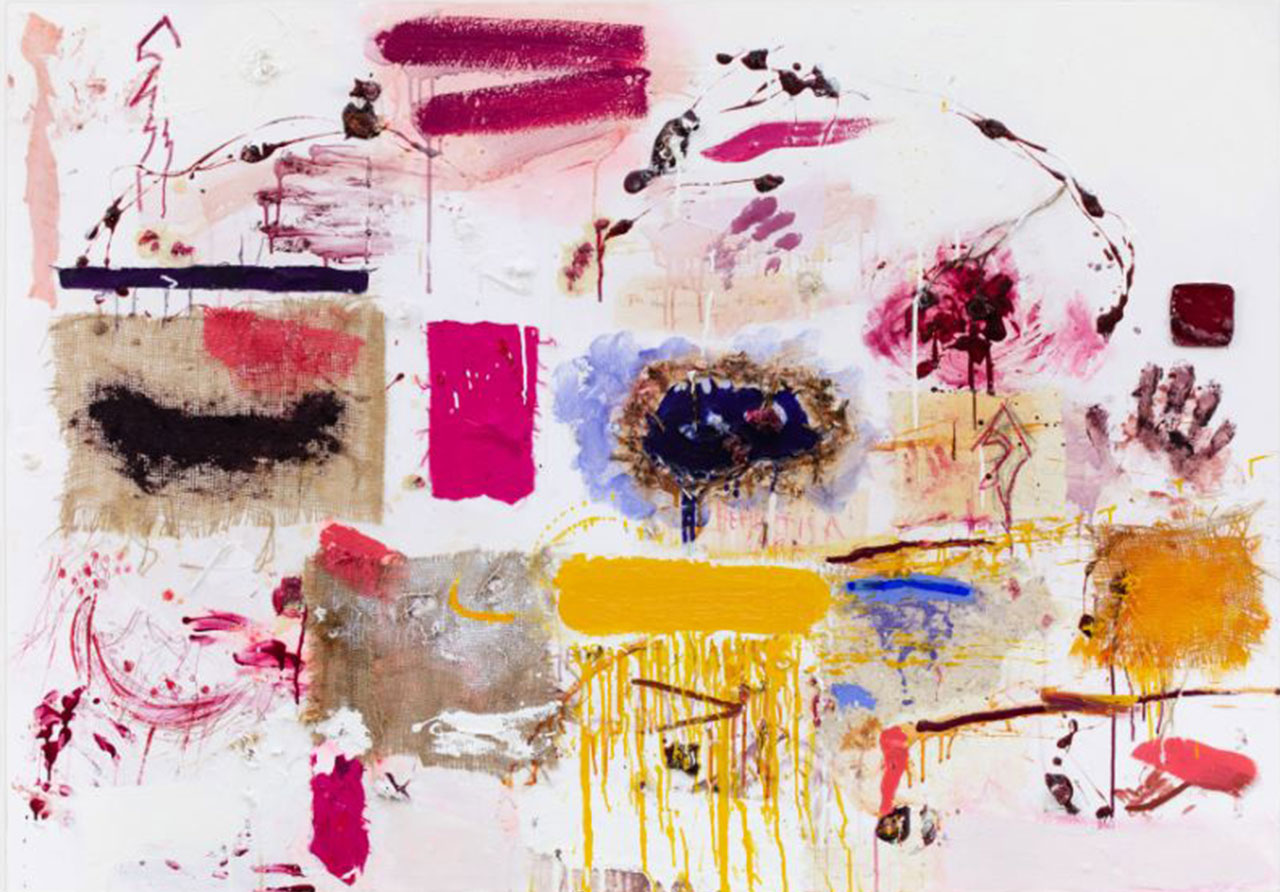
Martocchio recounts a transformative experience at the Harvard Art Museum, where Joan Snyder’s painting, "Summer Orange," left her "literally bowled over" and "took [her] breath away." This encounter highlights the profound influence of fine art on Martocchio’s aesthetic sensibilities and architectural imagination. Joan Snyder, a prominent figure in abstract expressionism and feminist art, is known for her visceral, textured, and emotionally charged works. The immediate and overwhelming impact of Snyder’s painting speaks to the power of art to evoke deep emotional and intellectual responses. Martocchio is fortunate to own a more recent work by Snyder, "Summer Becomes a Room," which hangs on her wall, serving as a daily source of inspiration. This connection to abstract art suggests a design philosophy that values texture, color, and the emotional resonance of space, moving beyond purely functional considerations.
5. The Rockies: A Childhood Forged in Nature’s Grandeur, Guiding Architectural Stewardship
Martocchio’s formative years were spent in the majestic Rocky Mountain West, where her childhood revolved around family activities like hiking, campfires, skiing, and fly fishing. Her favorite hike to the summit of the Maroon Bells, above the tree line, instilled a profound appreciation for nature’s adventure and unparalleled beauty. This deep-seated connection to vast natural expanses and majestic mountains continues to shape her architectural philosophy. While her current suburban Connecticut life offers fewer opportunities for such grand natural immersion, Martocchio actively seeks to celebrate and protect the natural world through her architectural practice. She views every project as an opportunity to integrate nature into daily lives, designing structures that not only minimize environmental impact but also foster a seamless dialogue between the built and natural environments. This commitment reflects a growing global awareness of the critical role architecture plays in ecological stewardship.
Signature Projects by Amanda Martocchio Architecture
Amanda Martocchio Architecture’s portfolio showcases a commitment to innovative design, sustainable practices, and contextual sensitivity. Each project reflects a meticulous attention to detail and a profound understanding of client needs and site specificities.
1. Greenwich Harbor House – Entry: A Study in Durability and Zen Integration

The Greenwich Harbor House exemplifies AMA’s dedication to long-term durability, thermal performance, and minimal maintenance. Every material choice, from panelized cladding to triple-glazed windows and four inches of continuous exterior insulation, was rigorously selected to achieve these goals. The design incorporates deep overhangs to strategically manage solar exposure, while louvers provide a trellis for creeping vines, softening the exterior and filtering natural light indoors. This biophilic element not only enhances aesthetics but also contributes to the building’s thermal performance. The entry is further distinguished by a Zen garden of raked shells, organic shapes filled with Irish moss and site-sourced rocks, and a meticulously placed topiary tree, creating a serene and contemplative welcome. Photo credit: Michael Biondo.
2. Sailor’s Retreat: Responding to Site and Environment in Newport
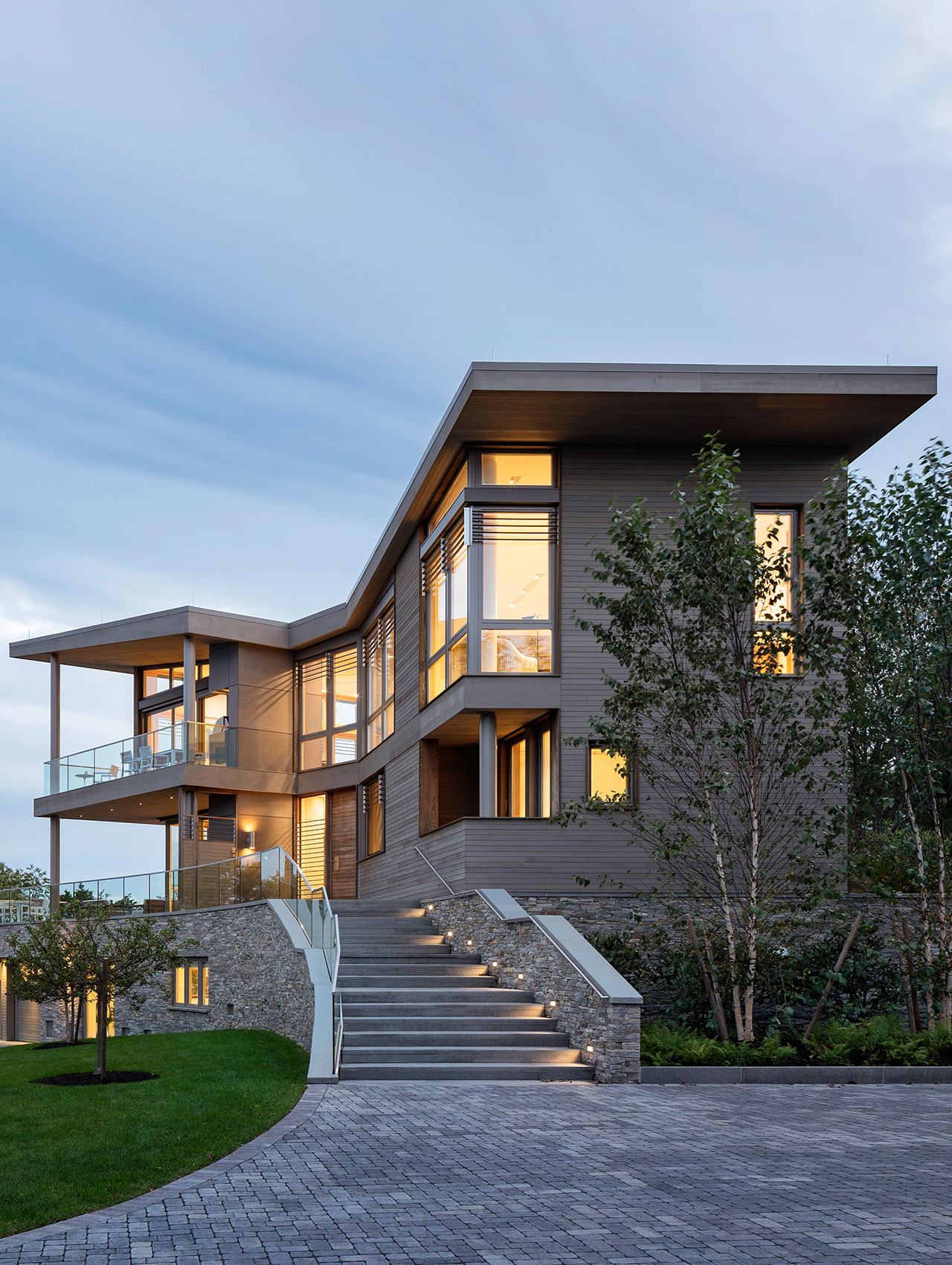
The Sailor’s Retreat in Newport is a masterclass in site-responsive design. Its distinctive pinwheel form and massing strategy meticulously follow the curve of the driveway’s approach and the delicate waterline of the adjacent saltwater marsh. This architectural response addresses both aesthetic and regulatory challenges, particularly floodplain regulations that necessitated elevating living spaces well above grade. The resulting stone plinth serves as both a structural anchor and a powerful compositional element. The material palette, featuring pre-weathered cedar, aluminum-clad windows, and bird-friendly glazing, was carefully calibrated to the coastal context and the proximity of a neighboring bird sanctuary, demonstrating a thoughtful integration with the local ecosystem. Photo credit: Michael Moran.
3. Rye Waterfront – Interior + Stair: Elevating Experience and Efficiency
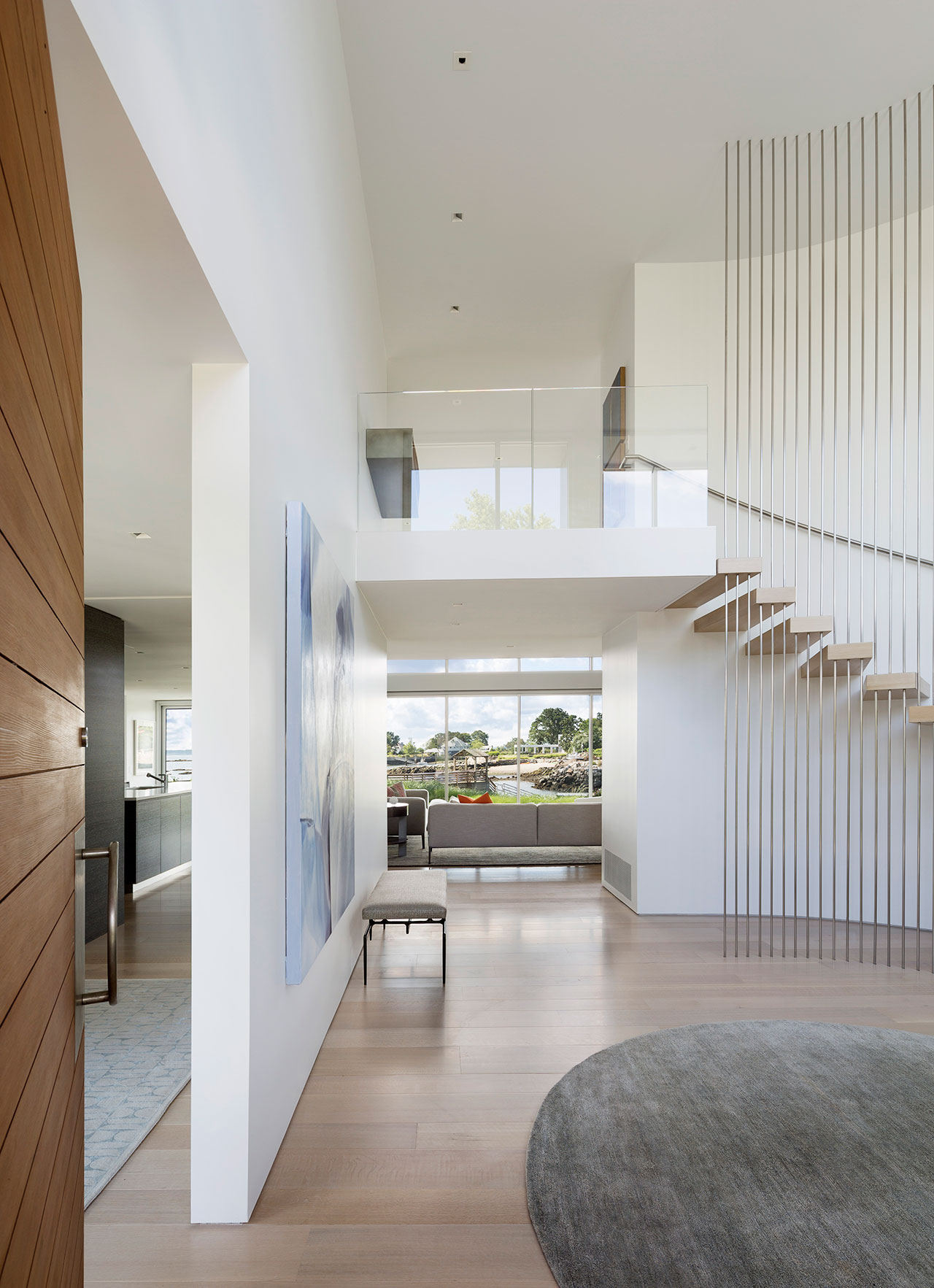
At the Rye, NY, waterfront home, AMA undertook a significant renovation to reconfigure the existing layout, opening the residence to panoramic views of the Long Island Sound. The entry stair is a dramatic focal point, featuring open risers cantilevered from a curved wall and suspended from floor-to-ceiling steel rods. A glass guardrail on the stair landing overlooks a double-height volume, creating a sense of expansiveness and light. Upon entry, the eye is immediately drawn through the living space to the water beyond, a testament to the reconfigured sightlines. Beyond aesthetics, the renovation integrated an energy-efficient thermal envelope, pairing it with a serene, carefully curated interior palette developed in collaboration with Gary Cruz. This project received a Design Award Citation from the AIA of Westchester + Hudson Valley, underscoring its excellence in both design and performance. Photo credit: Michael Moran.
4. Coves End – Kitchen/Dining/Living: Unifying Space with River Views
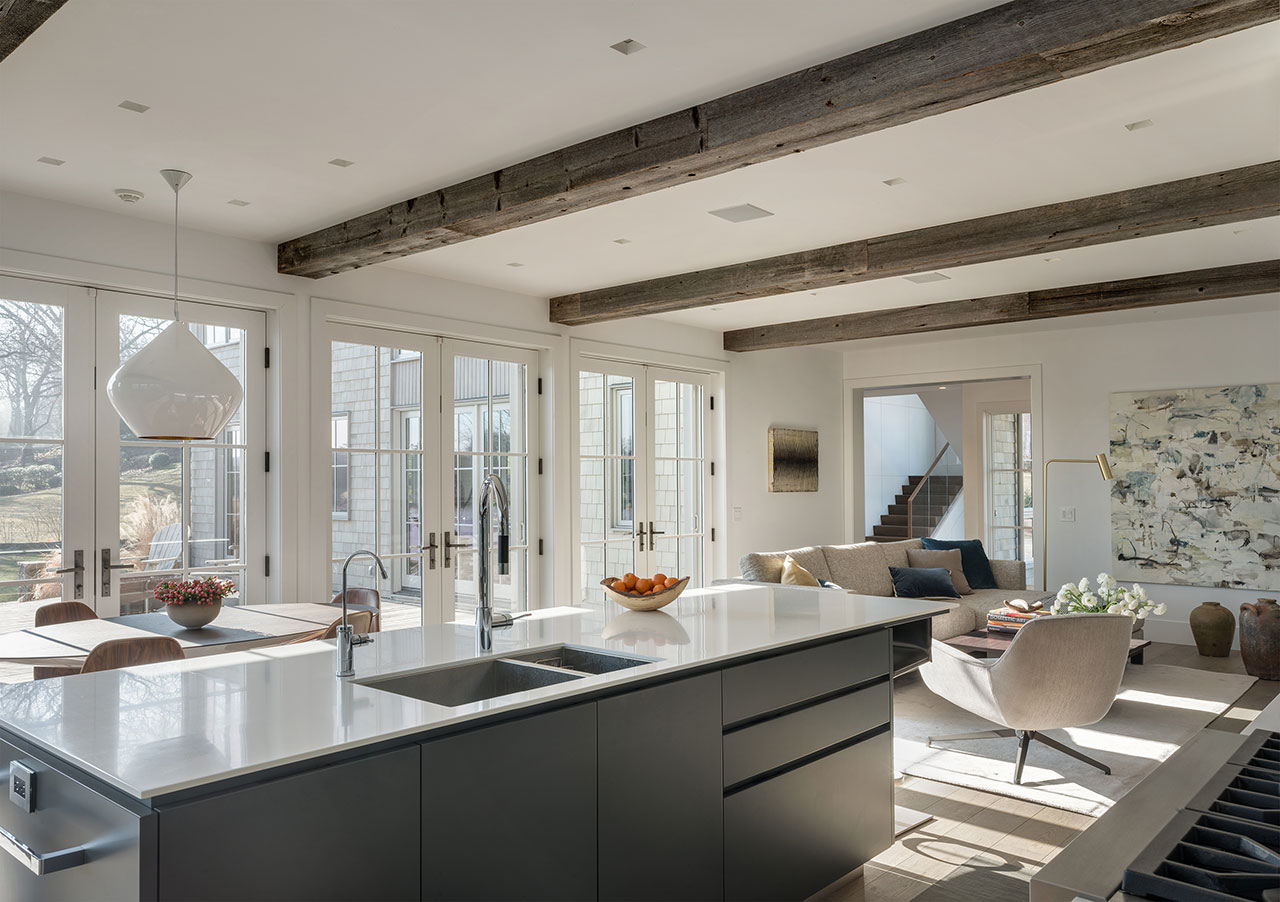
The Coves End project in Darien, CT, centers on an innovative renovation that repositioned the active food preparation area to the heart of the home. This organizing move effectively unified the living space, making the river views accessible from nearly every angle. Reclaimed wood beams add warmth and character, while a dark kitchen island with a white quartz counter anchors the space, holding its own against a wall of French doors that seamlessly connect the kitchen to the waterfront patio. The interiors, including custom furniture, lighting, and contemporary art, were meticulously curated by AMA and Gray Cruz to enhance the architectural vision, creating a cohesive and inviting environment that is both functional and artful. Photo credit: Michael Biondo.
5. White Oak Farm – Exterior Façade at Dusk: Blending with the Landscape
White Oak Farm, situated atop a wooded hillside in Dutchess County, is deeply rooted in the clients’ lifelong connection to their 150-acre retired farm, which they envisioned restoring ecologically. The 7,500 square-foot residence is strategically settled into the hill at the forest edge, nestled among mature oak trees. Its exterior façade, composed of reclaimed stone and pre-weathered siding, is designed to blend quietly and harmoniously into the surrounding landscape. This project exemplifies AMA’s commitment to creating structures that respect and integrate with their natural settings, minimizing visual impact while maximizing connection to the environment. The thoughtful material selection and siting reflect a deep understanding of ecological design principles. Photo credit: Michael Biondo.
6. Greenwich Modern – Front Façade: A Composition of Contrasts and Privacy
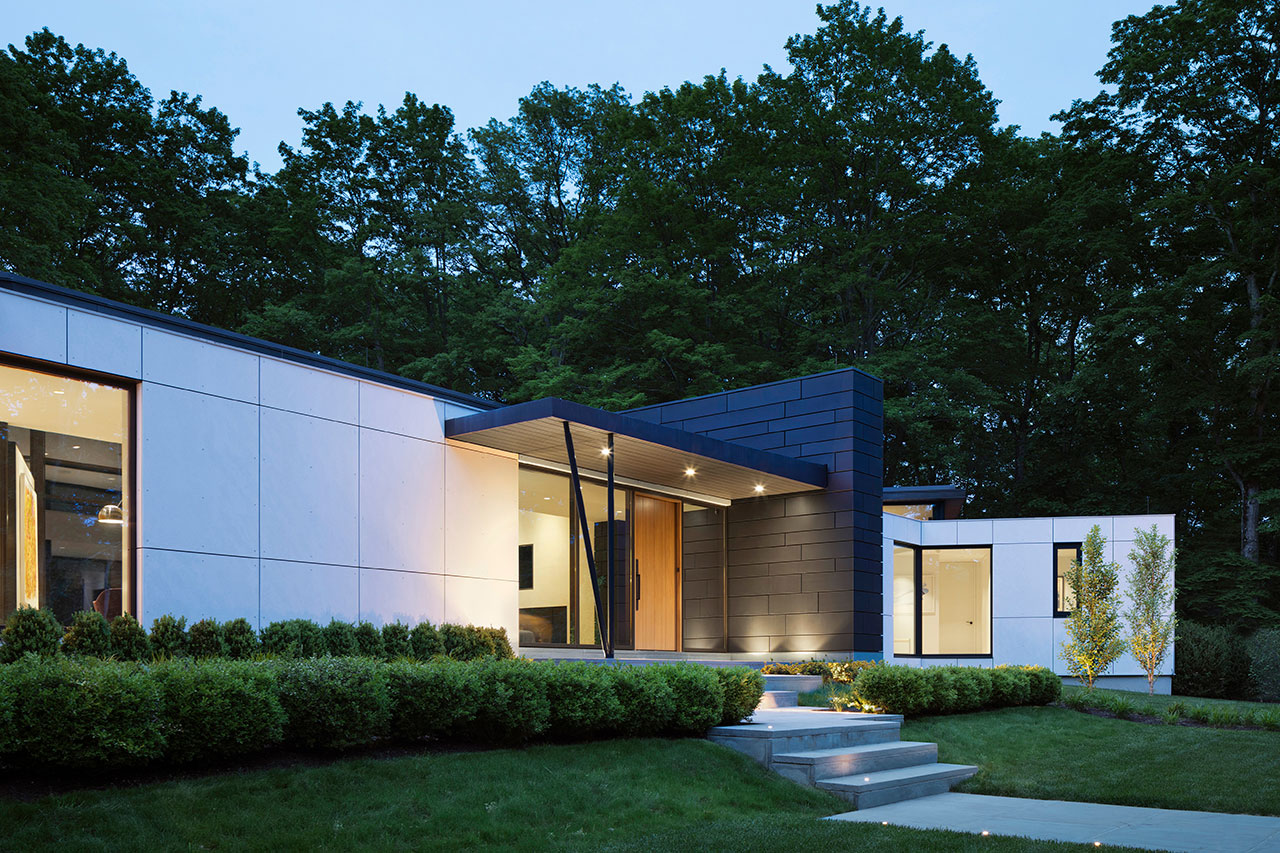
The street-facing façade of Greenwich Modern presents a striking composition of contrasts. Dark zinc-clad volumes are juxtaposed against lighter panel cladding, creating visual depth and interest. A cantilevered entry overhang provides shelter and architectural drama, leading to a warm wood pivot door that subtly signals the meticulously crafted interior within. Clerestory glazing wraps the roofline, a clever design element that draws abundant daylight deep into the single-level plan while simultaneously maintaining crucial privacy from the street. This project demonstrates AMA’s ability to balance modernist aesthetics with practical considerations of light, privacy, and material expression, resulting in a home that is both visually compelling and highly functional. Photo credit: Michael Moran.
Amanda Martocchio’s work consistently demonstrates a profound synthesis of artistic sensitivity, a commitment to sustainable practices, and a deep understanding of human experience. Her journey from an 11-year-old sketching prodigy to a leader in contemporary architecture underscores the enduring power of a clear vision, refined through dedication and an unwavering focus on creating spaces that inspire, nurture, and connect individuals to their environment.







