
 Indra Kusuma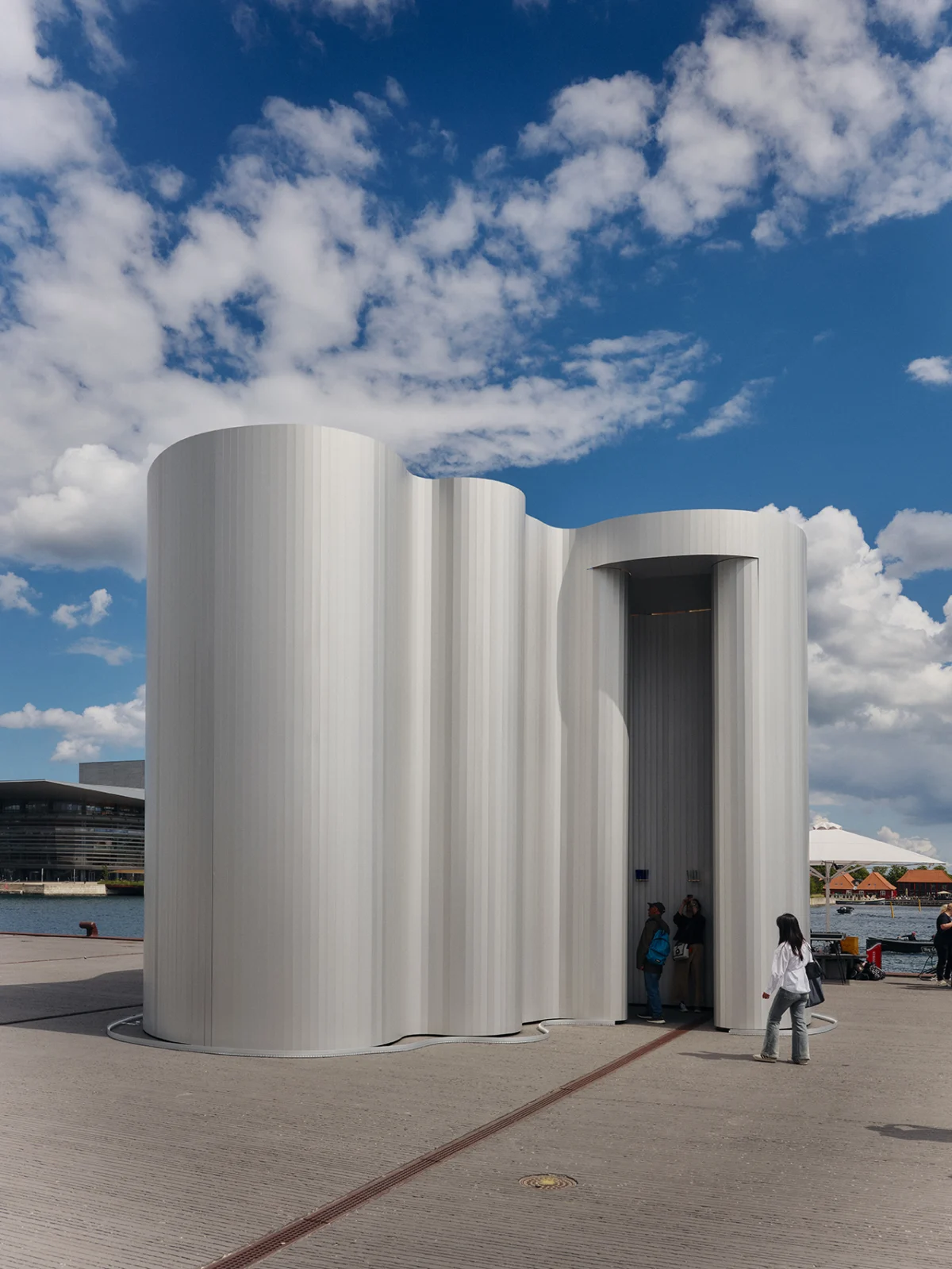
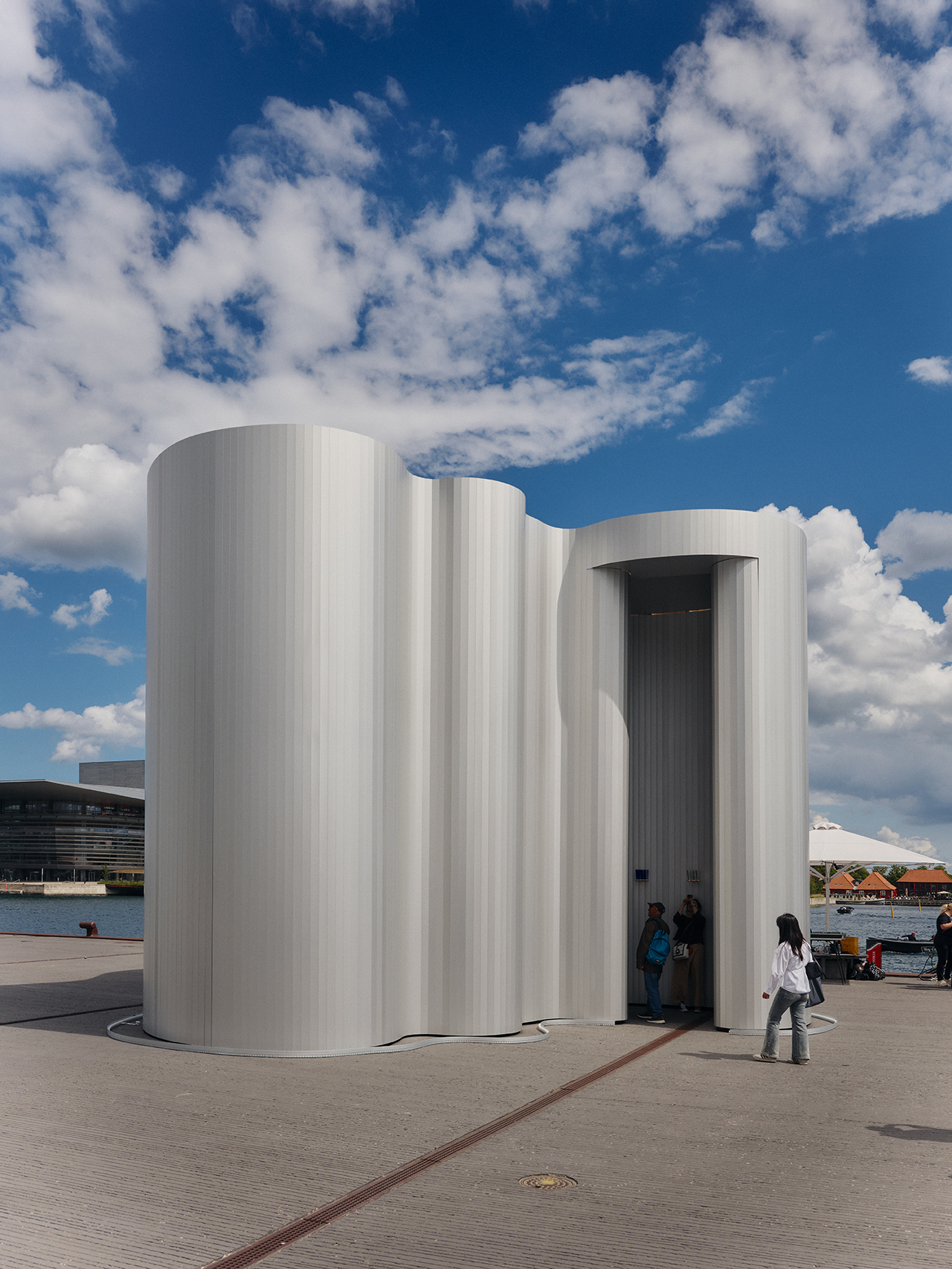
Rising majestically along Copenhagen’s dynamic harbor waterfront during this year’s prestigious 3daysofdesign festival, a striking 22-foot-tall monolith captured the attention of visitors and industry professionals alike. This impressive structure, undulating with variegated aluminum extrusions, held a profound secret: it precisely replicated the iconic, organic contour of the legendary Aalto vase, a seminal design developed by Finnish master Alvar Aalto for the esteemed Finnish glassware brand Iittala ninety years prior. Conceived by the innovative Copenhagen-based multivalent studio TABLEAU and meticulously constructed by Norwegian sustainable metal purveyor Hydro, this monumental undertaking served as a powerful testament to the enduring principles of Scandinavian design, seamlessly uniting the creative and industrial strengths of Denmark, Finland, and Norway.
The Genesis of a Grand Vision: The Aalto 90 Pavilion
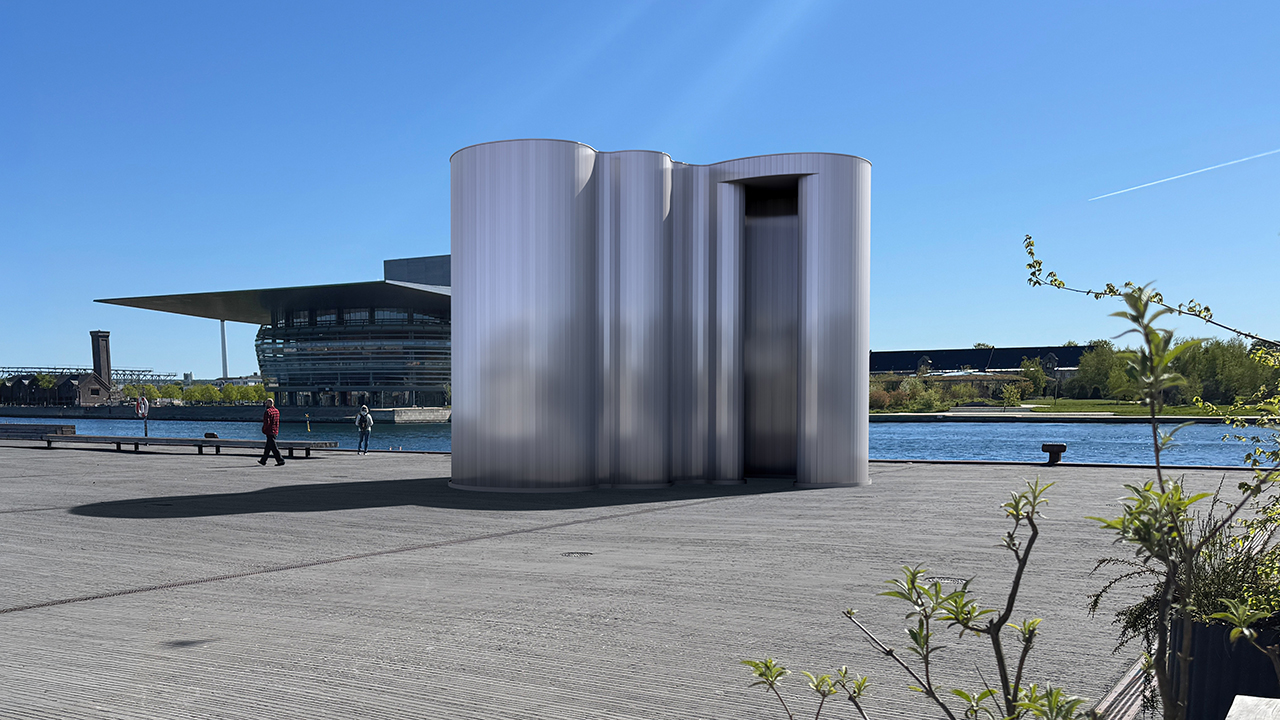
The Aalto 90 Pavilion was more than just a temporary installation; it was an architectural celebration, a physical manifestation of design history scaled to an immersive experience. Its presence at 3daysofdesign, an event renowned for showcasing the pinnacle of Nordic design innovation, was particularly fitting. The pavilion, with its commanding presence and subtle curves, invited onlookers to engage with a piece of design history in an entirely new dimension.
The vision for the pavilion stemmed from a desire to honor the Aalto vase’s unparalleled legacy, transforming its intimate scale into a public, inhabitable space. Julius Værnes Iversen, Founder and Creative Director of TABLEAU, articulated the profound significance of the project, stating, “To be given the opportunity to design a pavilion for Iittala to celebrate the anniversary of such an iconic design as the Aalto vase is a dream come true, and something we’re deeply grateful for. We wanted to create an impactful pavilion that gives visitors a space to experience the beauty of design.” This sentiment underscores the ambition behind the project: not merely to exhibit, but to immerse, to allow visitors to walk inside the very form they admired for decades on a smaller scale. TABLEAU’s approach involved a meticulous study of the vase’s form, translating its delicate glass curves into robust, yet fluid, metallic architecture. The semi-enclosed nature of the structure was designed to create a contemplative environment, a sanctuary where the essence of Aalto’s design could be truly felt, shielded from the bustling festival atmosphere, yet open to the sky above through its central oculus.
The pavilion represented a masterful "game of scale," an almost meta evocation that amplified the intrinsic links between object and architecture. Alvar Aalto, a polymath who trained as an architect, famously practiced across disciplines with remarkable fluidity and minimal constraint. His holistic design philosophy blurred the lines between buildings, furniture, and everyday objects, all united by an organic sensibility and a deep respect for natural forms. Therefore, the translation from a delicate glass vessel to a monumental, inhabitable structure felt not just appropriate, but profoundly resonant with Aalto’s own integrated approach to design. It was a direct tribute to his belief that design should permeate all aspects of life, from the grandest building to the smallest domestic item, all contributing to a harmonious human experience.

A Legacy in Glass: The Aalto Vase Through Nine Decades
To fully appreciate the pavilion’s significance, one must delve into the rich history of its inspiration: the Aalto vase. Conceived in 1936 by Alvar Aalto and his wife Aino Marsio-Aalto, the vase was originally presented at the 1937 Paris World’s Fair as part of a competition to design glassware for the iconic Savoy Restaurant in Helsinki. Its revolutionary, undulating form, often referred to as "waves" (Aalto means "wave" in Finnish), was a radical departure from the prevailing geometric Art Deco styles of the era. The vase, initially known as the "Savoy vase," quickly became synonymous with Aalto’s innovative vision and Iittala’s mastery of glassblowing.
The precise inspiration for the vase’s distinctive shape has been a subject of enduring speculation, with theories ranging from the Finnish landscape and lakes to the traditional leather breeches of Sami women. Regardless of its exact genesis, its fluid, non-symmetrical lines offered a refreshing organic aesthetic that captivated the design world. Unlike conventional vases designed for specific flower arrangements, the Aalto vase’s open, adaptable form invited creative interpretation, allowing flowers to arrange themselves naturally within its contours. This freedom embodied Aalto’s humanistic approach, designing objects that would adapt to human life rather than dictating it. Over the past ninety years, the Aalto vase has transcended its initial purpose to become a global icon of Finnish design, revered for its timeless elegance, sculptural quality, and functional versatility. It has been exhibited in major museums worldwide, cherished in countless homes, and continuously produced by Iittala, a testament to its enduring appeal and impact on modern design. Its longevity speaks volumes about its ability to remain relevant across generations, a true masterpiece of functional art.
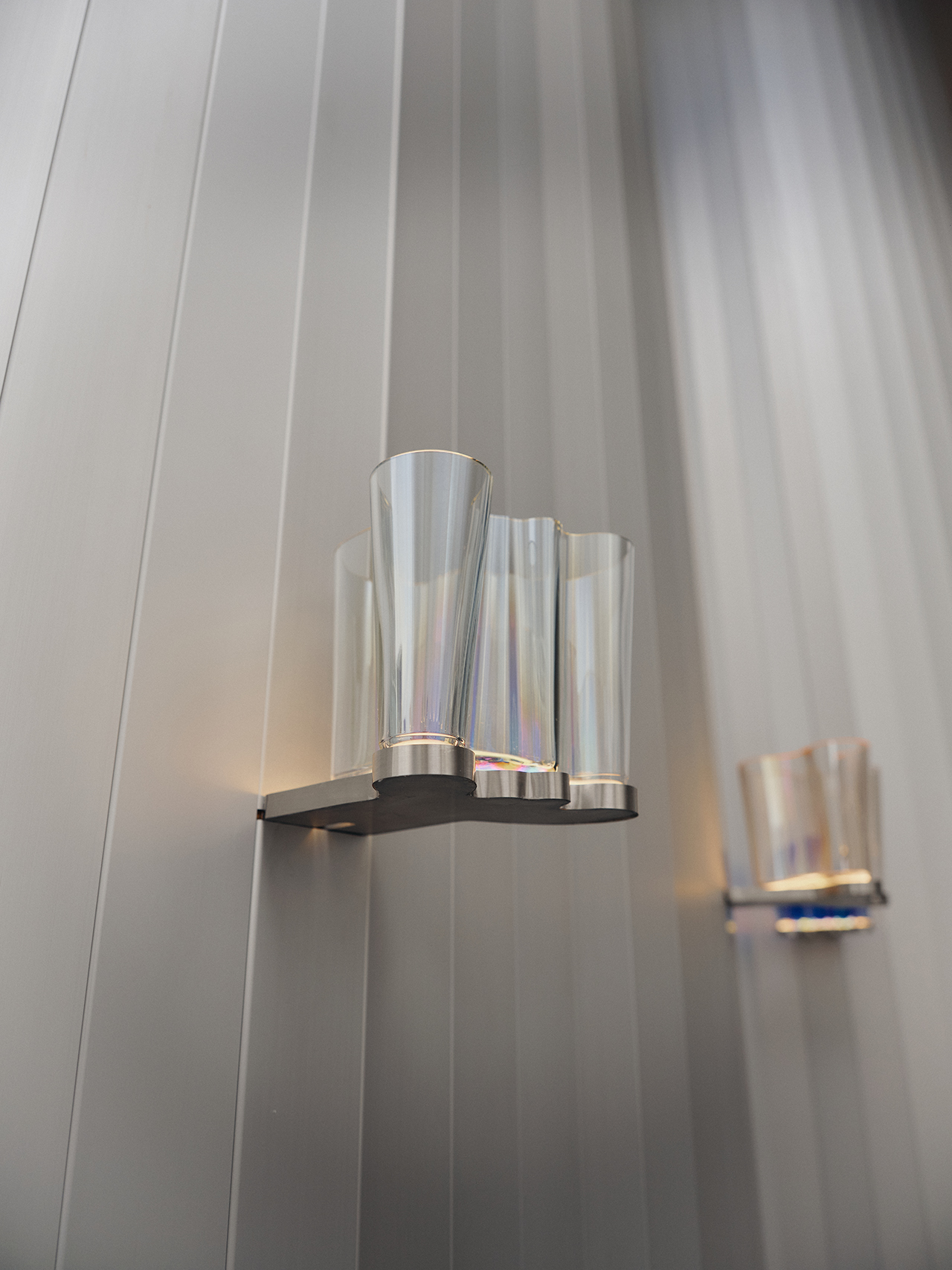
For this significant 90th anniversary, Iittala reintroduced a special "Aalto City Vase collection." This refreshed offering was meticulously curated with colorways that paid homage to influential waterfront capitals across the globe. The selection of cities – Berlin, Amsterdam, Tokyo, New York, Helsinki, and Copenhagen – was not arbitrary. Each city represents a vibrant hub of design, culture, and innovation, and importantly, their connection to water resonates with the vase’s fluid, wave-like form. Helsinki, as Aalto’s homeland, is an obvious choice, while Copenhagen hosted the celebratory pavilion. The chosen hues—deep cobalts, clear whites, and bubbly golds—were carefully calibrated to reflect the light and atmosphere of these diverse maritime environments. The iridescent quality of these new vases, much like the metallic surface of the pavilion itself, beautifully articulated the dramatic yet resolute curves, adding a layer of contemporary sophistication while honoring the original design’s inherent brilliance. This collection not only celebrated the vase’s past but also reimagined its future, connecting it to a global dialogue on design and urbanity.
Engineering Elegance and Sustainable Innovation
The transformation of the Aalto vase’s delicate glass form into a colossal metal pavilion was an extraordinary feat of engineering and material science, made possible through the expertise of Hydro. Hydro, a Norwegian industrial giant committed to sustainable metal production, was the ideal partner for this ambitious project. Asle Forsbak, Hydro Extrusions Marketing Director, highlighted the critical role of their materials: “Bringing the Alvar Aalto vase to this measure required both the right material and engineering expertise, and the properties of aluminum extrusions made it the ideal choice for this kind of architecture. The project proved that it can be done on a large scale with a low carbon footprint.”
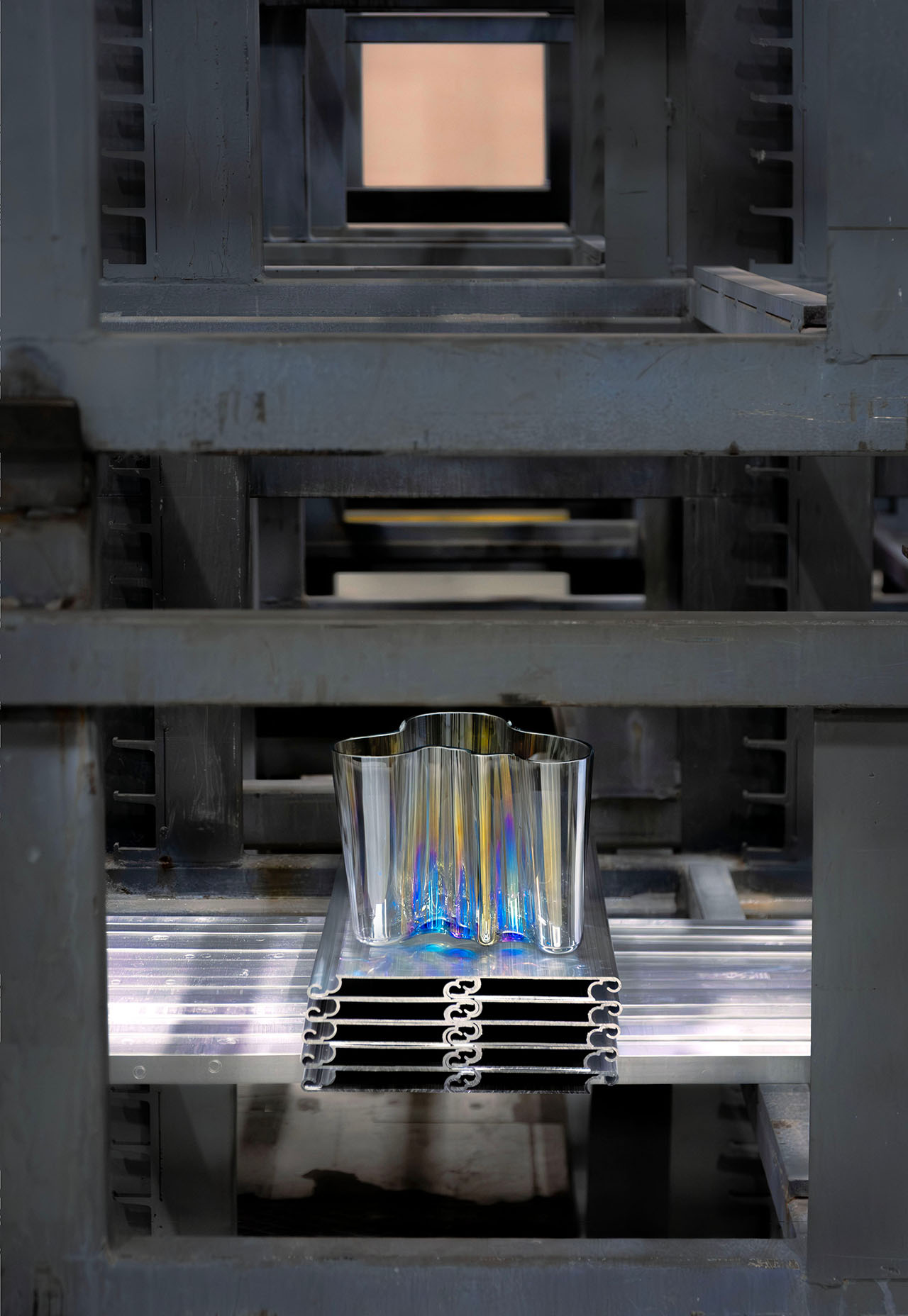
Aluminum extrusions offered a unique combination of strength, lightweight properties, and malleability, allowing TABLEAU’s intricate design to be realized with precision. The ability to create complex profiles and maintain the smooth, continuous curves of the vase at a large scale was paramount. Hydro’s advanced extrusion techniques enabled the production of the variegated aluminum panels, each precisely shaped to form the undulating surface of the 22-foot structure. The use of aluminum, a material celebrated for its high recyclability, also aligned perfectly with the project’s overarching commitment to sustainability. Hydro is known for its pioneering work in low-carbon aluminum, often utilizing renewable energy sources like hydropower and incorporating a high percentage of recycled content in its production processes. This commitment ensures that the material used in the pavilion had a significantly lower environmental impact compared to virgin aluminum produced with conventional methods.
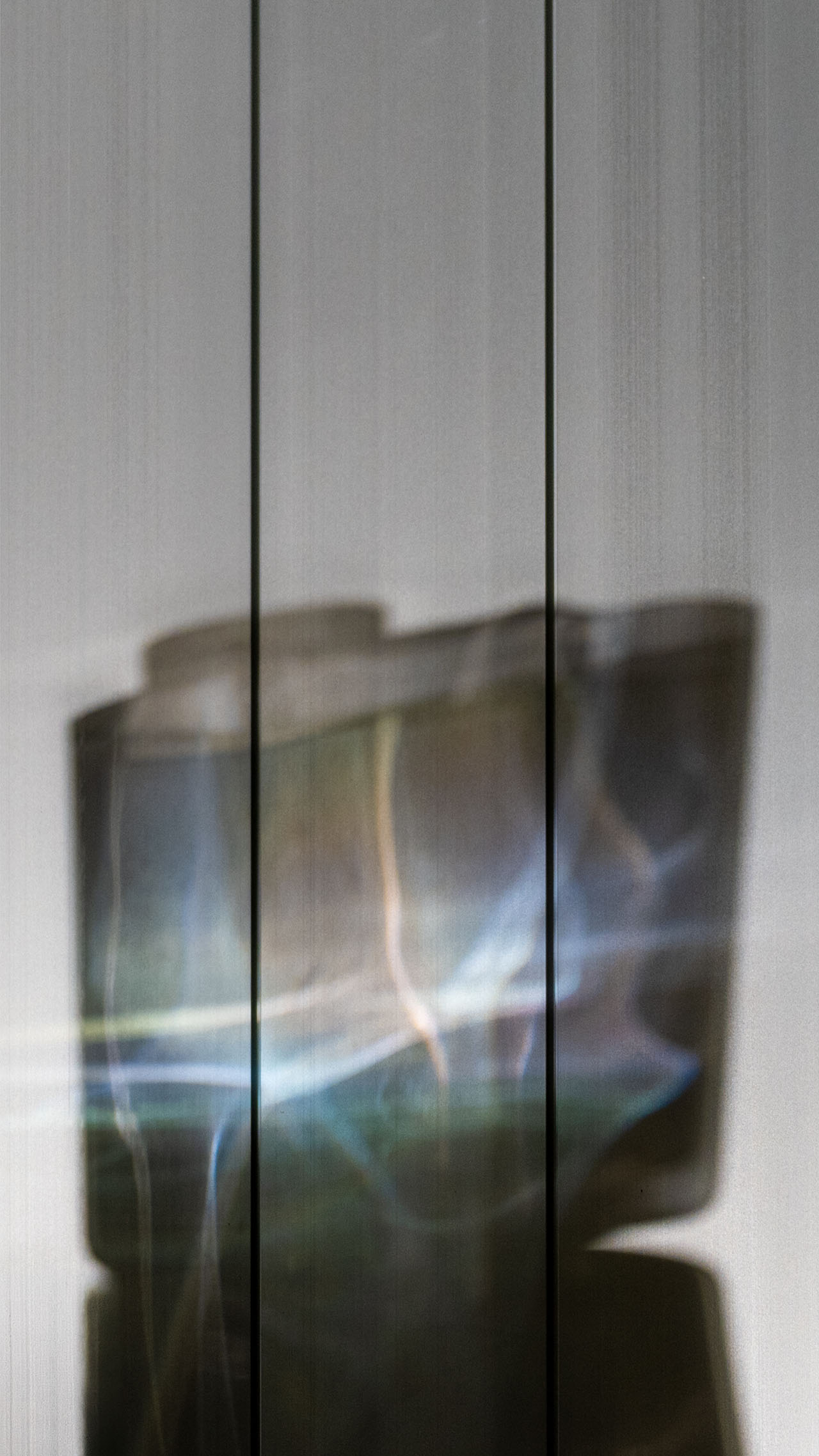
The construction itself was a testament to modular design and efficient fabrication. The pavilion was assembled from numerous slatted components, designed for both structural integrity and ease of assembly and disassembly. This modularity was not only crucial for the temporary nature of the exhibition but also central to its sustainable ethos. As Forsbak emphasized, "We brought our full capability to bear on a single, iconic shape." This implied a comprehensive effort, from material sourcing and engineering to manufacturing precision, all focused on honoring the original design while pushing the boundaries of what’s possible with sustainable materials. The interplay of light and shadow on the metallic surface of the pavilion created a dynamic visual experience, accentuating the dramatic curves and giving the structure an iridescent quality that mirrored the delicate sheen of the glass vases within.
The Immersive Experience: Inside the Pavilion
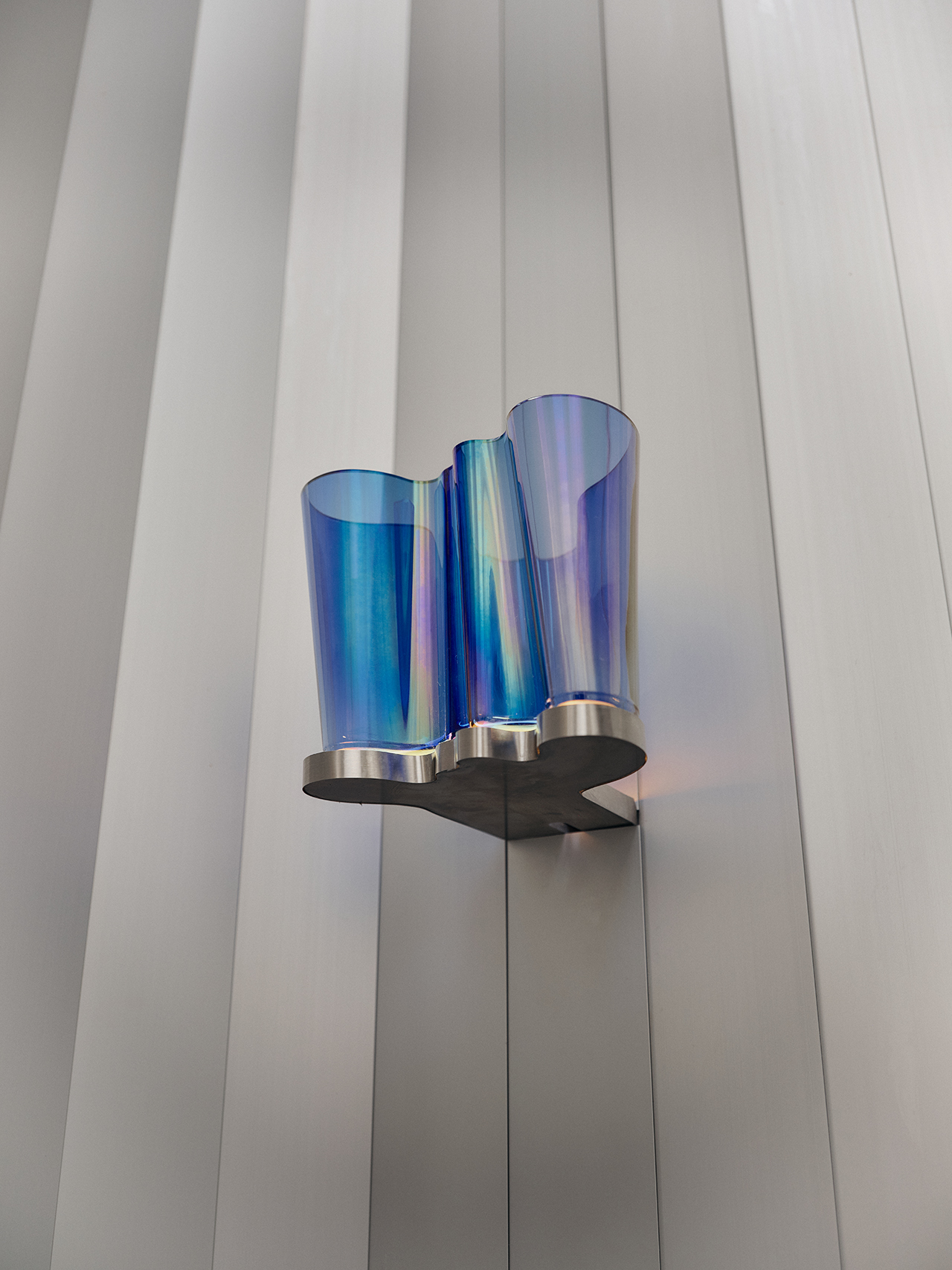
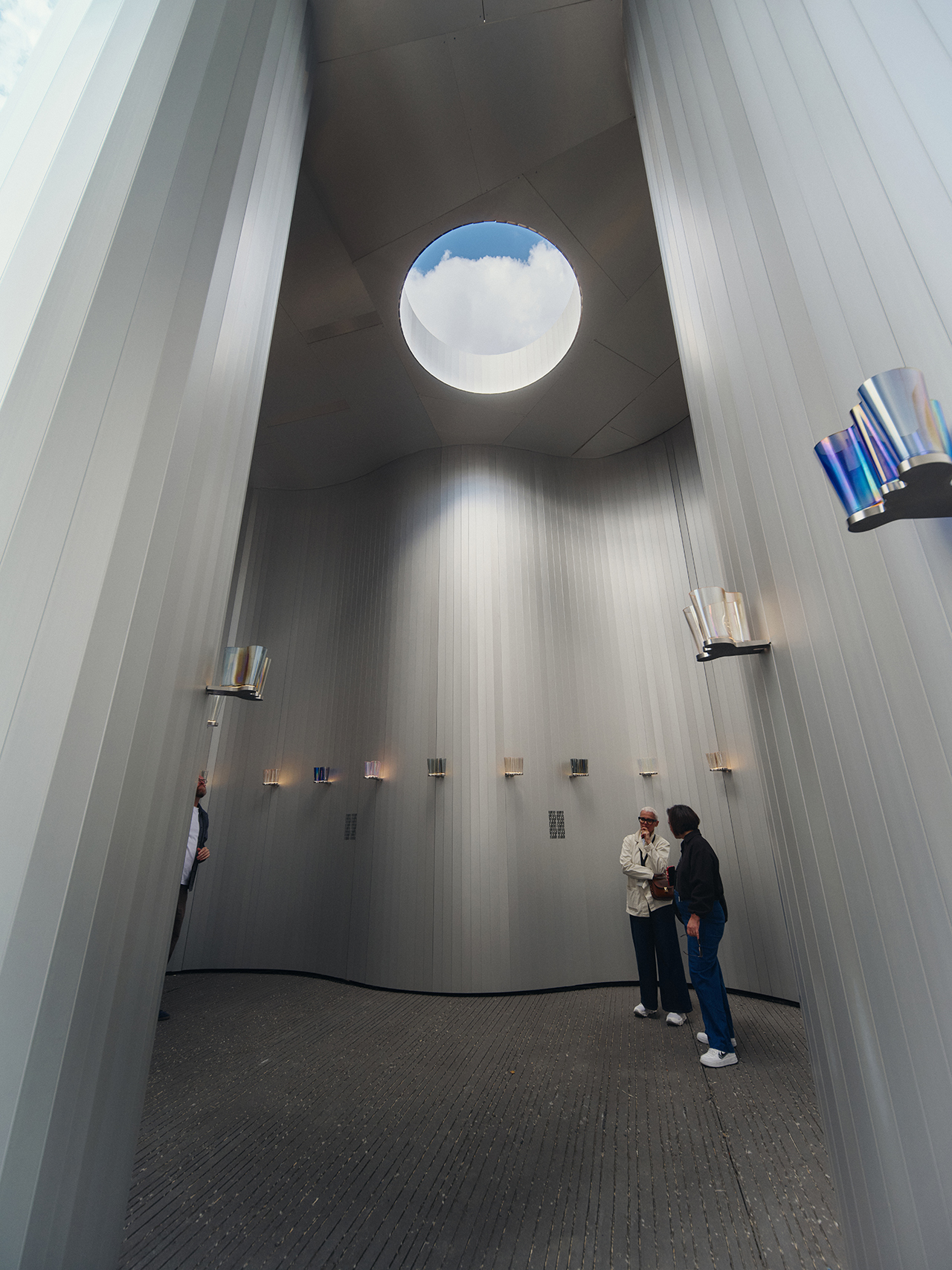
Stepping inside the Aalto 90 Pavilion offered a uniquely immersive experience, transforming the abstract concept of design inspiration into a tangible, sensory journey. The semi-enclosed space, with its tall, curving walls of variegated aluminum, created a contemplative atmosphere. A striking round skylight overhead allowed natural light to flood the interior, highlighting the metallic textures and casting dynamic shadows that shifted throughout the day, emphasizing the pavilion’s fluid form.
Within this architectural embrace, the newly reissued Aalto City Vase collection was showcased with profound elegance. Versions of the iconic vase, encompassing the full gamut of new colorways, were strategically suspended on discrete, nearly invisible bases. This innovative display method gave the vases an ethereal, floating quality, as if they were delicate jewels hovering within their monumental metallic shell. Visitors could walk amongst these suspended artifacts, observing the subtle variations in color and form, and appreciating the craftsmanship that went into each piece. The carefully calibrated lighting further enhanced the "bubbly golds," "deep cobalts," and "clear whites," drawing attention to their iridescent qualities. The tactile experience of the cool metal walls contrasted beautifully with the visual delicacy of the glass vases, creating a multi-sensory engagement with Aalto’s legacy. It was a space designed to foster reflection, allowing visitors to connect with the history and enduring beauty of the Aalto vase in an intimate yet grand setting.
3daysofdesign: A Nexus for Nordic Creativity
The decision to unveil the Aalto 90 Pavilion at 3daysofdesign underscored the festival’s growing prominence as a vital platform for Nordic design. Held annually in Copenhagen, 3daysofdesign has evolved into a key international event, attracting designers, architects, manufacturers, and enthusiasts from around the globe. It serves as a vibrant showcase for Danish and broader Nordic design, emphasizing innovation, craftsmanship, and a strong commitment to sustainability. The festival’s unique format, which integrates showrooms, exhibitions, and installations across the city, creates an accessible and engaging experience, transforming Copenhagen into an open design museum.
The Aalto 90 Pavilion perfectly embodied the spirit of 3daysofdesign. It celebrated a foundational piece of Nordic design history while simultaneously pushing boundaries in terms of scale, material innovation, and sustainable practices. Its collaborative nature, bringing together a Danish studio, a Finnish brand, and a Norwegian manufacturer, exemplified the collaborative ethos often found within the Nordic design community. The pavilion not only provided a focal point for the festival but also contributed significantly to the ongoing dialogue about how heritage can be reinterpreted through contemporary lenses, and how design can address pressing global challenges like environmental impact. Its temporary yet impactful presence reinforced 3daysofdesign’s reputation as a forward-thinking event that bridges tradition with future-oriented solutions.
Broader Implications and Future of Nordic Design
The Aalto 90 Pavilion stands as a powerful symbol of several broader implications for contemporary design and industry. Firstly, it masterfully demonstrates how cherished design heritage can be reinterpreted and revitalized through innovative contemporary materials and technologies. By scaling up an iconic object, TABLEAU, Iittala, and Hydro not only paid tribute to Alvar Aalto but also initiated a new conversation about the relationship between object and architecture, form and function. This project showcases that honoring tradition does not mean being bound by it, but rather using it as a springboard for future creativity and exploration.
Secondly, the pavilion serves as a compelling model for sustainable design leadership. The meticulous selection of aluminum extrusions from Hydro, known for its low-carbon footprint and robust recycling programs, underscores a crucial commitment to circular economy principles. The fact that the modular components were designed to be recycled back into Hydro’s production cycle after the exhibition highlights a proactive approach to minimizing waste and maximizing resource efficiency. This commitment to environmental responsibility is increasingly expected from leading design and manufacturing entities, and the Aalto 90 Pavilion sets a high benchmark for temporary architectural installations. It exemplifies how large-scale, impactful projects can be executed with a conscious effort to reduce their ecological footprint, reinforcing the Nordic region’s reputation as a global leader in sustainable innovation.
Finally, the project is a shining example of successful cross-national collaboration within the Scandinavian design sphere. The synergy between a Danish design studio (TABLEAU), a Finnish glassware icon (Iittala), and a Norwegian sustainable materials giant (Hydro) illustrates the power of diverse expertise converging towards a shared vision. This collaboration transcends geographical boundaries, demonstrating a collective commitment to design excellence, innovation, and shared values that define the Nordic aesthetic. It showcases how different industrial and creative strengths can be leveraged to produce a project that is greater than the sum of its parts, offering valuable lessons for future international design partnerships.
In conclusion, the Aalto 90 Pavilion at 3daysofdesign was far more than a temporary structure; it was a profound statement. It represented a masterful blend of historical reverence, cutting-edge innovation, and unwavering commitment to sustainability. As a tribute to Alvar Aalto’s enduring genius and Iittala’s legacy, it offered visitors a unique opportunity to engage with an icon on an unprecedented scale. Moreover, it underscored the dynamic and forward-thinking nature of Nordic design, setting a precedent for how heritage can inspire sustainable, collaborative, and truly immersive experiences in the 21st century.







