
Despite persistent narratives suggesting its decline, Facebook continues to assert itself as a formidable marketing platform for creators and small businesses in 2026, driven by its expansive global reach, versatile content formats, and robust engagement mechanisms. While the platform’s demographic has evolved, moving beyond its initial dominance among younger users, its foundational strength in connecting communities and facilitating targeted communication ensures its sustained relevance in the digital marketing ecosystem.
Cashé Collocott, founder of Kidd Digital, a boutique social media agency, underscores this enduring value: "For brands targeting Millennials, Gen X, or niche communities, Facebook is where real conversations are still happening. The key lies in understanding how to show up strategically." This sentiment reflects a broader industry recognition that Facebook, far from being obsolete, requires a refined approach to unlock its considerable potential.
Defining Facebook Marketing in the Modern Era
Facebook marketing encompasses the strategic utilization of Facebook’s diverse suite of tools—including business pages, advertising solutions, specialized groups, Reels, and other content formats—to achieve specific organizational objectives. These objectives typically involve building brand awareness, fostering audience connection, driving sales, and expanding a digital following. For creators, small business owners, and marketing professionals, Facebook functions as a multifaceted digital hub, serving as a storefront, community board, and an organic word-of-mouth network, all integrated within a unified, scrollable feed.
A comprehensive Facebook marketing strategy delineates a purposeful plan for platform engagement. It articulates the types of content to be published, the target audience, the frequency of sharing, and the metrics by which success will be measured (e.g., engagement rates, click-throughs, direct messages, or sales conversions). Establishing a clear strategy is crucial for maintaining consistency and preventing the platform from becoming an underutilized digital asset.
Sustained Relevance: Five Key Advantages in 2026
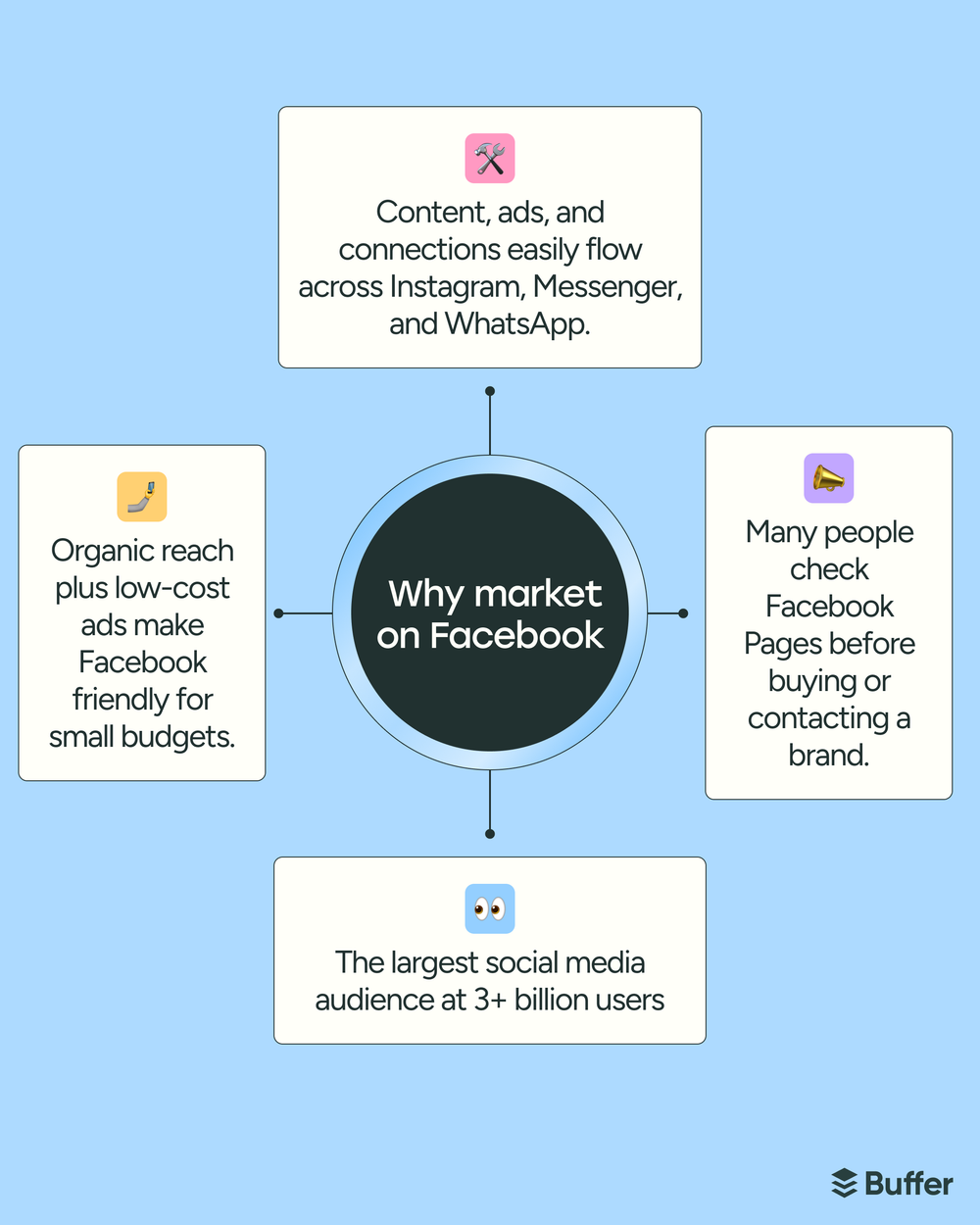
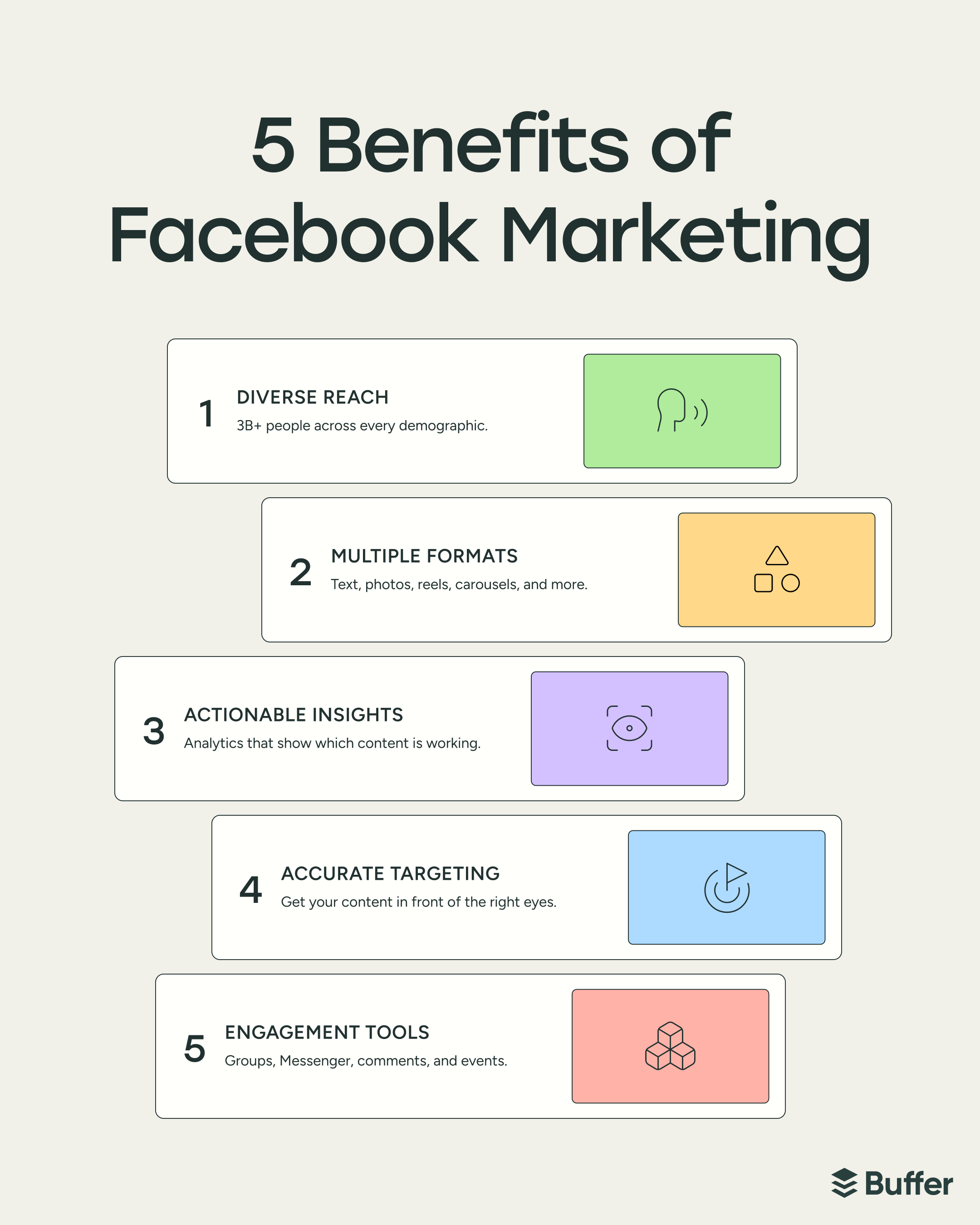
With over 3 billion monthly active users, Facebook maintains its position as the most-used social network globally. This unparalleled reach, combined with sophisticated targeting capabilities, secures its place in the marketing strategies of many creators and small businesses. The following five benefits highlight why Facebook remains a vital investment of time and resources:
-
Massive and Diverse Reach: Facebook’s user base offers an expansive opportunity to connect with potential customers across virtually every demographic. Whether a brand targets local consumers or a global audience, cat enthusiasts or connoisseurs of artisanal coffee, there is a high probability that their target demographic is actively engaged on the platform. This extensive reach provides a fertile ground for discovery and audience expansion.
-
Precision Targeting Capabilities: Facebook’s advertising and organic targeting tools allow marketers to segment audiences based on intricate details such as interests, behaviors, geographical location, and even significant life events. This precision ensures that content, such as a post promoting handmade dog collars, is delivered to individuals who demonstrably own dogs, rather than a broad, undifferentiated audience, maximizing relevance and engagement.
-
Versatile Content Formats: The platform supports a wide array of content types, including long-form text posts, image carousels, video content, ephemeral Stories, and short-form Reels. This flexibility enables brands to tell their stories in diverse and engaging ways. Marketers are not obligated to utilize every format; strategic selection of two or three formats that align with content capabilities and audience preferences is often more effective.
-
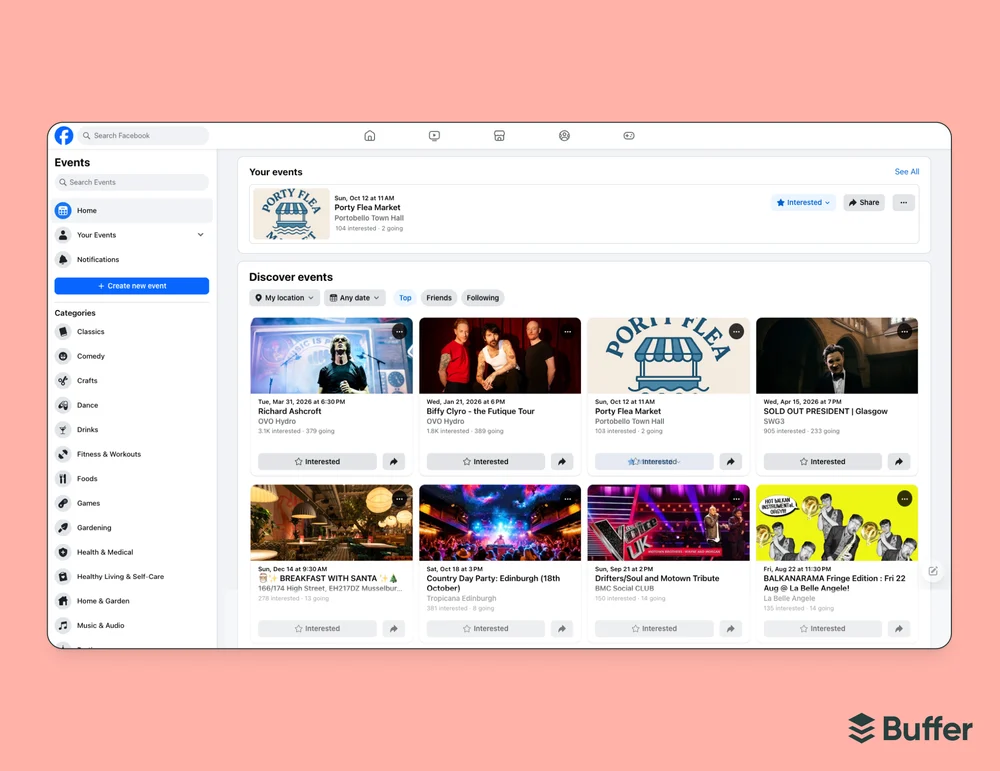
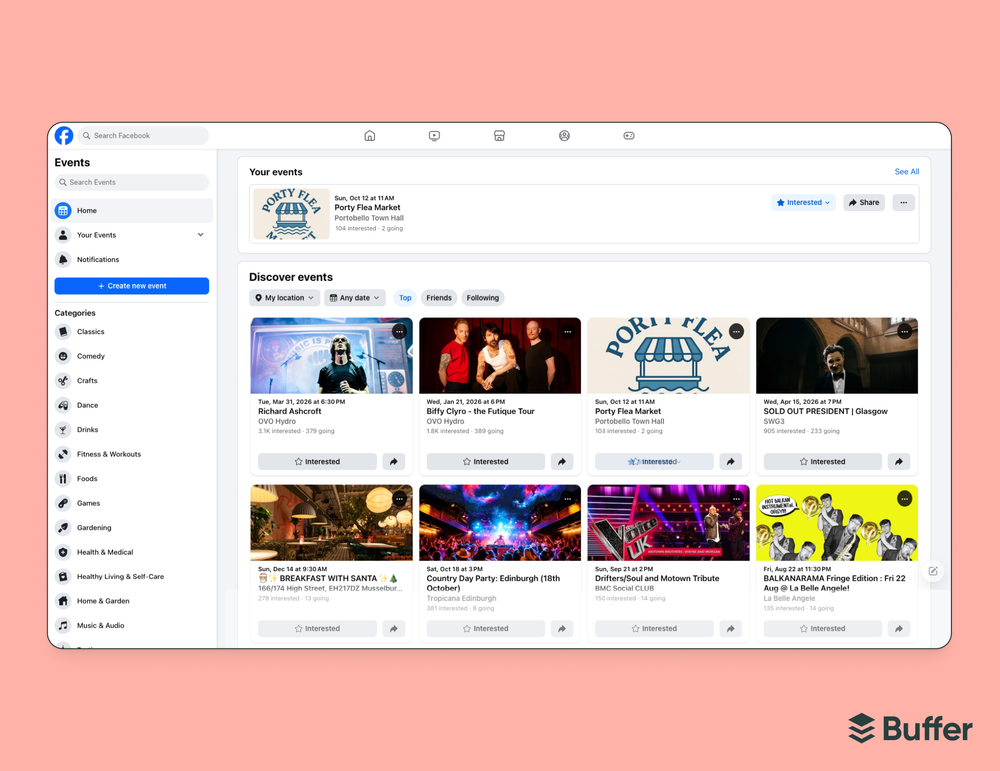
Robust Community and Engagement Tools: Facebook provides integrated tools designed to facilitate genuine connection and community building. Features such as dedicated Groups, Event listings, and Messenger functionalities empower brands to cultivate loyal online communities. The platform’s event discovery features, for instance, are widely used for local happenings, demonstrating its utility beyond direct brand promotion.
-
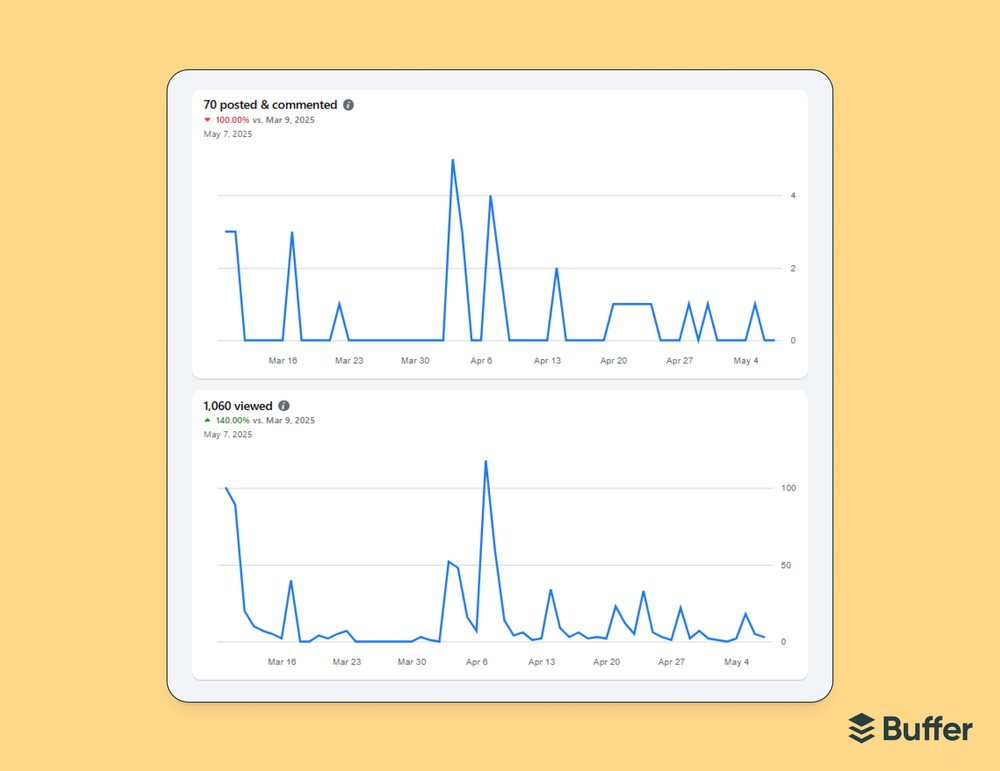
Actionable Insights and Analytics: Facebook’s native analytics tools offer comprehensive data on content performance, tracking metrics such as reach, clicks, and engagement. These insights are invaluable for refining marketing strategies over time. For example, an increase in views coupled with a decrease in engagement within a Facebook Group indicates a need to re-evaluate content value and relevance for the audience, prompting adjustments to foster deeper interaction.
Strategic Considerations for Platform Adoption
Determining whether Facebook marketing aligns with a business or brand’s objectives is a critical initial step. For creators or small business marketers with limited resources, selecting the most impactful platforms is paramount.
An audience-centric approach is fundamental. Businesses should directly inquire about their audience’s social media habits, perhaps through email surveys or direct conversations. This direct feedback provides invaluable insight into preferred platforms and content consumption patterns.
Furthermore, a comparative analysis of the target audience against Facebook’s user demographics is essential. Understanding the gender, age, geographical location, income, interests, values, and beliefs of both the target audience and the platform’s user base ensures alignment.
Observing competitors’ activities on Facebook can also inform strategy. If similar businesses are achieving significant engagement, it suggests a receptive audience. Conversely, a lack of competitor presence might indicate a less active audience or, potentially, an untapped opportunity for differentiation. For instance, Buffer, a social media management platform, strategically focuses its efforts on LinkedIn, Instagram, Threads, and Bluesky, where its core audience is most active, illustrating that a presence on every platform is not always necessary.
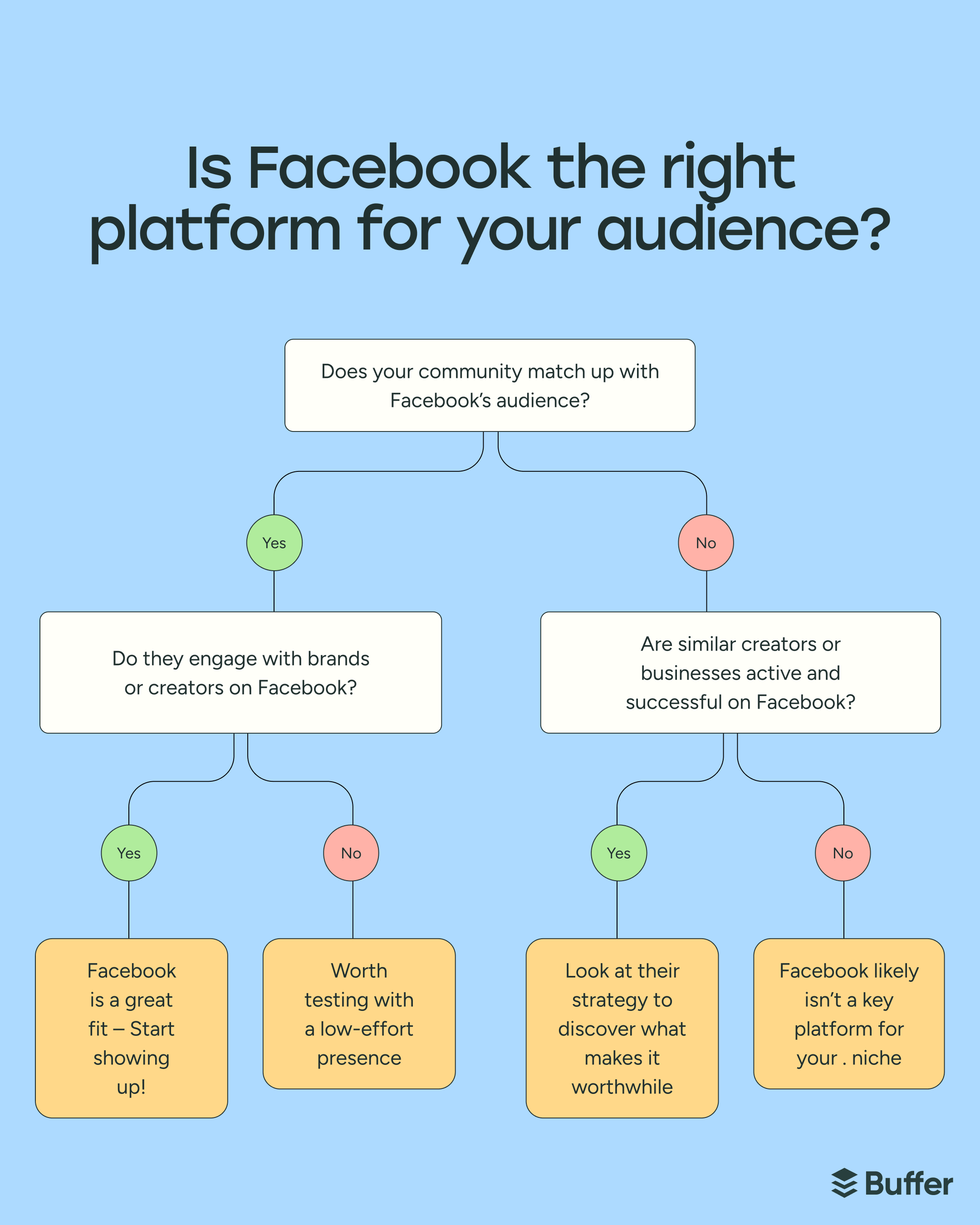
For small businesses specifically, a quick "gut-check" involves asking: Does my target audience actively use Facebook? Do I have the capacity to consistently create engaging content? Can I effectively measure my marketing efforts on this platform? A majority of affirmative answers typically indicates Facebook as a worthwhile investment.
Establishing a Presence: Business Pages vs. Professional Mode
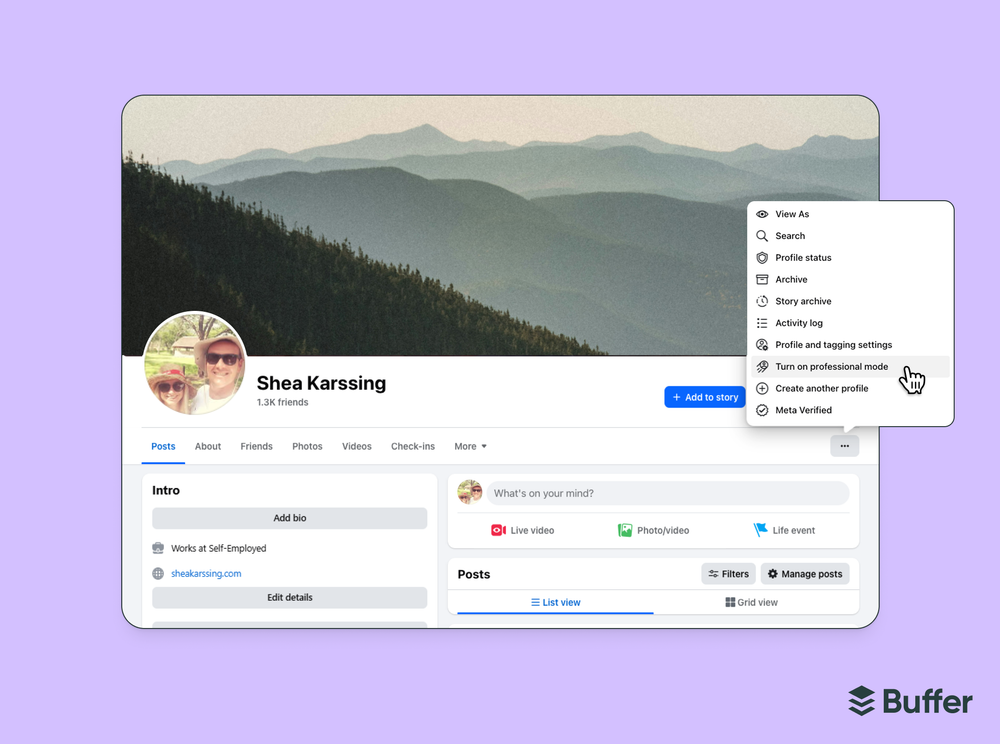
Facebook offers two primary avenues for establishing a marketing presence: a dedicated business page or activating professional mode on an existing personal profile. The choice depends largely on whether the entity is a brand/business or an individual creator.

Facebook Business Page: This option creates a distinct public entity, separate from a personal profile. It is ideal for brands, businesses, and public figures who require a clear, professional identity. Business Pages offer a full suite of advanced tools, including Meta Business Suite, Ads Manager for comprehensive campaign management, and in-depth analytics. They also allow for integration with third-party scheduling tools like Buffer.
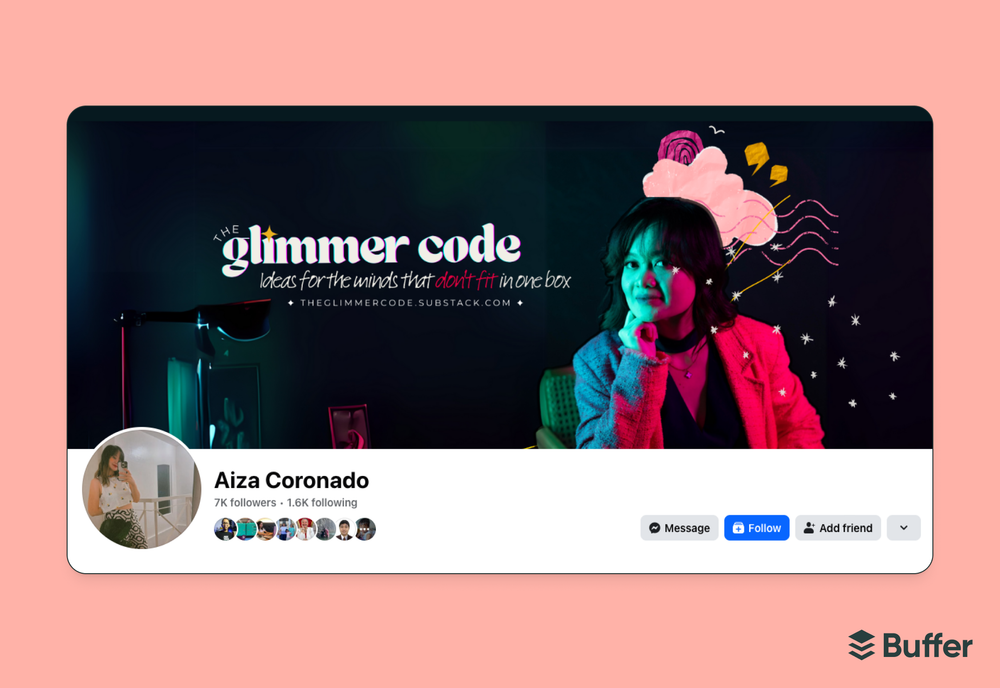
Professional Mode: This feature transforms an existing personal profile into a creator-focused presence. It is best suited for individuals who wish to grow a public profile without managing two separate accounts. Professional mode provides a creator dashboard, monetization features, and growth prompts, allowing personal connections and public followers to coexist. Cashé Collocott notes that professional mode enables her to "test content themes, track what actually lands, and stay visible to the right audience without juggling multiple pages," promoting authenticity and behind-the-scenes engagement. Aiza Coronado, a lifecycle strategist, highlights its utility for organic growth, citing "reach beyond what a regular personal page could do, like auto-invites and growth prompts."
While it is possible to maintain both a business page and a professional profile, this approach can dilute audience attention and increase workload. A strategic decision to focus on one platform is generally recommended.
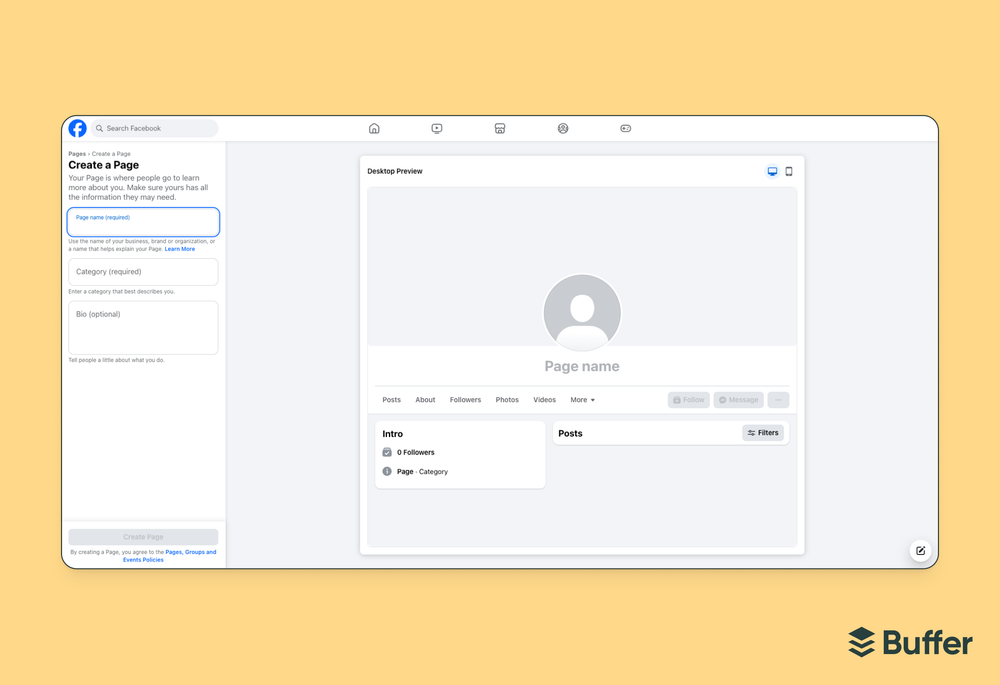
Setting Up a Business Page:
- Navigate to the "Pages" section and select "Create New Page."
- Provide a Page name, select a relevant category, and write a concise bio. Utilizing a logo as the profile image for brands or a professional headshot for individuals is recommended.
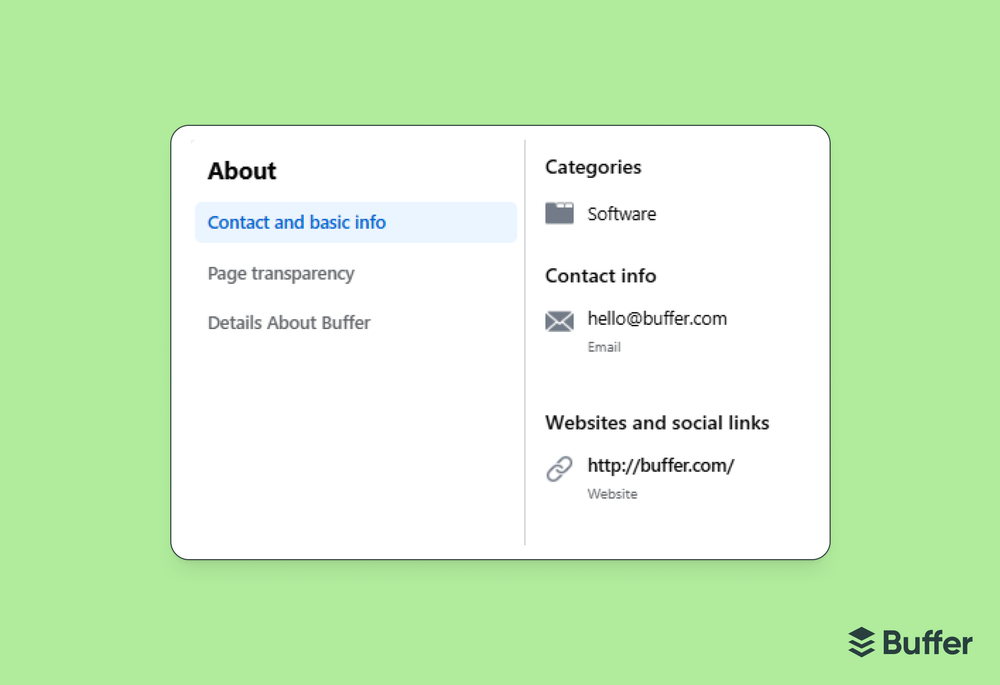
- Add essential contact information (website, email, phone) and location details.
- Customize the "Action Button" to direct visitors to a specific call-to-action, such as visiting a website or initiating contact.
- Invite friends to like the page and create an introductory post to welcome new followers.
Crafting an Effective Facebook Marketing Strategy
A robust Facebook marketing strategy comprises five core steps designed to ensure purposeful and impactful engagement. Aiza Coronado’s experience with her Facebook Group, "The Content (Climber) Club," exemplifies the journey from an unstructured beginning to a thriving community through strategic intent. Initially lacking clear goals, the group experienced inactivity. However, as Aiza defined its purpose and implemented a structured approach, it transformed into a valuable space for freelancers and founders.
-
Defining Measurable Goals: Before any content creation, it is imperative to establish clear, quantifiable objectives. Success might be defined by increased engagement, higher sales volumes, or enhanced brand awareness. Selecting one or two primary goals provides focus. Tracking metrics such as likes, clicks, shares, and direct messages offers tangible indicators of content efficacy.
-
Identifying the Target Audience: A precise understanding of the target audience is paramount. Avoiding broad generalizations like "everyone" allows for the creation of highly relevant content. The more detailed the audience profile – encompassing interests, challenges, and online behaviors – the more effective the content will be. For instance, content tailored for "freelance designers looking for time-saving tips" resonates more deeply than generic advice for "all designers."
-
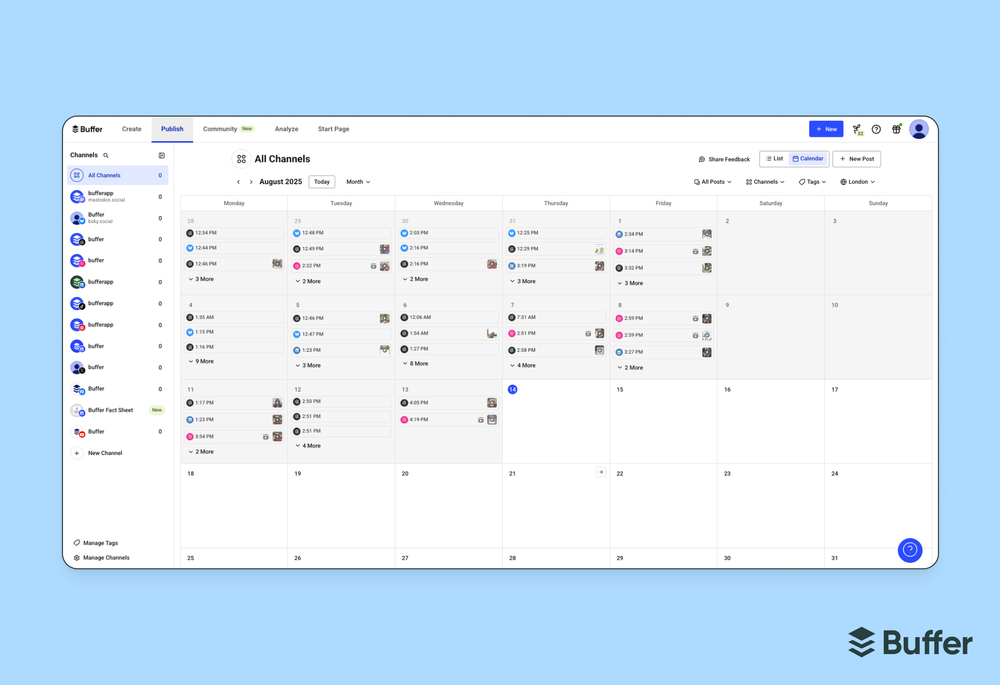
Developing a Content Calendar: Consistency in posting is more impactful than sporadic, complex content. A content calendar, even if mapped out for just a week or two at a time, ensures regular engagement. It should feature a diverse mix of content, including product updates, personal insights, customer testimonials, instructional tips, Reels, and occasional brand-appropriate memes. Tools like Buffer dashboards can facilitate the planning and scheduling of posts across multiple platforms.
-
Fostering Consistent Engagement: Posting content represents only half of the strategy; active engagement with the audience constitutes the other half. Responding to comments and direct messages within 24 hours is a best practice, often coupled with asking follow-up questions to stimulate further dialogue. This interactive approach is heavily favored by Facebook’s algorithm and is crucial for transforming followers into a cohesive community.
-
Iterative Performance Analysis: Regular review of content performance using Facebook Insights is essential. While initial follower and engagement numbers may be modest, the focus should be on consistent improvement. Key metrics include reach (how many people saw the post), engagement rate (reactions, comments, shares), and audience demographics. This data-driven approach allows for continuous refinement of the strategy, ensuring that content evolves to meet audience preferences.
Illustrative Case Studies in Facebook Marketing
Real-world examples demonstrate the diverse applications and potential impact of a well-executed Facebook marketing strategy.
Case Study 1: Viral Emotional Storytelling (Aiza Coronado)
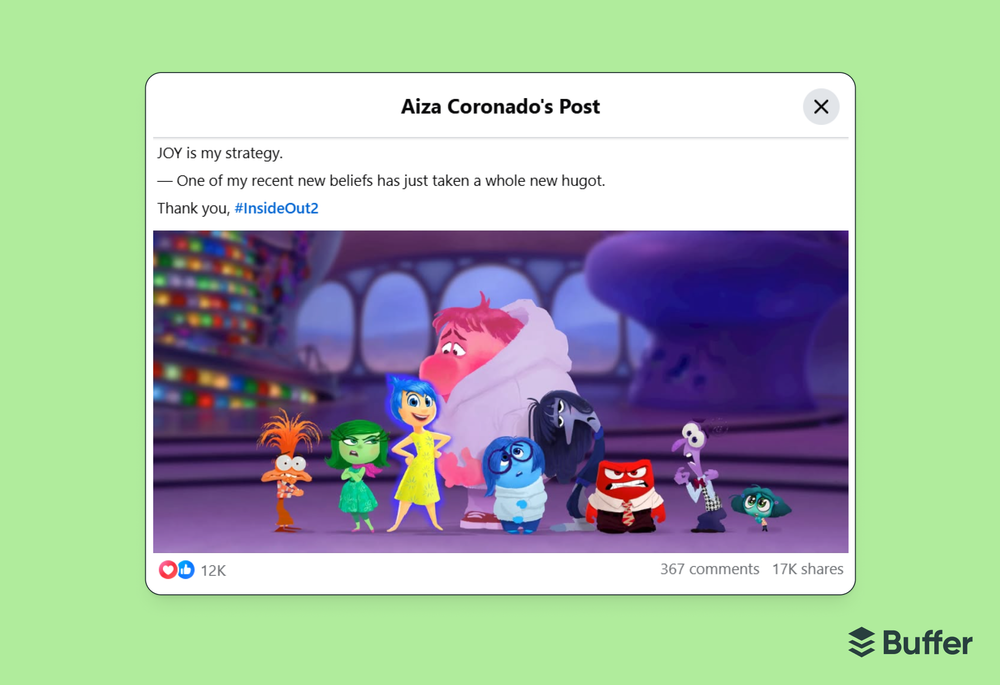
Aiza Coronado’s most viral Facebook post was an unplanned, deeply personal reflection following a family viewing of Inside Out 2. The raw, emotional narrative, crafted while the feelings were still fresh, resonated profoundly with her audience, quickly garnering 17,000 shares. The post’s themes aligned with principles of content writing and the psychology of virality, as discussed in Jonah Berger’s Contagious: Why Things Catch On. This case underscores the power of authentic, emotionally resonant storytelling that taps into timely and relatable experiences, validating the writer’s voice and visibility.
Case Study 2: Organic Lead Generation via Text Posts (Aiza Coronado)
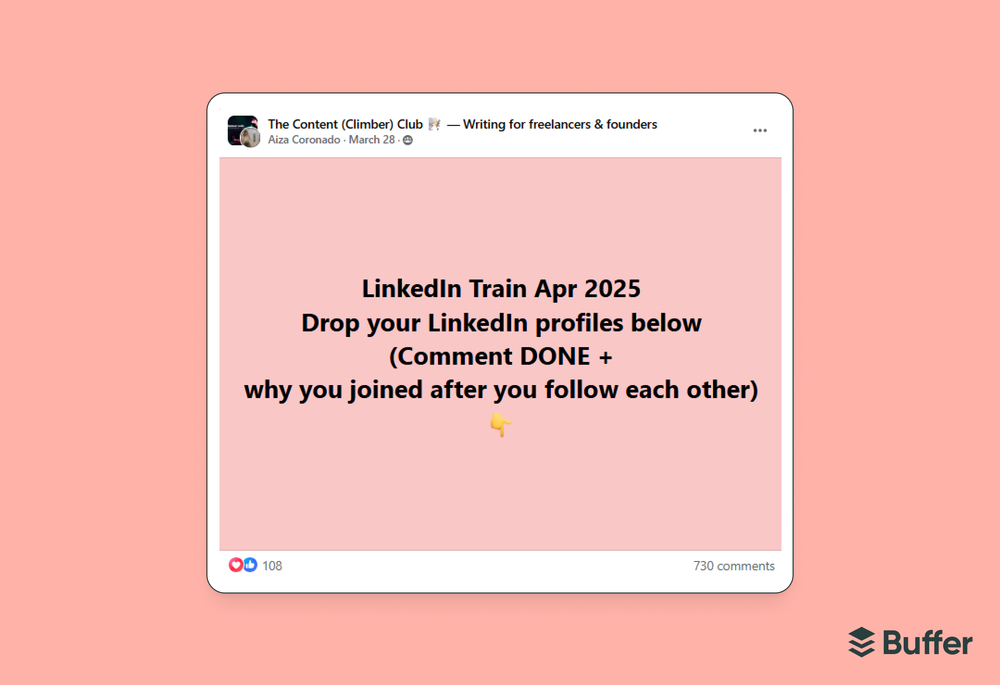
Prior to a LinkedIn challenge, Aiza Coronado employed a series of simple text-only posts to generate interest. This minimalist approach proved highly effective, resulting in over 350 organic sign-ups. The subsequent challenge saw significant engagement, with over 730 comments on a single post on Day 1. This demonstrates that plain text posts are highly effective for direct engagement, soliciting opinions, and testing demand for new offerings without complex visuals.
Case Study 3: Community Building through Structured Groups (Cashé Collocott)
Cashé Collocott spearheaded a campaign for a national fitness brand, establishing wellness-focused Facebook Groups structured into "heats." These groups provided curated meal plans, scheduled workouts, and daily interactions from coaches and moderators. The success of the initiative was largely attributed to "micro-moderation with purpose," involving consistent, active engagement in comments, weekly check-ins, and live "Ask the Coach" sessions. This strategy fostered high engagement and genuine transformation stories, leading to the expansion of the format into men’s groups. It exemplifies how structured support and genuine community interaction can build movements, not just groups.
Optimizing Content Formats for Engagement
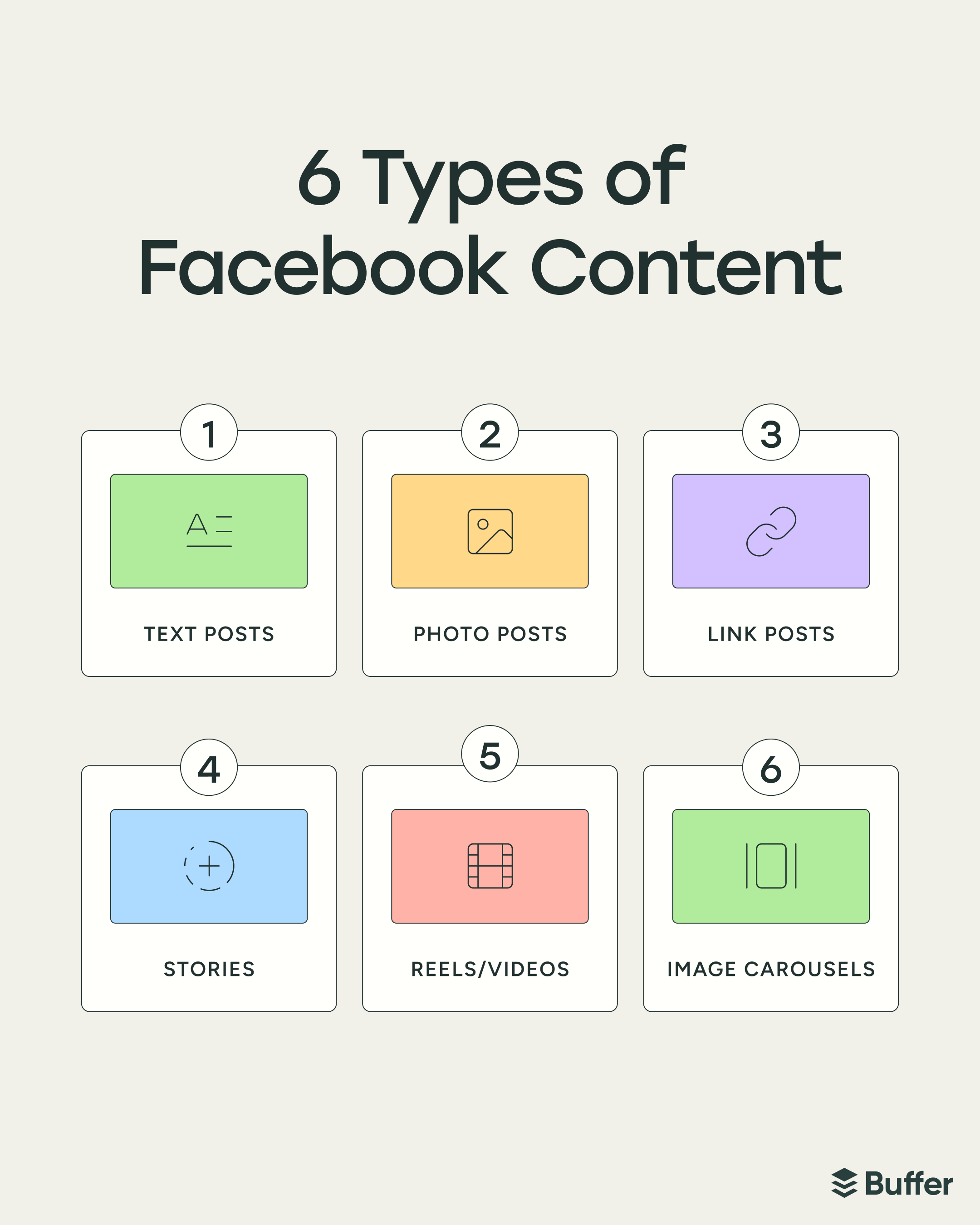
Facebook supports six primary content formats, each serving distinct marketing objectives. Strategic selection and optimization of these formats are crucial for maximizing impact.
-
Text Posts: Best for sparking conversation, conducting polls, soliciting opinions, and testing market demand. They often yield the highest comment ratios due to their direct, conversational nature.
-
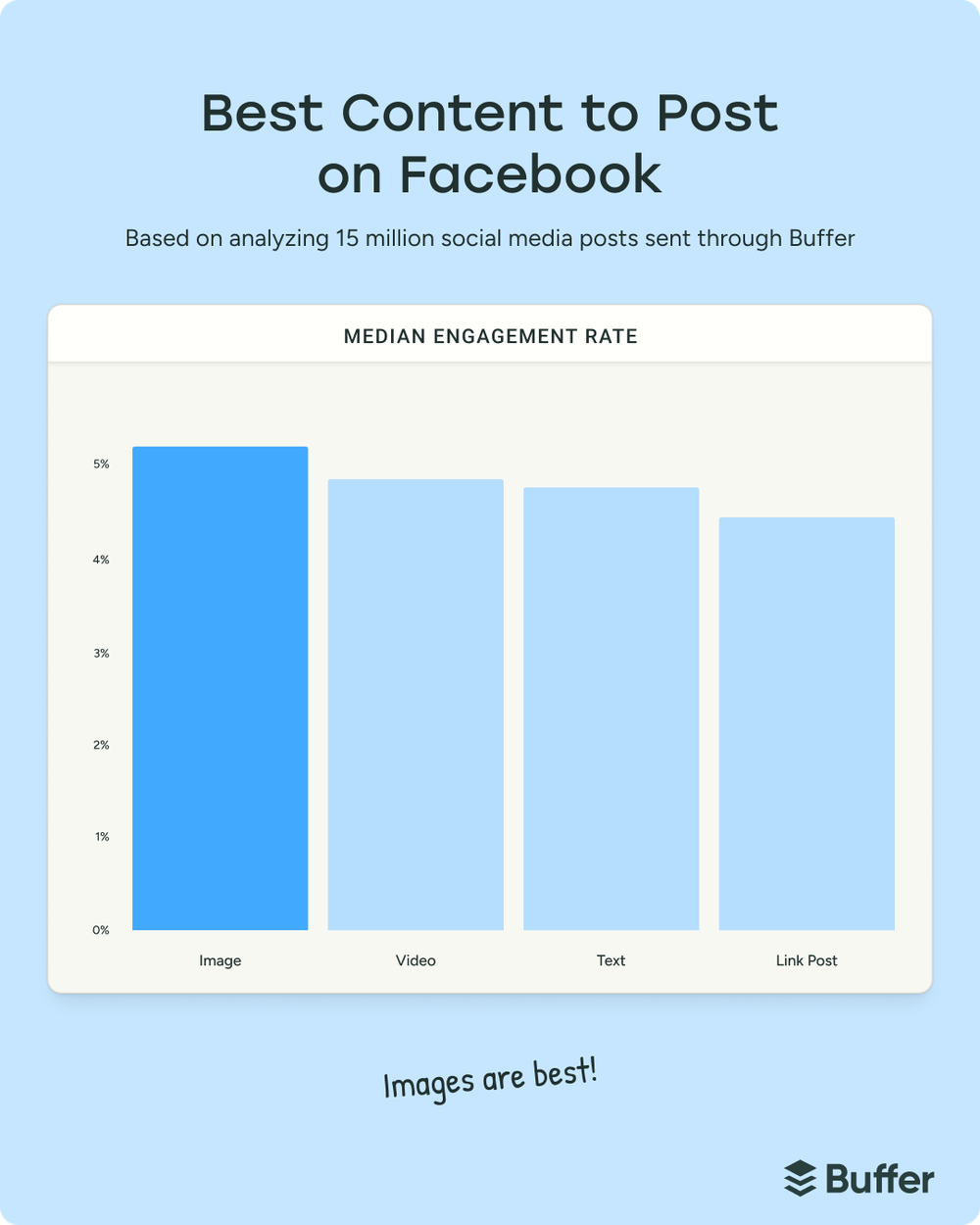
Image Posts: Highly effective for engagement and brand visibility. Posts featuring single images or carousels tend to capture attention in the feed. Buffer’s research indicates that image formats generally achieve the highest engagement rates on the platform.
-
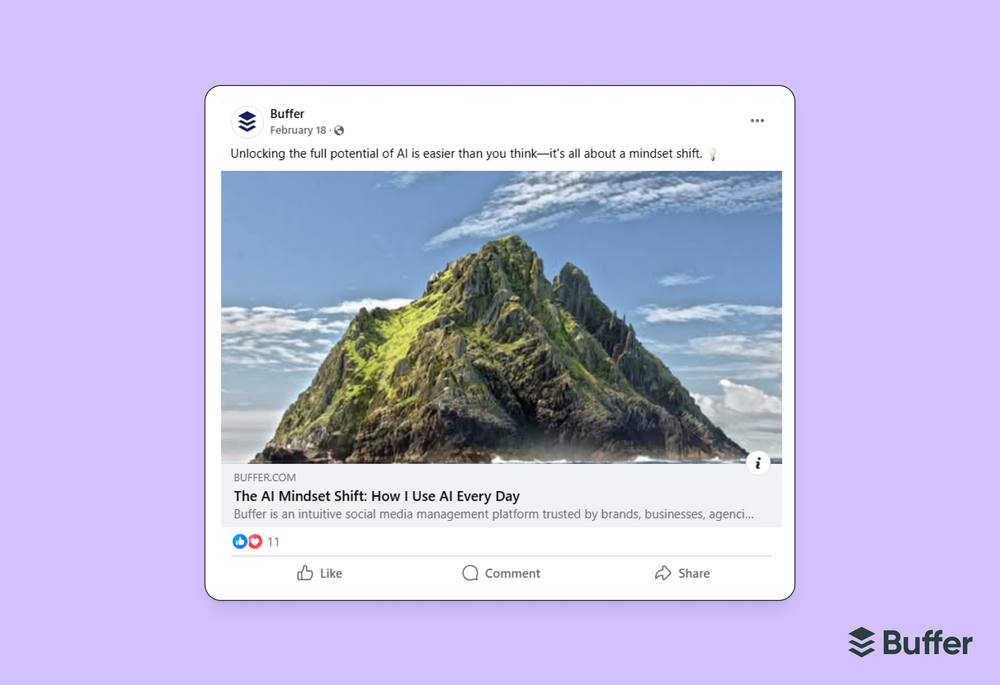
Link Posts: Designed to drive external traffic to websites or other online properties. While they automatically generate a visual preview, Meta’s "Widely Viewed Content Report" (Q4 2024, US) revealed that 97.3% of all post views in the US went to content without external links. This suggests a strategic shift towards embedding links in the first comment rather than directly in the post to maintain algorithmic favor.
-
Stories: Ideal for casual, time-sensitive content. These vertical, full-screen images or videos disappear after 24 hours, encouraging immediate engagement. They are effective for quick updates, polls, interactive questions, and direct messaging for sales inquiries.
-
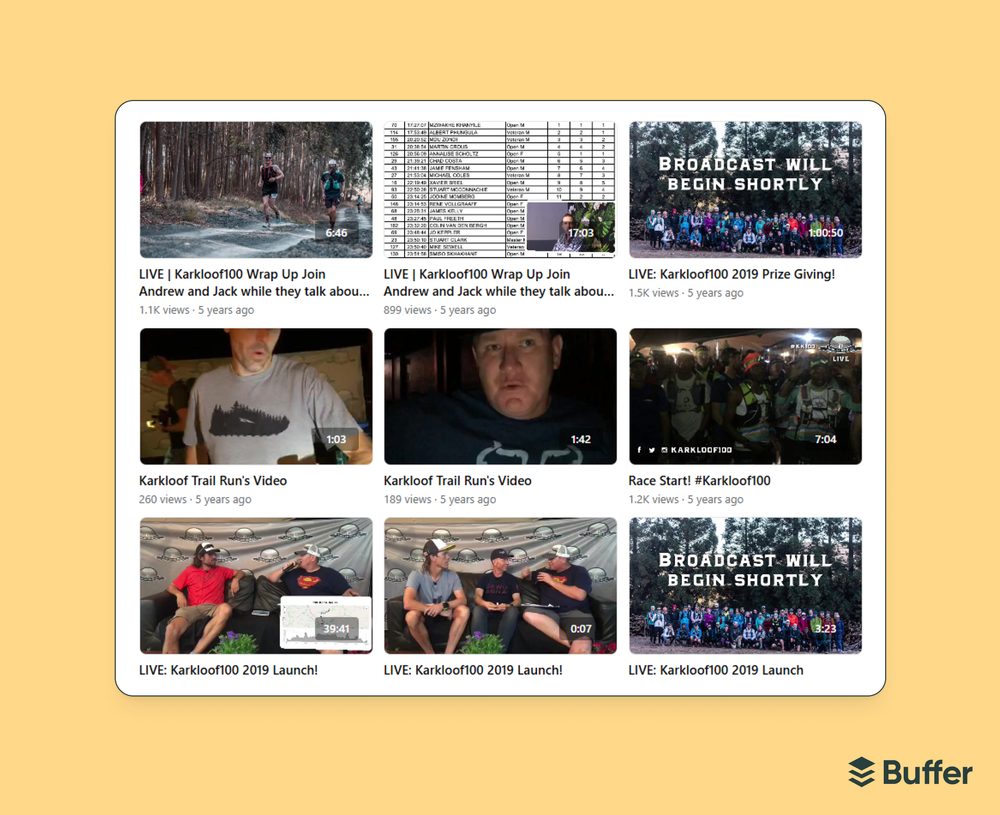
Reels and Video Posts: Excel in driving reach, discovery, and sustained attention. Videos autoplay in the feed, making them effective for immediate engagement. Authentic, casual videos recorded on a phone often resonate well. They are suitable for behind-the-scenes glimpses, product demonstrations, tutorials, and Q&A sessions. Live videos also facilitate real-time engagement for events or interactive sessions.
-
Image Carousels: Allow for the sharing of multiple images in a single post, making them perfect for sequential storytelling, showcasing product collections, or providing step-by-step tutorials. Carousels encourage users to swipe, increasing time spent on content and boosting engagement.
Strategic Implementation: Best Practices and Technical Considerations
Effective Facebook marketing transcends mere posting; it necessitates a social, interactive approach. The platform should be viewed as a conversational space, not a broadcast channel, prioritizing connection over direct sales.
Recommended Image and Video Sizes:
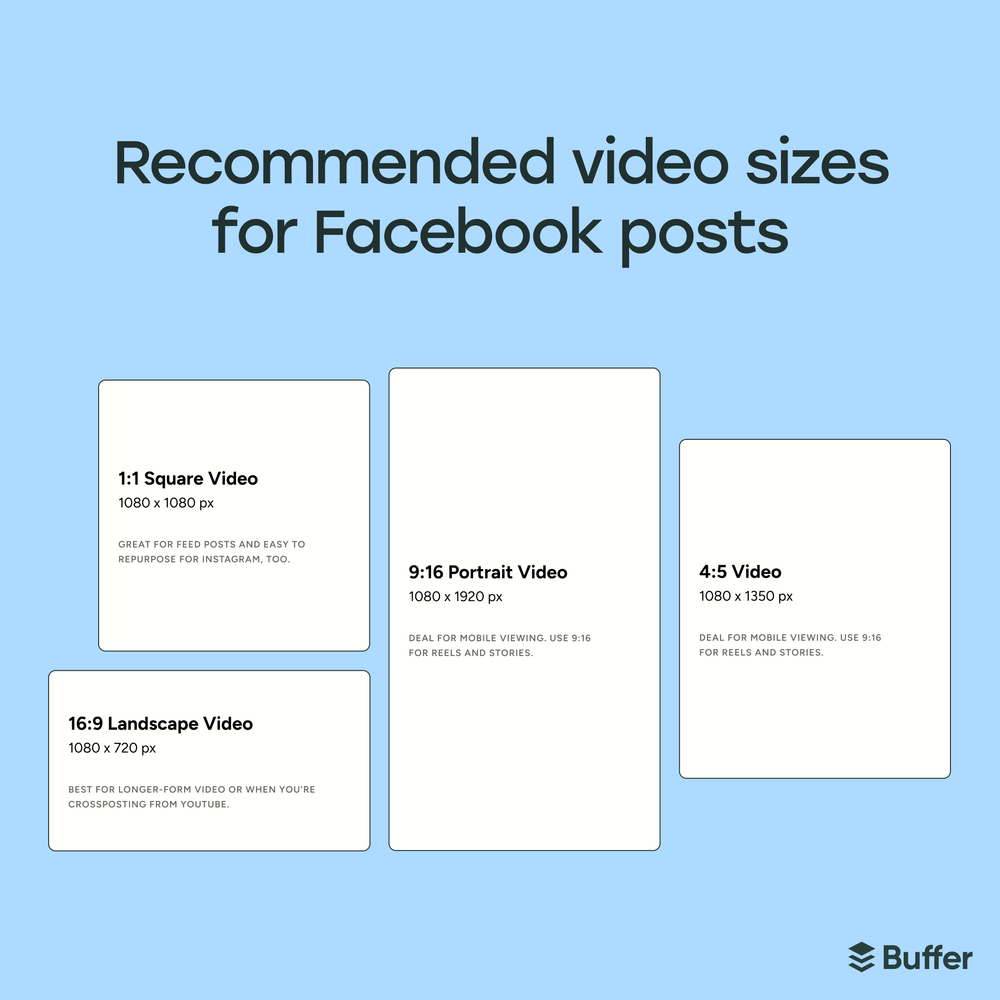
Optimizing media dimensions is fundamental for professional content presentation.
| Format | Aspect Ratio | Recommended Size | Best for |
|---|---|---|---|
| Feed image (landscape) | 1.91:1 | 1,200 x 630 px | Standard feed posts, link previews |
| Feed image (square) | 1:1 | 1,080 x 1,080 px | Cross-platform reuse (e.g., Instagram) |
| Square video | 1:1 | 1,080 x 1,080 px | Feed posts, easy Instagram repurposing |
| Vertical video (4:5) | 4:5 | 1,080 x 1,350 px | Mobile-first feed |
| Vertical video (9:16) | 9:16 | 1,080 x 1,920 px | Reels, Stories |
| Landscape video | 16:9 | 1,280 x 720 px | Longer-form content, YouTube crossposts |
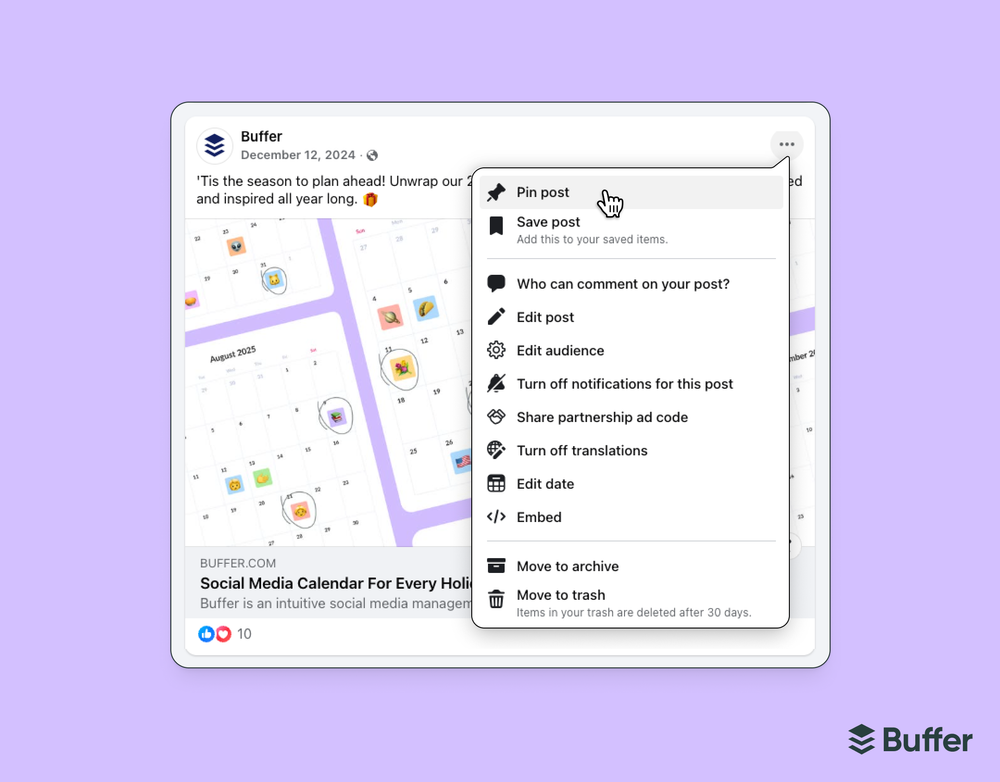
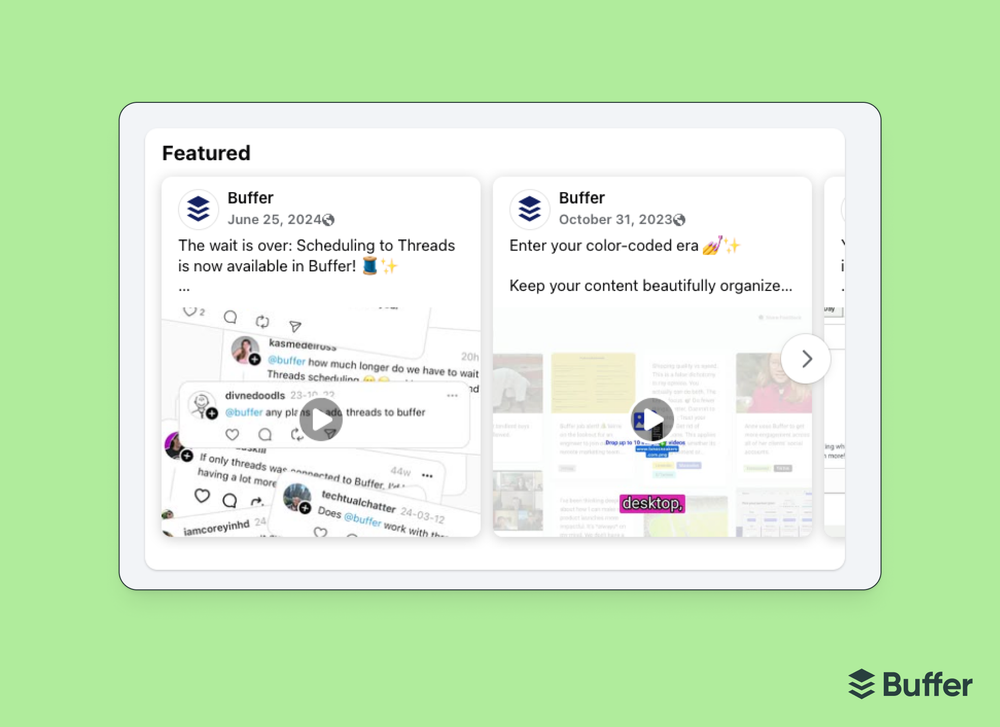
Pinning Essential Posts: To ensure critical information or compelling welcome messages are immediately visible to new followers, posts can be "pinned" to the top of a page or profile. This allows creators to introduce themselves or businesses to highlight hours, contact details, or service updates.
Crafting Irresistible Calls to Action (CTAs): Effective CTAs are inviting, action-oriented, and specific, rather than overtly sales-driven. Examples include "Learn More Here," "Join the Discussion," "Discover Our Collection," or "Download Your Free Guide." Specific CTAs, such as "Click to explore our latest arrivals," consistently outperform generic phrases like "Check out our store."
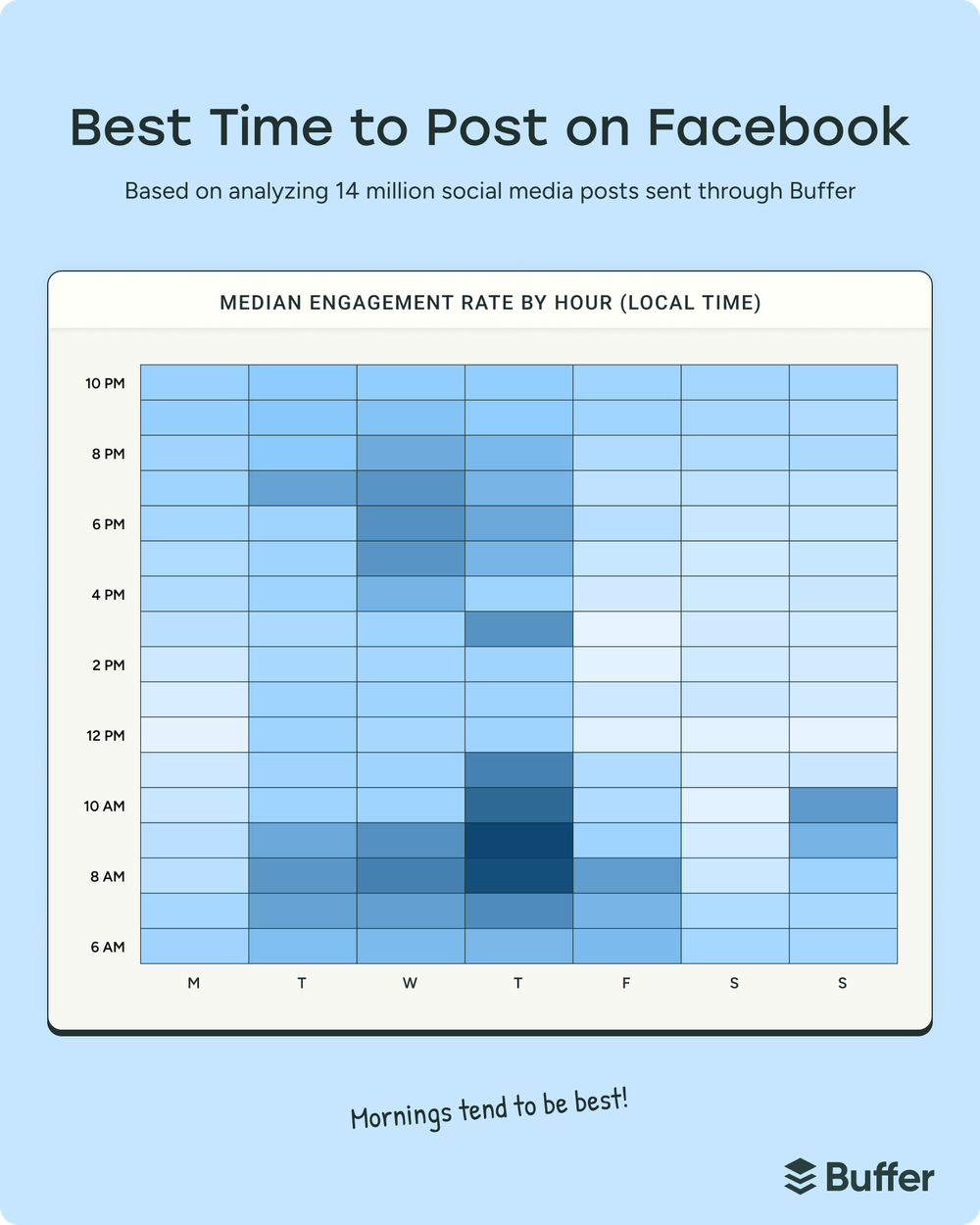
Optimizing Posting Times: While no universal "best time" exists, data generally suggests that weekday mornings tend to yield higher engagement. However, the most effective posting times are determined by analyzing audience activity patterns through platform analytics. Experimentation based on these insights is crucial.
Cultivating Community and Driving Engagement
Audience engagement on Facebook—manifested through likes, comments, shares, and clicks—is a critical indicator of content resonance and a primary driver of algorithmic reach. Buffer’s "State of Social Engagement 2026" report, analyzing 52 million posts, positions Facebook highly for average engagement rates, underscoring its potential.
Content that Resonates: To succeed, content must prioritize genuine engagement. Posts that are authentic, offer value, and feel "real" are favored by the algorithm. Cashé Collocott advises, "Lean into storytelling, behind-the-scenes moments and reply to comments like actual humans. That kind of authenticity builds trust." She also notes a shift away from overly curated content towards a desire for connection and transparency. Aiza Coronado recommends polls to directly ascertain audience interests, fostering a collaborative content creation process.
Leveraging Facebook Messenger: Social media marketing has evolved from broadcasting to two-way conversation. Facebook Messenger facilitates direct communication, allowing businesses to provide information, answer inquiries, and offer customer support. Ensuring a visible "Message" button on a page encourages these interactions.
Building a Facebook Group: Establishing a Facebook Group is an effective strategy for cultivating an online community and boosting organic reach. Groups can serve various purposes, from facilitating collaboration and sharing opportunities among niche professionals (like Aiza Coronado’s groups for Filipino freelancers) to providing exclusive content or customer support. Proactive engagement, such as direct messaging new members, is often more effective than static welcome posts.
Leveraging Paid Promotion: Facebook Advertising Fundamentals
While organic reach remains valuable, the increasing volume of content on Facebook often necessitates paid advertising to reach a broader, more precisely targeted audience. Facebook ads offer a robust solution for amplification.
Cost of Facebook Ads: Organic marketing is free, but paid advertising involves costs that vary based on factors such as industry, audience, and ad objective. Average costs per click (CPC) can range from $0.50 to $4.00, while costs per mille (CPM) typically fall between $5.00 and $20.00. A suggested starting budget for initial testing is $50 over a week to gauge creative effectiveness before larger commitments.
When to Consider Paid Advertising: Paid advertising is most effective when driven by clear objectives and measurable goals, such as increasing mobile app downloads by 100 per month. Facebook’s comprehensive targeting options—spanning location, demographics, interests, and behaviors—enable advertisers to reach highly specific audiences.
Setting Up Facebook Ads: Ads are managed through Meta Ads Manager, which allows for placement across Facebook, Instagram, Messenger, and the Audience Network. The process involves selecting an objective, defining the target audience, setting a budget and schedule, choosing ad placements, and designing the creative. Experimentation with different creatives and audiences is encouraged for optimization.
Boosted Posts vs. Meta Ads Manager:
- Boosted Posts: Offer a quick way to promote an existing post, ideal for simple goals like increasing likes, comments, or website clicks. They provide basic targeting options and automated placements.
- Meta Ads Manager: Provides extensive control for full campaigns, offering a wider range of objectives (awareness, traffic, leads, sales), advanced targeting (custom and lookalike audiences), and granular control over ad formats and placements.
| Feature | Boosted Posts | Meta Ads Manager |
|---|---|---|
| Best for | Quick visibility on an existing post | Full campaign control with specific business goals |
| Setup time | A few clicks from your published post | Multi-step campaign builder |
| Goals available | Engagement, page likes, website clicks | Awareness, traffic, engagement, leads, sales, etc. |
| Audience targeting | Basic (location, age, interests) | Advanced (custom, lookalikes, behavior, events) |
| Ad formats | Limited to original post format | Photo, video, carousel, collection, stories, reels |
| Placement control | Auto-placed by Meta | Choose Facebook, Instagram, Messenger, Audience Network |
In essence, boosted posts offer rapid, straightforward promotion, while Meta Ads Manager provides sophisticated, goal-driven campaign management. The choice depends on the specific objectives and available resources.
Measuring Success: Data-Driven Performance Tracking
Tracking Facebook marketing performance is crucial for understanding ROI and refining strategies. This can be achieved through Meta’s native tools and third-party analytics platforms.
Meta’s Native Tools:
- Professional Dashboard: For professional profiles.
- Meta Business Suite: For business pages, offering insights into reach, interactions, link clicks, and page visits.
- Ads Manager: For detailed ad campaign performance.
- Group Insights: For metrics specific to Facebook Groups.
These tools provide key metrics such as reach, engagement, post performance, follower growth, and audience demographics, enabling marketers to discern effective content strategies.
Third-Party Analytics (e.g., Buffer Analyze): Platforms like Buffer Analyze offer intuitive dashboards for tracking key metrics for Facebook business pages, including post reach, engagement (likes, comments, shares), clicks, and follower growth. They also identify top-performing posts and provide actionable insights for content optimization. Implementing a Facebook Pixel on a website further enhances tracking capabilities, monitoring visitor actions post-click.
Beyond these, various specialized tools support different aspects of Facebook marketing, including:
- Hootsuite & Sprout Social: Comprehensive social media management.
- Later: Visual content planning and scheduling.
- ManyChat: Messenger bot automation for customer interaction.