The Evolution of Digital Presence and the Automation Imperative

Social media, once a supplementary marketing channel, has cemented its role as a primary touchpoint for customer engagement, brand building, and lead generation. As platforms like LinkedIn, Threads, Bluesky, and Instagram continue to evolve and diversify, so too does the complexity of managing a coherent and effective digital strategy. For a solo business owner juggling client work, product development, and family life, the idea of consistently publishing on four distinct platforms without a systematic approach would be daunting, if not impossible. This scenario underscores the critical need for automation – not as a replacement for human creativity, but as an amplification tool.
In 2024, the global social media management market size was valued at approximately $17.6 billion, projected to grow at a compound annual growth rate (CAGR) of over 20% to reach well over $50 billion by 2030. This growth is largely driven by the increasing adoption of social media for business, the rise of influencer marketing, and the escalating demand for advanced automation and AI-driven solutions. The shift has been gradual but profound: from rudimentary post scheduling in the early 2010s to sophisticated AI-powered content generation and workflow orchestration seen today and anticipated in 2026.
Deconstructing Social Media Automation: Two Core Layers
At its heart, social media automation employs software to execute repetitive tasks without manual intervention, freeing human resources for strategic and creative endeavors. This extends far beyond simple pre-scheduling. Modern automation encompasses everything from analytics reporting and brand mention monitoring to evergreen content recycling and AI-driven content drafting.
For optimal efficiency, automation can be conceptualized in two distinct, yet interconnected, layers:
- In-Tool Automation: This layer refers to functionalities embedded directly within a social media management platform. Examples include scheduling posts to multiple platforms simultaneously, tracking performance metrics, utilizing generative AI for caption creation, and consolidating engagement in a unified inbox. These features streamline daily operational tasks within a single ecosystem.
- External Workflow Automation: This advanced layer connects the social media management tool with other business applications. It involves creating "smooth machines" of processes that link content creation, customer feedback, marketing data, and social publishing. This integration eliminates manual data transfer and enables sophisticated, multi-step workflows that operate autonomously.
Together, these layers form a robust digital infrastructure, allowing businesses to maintain a vibrant online presence without being perpetually "on."
Key Benefits of Strategic Automation
The advantages of adopting a comprehensive social media automation strategy are multifaceted and directly contribute to business growth and sustainability:
- Time Efficiency: Automating mundane tasks like scheduling, reporting, and basic engagement responses frees up significant time for strategizing, creative development, and genuine community building.
- Consistency and Brand Voice: Automation ensures a consistent posting schedule and can help maintain a uniform brand voice across platforms, crucial for audience recognition and trust.
- Data-Driven Insights: Automated analytics collection and reporting provide actionable insights into content performance, audience demographics, and engagement patterns, allowing for continuous optimization of strategy.
- Scalability: As a business grows, automation allows for the efficient management of an expanding social media presence without a proportional increase in manual labor.
- Error Reduction: Automated processes minimize human error in scheduling, content distribution, and data collection.
- Enhanced Engagement: By handling routine interactions, automation tools free up marketers to focus on meaningful, personalized engagement with critical comments and direct messages.
Leading Social Media Automation Tools for 2026
The market offers a diverse array of social media automation tools, each with distinct strengths tailored to different business needs and scales. Evaluating these platforms requires looking beyond basic scheduling to assess their depth of automation, AI capabilities, and user experience. The following nine tools represent standout options for 2026, offering a spectrum of features for solo creators, small businesses, and large enterprises.
| Tool | Best for | Starting Price | Standout Automation |
|---|---|---|---|
| Buffer | Solo Creators, Small Businesses | $6/channel/month (Free) | AI Assistant for captions, rewriting content, and brainstorming ideas, MCP & API access. |
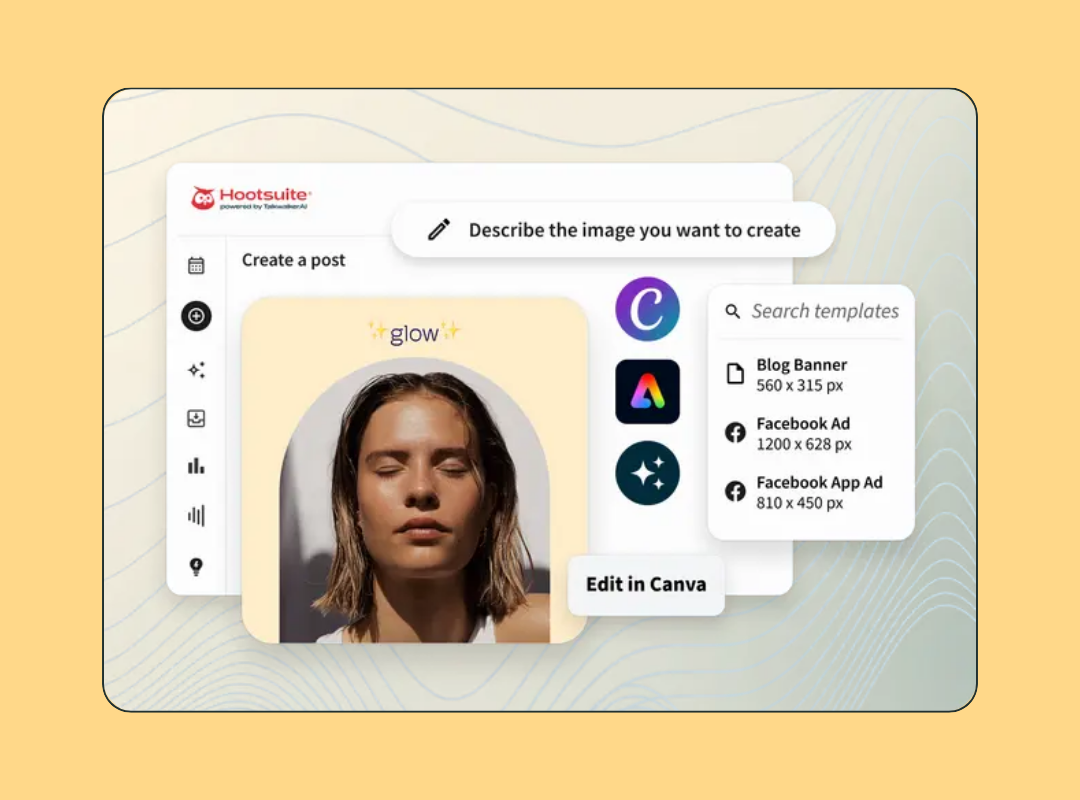
| Hootsuite | Enterprise Teams | $99/month | DM automation, smart replies, AI image generation, advanced listening. |
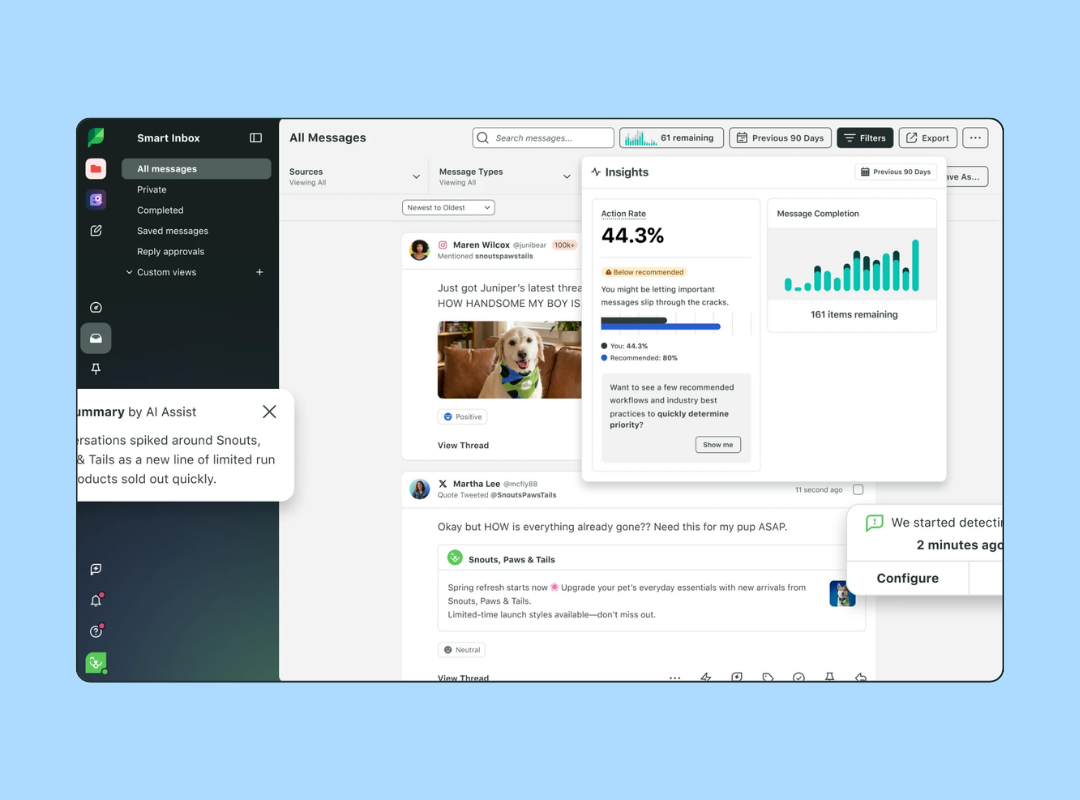
| Sprout Social | Analytics-Driven Teams | $99/seat/month | Chatbot for automated conversations, advanced audience insights, CRM integrations. |
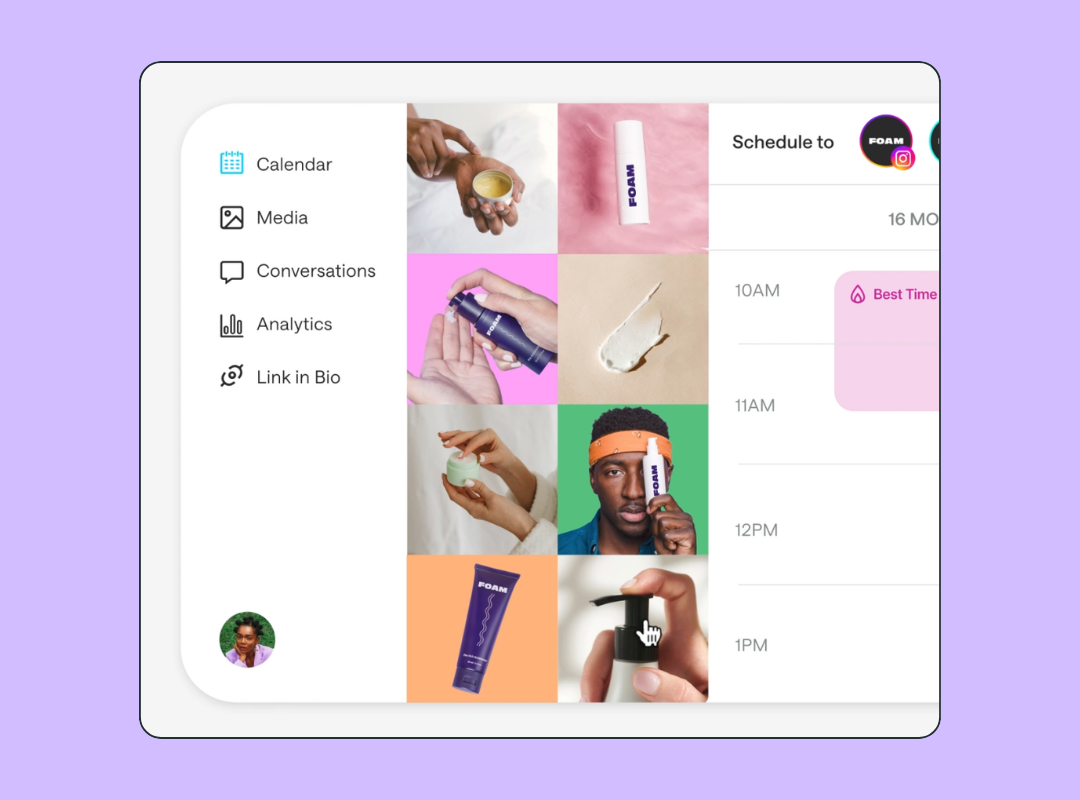
| Later | Visual-First Creators | $25/month | AI video clipping, visual planner, best time to post suggestions. |
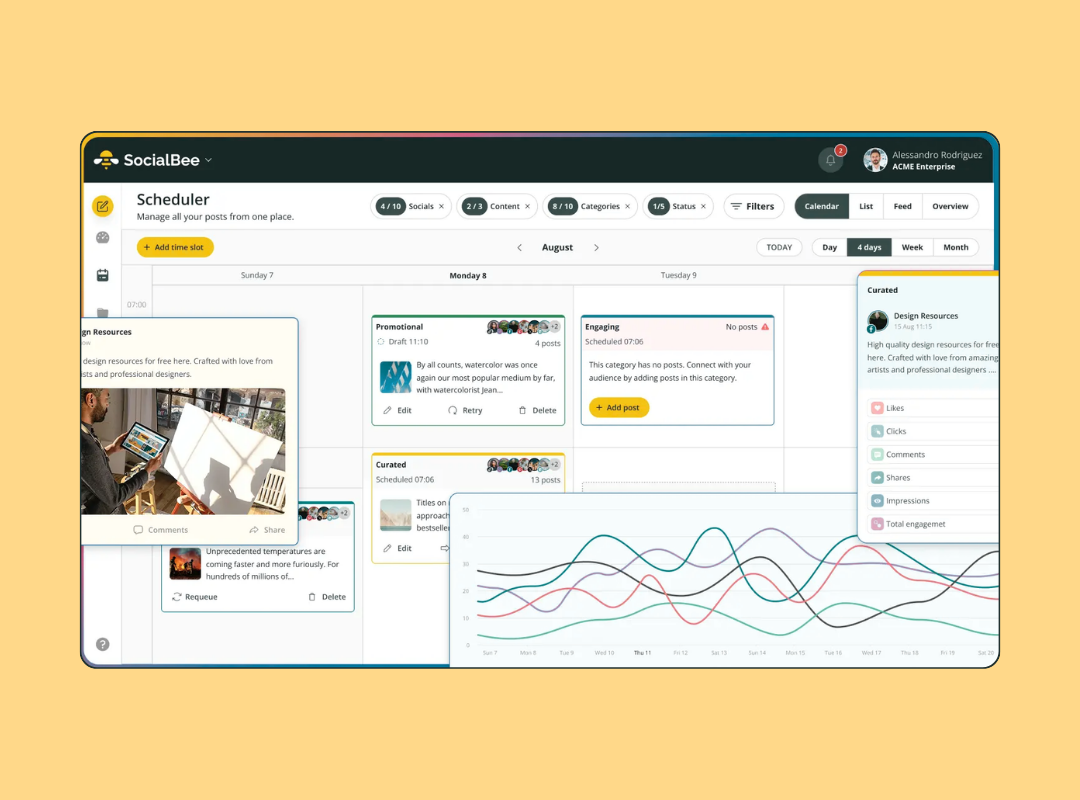
| SocialBee | Content-Heavy Strategies | $29/month | AI Copilot for content strategy, evergreen content recycling, category-based scheduling. |
| Sendible | Agencies | $29/month | AI-assisted content generation, white-label dashboards, client portals. |
| Loomly | Small Teams | $65/month | Approval workflows, post optimization tips, content calendar. |
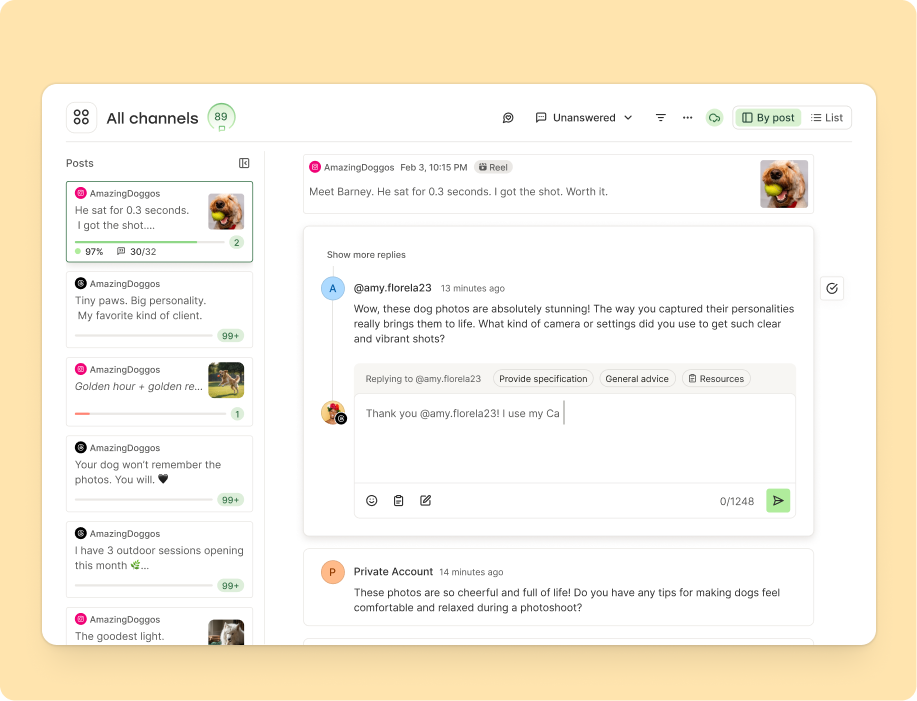
| Agorapulse | Inbox-Focused Teams | $99/user/month | Unified social inbox management with assignment and saved replies, robust listening. |
| Publer | Budget-Conscious Creators | $5/month (Free) | Re-share evergreen content, bulk scheduling, wide platform coverage. |
In-Depth Analysis of Top Platforms:
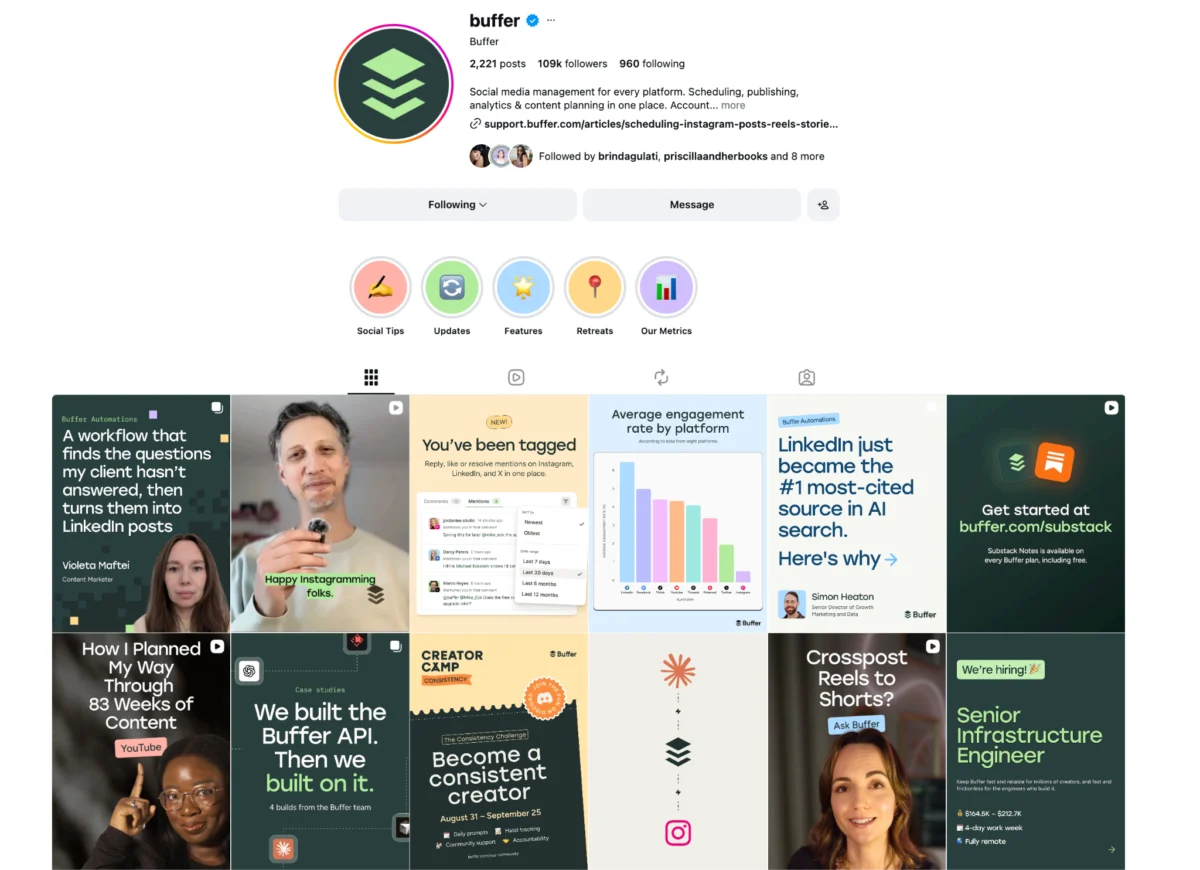
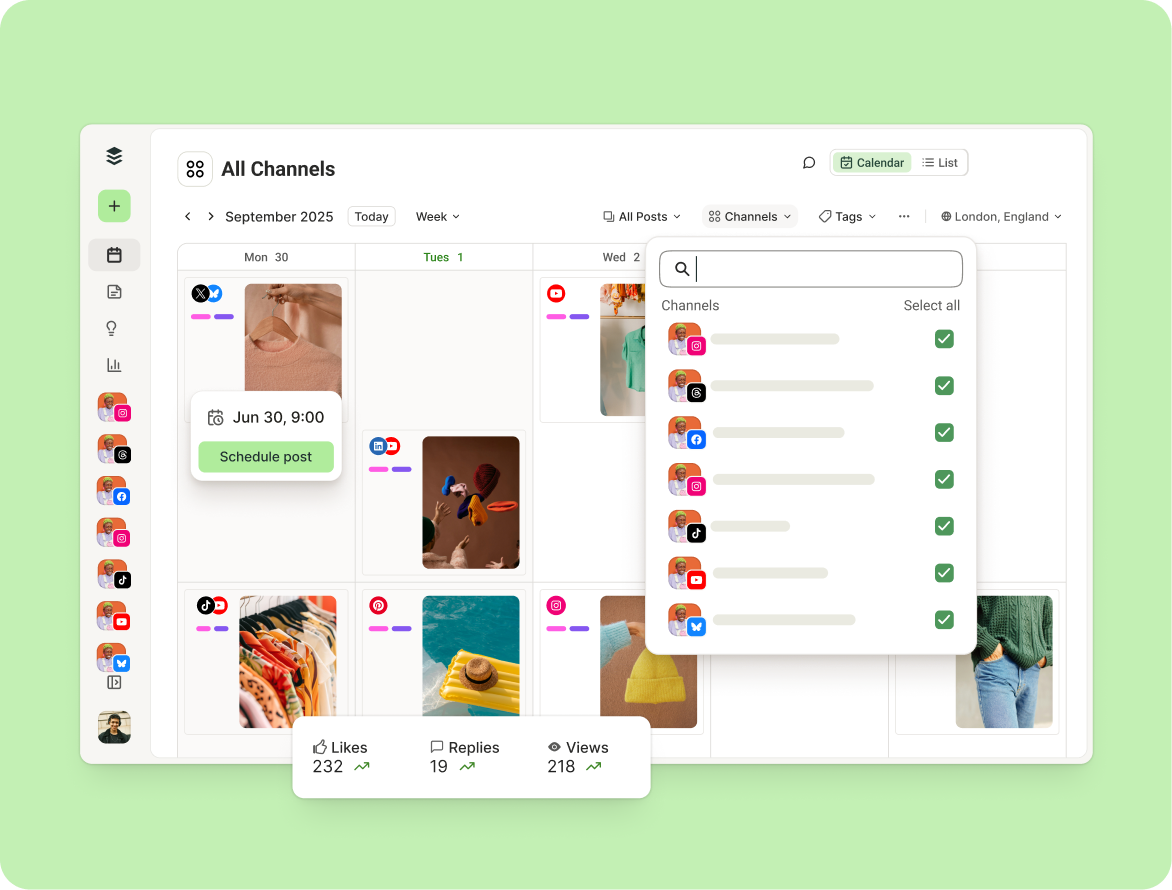
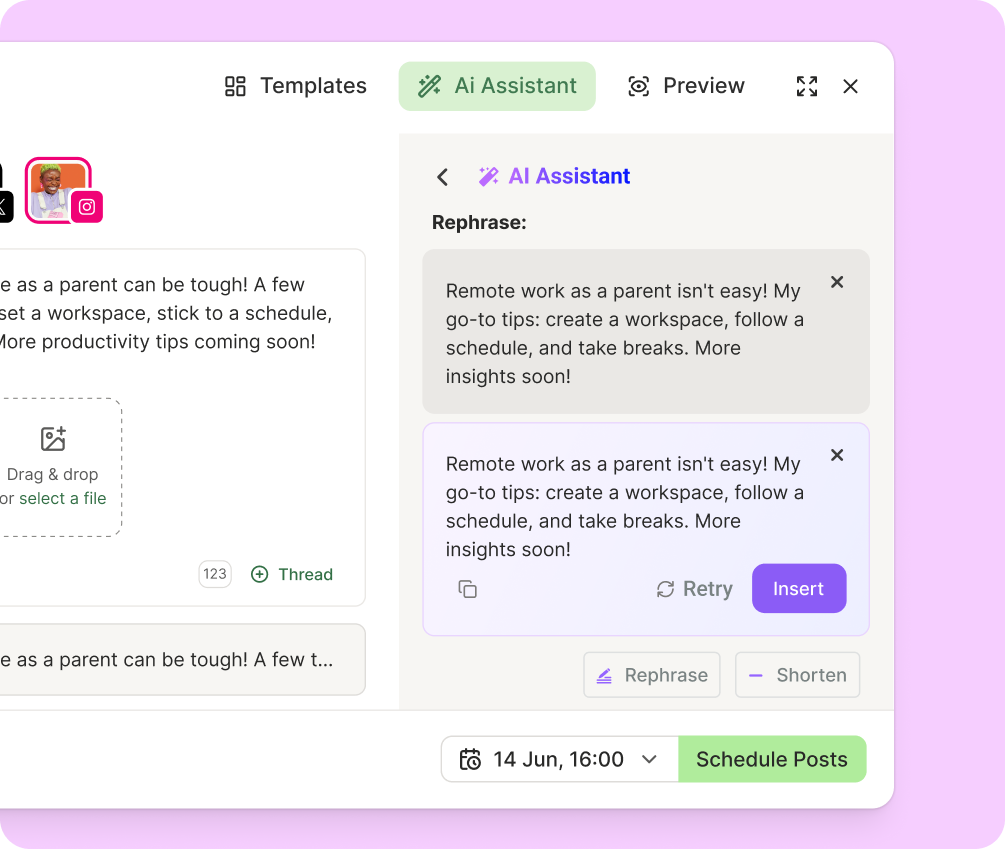
- Buffer: Renowned for its user-friendly interface, Buffer remains a top choice for individual creators and small teams prioritizing ease of use alongside robust functionality. Its drag-and-drop content calendar simplifies scheduling across diverse platforms, including the newer ones like Threads and Bluesky. Buffer’s AI Assistant is particularly valuable, offering intelligent suggestions for captions, content rewriting, and idea generation, significantly reducing the time spent on content conceptualization. Furthermore, its inclusion of a Model Context Protocol (MCP) and API access positions it as a flexible hub for advanced users who wish to integrate their bespoke AI workflows. The unified inbox streamlines community engagement, ensuring no comment or message goes unnoticed.
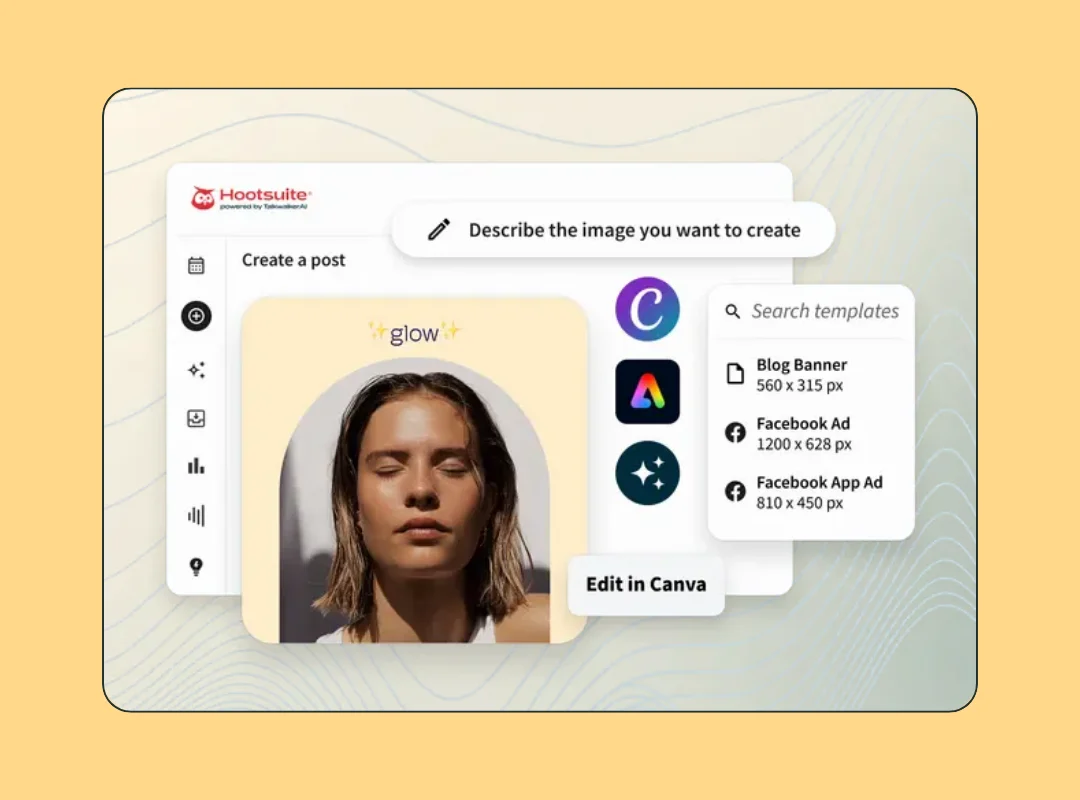
- Hootsuite: A veteran in the social media management space, Hootsuite caters to larger organizations and enterprise teams. Its strength lies in comprehensive features designed for scale, including sophisticated approval workflows crucial for multi-departmental content creation. Beyond scheduling, Hootsuite excels in social listening, allowing brands to monitor conversations, track trends, and manage their reputation effectively. Its AI capabilities, such as automated direct message replies and AI image generation, provide significant operational leverage for high-volume interactions and diverse content needs. While powerful, its extensive feature set can present a steeper learning curve for newcomers.
- Sprout Social: For organizations where data is king, Sprout Social stands out. Its platform is built around advanced analytics, offering customizable dashboards, in-depth audience insights, and robust reporting capabilities. This focus makes it ideal for marketing teams and agencies that drive their strategies with granular data. Sprout Social also integrates seamlessly with CRM systems like Salesforce and HubSpot, ensuring a holistic view of customer interactions. Its Smart Inbox, enhanced with AI Assist for conversation summaries and action rate insights, further automates customer service and engagement workflows, translating data into actionable steps.
- Later: Originating as an Instagram-first scheduler, Later has evolved to support all major visual-first platforms, including TikTok and Pinterest. Its highly visual interface, complete with a drag-and-drop calendar and feed planner, appeals strongly to creators and small businesses whose content strategy is image or video-centric. Later’s AI video clipping feature is particularly innovative, simplifying the repurposing of long-form video content into snackable social clips, a crucial capability in the video-dominated social media landscape of 2026.
- SocialBee: This tool is designed for content-heavy strategies, enabling marketers to categorize posts (e.g., educational, promotional, curated) and assign specific publishing cadences to each. Its standout feature is evergreen content recycling, which automatically reshuffles and republishes top-performing posts, maximizing their reach without manual intervention. The AI Copilot for content strategy aids in planning and optimizing content distribution, making it an excellent choice for coaches, solopreneurs, and content creators who need to maintain a balanced and consistently active feed.
- Sendible: Tailored for marketing agencies, Sendible offers robust features for managing multiple client accounts. Its white-label setup allows agencies to brand the dashboard with their own logo and domain, providing a seamless experience for clients. The Client Connect feature is a significant advantage, enabling clients to access their specific dashboards without sharing sensitive login credentials. Sendible’s AI-assisted content generation further supports agencies in rapidly drafting and customizing content across diverse client portfolios.
- Loomly: Loomly provides a structured yet simple approach to social media content creation and collaboration. Its clean content calendar and integrated approval workflows are invaluable for small to mid-size teams requiring streamlined internal processes. The platform also offers post optimization tips, guiding users toward best practices for each social channel, enhancing content effectiveness. Loomly strikes a balance between ease of use and necessary team collaboration features.
- Agorapulse: With a strong emphasis on inbox management, Agorapulse is ideal for growing social media teams and agencies that prioritize community engagement. It centralizes comments, DMs, and mentions from all connected platforms into a single view, complete with assignment features, tagging, and saved replies. This unified inbox ensures efficient and timely responses, preventing customer queries or feedback from falling through the cracks. Its social listening capabilities complement the inbox, offering a comprehensive view of brand mentions and industry conversations.
- Publer: As one of the most budget-friendly options, Publer offers a generous free plan and wide platform coverage, including lesser-common social networks. Its bulk scheduling capabilities and content recycling features, especially on its Business tier, provide significant value for cost-conscious creators and small businesses. Publer’s AI-powered captions further enhance its appeal, making it a strong contender for those seeking extensive automation without a hefty investment.
Advanced Automation: Beyond the Single Tool Ecosystem
While the aforementioned tools cover fundamental and advanced in-platform automation, the true power of a "smooth machine" lies in connecting these platforms with other business applications. This "external workflow automation" layer is where significant time savings and strategic leverage are gained.
- Workflow Automation Tools (Zapier, Make, n8n, Gumloop): These platforms act as digital bridges, connecting disparate applications through "if-then" logic. For instance, a new blog post published (the "if") can trigger an automation that drafts several social media posts (with AI assistance) and queues them in a tool like Buffer (the "then"). Other use cases include turning customer testimonials from a CRM into social content, automating lead generation posts based on website activity, or distributing product updates across all relevant channels. These tools are crucial for eliminating manual data entry and content repurposing efforts across an entire digital ecosystem.
- AI Tools for Content Drafting (Claude, ChatGPT, Gemini): While many social media tools now integrate AI for basic caption generation, standalone AI models offer far greater flexibility and depth. They can draw from diverse source materials—such as podcast transcripts, customer call recordings, internal documents, or slide decks—to generate nuanced and contextually rich social media content. By providing these AI models with a detailed "social media voice and tone guide," businesses can ensure that the generated drafts align perfectly with their brand identity, significantly reducing the initial drafting effort. This allows human marketers to focus on refining, optimizing, and adding their unique creative touch.
- Model Context Protocol (MCP): Platforms like Buffer’s MCP represent a significant leap forward in AI integration. An MCP allows users to directly connect their preferred AI models (e.g., Claude) to their social media management account. This means that after an AI has drafted a series of posts based on extensive source material, the user can instruct the AI to send these posts directly to the Buffer queue, specifying platforms, tags, and even scheduling parameters. This closes the loop on content creation, transforming a multi-step process into a fully automated workflow that still allows for human review and editing.
- Custom Integrations (Buffer API): For organizations with highly specific or complex needs, custom integrations via an API (Application Programming Interface) offer the ultimate flexibility. The Buffer API, for example, allows developers to build bespoke applications, scripts, or automated workflows that interact directly with Buffer’s publishing, scheduling, and analytics functionalities at a code level. This is typically reserved for larger enterprises or technically proficient teams seeking to embed social media management deeply within their existing proprietary systems or to create unique, high-volume automation not achievable through standard workflow tools.
The Indispensable Human Element: What Never to Automate
While automation and AI are powerful allies, it is paramount to establish clear boundaries. The goal is to enhance human capabilities, not replace genuine human interaction. Certain aspects of social media management must always remain within the human domain to maintain authenticity, build trust, and navigate complex situations.
- Personalized Direct Messages (DMs): Automated DMs can be perceived as impersonal or even spammy. Genuine responses to customer inquiries, support requests, or relationship-building messages require human empathy and understanding.
- Responses to Complaints or Crises: Navigating public relations crises or addressing customer grievances demands sensitivity, nuance, and immediate human judgment. Automated responses in such scenarios can exacerbate negative sentiment.
- Genuine Community Conversations: Building a loyal and engaged community relies on authentic interaction. Responding to thoughtful comments, participating in discussions, and fostering a sense of belonging are fundamentally human tasks.
- Strategic Planning and Oversight: While AI can inform strategy, the ultimate direction, goal setting, and overarching creative vision for social media must come from human intelligence.
- Ethical Review and Editing: Every piece of AI-generated content, regardless of how sophisticated, requires human review and editing. This ensures accuracy, brand alignment, ethical considerations, and the unique voice that only a human can truly imbue. Relying solely on AI without human oversight risks factual errors, generic content, or even inadvertent biases.
Future Implications and Outlook

As we look towards 2026 and beyond, social media automation is poised for further advancements. We can anticipate even deeper integration of predictive analytics, allowing tools to not only suggest optimal posting times but also anticipate content trends and audience preferences. Hyper-personalization, driven by AI, will likely enable more tailored content delivery at scale. However, the fundamental principle will remain: automation serves to empower human creativity and strategic thinking, not to supplant it. The most successful businesses will be those that skillfully leverage these technological advancements while steadfastly preserving the authentic, human connection that forms the bedrock of meaningful social engagement.