Hanik Kholidah
In a landmark study published in the journal Nature, researchers have identified a critical and previously unknown link between dietary intake, microbial activity, and the robust functionality of the mammalian immune system. The research demonstrates that the gut microbiome does not merely coexist with its host but actively processes specific nutrients to produce chemical messengers that directly fortify the body’s primary defenses against infection. At the center of this discovery is choline, an essential nutrient found in various whole foods, which certain beneficial bacterial strains convert into acetylcholine (ACh) to stimulate the production of protective antibodies in the intestinal lining.
This finding marks a significant shift in the understanding of the "diet-microbiome-host" axis. While scientists have long known that the gut is home to trillions of microorganisms that influence health, the specific biochemical pathways through which they communicate with the human immune system have remained largely elusive. The study provides a granular view of how a lack of specific dietary components can lead to a functional "silencing" of beneficial bacteria, potentially leaving the host more vulnerable to gastrointestinal pathogens.
Methodology and the Breakthrough in Microbial Screening
The research team, led by a multidisciplinary group of microbiologists and immunologists, sought to overcome a long-standing hurdle in microbiome research: the discrepancy between how bacteria behave in a laboratory setting versus a living organism. Historically, most gut research has relied on in vitro cultures, where bacteria are grown in petri dishes using standardized growth media. However, these environments often lack the complex array of nutrients and signaling molecules present in a functioning digestive tract.
To address this, the researchers employed a sophisticated, high-throughput screening tool designed to monitor how bacterial metabolites interact with more than 300 different G-protein-coupled receptors (GPCRs) in the body. GPCRs are a large family of cell surface receptors that play a pivotal role in signaling; they are the targets for approximately one-third of all Food and Drug Administration (FDA)-approved medications.
The team screened 100 different strains of gut bacteria, comparing the chemicals produced by these strains when grown in traditional lab conditions against those produced when the bacteria were residing within living mice. The results were stark. Inside the living host, the bacteria produced a vast array of metabolites that were entirely absent in the lab-grown samples. The primary variable was the presence of dietary nutrients—specifically choline—which the bacteria utilized as a raw material for metabolic conversion.
The Choline-Acetylcholine Pathway
The study focused on two specific bacterial strains: Bifidobacterium breve, a species that is particularly dominant in the guts of infants and is associated with early immune development, and Pediococcus pentosaceus, a probiotic strain frequently found in fermented foods like sauerkraut and certain yogurts.
Researchers discovered that these bacteria possess specific enzymes capable of converting dietary choline into acetylcholine. In the human body, acetylcholine is well-known as a primary neurotransmitter, essential for transmitting signals between nerve cells, regulating muscle contractions, and facilitating memory and cognitive function in the brain. However, its role as a microbially-derived messenger in the gut is a novel revelation.
To confirm that the ACh was indeed being produced by the bacteria and not the host, the scientists genetically engineered a modified version of B. breve that lacked the specific enzymes required for choline conversion. When mice were colonized with this "knockout" strain, their levels of intestinal ACh plummeted, even when they were fed a choline-rich diet. This confirmed that the presence of the right bacteria is just as important as the presence of the nutrient itself; one cannot function effectively without the other.
Strengthening the First Line of Defense: The Role of IgA
The most significant physiological outcome of this microbial ACh production was its effect on Immunoglobulin A (IgA). IgA is the most abundant antibody in the human body and serves as the "first responder" of the mucosal immune system. It coats the lining of the intestines, where it identifies and neutralizes harmful bacteria, viruses, and toxins before they can penetrate the gut barrier and enter the bloodstream.
The study found that mice colonized with ACh-producing bacteria exhibited significantly higher levels of intestinal IgA compared to those colonized with the modified, non-ACh-producing strains. The researchers mapped this effect to specific receptors on the immune cells of the gut lining that respond directly to the acetylcholine signals sent by the bacteria.
Furthermore, the production of ACh by these specific strains appeared to create a "ripple effect" throughout the microbiome. The presence of microbially-derived ACh shifted the overall composition of the gut community, favoring a more diverse and resilient microbial environment. Most importantly, the mice with active ACh-producing bacteria showed a markedly higher resistance to infection when challenged with common enteric pathogens, such as Salmonella.
The Public Health Context: The Choline Deficiency Problem
The implications of this study are particularly relevant given the current state of nutritional health in many developed nations. Choline was officially recognized as an essential nutrient by the Institute of Medicine in 1998, yet data from the National Health and Nutrition Examination Survey (NHANES) suggests that a vast majority of the population—as many as 90% of adults in the United States—do not meet the Recommended Adequate Intake (AI).
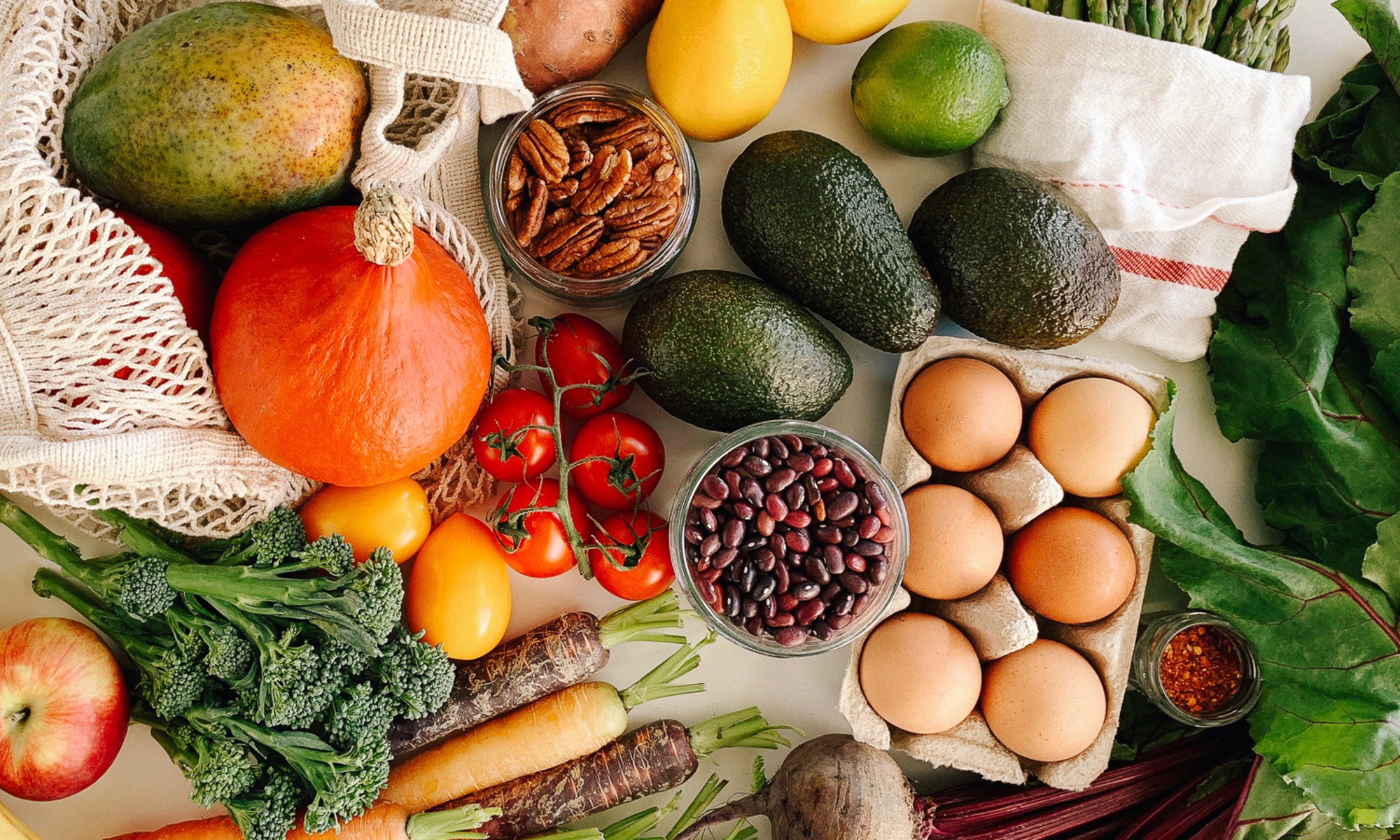
Choline is found in high concentrations in animal products such as eggs (specifically the yolks), beef liver, and fish. It is also available in plant-based sources, including soybeans, cruciferous vegetables like broccoli and Brussels sprouts, and certain nuts. However, the modern Western diet, often high in ultra-processed foods, frequently lacks these nutrient-dense options.
The Nature study suggests that a deficiency in choline may do more than just impair cognitive function or liver health; it may fundamentally weaken the gut’s immune infrastructure by starving the bacteria that produce the signals necessary for IgA production.
Chronology of Gut-Immune Research
This discovery is the latest in a decade-long timeline of breakthroughs regarding the microbiome:
- 2012-2015: Early research established that short-chain fatty acids (SCFAs) produced by the fermentation of dietary fiber were essential for gut health and reducing inflammation.
- 2018: Studies began to link specific gut microbes to the efficacy of cancer immunotherapies, suggesting the microbiome could prime the immune system to recognize tumors.
- 2021-2023: Researchers identified the "gut-brain axis," showing how microbial metabolites influence mood and anxiety through the vagus nerve.
- 2026 (Current Study): The identification of the choline-ACh-IgA pathway provides the first direct evidence of a neurotransmitter-mediated immune boost derived from a specific dietary micronutrient.
Expert Analysis and Implications
Medical experts and dietitians are viewing these findings as a catalyst for a new era of "precision nutrition." Dr. Elena Rossi, an immunologist not involved in the study, noted that the research "bridges the gap between microbiology and clinical immunology in a way we haven’t seen before. It suggests that we can no longer look at ‘immune-boosting’ foods in a vacuum; we must consider whether an individual’s microbiome is equipped to process those foods into the necessary signals."
The study also opens the door for the development of "next-generation probiotics." Traditional probiotics have often been criticized for their inability to colonize the gut permanently or produce measurable health outcomes. However, by identifying the specific enzymes and pathways (like the ACh-conversion pathway), pharmaceutical and supplement companies may be able to develop strains specifically designed to enhance mucosal immunity in patients with compromised immune systems or chronic inflammatory bowel diseases (IBD).
Future Directions
While the results in the mouse models are compelling, the research team emphasized that human clinical trials are the necessary next step. Human biology is more complex, and the diversity of the human diet introduces variables that are controlled in a laboratory setting. Future studies will likely focus on whether choline supplementation can improve IgA levels in humans with low baseline levels and whether specific "synbiotic" treatments—combining choline with B. breve or P. pentosaceus—can prevent hospital-acquired infections or traveler’s diarrhea.
For now, the study reinforces a fundamental principle of health: the synergy between diet and biology. Maintaining a robust immune system requires more than just avoiding illness; it requires actively feeding the microbial allies that stand guard at the body’s most vulnerable borders. By ensuring adequate intake of choline-rich foods and supporting a diverse microbiome through fermented foods and fiber, individuals may be able to directly influence the strength of their intestinal "first line of defense."
As the scientific community continues to peel back the layers of the microbiome, the message is becoming increasingly clear: we are not just eating for ourselves, but for the trillions of microorganisms that, in exchange for the right nutrients, provide the chemical signals essential for our survival.