Cintya Tara Annisa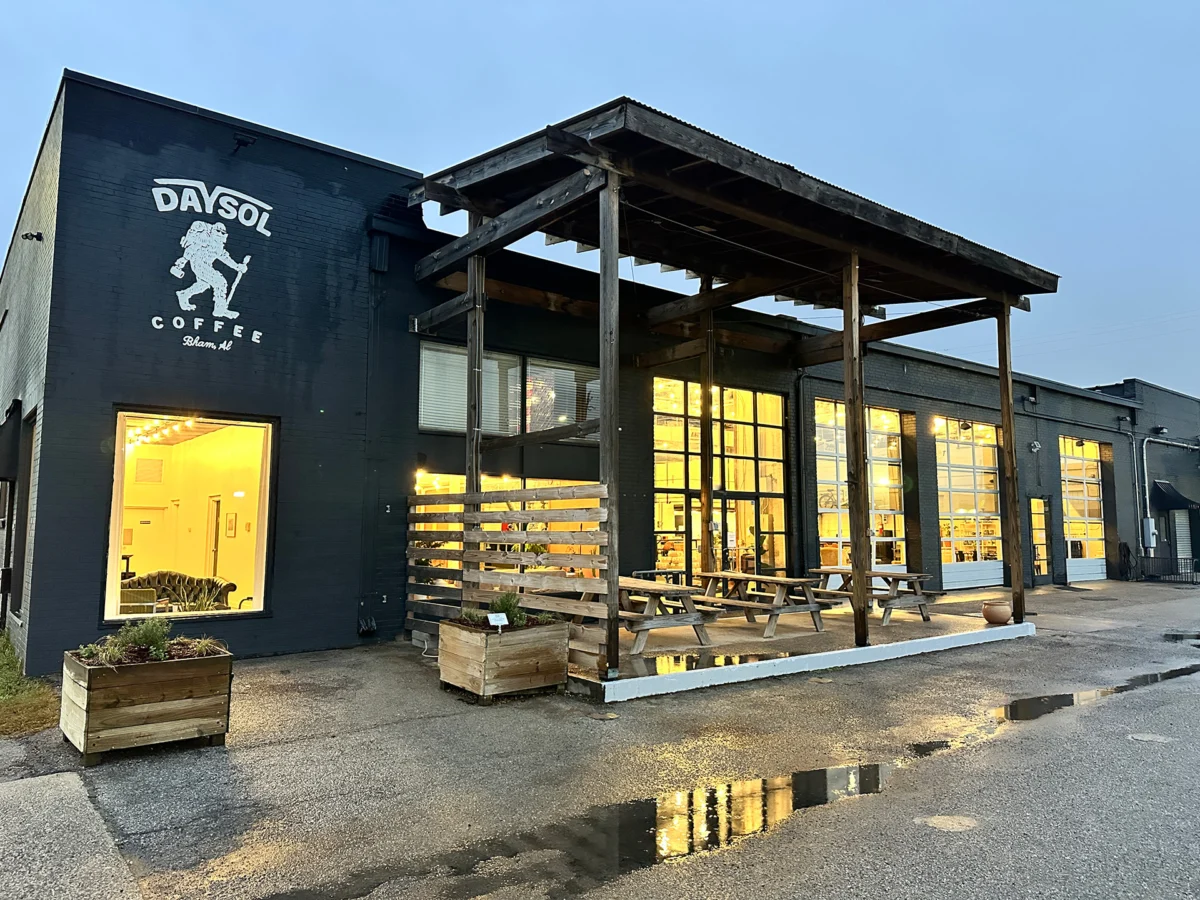
The city of Birmingham, Alabama, has solidified its reputation as a burgeoning epicenter for specialty coffee in the American South with the January 2026 opening of Daysol Coffee Lab’s flagship roastery and retail space. Located in the heart of downtown, the new facility represents a significant expansion for the brand, which has evolved from a boutique roasting operation into a major stakeholder in the city’s culinary and social landscape. Under the leadership of founder and master roaster Bert Davis, Daysol Coffee Lab has transformed an 8,000-square-foot industrial site—formerly home to several of the city’s most prominent breweries—into a multi-functional "coffee laboratory" that emphasizes transparency, sustainability, and community engagement.
The Evolution of Daysol: From Denver to the Magic City
The trajectory of Daysol Coffee Lab is rooted in the mature specialty coffee market of Denver, Colorado, where Bert Davis first honed his skills as an independent roaster. Seeking to bring a distinct roasting philosophy to a new market, Davis relocated to Birmingham in 2019. This period coincided with a broader "renaissance" in Birmingham, characterized by a revitalized downtown and an increasing consumer appetite for artisanal, locally-produced goods.
Upon arriving in Alabama, Davis established Daysol as a brand focused on the technical nuances of the roasting process, initially operating on a smaller scale. The company’s first retail presence was established in Hoover, Alabama, a suburb roughly 15 minutes south of Birmingham’s city center. While the Hoover location served as a vital proof-of-concept, the vision for a comprehensive flagship that combined large-scale production with an immersive customer experience remained the primary objective. The realization of this goal on January 17, 2026, marks a pivotal moment in the company’s history, transitioning it from a regional roaster to a high-volume producer capable of anchoring the downtown district.
Architectural Heritage and Industrial Repurposing
The selection of the flagship site reflects a growing trend in urban development: the adaptive reuse of industrial infrastructure. The 8,000-square-foot warehouse situated in downtown Birmingham boasts a rich history, having served as the production floor for a succession of local breweries, including Cahaba Brewing, Ghost Train Brewing, and Uproot Brewing, over the last two decades.
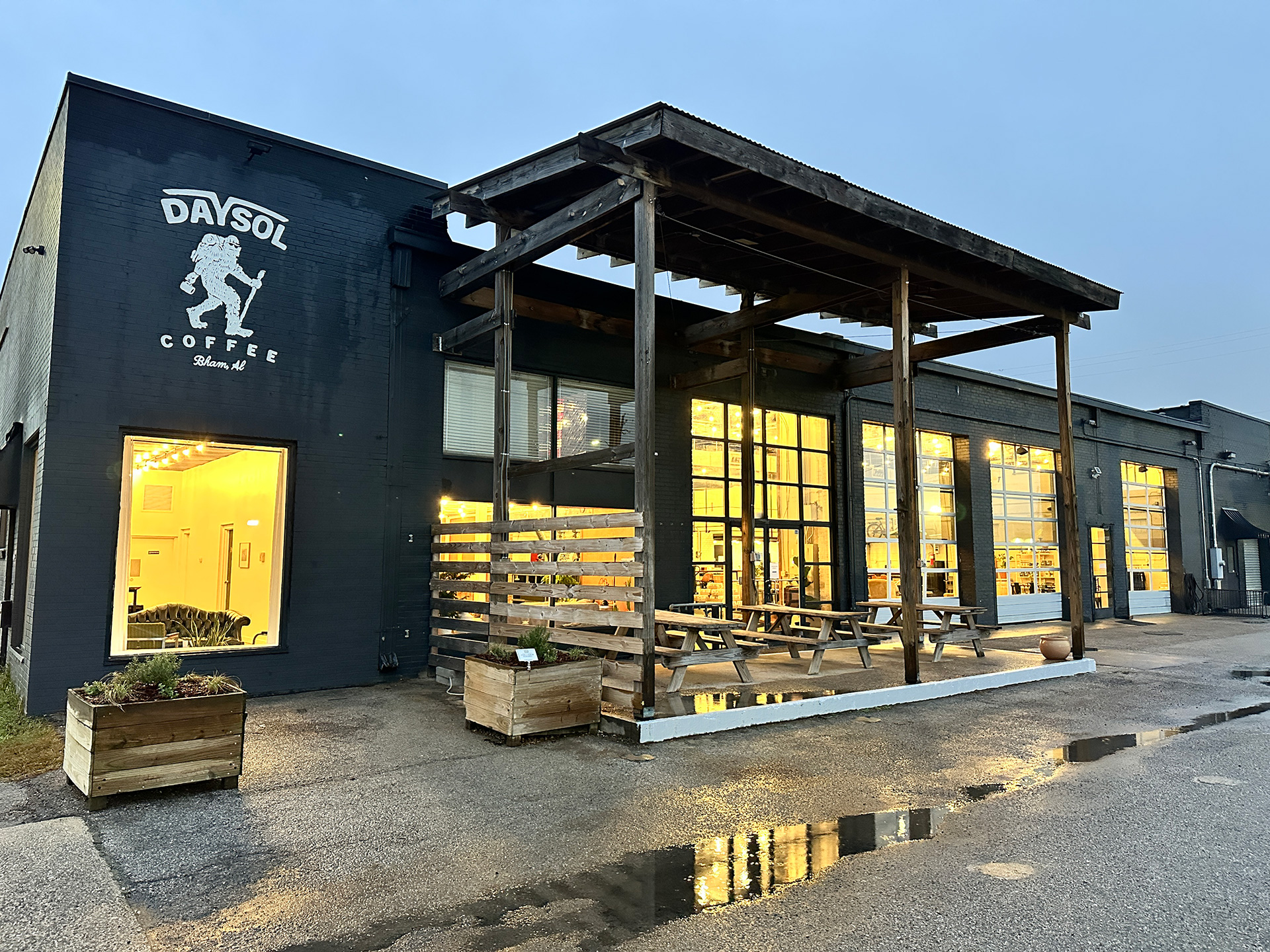
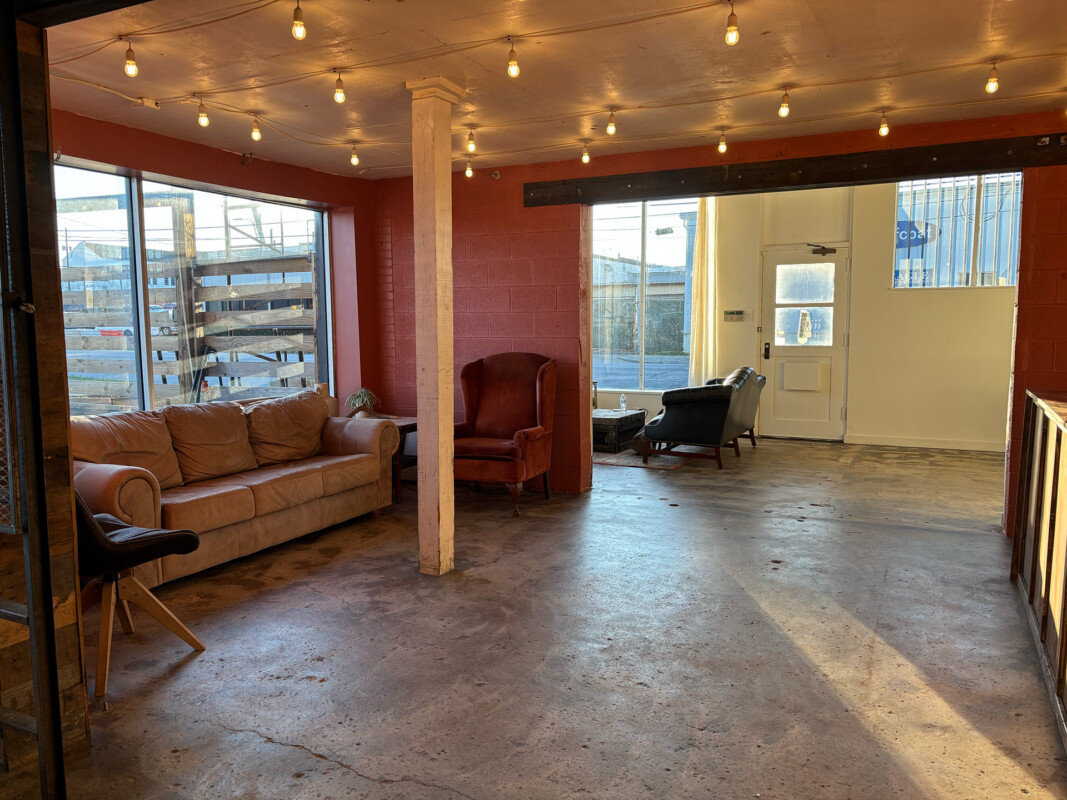
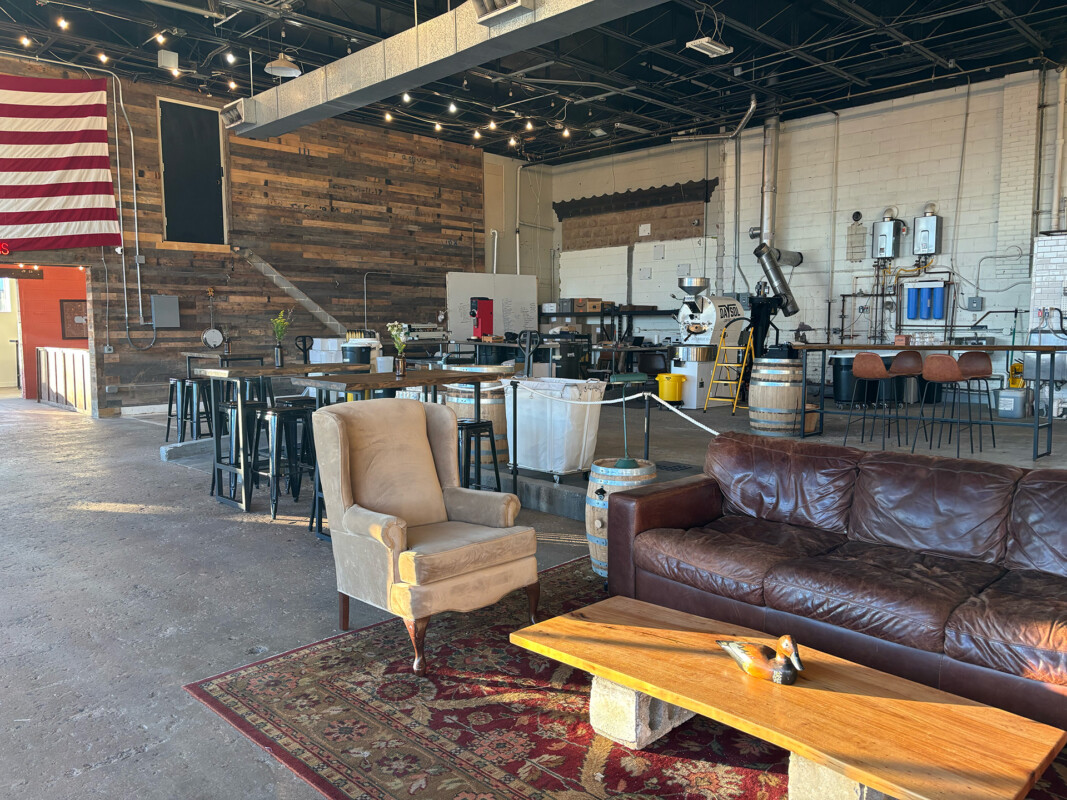
In designing the new space, the Daysol team opted for an "open concept" layout that preserves the rustic, utilitarian aesthetic of its predecessors while introducing modern retail elements. The facility features three massive roll-up garage doors, which facilitate a seamless transition between the indoor cafe and the extensive outdoor seating area. This architectural choice not only provides natural ventilation but also connects the interior "lab" environment with the surrounding urban landscape.
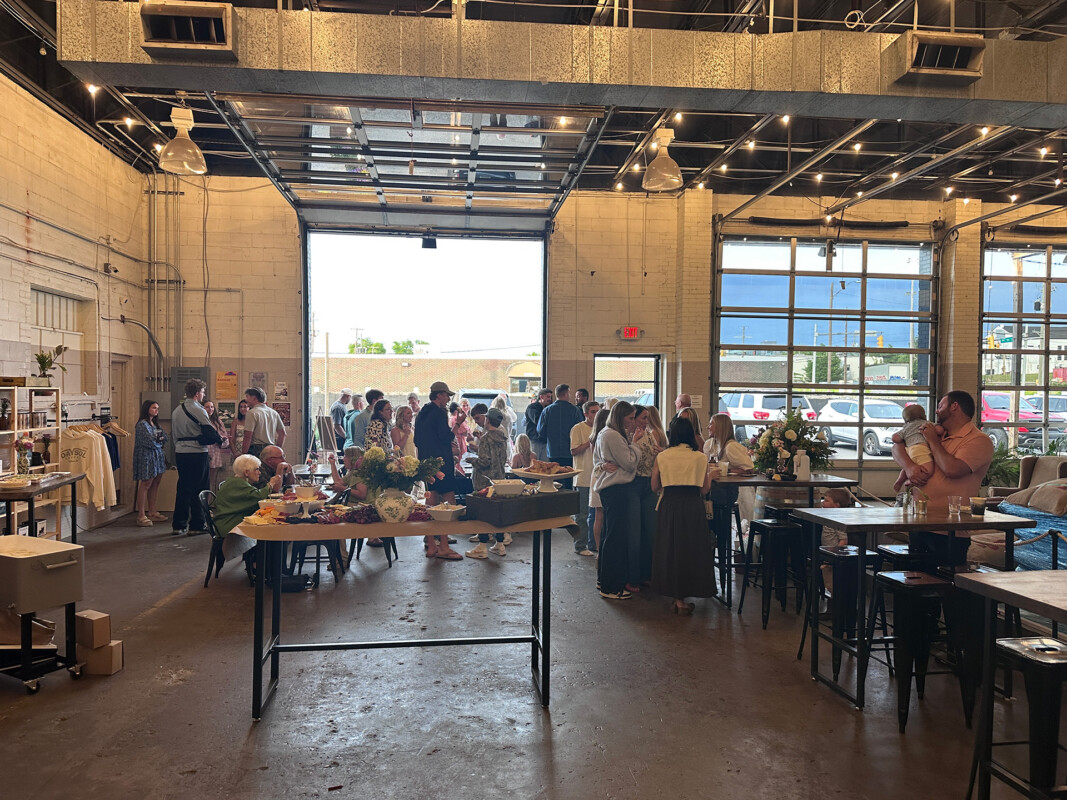
A central component of the design is the visibility of the roasting operation. Unlike traditional cafes where production is relegated to a back room, Daysol’s roasting floor is fully integrated into the retail environment. This allows customers to observe the Diedrich IR12 roaster in action, bridging the gap between the raw agricultural product and the final beverage. The interior also includes a dedicated art gallery and a repurposed "syrup and test kitchen," which occupies a corner nook previously utilized for pizza preparation during the building’s tenure as a brewery.
Technical Specifications and Roasting Philosophy
At the core of Daysol Coffee Lab’s operation is a commitment to technical precision and ethical sourcing. The facility is equipped with industry-leading machinery designed to maintain consistency and quality at scale. The primary roasting workhorse is a Diedrich IR12, a machine favored by specialty roasters for its infrared burner technology and heat exchanger system, which provides clean, consistent heat for uniform roasts. For quality control and profile development, the team utilizes an Ikawa Pro sample roaster, allowing for the micro-batch testing of new arrivals before they are committed to full-scale production.
On the retail front, the espresso program is anchored by a late-model La Marzocco Linea Classic three-group machine. Known for its thermal stability and durability, the Linea Classic is a staple in high-volume environments. The brewing station is supported by a trio of Mahlkönig grinders, which are widely considered the gold standard for particle size consistency, and a FETCO drip brewer for high-efficiency batch coffee.
Beyond standard coffee service, the "Lab" aspect of the business is evidenced by a six-head kegerator system used to dispense cold brew and kombucha. Furthermore, the company maintains a mobile presence for events and a dedicated "test kitchen" utilizing two La Marzocco Linea Mini machines, which are used to experiment with new recipes and train staff on advanced extraction techniques.
Davis’s roasting philosophy is predicated on "direct-to-farm" relationships. By bypassing traditional commodity markets, Daysol is able to secure higher-quality beans while ensuring that a larger portion of the purchase price returns to the producers. The roastery focuses on developing blends that highlight the specific terroir of each origin, while also rotating a selection of unique single-origin coffees to showcase seasonal harvests.
Sustainability and Hyper-Local Sourcing
In an era where environmental impact is a primary concern for consumers, Daysol Coffee Lab has integrated a circular sustainability model into its daily operations. The facility manages an on-site urban garden where the team cultivates herbs and various botanicals used in the production of house-made syrups. This initiative reduces the carbon footprint associated with sourcing ingredients and ensures the freshness of the flavor profiles offered in the cafe.
The company’s commitment to biodiversity is further evidenced by the maintenance of on-site beehives. The honey harvested from these hives is used as a natural sweetener in the shop’s signature beverages, creating a hyper-local supply chain that spans only a few dozen yards from hive to cup.
Waste management is another pillar of the Daysol model. The shop operates a comprehensive composting program, diverting organic waste—such as coffee grounds and food scraps—away from landfills and into the urban garden. This compost is also made available to staff and customers for use in their own home gardens. Innovative waste reduction is also seen in the production of the company’s "Golden Milk" latte. The base for this turmeric and ginger-based drink is derived from the byproducts of their proprietary chai recipe, ensuring that every ingredient is utilized to its maximum potential.
Economic and Cultural Impact on Birmingham
The opening of the Daysol flagship is more than a commercial venture; it is an economic catalyst for downtown Birmingham. By occupying a large-scale industrial footprint, Daysol has created a "destination" that draws foot traffic to a district previously dominated by evening-centric brewery operations. The inclusion of an outdoor stage has allowed the venue to become a cultural hub, hosting a diverse array of programming including bluegrass bands, jazz trios, DJs, and singer-songwriter nights.
Industry analysts note that Birmingham has become a key market for specialty coffee growth in the Southeast. The "2026 Build-outs of Coffee" series, which highlights significant new coffee projects globally, has frequently featured Birmingham-based roasters, suggesting a high level of investment and innovation in the local sector. Daysol’s ability to execute a 90% self-performed build-out underscores the entrepreneurial spirit of the local community and the viability of independent business models in the face of increasing corporate competition.
Conclusion and Future Outlook
Daysol Coffee Lab’s new flagship stands as a testament to the maturation of the American coffee industry, where the focus has shifted from simple retail to a holistic integration of production, education, and community. By maintaining the "brewery vibes" of the building’s past while introducing a sophisticated "coffee lab" atmosphere, Bert Davis and his team have created a space that honors Birmingham’s industrial history while looking toward a sustainable, tech-forward future.
As the company moves through its first year in the new facility, the focus will likely remain on expanding its direct-trade partnerships and further developing its "Americana" brand identity. For the city of Birmingham, the success of Daysol Coffee Lab serves as a blueprint for how specialty food and beverage businesses can drive urban revitalization, foster local culture, and set new standards for environmental stewardship in the 21st century. The facility is not merely a place to consume a beverage; it is a transparent window into the complex world of coffee production, inviting the public to participate in the journey from seed to cup.