Reynand Holland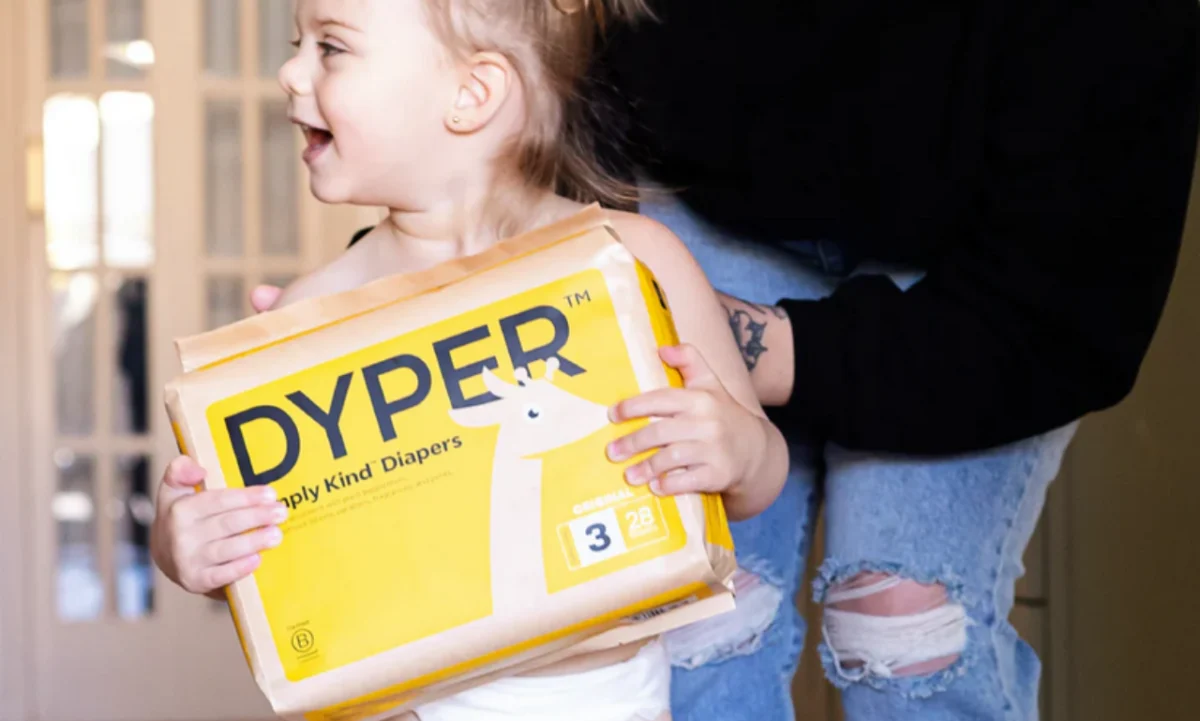
The seemingly mundane act of changing a baby’s diaper belies a significant and often overlooked environmental and health challenge. For parents navigating the demands of childcare, the convenience of disposable diapers has long been the default choice. However, the sheer volume of waste generated by these products, coupled with growing concerns about the chemicals they contain, has prompted a re-evaluation of this ubiquitous item. A new generation of conscious parenting is emerging, driven by companies like Dyper, which are committed to offering effective, safe, and environmentally responsible alternatives.
The statistics are stark: an average baby will go through approximately 6,000 diapers in their first two years of life. This translates into a staggering amount of waste, with disposable diapers forming a substantial portion of landfill content. While reusable cloth diapers present an eco-friendlier option, their adoption rate is often hampered by the perceived time commitment and logistical challenges for busy modern families. This has created a persistent reliance on single-use disposable diapers, despite their growing environmental footprint.
Beyond the landfill crisis, mounting evidence points to potential health risks associated with conventional disposable diapers. The materials used, often plastics and synthetic fibers, can be laden with chemicals. These include fragrances, dyes, and absorption agents, which are not always rigorously tested for their long-term impact on infant health. Regulatory oversight for diaper ingredients is notably less stringent than for other consumer products. For instance, the Consumer Product Safety Commission mandates testing for lead in diapers, but this requirement does not extend to a broad spectrum of other potentially harmful chemicals, including known carcinogens and endocrine-disrupting compounds.
The implications of this chemical exposure are a growing concern for parents and health advocates. Studies have linked certain chemicals found in disposable diapers to a range of adverse health outcomes. These include endocrine and reproductive disorders, which can have lifelong consequences. Furthermore, direct skin contact with these materials and chemicals has been associated with acute skin rashes, a common and distressing issue for infants. More alarmingly, research has suggested potential links between exposure to certain chemicals in disposable diapers and an increased risk of testicular cancer later in life. This underscores the critical need for greater transparency and rigorous testing of all components within products designed for direct and prolonged contact with a baby’s sensitive skin.

The genesis of Dyper, a company at the forefront of this sustainable shift, can be traced back to a common parental frustration. Tony Patron, co-founder of Dyper, found himself increasingly concerned by the overflowing trash bins in his home, a direct consequence of the sheer volume of disposable diapers his child consumed. This personal observation, coupled with his background as an engineer, sparked a determination to find a more responsible solution. Patron’s initial efforts involved exploring partnerships with existing manufacturers of compostable diapers. However, these discussions ultimately led to a strategic merger, culminating in the establishment of Dyper as a distinct entity focused on creating non-toxic, biodegradable diapers that address both household and environmental waste concerns.
Dyper’s mission is rooted in a "plants over plastic" philosophy. The company is dedicated to minimizing the environmental impact of diapering without compromising on performance or safety. This commitment is reflected in their rigorous product development process, where the team strives to ensure that nearly all components of their diapers are biodegradable. While acknowledging that certain advanced technologies, such as the fastening mechanisms, may not yet have fully biodegradable alternatives available, Dyper prioritizes using plant-based materials for the vast majority of the diaper’s structure.
The core of Dyper’s product line features high-quality, plant-based materials. Prominently, they utilize US-grown, FSC-certified bamboo and eucalyptus fibers. The viscose bamboo sourced by Dyper comes from an Oeko-Tex certified supplier, a testament to their commitment to environmentally sound and safe production practices. Transparency is a cornerstone of Dyper’s approach; the brand meticulously labels each layer of its diapers with specific components, empowering conscious parents with comprehensive information about what is in contact with their child. This dedication to transparency is further evidenced by their certifications: Dyper diapers are Certified USDA BioPreferred at 55% plant-based content, and their accompanying wipes achieve an impressive 95% Certified USDA BioPreferred status.
Beyond their material choices, Dyper’s products undergo stringent testing to meet international standards. The diaper products themselves adhere to Oeko-Tex standards, ensuring they are free from harmful substances. Most recently, Dyper achieved the DermaTest 5-Star Certification. This esteemed certification is a robust guarantee from an independent dermatological institute, confirming that Dyper diapers are hypoallergenic and will not cause skin reactions, a crucial assurance for parents of infants with sensitive skin. Furthermore, Dyper engages third-party laboratories to conduct independent testing, validating their claims of non-toxicity and compostability.
The implications of this shift towards plant-based diapers extend far beyond waste reduction. By deliberately excluding harmful chemicals such as phthalates, latex, and parabens, Dyper offers a gentler alternative for a baby’s delicate skin. These natural fibers are designed to minimize irritation, a common concern for parents struggling with diaper rash. The responsible sourcing of these materials also adds another layer of assurance for environmentally conscious consumers.
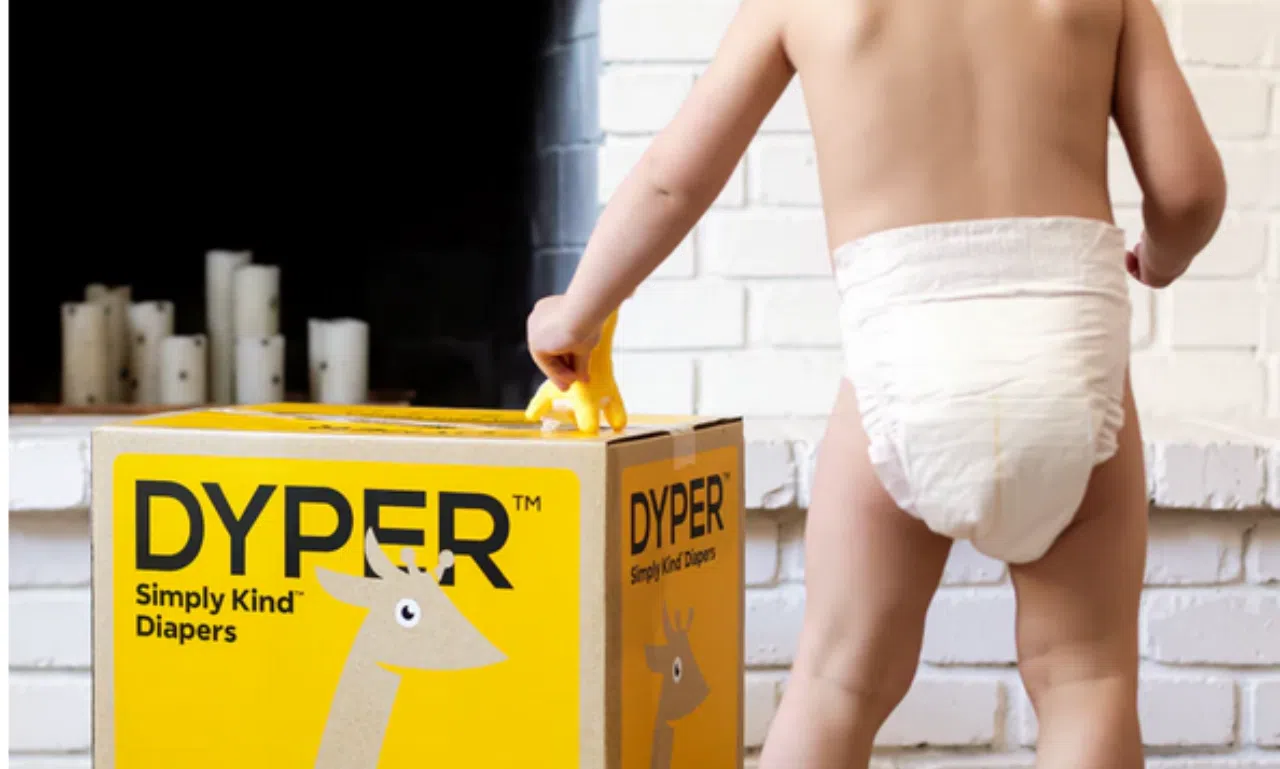
Dyper’s innovation is not solely focused on sustainability and health; it also aims to enhance the user experience for parents. The diapers are engineered for high performance, incorporating advanced absorbency features to prevent leaks and maintain comfort, thereby contributing to a happier and healthier baby. This dual focus on functionality and eco-friendliness addresses the common dilemma parents face: choosing between effective products and sustainable ones.
A key differentiator for Dyper is its optional REDYPER program. This service, available in select regions, offers a convenient solution for managing used diapers and wipes. Through partnerships with regional composting facilities, the REDYPER program facilitates the breakdown of compostable materials within a typical timeframe of 14 to 16 weeks. Any non-compostable components are then separated and disposed of responsibly. As of the latest available data, the REDYPER program has successfully diverted over 14 million pounds of waste from landfills, demonstrating a tangible impact on reducing the environmental burden of diapering.
Dyper offers flexible purchasing options, including subscription services and one-time purchases, available in a comprehensive range of sizes. This accessibility ensures that parents can seamlessly integrate sustainable diapering into their routines. The company’s commitment to sustainability is also evident in its packaging, which utilizes eco-friendly materials wherever possible to further minimize its ecological footprint.
The emergence of companies like Dyper signifies a broader cultural shift. As parents become increasingly aware of the environmental and health implications of their purchasing decisions, demand for sustainable and non-toxic alternatives is growing. This trend is not confined to the diaper market; it reflects a wider movement towards conscious consumerism, where ethical production, environmental responsibility, and personal well-being are paramount. The success of Dyper and similar brands suggests that a future where convenient, high-performing, and environmentally sound diapering is the norm is not only possible but is actively being built. By providing solutions that cater to the needs of both babies and the planet, Dyper is setting a new standard for the industry, proving that parents do not have to compromise on quality or sustainability when it comes to their child’s care. This commitment to transparency, superior baby care, and a healthier planet positions Dyper as a leader in the evolving landscape of sustainable family products.