rifanmuazin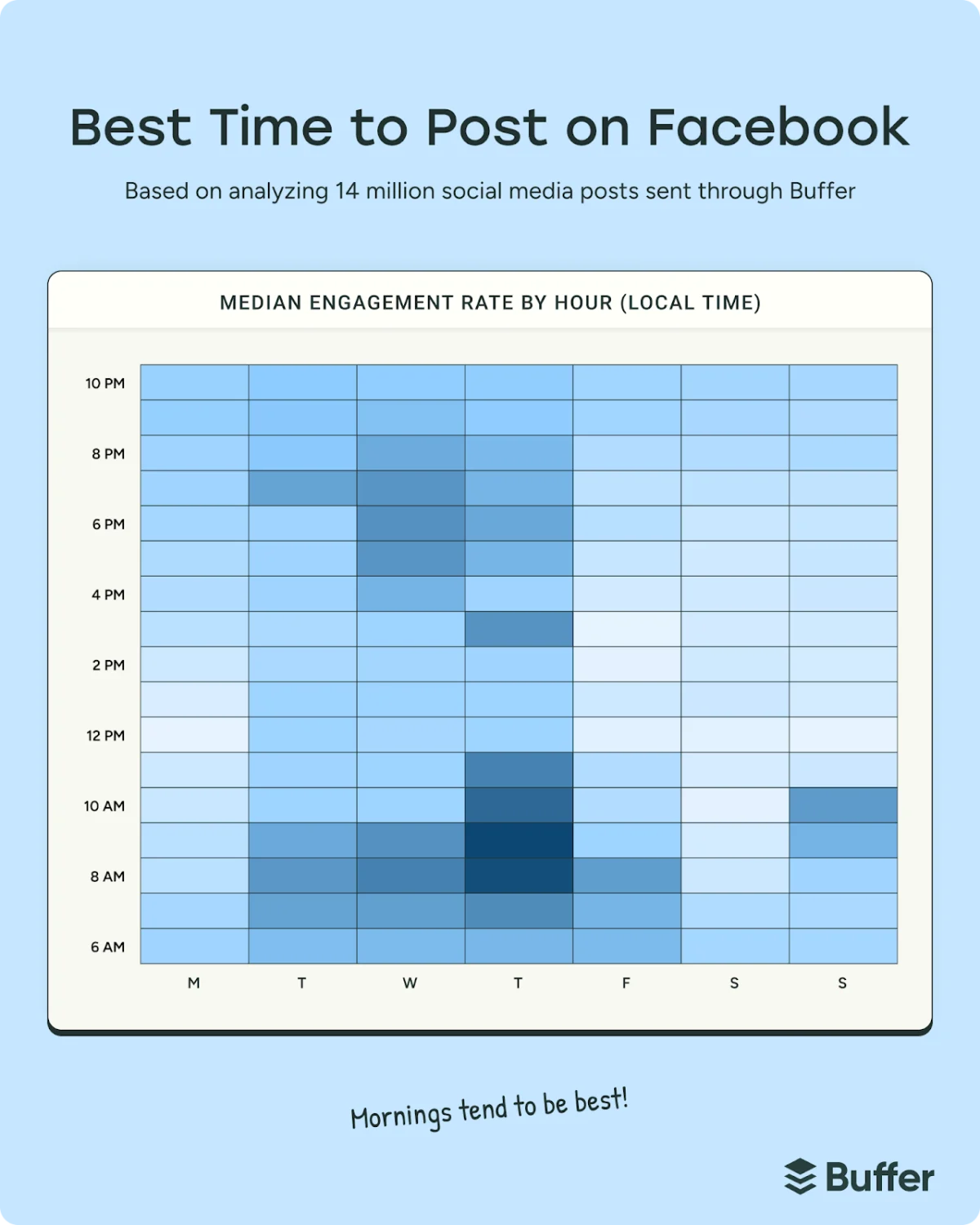
Social media has transcended its origins as a mere social pastime, evolving into an indispensable frontier for modern marketing. With over 5 billion individuals actively engaging across various platforms, marketers recognize that their audience not only resides but also actively participates in these digital ecosystems. This omnipresence transforms social media into a pivotal channel for authentic and impactful connection, extending far beyond simple communication.
The contemporary role of social platforms now encompasses powerful discovery engines. A significant and growing segment of consumers, particularly younger demographics, leverages platforms like TikTok, Instagram, YouTube, and Facebook for product research, review consultation, and informed purchasing decisions. Empirical data underscores this trend: a Deloitte survey revealed that 63% of Gen Z and 49% of millennials report that social media advertisements or recommendations directly influence their buying choices. This indicates a profound shift in consumer behavior, where social channels are no longer just for scrolling, but for active searching, evaluating, and acting. Consequently, businesses are compelled to strategically engage with potential customers on their preferred social channels to capitalize on this evolving landscape.
This comprehensive guide delves into the most prevalent social networks for marketing, integrating proprietary insights derived from the analysis of millions of posts via Buffer. It outlines a structured approach to constructing a social media marketing strategy that yields tangible results, offering resources for deeper exploration into specific facets of this critical marketing domain.
Understanding Social Media Marketing (SMM)
Social Media Marketing (SMM) is defined as the strategic utilization of social media platforms to engage with target audiences, with the overarching objectives of brand building, increasing sales, driving website traffic, and fostering customer loyalty. This multifaceted discipline encompasses several core activities: consistent publication of high-quality, relevant content across social profiles; proactive listening and engagement with followers; rigorous analysis of performance metrics; and the strategic deployment of social media advertising campaigns.
The early iterations of social media marketing often saw brands adopting a "digital billboard" mentality, treating platforms as static conduits for broadcasting messages and directing traffic to external sales channels. However, the digital landscape has matured considerably. Social media environments have become increasingly saturated, and users have evolved into more discerning and sophisticated consumers. In this competitive arena, mere presence is insufficient. To achieve differentiation and resonance, brands must cultivate content that genuinely captivates and provides value, crucially shifting from a monologue to a dialogue with their audience.
The good news is that this evolution has been mirrored by advancements in tools and tactics, rendering social media marketing both more accessible and more rewarding. Modern social media management extends beyond just content posting to include:
- Content Curation: Identifying and sharing valuable content from other sources.
- Audience Engagement: Responding to comments, messages, and mentions, fostering community.
- Social Listening: Monitoring conversations about the brand, industry, and competitors.
- Performance Analytics: Tracking metrics to understand content effectiveness and audience behavior.
- Paid Social Advertising: Running targeted campaigns to expand reach and achieve specific objectives.
Collectively, these elements form the bedrock of contemporary social media management, with integrated platforms like Buffer designed to streamline these diverse functions.
The Global Social Media Landscape: A Data-Driven Overview
The sheer volume of social media platforms can be daunting for marketers. While a comprehensive list might exceed twenty distinct sites, strategic selection is paramount. The fundamental principle for platform choice is identifying where the target audience predominantly spends its time. The following table provides a high-level overview of key platforms, their user scale, dominant demographics, and primary content formats, offering crucial guidance for strategic allocation of marketing efforts.
| Platform | Monthly Active Users (MAU) | Dominant Age Group | Top Content Format |
|---|---|---|---|
| 3.07B | 25–34 | Image | |
| 3B | 18–34 | Carousel | |
| YouTube | 2.6B | 25–34 | Video |
| TikTok | 1.9B | 18–24 | Video |
| 578M | 18–34 | Video | |
| X (Twitter) | 557M | 18–34 | Text |
| 350–450M (est.) | 25–34 | Carousel | |
| Threads | 400M | 25–34 | Video |
| Bluesky | 5.2M | 18–24 | Video |
| Mastodon | 1M | 25–34 | Text |
Marketers are advised to prioritize quality over quantity, focusing on a select few platforms where their audience is most active and where their content can achieve maximum impact. This targeted approach generally yields superior engagement rates compared to a diluted presence across numerous channels.
Deep Dive into Key Social Media Platforms for Marketing
Understanding the nuances of each major platform is critical for developing an effective social media marketing strategy. Data from millions of posts analyzed through Buffer offers valuable insights into optimal content types and posting times.
Facebook: The Enduring Giant
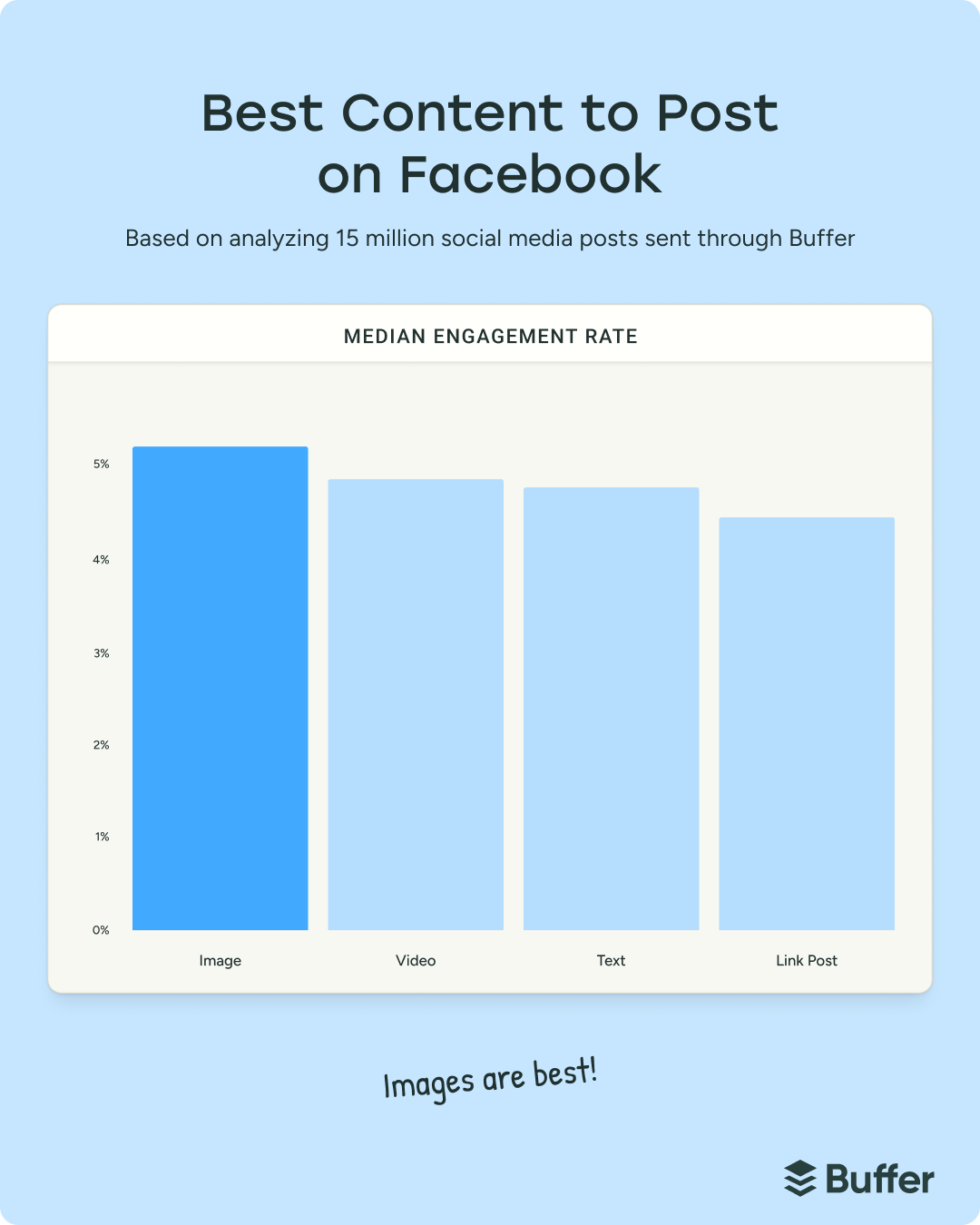
Facebook remains the undisputed titan of social networking, boasting over 3 billion monthly active users—a figure representing more than a third of the global population. This extensive reach makes it a cornerstone for many marketing strategies. The platform supports a diverse array of content formats, including links, pure text updates, images, and videos. Analysis of over 15 million posts indicates that images generally yield the highest engagement on Facebook, though the performance of images, videos, and text posts often clusters within a narrow percentage point, suggesting a versatile content ecosystem.
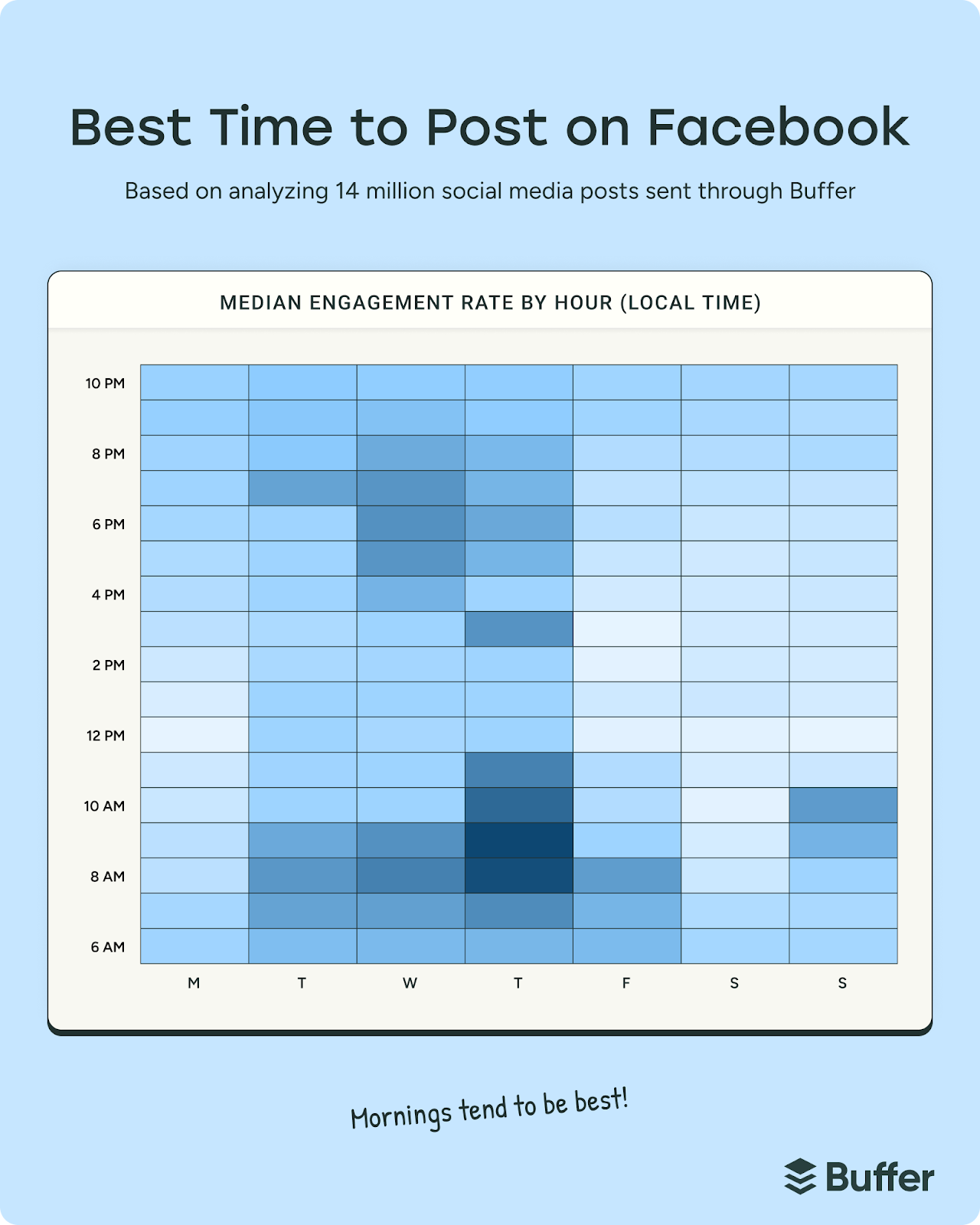
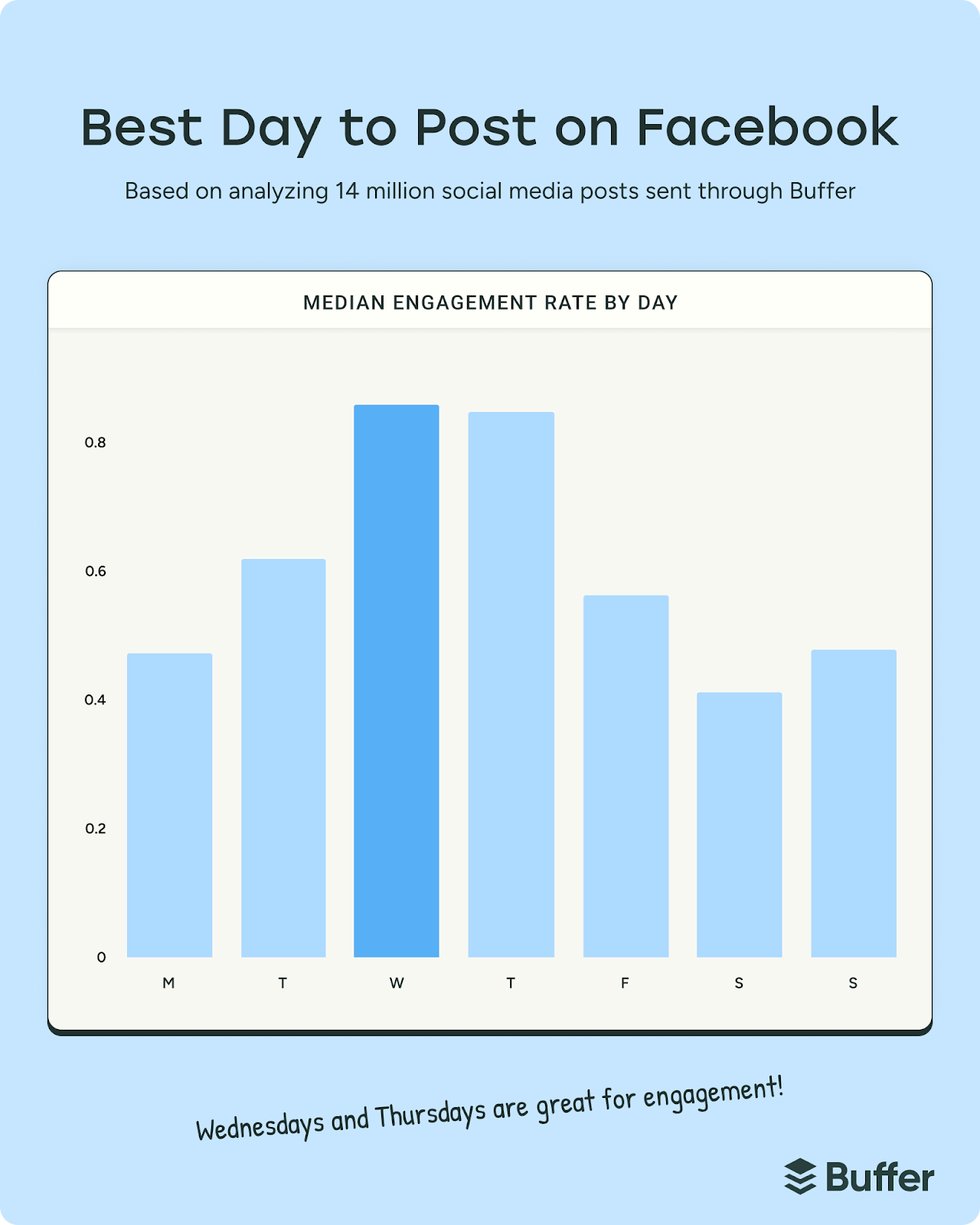
Optimal posting times on Facebook tend to fall within the early to mid-morning hours on weekdays. Specifically, Wednesday and Thursday emerge as the most effective days for content dissemination, maximizing engagement potential. Facebook, as part of Meta, provides robust integrated business tools such as Meta’s Business Suite and Facebook Ads Manager, which facilitate streamlined post scheduling and sophisticated advertising campaigns.
Instagram: The Visual Powerhouse
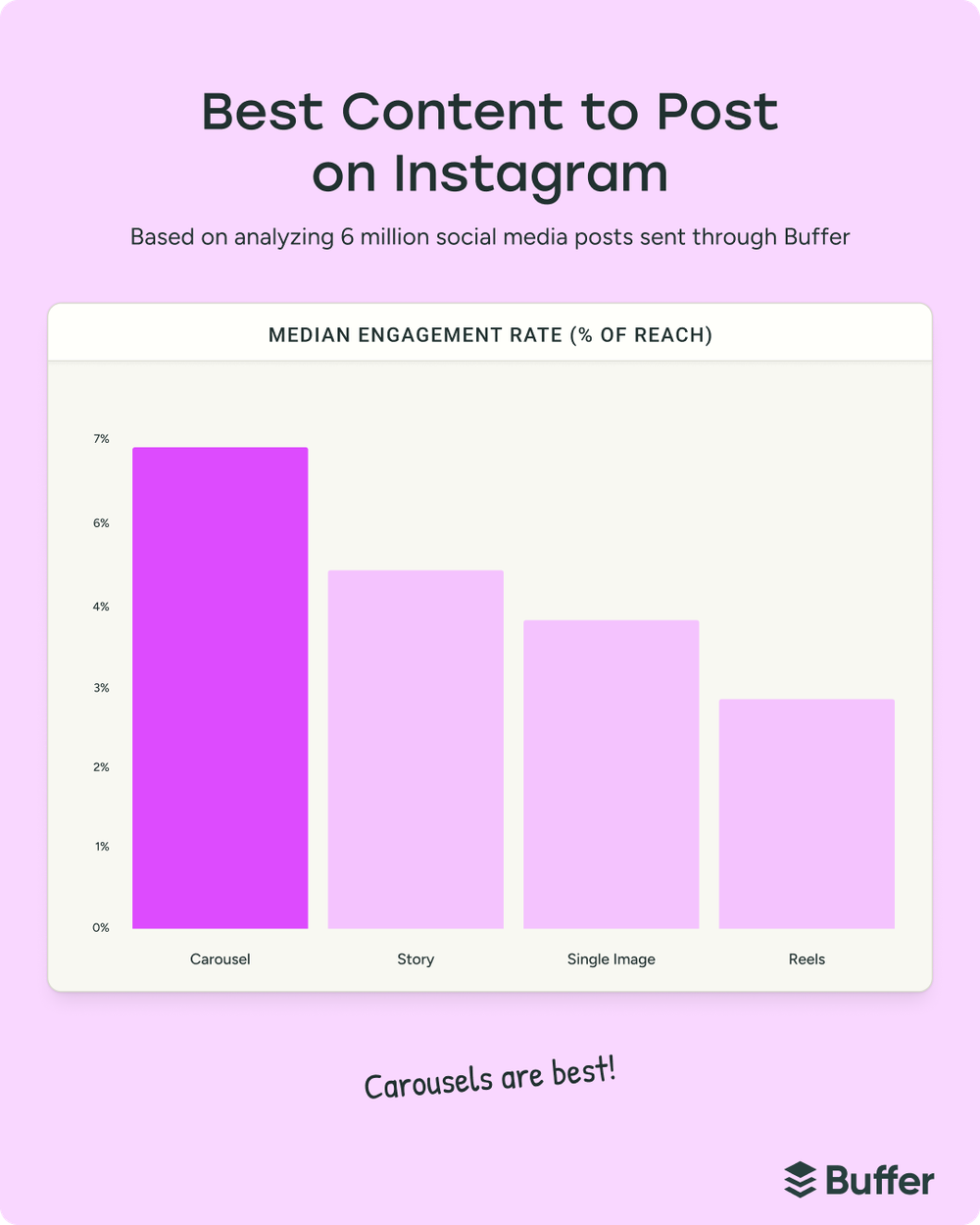
Instagram is fundamentally a visually-driven platform, supporting a rich variety of content formats including standalone photos, multi-photo carousels, ephemeral stories, short-form reels, and live videos. Recent research highlights carousels as the top-performing content type for engagement, challenging the common perception that reels dominate all metrics. While reels are exceptional for expanding reach, carousels prove more effective at fostering deeper interactions.
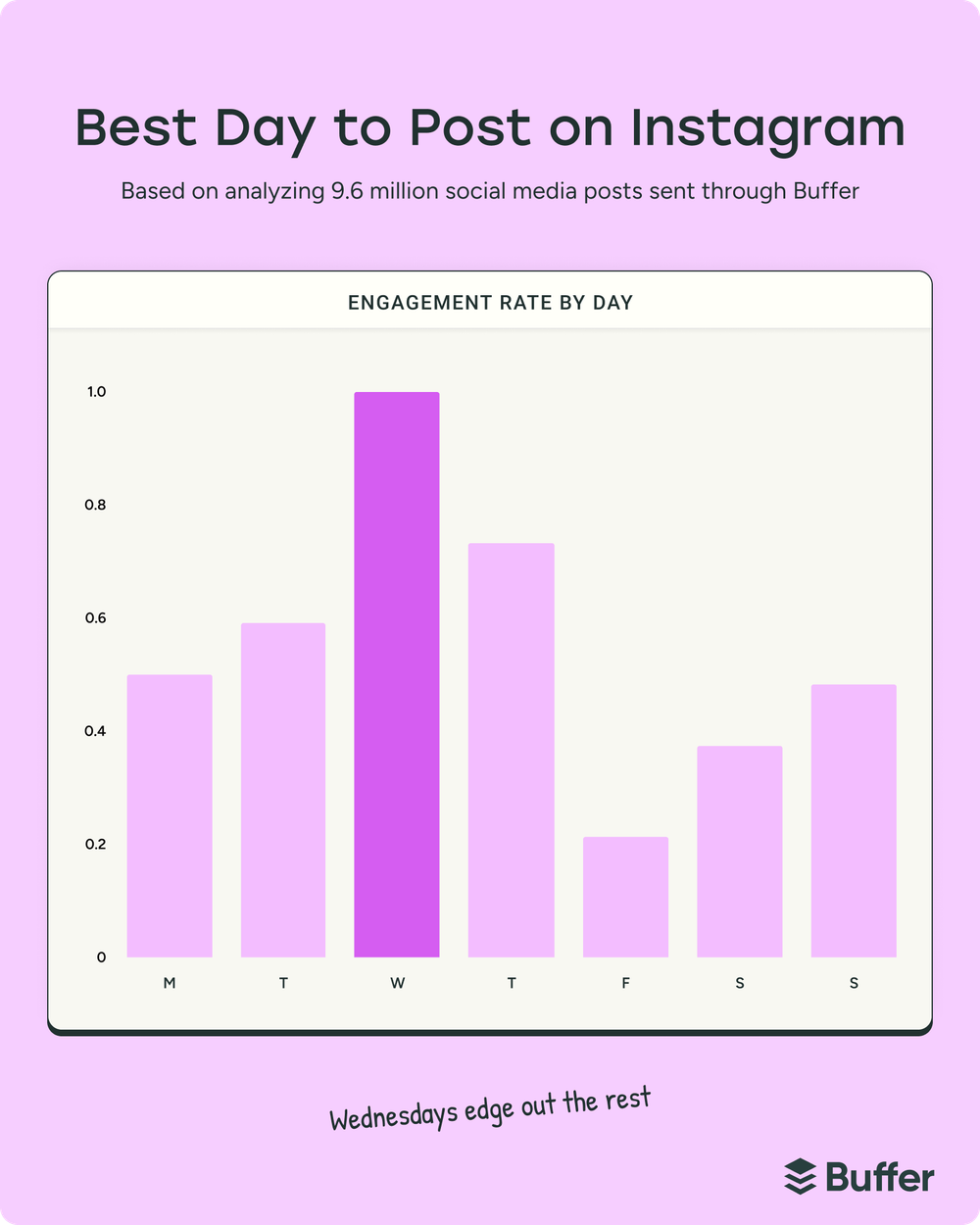
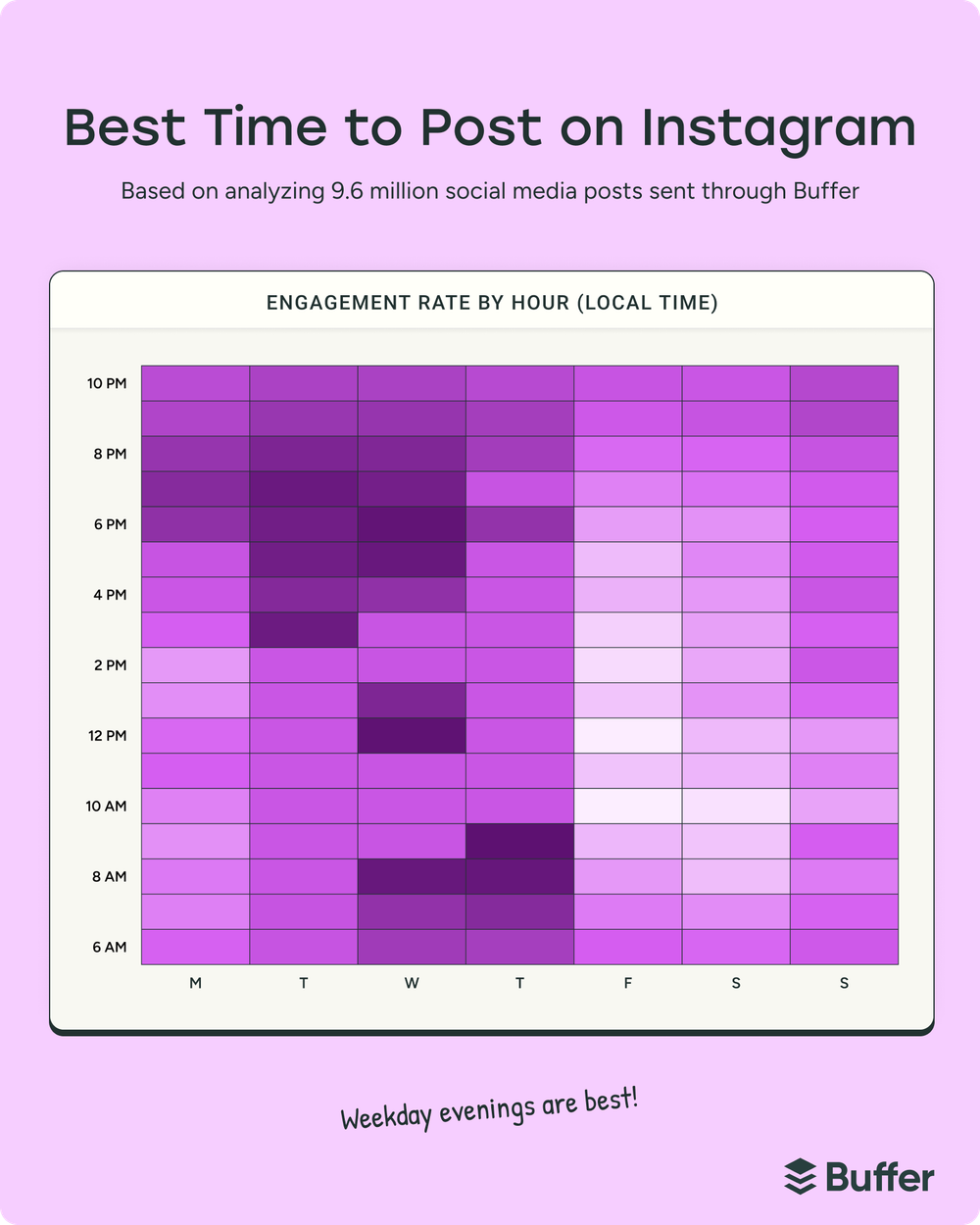
The optimal window for posting on Instagram to maximize engagement is typically weekday evenings, between 6 p.m. and 11 p.m. Midweek posts, particularly on Wednesdays, consistently demonstrate strong engagement statistics. Instagram’s integration within the Meta ecosystem allows for seamless cross-posting with Facebook and access to Meta’s Business Suite and Ads Manager, enhancing its utility for advertisers.
YouTube: Video Content Dominance
YouTube, the pioneering video platform, continues its robust trajectory, adapting to evolving consumption habits. Historically centered on landscape-oriented long-form videos, YouTube has successfully embraced the short-form video trend with the introduction of YouTube Shorts, offering portrait-oriented videos up to 60 seconds.
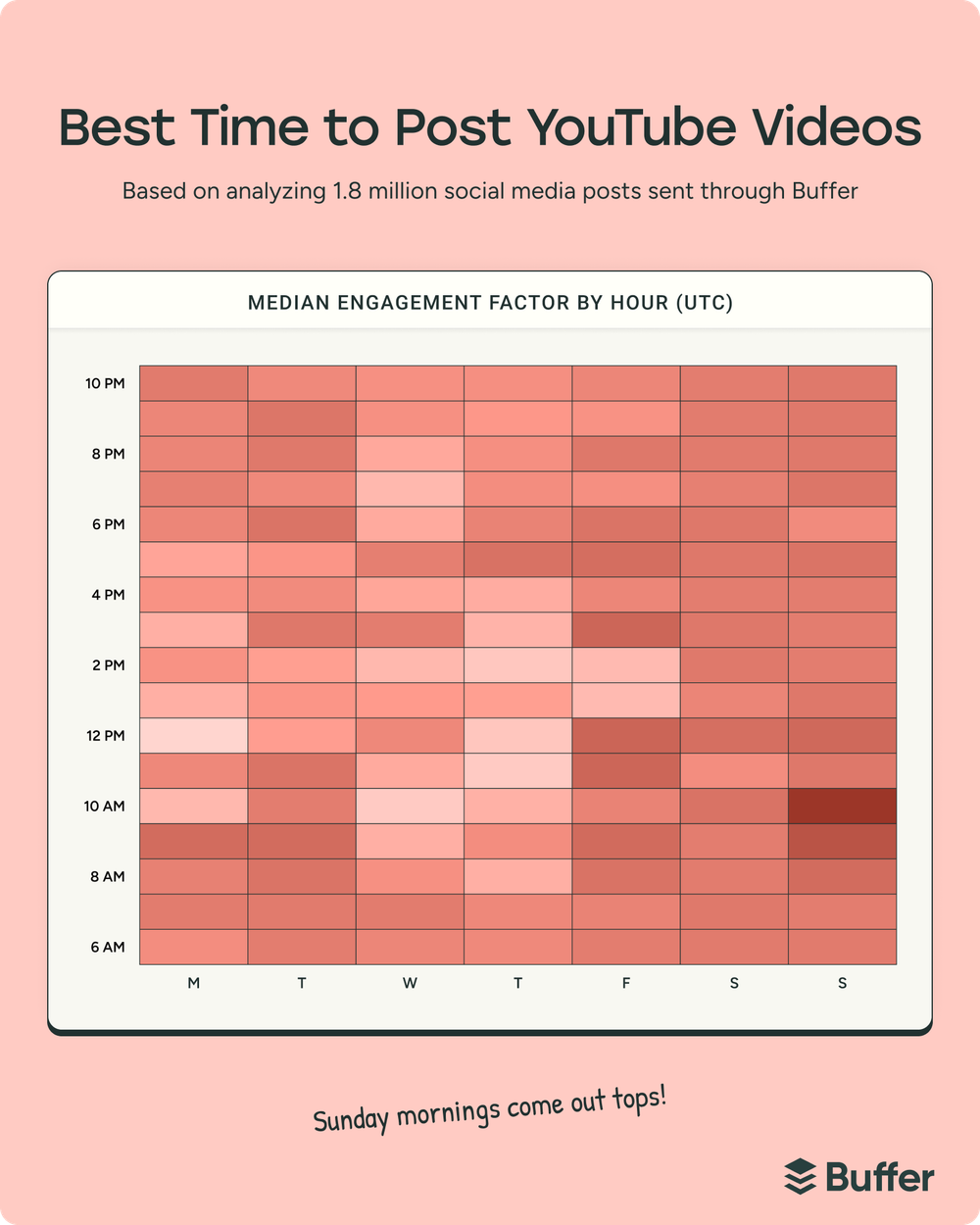
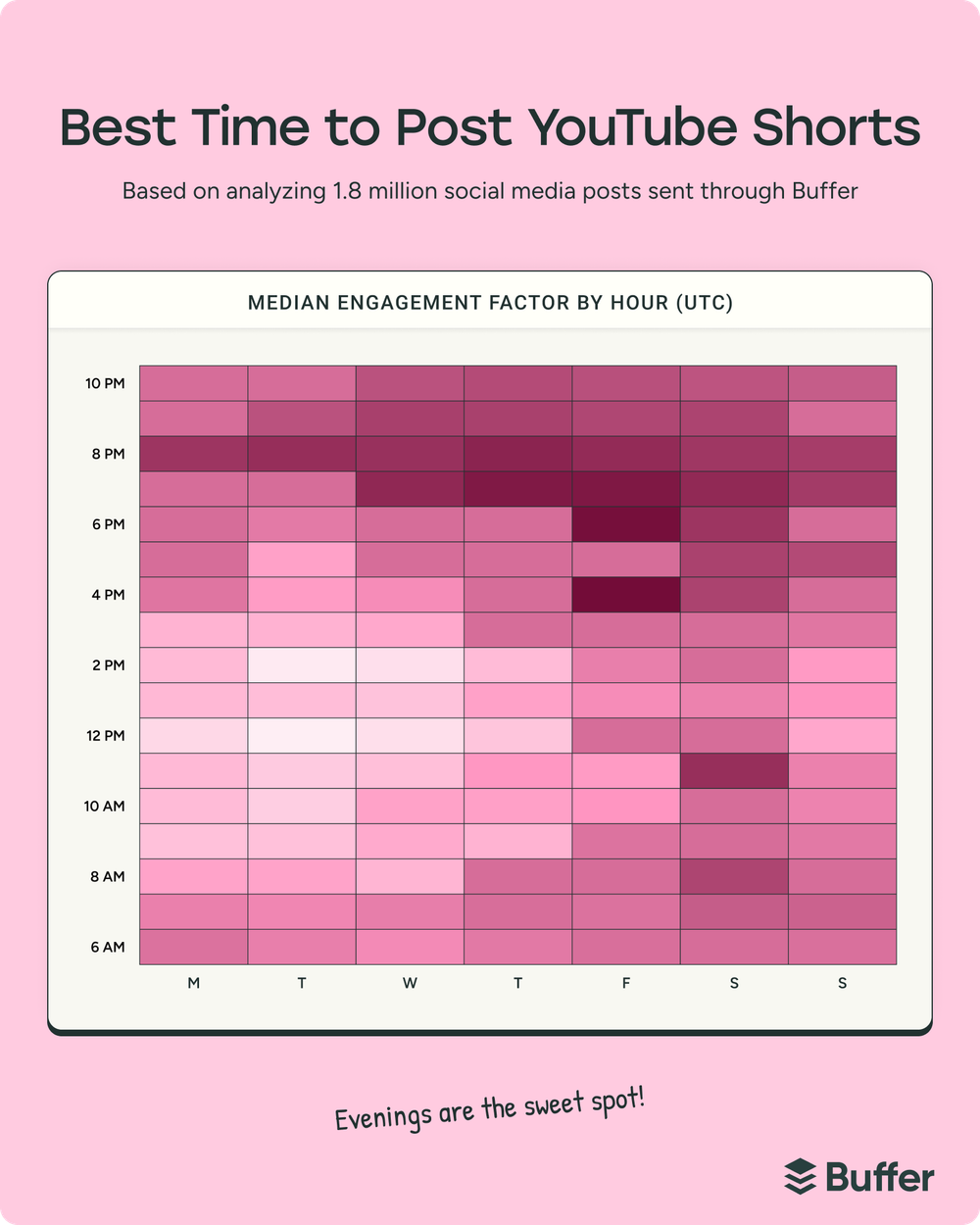
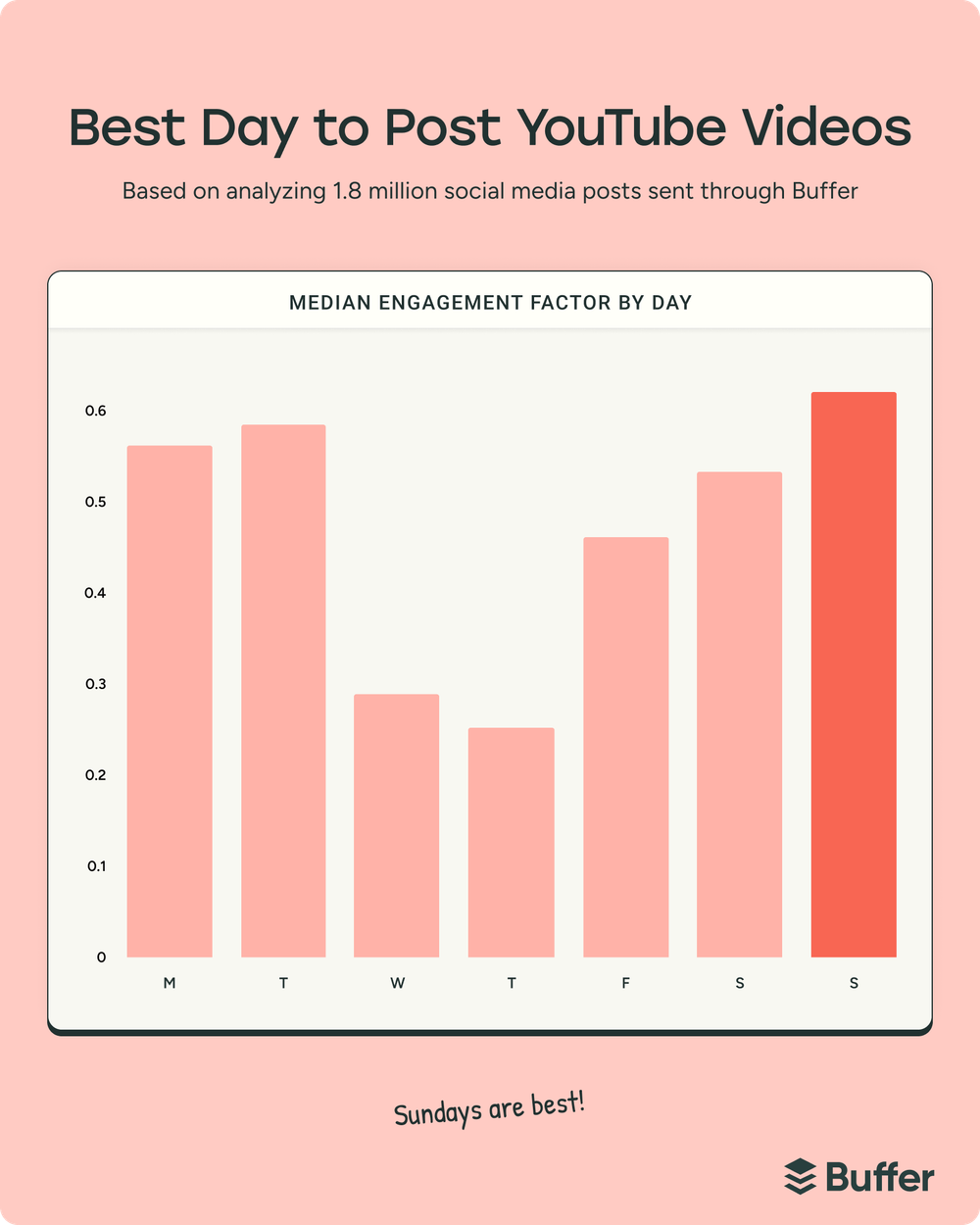
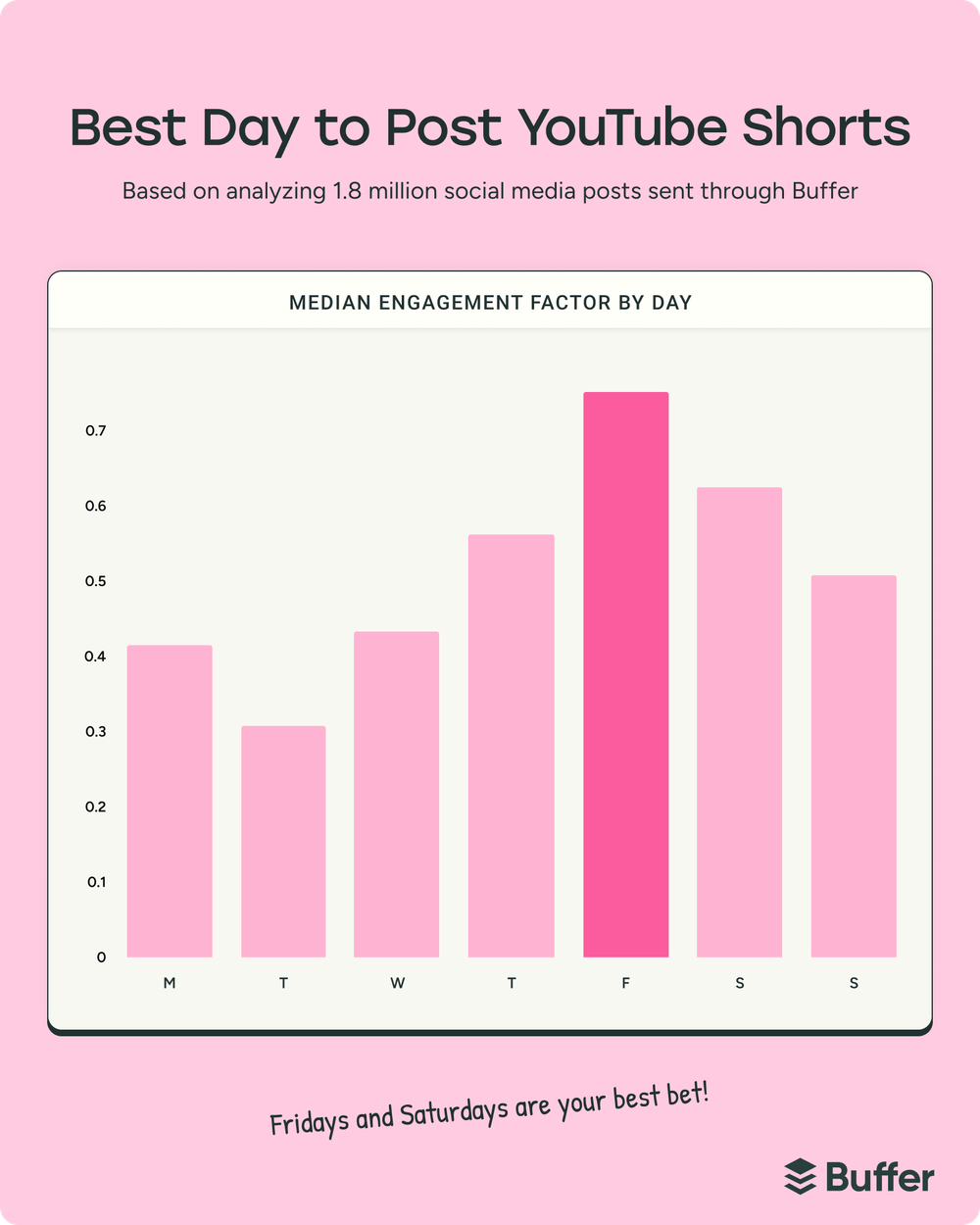
Differentiating between long-form videos and Shorts is crucial for strategic posting, as each format caters to distinct audiences and viewing patterns. Long-form videos achieve peak engagement on Sundays at 10 a.m., suggesting a weekend consumption pattern for more in-depth content. Conversely, YouTube Shorts perform best on Friday afternoons and evenings, aligning with casual, end-of-week browsing. YouTube also offers integrated shopping tools, such as YouTube Shopping for eligible creators, and YouTube Ads, enabling pre-roll and in-stream advertising.
TikTok: Short-Form Video Revolution
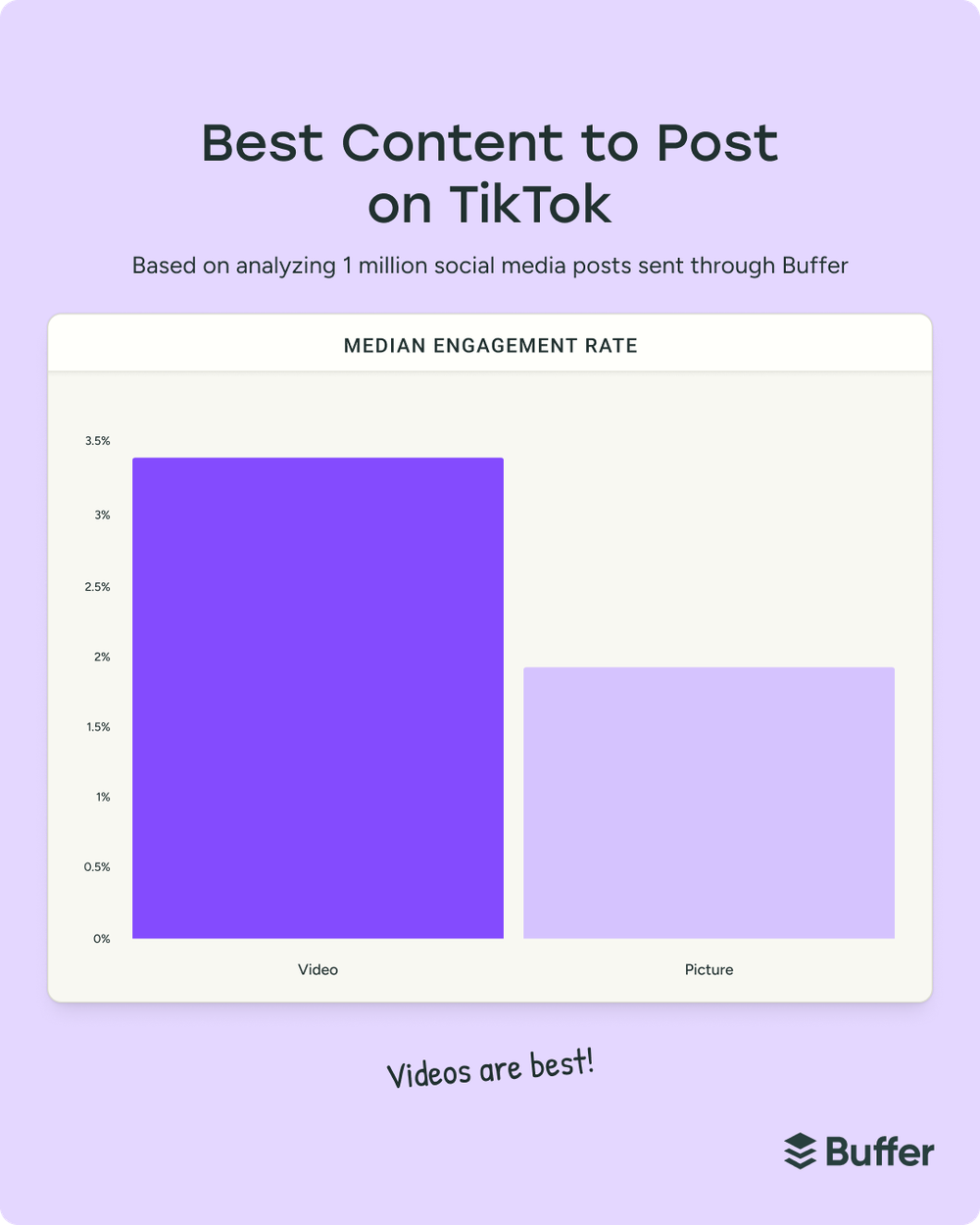
TikTok has rapidly become a cultural phenomenon, distinguished by its accessible content creation tools, including a vast library of filters, AI effects, sounds, and music. The platform primarily supports videos ranging from 15 seconds to 60 minutes, and has expanded to include stories and carousel-style photo posts. Unsurprisingly, video remains the preeminent content format for engagement on this video-first platform.
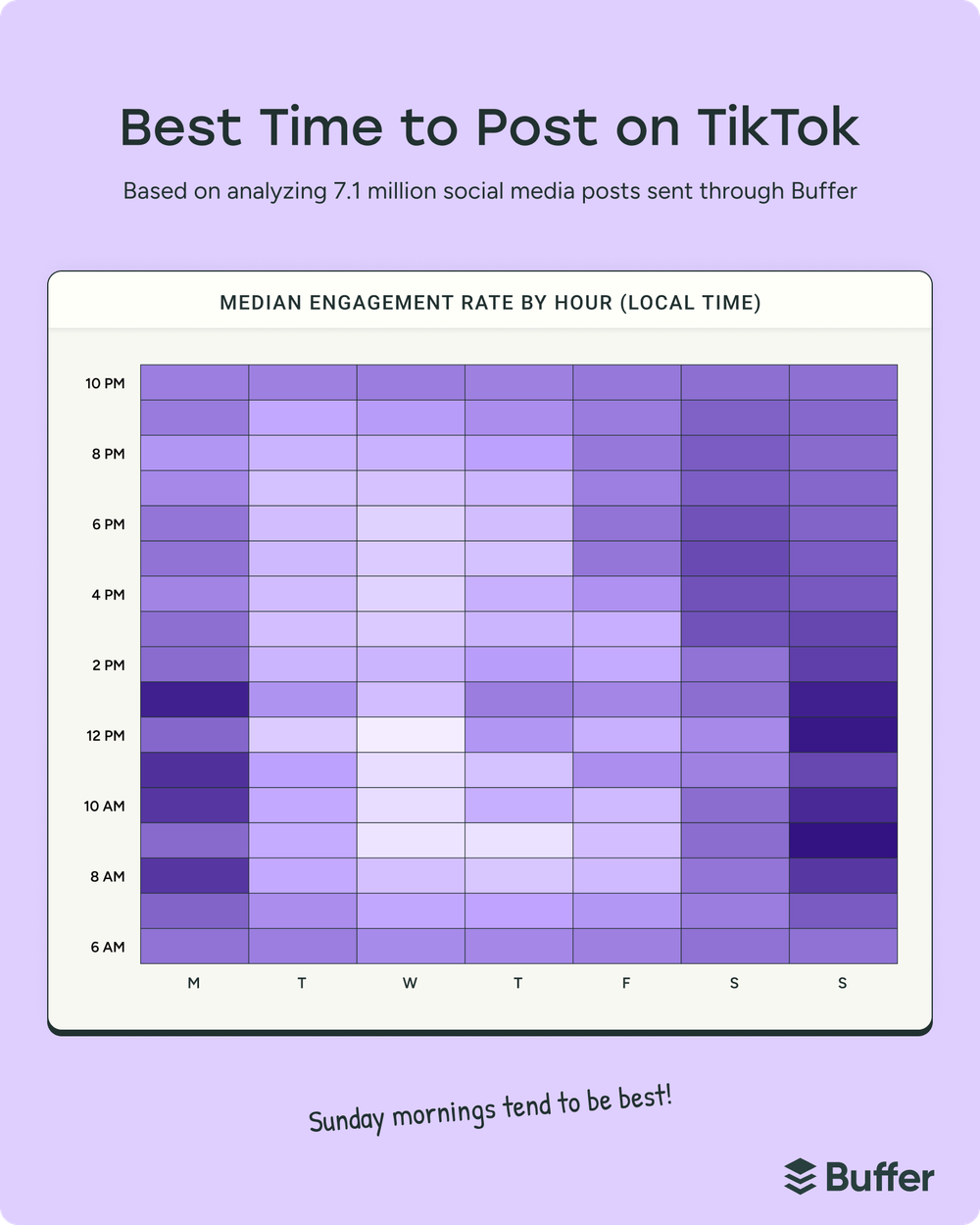
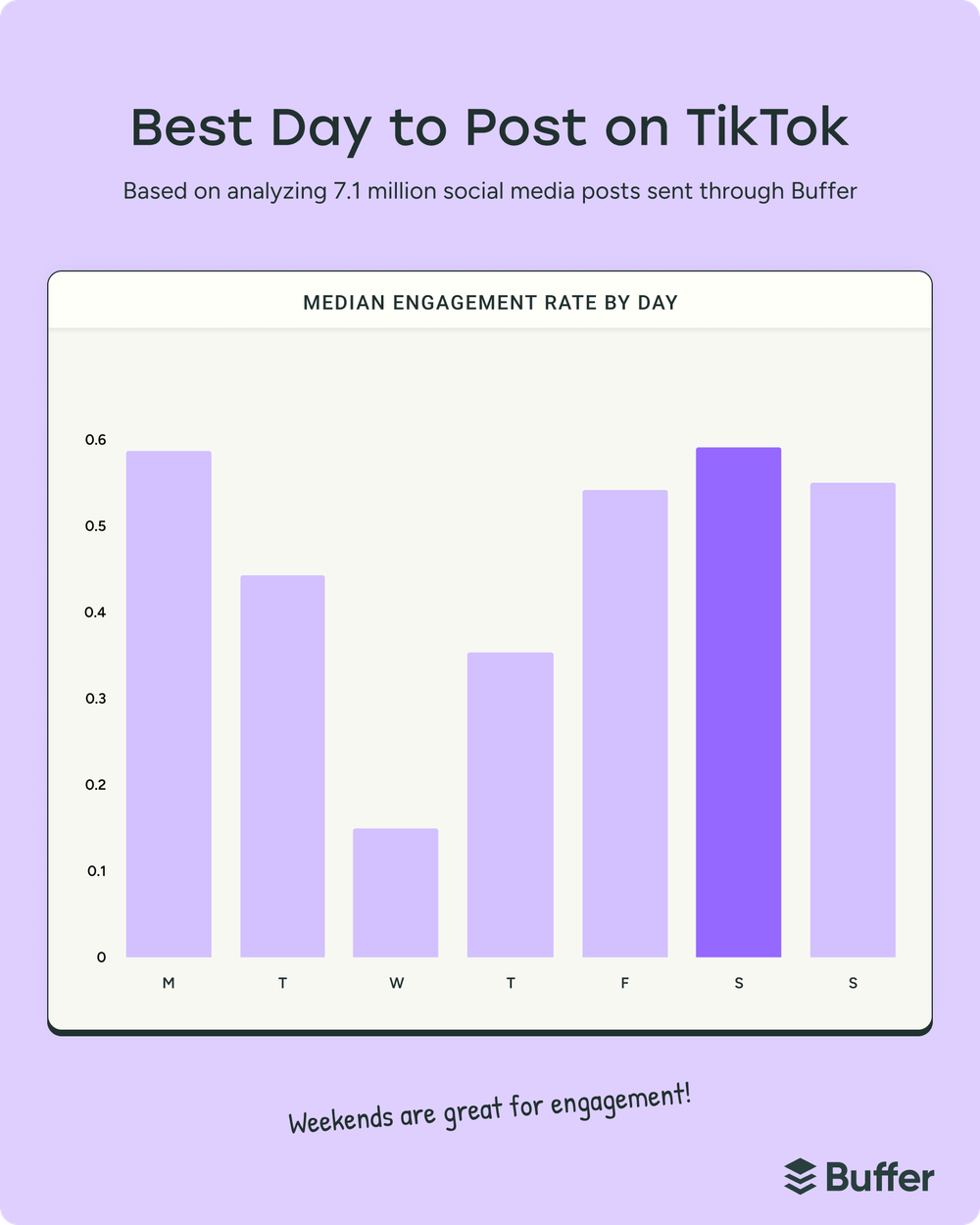
Buffer’s data indicates that the optimal time to post on TikTok is Sunday at 9 a.m., followed by Monday at 1 p.m. and Sunday at 1 p.m. Generally, views tend to surge during evening hours, reflecting the platform’s entertainment-driven nature. Unlike many other platforms that see peak engagement during weekdays, TikTok thrives on weekends, with Saturday being the best day, followed by Monday and Sunday. TikTok’s robust advertising platform supports formats like in-feed ads, Topview, and Spark ads, facilitating targeted reach and content promotion.
Pinterest: The Visual Discovery Engine
Pinterest operates as a unique hybrid, combining elements of a social platform with a powerful visual search engine. Users frequent Pinterest to discover inspiration, plan projects, and identify brands aligned with their interests, essentially using it as a digital pinboard to save images and videos (pins) to curated boards. With nearly 600 million users, and over a third actively seeking out brands, Pinterest represents a significant yet often underutilized channel for content discovery and traffic generation.
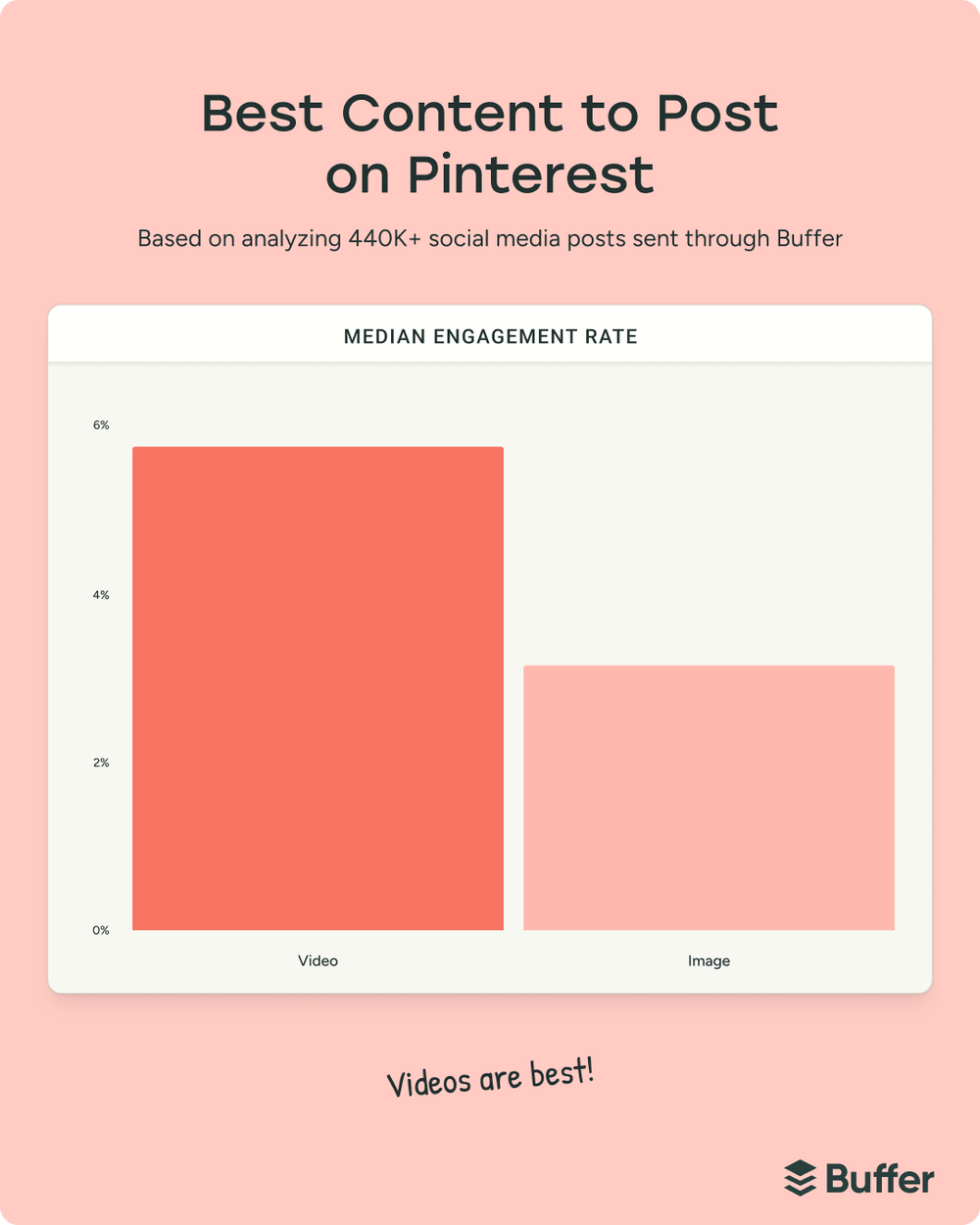
Remarkably, Buffer’s data reveals that video pins on Pinterest generate 83% higher engagement than static images. This suggests that while traditionally perceived as an image-centric platform, video content holds substantial potential for marketers. Pinterest offers native advertising tools, including promoted pins and shopping ads, enabling brands to reach users with high purchase intent who are actively seeking products and ideas.
X (formerly Twitter): The Real-Time Conversation Hub
X, formerly known as Twitter, has a long history in social media, having been one of the earliest platforms supported by Buffer. Following its acquisition by Elon Musk in 2022, the platform has undergone significant transformation, aiming to evolve into a broader "everything app" beyond its original focus on concise posts and real-time conversations. Despite the emergence of alternatives like Bluesky, Mastodon, and Threads, X continues to maintain a substantial monthly user base.
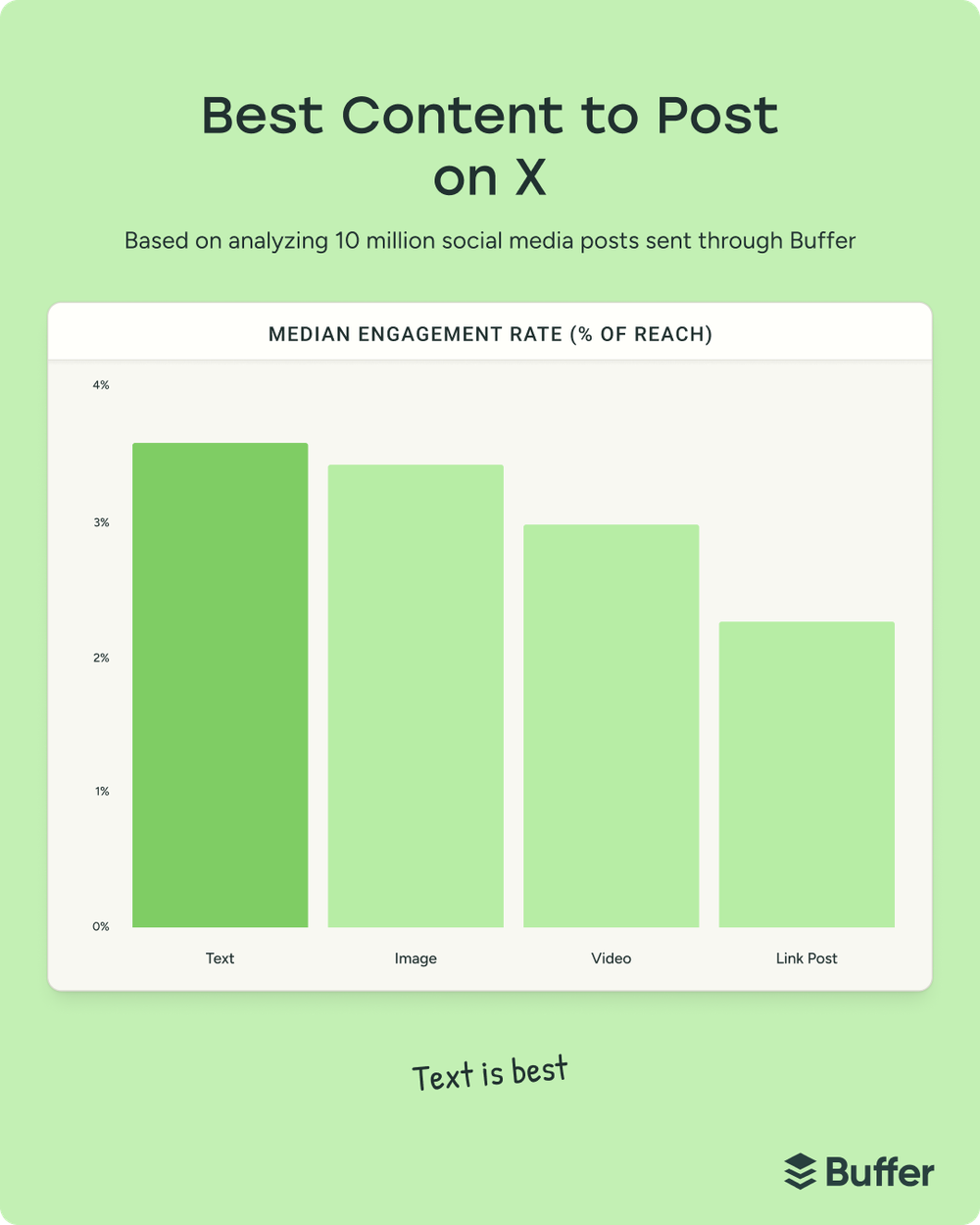
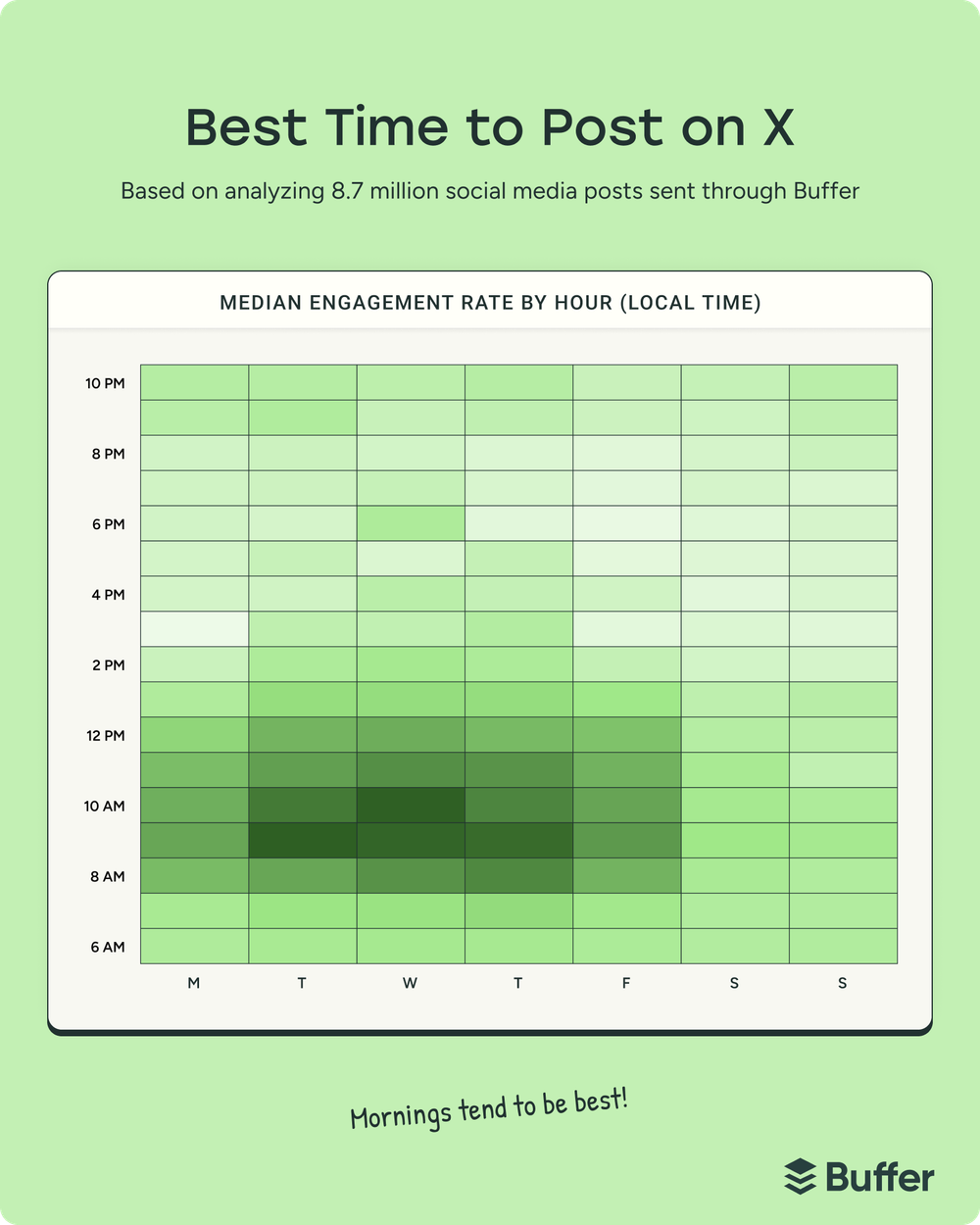
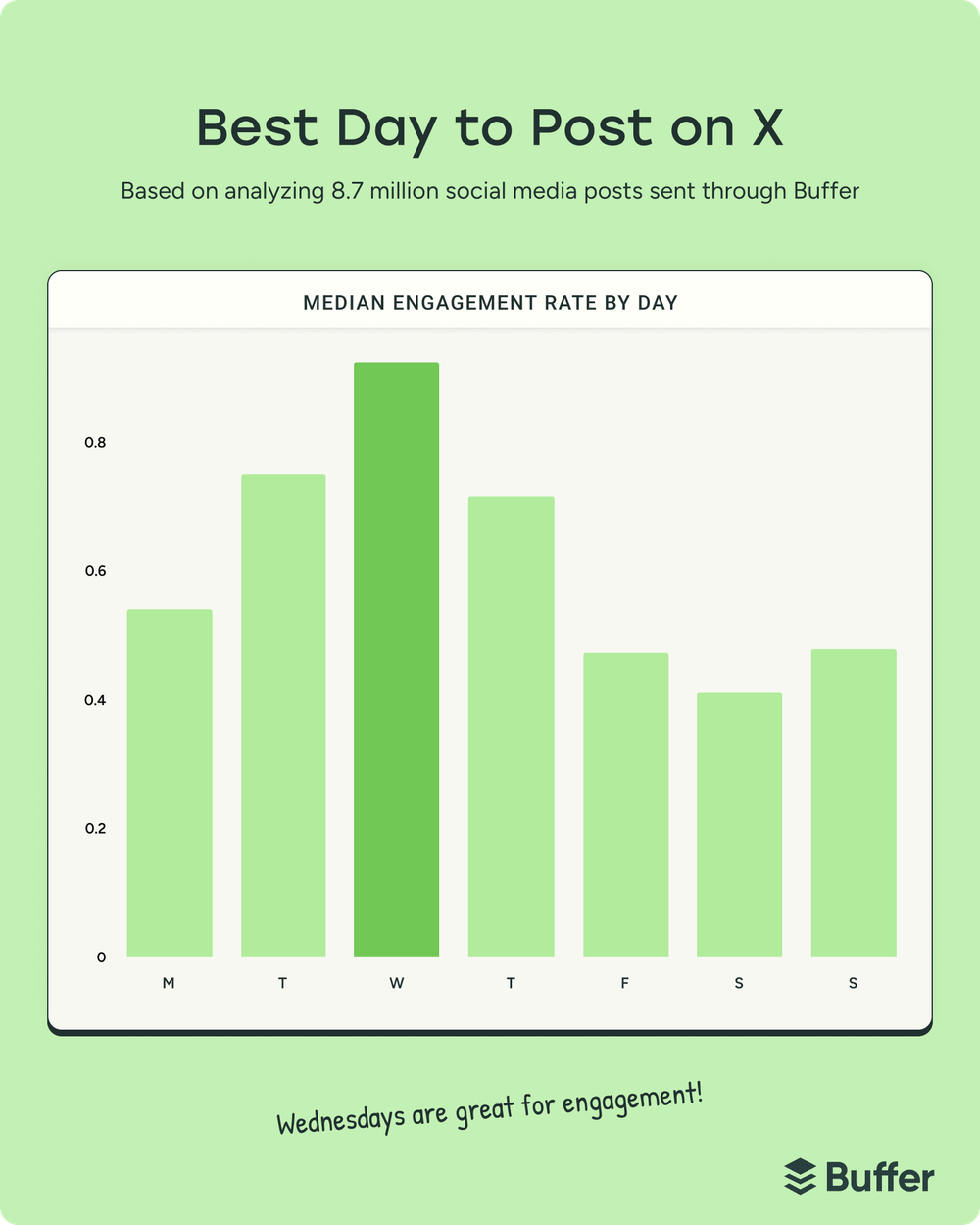
X accommodates various content formats, including links, images, text, and video. However, analysis of over 10 million posts indicates that text remains the most engaging content format. The optimal time for posting on X is generally Tuesday at 9 a.m., with strong engagement observed on weekdays between 8 a.m. and 12 p.m. Wednesdays are identified as the best day for content sharing, closely followed by Tuesday and Thursday. X Ads provides a range of advertising solutions, including promoted posts, accounts, and trends, enabling real-time visibility and targeted audience reach.
LinkedIn: Professional Networking and Thought Leadership
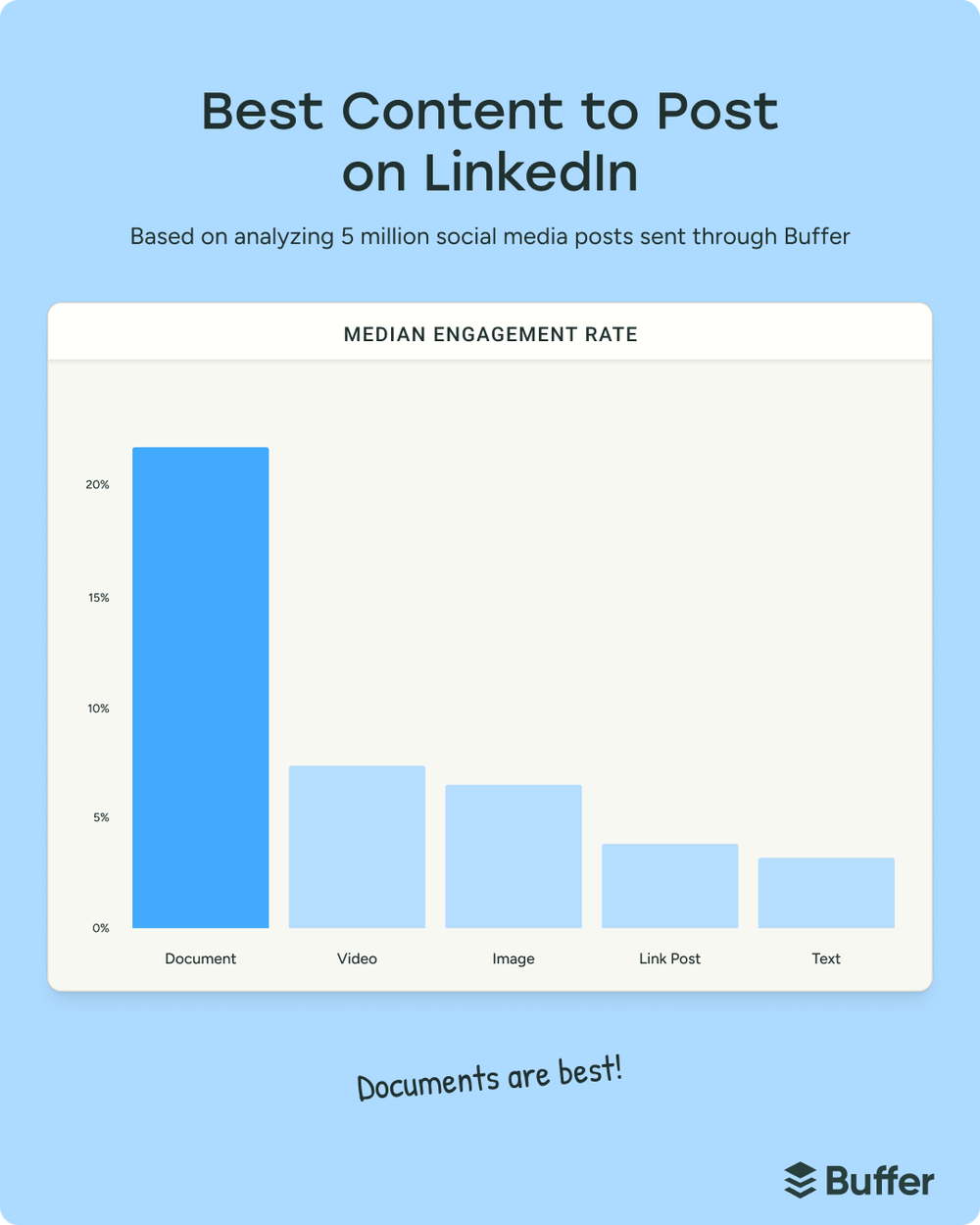
LinkedIn has evolved significantly from a simple resume repository to a premier platform for professional networking and thought leadership. For businesses, the personal brands of employees can be an exceptionally potent digital marketing asset, often outperforming content shared solely from company pages. While LinkedIn supports text, video, image, and link posts, carousel posts (documents) consistently achieve the highest engagement rates.
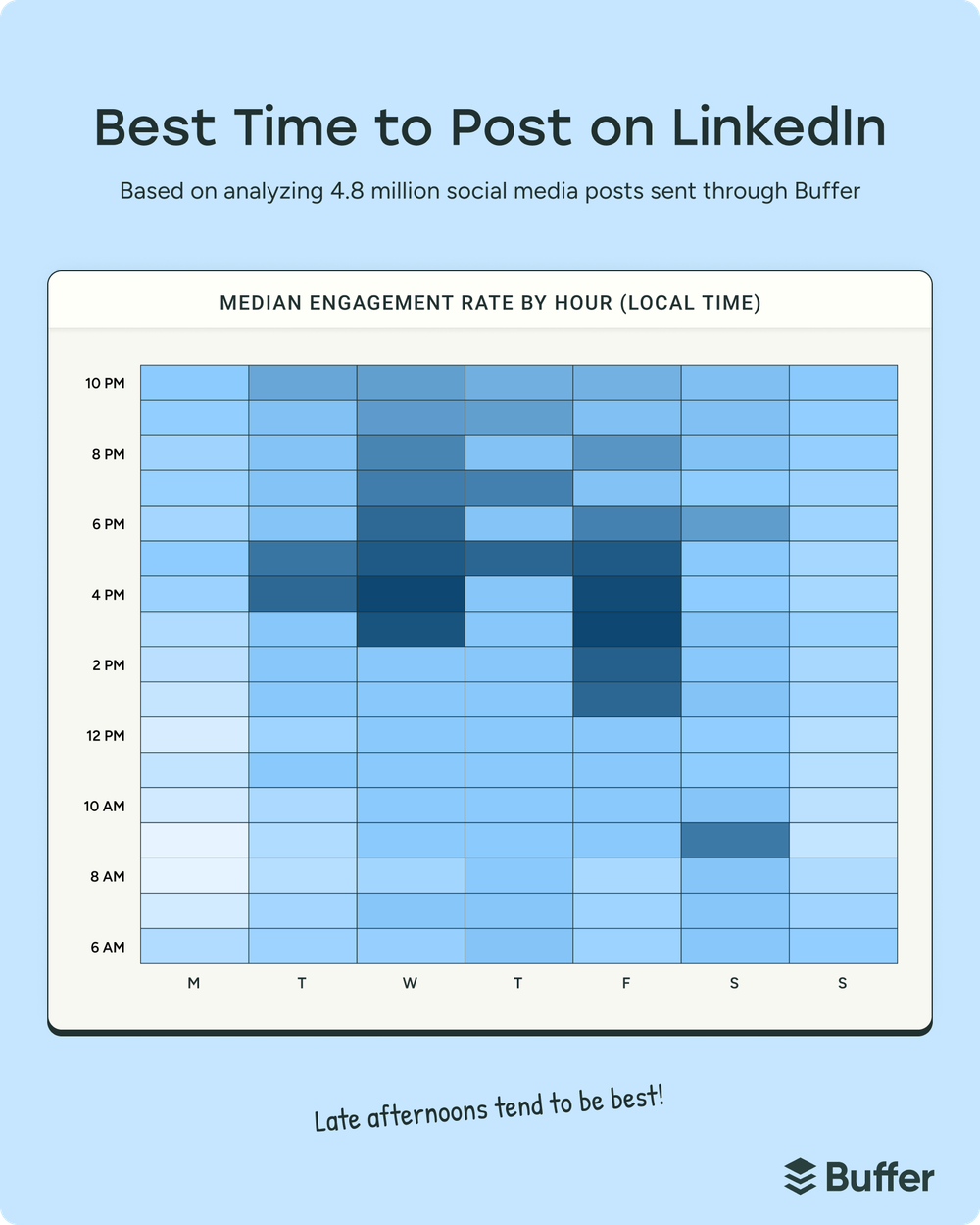
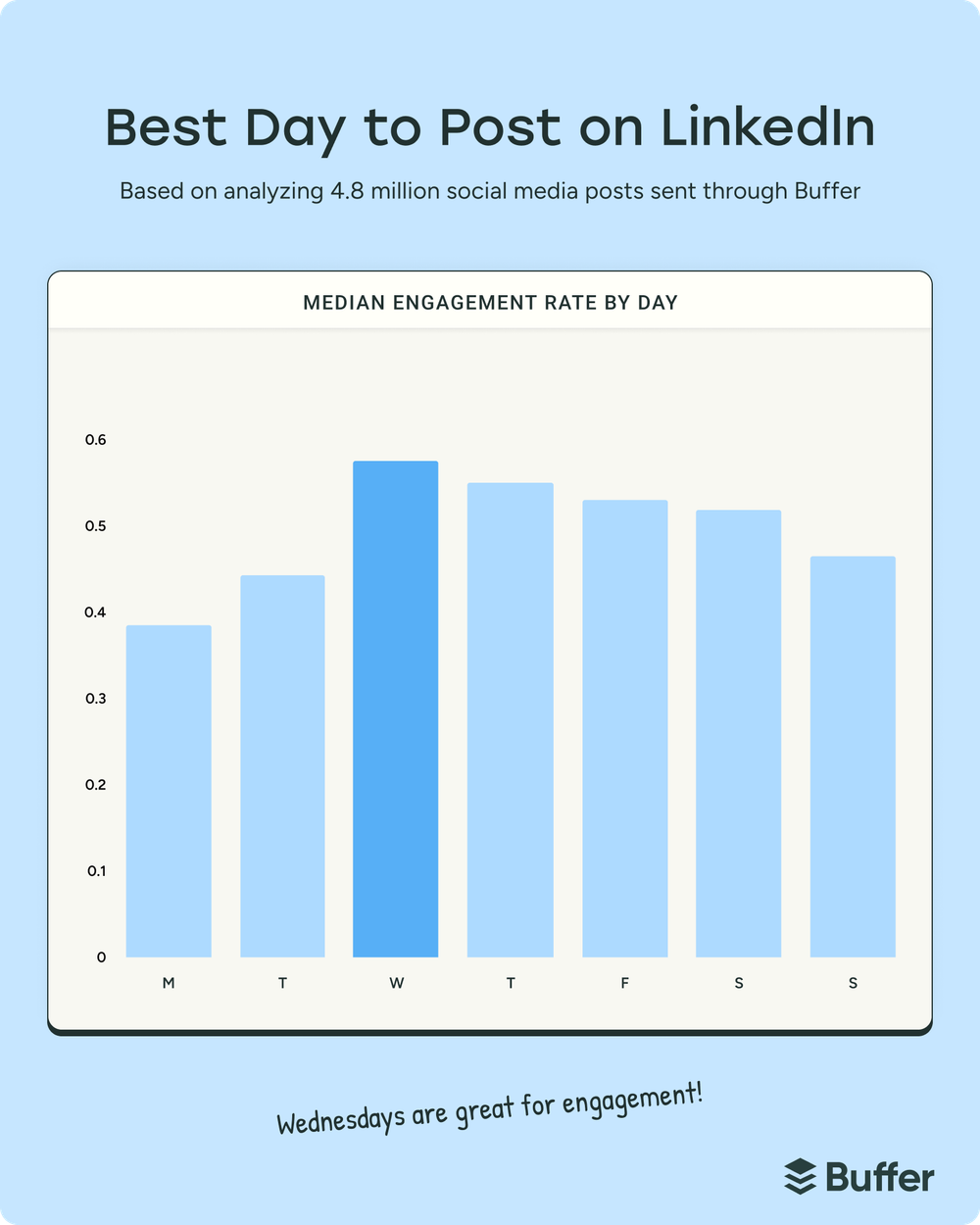
Recent data indicates that late afternoon and evening hours, specifically between 3 p.m. and 8 p.m., drive the highest engagement. The best times to post are Wednesday at 4 p.m., and Friday at 3 p.m. and 4 p.m. Wednesday is also the best day of the week for posting, followed closely by Thursday and Friday. LinkedIn’s advertising platform offers sponsored content, message ads, and lead generation forms, facilitating targeted outreach to professionals. Furthermore, Buffer provides LinkedIn profile analytics to help users track performance and refine their personal brand strategies.
Threads: The Emerging Conversational Platform
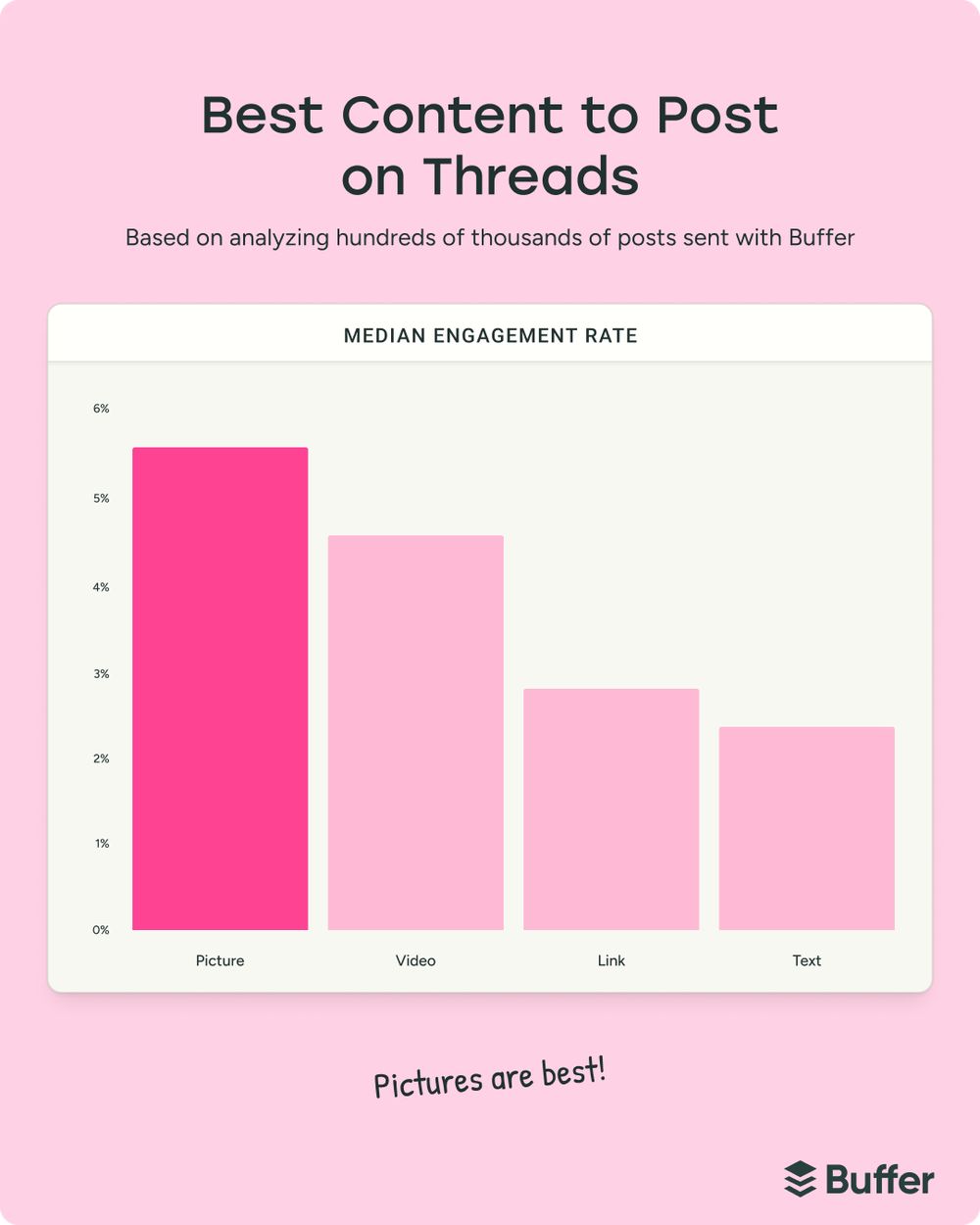
Threads, Meta’s text-forward, conversation-first platform, has rapidly gained traction. While positioned as a text-heavy environment, current data suggests that posts incorporating visuals (pictures) generally achieve higher median engagement. However, the interplay between text and visuals is dynamic, and a well-crafted text-only post can still outperform average visual content. As Threads’ algorithm continues to mature, these trends may shift, but for now, a balanced approach integrating visuals is recommended.
A key strategy for Threads engagement is participating in trending topics. Tools like Buffer’s "Trending Topics" feature allow users to identify popular conversations and contribute timely insights directly from the app. The optimal time for posting on Threads is Thursday at 9 a.m., with other high-performing slots including Wednesday at 12 p.m. and 9 a.m. Generally, midweek mornings and early afternoons offer the best chances for maximum engagement. Wednesday is consistently the best day, followed by Thursday and Tuesday. As of January 2026, Meta has completed the global rollout of Threads as an advertising placement through Meta’s Ads Manager, opening new avenues for paid reach.
Bluesky and Mastodon: The Decentralized Frontier
Bluesky and Mastodon represent a newer wave of decentralized social media platforms, with 5.2 million and 1 million monthly users, respectively. Their decentralized nature means they are not controlled by a single corporate entity but are instead composed of smaller, community-governed networks. This structure fosters an environment that prioritizes authentic conversations and community interaction over highly polished brand content. Marketers considering these platforms must first ascertain their audience’s presence and then focus on genuine engagement rather than one-way broadcasting.
On Bluesky, data indicates that video content garners the most interactions (likes + comments + reposts). Mastodon, in contrast, shows more stable performance across content types, with images and videos earning a median of three interactions per post, and links and text averaging two. The evolution of these decentralized networks will be a critical area to monitor for future social media marketing strategies.
Crafting an Effective Social Media Marketing Strategy: A Cyclical Approach
Effective social media marketing begins with a well-defined strategy. Without a clear plan, content creation becomes a series of disconnected efforts, leading to unpredictable and often suboptimal results. The process of strategy development should not be viewed as a linear checklist but rather as a continuous, iterative cycle, akin to a flywheel, requiring regular refinement and adaptation to achieve evolving business objectives.
1. Set SMART Goals
The foundation of any robust social media strategy lies in setting clear, actionable goals that align with broader business objectives. This is particularly crucial for justifying investment to stakeholders who require demonstrable returns. Goals should adhere to the SMART framework: Specific, Measurable, Attainable, Relevant, and Time-bound.
- Specific: Clearly define what is to be achieved. E.g., "Increase brand awareness by expanding reach."
- Measurable: Establish quantifiable metrics for success. E.g., "Increase Instagram follower count by 15%."
- Attainable: Ensure goals are realistic given resources and market conditions. E.g., A new YouTube channel aiming for 5,000 subscribers in a month might be unrealistic.
- Relevant: Connect social media goals directly to overall business objectives. E.g., "Increase website traffic by 20% from social media, so that we can generate more leads."
- Time-bound: Assign a specific deadline for achievement. Quarterly (three-month) periods are common.
2. Define Your Target Audience
Before engaging in content creation, a precise understanding of the target audience is essential. This clarity informs platform selection, content tone, and messaging. Key questions to consider include:
- Who are they (demographics: age, location, occupation, income)?
- What are their interests and pain points?
- Which social media platforms do they frequent most?
- What kind of content do they consume and engage with?
- What are their purchasing habits and motivations?
Developing detailed marketing personas based on these insights will significantly enhance the effectiveness of social media outreach.
3. Choose Your Content Pillars and Formats
With a defined audience, the next step is to determine the types of content that will resonate. This involves selecting "content pillars"—broad themes or topics that consistently align with brand messaging and audience interests—and identifying the most effective formats. For instance, is short-form video the optimal medium for capturing attention, or could a partnership with an influencer amplify brand awareness?
A competitive analysis can provide valuable insights, revealing what strategies are succeeding (or failing) for similar businesses. Content pillars and formats are dynamic; they should be periodically reviewed and adjusted based on performance analytics. A structured guide to creating content pillars, often accompanied by templates, can streamline this process.
4. Select Your Platforms Strategically
Given the multitude of available platforms, strategic selection is paramount. Marketers should resist the urge to establish a presence everywhere, especially when starting out.
- Focus Your Efforts: Brands that concentrate on one or two platforms often achieve higher engagement rates per post compared to those spreading resources thinly across three or more.
- Understand Your Target Audience: Leverage demographic data to pinpoint where the audience is most active. For example, LinkedIn is unsuitable for reaching teenagers, just as TikTok might not be ideal for retirees.
- Utilize Built-in Shopping Tools: For e-commerce businesses, platforms like Facebook, Instagram, and TikTok offer robust shopping functionalities that can significantly reduce friction in the customer journey and boost sales.
- Explore Newer or Niche Platforms: For highly specific market segments, emerging or niche platforms like Mastodon or Bluesky, or even established but often overlooked platforms like Pinterest (especially for visual-driven categories like home decor or fashion), can offer valuable, less saturated opportunities.
5. Create Your Content Calendar
Once the broad strategy is outlined, the operational phase involves detailing and implementing content plans. A consistent social media presence, achieved through regular content sharing, is a cornerstone of success. Planning content in advance via a social media content calendar is crucial for maintaining consistency and efficiency, moving beyond spontaneous publishing.
- Step 1: Choose Your Content Calendar Tool: Options range from simple spreadsheets to integrated social media scheduling tools like Buffer, which allow for planning, scheduling, and analysis within a single platform. Bulk upload features can convert spreadsheet data into scheduled posts.
- Step 2: Gather Your Content Ideas: Document all content ideas, however nascent, stemming from content pillars or spontaneous insights. Tools like Buffer’s Create Space facilitate saving and organizing text, images, and videos with color-coded tags. Mobile apps further enable on-the-go idea capture.
- Step 3: Decide on a Content Cadence for Each Platform: Consistency is key to audience growth. While general "best times to post" guides exist, individual audience behavior varies. Post-analysis, tools can recommend unique optimal posting times for each platform to maximize reach and engagement.
- Facebook: 8 a.m. – 12 p.m. (weekdays)
- Instagram: 9 a.m. and 6 p.m. (weekdays)
- LinkedIn: 3 p.m. – 6 p.m. (Wed–Sun)
- TikTok: 6 p.m. – 11 p.m. (daily) plus weekend mornings
- YouTube Shorts: 4 p.m. – 7 p.m. (Fri–Sat)
- YouTube (long-form): 6 p.m. – 10 p.m. (Sun–Tue)
- X (Twitter): 8 a.m. – 11 a.m. (weekdays)
- Threads: 7 a.m. – 12 p.m. (weekdays)
- Step 4: Map Key Launches and Dates: Prioritize content around product launches, company news, and events. This ensures these critical messages are not overshadowed and allows ample time for asset gathering and scheduling.
- Step 5: Batch Your Content: To enhance efficiency, social media managers often employ content batching—creating multiple pieces of content in a single session for future scheduling. Examples include dedicating a day to filming short-form videos, writing multiple captions, or designing a series of graphics.
- Step 6: Schedule Your Content: Pre-scheduling posts is paramount for consistent presence and reduces the daily burden on social media managers, freeing up time for engagement, analytics, and strategy refinement. Benefits include reduced stress, improved consistency, and the ability to post at optimal times globally.
6. Analyze Your Content Performance
Regularly evaluating content performance through social media analytics is a non-negotiable step in any successful marketing plan. Key metrics to monitor include:
- Reach: The number of unique users who saw the content.
- Engagement Rate: The percentage of users who interacted with the content (likes, comments, shares).
- Clicks: The number of times users clicked on links within posts.
- Conversions: Actions taken by users after interacting with content (e.g., sign-ups, purchases).
- Audience Growth: Changes in follower count.
- Sentiment: The overall tone of audience reactions to content.
While native platform analytics offer basic data, dedicated social media analytics tools like Buffer provide more in-depth, cross-platform insights, including tailored recommendations for optimal posting times, frequency, and content formats to drive channel growth.
7. Evaluate and Adapt Your Strategy
Social media marketing is an iterative process. Periodically, marketers must step back and critically assess the overall strategy: "Is our social media marketing strategy working?" Analytics reports serve as the primary tool for this evaluation, revealing whether efforts are contributing to predefined business goals. If, for instance, follower counts are increasing but conversions remain stagnant, a strategic pivot may be necessary. Platforms constantly evolve, as do audience behaviors; therefore, an adaptive approach is essential for sustained success.
Beyond Publishing: The Power of Engagement and Advertising
The Core of Social Media: Active Engagement
As brands grow, the volume of interactions—comments, tags, direct messages—increases significantly. The manner in which these interactions are addressed profoundly impacts brand perception and engagement. Research, such as Buffer’s 2026 State of Social Media Engagement Report, emphasizes that the most significant driver of post performance is not merely when or how content is published, but the brand’s willingness to actively participate and "talk back" to its audience.
- Engagement builds loyalty: Responsive brands foster a sense of community and appreciation.
- Engagement provides insights: Direct interactions offer invaluable feedback on products, services, and content preferences.
- Engagement enhances visibility: Algorithms often favor accounts that actively engage with their communities.
The mantra "Don’t post and ghost" encapsulates this critical principle. Tools like Buffer’s Community feature streamline this process by centralizing all conversations from multiple accounts into an organized interface. This allows marketers to filter unanswered comments, receive real-time notifications, and respond across platforms without constant app switching. Features such as saved replies and AI-assisted suggestions (customized to maintain brand voice) further enhance efficiency. The system also tracks engagement consistency and allows for transforming valuable audience replies into new content ideas, ensuring no interaction is missed and every engagement becomes an opportunity for connection and community building.
Beyond direct interactions, passive mentions—where a brand is discussed without being tagged—are equally valuable. Positive mentions offer opportunities for surprise and delight, while negative ones can be proactively addressed to mitigate issues. Social media listening tools are indispensable for identifying these untagged conversations and enabling effective participation.
Strategic Social Media Advertising
While organic reach is vital, social media advertising offers a powerful avenue to significantly expand reach and accelerate audience growth. Well-executed campaigns can precisely target specific audiences based on demographics, interests, and behaviors. Platforms like Meta’s Ads Manager enable cross-posting campaigns across integrated platforms, even without established organic profiles.
A compelling advantage of social media advertising is its cost-effectiveness compared to traditional digital advertising channels. For instance, Instagram’s average Cost Per Click (CPC) typically ranges from $0.00 to $0.25, and Pinterest’s is even lower at $0.00 to $0.10. This contrasts sharply with Google Ads, where the average CPC can be around $2.69. While these figures vary by campaign objective, industry, and competitive landscape, they underscore the potential for efficient ad spend on social platforms. It is crucial to note that advertising efforts are most impactful when layered upon a consistent and authentic organic social media presence.
Expert Insights: Practical Advice from Social Media Professionals
Seasoned social media marketers worldwide offer invaluable advice for beginners, consistently emphasizing themes of authentic connection, strategic platform selection, and collaborative content creation.
- Know Your Audience: Sarah Man, a Social Media and Marketing Consultant at Mantar Marketing, advises, "Ignore fads and trends and vanity metrics. Create a solid strategy that talks to your audience. Think about their pain points, emotional triggers, and how you want to be perceived in their eyes." Emma Rafanello, Social Media Account Supervisor at Bospar, echoes this, stating, "Your audience/customers will always express their pain points or challenges. If you can address those pain points or challenges head-on with your content, your messaging/products/services are guaranteed to reach those people."
- Stick to Strategic Platforms: Emily Brungard, Senior Social Media Manager at Rossman Media, emphasizes focus: "You don’t have to be everything, everywhere, all the time! It’s better to start small and focus on one platform, at a lower posting frequency, than it is to spread yourself too thin."
- Optimize Your Profiles: Piyush Malpure, Founder and Marketing Strategist at Leads Infinity, stresses the importance of first impressions: "Optimize and fill out every aspect of all your social media profiles to create the best first impression for your audience. The better the first impression, the higher the perceived value. This will really help generate leads, too."
- Engage with Communities: Naba Ahmed, Marketing Manager at Prezi, highlights the value of interaction: "Posting often will only show off