
 Ali Ikhwan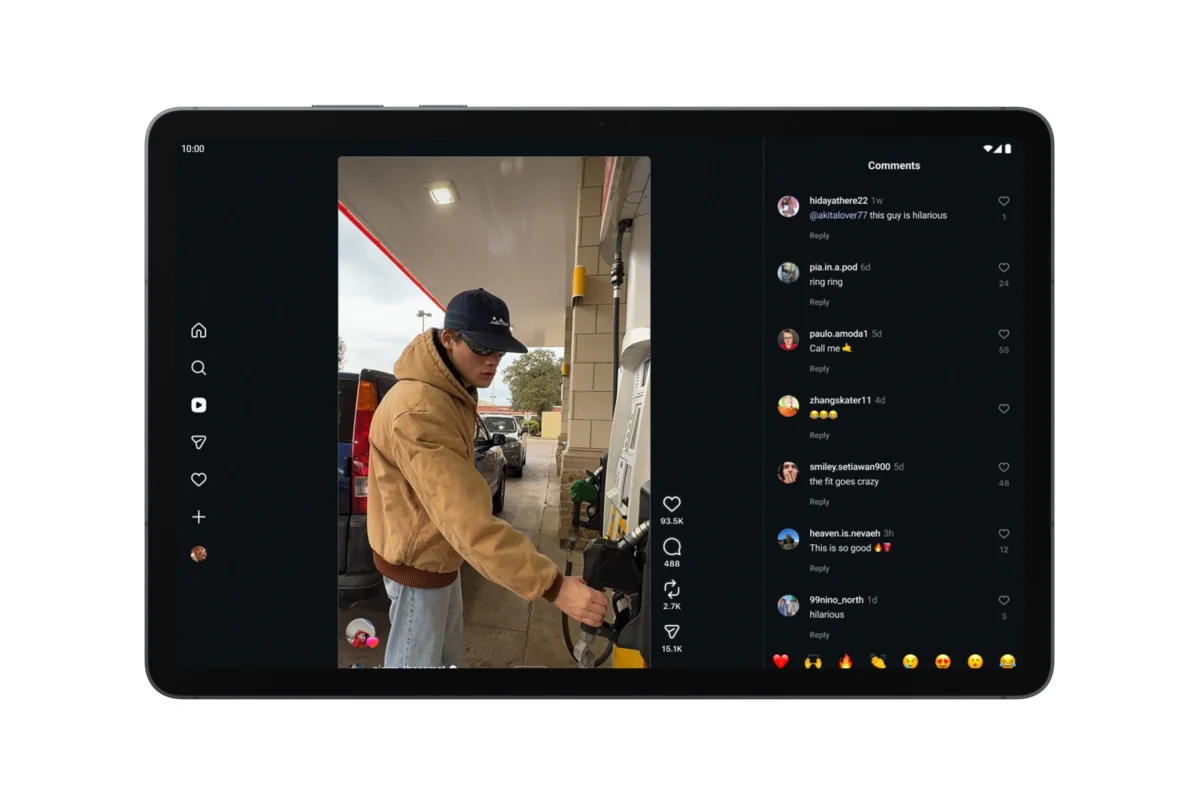
In a strategic move that has become an annual tradition, Google utilized its second-ever YouTube-streamed Android Show to unveil a suite of groundbreaking features for Android 17 and its Gemini artificial intelligence platform. The announcements, which arrived exactly one week before the highly anticipated Google I/O developer conference scheduled for May 19, represent a fundamental shift in the company’s mobile strategy. By decoupling these announcements from the main I/O keynote, Google aims to provide more granular detail on its vision for an "intelligent operating system," a concept championed by Sameer Samat, President of the Android Ecosystem. This vision focuses on transforming the mobile experience from a collection of static applications into a proactive, agentic environment powered by advanced generative AI.
The central theme of the presentation was the introduction of "Gemini Intelligence," a comprehensive branding for the AI-driven capabilities integrated directly into the Android framework. This evolution marks a departure from previous iterations of Android, where AI features were often siloed within specific apps. Instead, Android 17 treats AI as a foundational layer, capable of cross-app communication, complex task execution, and personalized user interaction. As Google prepares for a summer rollout, the technology will initially debut on flagship devices, including the Google Pixel 10 series and the Samsung Galaxy S26, before expanding to a broader array of hardware including smartwatches, automotive systems, and a new category of laptops.
The Evolution of the Intelligent Operating System
The shift toward an intelligent operating system is most evident in the way Android 17 handles automation and user intent. At the heart of this transition is the expansion of Gemini Task Actions. Originally introduced as a way to perform simple commands like booking rides or ordering food, the new iteration allows Gemini to function as a sophisticated digital agent. During the presentation, Google demonstrated how Gemini can now navigate third-party app interfaces and the Chrome browser simultaneously. For instance, a user can photograph a travel brochure and instruct the AI to find a matching tour for a specific number of people on Expedia. Gemini then determines whether to launch the Expedia app or utilize Chrome to complete the transaction, only prompting the user for final confirmation.
Mindy Brooks, Vice President of Product Management for Gemini Intelligence, emphasized that this automation is designed to be comprehensive. The integration with Chrome’s automation suite on Android allows the AI to research, summarize, and compare web content in real-time. This "agentic" behavior is supported by a new visual indicator within the OS that signals when the AI is "thinking" or performing background tasks. By streamlining multi-step processes that previously required manual app-switching and data entry, Google is positioning Android 17 as a tool for efficiency rather than just a platform for content consumption.

Gemini Intelligence: Powering the Next Generation of Flagships
Gemini Intelligence is not merely a software update but a tiered experience optimized for high-performance hardware. While basic Android 17 features will be available to a wide range of devices, the full suite of Gemini Intelligence tools requires significant on-device processing power. This includes the new AI-Powered Autofill system, which represents a major upgrade to the existing Chrome autofill functionality. By leveraging "Personal Intelligence," Gemini can securely source information from a user’s first-party Google apps, such as Gmail, Google Photos, and Drive.
This system is designed to solve the common friction point of manual data retrieval. If a user needs to enter a passport number or a driver’s license ID into a web form, Gemini can scan the user’s private cloud storage or emails to find a photo or text record of that document and populate the field instantly. Addressing potential privacy concerns, Google confirmed that this feature is strictly opt-in and can be toggled via system settings. The move highlights a broader industry trend where personal data silos are being bridged by AI to provide contextual utility.
Further enhancing the user interface is the "Create My Widget" feature. Widgets have been a staple of the Android experience since its inception in 2008, but they have historically been static and developer-dependent. With Android 17, users can generate custom widgets using natural language prompts. Whether it is a countdown to a specific event, a localized weather tracker showing dual units, or a rotating list of high-protein recipes, the AI builds the widget on demand. These creations are cross-platform, meaning a widget designed on a phone can be deployed to Wear OS smartwatches or the newly announced Googlebook laptops.
Enhancing Communication and Content Creation
Communication tools are also receiving a significant overhaul through "Rambler," a Gemini-enhanced update to the Gboard voice dictation system. Rambler uses advanced natural language processing to identify and remove verbal fillers—such as "um," "ah," and "like"—in real-time. Furthermore, the system is designed to handle interruptions intelligently. If a user pauses their dictation to respond to a person in the room, the AI detects the shift in context and excludes the external conversation from the final text.
Rambler’s multilingual capabilities allow it to switch seamlessly between languages in a single message, catering to the growing demographic of bilingual users who frequently blend languages. Google’s commitment to privacy in this area includes a guarantee that audio data used for Rambler processing is not stored or saved on their servers.

For the creator community, Android 17 introduces native Screen Reactions. This feature simplifies the production of "reaction-style" videos, which are a dominant format on platforms like TikTok and YouTube. By allowing users to record their front-facing camera and their screen simultaneously without the need for green screens or complex third-party software, Google is lowering the barrier to entry for mobile content creation.
The company also announced a deepened partnership with Meta to improve the Instagram experience on Android. Historically, Android users have complained about the disparity in camera quality between the native app and Instagram’s in-app camera. Android 17 addresses this by integrating Ultra HDR support, built-in video stabilization, and native night mode directly into the Instagram camera interface. Additionally, a collaboration with Adobe brings the Premiere video editing app to Android, complete with templates specifically designed for YouTube Shorts.
Digital Wellbeing and the "Pause Point" Initiative
As AI makes smartphones more capable, Google is also introducing tools to help users manage their screen time more effectively. "Pause Point" is a new digital wellbeing feature in Android 17 that targets "distracting apps." Unlike traditional app timers that simply shut down an application, Pause Point introduces a deliberate 10-second friction window when a user attempts to open a flagged app. During this window, the phone asks the user why they are opening the app and offers healthier alternatives, such as a breathing exercise or an audiobook.
This "intentional usage" model is a response to the growing "dumb phone" movement, where users switch to basic devices to avoid the addictive nature of modern smartphones. By providing a middle ground, Google hopes to retain users within its ecosystem while promoting a more balanced relationship with technology. The company signaled that more digital wellbeing tools are currently in development for a late-year release.
Expanding the Ecosystem: Quick Share and Android Auto
Interoperability remains a key focus for Google as it seeks to challenge the "walled garden" of the Apple ecosystem. The expansion of "Quick Share to AirDrop" is a significant milestone in this effort. Following a surprise launch for Pixel and Samsung devices, Google confirmed that Oppo, OnePlus, Vivo, Xiaomi, and Honor phones will now support direct file sharing with iPhones. For devices that lack native compatibility, Quick Share can generate a dynamic QR code to facilitate cloud-based transfers to iOS.

The automotive sector is also seeing a major refresh with a redesigned Android Auto. The new interface utilizes the "Material 3 Expressive" design language, featuring smoother animations and fonts that adapt to various dashboard shapes and sizes. A standout feature is "Immersive Navigation," which provides a detailed 3D view of buildings and terrain in Google Maps. For vehicles with "Google built-in," the system can now access the car’s front-facing camera to provide live lane guidance and allow users to join Zoom meetings directly from the dashboard.
The Introduction of Googlebook: A New Computing Category
Perhaps the most surprising announcement was the introduction of "Googlebook," a new platform for laptops that sits alongside the existing Chromebook lineup. While technical specifications remain sparse ahead of the May 19 keynote, Googlebook is described as a platform powered by Android technologies with Gemini at its core. Major hardware partners, including Acer, Asus, Dell, HP, and Lenovo, have already signed on to produce Googlebook devices.
These laptops feature a distinct "glowbar" design element, intended to make them instantly recognizable. The platform is designed to work seamlessly with both Android and iOS devices, further emphasizing Google’s focus on cross-platform utility. While Google declined to confirm if a first-party "Pixelbook" is in the works, the entry of major manufacturers suggests a significant push into the productivity market.
Chronology and Market Context
The timing of these announcements is critical. With Apple expected to unveil its own AI strategy at WWDC in June, Google’s early reveal of Android 17 and Gemini Intelligence serves as a preemptive strike. The transition from Android 16 to 17 represents the fastest integration of generative AI into a mobile OS to date.
- Summer 2026: Initial rollout of Android 17 and Gemini Intelligence on Pixel and Samsung flagship devices.
- Late June 2026: Deployment of Gemini as a browsing assistant in Chrome for Android.
- Q3/Q4 2026: Expansion of Gemini Intelligence to smartwatches, cars, and Googlebook laptops.
- May 19, 2026: Full technical deep dive and hardware showcases at Google I/O.
Broader Implications and Industry Analysis
The shift toward an "intelligent OS" has profound implications for the mobile industry. By integrating AI agents that can operate across apps, Google is potentially diminishing the importance of the individual app interface. If users begin to rely on Gemini to perform tasks like booking travel or ordering groceries, the primary point of interaction shifts from the third-party developer to the OS provider. This could lead to a new era of "headless" apps, where the backend service is more important than the frontend UI.

However, this transition also raises significant questions regarding privacy and data security. The "AI-Powered Autofill" feature, while convenient, requires the AI to have deep access to a user’s most sensitive documents. Google’s emphasis on "on-device" processing for many of these features is a necessary step to build user trust, but the balance between cloud-powered intelligence and local privacy will remain a central debate in the coming years.
Furthermore, the introduction of Googlebook suggests that Google sees the mobile-first architecture of Android as a viable competitor to traditional desktop operating systems like Windows and macOS, especially when augmented by generative AI. As the lines between mobile, automotive, and desktop computing continue to blur, Google’s "intelligent operating system" strategy aims to place Gemini at the center of the user’s digital life, regardless of the screen they are using.
The upcoming Google I/O conference will likely provide more clarity on the developer tools required to support this new ecosystem. For now, the Android Show has set a high bar, signaling that the next version of Android will be defined not by its interface, but by its intelligence.







