Cintya Tara Annisa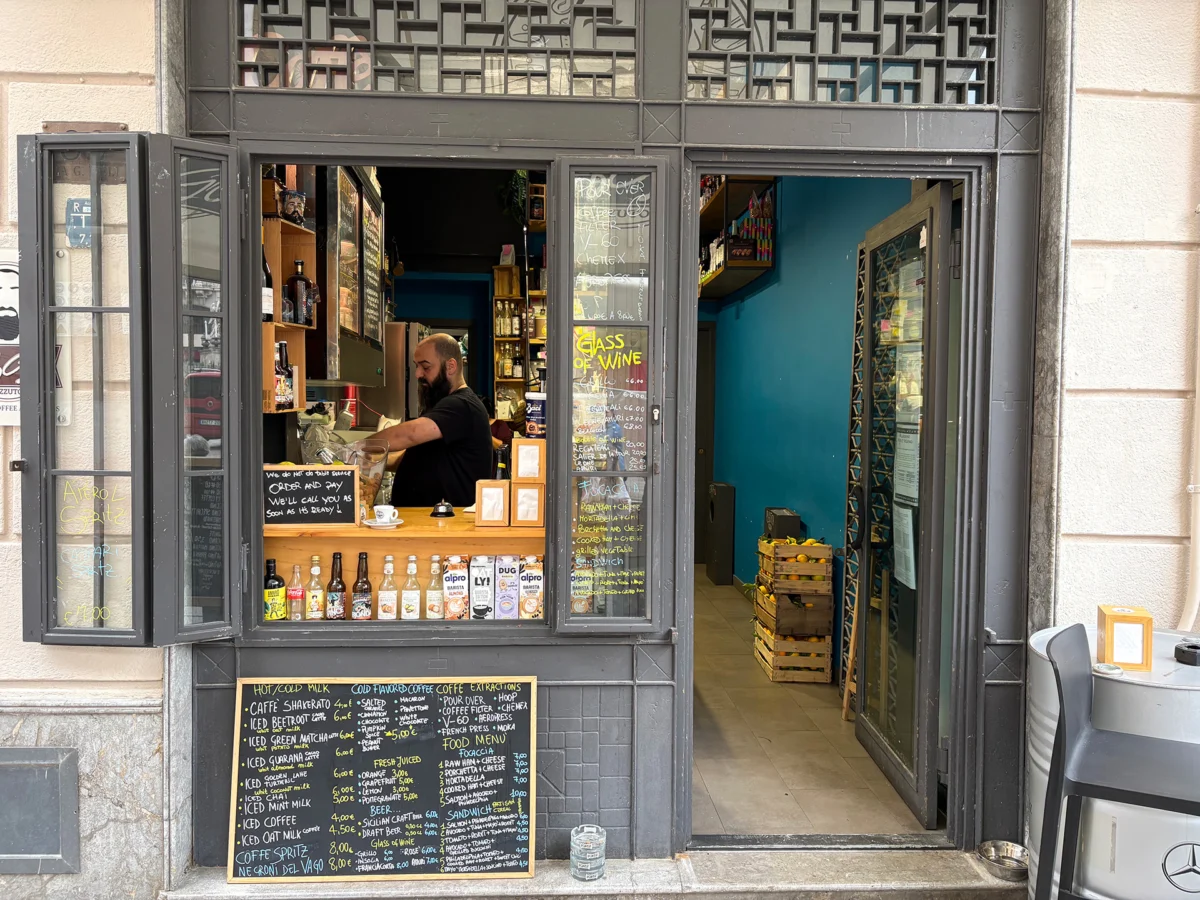
Palermo, the capital of Sicily, is currently experiencing a profound cultural and economic transformation, driven by a surge in international tourism and a shift in local consumption patterns. Long characterized by its gritty charm and historical depth, the city has recently become a focal point for global travelers, aided in part by the "White Lotus effect"—a phenomenon where high-profile media representations have catalyzed interest in the island’s dramatic landscapes and luxury lifestyle. This increased visibility is reflected in tangible infrastructure changes, including the expansion of direct flight paths connecting Palermo’s Falcone-Borsellino Airport to major international hubs, facilitating a record-breaking influx of visitors. Amidst this backdrop of modernization, one of the most significant shifts is occurring within the city’s storied coffee industry. While the traditional Italian espresso remains a cornerstone of daily life, a burgeoning specialty coffee scene is beginning to redefine the Sicilian palate, bridging the gap between century-old rituals and contemporary global standards.
The Historical and Cultural Context of Sicilian Gastronomy
To understand the evolution of coffee in Palermo, one must first consider the island’s unique position as a Mediterranean crossroads. Sicily’s history is defined by successive waves of conquest and settlement, with Greek, Arab, Norman, and Spanish rulers each leaving an indelible mark on the local culture. This "conquest by everyone" is most visible in the island’s culinary traditions. In the western province of Trapani, for instance, the local preference for couscous serves as a culinary relic of Arab influence.
Coffee culture in Sicily has traditionally mirrored this history of intensity and resilience. For decades, the Sicilian standard has been the "caffè"—a dark, tightly pulled ristretto shot often characterized by a high percentage of Robusta beans. This style of roasting and brewing produces a punchy, bitter, and highly caffeinated beverage designed for rapid consumption at a standing bar. At home, the moka pot remains the domestic standard, a ritualistic centerpiece of the Italian morning. However, as globalization integrates Palermo more deeply into the international community, the "Third Wave" coffee movement—which emphasizes transparency, lighter roast profiles, and the inherent flavors of specific coffee origins—is finding a foothold in the city’s ancient alleys.
The Impact of Global Tourism and Media Representation
The rise of specialty coffee in Palermo cannot be isolated from the broader economic trends affecting the region. According to data from the Italian National Institute of Statistics (ISTAT), Sicily has seen a double-digit increase in foreign tourism over the last three years. The romanticization of the island in television series like HBO’s "The White Lotus" and the pervasive influence of social media travel creators have rebranded Sicily from a niche Mediterranean destination into a premier global brand.
This demographic shift has created a demand for services that cater to international tastes, including specialty coffee, plant-based milk alternatives, and filter brewing methods like V60 and Chemex. For the local economy, this represents a strategic opportunity to diversify the hospitality sector. While traditional bars continue to serve the classic €1 espresso, new establishments are successfully marketing premium beans at higher price points, appealing to both a younger generation of Sicilians and the growing population of "digital nomads" who have relocated to the island for its climate and relatively low cost of living.
Morettino Lab: Bridging Tradition and Innovation
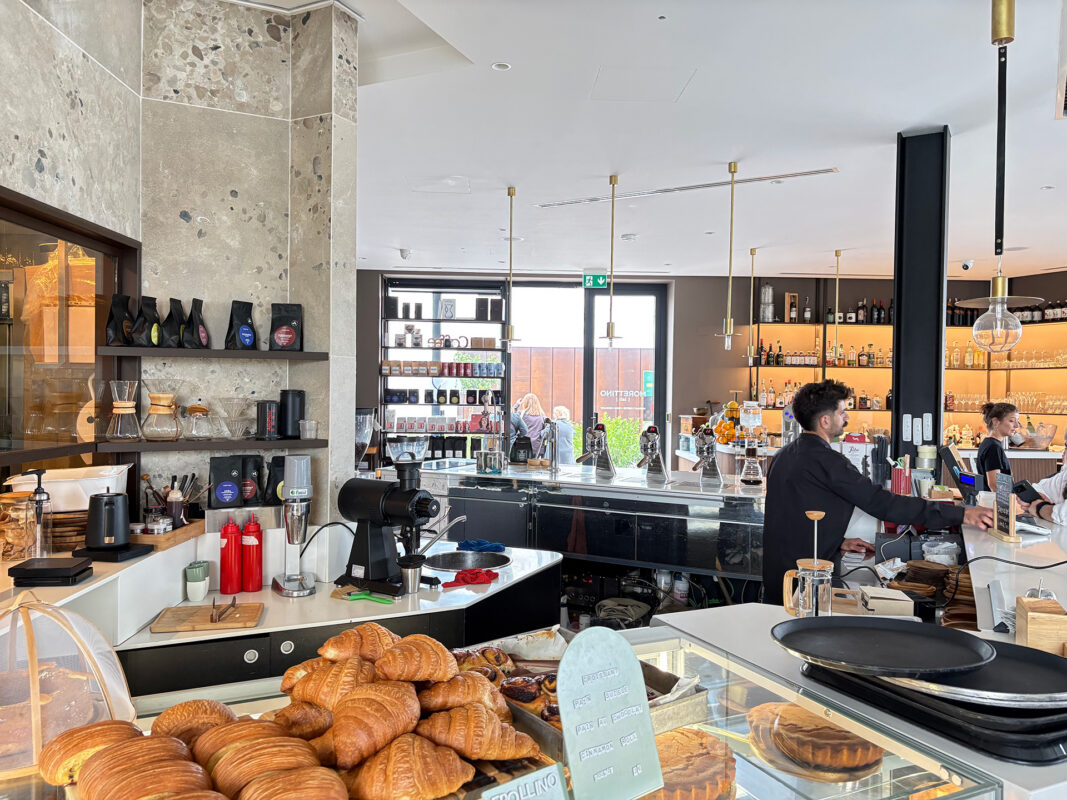
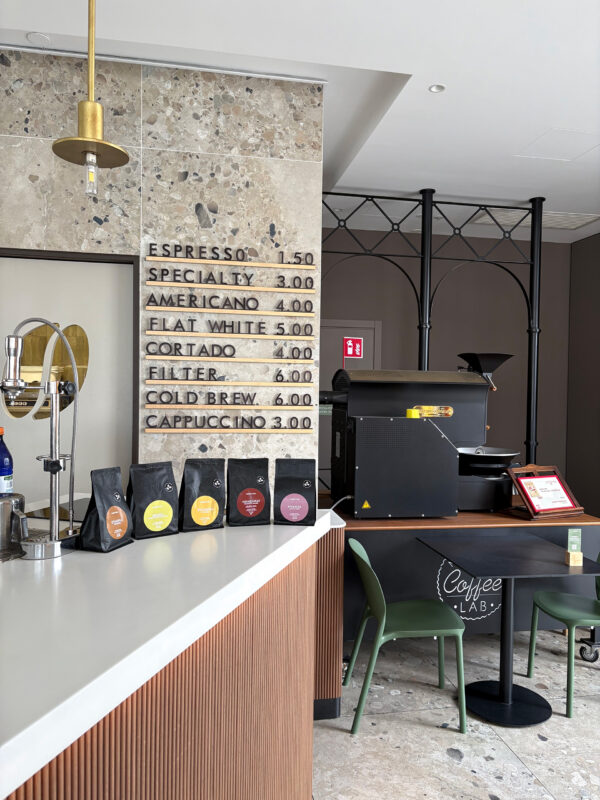
Among the pioneers of this movement is Morettino, a name synonymous with Sicilian coffee for over a century. Established in 1920, the Morettino family has overseen four generations of roasting, but their "Morettino Lab" location represents a deliberate departure from the past. Situated near the Palermo harbor within the upscale Palermo Yacht Club, the Lab functions as a research and development hub for specialty coffee.
The establishment utilizes high-end equipment, such as the Modbar—an under-counter espresso system that removes the physical barrier between the barista and the customer—to foster a more educational environment. The menu at Morettino Lab is progressive, offering single-origin beans and sophisticated brewing methods that highlight acidity and floral notes, which are often absent in traditional dark roasts. The Lab’s location, surrounded by limestone hills and the rhythmic clanging of sailboat lines, offers a sensory experience that aligns with the "slow coffee" movement, encouraging patrons to linger rather than follow the "hit-and-run" espresso culture of the city center.
Ideal Caffè Stagnitta: A Century of Evolution
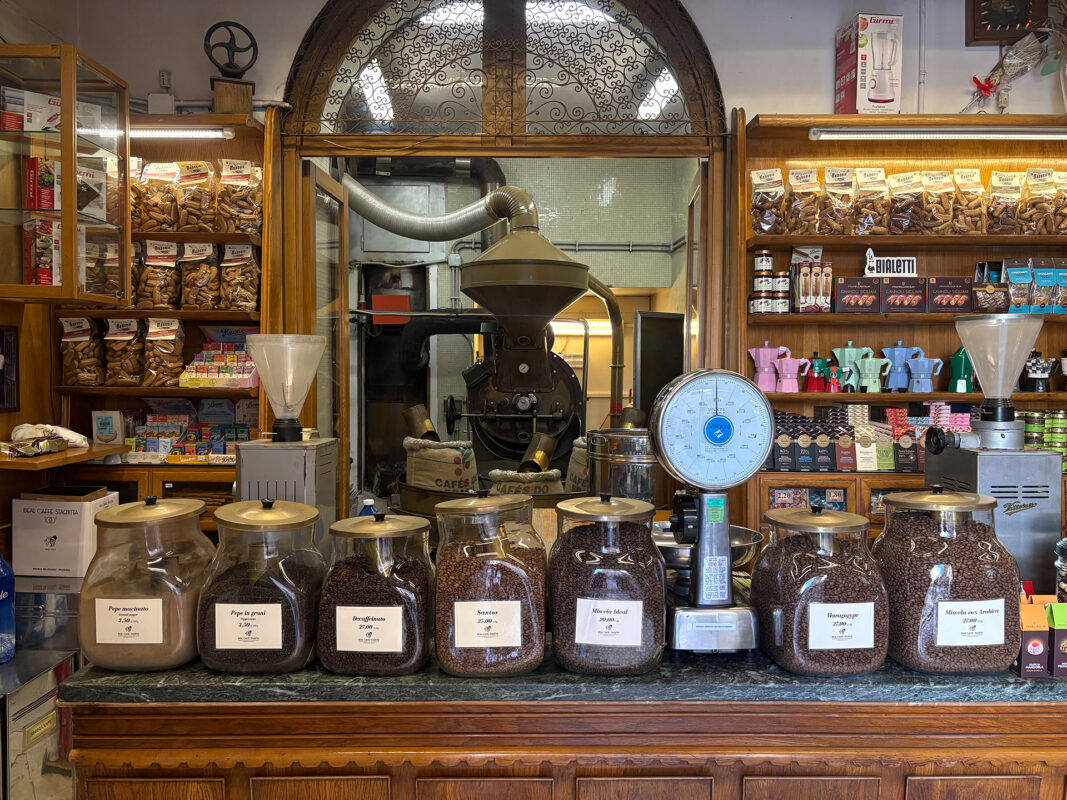
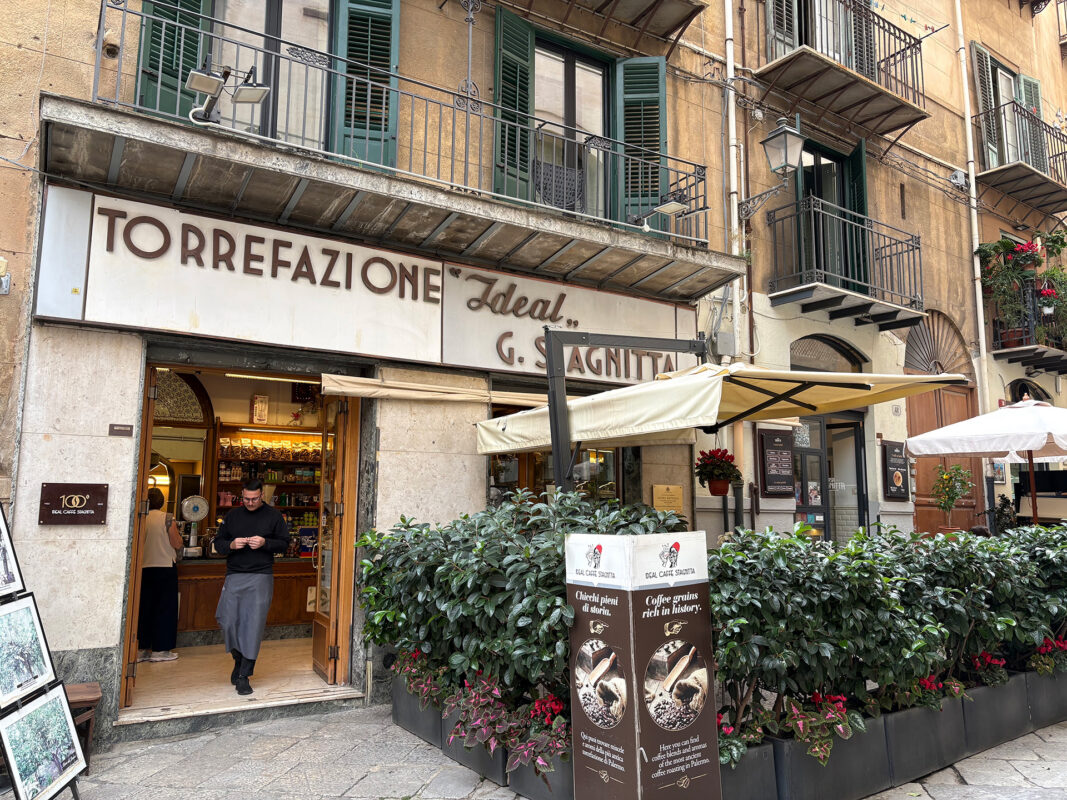
Located in the heart of Palermo’s historic quarter, Ideal Caffè Stagnitta serves as a living museum of the city’s coffee history. The shop has been in operation for over 100 years and maintains much of its original aesthetic, including a weathered 20kg brass roaster that remains the operational heart of the business.
Stagnitta’s evolution is emblematic of the broader industry’s trajectory. Historically, the shop focused on traditional Italian blends, but it has expanded its repertoire to include rare origins such as Hawaii and Nicaragua, as well as experimental processes like Colombian rum co-fermented beans. This dual approach allows the establishment to maintain its loyal base of elderly locals while attracting specialty enthusiasts. The business model is split between the retail shop, which sells beans, moka pots, and gourmet condiments, and the adjacent "Casa Stagnitta," a high-volume standing bar that serves classic espresso drinks alongside traditional Sicilian granita and brioche.
Vera Coffice: The Modern Oasis in the Business District
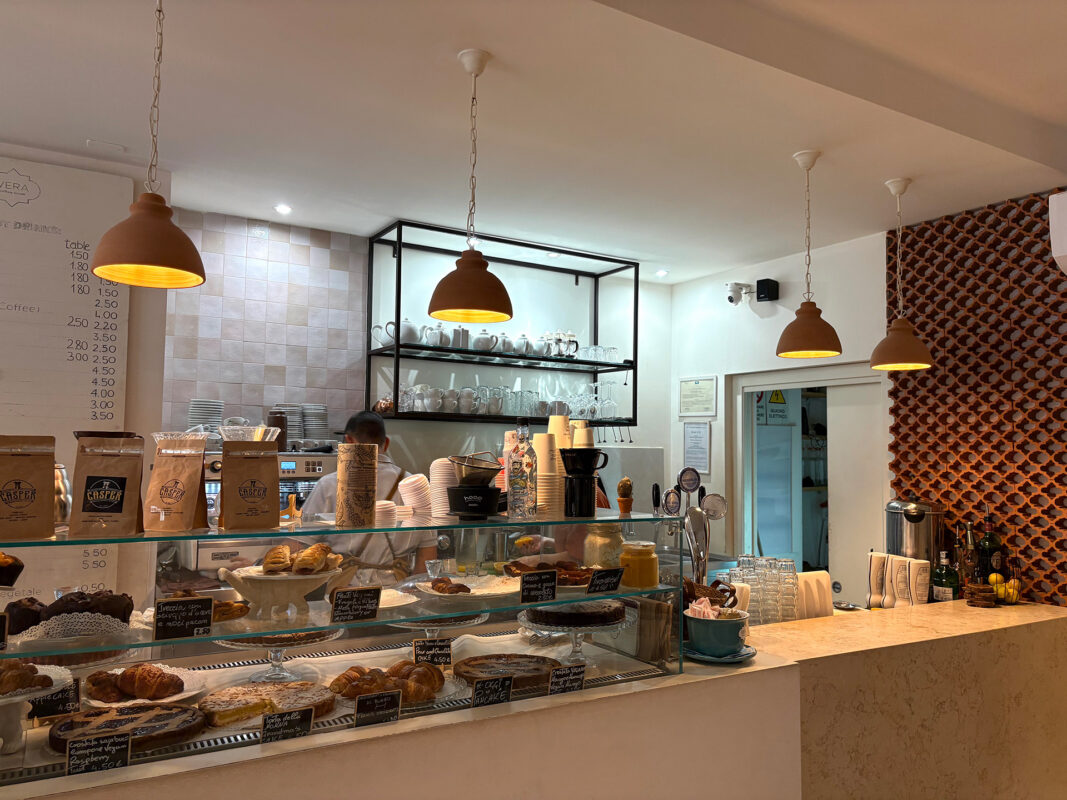
In the Politeama-Libertà district, characterized by its banks and corporate offices, Vera Coffice represents the modern, international face of Palermo’s coffee scene. Positioned on a pedestrian-only street, the cafe serves as a sanctuary for those seeking a departure from the frantic pace of the city.
Vera Coffice collaborates with local roasters like Histo Caffè and international suppliers such as Casper Specialty Coffee to offer a diverse menu. While they still provide the rapid-fire espresso service expected by local office workers, they also specialize in "off-menu" items for discerning drinkers, including lightly roasted Gesha varieties. The cafe is notable for its commitment to filter coffee, a rarity in a city where espresso is king. By offering Chemex and V60 pours, Vera Coffice caters to a specific niche of travelers and locals who prioritize the nuances of bean origin over the traditional bitterness of Italian roasts.
Bar Vabres: Culinary Excellence and Community Integration
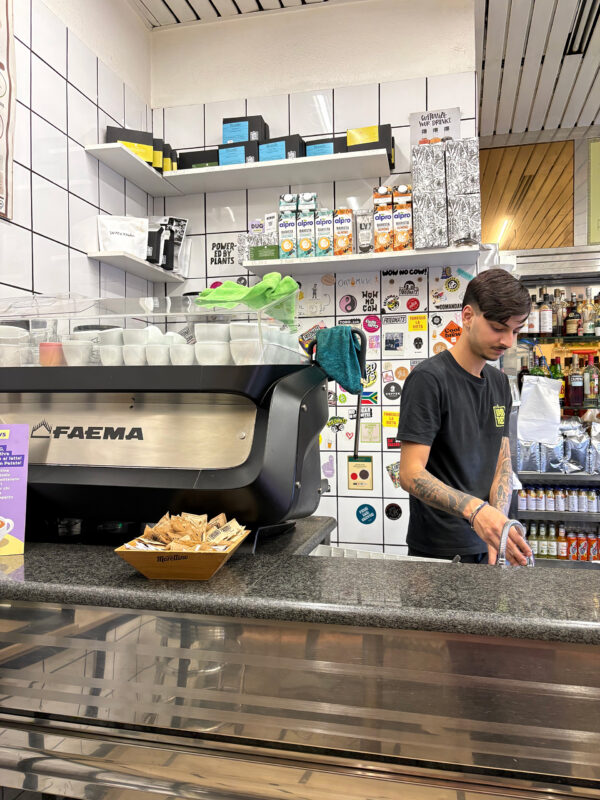
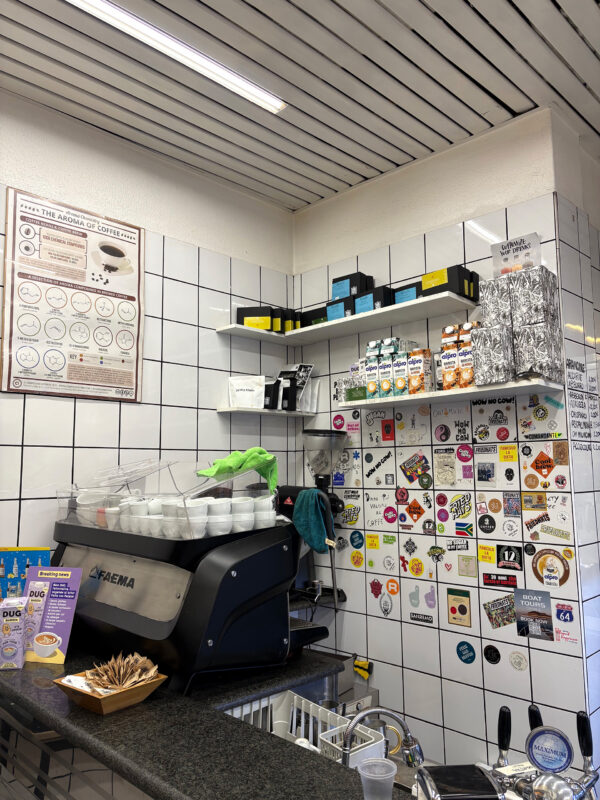
Bar Vabres, operating since 1969, demonstrates how specialty coffee can be integrated into a traditional neighborhood setting without alienating the local community. Located near the central train station, the bar is renowned equally for its artisan-baked goods—specifically its arancini—and its high-quality coffee program.
The technical setup at Bar Vabres is formidable, featuring a Mazzer Robur and a Mahlkönig EK43 grinder, tools usually reserved for high-end specialty shops in London or New York. The cafe often hosts guest roasters, such as Amsterdam’s Friedhats, introducing locals to international flavor profiles. The success of Bar Vabres lies in its ability to facilitate a "clutch waypoint" for commuters and nonnas alike, proving that specialty coffee can coexist with the gritty, authentic atmosphere of a traditional Sicilian neighborhood.
Vago Rizzuto: Catering to the Digital Nomad
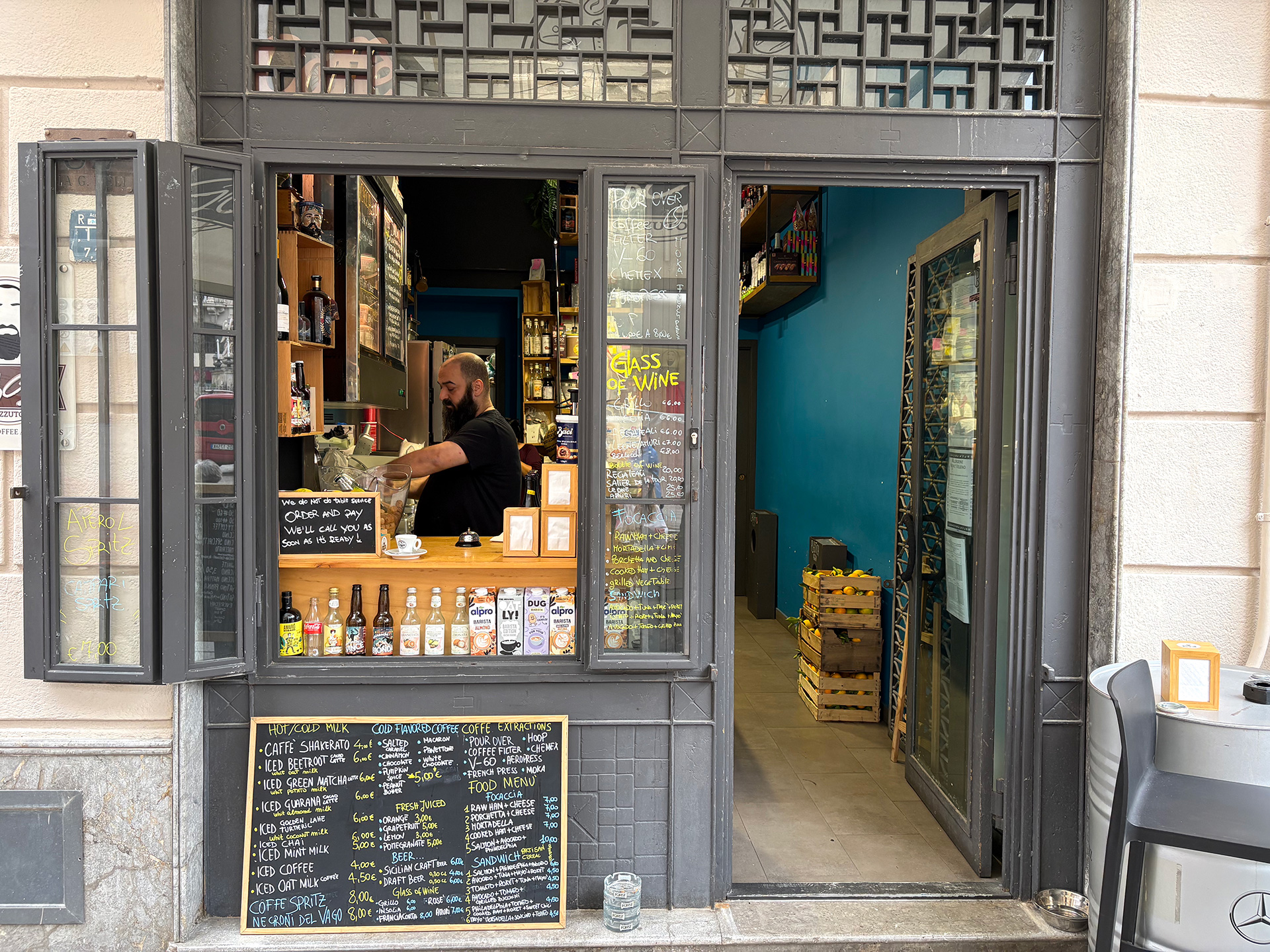
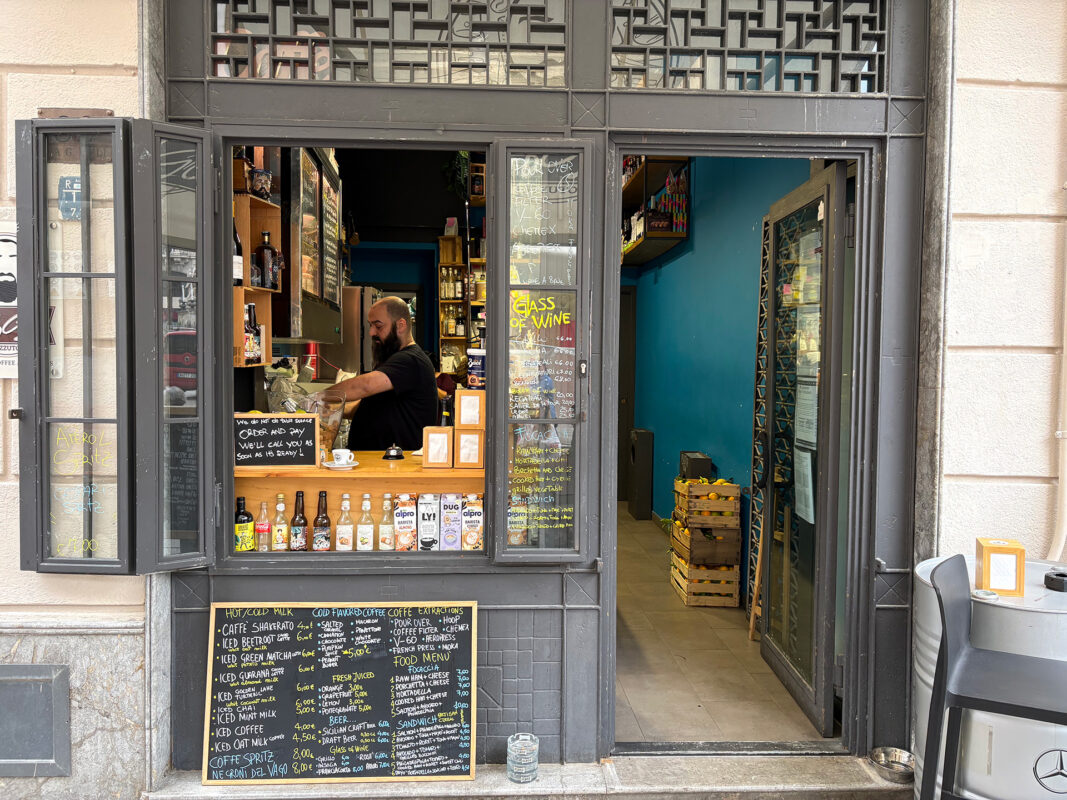
Centrally located in the Castellammare district, Vago Rizzuto is perhaps the most explicit example of a cafe designed for the international traveler. With an English-language menu and a focus on iced beverages, shakeratos, and oat milk lattes, it addresses the specific preferences of the "digital nomad" demographic.
The shop features roasts from Pier Coffee in Puglia and occasionally offers exotic varieties like Myanmar Ywagan. Despite its cramped, standing-room-only interior, Vago Rizzuto has become a hub for the city’s burgeoning international community. By offering a range of products from fresh juices to AeroPress brews, the establishment reflects the diversifying demands of a city that is no longer just a destination for history buffs, but a viable base for remote workers from across Europe and North America.
Economic Implications and Future Outlook
The rise of specialty coffee in Palermo is more than a culinary trend; it is a signifier of economic maturation. As the city continues to attract higher-spending tourists, the hospitality sector must navigate the tension between preserving cultural authenticity and adopting global standards of quality. The "specialty" designation requires a commitment to the entire supply chain, from ethical sourcing and fair pay for farmers to the technical precision of the barista.
Analysis suggests that as the local palate becomes more accustomed to these higher standards, the traditional €1 espresso price ceiling may begin to fluctuate. While this transition can be contentious in a country that views affordable coffee as a fundamental right, the success of establishments like Morettino Lab and Stagnitta suggests that there is room for a tiered market.
In conclusion, Palermo’s specialty coffee scene is a microcosm of the island’s broader evolution. By weaving international influences into the fabric of local customs—much like the Arab and Norman rulers did centuries ago—Sicily is once again demonstrating its ability to adapt and thrive. For the traveler, this means that a visit to Palermo no longer requires a compromise on coffee quality; instead, it offers a unique opportunity to witness the birth of a new Sicilian tradition, one cup at a time.