
 Ali Ikhwan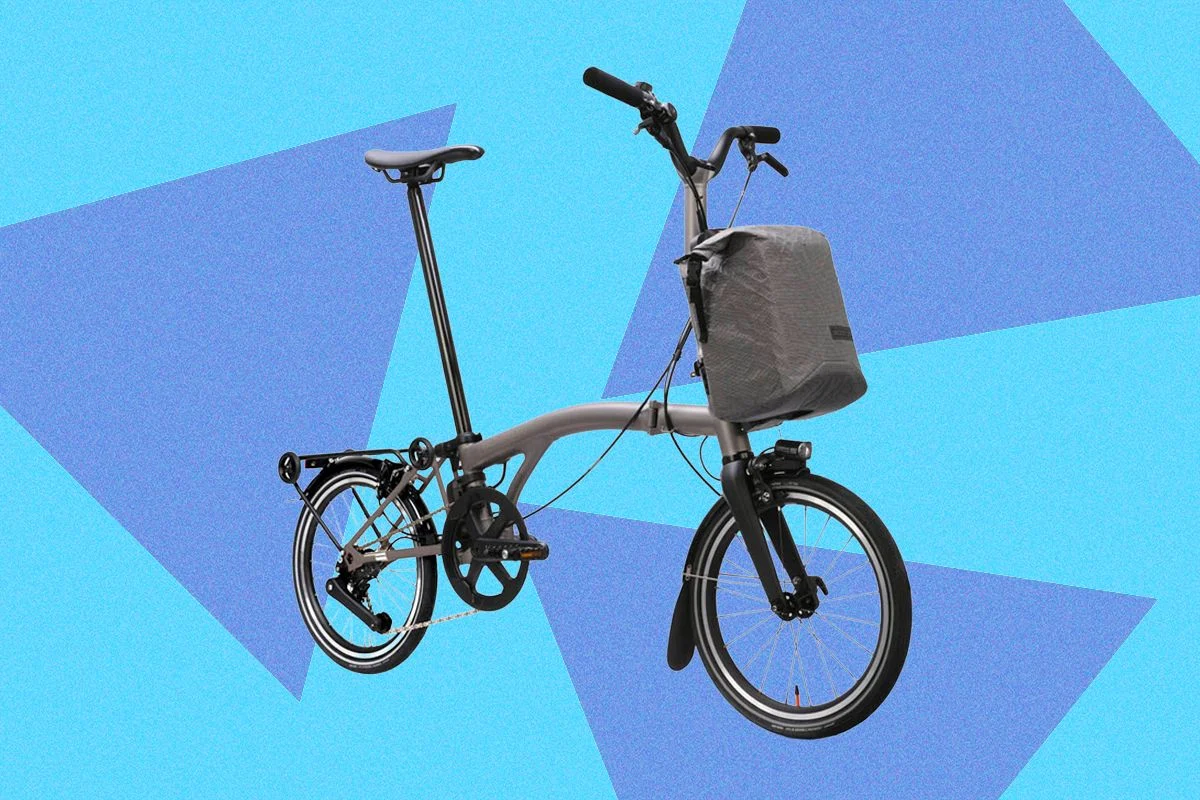
Brompton Bicycle, the British manufacturer renowned for its iconic folding bicycles, has officially introduced the Electric T Line, a titanium-framed electric bike designed to redefine the parameters of ultralight urban mobility. This new model integrates the sophisticated e-Motiq motor system, previously seen in the larger G Line, into Brompton’s most advanced lightweight chassis. While the release marks a significant milestone in engineering, the company has maintained a uniform speed specification across all markets, limiting US-based riders to the UK and European standard of 15.5 miles per hour (mph), rather than the 20 mph maximum allowed for Class 1 electric bicycles in the United States.
The Electric T Line represents the culmination of years of material science innovation and electrical engineering. By utilizing a Grade 9 titanium frame, Brompton has addressed one of the primary hurdles in the e-bike industry: the weight penalty associated with batteries and motors. The non-electric version of the T Line remains one of the lightest folding bikes in the world at approximately 17.64 pounds, and while the electric components add weight, the resulting package remains significantly more portable than traditional steel or aluminum e-bikes.
Technical Specifications of the e-Motiq Propulsion System
At the heart of the Electric T Line is the e-Motiq system, a rear-mounted motor assembly that represents a departure from Brompton’s earlier front-hub designs. The transition to a rear-mounted motor is intended to improve traction and provide a more natural "push" sensation during acceleration, as opposed to the "pull" sensation characteristic of front-hub motors.
The e-Motiq system is governed by a sophisticated suite of sensors that monitor both pedal force and cadence. This data is processed in real-time to ensure that the motor assist feels like a natural extension of the rider’s effort. According to technical documentation, the system utilizes an adaptive learning algorithm. Over the initial 62 miles (100 kilometers) of operation, the firmware analyzes the rider’s specific style—including frequency of stops, average cadence, and force application—to calibrate power delivery. This "supercharging" effect is designed to provide a smooth transition between manual pedaling and motorized assistance, particularly when navigating undulating terrain or starting from a standstill.
The Electric T Line offers three distinct levels of power assist, which can be managed via a minimalist handlebar-mounted controller. A standout feature of this interface is the "Push Assist" button. Designed for use while the rider is stationary, this function provides an immediate burst of torque to help the cyclist clear intersections or begin an ascent on a steep incline. Unlike a traditional throttle, the Push Assist requires the bike to be stationary to activate, adhering to strict pedal-assist regulations.
The Evolution of the Brompton Electric Range
The development of the Electric T Line follows a specific chronology of innovation within the London-based company. Brompton’s journey into electrification began in 2017 with the launch of the Brompton Electric (now known as the Electric C Line). That model utilized a 250W front-hub motor developed in collaboration with Williams Advanced Engineering. While successful, the front-heavy design and the use of a steel frame resulted in a bike that, while portable, was significantly heavier than its manual counterparts.
In 2024, Brompton introduced the G Line, a more rugged variant featuring 20-inch wheels and the first iteration of the e-Motiq rear-motor system. The G Line was positioned as a "multi-terrain" folding bike capable of higher speeds in the US market. The Electric T Line effectively bridges the gap between these two philosophies, taking the high-performance motor technology of the G Line and miniaturizing the overall footprint to fit the classic 16-inch wheel Brompton silhouette.
Material Engineering and Portability
The primary differentiator for the T Line series is the extensive use of titanium. While Brompton has used titanium in the rear triangles and forks of its "Superlight" (P Line) models for years, the T Line features an all-titanium main frame. This requires specialized TIG welding techniques and a dedicated production facility, which Brompton established in Sheffield, UK.
The weight reduction afforded by titanium is critical for the multi-modal commuter. During field testing in metropolitan environments like London, the Electric T Line demonstrated its utility in "last-mile" transport scenarios. The bike is light enough to be carried up multiple flights of stairs or navigated through crowded subway systems. Even with the battery pack removed—a process that takes seconds—the titanium frame remains lighter than many standard steel bicycles.

The folding mechanism remains largely unchanged from the classic Brompton design, which has been the industry standard since Andrew Ritchie’s original patents in the 1970s. However, the integration of the e-Motiq system required a subtle redesign of the rear geometry to ensure that the fold remains balanced and that the motor does not interfere with the compact dimensions required for storage in taxi trunks or restaurant cloakrooms.
Regulatory Context and Market Reception
The decision to limit the Electric T Line to 15.5 mph (25 km/h) globally has sparked discussion among industry analysts and consumers, particularly in North America. In the United States, Class 1 e-bikes are legally permitted to provide motor assistance up to 20 mph. By opting for the lower limit, Brompton maintains a single SKU (Stock Keeping Unit) for global distribution but potentially puts the T Line at a disadvantage compared to US-specific competitors.
Industry experts suggest that this decision may be rooted in safety and component longevity. The T Line’s 16-inch wheels provide exceptional agility in dense urban traffic, but smaller wheels can become less stable at higher speeds on uneven road surfaces. Furthermore, the 15.5 mph limit aligns with EN15194 standards, ensuring the bike can be sold without modification across the UK and European Union, which remain Brompton’s primary markets.
Despite the speed limitation, early feedback from the cycling community has highlighted the bike’s efficiency in stop-and-go traffic. In cities like London or New York, where average traffic speeds often hover below 12 mph, the ability to rapidly accelerate to 15.5 mph is often more valuable than a higher top-end speed that is rarely achievable between traffic signals.
Comparative Gearing Options
Brompton offers the Electric T Line in two primary configurations: a single-speed model and a four-speed variant. The single-speed version is optimized for flat urban landscapes, relying on the motor’s torque to compensate for the lack of mechanical gears. This reduces maintenance requirements and further minimizes weight.
The four-speed version, however, is expected to be the preferred choice for the international market. This configuration uses a compact derailleur system designed specifically for the folding mechanism. On larger American roads or in cities with significant elevation changes, the four gears allow the rider to maintain an efficient cadence, preventing the motor from over-heating and extending the range of the removable battery pack.
Broader Implications for Urban Mobility
The release of the Electric T Line arrives at a time when global cities are increasingly prioritizing micro-mobility as a solution to congestion and carbon emissions. The "flight to lightness" in the e-bike sector suggests a maturing market where consumers are no longer satisfied with heavy, cumbersome electric bikes that are difficult to store in small apartments or transport on public transit.
Brompton’s focus on titanium and integrated electronics positions the company in the luxury tier of the commuter market. With a price point significantly higher than mass-market e-bikes, the T Line is being marketed as a long-term investment for the professional commuter. The security aspect of the T Line cannot be overlooked; because the bike is small and light enough to be brought indoors at all times, it mitigates the high risk of theft associated with locking expensive e-bikes on public streets.
Future Outlook
As Brompton continues to iterate on the e-Motiq platform, there is potential for future software updates that could theoretically unlock higher speeds in regions where it is legally permissible. However, for the current launch, the focus remains on reliability, "natural" ride feel, and the unmatched strength-to-weight ratio of the titanium frame.
The Electric T Line stands as a testament to the viability of titanium in the high-volume e-bike market. While it remains a niche product due to its premium positioning, the technologies developed for the e-Motiq system and the T Line’s frame construction are likely to influence the broader cycling industry’s approach to lightweight electrification in the coming decade. For now, the Electric T Line serves as the flagship for Brompton’s vision of the future: a world where the transition between cycling, walking, and public transport is entirely seamless.







