Cintya Tara Annisa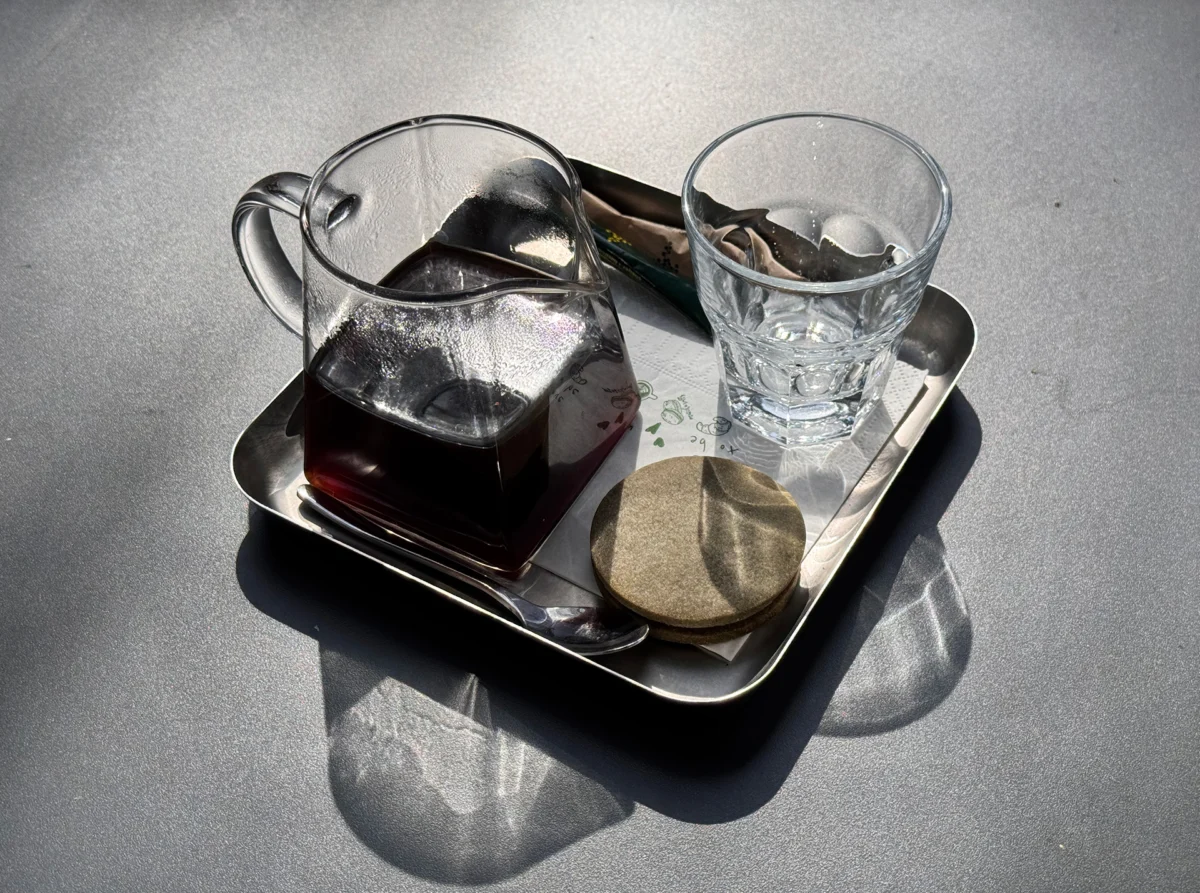
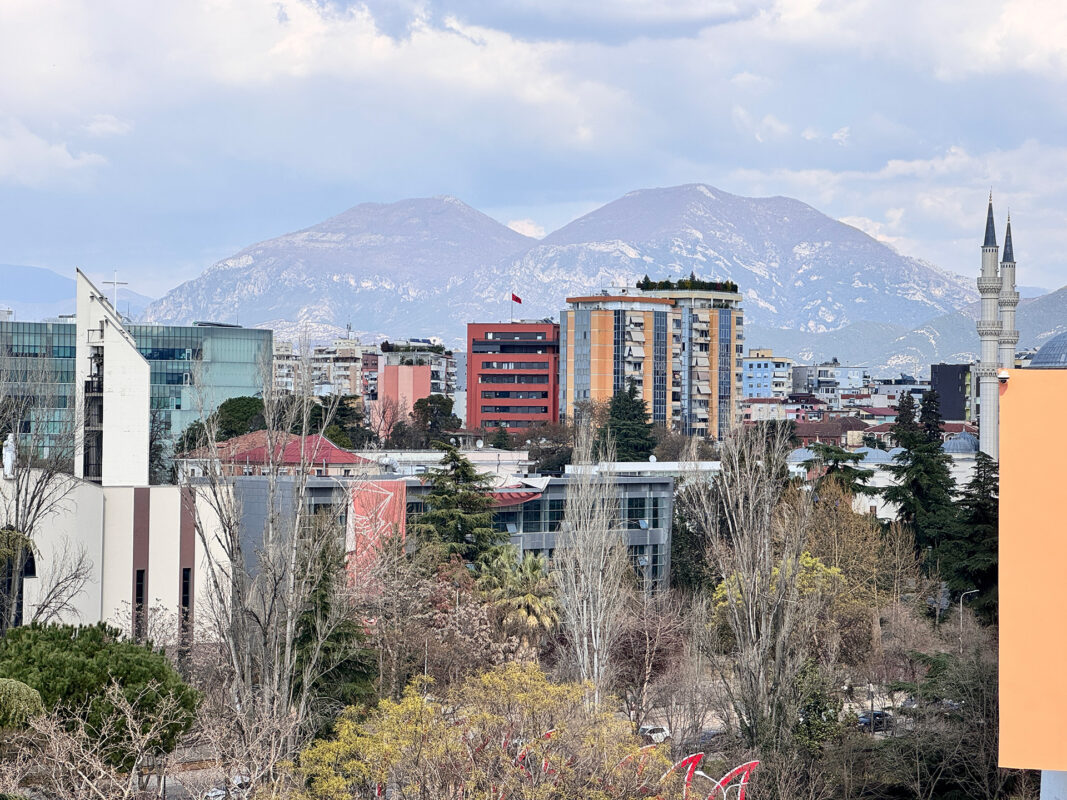
The capital city of Albania is currently undergoing a profound transformation as a burgeoning specialty coffee movement begins to take root in one of Europe’s most densely populated cafe markets. Tirana, a city historically defined by its blend of Ottoman and Italian influences, is witnessing a generational shift in its relationship with coffee. While the traditional culture of lingering for hours over a dark-roasted espresso remains the social bedrock of the nation, a new wave of entrepreneurs and baristas is introducing single-origin beans, light-roast profiles, and precision brewing techniques to a discerning public. This transition marks more than just a change in palate; it represents Tirana’s broader evolution into a modern European hub where global culinary trends intersect with local traditions.
The Cultural Landscape of Albanian Coffee Consumption
To understand the significance of the specialty wave, one must first recognize the sheer scale of coffee culture in Albania. Statistical data suggests that Albania has one of the highest numbers of coffee shops per capita in the world. According to various economic reports, the country hosts approximately 650 to 670 cafes per 100,000 inhabitants, a figure that rivals and often surpasses that of Italy. In Tirana, coffee is not merely a beverage but a central social institution. Unlike the Italian "espresso at the bar" model, where consumption is a rapid, stand-up affair, Albanian coffee culture is characterized by its intentionality and slowness.
Historically, the country’s preferences have been split between the strong, unfiltered Turkish style—a remnant of the Ottoman era—and the dark, bitter espresso favored by its Italian neighbors across the Adriatic. For older generations, the morning ritual often involves a dark espresso "chased" by a small glass of raki, a potent grape-based brandy. However, as the city’s demographics shift toward a younger, more globally connected population, the demand for "Third Wave" coffee—which emphasizes the traceability of beans and the nuance of the roasting process—has seen a marked increase.
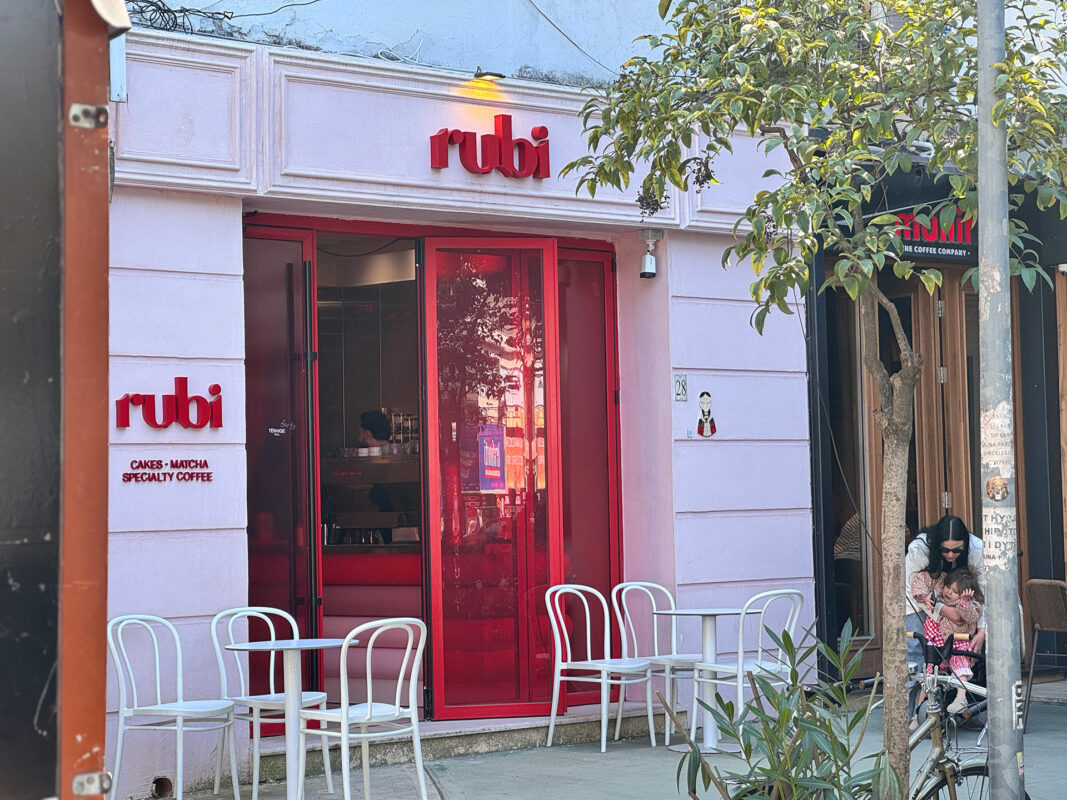
Chronology of the Specialty Movement in Tirana
The path toward a specialty coffee ecosystem in Tirana has been one of both ambition and resilience. The movement’s early days were marked by the opening of Antigua Cafe, which served as the city’s first dedicated specialty outlet. Despite its pioneering role, the establishment faced the significant challenge of educating a market accustomed to low-cost, dark-roasted blends. Antigua Cafe ultimately closed its doors in September 2025, an event that many feared might signal a setback for the niche market.
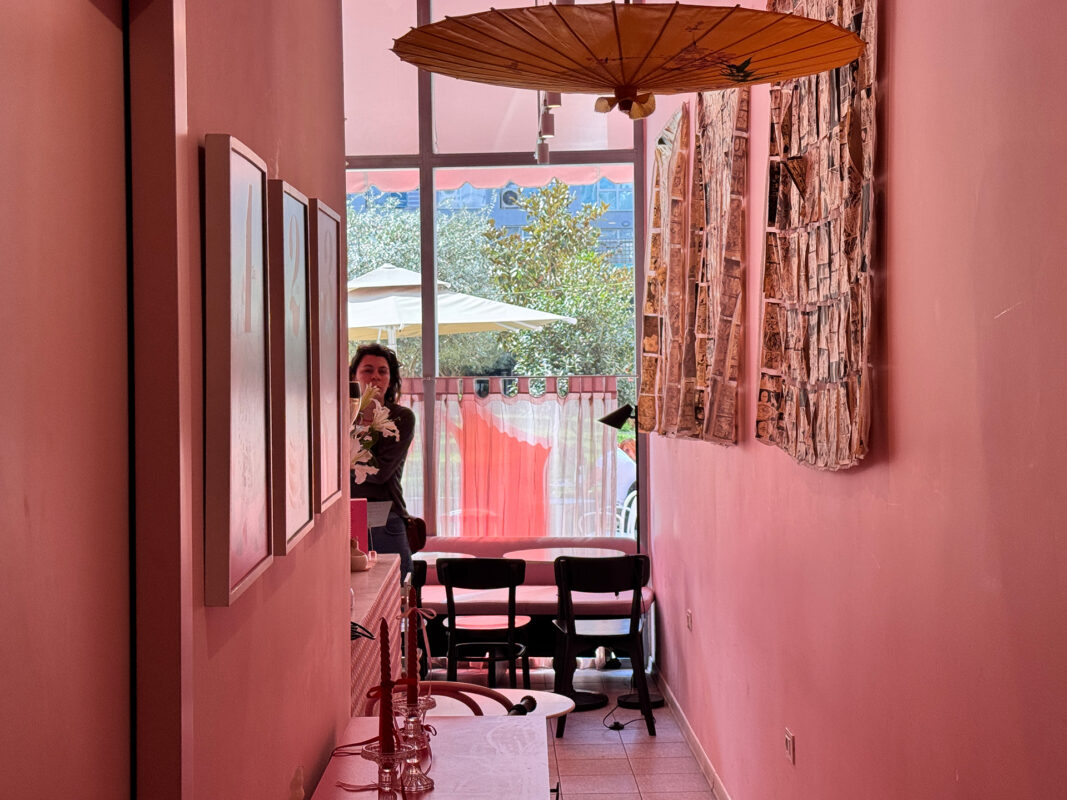
However, the closure of Antigua did not result in a vacuum. Instead, it served as a catalyst for a second, more robust wave of openings throughout late 2025 and into 2026. This period saw the rise of several key players who successfully integrated specialty coffee into the city’s most vibrant districts, particularly in Blloku and the emerging residential squares. The current landscape is defined by a collaborative spirit among baristas who are no longer just selling a product, but are actively cultivating a community of enthusiasts through coffee crawls and public cuppings.
Rubi Cakes and Specialty Coffee: The Vanguard of Blloku
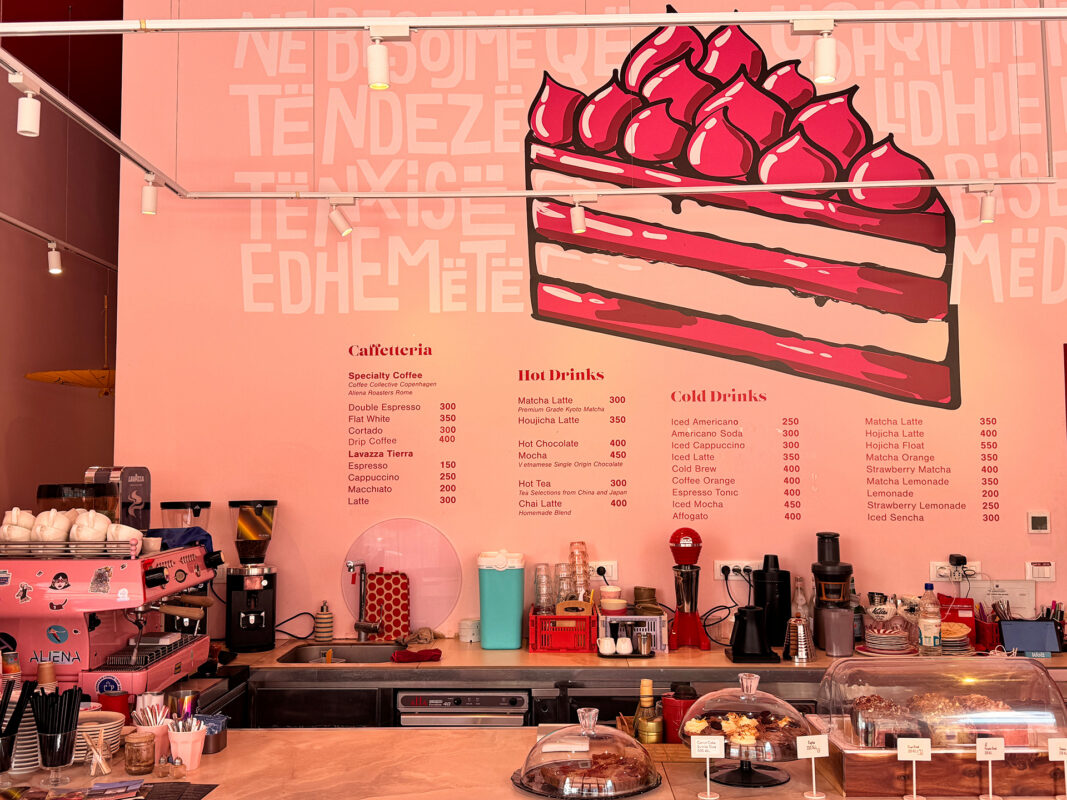
The Blloku district, once a restricted area reserved for the high-ranking officials of the communist regime, has reinvented itself as the epicenter of Tirana’s nightlife and culinary innovation. It is here that Rubi Cakes & Specialty Coffee established its first location, a compact space that prioritizes quality over square footage. Kevin Imami, a head barista and shareholder at Rubi, has become a central figure in the local scene. Imami’s approach involves a rigorous selection process, sourcing beans from world-renowned roasters such as Denmark’s Coffee Collective and Rome’s Aliena.
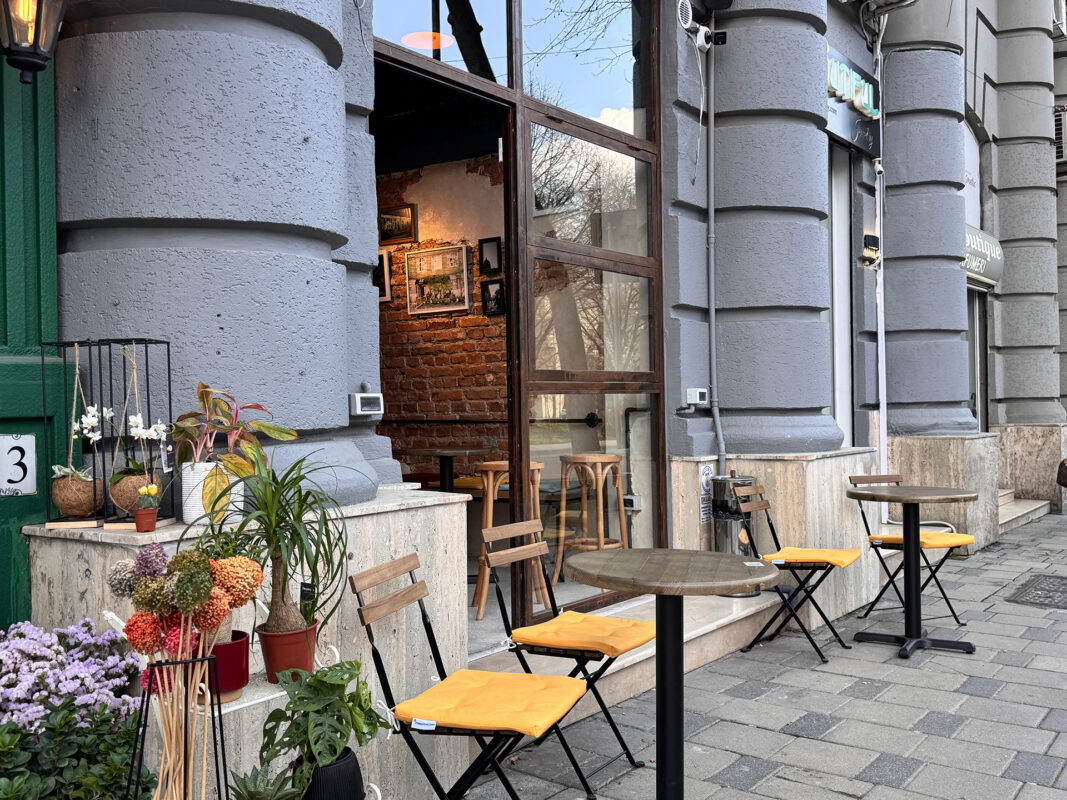
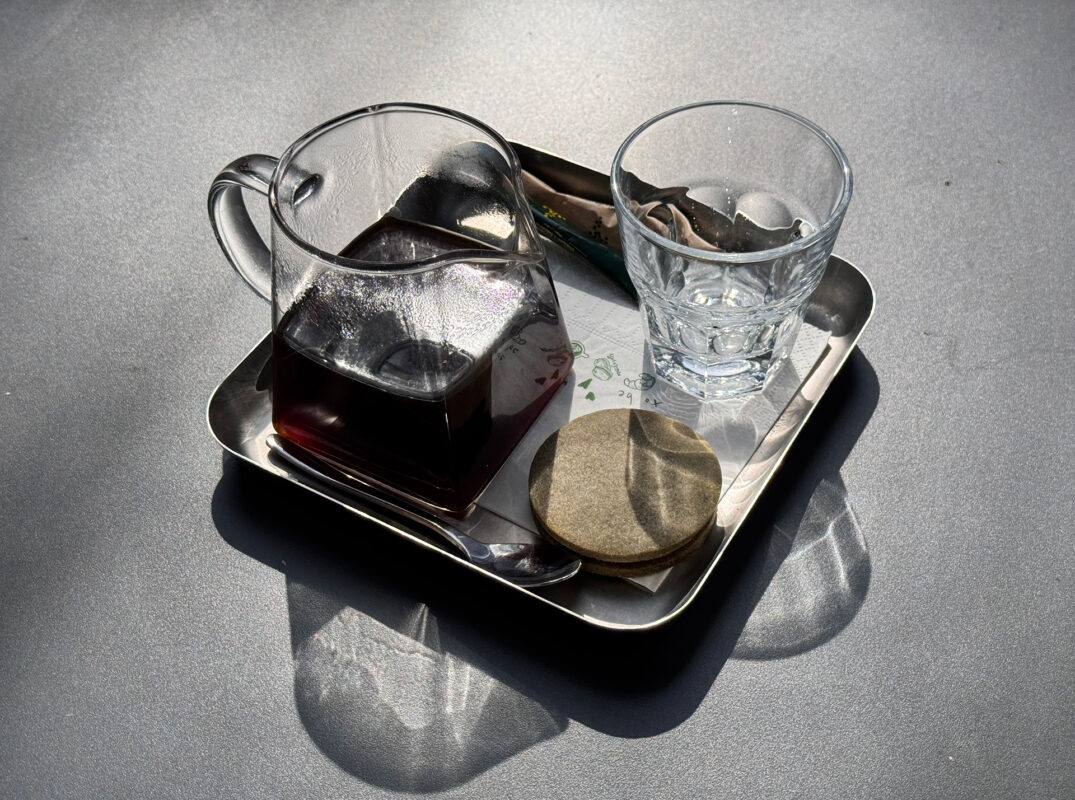
Rubi’s expansion into a second location in the Kommuna square reflects the growing commercial viability of specialty coffee. This new branch utilizes high-precision equipment, including the pink La Marzocco Linea PB and Felicita scales, to ensure consistency in every extraction. The menu features a rotating selection of pour-overs, including washed Ethiopians and anaerobic Colombians like the El Vergel. Imami has noted that while introducing lighter roasts to a population raised on Italian espresso is challenging, the younger demographic is increasingly drawn to the sweetness and acidity found in specialty-grade beans.
Frut’za: From Fruit Distribution to Coffee Excellence
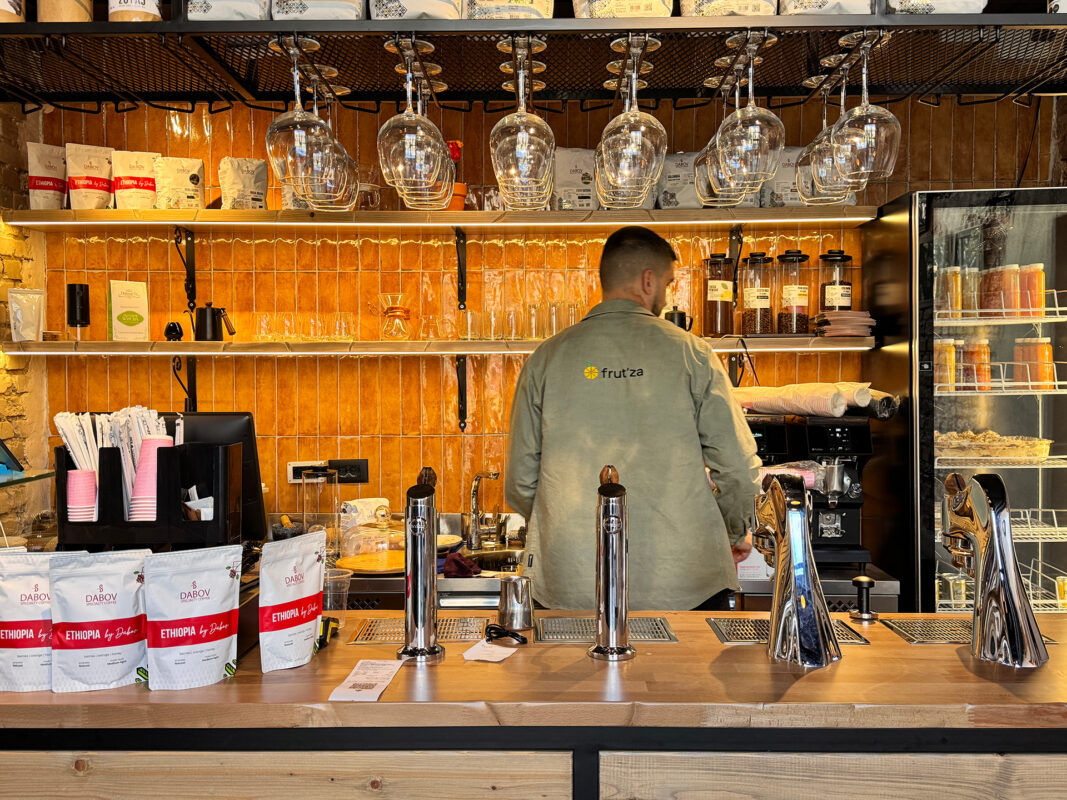
Another significant contributor to the city’s evolving palate is Frut’za. Originally founded as a fruit-delivery company, the brand successfully pivoted into the specialty coffee sector, leveraging its existing logistics and brand recognition. Frut’za now operates multiple locations, including a specialized "Vogël" (small) lab along the Lana River. This location serves as a dedicated space for coffee experimentation, moving away from the extensive food menus of their larger Blloku and Kommuna branches.
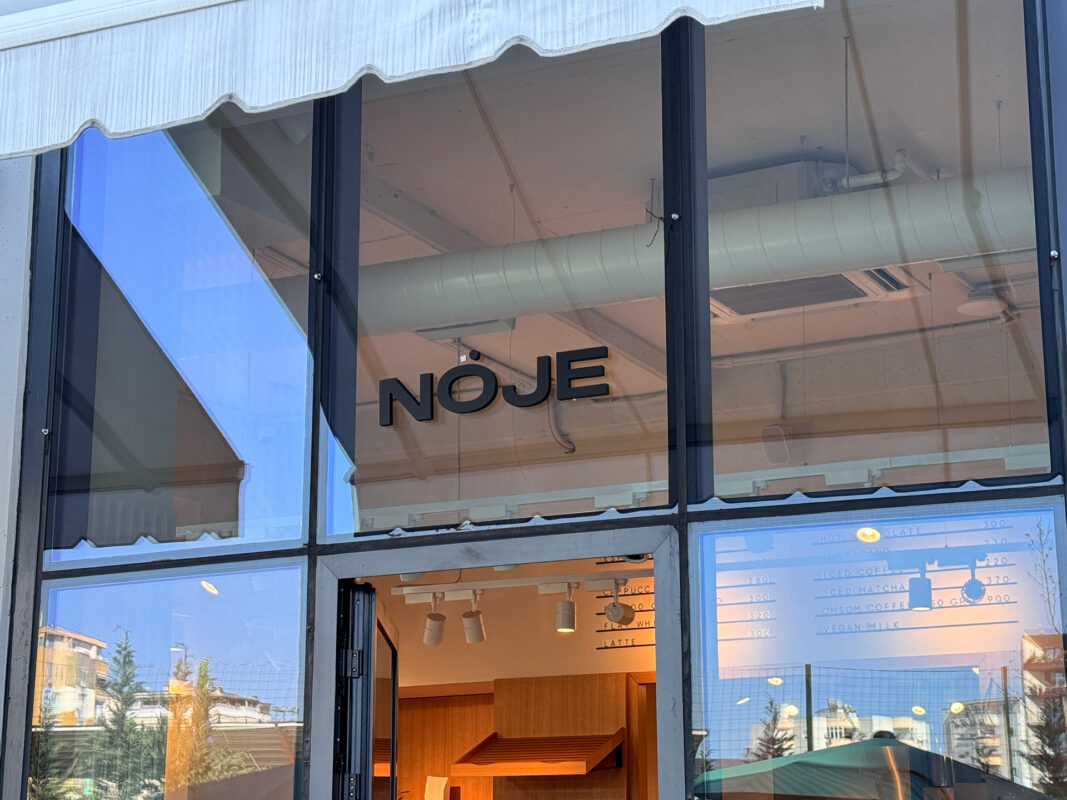
Frut’za sources its coffee from the Bulgarian roaster Dabov, led by Jordan Dabov, a respected juror for the Cup of Excellence. By bringing high-scoring specialty beans to Tirana, Frut’za has helped normalize the presence of complex flavor profiles, such as fruity Ethiopian pour-overs and high-quality Colombian decaf. Their success demonstrates the market’s willingness to support local brands that transition into higher-tier artisanal offerings.
Nöje and the Scandinavian Influence
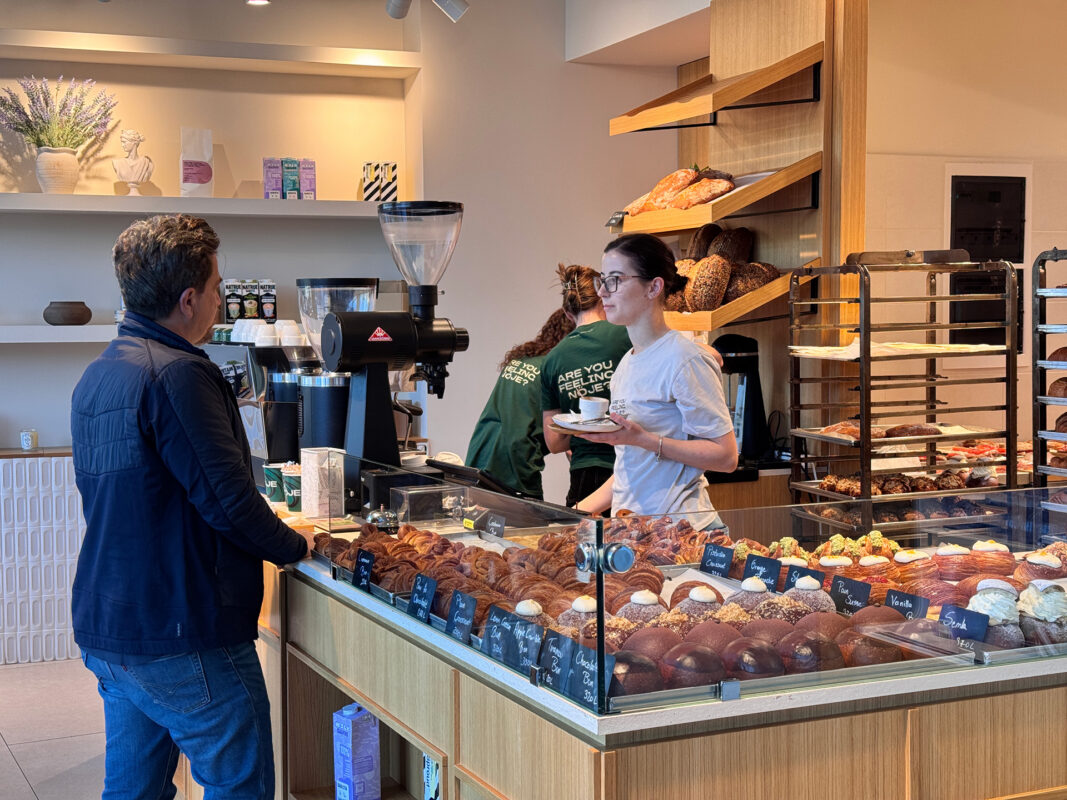
The year 2025 also saw the arrival of Nöje, a cafe and bakery that draws heavy inspiration from the minimalist aesthetics and culinary standards of Copenhagen. Located in a large residential area, Nöje has become a destination for the Saturday morning crowd, blending the "Scandinavian bakery craze" with a sophisticated coffee program. The establishment serves Omsom Coffee Roasters from Athens, a choice that aligns with their minimalist philosophy.
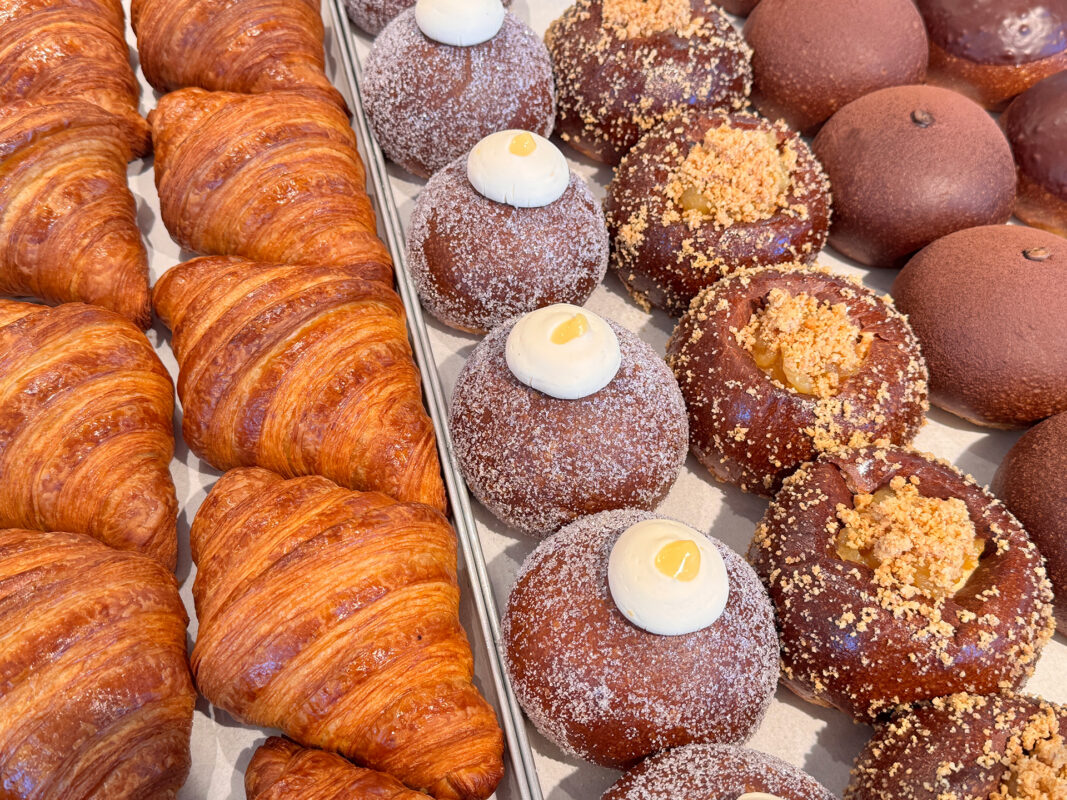
Nöje’s impact on the local scene is twofold: it introduces high-end pastry culture—such as buttery, layered croissants—while pairing them with floral Ethiopian filter coffees. The use of outdoor seating and deckchairs creates a communal atmosphere that bridges the gap between the traditional slow-paced Albanian social life and the modern specialty cafe experience.
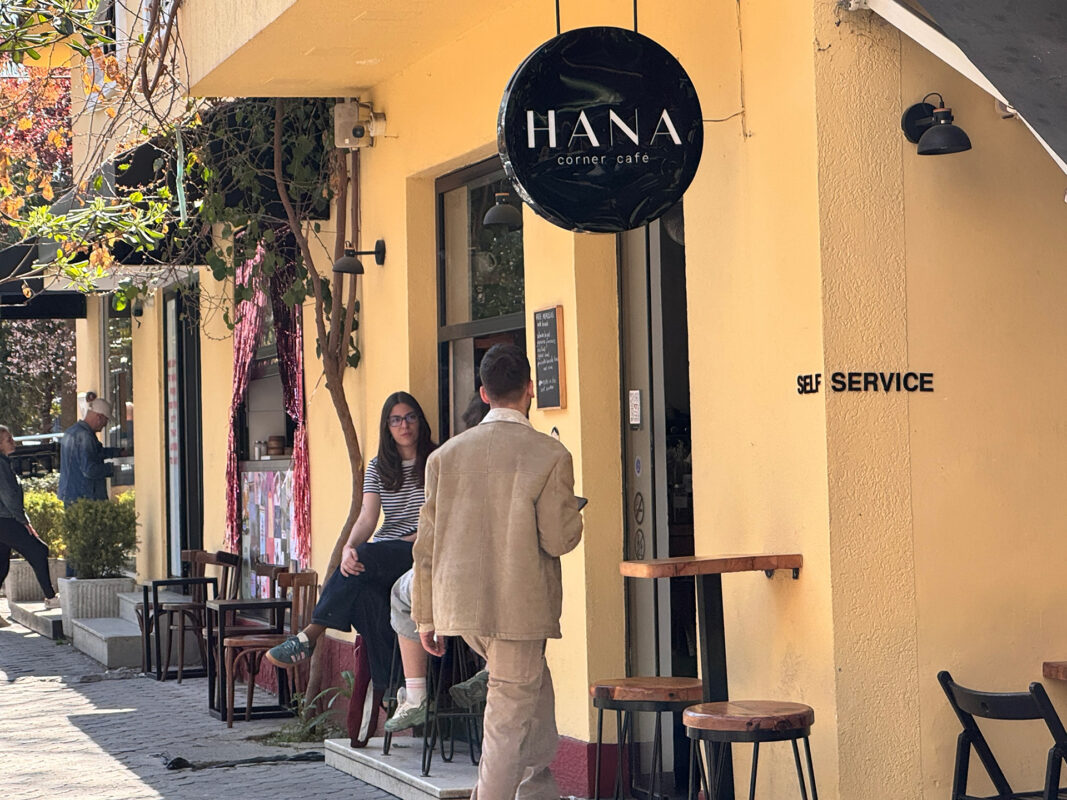
Hana Corner Cafe and Mimoza n’Qoshe: Diversifying the Market
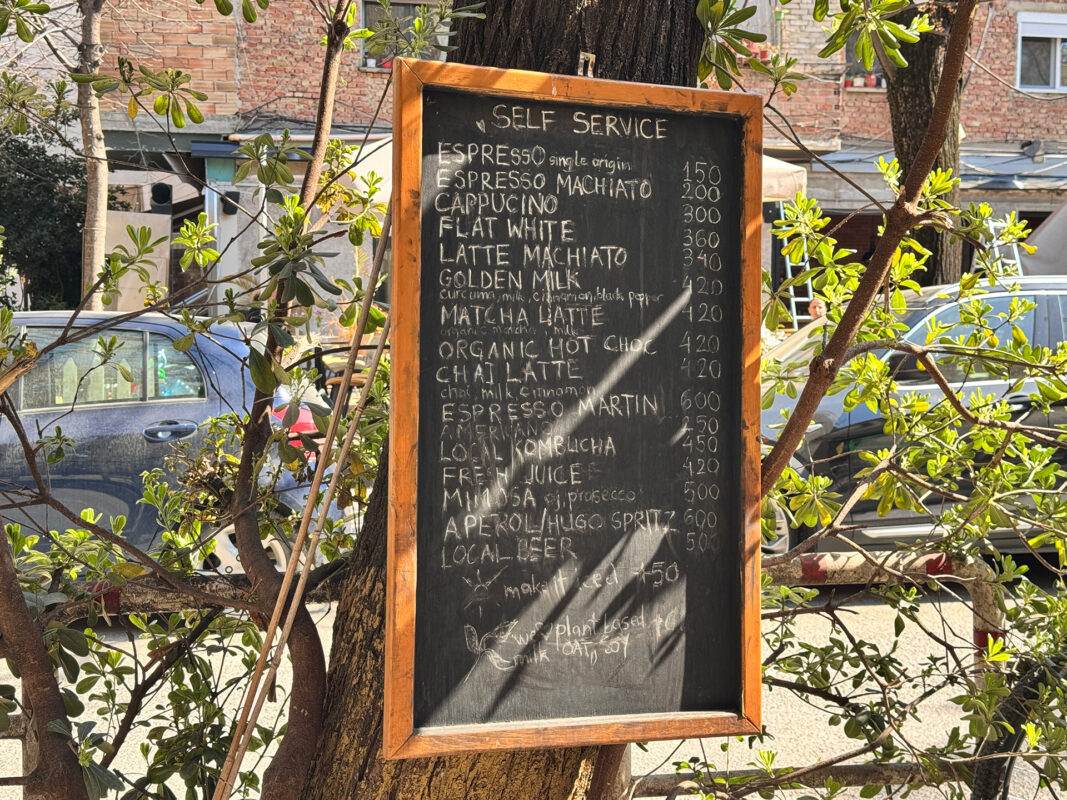
The specialty movement in Tirana is not limited to large-scale operations. Smaller, more specialized windows like Hana Corner Cafe in Blloku play a vital role in making specialty coffee accessible to those on the move. Hana caters to a broad audience by offering everything from flat whites and matcha to juices and alcohol, effectively acting as a gateway for consumers who may not yet be ready for a pure single-origin filter experience.
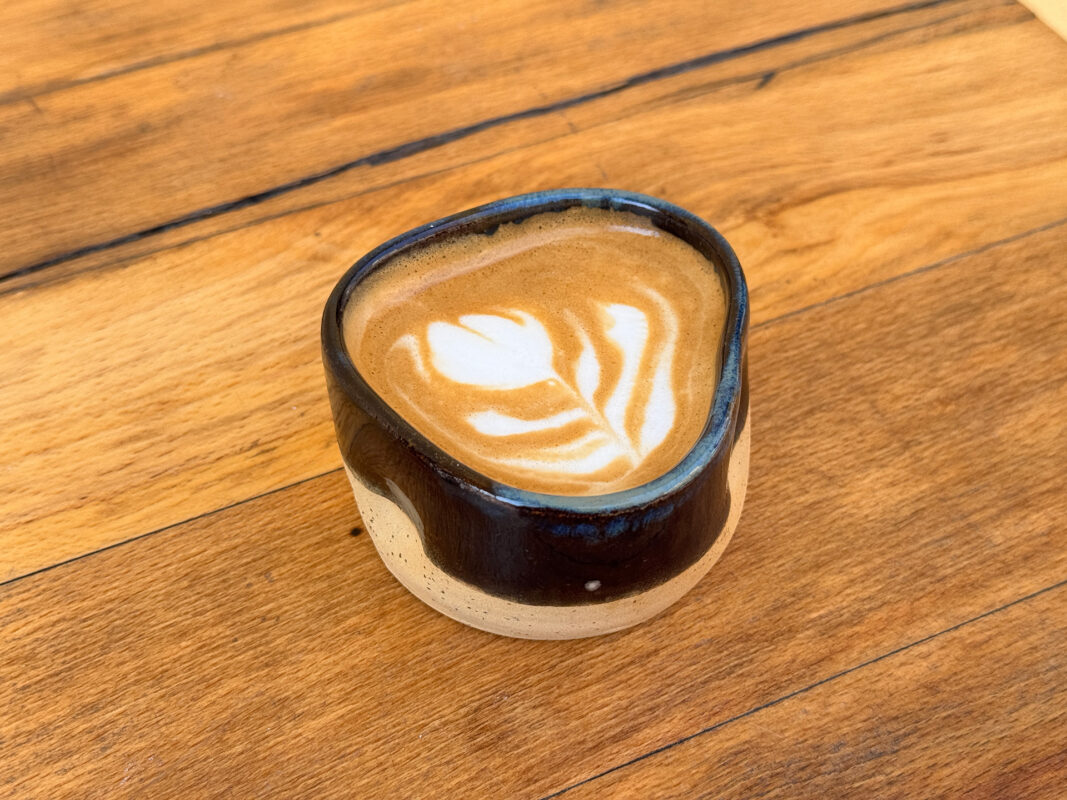
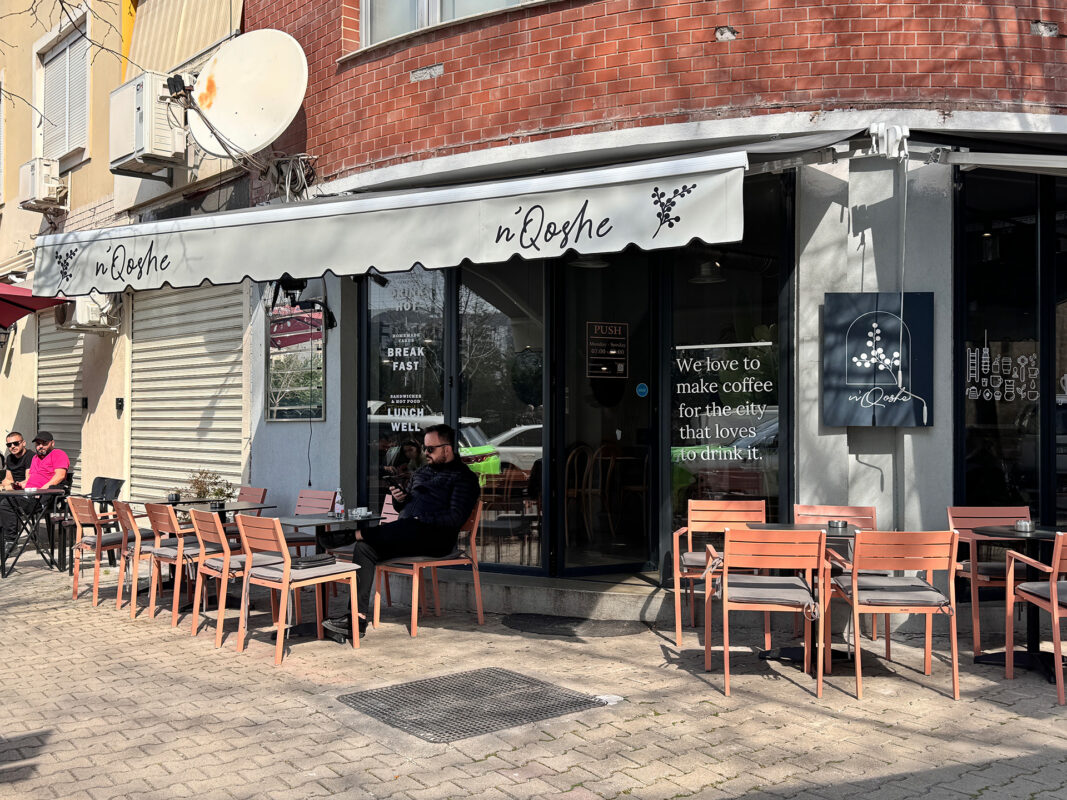
Conversely, Mimoza n’Qoshe, located near Nöje, represents the "hidden" side of the city’s coffee wealth. Sourcing from Nowhere Future Coffee Roasters in Milan, Mimoza is managed by a staff deeply passionate about the technicalities of coffee processing. The cafe has become a hub for discussions on the merits of washed versus natural processes and the growing trend of anaerobic fermentation. Their offering of Edinson Argote’s Orange Bourbon from Huila, Colombia, provides a vivid example of the stonefruit and tropical notes that are now available in a city once dominated by charcoal-like roasts.
Supporting Data and Market Analysis
The growth of specialty coffee in Tirana is supported by several economic and social indicators. Data from urban development projects in Tirana shows a significant increase in the revitalization of the "Blloku" and "Kommuna" areas, with property values rising alongside the density of high-end service establishments. Furthermore, tourism in Albania has seen record-breaking numbers in the mid-2020s, bringing in an international clientele that expects the same "Third Wave" standards found in London, Berlin, or New York.
A brief analysis of the implications suggests that:
- Economic Diversification: The shift toward specialty coffee encourages the growth of a skilled workforce. Baristas are now seeking international certifications (such as those from the SCA), elevating the service industry’s professional status.
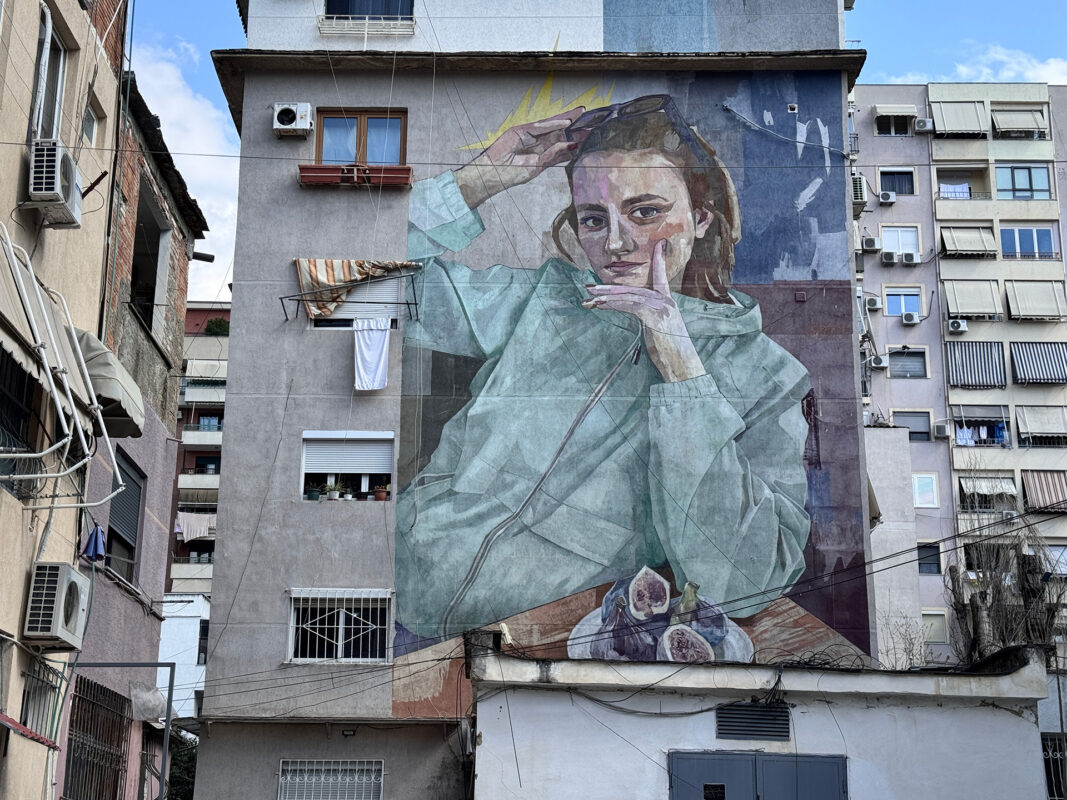
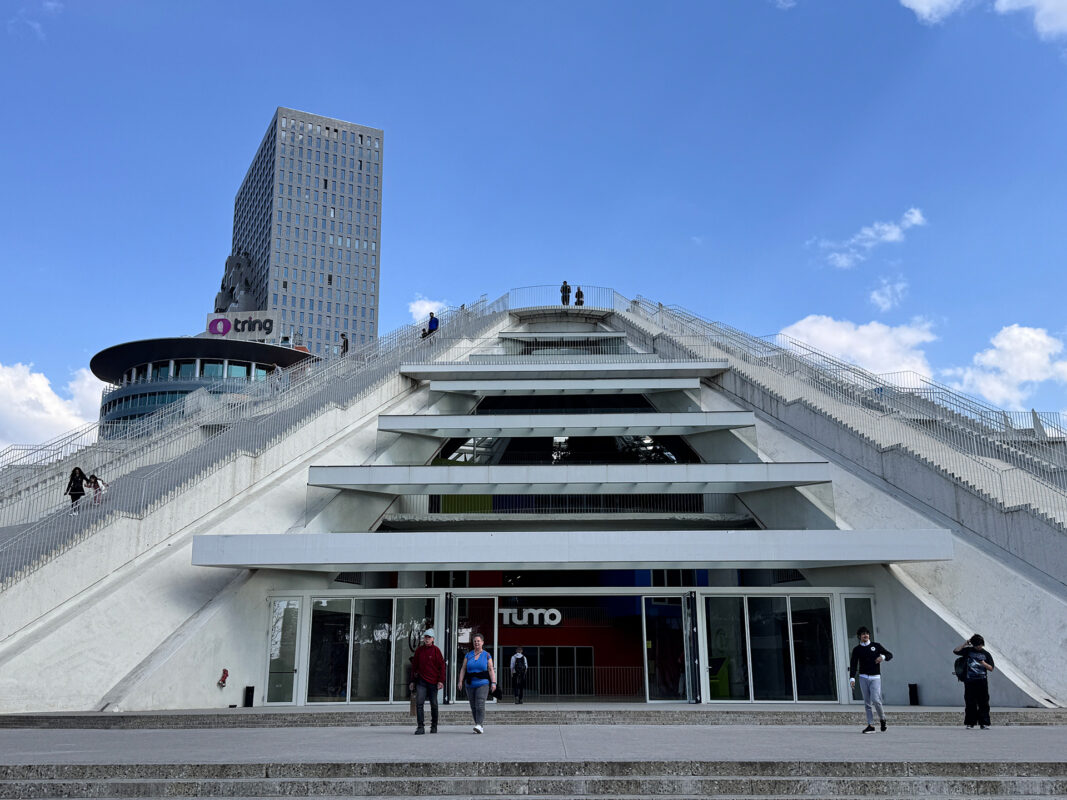
- Urban Identity: The repurposing of communist-era aesthetics—such as the murals on concrete housing blocks and the transformation of surveillance buildings into museums—complements the "modern-functional" aesthetic of specialty cafes. This creates a unique "Tirana Style" that blends grit with refinement.
- Supply Chain Evolution: As demand grows, local entrepreneurs are increasingly looking toward direct-trade models, which could eventually lead to the establishment of Tirana-based roasteries, further reducing the reliance on imported roasted beans from Italy or Greece.
Broader Impact and Future Outlook
Tirana’s coffee scene is in a state of rapid maturation. While the city may not yet boast the elaborate "Gesha flights" found in established hubs like Tokyo or Melbourne, the foundation is being laid by passionate individuals who are testing the waters with precision and care. The "emerging" status of the scene is perhaps its most exciting attribute; it offers a glimpse into a city that is reclaiming its identity and defining its future through the lens of global quality standards.
The broader impact of this movement extends beyond the cup. It signifies a shift in the "brain drain" trend, as young Albanians like Kevin Imami choose to return or stay in Tirana to build businesses that reflect their international experiences. As the slogan on the window of Mimoza n’Qoshe states: “We love to make coffee for the city that loves to drink it.” For Tirana, a city that has always loved coffee, the specialty wave is not a replacement for tradition, but a sophisticated evolution of it. The coming years will likely see Tirana emerge as a primary destination for coffee tourism in the Balkans, marking a new chapter in the city’s storied relationship with the bean.