
 Indra Kusuma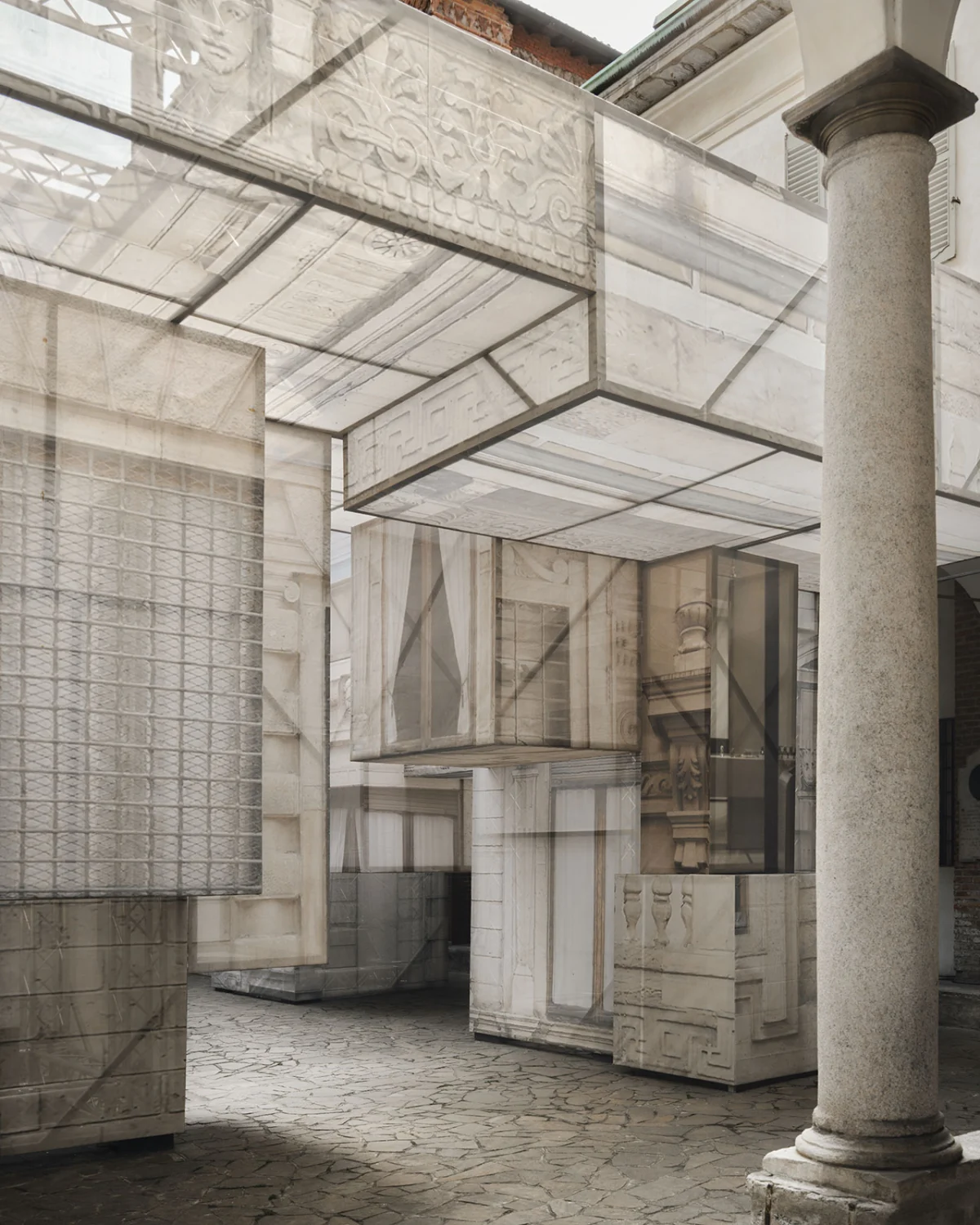
The Australian skincare brand Aesop, renowned globally for its meticulous approach to product formulation and distinctive retail environments, has made a significant foray into the realm of home design with the launch of its Aposē luminaire. Debuting at the prestigious Milan Design Week, Salone del Mobile, this limited-edition table lamp embodies the brand’s enduring commitment to minimalist aesthetics, tactile materiality, and artisanal craftsmanship, extending its signature visual identity from personal care to the broader domestic sphere. The introduction of Aposē represents a considered evolution for Aesop, signaling a strategic embrace of a holistic lifestyle brand identity that resonates deeply with its existing consumer base.
The Aposē Luminaire: A Study in Refined Illumination
The Aposē luminaire is not merely a lighting fixture; it is a meticulously crafted object that directly translates Aesop’s core principles into a new product category. Drawing inspiration from the utilitarian aluminum tubes historically used in the testing and production phases of Aesop’s renowned formulations, the lamp’s design is both conceptually rich and aesthetically restrained. Each of the 500 limited-run pieces emanates a soft, warm yellowish-brown glow, diffused through a frosted glass crown. This crown is expertly blown in the revered Murano style, a testament to centuries of Venetian glassmaking tradition, renowned for its unparalleled quality and intricate artistry. The formal and refractive qualities of the glass evoke a subtle familiarity, intentionally reminiscent of the elegant, amber-hued glass bottles that house Aesop’s popular hand soaps and other liquid formulations. This deliberate design choice creates a seamless aesthetic continuity, allowing the luminaire to feel intrinsically part of the Aesop universe. The lamp’s brass plinth, a foundational element, is hand-forged in Germany, underscoring a dedication to precision engineering and traditional metalwork, further elevating the product’s perceived value and longevity.
Aesop’s Enduring Design Philosophy: A Foundation for Expansion
Aesop’s visual identity has long been characterized by a certain clarity and intellectual rigor. Since its inception, the brand has cultivated an aesthetic that balances warmth with minimalism, and functionality with a subtle lustrousness. This philosophy is most vividly expressed in its global network of boutiques, each a unique architectural statement designed by luminaries in the field. Collaborators such as Snøhetta, known for their innovative and context-sensitive architecture; Sabine Marcelis, celebrated for her mastery of material and light; and Jo Nagasaka, whose work often explores experimental approaches to space and structure, have all contributed to crafting Aesop’s distinctive retail experiences.

These stores consistently feature a palette of sober yet enticing earth tones, often juxtaposed with carefully deployed reflective metals, natural wood, and raw concrete. The intent is not merely to display products but to create immersive, sensory environments that invite contemplation and connection. This established design language is crucial to understanding the Aposē luminaire. The lamp’s inherent qualities – its earthy light, sophisticated material combination, and refined craftsmanship – are direct echoes of the brand’s architectural and product design principles. By extending this aesthetic into home lighting, Aesop reinforces its position as a purveyor of considered design that enhances daily rituals and elevates living spaces. This move aligns with a broader industry trend where luxury brands increasingly seek to offer a holistic lifestyle proposition, transcending their original product categories to offer a more comprehensive brand experience.
The "Factory of Light" Installation: A Milan Design Week Spectacle
The unveiling of the Aposē luminaire was a central highlight of this year’s Milan Design Week, an event globally recognized as the foremost platform for innovation and trends in furniture and design. For its exhibition, dubbed "Factory of Light," Aesop once again partnered with long-time collaborator Rodney Eggleston, founder of the Sydney architecture firm March Studio. Eggleston, whose firm has previously designed several iconic Aesop stores, conceived an installation that was both an artistic statement and a profound exploration of light, material, and history.

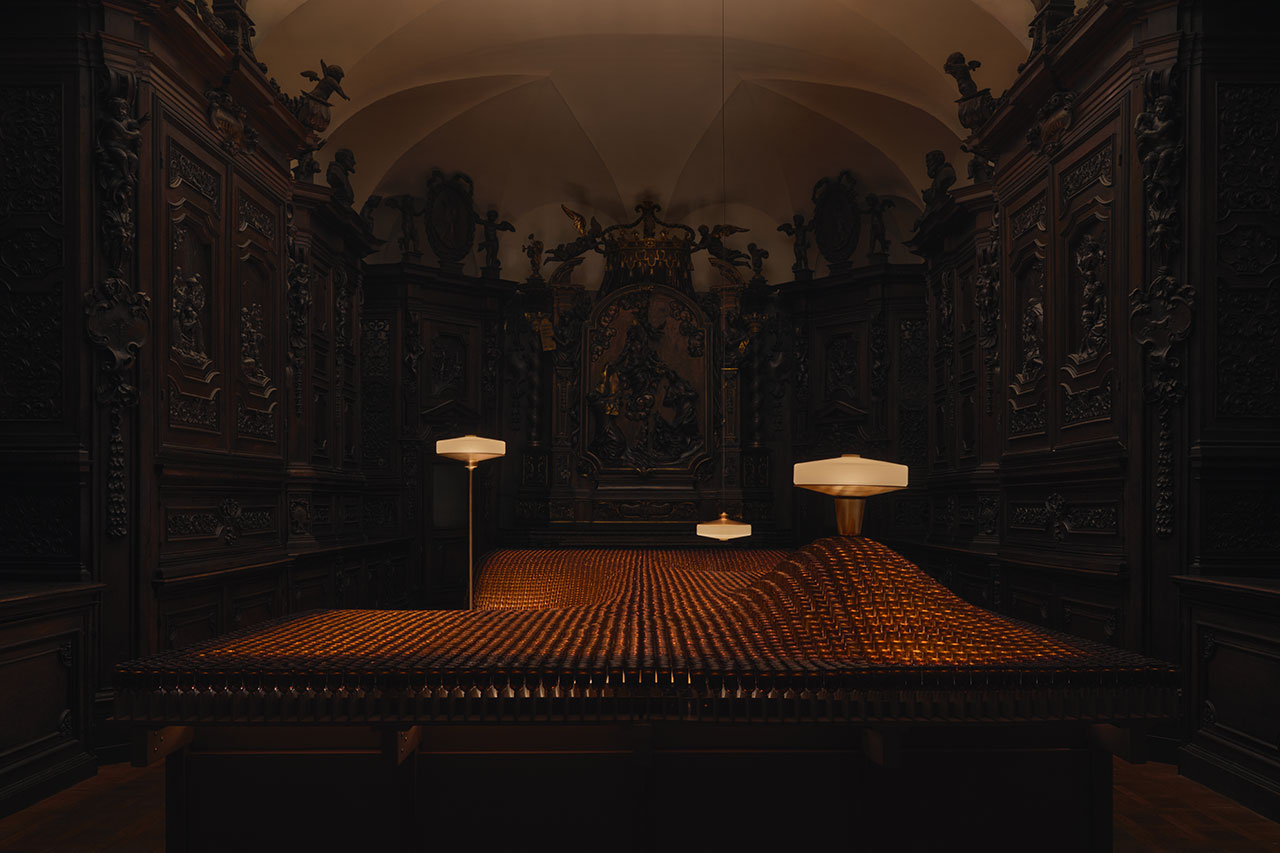
The chosen venue, the 15th-century Baroque-style Santa Maria del Carmine church, provided a dramatic and intellectually stimulating backdrop. The juxtaposition of the ancient, ornate architecture of the church with the stark, contemporary design of the Aposē lamps created a powerful dialogue between past and present, tradition and innovation. Within the dimly lit, intricately carved interiors of the church, Eggleston positioned one-off variants of the Aposē design upon an undulating landscape. This landscape was meticulously constructed from thousands of repurposed 50ml fragrance vials, anchored precisely to form a shimmering, textured field.
The three Aposē fixtures, presented in varying heights, rose majestically above this glistening terrain. As the sole source of illumination within the installation, their soft, warm light diffused downward, interacting with and reflecting off the myriad glass vials below. This interaction transformed the vials into mediators of light, as Eggleston himself articulated: "The bottles act as mediators between the lamps and the space." This clever use of recycled materials not only added a layer of visual complexity but also subtly underscored a commitment to sustainability and the transformative potential of discarded objects. The installation invited visitors to experience light not just as illumination, but as a dynamic, interactive element that reshaped perception within a hallowed space.

Beyond the main interior display, the exhibition extended into the church’s courtyard. Here, a temporary scaffolding structure enveloped the space, adorned with printed trompe l’oeil tarpaulins. This artistic intervention celebrated a long-standing European practice of covering construction scaffolding with replicated images of the new or restored facades beneath. It offered a symbolic bridge between the temporary nature of the exhibition and the enduring architectural heritage of Milan, inviting passersby to engage with the art of illusion and anticipation. This external element served as a preamble to the interior experience, setting a tone of thoughtful engagement and architectural appreciation.
The Art of Craftsmanship: A Deep Dive into Production
A core tenet of Aesop’s philosophy, whether in skincare or design, is an unwavering dedication to meticulous craftsmanship. The "Factory of Light" installation provided visitors with an intimate glimpse into the laborious processes behind the Aposē luminaire. In a series of recessed alcoves within the church, videos explicated the actual manufacturing journey. Viewers could witness the precise hand-forging of the brass plinth in a German atelier, a process demanding exceptional skill and precision to achieve the lamp’s flawless base. Concurrently, other videos showcased the delicate art of hand-lathing the glass halo near Venice, highlighting the nuanced techniques involved in shaping the Murano-style frosted glass to its exact specifications.

This transparent exposition of the production process serves multiple purposes. Firstly, it elevates the Aposē luminaire beyond a mere consumer product, positioning it as an object of art and dedicated labor. Secondly, it draws a direct, conceptual parallel between the "laborious handwork" involved in crafting the lamp and the "handcare" that is central to Aesop’s product line. This correlation reinforces the brand’s narrative that care and attention, whether applied to the skin or to an artisanal object, are deeply interconnected and contribute to a sense of well-being and refined living. It speaks to a discerning consumer who values provenance, quality, and the story behind an item.
Sensory Engagement and Brand Cohesion
Aesop has consistently integrated sensory experiences into its brand identity, from the distinctive aromas of its products to the tactile qualities of its packaging and the atmospheric design of its stores. The "Factory of Light" installation was no exception. A subtle, yet pervasive scent was diffused throughout both components of the exhibition – the interior display and the exterior courtyard installation. This olfactory element served to bind the experience together, creating a holistic sensory environment that is immediately recognizable as Aesop. The carefully chosen fragrance, reminiscent of the brand’s natural formulations, further cemented the connection between the luminaire and Aesop’s core offering. This multi-sensory approach ensures that the Aposē lamp, while a new category, feels entirely coherent with the brand’s established identity and values. The journey from industrial facility, where raw materials are transformed by skilled hands, to the domestic environment, where the fully assembled lamp casts its gentle glow, is presented as a harmonious continuum, imbued with purpose and aesthetic intent.

Strategic Implications and Market Outlook
The launch of the Aposē luminaire represents a calculated and significant strategic move for Aesop. It signals a confident expansion beyond its established skincare and grooming categories into the broader, lucrative luxury home goods market. This diversification is a clear indication of Aesop’s ambition to evolve into a comprehensive lifestyle brand, offering products that enhance not just personal well-being but also the aesthetic and sensory quality of living spaces.
In a competitive market where discerning consumers increasingly seek authenticity, craftsmanship, and a cohesive brand narrative, Aesop is well-positioned. The Aposē lamp, with its limited edition of 500 units, taps into the allure of exclusivity and collectible design, appealing to connoisseurs who appreciate unique, high-quality objects. This strategy also capitalizes on the growing trend of "home-centric living," where consumers are investing more in creating curated and inspiring domestic environments.

Furthermore, the emphasis on traditional craftsmanship – Murano glass, German brass forging – speaks to a revival of appreciation for artisanal skills in an era often dominated by mass production. By highlighting the human element and the meticulous labor involved, Aesop reinforces its commitment to quality and timeless design, potentially setting a precedent for future expansions into other home decor categories. The subtle integration of sustainability through repurposed materials, while not overtly emphasized, also aligns with contemporary consumer values and responsible design practices.
The Aposē luminaire is more than just a lamp; it is a tangible manifestation of Aesop’s evolving identity and its vision for holistic living. It underscores the brand’s belief that thoughtful design, meticulous craftsmanship, and a harmonious aesthetic can enrich every aspect of life, from personal care rituals to the ambiance of one’s home. As Aesop continues to build upon its legacy of design excellence, the Aposē luminaire stands as a luminous beacon, illuminating the path forward for a brand that consistently pushes the boundaries of its creative expression.







