
 Ali Ikhwan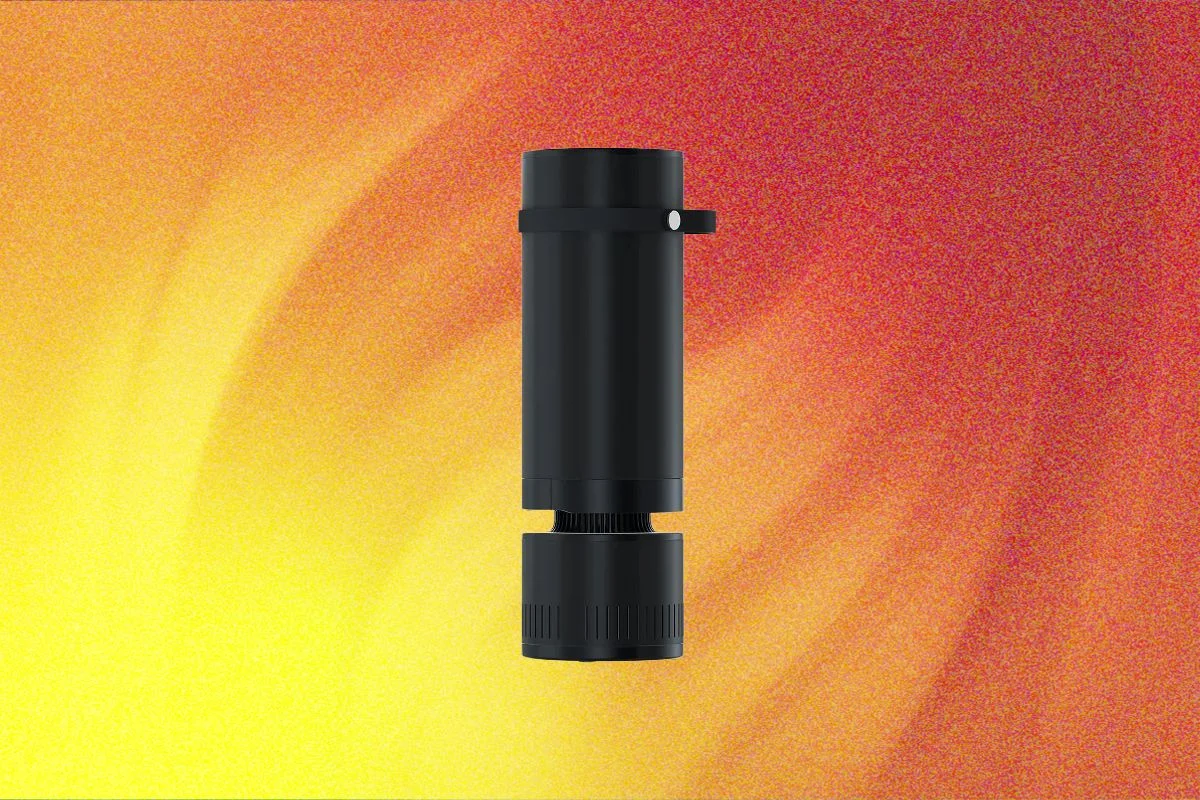
The emergence of consumer-grade hardware that integrates high-performance computing with domestic utility has reached a new milestone with the release of the Heatbit Maxi Pro, a device designed to synthesize Bitcoin mining, residential heating, and HEPA-grade air purification. As the intersection of decentralized finance and household infrastructure becomes increasingly crowded, the Heatbit represents a specialized attempt to offset the rising costs of energy through the generation of digital assets. However, a rigorous analysis of the device’s technical specifications, upfront capital requirements, and long-term yield suggests that while the engineering onramp for non-technical users is significant, the economic "payback" remains a complex variable dependent on volatile market conditions and fundamental thermodynamic principles.
The Integration of Mining and Domestic Utility
The Heatbit system operates on a dual-purpose architecture. At its core, the device functions as an Application-Specific Integrated Circuit (ASIC) miner, designed specifically to solve the SHA-256 hashing algorithms required to secure the Bitcoin network. Unlike industrial-grade miners, which are often characterized by deafening fan noise and specialized power requirements, the Heatbit is engineered for the living room. It utilizes the heat generated by its internal processors to warm the surrounding environment, effectively acting as a 1,500-watt space heater.
To further its utility as a home appliance, the manufacturer has integrated a HEPA (High-Efficiency Particulate Air) filtration system. Unlike standard air purifiers that cycle on and off based on detected air quality, the Heatbit maintains a continuous airflow through the filter as long as the mining and heating components are active. Technical data from the accompanying mobile application indicates a rigorous usage rate for these filters; in practical testing environments, filter life can deplete by approximately 1% per day, suggesting a replacement cycle of roughly three to four months depending on local air quality conditions, rather than the six-month interval suggested in some marketing materials.
User Experience and Financial Onramping
One of the primary value propositions of the Heatbit is its accessibility. Traditionally, Bitcoin mining has required a deep understanding of command-line interfaces, pool configurations, and wallet management. The Heatbit simplifies this through a dedicated mobile application that tracks and files mining revenue directly to the user’s smartphone. This "auto-onboarding" process allows users to accumulate rewards even before they have established a formal Bitcoin wallet.
The system utilizes the Lightning Network—a "Layer 2" payment protocol layered on top of the Bitcoin blockchain—to facilitate faster and cheaper transactions. The app is compatible with major global exchanges, including Coinbase, Binance, OKX, and BitFinex. However, liquidity is subject to a transfer minimum of 100,000 satoshis (0.001 BTC). At projected April 2026 price points of approximately $66,000 per Bitcoin, this threshold represents roughly $66 in accrued value. For the average user running the device as a supplemental heat source, this threshold is reached every few months, effectively providing a "rebate" on the electricity consumed.
A Chronology of Development and Reliability
The Heatbit Maxi Pro is the successor to the original Heatbit Trio, which was launched as a proof-of-concept for silent, residential mining. The evolution of the product line reflects a broader trend in the crypto-hardware industry toward "useful work" computing.
According to statements from Heatbit’s founders, the first-generation units demonstrated a resilience that defied early skepticism. Over a three-year operational window, the company reported failure rates in the "low single digits," a statistic that is competitive with high-end consumer electronics. Despite this track record, the current Maxi Pro ships with a standard one-year warranty, a point of contention for some analysts who argue that a device requiring a five-to-eight-year ROI window should be backed by longer-term manufacturer guarantees.
The Economic Equation: Upfront Cost vs. Long-Term Yield
The primary hurdle for the Heatbit is its high entry price. The Maxi Pro is currently positioned at a discounted price of $1,500, a significant premium over traditional household appliances. To put this in perspective, the capital expenditure for a Heatbit is:

- Approximately $1,350 more than the highest-rated standard space heaters currently on the market.
- Between $900 and $1,000 more than premium integrated purifier-heater units, such as those manufactured by Dyson.
For a consumer to "break even" on the additional $1,350 investment, the device must generate enough Bitcoin to cover both its own premium and the cost of the electricity it consumes. Financial modeling suggests that if a user runs the heater nonstop for four months of the year, it would net a rebate of roughly $70 to $100 every two months at current hash rates and energy prices. Under these conditions, the payback period extends to between five and eight years. This math assumes that Bitcoin’s price and mining difficulty remain relatively stable—a rarity in the cryptocurrency market.
Thermodynamics and the Efficiency of Waste Heat
A fundamental principle of physics complicates the marketing of the Heatbit: every cryptocurrency miner is, by definition, a 100% efficient electric heater. In a resistive heating scenario, all electrical energy consumed by the internal circuitry is eventually converted into heat. Whether the device is a $1,500 Heatbit or a $2,000 industrial ASIC miner, the heat output per watt of electricity remains identical.
Consequently, the most "efficient" heater is actually the most efficient miner. Industry competitors, such as the Canaan Avalon Q ($1,900), offer significantly higher hash rates (the speed at which a miner can solve puzzles) for a similar power draw. The Avalon Q provides approximately 50% more computing power than the Heatbit, meaning it generates more Bitcoin for every dollar spent on electricity while producing the same amount of ambient heat.
The Heatbit’s primary advantage, therefore, is not its thermal efficiency, but its acoustic engineering and aesthetic design. Industrial miners are notoriously loud, often exceeding 75 decibels, making them unsuitable for living spaces. The Heatbit is designed to operate at a whisper, trading raw hashing power for consumer-friendly ergonomics.
Broader Impact and Market Implications
The rise of devices like the Heatbit signals a shift in the decentralization of the Bitcoin network. By moving mining hardware into the residential sector, manufacturers are attempting to tap into "stranded" or "necessary" energy—the electricity that homeowners would have spent on heating anyway. If successful, this could lead to a more distributed and resilient network, less dependent on massive, centralized mining farms that are often the target of regulatory scrutiny.
However, the broader impact on the power grid must also be considered. While the Heatbit provides a "rebate" to the user, it does not reduce the total amount of electricity required to heat a home. In fact, compared to modern heat pumps—which can be 300% to 400% efficient by moving heat from the outside air rather than generating it through resistance—electric miners remain an expensive way to stay warm. For homes equipped with natural gas or heat pump technology, the Heatbit is an economically inferior choice regardless of the Bitcoin it generates.
Official Responses and Future Outlook
In response to criticisms regarding the payback period, Heatbit representatives have emphasized that the device is a lifestyle product rather than a pure investment vehicle. They argue that for the "crypto-curious" consumer who already intends to purchase a high-end air purifier and heater, the incremental cost of adding mining capabilities is a justifiable expense for the sake of privacy and decentralized participation in the digital economy.
Industry analysts remain divided. Some view the Heatbit as a "gateway" device that could normalize cryptocurrency ownership for the general public. Others see it as a niche luxury item that fails to solve the fundamental problem of Bitcoin mining’s high energy intensity.
As the technology matures, the success of the Heatbit and its successors will likely depend on the continued appreciation of Bitcoin. If the asset’s value increases significantly over the next decade, the "math that doesn’t pencil" today could look very different in retrospect. For now, the Heatbit stands as a testament to the ingenuity of the crypto-hardware sector, offering a glimpse into a future where every household appliance contributes to the security of the global financial system—even if the path to profitability remains long and uncertain.







