
 Indra Kusuma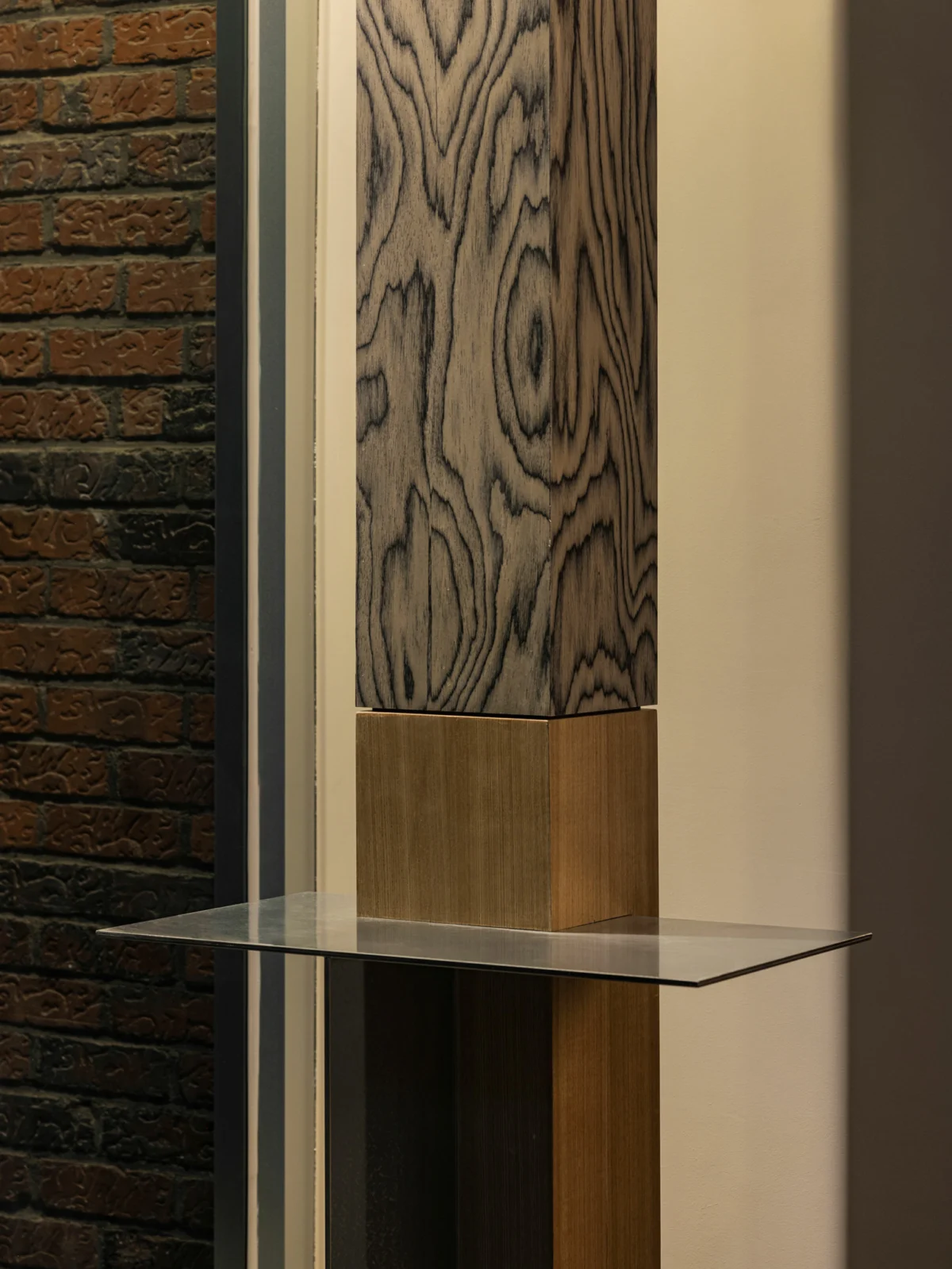
Gastronomes possessing discerning palates consistently seek dining establishments where the ambiance is as meticulously crafted and memorable as the culinary offerings. While a modern aesthetic can sometimes inadvertently project an air of coldness or an uninviting starkness, the renowned design studio Design2tone embarked on a vision for a new Seoul eatery, SSOC, that precisely balanced disparate elements, mirroring the sophisticated equilibrium found in the contemporary Asian dishes it serves. This deliberate approach aimed to forge a space that is both cutting-edge and profoundly welcoming, a testament to thoughtful integration of form and function.
The Genesis of SSOC: A Vision of Harmony
The core philosophy underpinning SSOC’s design, articulated by Design2tone, revolved around the concept of "new harmony in diversity." This guiding principle extends beyond mere aesthetics, permeating the very essence of the restaurant’s identity, from its architectural details to its menu, and its interaction with the surrounding urban fabric. The challenge lay in reconciling the raw, industrial heritage of its location with the refined elegance expected of a modern dining destination, all while embodying the innovative spirit of contemporary Asian cuisine. The solution, as meticulously executed by Design2tone, involved a deliberate juxtaposition of materials, lighting, and spatial arrangements designed to create a cohesive and deeply engaging experience.
Seongsu District: Seoul’s Industrial Renaissance
SSOC finds its home in the Seongsu district, an area frequently lauded as the "Brooklyn of Seoul." This moniker is well-earned, reflecting Seongsu’s remarkable transformation from a once-gritty industrial hub, replete with shoe factories and auto repair shops, into a thriving nexus of contemporary culture, art, and gastronomy. Over the past decade, the district has witnessed a profound urban revitalization, with countless derelict warehouses and workshops meticulously reimagined into chic boutiques, art galleries, co-working spaces, and, notably, innovative culinary establishments. This organic evolution has attracted a dynamic demographic of artists, designers, entrepreneurs, and food enthusiasts, drawn to its unique blend of industrial heritage and modern innovation.

The choice of Seongsu for SSOC was strategic, placing the restaurant within a cultural crucible that inherently values creativity and reinvention. The district’s distinctive character, marked by its exposed brick facades and robust industrial architecture, provided a rich canvas upon which Design2tone could paint their vision of "new harmony in diversity." This contextual relevance ensures that SSOC is not merely a restaurant but an integral part of Seongsu’s ongoing narrative of urban renewal and cultural dynamism, appealing to patrons who appreciate authenticity alongside innovation. The economic impact of such establishments in areas like Seongsu is significant, contributing to local job creation, increasing property values, and establishing the district as a prime destination for both locals and international visitors seeking unique experiences.
Architectural Dialogue: Exterior Dynamics and Urban Integration

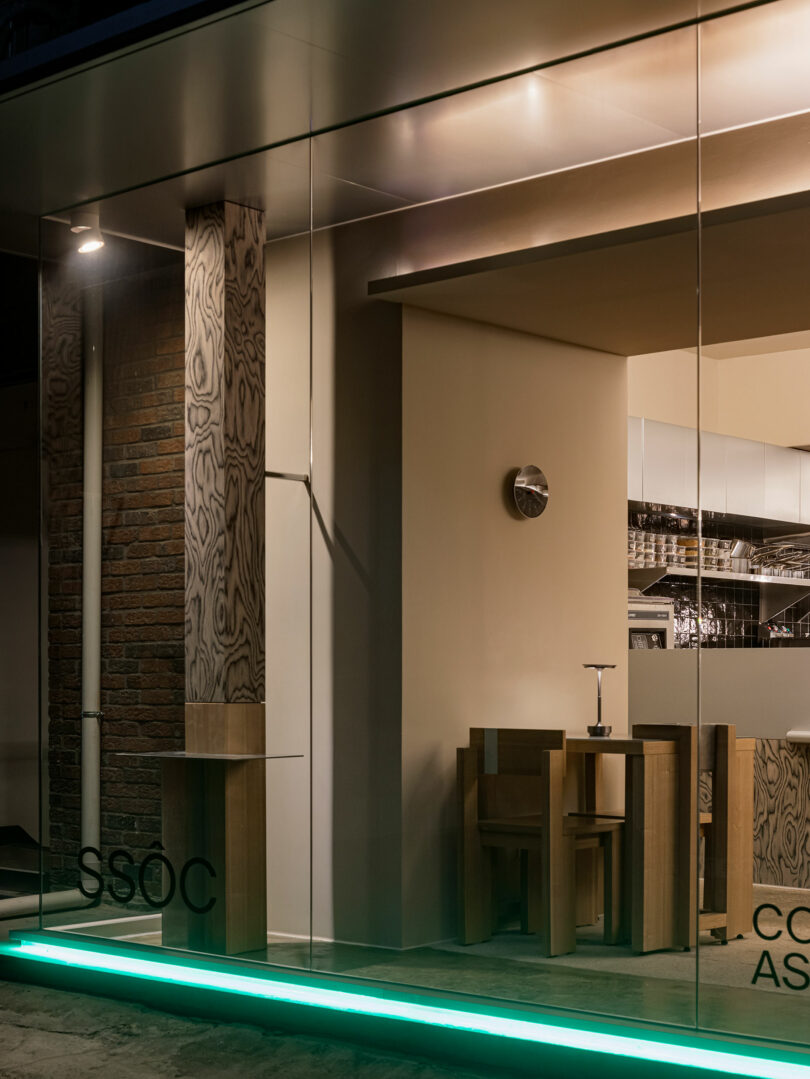
The exterior of SSOC immediately signals its sophisticated design philosophy. A prominent metal and glass façade forms the primary interface with the vibrant streetscape of Seongsu. Crucially, a discreetly installed fixture beneath this façade produces dynamic illumination, subtly shifting in color and intensity. This responsive lighting system is more than just decorative; it actively engages with the exterior’s shifting atmosphere, reflecting the ambient light, time of day, and even the energy of passersby. This intelligent design choice ensures that SSOC’s exterior is never static but rather a living, breathing element that captures and mirrors the dynamism of the urban environment, drawing in curious patrons.
The use of large glass windows serves a dual purpose: it allows abundant natural light to flood the interior during the day, creating a sense of openness and connection to the outside world, while simultaneously offering tantalizing glimpses of the restaurant’s interior to those on the street. At night, the illuminated interior transforms into a beacon, showcasing the warmth and activity within, enticing potential diners. This deliberate transparency fosters a symbiotic relationship between the restaurant and its urban surroundings, embodying the "diversity" aspect of its guiding principle by acknowledging and interacting with its heterogeneous environment.

Interior Narratives: A Symphony of Contrasting Materials
Stepping inside SSOC, guests are immediately enveloped in an environment where contrasting materials are orchestrated to create a cohesive and visually stimulating narrative. This material palette directly echoes the restaurant’s East-West fusion cuisine, where distinct culinary traditions are harmoniously blended by Chef Lee Jong-wook. The interior design avoids a monolithic aesthetic, instead opting for a sophisticated interplay of textures and finishes that speak to both modern industrialism and natural warmth.

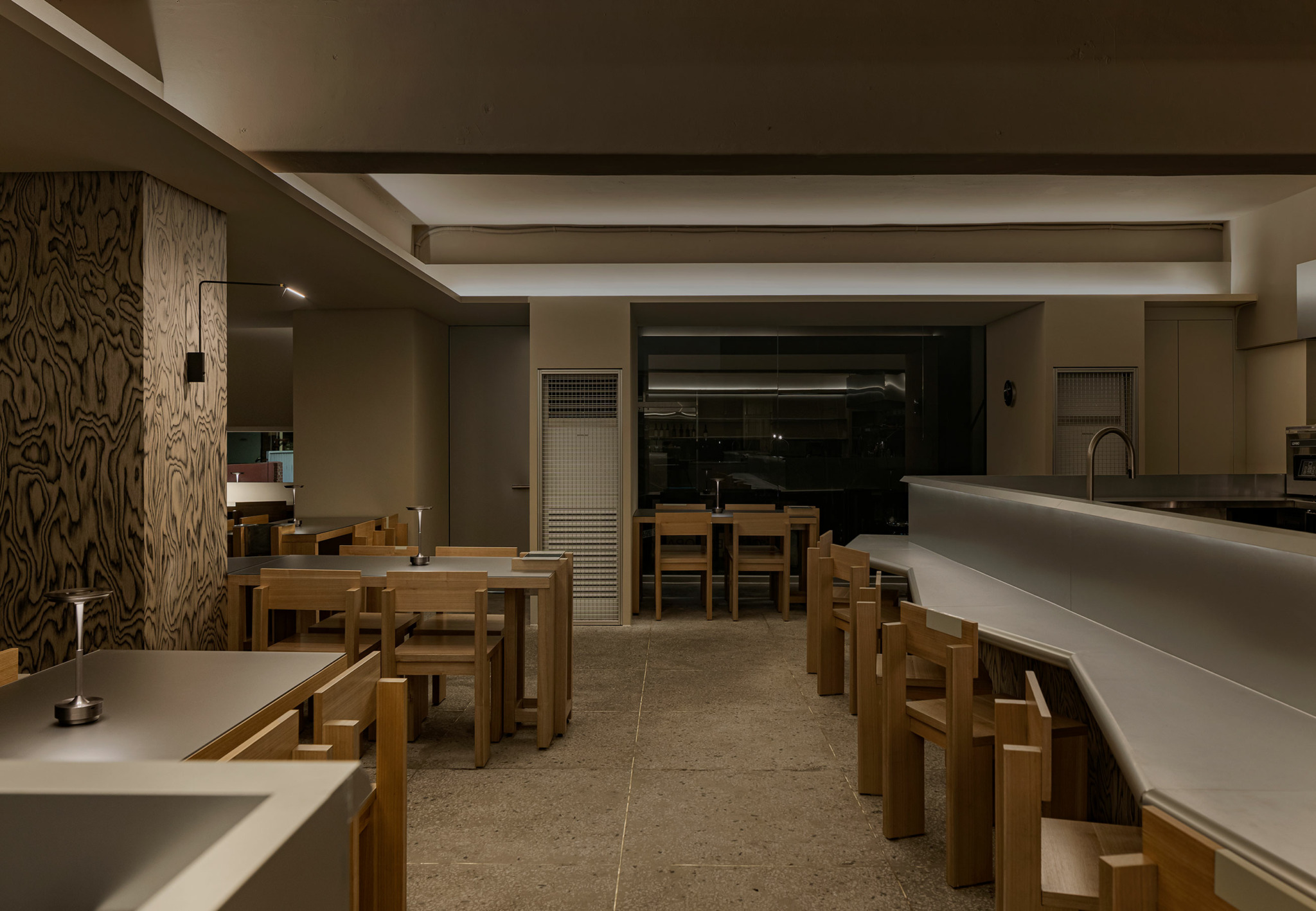
The front-of-house area prominently features commercial-grade stainless steel. This choice is highly practical, offering exceptional durability and ease of maintenance, vital for a high-traffic restaurant environment. Beyond its functional benefits, stainless steel contributes a sleek, contemporary sheen that reflects light and adds a touch of understated elegance. Its cool, metallic presence provides a modern counterpoint to other elements within the space, symbolizing the precision and innovation inherent in modern culinary techniques.
Complementing the industrial modernity of the stainless steel are elements that introduce warmth and organic texture. A specially designed wood-look veneer, recomposed to showcase an abstracted natural grain, adorns various surfaces. This material choice introduces the comforting familiarity of wood without strictly adhering to traditional applications, signifying a contemporary reinterpretation of natural elements. The abstracted grain provides visual interest and a subtle connection to nature, softening the harder lines of the steel and glass.

Further grounding the space in its historical context is the strategic use of exposed brick. This architectural element, often preserved from the original warehouse structure, serves as a tactile reminder of Seongsu’s industrial past. The raw, textured quality of the brick provides a stark yet beautiful contrast to the smooth, reflective surfaces of the steel and the refined veneer. It injects a sense of authenticity and rugged charm, celebrating the district’s journey from utility to chic. The interplay of these three primary materials—sleek stainless steel, organic wood-look veneer, and rustic exposed brick—is a masterful demonstration of "new harmony in diversity," creating an interior landscape that is rich in character and visual depth.
The Art of Dining: Custom Furniture and Spatial Flow

Design2tone’s meticulous attention to detail extends to the furniture and spatial organization within SSOC, ensuring both functionality and an elevated dining experience. A standout feature is the custom-designed dining tables, which ingeniously integrate subtle ice buckets. This thoughtful addition allows patrons to keep their preferred vintage chilled to perfection throughout their meal, from the initial appetizer to the final dessert. This small but significant luxury elevates the dining experience, removing the need for frequent waiter intervention for wine service and allowing guests to savor their wine at their leisure. Such custom features underscore a commitment to guest comfort and a seamless flow of service, a hallmark of high-end dining.
The restaurant’s layout cleverly caters to diverse dining preferences. A freeform bar counter, with its dynamic, angular edges, appears to move gracefully through the space. This design encourages individual diners or pairs to enjoy a more casual yet equally sophisticated experience, whether for a quick meal, a drink, or simply to observe the restaurant’s vibrant atmosphere. The fluid shape of the counter adds an artistic element, breaking the rigidity often found in traditional bar setups. For larger gatherings, classic four-top tables are strategically arranged, offering comfortable and intimate settings for groups to connect and share their culinary journey. This intelligent division of space ensures that SSOC can accommodate a wide range of patrons and occasions without compromising the overall sense of openness and sophisticated flow.

The Culinary Theater: An Open Kitchen Concept
A significant focal point of SSOC’s interior is its open kitchen, a design choice that transforms food preparation into a captivating theatrical performance. This concept is increasingly popular in contemporary dining, offering transparency and fostering a direct connection between the diner and the culinary team. At SSOC, the open kitchen is framed by a striking backsplash adorned with ebony-colored tiles. This dark, rich surface provides a sophisticated backdrop that allows the vibrant colors of the ingredients and the precise movements of the chefs to stand out.

Above the workspace, sleek shelves elegantly display a curated selection of wine bottles, adding another layer of visual interest and hinting at the restaurant’s extensive beverage program. Strategically placed seating around the open kitchen ensures that every patron has an unobstructed view, allowing them to witness firsthand the artistry and precision involved in preparing Chef Lee Jong-wook’s renowned East-West fusion dishes. This immersive experience not only entertains but also builds trust and appreciation for the culinary craft, making the act of dining a multi-sensory engagement. The open kitchen, with its clean lines and professional-grade equipment, reinforces the restaurant’s commitment to quality and transparency, further embodying the "new harmony" between presentation and substance.
The Art of Illumination: Shaping Ambiance from Day to Night

Lighting design plays a pivotal role in crafting SSOC’s ambiance, enabling the space to transition effortlessly between a casual daytime eatery and an elevated evening destination. During daylight hours, the abundant natural sun’s rays stream through the large glass facade, highlighting the varied textures and shapes of the interior. The natural light reveals the subtle grain of the wood-look veneer, the ruggedness of the exposed brick, and the sheen of the stainless steel, allowing these material contrasts to take center stage. This bright, airy atmosphere fosters a sense of casual elegance, perfect for lunch meetings or relaxed daytime gatherings.
As evening descends, the illumination within SSOC undergoes a dramatic yet seamless transformation. Overhead lighting is thoughtfully lowered, and focused beams are strategically introduced to create visual depth and intimacy. These targeted lights draw attention to key architectural features, the exquisite plating of the dishes, and the convivial atmosphere at each table. The shift to a softer, more concentrated lighting scheme enhances the sense of luxury and sophistication, making dinner service feel more exclusive and memorable. Crucially, throughout this transition, the lighting is always designed with an emphasis on the fare itself. The food is consistently presented under optimal light, ensuring that its visual appeal – an integral part of Chef Lee’s culinary artistry – is always paramount. This dynamic interplay of light throughout the day and night ensures that SSOC consistently offers an atmosphere perfectly attuned to the dining experience it provides, further solidifying its claim of "new harmony in diversity" within its very walls.

Chef Lee Jong-wook’s Culinary Philosophy: A Perfect Pairing
The design of SSOC is not merely a decorative shell; it is a meticulously crafted environment designed to complement and elevate the culinary vision of Chef Lee Jong-wook. Chef Lee is renowned for his innovative East-West fusion cuisine, a style that masterfully blends traditional Asian flavors and techniques with contemporary Western influences. This approach demands a dining setting that can articulate a similar dialogue between tradition and modernity, familiarity and innovation.

The "new harmony in diversity" principle espoused by Design2tone perfectly aligns with Chef Lee’s culinary philosophy. The contrasting materials—the industrial coolness of stainless steel, the organic warmth of wood veneer, and the rustic authenticity of exposed brick—mirror the unexpected yet harmonious flavor combinations found in his dishes. Just as his menu might pair a classic Korean ingredient with a Mediterranean preparation, the interior design integrates diverse elements into a unified, captivating whole. The open kitchen concept, allowing diners to observe the meticulous preparation, speaks to the transparency and artistry that define Chef Lee’s craft. The adaptable lighting, shifting from bright, textural daylight to intimate, focused evening beams, parallels the subtle nuances and bold expressions present in his seasonal menus. SSOC, therefore, serves as a holistic experience, where the architecture, interior design, and culinary offerings converge to create a truly immersive and unforgettable sensory journey.
Broader Impact and Future Implications

The unveiling of SSOC by Design2tone in Seoul’s Seongsu district represents more than just the opening of a new restaurant; it signifies a significant contribution to the evolving landscape of experiential dining and urban revitalization. The project exemplifies a growing trend in the hospitality sector where design is not merely an afterthought but a fundamental component of a brand’s identity and customer experience. By creating an environment that deeply resonates with its culinary offerings and its historical location, SSOC sets a new benchmark for integrated design.
For Seongsu, SSOC further solidifies its reputation as a cultural and gastronomic destination, attracting visitors and fostering a dynamic local economy. Such establishments contribute to the district’s ongoing gentrification, drawing in further investment and talent, albeit with the inherent challenges of balancing growth with preserving local character. From an industry perspective, Design2tone’s work at SSOC offers a compelling case study in how thoughtful, thematic design can elevate a dining concept, enhancing its appeal and longevity in a highly competitive market. The emphasis on adaptability (e.g., lighting), functionality (e.g., custom tables), and sensory engagement positions SSOC not just as a place to eat, but as a destination for a complete sensory immersion, a "feast for the senses" in every conceivable way. This approach is likely to influence future restaurant design, encouraging a deeper philosophical connection between space, food, and human experience, guided by the timeless pursuit of "new harmony in diversity."

To explore this groundbreaking work and other projects by the audacious studio, visit design2tone.space.
Photography courtesy of Design2tone.







