Cintya Tara Annisa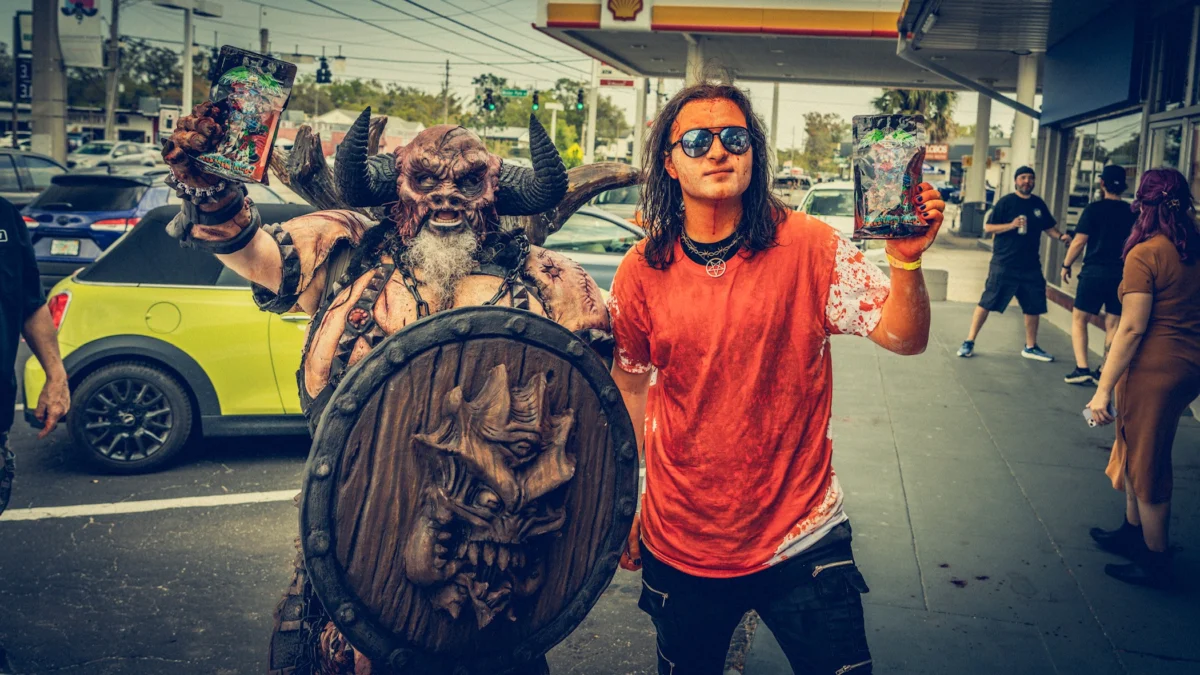
The specialty coffee industry is witnessing a significant shift in the niche branding sector as Concept Cafes announces the official relaunch of its digital platform, conceptcafescoffee.com, marking the transition to version 2.0. This relaunch is not merely a technical update to a retail website but represents a strategic overhaul of how private label coffee is perceived, marketed, and produced for specific subcultures. By integrating high-level specialty coffee standards with the aggressive aesthetics of the heavy metal, horror, and gaming genres, Concept Cafes is attempting to bridge the gap between enthusiast-grade consumables and mainstream fan merchandise. The company has already established a formidable presence through collaborations with legendary musical acts, including Motörhead, Cannibal Corpse, and Gwar, signaling a move toward a more immersive and quality-driven fan experience that prioritizes the integrity of the product as much as the brand it carries.
Redefining the Private Label Coffee Landscape
In the traditional coffee market, "white label" or "private label" products have frequently been associated with a lack of transparency and a focus on high-margin, low-quality output. Many industry critics have long dismissed these ventures as "gimmicky," noting that they often utilize "Premium Grade" beans—a tier below "Specialty Grade"—which are then subjected to extreme roasting profiles to mask defects. These products are typically characterized by overdeveloped dark roasts, often roasted well past the "second crack" stage, resulting in a charred flavor profile that is frequently supplemented with artificial flavorings to appeal to a mass-market palate.
Concept Cafes has positioned its 2.0 relaunch as a direct challenge to this status quo. The company’s philosophy draws a sharp distinction between the terms "white label" and "private label." In their framework, a white label product is a generic commodity with a brand name "slapped" onto it to artificially inflate perceived value. Conversely, Concept Cafes defines "private label" as a partnership that involves a high degree of ownership, endorsement, and quality control from the artist or brand involved. By adhering to the "Specialty Grade" standard—the highest tier of coffee quality as defined by the Specialty Coffee Association (SCA)—the company ensures that the base product can stand alone in a competitive specialty market, regardless of the branding on the bag.
The Intersection of Heavy Metal and Specialty Coffee Culture
The choice to focus on heavy metal, horror, and gaming is a calculated move into "high-engagement" subcultures. Fans of these genres are known for their loyalty and their penchant for collecting physical media and memorabilia. Concept Cafes founder Mike Tonsetic has noted that the goal is to move beyond the "impulse buy" model. In a professional context, an impulse buy is viewed as a marketing success but a product failure if it does not lead to a repeat purchase. Tonsetic’s approach treats coffee as a recurring "album" for the senses; just as a fan would listen to a favorite record repeatedly, the coffee is intended to be a staple of the consumer’s daily routine.
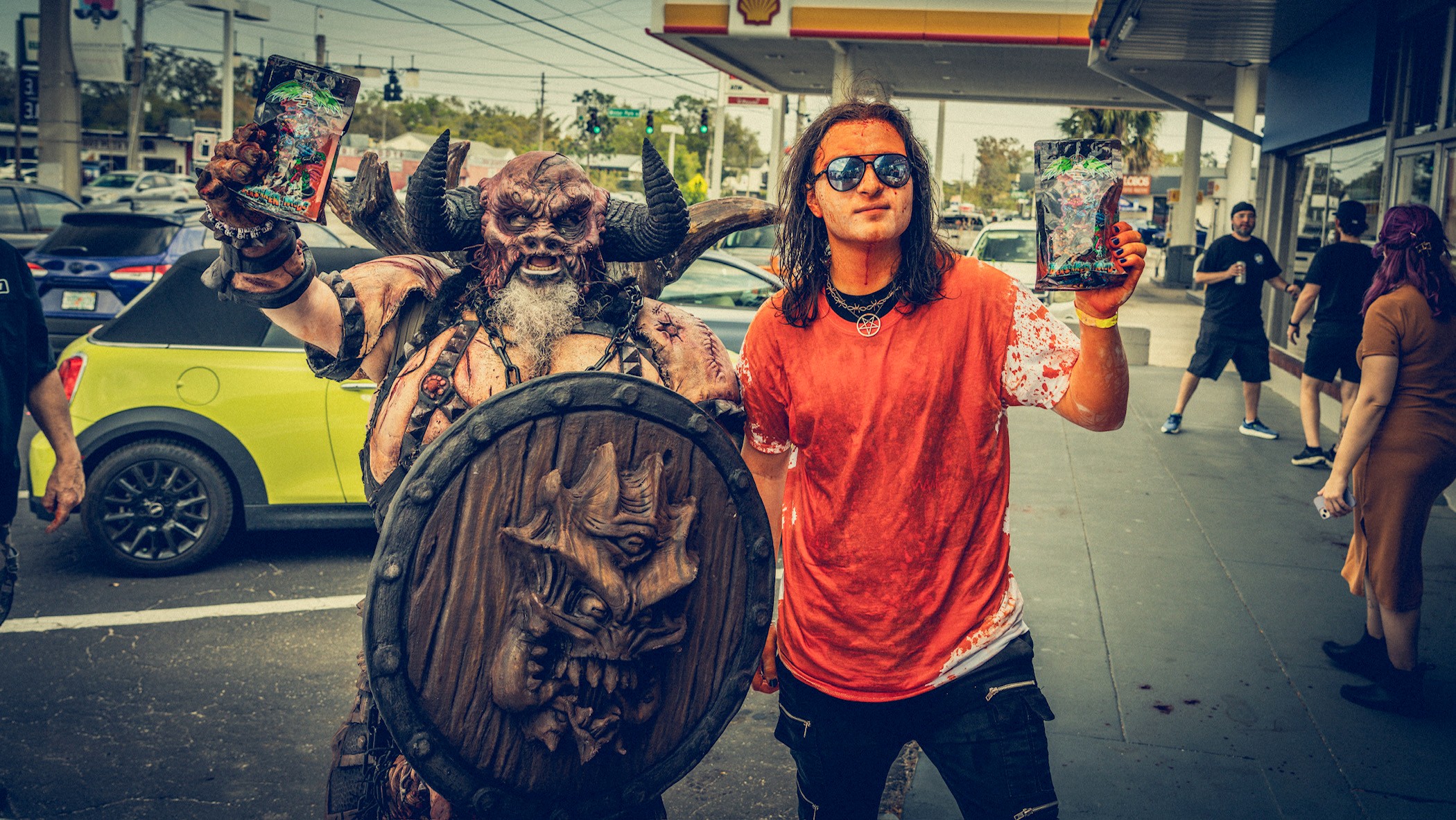
The current roster of artists reflects this commitment to "fan staples." Motörhead, a band synonymous with a "no-compromise" lifestyle, fits the brand’s "Never Compromising" philosophy. Similarly, the partnership with death metal pioneers Cannibal Corpse and the shock-rock legends Gwar allows for a thematic synergy where the intensity of the music is matched by the boldness of the coffee profiles. This alignment is designed to turn traditional music fans into specialty coffee aficionados, educating a demographic that may have previously been overlooked by the high-end specialty coffee community.
Technical Standards and Sourcing Integrity
Maintaining specialty standards in a global economy fraught with logistical challenges is a complex endeavor. The coffee industry has recently faced a "perfect storm" of economic pressures, including fluctuating "C-market" prices, increased shipping costs, and climate-related shortages in key growing regions like Brazil and Vietnam. Despite these hurdles, Concept Cafes has maintained an in-house approach to the entire supply chain, from sourcing "Specialty Grade Green" beans to managing direct-to-consumer logistics.
Specialty Grade coffee requires a rigorous cupping process where beans must score 80 points or higher on a 100-point scale. These beans must be free of primary defects and have distinct flavor characteristics. By keeping these processes in-house, Concept Cafes avoids the "roaster-for-hire" model where quality control is often outsourced. This vertical integration allows the company to remain "artist-first," ensuring that the financial arrangements benefit the creators while the quality remains consistent for the fans. In an era where the music industry has seen revenue from physical sales and streaming dwindle, such high-quality merchandise partnerships provide a vital alternative revenue stream for artists.
Innovative Packaging as a Collectible Medium
One of the most visible changes in the 2.0 relaunch is the evolution of packaging. The specialty coffee industry has long relied on the "matte black gusseted bag" with a simple sticker label—a functional but often uninspired design choice. Concept Cafes is reimagining coffee packaging as a collectible art form, comparable to vinyl records or limited-edition box sets.
Recent collaborations have pushed the boundaries of traditional packaging. For example, the company worked with legendary drummer Dave Lombardo (formerly of Slayer) to develop a custom coffee drum tin, a direct nod to his musical legacy. Perhaps even more avant-garde is the collaboration with goth metal legends Type O Negative, which resulted in a realistic "IV blood bag" packaging. This level of detail serves two purposes: it reinforces the "immersive fan experience" and creates a product that fans are likely to display long after the coffee has been consumed. This shift from disposable packaging to "dissectible" art marks a significant trend in how luxury and niche consumables are being positioned in the 2020s.
Market Analysis: Bridging the Fringe and the Mainstream
The broader implication of the Concept Cafes relaunch is the potential mainstreaming of niche private labels. Historically, specialty coffee "nerds" and heavy metal "heads" occupied different cultural spaces. However, both groups share a common appreciation for technical proficiency, intensity, and authenticity. Concept Cafes is betting on the fact that the "coffee nerd" can be persuaded by the aesthetic and the "metalhead" can be persuaded by the superior taste profile of specialty roasts.
Market data suggests that the specialty coffee segment continues to grow even during economic downturns, as consumers view high-quality coffee as an "affordable luxury." By tapping into the "collector" mentality of the heavy metal and horror communities, Concept Cafes is insulated from some of the volatility seen in more generic retail sectors. The company’s focus on "making every fan a VIP" reflects a broader trend in the creator economy where deep engagement with a smaller, dedicated audience is more sustainable than broad, shallow appeal.
Chronology of Development
The journey to Version 2.0 has been marked by several key milestones:
- Initial Launch: Concept Cafes established its presence by securing licenses with major metal acts, proving that there was a demand for high-end coffee within the genre.
- The "Specialty" Pivot: Recognizing the limitations of standard white-labeling, the company moved toward Specialty Grade sourcing and in-house roasting.
- Packaging Innovation: The release of the Dave Lombardo drum tin and the Type O Negative blood bag set a new precedent for creative packaging in the industry.
- Version 2.0 Relaunch: The current phase involves an optimized digital infrastructure and a commitment to direct-to-consumer logistics, ensuring that the "artist-first" and "fan-first" philosophy is scalable.
Future Outlook and Industry Impact
As Concept Cafes moves forward, the industry will be watching to see if this model can be replicated across other genres. The success of the relaunch suggests that there is a significant appetite for products that do not compromise on quality for the sake of branding. Founder Mike Tonsetic’s assertion that the fans are the "most important factor in the coffee equation" highlights a shift toward consumer-centric specialty branding.
If Concept Cafes succeeds in its mission, it may pave the way for a new era where private label coffee is no longer seen as a fringe gimmick but as a respected category within the specialty coffee world. By proving that a product can be both a "collectible" and a high-end consumable, Concept Cafes is redefining the boundaries of the "merch table" and the "coffee bar" alike. The ultimate goal is a reality where the quality of the coffee in the cup is as legendary as the artist on the bag, creating a "repeat" experience that resonates with fans and coffee professionals in equal measure.