Cintya Tara Annisa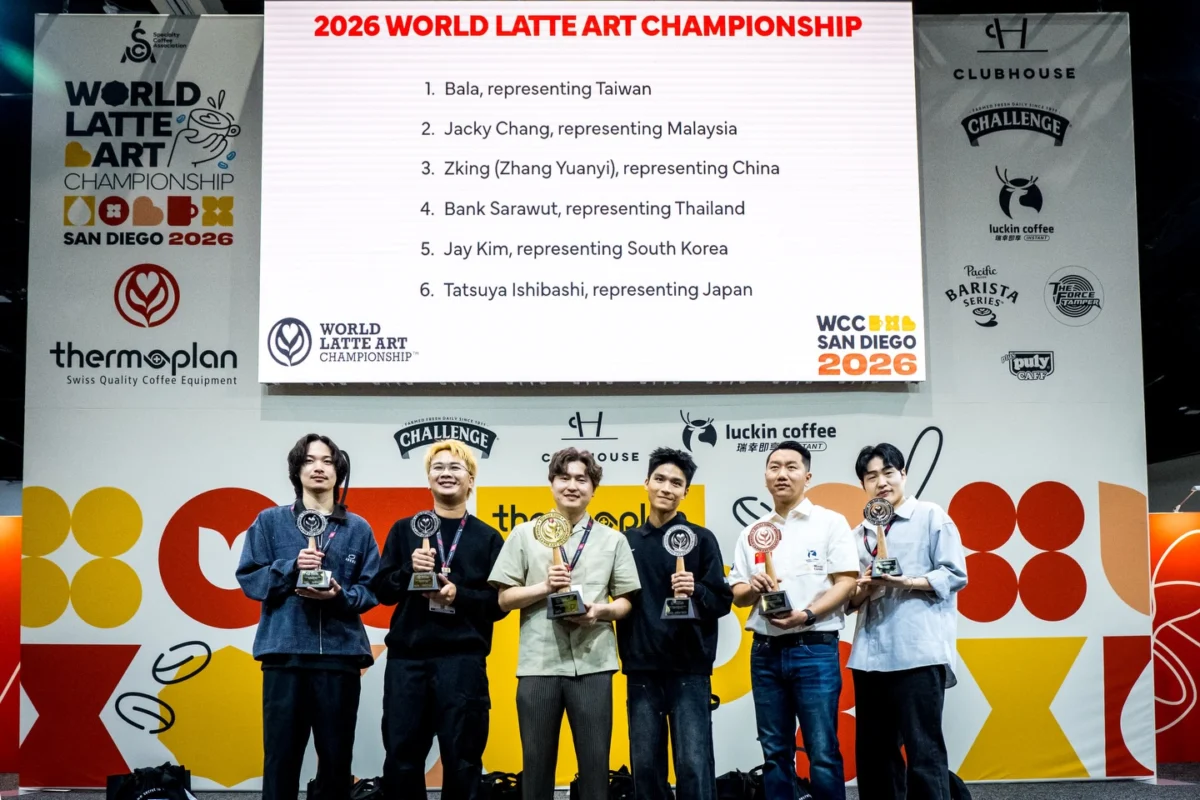
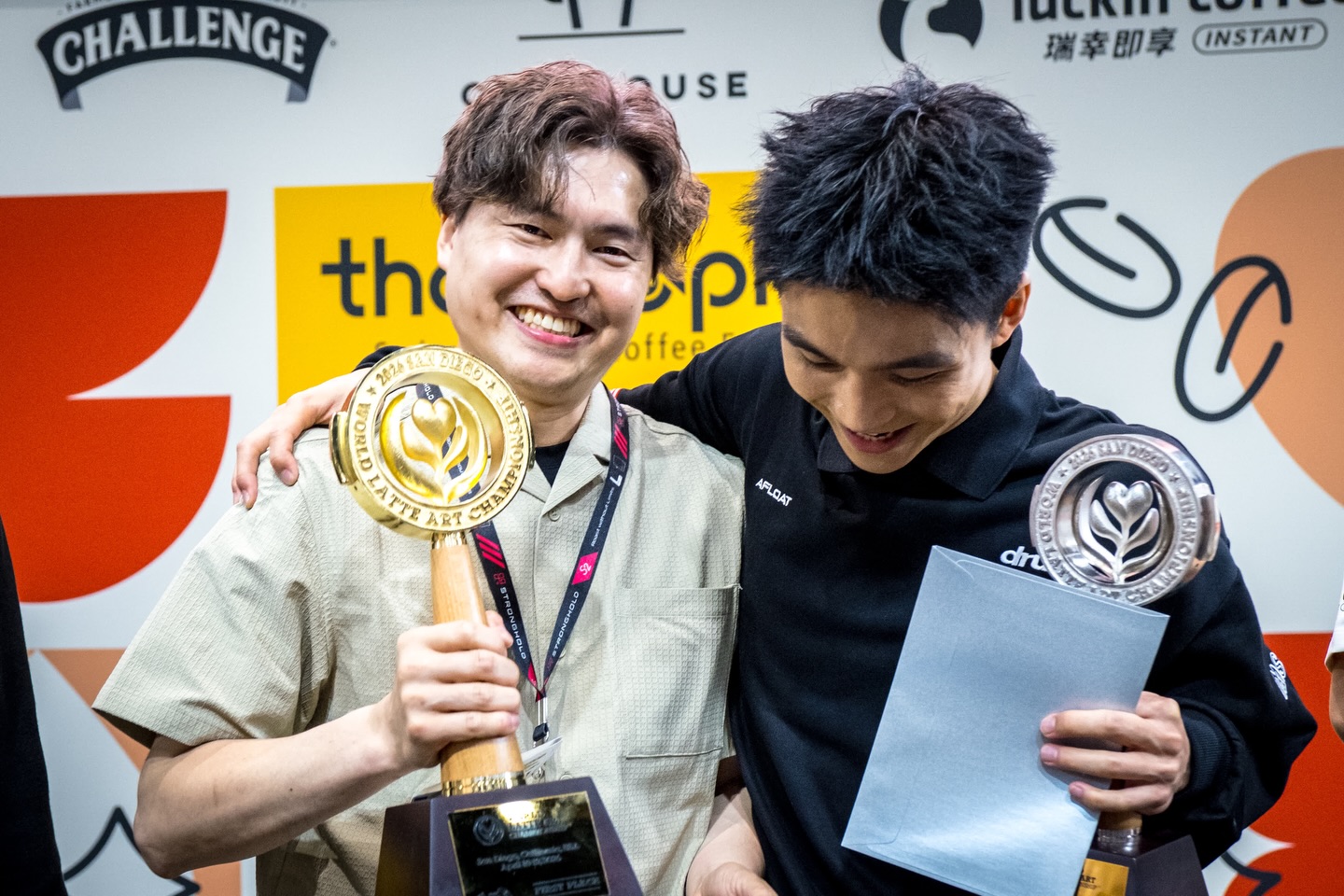
The specialty coffee world converged on the Southern California coast this past weekend as the 2026 World Latte Art Championship (WLAC) concluded its high-stakes competition at the San Diego Convention Center. Held as a centerpiece of the United States leg of the World of Coffee trade show, the event marked a historic milestone for the American coffee industry, representing the first time the prestigious global tournament has been hosted on U.S. soil. After three days of grueling competition involving 30 of the world’s most elite baristas, Bala, representing Taiwan, was crowned the 2026 World Latte Art Champion.
The victory for Bala, who competes mononymously, serves as a testament to years of technical refinement and artistic dedication. A veteran of the international circuit, Bala previously secured a third-place finish at the 2022 world championships. His 2026 performance was characterized by an unprecedented level of detail in free-pour designs, a technique that requires the barista to create complex imagery using only the movement of the pitcher without the aid of etching tools. Bala’s winning set featured a meticulously rendered raccoon, a towering giraffe, and a red panda—the latter of which was impressively executed within the confined surface area of a macchiato, a feat that drew significant praise from the judging panel for its difficulty and precision.
A Breakthrough Moment for the United States Coffee Scene
For the domestic specialty coffee industry, the 2026 World of Coffee San Diego event was more than just a trade show; it was a long-awaited integration into the global competitive landscape. Since its inception in 2005, the World Latte Art Championship has largely been a European and Asian-dominated affair. Despite the United States being one of the largest consumers of specialty coffee globally, it had never hosted the WLAC nor produced a world champion prior to this year.
Industry analysts point to the United States’ historically "spotty" participation in the event as a reason for this lack of dominance. Competitive latte art requires a specific set of skills that differ from the broader World Barista Championship, focusing intensely on visual symmetry, contrast, and the physical science of microfoam. Before 2026, only five individuals had ever represented the U.S. on the world stage: Simeon Bricker (2014), Angie Chung (2015), Piyapat “Flook” Lapteerawut (2022, 2023, 2025), Wenbo Yang (2024), and the 2026 representative, Marco Monzon.
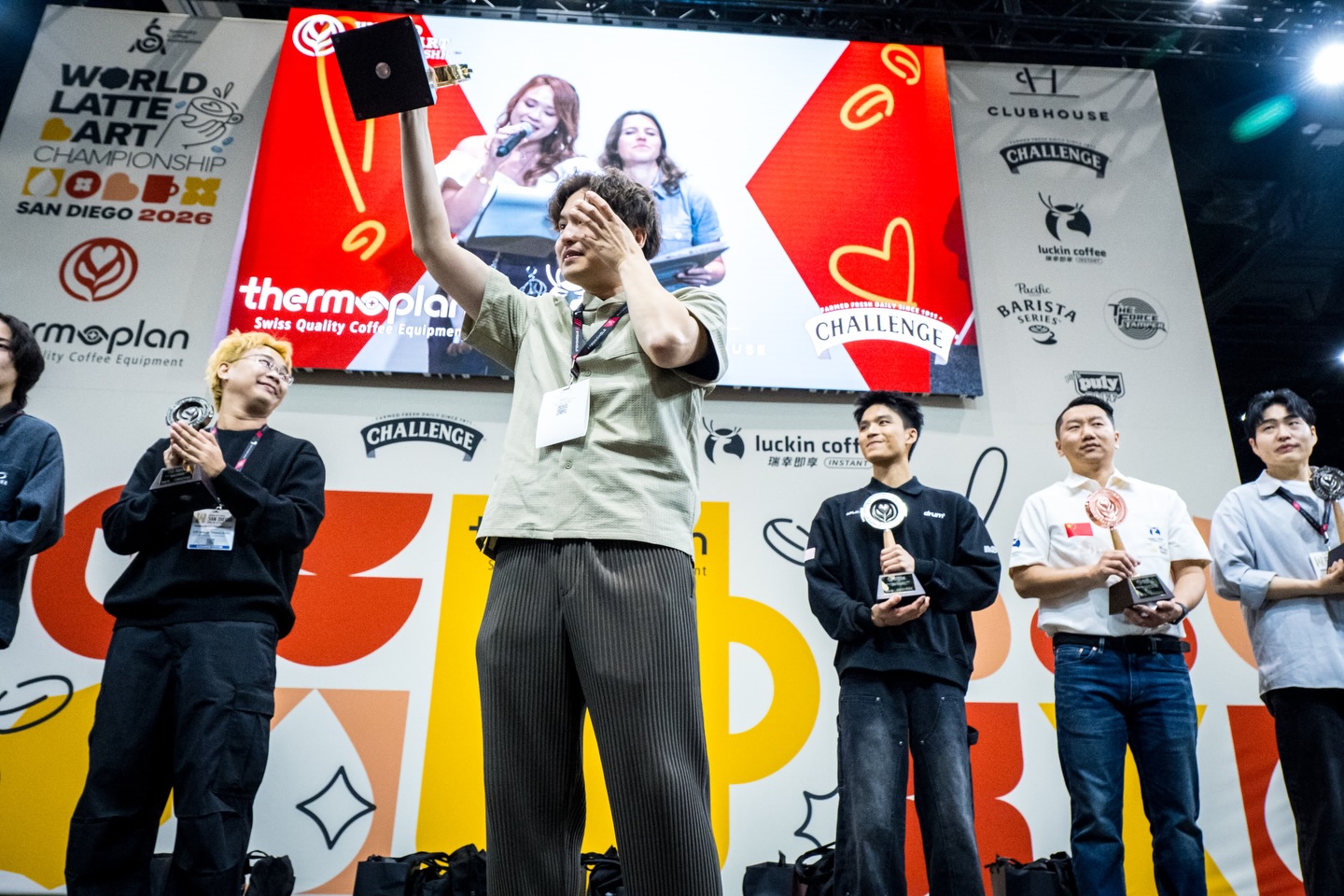
Hosting the event in San Diego provided a home-field advantage of sorts for the American specialty coffee community, allowing local baristas and enthusiasts to witness the rigorous standards of international competition firsthand. While the U.S. title remains elusive, the hosting of the 2026 championship is viewed as a catalyst for future American participation and a signal that the U.S. is ready to invest more heavily in the artistic side of the craft.
The Path to the Finals: Competition Structure and Rigor
The 2026 World Latte Art Championship utilized a multi-stage format designed to test both the creativity and the consistency of the competitors. The preliminary round saw 30 national champions each producing a single creative pattern at the "Art Bar" and two identical sets of free-pour lattes and designer lattes on the main stage.
The scoring system is divided into two primary categories: technical and visual. Technical judges monitor the barista’s workflow, cleanliness, and the quality of the milk steaming, while visual judges evaluate the final product based on:
- Contrast: The sharpness between the white microfoam and the brown espresso crema.
- Symmetry: The balance of the design within the cup.
- Complexity: The level of detail and the difficulty of the patterns.
- Reproducibility: The ability of the barista to create two identical cups of the same design.
By the end of the preliminary rounds, the field of 30 was narrowed down to 12 semi-finalists, and eventually to the final six who competed on Sunday. The final round required baristas to produce two identical free-pour lattes and two identical designer lattes. It was in this final stage that the Asian delegations demonstrated their current dominance of the medium.
2026 World Latte Art Championship Final Standings
The final results reflected a strong showing for Asian coffee cultures, which have consistently pushed the boundaries of latte art over the last decade. The 2026 rankings are as follows:
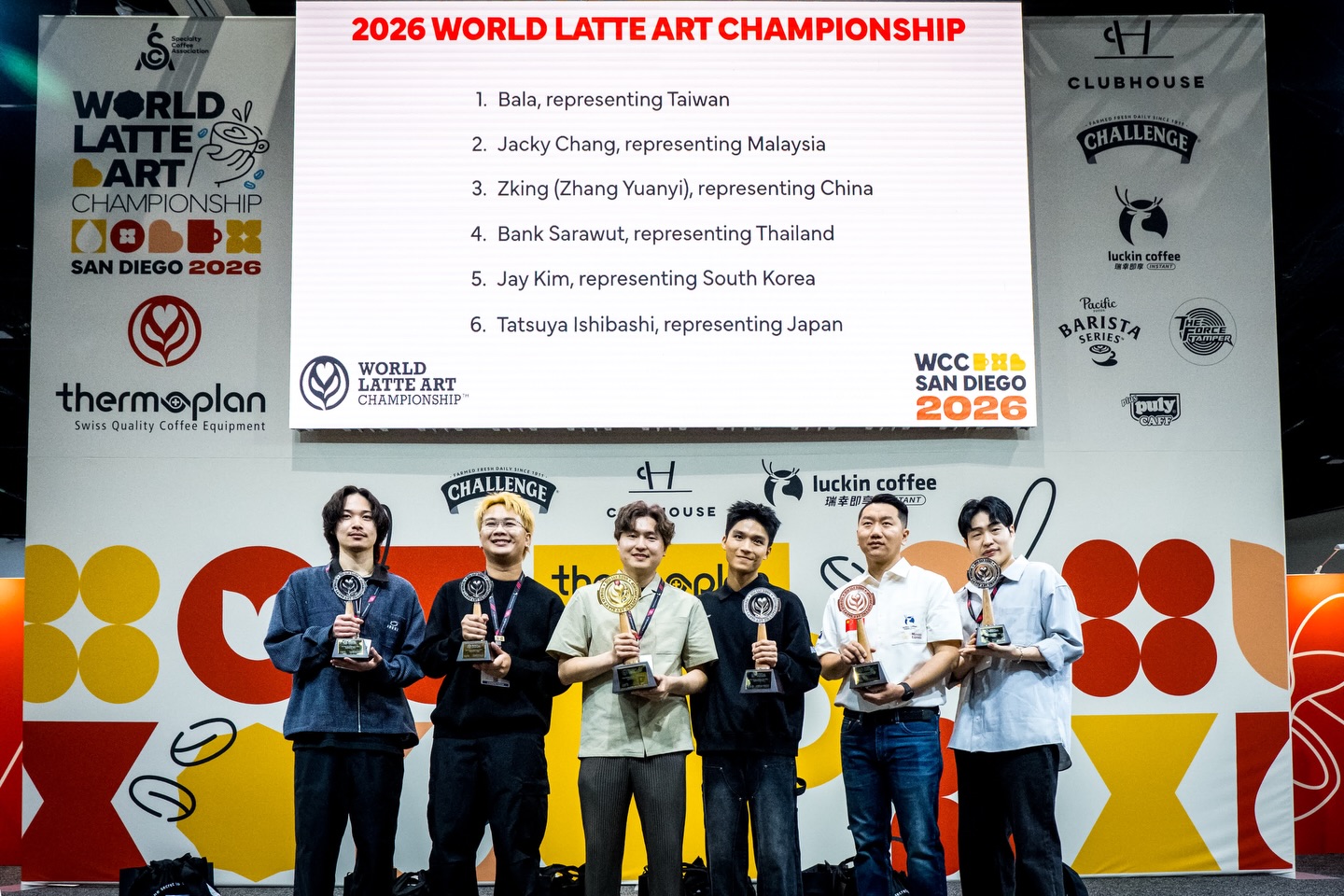
- Champion: Bala (Taiwan)
- Runner-Up: Jacky Chang (Malaysia)
- Third Place: Zking (Zhang Yuanyi) (China)
- Fourth Place: Bank Sarawut (Thailand)
- Fifth Place: Jay Kim (South Korea)
- Sixth Place: Tatsuya Ishibashi (Japan)
The podium was a showcase of regional excellence. Runner-up Jacky Chang of Malaysia and third-place finisher Zking of China both presented routines that utilized high-definition contrast and intricate layering, further cementing the "East Asian Style" of latte art as the current global standard.
Technical Analysis of the Winning Designs
Bala’s victory was secured through a combination of thematic storytelling and extreme technical difficulty. In the world of competitive latte art, the "free-pour" is considered the purest form of the craft. Unlike "etching," where a barista uses a tool to draw on the foam, free-pouring relies entirely on the flow of milk from a pitcher.
The "Red Panda Macchiato" was cited by many attendees as the highlight of the weekend. Executing a multi-layered animal design in a small macchiato cup requires a level of flow control that few baristas in the world possess. The smaller surface area increases the risk of the foam "bleeding" or the design becoming distorted. Bala’s ability to maintain the distinct features of the red panda—including its masked eyes and striped tail—while managing the volume of the small cup, provided the "difficulty points" necessary to edge out the competition.
His raccoon and giraffe designs in the larger latte cups focused on "high-contrast" pouring. The giraffe design, in particular, utilized long, elegant strokes to simulate the animal’s neck, requiring a steady hand and a deep understanding of how milk interacts with the crema’s surface tension.
The Broader Impact on the Specialty Coffee Industry
The conclusion of the 2026 World Latte Art Championship in San Diego marks a turning point for the World Coffee Championships (WCC) and its parent organization, the Specialty Coffee Association (SCA). By bringing the WLAC to the United States, the SCA has successfully bridged a gap between the various regional coffee cultures.
For the city of San Diego, the event was a significant economic and cultural boon. The World of Coffee trade show floor was reported to be at capacity, with thousands of industry professionals, equipment manufacturers, and green coffee importers in attendance. The "Roaster’s Village" showcased hundreds of independent roasters, while the competition stage served as the main attraction, drawing crowds that rivaled major sporting events.
From a commercial perspective, the innovations seen on the WLAC stage often trickle down to high-end cafes. The techniques developed by champions like Bala—such as specific ways of aerating milk to achieve "ultra-fine" microfoam—eventually influence the training programs of major coffee chains and independent boutiques alike. As consumers increasingly seek "experience-based" dining, the visual appeal of a latte has become a powerful marketing tool, making the skills displayed in San Diego highly relevant to the industry’s bottom line.
Looking Ahead to 2027
As the 2026 season draws to a close, the focus shifts toward the next cycle of national championships. The victory of Taiwan’s Bala is expected to inspire a new wave of competitors in the Taiwan coffee scene, which has already established itself as a global powerhouse in roasting, brewing, and now, latte art.
For the United States, the challenge remains to build a more consistent pipeline for competitive baristas. The presence of Marco Monzon in the 2026 finals circuit was a positive step, but the gap between the U.S. and the top-tier Asian competitors remains visible. Industry experts suggest that more localized competitions and better access to high-level coaching will be necessary if the U.S. hopes to see a champion on the podium in 2027.
The 2026 World Latte Art Championship will be remembered not only for the stunning imagery created in milk and espresso but also as the year the competition finally "arrived" in America. As the coffee world leaves San Diego, the bar for artistic excellence has once again been raised, leaving the industry to wonder what new heights of creativity will be reached in the years to come.